6 Ways Occupational Therapists Support Mental and Emotional Wellness

A woman examines another woman's hand.

Mental and emotional well-being shapes how people get through everyday life. When it’s out of balance, even simple tasks feel overwhelming.

That’s where occupational therapy (OT) makes a measurable difference. It offers practical strategies for managing daily life, whether that means getting out of bed, returning to work, or reconnecting with family and community when emotional challenges make things harder.At University of Western States, the Doctor of Occupational Therapy program teaches students to follow a function-first, whole-person care approach. Mental and emotional wellness are woven into clinical reasoning across all settings and populations.

Michele Tilstra, Ph.D., founding program director of the Doctor of Occupational Therapy program at University of Western States, emphasizes OT’s unique role in helping people attend to their mental and emotional needs with doable, day-to-day routines.

Here are six ways occupational therapy professionals support mental and emotional wellness.

1. How Occupational Therapists Build Daily Routines to Support Mental Health Stability

When mental health feels fragile, routines unravel. Sleep schedules begin to drift, meals become inconsistent, and responsibilities seem to pile up.

Why Daily Routines Matter in Mental Health Occupational Therapy

Occupational therapists help people rebuild those daily structures in ways that feel realistic and manageable. This work involves practical adjustments, such as creating concrete routines that reduce anxiety or breaking daily tasks into more feasible steps.

Ultimately, the goal is to create consistency. Over time, these routines provide a sense of predictability, grounding people in their own lives.

Occupational therapy tools might include:

  • Visual schedules and checklists
  • Timers and reminders
  • “Micro-routines”
  • Energy planning

Dr. Tilstra notes that in many settings, your routines become major barriers.

“A lot of times it’s not the actual physical act of doing the task that is difficult. The challenge is incorporating it into a consistent routine, because people may forget or get easily distracted.” Dr. Tilstra says, “so we use visual schedules and timers, depending on the client.”

By relying on these practical, personalized methods, occupational therapists rebuild routines step by step.

2. How Occupational Therapists Collaborate in Mental Health Care Teams

Occupational therapists frequently collaborate with psychologists, counselors, physicians, and social workers. Their unique perspective focuses on how mental health shows up in daily life, bridging the gap between emotional experience and functional ability.

By working with interdisciplinary care teams, occupational therapists are prepared to manage patient symptoms and support individualized interventions.

OTs and Counselors Work Together in Mental Health Care

Dr. Tilstra emphasizes that this collaboration works best when the roles are clear and complementary. For example, in her clinic, more than half of the clients attend both occupational therapy and counseling. “We try not to step on each other’s toes, but we’re very collaborative,” she says.

In this dynamic, counselors focus on processing trauma and emotional experiences, while occupational therapists focus on how those experiences affect daily life.

With these kinds of interdisciplinary teams, OTs contribute insight that bolsters more holistic and coordinated care, reflecting a growing understanding that mental health care works best when providers address the whole person.

3. How Occupational Therapy Supports Patients Through Life Transitions and Trauma

Life transitions destabilize even the strongest routines. Major changes like a new diagnosis or losing a loved one deeply impact coping skills, directly affecting mental health in ways that feel uncontrollable.

OTs Support Patients During Life Transitions

Occupational therapists help people adjust to new routines and responsibilities to align with their new reality following a life transition. They create environments that allow patients to redefine roles and reconnect with what is most important to them during difficult life stages.

Dr. Tilstra describes how routine work shows up across many scenarios.

“The rebuilding of routines happens with clients that have had some kind of catastrophic injury or debility,” she notes.

Similarly, when grief changes the structure of an entire household, occupational therapy restores structure and direction and highlights a clear path forward.

“In OT, we’re acknowledging that deep grieving process, but we’re also looking at how this person’s entire life has changed,” says Dr. Tilstra. “That’s when an OT could say: Let’s take this piece by piece and really look at everything that needs to be accomplished in the day.”

Dr. Tilstra says that as routines stabilize, patients feel the effects of this immediately. They begin caring for themselves, managing the household, or reengaging with community in ways that fit their new reality.

4. How Occupational Therapists Teach Coping Strategies for Anxiety and Depression

Anxiety and depression create barriers to participating in daily activities. Many people can describe what anxiety feels like, but they struggle to manage where it shows up most: workplaces, social events, medical appointments, or even simply stepping outside.

Occupational therapists work with coping strategies that fit within everyday life.

OTs Manage Anxiety and Depression

OTs support coping strategies by:

  • Identifying triggers that affect daily functioning
  • Practicing grounding techniques in real-world scenarios
  • Building step-by-step plans for stressful situations
  • Using tools like breathing exercises and sensory supports
  • Use planners or digital tools to build social activities into routines

Before stepping into stressful situations, mental health occupational therapy sessions involve planning routes and practicing coping strategies along the way. This attention to detail is a key differentiating factor in occupational therapy, providing a unique path forward for those struggling to cope with anxiety and depression.

This approach allows individuals to build confidence through their own personal experiences, even when symptoms feel difficult to manage.

5. How Occupational Therapy Promotes Social Participation and Community Reintegration

Mental wellness is closely tied to a sense of social connection. Occupational therapists work with clients to rebuild active social participation when anxiety or life changes make relationships feel difficult to maintain.

Occupational Therapy Supports Work, Community, and Social Reintegration

The OT approach varies, tailored to the client’s individual experiences and needs. Whether it means returning to work or engaging with the community, occupational therapists meet patients where they are as they overcome these changes.

This work involves teaching clients to identify their own barriers to connection and working collaboratively to create pathways back to healthy interactions.

“What do you need to be able to do to take care of yourself when you get out of here?” Dr. Tilstra asks clients. “But also, what are safe social activities versus harmful social activities?”

Occupational therapists support social participation by helping clients:

  • Practice conversational and social skills
  • Build routines that support connection
  • Identify safe spaces and supportive relationships
  • Use stress management tools before or during social interactions

This work supports healthy social participation that fits the client’s life.

6. How Occupational Therapists Use Mindfulness and Sensory Tools to Reduce Stress

Mindfulness and sensory-based approaches are central to occupational therapy care, especially for clients who feel overwhelmed by their environment. With these tools, clients recognize of their internal experiences and respond with greater self-compassion and awareness.

Starting With Foundational Needs: Regulation and Emotional Safety

Dr. Tilstra emphasizes starting with basic needs and context to ensure patients feel safe and supported.

“The first thing I’m going to ask is, have they eaten? Do they need to go to the bathroom? Are they tired?” she says.

Understanding what the body needs reveals why stress or agitation is escalating. Through mindfulness practices, individuals notice stress responses before they escalate, offering a way to pause and reset. For many clients, these approaches make emotional regulation feel more accessible.

Sensory-Based Interventions for Emotional Regulation in Occupational Therapy

Sensory tools allow clients to feel safer and more grounded by aligning the sensory input to what their nervous system needs in that moment. Dr. Tilstra notes that sensory rooms and sensory-based supports are effective across age groups.

Occupational therapists use sensory tools and strategies, including:

  • Movement-based tools
  • Tactile supports
  • Deep pressure or compression
  • Environmental supports
  • Comfort items

Dr. Tilstra described the use of sensory rooms across age groups, from children to older adults. These spaces include calming environments or tactile supports that reduce agitation. In assisted living settings, modifying the environment changes behavior by lowering sensory demands.

“In pediatric settings, we have entire sensory room spaces,” Dr. Tilstra says. “There are swings, climbing things, balance boards, but there’s also bubble tubes and different soft things.”

Using these sensory tools intentionally, occupational therapists work with clients to reduce overwhelming feelings, building stronger emotional awareness and self-regulation.

Advance Whole-Person Mental Health Care With a Doctor of Occupational Therapy Degree at University of Western States

At University of Western States, mental and emotional wellness are woven into future occupational therapy professionals’ training. Our programs prepare students to help people move from simply coping to actively participating again. Whether that means rebuilding routines or collaborating with interdisciplinary care teams, occupational therapy professionals offer practical support.

As mental health needs continue to grow, so does the need for providers who understand the connection between emotional well-being and everyday living. The best OT programs recognize that occupational therapy plays an essential role in grounding individuals in their own lives.

For those drawn to integrative, patient-focused care, the Doctor of Occupational Therapy program at University of Western States offers a pathway to meaningful, purpose-driven practice.

Discover our occupational therapy program today. Fill out the brief form below for more information.

How UWS Trains Future Naturopathic Doctors for Community Impact

Two women in white doctor's coats reviewing a file

Explore naturopathic medicine training at University of Western States, including hands-on labs, early clinical experience, and community-focused care.


At University of Western States (UWS), based in Portland, Oregon, learning how to become a naturopathic doctor is deeply tied to developing the curiosity, compassion, and critical thinking needed to care for the whole person. Students in the Doctor of Naturopathic Medicine program gain exposure to diverse health conditions, learn how to think diagnostically, and practice evidence-informed care that bridges science and humanity. For many, the experience shapes not just their professional competence, but also their philosophy of healing.

“After 30 years of practice, I can say we offer something really profound,” says Jennifer Means, NMD, faculty member and naturopathic physician. “Our ability to sit down and listen, and really figure out what’s going on with patients, is special.”

What Does Naturopathic Medicine Training Look Like at UWS?

The Doctor of Naturopathic Medicine program is a graduate-level degree that integrates biomedical sciences with clinical training. The training emphasizes hands-on laboratory instruction and evidence-informed clinical reasoning from the start of the program.

From the beginning, UWS students are immersed in hands-on learning that builds both confidence and capability. Courses like Lab Diagnosis bring scientific principles to life through active participation.

“In my Lab Diagnosis class, we work on each other. We draw blood on each other. It’s very much a hands-on class,” explains Dr. Means.

Beyond memorization, students learn how each test connects to patient outcomes. “By the end of their second term, I want them to be able to draw blood, process blood, and think differentially about what kinds of labs to run,” she says. “If someone’s fatigued, are you checking for anemia, thyroid, or adrenals?”

The analytical skill of linking symptoms to evidence is essential to clinical success. It’s what separates memorization from knowledge and ensures graduates are ready to practice with both precision and empathy.

When Do Naturopathic Medicine Students Begin Clinical Training?

Students in the Naturopathic Medicine program begin clinical education near the end of their second year, progressing from observation to supervised patient care.

How UWS Integrates Classroom Learning and Clinical Practice

Coursework at UWS is intentionally aligned with clinical experiences so students can apply diagnostic and therapeutic concepts in real patient settings.

Clinical education at UWS begins earlier than in many programs. Students transition from observation to supervised patient care around the end of their second year, allowing them to apply coursework to real clinical situations.

“As they’re going into their third year, they’re coming into the clinic,” Dr. Means explains. “They start off observing advanced students then move into hands-on practice under faculty supervision.”

These experiences prepare students for the demands of patient care, including managing schedules and navigating complex health presentations. “You’re managing people,” she says. “You’re managing your time but also learning how to enter into that relationship with focus and care.”

Why Communication Is Central to Naturopathic Training

Effective communication is a core clinical competency in naturopathic medicine, supporting individualized, patient-centered care.

Dr. Means emphasizes that learning to communicate effectively is just as critical as mastering medical skills. “Communication plays a huge role,” she notes. “We’re doing individualized medicine, not just treating depression but treating that person who has depression.”

In the clinic, students learn to listen deeply, convey empathy, and educate patients about their own health. These are all vital traits for a successful naturopathic career.

How UWS’ Teaching Clinic Supports Community Health

UWS’ teaching clinic provides no-cost appointments, expanding access to naturopathic care while giving students experience with diverse patient populations.

The on-campus clinic is central to its support of community health. “The cost of coming into the clinic is zero,” says Dr. Means. While patients may pay for supplements or lab work, appointments themselves are free, making naturopathic care accessible to a wide range of people.

This approach benefits both students and patients. Students enrolled in the Doctor of Naturopathic Medicine program gain exposure to a broad spectrum of conditions (from mild digestive issues to complex chronic illnesses) while patients receive personalized care that addresses the root causes of their health concerns.

That variety teaches adaptability and empathy. “You’ve got to meet people where they’re at,” she says. “Sometimes it’s getting someone to eat one vegetable a day, and for someone else, it’s exercising 180 minutes a week.”

This philosophy of meeting patients where they are lies at the heart of UWS’s approach. It reflects the belief that healing starts with understanding, not assumptions.

What Whole-Person Care Means in Naturopathic Medicine Education

Whole-person care in naturopathic education involves addressing physical, emotional, and environmental factors that influence health and healing.

The focus on whole-person health is a defining aspect of UWS’s naturopathic medicine program. This translates to treating the individual, not just the symptoms. Students learn to look beyond the surface to explore physical, emotional, and environmental factors that contribute to well-being.

“As naturopaths, we get a lot of people that fall outside the box of standard medical care,” Dr. Means explains. “They’re told, ‘Your labs look fine, there’s nothing wrong with you,’ but they still don’t feel well.”

In these cases, students learn how to use labs and patient histories to confirm or rule out possibilities, and to create care plans that combine clinical evidence with natural therapies. They’re trained to think critically, ask questions, and design interventions that consider both data and the patient’s lived experience.

How Students Learn Professional Boundaries in Clinical Training

Clinical training at UWS teaches students how to balance empathy with professional boundaries to support patients without overextension.

Students learn how to care deeply without carrying the emotional burden of every patient. “It’s not my job as a clinician to carry that but to help them navigate it and support them,” says Dr. Means. “That takes practice and inner work.”

These lessons, both scientific and emotional, shape how graduates approach their future patients and communities.

Licensure note:
Completion of the Doctor of Naturopathic Medicine program does not automatically confer licensure. Licensure requirements and scope of practice vary by state and are set by regulatory authorities.

Begin Your Naturopathic Medicine Path at UWS

For those exploring how to become a naturopathic doctor, the UWS Naturopathic Medicine program offers a curriculum grounded in evidence-based practice, early clinical training, and a commitment to community wellness. Students develop both the clinical skills and human understanding needed to deliver thoughtful, whole-person care.

Through faculty mentorship and real-world observation, students gain insight into professional practice beyond the classroom. “I have some students who come in every semester to observe what I do in my actual private practice,” Dr. Means shares. Through these experiences, UWS prepares students to serve patients from every background with skill and empathy.

Explore the UWS Naturopathic Medicine program to begin pursuing your career as a naturopathic doctor. Fill out the brief form below for more information.

Training in the US, Leading in Canada: How UWS Equips Future Health Care Providers

Photo of Canadian flag against a blue sky

Explore how Canadian students thrive in UWS’ Chiropractic program, which meets U.S. and Canadian licensure, offering support, training, and global career prep.

Each year, Canadian students enroll at University of Western States (UWS) to pursue a Doctor of Chiropractic degree that prepares them for professional practice in both the United States and Canada. With an accredited curriculum aligned to cross-border regulatory standards, UWS offers a practical pathway for students planning to complete licensure and build careers in Canadian health care systems.

UWS’ Doctor of Chiropractic program emphasizes evidence-informed, patient-centered care while meeting the educational requirements necessary for Canadian Chiropractic Examining Board (CCEB) licensure. For Canadian students seeking broad clinical training and professional flexibility, this approach supports long-term career readiness across jurisdictions.

Explore how UWS empowers Canadian students to turn their goals into meaningful chiropractic careers.

Why Canadian Students Choose UWS for Chiropractic Education

Canadians make up 35% of the UWS student population, choosing to study at UWS due to a combination of program accessibility, licensure alignment, and professional preparation. UWS’ Doctor of Chiropractic program provides a more efficient pathway to licensure, allowing students to complete the program in three years. Canadian programs typically are designed to be completed in four years.

Geographic Access and Program Availability

For students from Western Canada, UWS’ location in Portland, Oregon offers a practical alternative to Canadian chiropractic programs, which are largely concentrated in Eastern Canada. Combined with cross-border accreditation, this proximity allows students to train in the U.S. while preparing for Canadian practice requirements. Additionally, the DC program at UWS has two intakes every year, allowing students more flexibility and access to the program.

Small Cohorts and Faculty Instruction

UWS delivers chiropractic education in small class and lab settings, supporting direct faculty instruction and applied learning. Coursework is grounded in evidence-informed care, with a focus on diagnostic reasoning, clinical decision-making, and patient management. This structure allows students to consistently apply foundational science to clinical scenarios encountered later in training.

“It is a great privilege to be a graduate from such an esteemed educational institute,” says. David Peeace, DC, a 1996 graduate of UWS. “This has instilled in me to give back to our esteemed profession.”

Proven Exam Success and Career Flexibility

UWS has a strong reputation for high board exam pass rates, reflecting the academic rigor and personalized support that prepare students for success. The ability to train in the United States while preparing for licensure in both countries offers unmatched flexibility after graduation. Some students return to Canada to care for their communities, others stay in the U.S. to gain experience, and some go on to practice internationally. See where UWS graduates are practicing around the globe.

A Cross-Border Alumni Network

UWS graduates benefit from a cross-border alumni network in the United States and Canada. For Canadian chiropractors, the network provides practical support during licensure, early career transitions, and practice development. These connections help graduates build professional relationships that support long-term career mobility on either side of the border.

Meeting Canadian Chiropractic Licensure Requirements with UWS

Preparing for licensure in two countries requires early planning and regulatory alignment. UWS’ Doctor of Chiropractic program is structured to support Canadian students throughout this process.

  • UWS’ program meets the standards of the Canadian Chiropractic Examining Board (CCEB) as well as U.S. regulatory boards, ensuring students are ready for licensure on either side of the border.
  • Accredited by the Council on Chiropractic Education (CCE), the program meets educational requirements across all 50 U.S. states, the District of Columbia, and several U.S. territories.

For Canadian students, this means their academic training aligns with CCEB exam content and competency expectations.

  • Core coursework includes anatomy, physiology, neurology, biomechanics, and diagnostic imaging
  • Program structure supports eligibility for both U.S. and Canadian licensure exams
  • Advisors familiar with Canadian regulatory requirements assist students with exam timelines and documentation

Because licensing requirements vary by province, UWS encourages students to stay informed and connected with their local regulatory bodies. The university’s admissions and advising teams are always available to help interpret requirements and ensure a smooth path to professional practice.

Curriculum and Testing Support

The UWS curriculum is designed to prepare students for clinical practice and board examinations simultaneously.

Students progress through foundational sciences before advancing into technique labs, diagnostic training, and clinical education. All coursework emphasizes evidence-informed practice and clinical applicability.

To support licensure readiness, UWS offers:

  • Individualized academic advising
  • Small-group exam preparation sessions
  • Faculty mentorship for CCEB exam planning and scheduling, helping students stay on track while balancing coursework and clinical training

This combination of rigorous academics and personalized support helps students develop effective study strategies, clinical reasoning skills, and exam readiness prior to graduation.

Hands-On Clinical Training That Prepares Canadian Students to Practice

UWS’s approach to chiropractic education is rooted in experience. Students start gaining practical skills early: first in technique and simulation labs, then through direct patient care.

From Labs to Clinics

Early lab work allows students to build confidence with adjustments and assessments in a low-pressure setting. As they advance, they transition to the university’s on-campus clinic and affiliated health care sites, where they work with real patients under faculty supervision.

Real-World Learning

During clinical training, students treat a wide range of patient presentations under faculty supervision. These experiences support the development of communication skills, diagnostic confidence, and treatment planning, which are essential for independent practice.

Preparation That Travels

Clinical training reflects interdisciplinary and preventive care models common in Canadian health care systems, supporting graduates as they transition back into practice environments across provinces. Canadian students may be able to complete part of their clinical training in Canada. Depending on the province, their clinical training in Canada could be up to nine months.

Resources and Support for Canadian Students at UWS

UWS provides structured support services that address the logistical and regulatory needs of Canadian students.

Admissions, Advising, and Licensure Guidance

Admissions and international student teams assist with visa processes and relocation planning. Academic advisors support course sequencing, exam preparation, and licensure planning specific to Canadian requirements.

Financial Aid and Cross-Border Planning

Financial aid counselors help Canadian students navigate government loan options, UWS scholarships, and external funding sources, providing clarity around tuition and cost planning.

Housing and Student Life Resources

UWS assists students in identifying housing near campus and encourages participation in professional and academic organizations that support networking and career development.

Alumni Network in Canada

Canadian alumni remain engaged with the university through mentorship and professional networking, offering guidance on licensure, clinic development, and career transitions after graduation.

How UWS Graduates Succeed in Canadian Health Care

UWS graduates return to Canada prepared to integrate into a range of chiropractic practice settings. With a strong foundation in evidence-informed practice and patient-centered care, UWS alumni transition smoothly into professional life, whether opening private practices, joining interdisciplinary clinics, or pursuing further research and specialization.

For example, Jennifer Forbes, DC, a 2000 graduate, opened her own clinic in 2002 and now oversees a multidisciplinary practice in British Columbia.

Canadian alumni consistently demonstrate strong CCEB exam performance and report confidence entering practice due to extensive clinical training and academic preparation. Many graduates contribute to community health through patient education, clinic leadership, and professional service.

By combining accredited U.S. training with Canadian licensure preparation, UWS graduates bring adaptable clinical skills and cross-border perspective to the Canadian health care system.

Grow Your Future in Chiropractic Care

For Canadian students, University of Western States offers a clear and practical pathway to chiropractic practice. Through accredited education, structured licensure preparation, and hands-on clinical training, UWS prepares graduates to meet professional standards in both the U.S. and Canada, helping to strengthen access to chiropractic care.

Explore our resource hub for Canadian students at UWS, or learn how UWS can help you prepare for a chiropractic career in Canada and the United States.

For more information, complete the brief form below.

Chiropractic Student Brings Portland Lessons Home to Canada

UWS Chiropractic student Mallory MacDonald smiles for the camera in front of a building on campus.

UWS’ Community-Based Clinical Education program allows students to gain experience wherever they wish to practice.

University of Western States has earned an international reputation and welcomes students from around the world. Over the years, many of those international students have come from Canada. Among the more recent graduates from our neighbors to the north is Mallory MacDonald from the Maritime province of New Brunswick. Like a lot of other Canadian UWS graduates, MacDonald took advantage of UWS’ Community-Based Clinical Education (CBCE), which uses a distributed network to allow students to engage in clinical immersions in many different health systems and geographic regions. MacDonald has returned to her home province to complete her preceptorship and begin her career. “I couldn’t imagine practicing anywhere else,” she says.

Growing up in a small town of 600 people, MacDonald was an avid athlete until a severe knee injury in high school ended her rugby career.  “I saw different physiotherapists for years, and I wasn’t getting the results I wanted,” she says. Ultimately, she found she got the best results from chiropractic care. The experience inspired her to pursue chiropractic as a profession.

A Lifetime of Athletics Led to a Career Helping Them Heal

When choosing among chiropractic schools, she considered a program in Toronto but preferred UWS because it offered a more condensed program, which meant that she could complete her training and begin practicing sooner. After a drive across North America, MacDonald arrived in Portland to find herself to be one of a large percentage of her classmates in the Chiropractic program who were Canadian. “I was the only one from the East Coast,” she says, “but it made for a better transition.”

Now, MacDonald is in her 12th and last quarter of the chiropractic program. “I did get very good clinical experience at University of Western States,” she says. “It prepared me well to practice, and I’m excited to start working professionally.”

Serving the Folks Back Home

For her preceptorship, MacDonald is working in a private multidisciplinary health care clinic in Fredericton, New Brunswick’s capital. Her chiropractic training, including her work in the UWS Health Center, gave MacDonald the experience necessary to work independently in her current setting.  “I see my own patients. I have my own schedule,” MacDonald says, and each day I have rounds with a different clinician at the clinic where I can ask them anything.” 

She hopes to practice in the same clinic in which she is currently working, as her educational journey comes full circle and likes the idea of giving back, especially among the athlete population. “When I was growing up it was hard to find the proper health care that I needed,” she says.

“We have students placed across Canada, including many in British Columbia and Alberta,” says Patrick Battaglia, DC, associate vice president of CBCE. “These placements highlight the CBCE program’s flexibility and commitment to serving students where they are.”

MacDonald agrees. The quality of the classroom instruction combined with hands-on experience in the school clinic, the presence of so many fellow Canadians in her cohort, and the opportunity to begin practicing in her home province straight out of chiropractic school all contributed to her positive educational experience. “The University of Western States did a really good job and was very welcoming to Canadian students,” she says.

Letter From the President

University of Western States President Dr. Nathan Long smiles for the camera in an official headshot photograph.

Dear University of Western States Community,

As I reflect on my first year as president of this remarkable institution, I am filled with immense pride and gratitude for the enduring spirit and commitment that define University of Western States. For 121 years, our university has stood as a beacon of excellence in chiropractic education and care, and it is with renewed energy that we nourish our roots, celebrating and supporting our Doctor of Chiropractic alumni who have carried our mission into communities near and far.

At the same time, UWS is embracing growth and innovation. The launch of our new naturopathic and occupational therapy programs stands as a testament to our dedication to whole-person health and our vision to expand the university’s impact. These additions not only diversify our academic offerings but also reinforce our commitment to advancing integrative health care education. This issue’s cover story captures the relationship between naturopathic medicine and the natural world from which the practice derives. And Michele Tilstra, Ph.D., explains the expertise behind the creation of our new hybrid, two-year Doctor of Occupational Therapy program in a wide-ranging Q&A.

In a time when higher education faces significant challenges, it is the strength of our community—our alumni, faculty, staff, and friends—that positions UWS to thrive. Your engagement, whether through time, talents, or treasure, is more vital than ever as we continue to build on our legacy.

I am also delighted to announce the revitalization of our continuing education program under the leadership of Patrick Battaglia, DC. Our upcoming Summer in December event in Maui exemplifies the spirit of renewal, professional growth, and opportunity that defines UWS today. As we look to the future, I invite each of you to stay connected and engaged, ensuring that our university remains a place of excellence, innovation, and community for generations to come.

Sincerely

Nathan Long, Ed.D.
President
University of Western States

UWS Doctor of Occupational Therapy Program Director Shares Vision for Hybrid OTD Training

Dr. Michele Tilstra, director of UWS’ new two-year hybrid Doctor of Occupational Therapy program, works with a student.

Michele Tilstra, Ph.D., OTD, OTR/L, leads UWS’ new two-year hybrid Doctor of Occupational Therapy program, blending clinical expertise with innovative teaching.

Michele Tilstra, Ph.D., OTD, OTR/L, program director of Occupational Therapy at University of Western States, has been a practicing occupational therapist for more than 30 years and is also an eight-year veteran of the higher education classroom. Dr. Tilstra blended her clinical and academic experience to create an innovative new two-year hybrid Doctor of Occupational Therapy program. We spoke with Dr. Tilstra to learn more about what this new Doctor of Occupational Therapy program offers students, graduates, and the communities they serve.

What is occupational therapy, and what do occupational therapists do?

Dr. Tilstra: The American Occupational Therapy Association’s definition is helpful: “Occupational therapy is a health care profession focused on helping clients maximize their independence and/or quality of life through participation in occupations that make their lives meaningful and purposeful.”  All of the individual activities you do during the day are your occupations, including self-care, household tasks, health management, rest and sleep, education, work, leisure, and social participation. Occupational therapy practitioners collaborate with clients to develop goals and treatments focused on quality of life and based on individual preferences, values, and beliefs. 

What makes the UWS Doctor of Occupational Therapy program unique?

Dr. Tilstra: A traditional program requires students to come to campus from 8 a.m. to 5 p.m., Monday through Friday. It’s their full-time job. They’re expected to be fully engaged in the program. They can’t have other commitments during that time.

We’ve found that doesn’t work for a lot of students, especially now, when people are using remote access to work around their life, home, and work schedules. An important part of the program’s design was to make the courses accessible across time zones, which means using prerecorded lectures or content videos that students can access whenever and as often as they want.

Occupational therapy is a hands-on career, so you can’t have a program 100% online, but we looked at how we can efficiently use every minute that students are on campus to make sure they are doing something with their hands.

When they come to campus, they will come about six days every semester during their first year. We call those six days “intensives” on purpose: It’s intense, hands-on training. They’re working with each other and faculty practicing clinical skills, using assessments, and different modalities that we have tried to refine as much as possible.

Who is the ideal student for the UWS two-year hybrid Doctor of Occupational Therapy program?

Dr. Tilstra: We are looking for individuals who are compassionate, curious, and committed to helping others, regardless of academic background. We value the diverse experiences that applicants bring. Typical applicants include junior undergrad students interested in a holistic health care profession; occupational therapy assistants working in the field who want to advance their practice; working adults who have a bachelor’s degree in another field but are looking to change careers. I have worked with students who previously studied education, dance, fashion design, nursing, psychology, exercise physiology, and construction. They have gone on to thrive in the occupational therapy profession.

How does the UWS Doctor of Occupational Therapy program teach mental health and whole-person care?

Dr. Tilstra: A key pillar of occupational therapy is mental health. it’s a specialty area, but it’s also integrated into every interaction that we have. Students have to complete a mental health course related to evaluation and intervention in mental health practice. That’s taken during their first semester because we integrate it throughout all the other courses.

In my hand therapy practice, I may be the first person who’s asked my patient who had a traumatic hand injury, who got their hand caught in a machine at work, “How are you sleeping?” I’ll ask, “How’s your relationship with your spouse who isn’t used to you being home for six weeks? How’s your anxiety?”

I might be working on the physical part of trying to improve their motion and their strength and the scar tissue in their hand, but I’m also having this ongoing conversation to provide them with mental health support. We teach students how to do that. It’s an important part of occupational therapy practice, no matter what area of practice they choose.

What is fieldwork in the UWS Doctor of Occupational Therapy program, and how does the capstone prepare students?

Dr. Tilstra: Fieldwork is broken down into two sections. There’s level one fieldwork that is required and built into the coursework when students are on campus. They will complete their level one training during that time. Their level two fieldwork comes in semesters four and five. Those are full-time clinical experiences that can be done anywhere in the U.S., plus we have a few in the Virgin Islands and other areas.

Semester six is the capstone. We call it a “project and an experience” because the experience must be 14 weeks during which they’ll complete a project. It may be a research project,  teaching a course, or running an innovative group treatment program. They get the opportunity to  experience research and academic presentations. That’s important because it gets their names out in the OT community.

What are the most common work settings and career paths for occupational therapists?

Dr. Tilstra: One of the most common areas that students go to are in the school system. They’re doing pediatric occupational therapy, working on handwriting skills, the ability to sit still, emotion regulation, social skills, anger management, those types of things.

Some go to a skilled nursing facility with a geriatric population to work with  someone who’s had a total hip surgery or a new onset of Parkinson’s but who wants to maximize their level of independence. Some graduates work in inpatient rehab that focuses on patients in the first 20 days after a stroke or a motor vehicle accident.

Other options are inpatient rehab for pediatrics, outpatient pediatric or hand therapy, neonatal intensive care, acute care hospitals, and behavioral health or mental health.

Why is demand for occupational therapists growing, and what population trends are driving it?

Dr. Tilstra: It’s our aging baby boomers. A large majority are going to need some kind of therapy services, and we don’t have enough occupational therapy practitioners to service all the people that need therapy. Most areas of the country are understaffed and desperate for occupational therapists. We’re seeing an upswing in demand, and I foresee that will continue, because there are just not enough OT practitioners graduating right now.

The Community Solution and Camosun College Sign Memorandum Expanding Learning Opportunities Internationally

Partnership expands international academic pathways, enabling Camosun kinesiology students streamlined entry into UWS’s Doctor of Chiropractic program.

The Community Solution Education System has entered a Memorandum of Understanding (MoU) with Camosun College opening opportunities to develop academic pathways for Camosun students to all six institutions within the nonprofit system.

“The Community Solution was founded with the belief that cooperation among colleges and universities benefits both students and institutions,” said Michael Horowitz, Ph.D., chancellor of The Community Solution Education System. “This partnership with Camosun bridges educational opportunities internationally, allowing students to advance their professional goals and contribute to their communities in a meaningful way.”  

The first of these is a formalized pathway for Camosun kinesiology students to access the Doctor of Chiropractic program at University of Western States (UWS).

“We are thrilled to collaborate with Camosun to develop pathways for students to further explore the field of chiropractic care,” said Nathan Long, Ed.D., president of UWS. “This partnership showcases our shared commitment to advancing whole-person health both in the U.S. and in Canada. As a proud member of The Community Solution Education System, we understand the critical role strategic relationships like this have in the advancement of student success and community impact. I look forward to seeing the relationship between UWS and Camosun blossom.”

The MoU will help establish a pathway for undergraduates to further their studies in chiropractic health care. The agreement creates a framework of benefits and collaborative offerings including the exchange of materials, joint research agendas and collection of data, and access to interdisciplinary grant opportunities. Additionally, Camosun kinesiology students enrolling in the chiropractic doctoral program at UWS are eligible to receive transfer credits for three courses (8.5 credits).  

“We’re pleased to partner with The Community Solution to promote academic cooperation and provide opportunities for further education for Camosun College students,” said Carly Hall, Dean of Health Sciences and Human Service at Camosun College.

The Bachelor of Kinesiology program at Camosun is a four-year applied degree program that prepares students with the knowledge and skills to work in the fields of exercise physiology, kinesiology, exercise therapy, fitness, high-performance sport, adapted physical activity, health and community recreation.

The UWS Doctor of Chiropractic (DC) program is a rigorous, 12-quarter doctoral program designed to be completed in three years. Students learn from experienced faculty with practice experience and clinical training at the UWS campus in Portland, Ore. The UWS DC program qualifies graduates with the coursework required for licensure in the U.S. and Canada.

The Expanding Role of Occupational Therapy in Mental Health Care

Two women in white lab coats talk with female patient

Explore how occupational therapists are redefining mental health care through practical, person-centered support.

Table of Contents

Occupational therapy professionals (OTPs) have long been associated with physical rehabilitation, but their expertise increasingly plays a vital role in psychiatric care. From managing the impact of trauma to helping individuals rebuild disrupted lifestyles, the role of occupational therapists has become essential, offering personalized support that helps people function in their daily lives.

At University of Western States (UWS), this intersection of mental and functional health is core to the institution’s philosophy. Guided by a whole-person approach to health, UWS prepares occupational therapists to understand the full complexity of a person’s life, environment, and goals, training them to restore practical function.

Learn more about the impact OTPs are making within the field of mental health.


A Whole-Person, Function-First Philosophy

When mental health conditions take hold, even simple routines can unravel. Getting out of bed, showering, preparing a meal, or sticking to a sleep schedule can feel like monumental tasks. Through trauma-informed care practices, occupational therapists learn to see people as more than diagnoses. Their focus on function helps them empower patients to rebuild routines and reestablish confidence in their ability to navigate life.

“Think of it as the doing therapy instead of the talking therapy,” says Michele Tilstra, OTD, Ph.D. The founding program director for the Doctor of Occupational Therapy program at UWS, Dr. Tilstra has more than 30 years of OT experience, having practiced in hand therapy, home health, skilled nursing, and mental/ behavioral health. To her, an OTP’s work is grounded in the belief that healing happens through meaningful activity, helping patients reconnect with who they are and what they can do.

By focusing on function, not just symptoms, OTs empower people to rediscover balance and purpose in their everyday lives.


What Does It Mean To Be Function-First in OT?

In occupational therapy, every goal connects back to one thing: the functions needed for a patient’s daily life. “Function-first means everything we do has to apply to a daily activity,” says Dr. Tilstra. “Everything you do in your life counts as a function. Sleeping, getting dressed, showing up on time for work or school, sitting at a desk, grocery shopping: These are all functional tasks or your occupations.”

Being function-first means focusing on what people need to do: helping them adapt, stay engaged, and live with purpose each day. For clients living with depression, anxiety, or major life changes, OT care might involve rethinking routines that suddenly feel impossible. For example, “If someone loses a spouse, counseling helps with grief, while OTs look at how that loss affects daily life,” explains Dr. Tilstra. “Was the spouse responsible for paying bills, buying groceries, or keeping track of appointments? How can the patient maintain functioning while still working through their grief? In OT, we step in to help them build systems that make everything more manageable.”

This lens also aligns with the University of Western States commitment to wholeperson health, which recognizes how physical, mental, socio-economic, cultural, and environmental factors intersect to impact well-being.

Collaboration and Care Teams: Why Occupational Therapists Belong in Mental Health

Imagine someone facing depression who can’t get out of bed to take their medication or prepare a meal, or a trauma survivor struggling to focus at work. OTPs step in to help rebuild routines, adapt environments, and create strategies that make daily life more manageable and meaningful.

This practical, person-centered approach reflects the values of University of Western States where collaboration is at the heart of the educational experience. Students in the Doctor of Occupational Therapy program learn to think across disciplines, combining evidence, empathy, and real-world understanding to support whole person health. This prepares students for the collaborative nature of occupational therapy. OTPs often collaborate with other mental health providers to create integrated treatment plans that center both clinical and functional recovery.


How Is an Occupational Therapist Different From a Counselor, Psychologist, Psychiatrist, or Social Worker?

Occupational therapy and counseling often go hand in hand: one helps people understand their struggles, while the other helps them live differently because of that understanding.

“Counseling is where you go deep into the ‘why,’ while OT is about the ‘how,’” explains Dr. Tilstra. “We’re always applying what we talk about to daily life.” She notes that more than half of her clients see both a counselor and an OT.

While counselors help clients explore and process trauma, OTPs focus on how those experiences show up in everyday routines. “OTPs are trauma-informed and aware of factors that contribute to behaviors, but we focus on the day-to-day activities people are struggling to accomplish.”

For example, when a client experienced anxiety after being attacked in a grocery store, counseling helped her process the trauma. Occupational therapy focused on the next step: rebuilding confidence to return to the store. “We looked at what was stopping her and created small, practical goals to help her get back to doing what she needed to do,” Dr. Tilstra says.


What Does OT Care Look Like for Different Age Groups?

Occupational therapy is a valuable resource for patients across ages and backgrounds. In community-based practice, Dr. Tilstra serves a wide range of neurodivergent clients with autism, ADHD, anxiety, or depression, from toddlers to adults in their 60s. “With the little ones, it’s a lot of sensory regulation: teaching families about sensory needs and how to meet them in healthy ways,” she explains. “For adults, it might be about organization, task initiation, or giving them permission to find strategies that actually work for them.”

Dr. Tilstra recalled working with a college student newly diagnosed with ADHD who struggled with organization and self-doubt. “We went through his syllabi, mapped out his schedule, and built in time for work, exercise, and socializing. It was the first time he had seen his whole life in one view,” she says. “He left with strategies that worked for his brain, and permission to do things differently.”

In school settings and nursing homes, OTPs will sometimes create dedicated sensory rooms (depending on state and institutional resources). For pediatric patients, these rooms might feature climbing features, bubble tubes, swings, soft textures, compression vests, and compression tunnels to help with calming. In assisted living facilities, these rooms might have quiet music, calming scents, bubble tubes, soft textures, and baby dolls.

Beyond the sensory room, environmental modifications benefit patients of all ages, creating comfort and preserving dignity. Dr. Tilstra shares an example of an elderly patient who is hesitant to shower: “Sometimes it’s because they’re embarrassed, cold, or just don’t understand what’s happening,” she says. “It’s amazing what lowering the lights and putting a robe around them to keep them warm can do to reduce agitation and improve some behaviors.”

No matter the age or diagnosis, the goal is the same: helping clients understand themselves, build practical coping tools, and move toward greater balance and independence.


What Mental Health Conditions Are Supported by Occupational Therapy?

Occupational therapy professionals in mental health settings support clients across a wide range of diagnoses. While the specifics vary, here are some of the most common conditions and the functional strategies OTs bring to care:

  • Depression: Reestablishing routines, increasing engagement in activities, and overcoming fatigue and low motivation
  • Anxiety Disorders: Grounding techniques, calming routines, and trigger management
  • Post-Traumatic Stress Disorder (PTSD): Trauma-informed safety strategies, sensory regulation, and gradual reentry into community
  • Substance Use Disorders: Healthy-lifestyle routines, relapse-prevention strategies, and reintegration into work, school, or community
  • Serious Mental Illness (e.g., schizophrenia, bipolar disorder): Independent-living skills, medication management, social participation, and vocational readiness
  • Attention-Deficit/Hyperactivity Disorder (ADHD): Organizational strategies, time management tools, and sensory regulation techniques

For example, in patients with schizophrenia, OT interventions have been found to improve social functioning and cognitive performance, reducing the duration and rate of rehospitalization. By focusing on function and context, OTPs help clients carry therapeutic progress into daily life.


Where Do Occupational Therapists Serve?

Occupational therapy professionals make a difference wherever people need help finding their strength and independence. While many work in hospitals or clinics, OTs serve across a variety of settings. UWS graduates will go on to serve in roles within skilled nursing facilities, transitional housing programs, nonprofit agencies, and more.


Inpatient and psychiatric settings

In hospital and psychiatric environments, OTPs lead practical, hands-on sessions that help patients reestablish daily routines like cooking, nutrition, hygiene, and budgeting.

“It’s not always about the physical act itself,” Dr. Tilstra says. “Sometimes it’s about helping someone remember to take care of themselves: bathing, dressing, or preparing meals.”

These activities build life skills patients can carry into everyday life after discharge.


Community and Outpatient Clinics

In community-based care, therapy becomes highly individualized as OTPs help clients navigate real-world challenges.

“If someone has panic attacks, it might take us three weeks to work toward going to the grocery store,” Dr. Tilstra says. “We plan together, build familiarity, and practice coping strategies, breaking big fears into manageable steps.”

These sessions combine emotional awareness with real-world problem-solving to rebuild confidence and independence.


Creative and Group-Based Therapies

OTs use shared, purposeful activities (such as crafts, cooking, or team projects) to build emotional regulation and social skills in safe, engaging ways.

Occupational therapy has deep roots in creative, activity-based interventions, and those methods are making a comeback. Participating in activities (such as crafts, cooking, or team projects) builds emotional regulation and social skills in safe, engaging ways.

“I might have a group of four adolescent boys building birdhouses,” Dr. Tilstra says. “While they’re working, we’re talking about anger: what happens when you start to feel it, and what you can do differently.”

Using the birdhouse example, Dr. Tilstra emphasizes how activity-based interventions help cultivate problem-solving skills. If there aren’t enough materials for everyone to make their birdhouses, for example, they learn to share and work together,” she says. “Those are real social skills, and it all falls under the OT umbrella,” Dr. Tilstra says.


Forensic and Correctional Settings

In state hospitals, youth detention centers, and forensic units, OTPs often focus on long-term independence and reintegration.

“We work on transitional living skills,” explains Dr. Tilstra. “That is, what it takes to care for yourself, make safe choices, and build friendships that lead to healthier outcomes.”

These sessions often include anger management, stress management, and social skill development, all of which are critical tools for stability and self-sufficiency.


Looking Ahead: Why the Mental Health Field Needs More Occupational Therapists

The demand for mental health professionals is rapidly outpacing supply, especially in community-based and rural settings. At the same time, the field continues to broaden its understanding of what effective care looks like.

Effective mental health care extends beyond talk therapy or crisis stabilization. It also requires structured, everyday support that allows individuals to rebuild their lives.

Occupational therapy professionals address such needs. Their training in function, context, trauma, and daily living makes them essential members of any modern mental health care team.

And the workforce need is only growing: The U.S. Bureau of Labor Statistics projects a 14% increase in demand for occupational therapists through 2032, much faster than average job growth. This is driven by aging populations, increased attention to chronic illness, and expanding recognition of OTP’s role in mental and behavioral health. “There’s a big gap in care,” Dr. Tilstra says. “Currently, there aren’t enough OTPs to serve the aging population.”


Why Should Someone Pursue a Degree in Occupational Therapy?

For Dr. Tilstra, the beauty of a career in occupational therapy lies in its remarkable variety. “In more than 30 years, I’ve worked in acute care, inpatient rehab, psychiatry, home health, hand therapy, and even pediatric occupational therapy, something I never thought I’d do,” she shares. “The best part is, I’ve always been an OT.”

Whether working with clients for hours each day in a rehab setting, traveling to patients’ homes, or treating children in a playful, creative environment, Dr. Tilstra found that occupational therapy offered endless opportunities to grow. “If you ever feel stagnant, you can take a continuing education class, attend a conference, or develop a new skill set,” she says. “You can completely change your trajectory and still stay within this field.”


How UWS Prepares Occupational Therapists for the Future of Mental Health Care

University of Western States is preparing students to meet this need with the launch of its new Doctor of Occupational Therapy (OTD) program, a flexible, hybrid occupational therapy degree designed with working professionals and career changers in mind. Students complete most of their coursework online with limited on-campus residencies, making the program accessible without requiring relocation.

“As the first occupational therapy program within our system, this launch represents a significant step in expanding our ability to impact health care delivery,” says Michael Horowitz, Ph.D., chancellor of The Community Solution Education System. “By offering a flexible and forward-thinking pathway into occupational therapy, UWS is preparing a new generation of practitioners to provide care that addresses not just physical needs, but the overall well-being of the individuals and communities they serve.”


Snapshot of the Occupational Therapist Program

From the very first semester, students take a four-credit mental health course designed to establish a foundation in mental health that runs through every subsequent part of the curriculum. “We wanted students to start with mental health because it’s the foundation for the remaining coursework in the program,” Dr. Tilstra says. “Mental health is woven into everything: our adult and geriatric courses, pediatrics, and even anatomy.”

Early fieldwork experiences reinforce this foundation. The first Level I fieldwork focuses entirely on mental health, giving students experience interviewing clients, writing evaluations and treatment plans, and leading group therapy sessions. “They plan and run social skills or anger management groups—seeing firsthand how people work through challenges together,” Dr. Tilstra explains.

Students also train through video simulations of challenging client behaviors to build confidence for real-world situations. Just as importantly, they’re encouraged to develop self-awareness and understand their own emotional triggers. “Part of mental health is knowing yourself,” emphasizes Dr. Tilstra. “If you haven’t dealt with your own trauma, it’s going to be difficult when you’re sitting with someone else’s pain.”

This holistic approach extends to advising, too. Each student is paired with both a faculty and a student affairs advisor who check in on academics and overall wellness. “They’re not just students,” Dr. Tilstra says. “They’re whole people. When they graduate, we want them emotionally intact and ready to care for others.”

By combining evidence-based training with a whole-person health approach, the OTD program at UWS equips future occupational therapists to support recovery.


Join the Next Generation of Occupational Therapy Leaders

University of Western States prepares students to become thoughtful, evidence-informed practitioners who honor the complexity of human health. Through programs grounded in rigorous science and compassionate understanding, UWS equips future occupational therapists to support recovery with excellent care.

By blending function and research with empathy, today’s OTs are making mental health care more practical and effective.

Learn more about our Doctor of Occupational Therapy (OTD) program.

What It Means To Be Evidence-Informed in Naturopathic Medicine: A Faculty Perspective


Man holding bag of herbs for woman to smell-wide view.

Explore how UWS faculty blend science, experience, and patient care to teach evidence-informed naturopathic medicine.

By Bryanna Somers

In naturopathy, being evidence-informed means leaning on the best available research while also considering a patient’s lived experience and the emerging science that hasn’t yet made its way into formal guidelines. In doing so, naturopathic doctors (NDs) meet patients where they are and create a plan that’s both safe and deeply personal.

To dig deeper into what evidence-informed medicine means in practice, we sat down with Marcia Prenguber, ND, dean of the Naturopathic Medicine program at University of Western States (UWS). A leader in integrative oncology and naturopathic medicine, Dr. Prenguber explains how evidence-informed care can support patients through diagnosis, treatment, and beyond.

What Evidence-Informed Care Means in Naturopathic Medicine

At its core, being evidence-informed means drawing on all the information available to make the best possible decision for a unique patient. In naturopathic medicine, that evidence can include:

  • Published research from peer-reviewed journals
  • Smaller-scale studies and observational findings
  • Traditional knowledge of therapies used safely for generations
  • Clinical wisdom from providers’ real-world experience
  • Patient presentation and preferences, which shape how care should be delivered

Dr. Prenguber describes the evidence-informed approach as building a pyramid. Each layer of information—research, case reports, clinical wisdom, patient presentation—narrows the choices until the right approach for that individual patient becomes clear. “​​This allows us to build a picture of the person and what their conditions are,” she says. “By the time you reach the top of the pyramid, you have a treatment plan that’s grounded in science and also tailored to the whole person in front of you.”

Whole-Person Health in Naturopathy Training

A defining feature of the UWS naturopathic medicine program is its grounding in whole person health. Students are taught to see patients not as a set of symptoms but as complex individuals whose physical, emotional, social, and environmental realities all shape their health.

Dr. Prenguber shares an example: Two patients may arrive with the same respiratory infection. One is a young athlete living in a sunny climate; the other is an older patient living alone in a damp apartment.

“The condition might be the same on paper, but the treatment won’t likely be the same,” she explains. “It’s about who the person is.”

Evidence-Informed vs. Evidence-Based: What’s the Difference?

The terms “evidence-based” and “evidence-informed” are often used interchangeably, but in naturopathic medicine, they mean very different things.

Evidence-based care typically relies on standardized treatment protocols drawn from large clinical trials. It asks, “What intervention has been proven most effective for the majority of patients with this condition?” While this approach offers clarity, it can also leave out the unique circumstances, values, and lived experiences of individual patients.

Evidence-informed care, on the other hand, starts with the research but doesn’t end there. It also considers smaller-scale studies, clinical wisdom from years of practice, traditional knowledge, and (most importantly) the patient’s personal story, all of which contribute to whole person health.

Dr. Prenguber explains, “I can gather all the double-blind placebo studies, but those don’t always tell us what we need to know for this particular patient. Evidence-informed care asks us to listen, observe, and think critically about who they are and what will help them most.”

In practice, this distinction matters. Evidence-based care might recommend the same treatment for every patient with a digestive disorder. Evidence-informed care recognizes that one patient’s lifestyle, emotional health, and environment may call for a different approach than another’s, even if the diagnosis is the same.

“No study can tell us who this person is or what matters most to them,” Dr. Prenguber says. “We have to listen, observe, and think critically. That’s what evidence-informed means.”

The Naturopathic Toolkit: Homeopathy, Botanicals, and Beyond

Naturopathic doctors rely on an expansive toolkit that includes homeopathy, botanical medicine, nutrition, physical medicine, and lifestyle care. Each therapy comes with its own kind of evidence, and UWS faculty help students learn how to weigh it all.

Homeopathy, for example, is one of the most individualized therapies. “Two patients with the same respiratory infection might receive different remedies depending on how their symptoms present,” Dr. Prenguber says. “For example, maybe one wants to stay home in bed to recover, while another seeks activity and company.”

Botanical medicine requires creativity too. Students learn not just about single herbs but how to combine them into tinctures that have a driving force, supporting remedies and even considerations such as taste. Nutrition adds another layer of complexity, one in which countless dietary approaches exist, and the challenge is deciding which one best fits a patient’s needs and circumstances.

“We draw from conventional research,” says Dr. Prenguber, “but we also look at smaller studies, faculty and practitioner experience, and what we know about how a patient will respond. It’s about making smart choices based on all the evidence we have.”

This diversity of approaches ensures that UWS students learn to evaluate options, balance evidence, and adapt care to the person in front of them.

How UWS Prepares Students for Real-World Naturopathic Practice

UWS students begin their education with the sciences, including physiology, anatomy, and diagnostics.

As they progress in the program, they learn more about the symptoms that inform the condition (in courses such as gastroenterology, cardiovascular health, homeopathy, botanical medicine, and nutrition). What does it mean when two people share the same diagnosis but experience it completely differently? How does stress or environment change the way an illness unfolds?

By the time students reach the clinic, they’re ready to apply this learning with real patients. Here, they learn to treat diverse cases under the supervision of naturopathic physicians with different specialties.

“This hands-on training is where students learn to bridge the science they’ve studied with the human stories unfolding in front of them,” Dr. Prenguber says. This also helps students see firsthand that there are many safe and effective ways to approach a condition.

Evidence-Informed Care in Action

Dr. Prenguber recalls supervising a student who was working with a cancer patient. The student pressed ahead with clinical questions, even after the patient mentioned the recent loss of her father. With expertise in oncology, Dr. Prenguber took note, then said, “Tell me more about your experience navigating the death of your father.”

“Her grief around her father’s death was impacting her ability to heal,” Dr. Prenguber says. Grief was at the center of the patient’s healing journey, and addressing this grief became just as important as treating her physical symptoms. “Once we realized this, the student was able to help her navigate her grief with a homeopathic remedy, which then allowed her to focus on the health challenges she had with her cancer.”

Moments like these remind students that patient stories are a form of evidence, too. Evidence-informed education trains students to notice those details, to hold space for them, and to integrate them alongside science.

The Impact of Evidence-Informed Naturopathy on Students and Patients

As students grow more comfortable with the evidence-informed model, they begin to see themselves differently. “I see students light up when it clicks,” Dr. Prenguber says. “They walk into clinic and realize, ‘Oh, I can do this.’”

That confidence translates directly into patient care. When practitioners can explain the reasoning behind a recommendation and show how it fits the patient’s life, it builds trust, and that trust becomes part of the healing process itself.

Mentorship and Faculty Leadership in Naturopathy Training

At UWS, faculty are practicing naturopathic doctors with specialties ranging from homeopathy and botanical medicine to nutrition and lifestyle care. Each brings their own perspective into the classroom, which means students see that there are often many safe and effective ways to approach the same health concern.

“We talk openly about our own approaches,” Dr. Prenguber says. “If I get a sore throat, I might reach for one remedy. Another faculty member might do something completely different, and that’s OK. We model openness and humility in our choices.”

This diversity helps students learn to weigh options, evaluate evidence, and trust their clinical judgment.

“We want students to see that there isn’t always one ‘right’ answer in naturopathic medicine,” Dr. Prenguber adds. “What matters is learning how to evaluate evidence, apply it thoughtfully, and remain open to the patient in front of you.”

Faculty also serve as mentors beyond the clinic. They guide students in understanding the day-to-day realities of practice: how to manage uncertainty, how to communicate effectively with patients, and how to stay grounded in compassion when care becomes complex. Dr. Prenguber reminds students that their presence matters as much as their prescriptions: “Sometimes what heals most is that the patient feels heard, understood, and supported.”

Through these relationships, students begin to find their own voices as clinicians. They learn to balance rigor with creativity, to ask better questions, and to see patient care not as a formula but as an evolving partnership.

Ready To Explore a Career in Naturopathic Medicine?

If you’re ready to practice a model of care that sees the whole person, UWS can help you get there.

Learn how a whole-person, evidence-informed approach to care sets UWS students apart in the field of integrative health.

Explore the UWS Naturopathic Medicine program.


6 Things To Know Before Applying to a Naturopathic Medicine Program

Woman pouring liquid with mortar and pestle-wide view


Joshua Rubinstein, ND, explains how naturopathic medicine programs blend science and natural care to prepare future doctors for whole-person health.

By Kim Smart

KEY TAKEAWAYS

  • Naturopathic medicine blends scientific training with natural, whole-person care to help patients address the root causes of illness.
  • Strong naturopathic medicine programs combine rigorous coursework with extensive clinical experience to prepare students for licensure and practice.
  • Graduates can pursue flexible careers in primary care, research, education, and integrative health settings.

Joshua Rubinstein, ND, associate dean of Clinical Education, Doctor of Naturopathic Medicine program at University of Western States, describes naturopathic medicine as a gentler form of medicine. “We’re excellent primary care providers,” he says. “We have so many tools and methods that, most of the time, are going to be gentler on the body. This can be especially helpful with patients’ long-term health goals.”

Naturopaths train on the foundations of health and in taking time to understand a patient’s diet, exercise habits, sleep patterns, and how they handle stress. When a patient makes changes in these areas, they often resolve many of their issues. Using both holistic practices and evidence-based research, naturopathic doctors connect emerging evidence with clinical practice, focusing on root causes of illness rather than just symptoms.

1. Why do future doctors choose naturopathic medicine over conventional medicine?

Naturopathic medicine attracts students who want to treat the whole person with natural, science-based primary care.

Naturopathic medicine is well suited for both doctors and patients looking for a more natural and individualized health care experience. “I think medicine, in general, aspires to treat the individual,” Dr. Rubinstein says,” but I feel like naturopathic medicine really excels at that, partly because we have so many different ways of working with that individual.”

“Naturopathic doctors have a comprehensive ability to address a problem, especially chronic conditions,” Dr. Rubinstein adds. “We have the training to put that primary care hat on.” An ND sees everyone from infants to the elderly with visits that are typically much longer than those in conventional medicine. This allows doctors and patients to develop a deeper and more trusted relationship.

2. What should prospective students look for in a top naturopathic medicine school or program?

Choose programs with expert faculty, strong clinical training, functional medicine, and accreditation.

Dr. Rubinstein recommends a program with instructors who’ve practiced naturopathy before, one that offers good clinical experience, and one that teaches students how to safely prescribe both botanicals and pharmaceuticals.

Learning functional medicine in naturopathy is also essential. “Functional medicine is woven into our naturopathy doctoral program, which sets our program apart from most.” Rubinstein explained. “Students learn to use evidence-based research to deliver specific protocols for a given condition. This gives our graduates confidence to go right into practice with the ability to address a wide variety of different concerns, knowing a protocol is backed by science.  Then, as they gain clinical experience, they can diversify and try varied approaches.”

Courses that focus on entrepreneurial and business practices are important for preparing you to have your own practice. And accreditation is essential for those who want to get licensed and practice as a naturopathic doctor. Dr. Rubinstein says UWS currently has candidacy status and hopes to take the last step in accreditation by the end of 2026.

3. How rigorous is naturopathic medical school, and what should students expect academically?

Expect a rigorous, science-based curriculum focused on anatomy, biology, chemistry, and clinical skills.

You should expect a naturopathic program to be rigorous, so a good science foundation will help prepare you. Admissions for naturopathic medicine tend to be similar across programs, typically requiring a completed bachelor’s degree from an accredited institution with a minimum GPA of 3.0 or higher, and specific prerequisite science courses like biology and chemistry with labs.

“I love to encourage folks to take anatomy before they come here as well, because gross anatomy is part of that first-year push,” Dr. Rubinstein says. “That background helps you start on the right foot, because it’s a lot of memorization and the more familiar you are with a topic like that, the easier it’s going to be.”

Skills and coursework needed for ND programs may vary from school to school, but at University of Western States, you’ll have courses in the following areas:

  • Philosophy and principles of naturopathic medicine
  • Basic sciences
  • Foundations of functional medicine
  • Clinical, physical and laboratory diagnosis
  • Environmental medicine
  • Therapeutic modalities including nutrition, botanical medicine, homeopathy, hydrotherapy, minor surgery, mind-body medicine, stress reduction therapies, injections and intravenous therapy and physical therapeutic procedures and modalities, including articular joint mobilization and manipulation, myofascial and soft tissue therapy.

4. How much clinical and hands-on experience will students get in a naturopathic medicine program?

Students complete more than 1,250 hours of supervised training with diverse patients in real clinics.

Anyone working toward a naturopathic medicine degree needs clinical experience, with an average of 1,100-1,200 hours of hands-on clinical training.

“Students get a lot of clinical experience here at [University of] Western States. We have a no-cost naturopathic medical clinic that allows us to see a wide diversity of income levels and people of different backgrounds who may not otherwise have access to naturopathic medicine,” Dr. Rubinstein says. “We also are in the process of establishing some different off-site clinical shifts that also will expand our ability to work with different communities in the greater Portland area.”

During your clinical rotations, you’ll see patients under the direction of a supervisor  who consults on your diagnoses and suggested treatment plans.

5. What skills and qualities help students succeed in naturopathic medicine?

Curiosity, empathy, organization, and communication skills drive success in naturopathic medicine.

Dr. Rubinstein mentions several indicators of success, starting with a strong academic background, especially in the sciences, and good organizational skills. “You have a tremendous amount of information to learn, so how do you effectively study it? How do you effectively organize the material so you can pull it up for reference later?”

You should also demonstrate a strong interest in natural medicine and possess qualities like empathy and curiosity. “A natural curiosity about the world and the body and how things work is essential,” he says. “Rather than just prescribing something, we really do aspire to understand the underlying physiology and the best ways we can help each patient.”

Good communication skills and a strong ability to connect with people are also important in naturopathic medicine. That’s because patient-centered care means you’ll be helping people feel safe and supported, as well as helping them clarify their objectives and goals.

“The best naturopaths are the ones who’ve been doing their own work on themselves, trying to figure out where their growing edge is,” he adds. “That’s because as you become more and more comfortable with yourself, you can be more present for your patient and really separate their issues from your own.”

Lastly, being comfortable promoting yourself and talking about naturopathic medicine goes a long way toward future success and happiness. “Those who succeed in their careers have a vision for how they want to practice,” he says.

6. What career paths and job opportunities can graduates pursue with a naturopathic medicine degree?

Graduates enter private practice, research, teaching, or public health with flexibility and independence.

The naturopathic doctor career path is wide and varied. “You really can chart your own path,” Dr. Rubinstein says. “Many of our graduates go into private practice, which allows you to determine how you practice, the hours you keep, and where you work. Those are all things you have a lot of freedom to decide for yourself.”

But there’s also much more beyond clinical practice. There are also academic roles, research, entrepreneurship, consulting, and public health, with positions in integrative clinics, hospitals, universities and various healthcare organizations.

“Part of what I love about it is that you’re never going to be bored in your career as a naturopathic doctor,” Dr. Rubinstein says. “There are always new modalities and ways to apply older ideas in a new and novel way, so you’ll never you’ll never run out of things to study and learn as a naturopathic doctor throughout your career.”

“I encourage all folks thinking about applying to our program to go talk to some practicing naturopathic doctors to hear what it’s like to be in practice and get some perspectives. And talk to more than one, because again, there’s a lot of diversity within our profression.” Then he added, “Go see a naturopathic doctor as a patient, too.”

Learn more about earning your naturopathic medicine degree

Ready to take the next step toward becoming a naturopathic doctor? Complete the short form below to connect with University of Western States and learn more about the Doctor of Naturopathic Medicine program. Discover how UWS combines evidence-based science and natural, whole-person care to prepare future doctors for licensure and meaningful careers in integrative health.

Is Occupational Therapy Right for You? 7 Signs You’re Made for This Career

Header banner with Dr. Smet's image.

Natasha Smet, OTD, highlights the shared qualities that set students up for success in occupational therapy careers.

by Isabel Nelson

KEY TAKEAWAYS:

  • Occupational therapy can be a great fit for those who demonstrate empathy, flexibility, good communication skills, and a curiosity for learning.
  • An occupational therapy career is ideal for students with a drive to help people emotionally as well as physically.
  • The new Doctor of Occupational Therapy program at UWS will help students of any background succeed in training for a career in OT.

What kind of people make good occupational therapists? For Natasha Smet, OTD, OTR/L, FAOTA, associate professor and academic fieldwork coordinator of University of Western States’ new Doctor of Occupational Therapy program, the seeds to her career path were sown in an unlikely place. “When I was in high school, a classmate said to me, ‘You should be an occupational therapist.’ I said, ‘I have no idea what that is.’” When the classmate explained it was a nod to Dr. Smet’s creative side as well as her passion for science, she took the compliment and filed the notion of OT away.

Years later, she pursued that notion, leading her to a fulfilling career in therapy and education. Now, she develops tools for inclusive education that welcomes the “beautiful differences” she sees in her students. In fact, there are many traits of a good occupational therapist that Dr. Smet sees in common in students who go on to success in that career.

If you want to learn more about how to become an occupational therapist, Dr. Smet shares inside knowledge about the signs you should become an occupational therapist.

1. Flexibility and Adaptability Make You a Strong Fit for Occupational Therapy

OT students “have to roll with things” because the field demands adaptability across diverse patients and settings.

The word "resilient" spelled out in Scrabble tiles.

“One of the things I think any occupational therapy student has to have is flexibility and adaptability,” Dr. Smet says. “I think that is really important. You have to roll with things.” Since the field encompasses so many settings and therapies and a diverse array of patient needs, both an OT education and the career itself call for students and practitioners to adapt to a multitude of situations.

Dr. Smet advises prospective students wondering about how to become an occupational therapist to research the field before jumping in, as those with a limited understanding of its breadth may be surprised to learn what the job entails. “They’re like, ‘What do you mean I’m going to have to wipe a person’s bottom?’” she says, “but it takes a person with an incredible ability, heart, and mind to be an occupational therapist.”

2. Curiosity and Love of Learning Are Signs You’ll Thrive as an OT

Trained as generalists, occupational therapists can “level up” their skills and pursue new settings to expand their knowledge, Dr. Smet says.

Close up of hands opening a book.

The existence of subspecialties within occupational therapy may appeal to those who are passionate about continuing their education after graduation or who like to follow new interests. Occupational therapists are trained as generalists, meaning there are opportunities to work in other areas of practice.

Dr. Smet says that, as a person who likes to keep her brain occupied, those possibilities were very exciting: “I knew that if I didn’t want to stay within one area of practice, I could change, level up my skills and change my practice setting or change my area of practice.” In a field as varied as occupational therapy, in which a student might even work with horses or dogs as therapeutic tools, a student with a curious mind and a passion for learning would likely be a good fit.

3. Enjoying Science but Not Math Doesn’t Rule Out an Occupational Therapy Career

Occupational therapy can be a “perfect fit” for science lovers who don’t necessarily excel at or enjoy math.

Teacher writing math equation on a chalkboard.

The health care industry can be daunting for students who found math challenging in their earlier education. Dr. Smet says occupational therapy is often a good fit for such students, and she speaks from personal experience. Although she enjoyed the biological sciences, she was intimidated by chemistry and math. “I started college a lot later than most people do because of my own fears and my self-limiting beliefs,” Dr. Smet says, “but that’s why occupational therapy was a perfect fit for me. I find it’s a profession that captures everybody for whom math and science wasn’t their strength or their perceived strength.”

Dr. Smet also believes that good educators can make those subjects more accessible to neurodivergent people too. “There’s so many talented neurodivergent people in this profession, and they go on to receive Ph.D.s in occupational therapy and other disciplines, even though they were told they weren’t good at math or science. They just hadn’t met the right educators or found their people yet.”

4. Seeking Community and Mentorship Is a Trait of Good Occupational Therapists

Dr. Smet says occupational therapy graduates often become proud colleagues with lifelong connections.

Three women and a man looking at a laptop screen.

If your dream job involves networking and mentorship, you have one of the key traits of a good occupational therapist. “In this profession, we welcome you into a professional community,” Dr. Smet says. “We look forward to having you as our future colleague because we want to see you at professional conferences.”

Dr. Smet says that one of the great joys of educating in the field of occupational therapy is taking her students not just to the finish line but beyond it. “We want to be the types of people that say,  ‘That was one of our graduates, and we’re so proud that they’re one of our colleagues.’” Dr. Smet says the desire to work with future students is reflected in the work that has been put into building the new OTD program.  “We’re excited to welcome this new cohort joining the best profession.”

5. Empathy and Communication Skills Define Successful Occupational Therapists

Empathy is a core trait of a good occupational therapist. “You’ve got to put your heart into what you do,” Dr. Smet says.

Two women talking over coffee.

One of the qualities Dr. Smet finds crucial in occupational therapists and OT students is empathy. “It’s very rare to find a learner coming into an occupational therapy program who doesn’t already come in wanting to be a helper,” she says. Students who don’t prioritize empathy or whose focus is only financial gain, Dr. Smet says, don’t suit the role well. “The people who think they’re coming in to make the big bucks, they don’t last very long. We can usually see those players pretty quickly and early on.” Dr. Smet says OT is a job that she puts her whole heart into, as a practitioner and an educator, and that successful occupational therapists do the same.

Dr. Smet adds that it’s also important for any health care provider to have good communication skills but that some parts of the role of an occupational therapist, particularly treating patients with specific needs or limitations, require high-level communication skills: “You have to be adaptable with your communication skills and your style, because you have to be able to communicate at varying levels to meet a patient and a client where they’re at.”

6. Creative Problem-Solvers Often Excel in Occupational Therapy Careers

Calling OTs “solution architects,” Dr. Smet highlights the blend of compassion, science, and creativity that defines the profession.

Three young men sitting at a table looking at laptops.

If a student enjoys using creative solutions or out-of-the-box thinking to solve problems, that might indicate they would be a good fit for occupational therapy. Dr. Smet describes herself and other OTs as “solution architects” because of their creative approaches to critical problem solving and providing care that best suits patients’ unique needs.

“Occupational therapy is a blend of compassion, science, creativity, and culture,” Dr. Smet says. “You have to have a lot of different skills to be a well-rounded occupational therapist. You have to have a good critical-thinking brain.”

7. Passion for Mental Health Care Is a Key Trait for Occupational Therapists

Occupational therapy careers go beyond physical healing. “Everything we do has a mental health component,” Dr. Smet says.

Close-up of a person pushing their fingertips together.

According to Dr. Smet, there’s a common misconception that occupational therapy is about treating only the hands or the upper body. OT is much more about working with the whole body, and that includes the mind. Dr. Smet says, “If you talk to a hand therapist, like our program director, Dr. Michele Tilstra, she will tell you: 90% of her job as a hand therapist is mental health, because you do most of your work talking to the person.”

“Body dysmorphia after injuries, emotional regulation in child patients, everything we do has a mental health component,” Dr. Smet says. If a career in health care appeals to you, and you value a whole-person approach to healing, occupational therapy might be an ideal career path for you to pursue.

Start Your Occupational Therapy Career With the UWS Doctor of Occupational Therapy Program

Ready to take the next step? Start your application today by completing the form below to connect with our admissions team. Discover how the UWS OTD program can help you achieve your goals.

If you’ve been wondering how to become an occupational therapist or searching for the best graduate programs for occupational therapy, the new Doctor of Occupational Therapy (OTD) program at University of Western States is built to help you succeed.

In just two years, this hybrid program prepares you with the knowledge, clinical experience, and professional support network to launch your career as an occupational therapist. Pending accreditation, graduates will also be eligible to sit for the National Board for Certification in Occupational Therapy (NBCOT) Certification Exam.

Ready to take the next step? Start your application today by completing the form below to connect with our admissions team. Discover how the UWS OTD program can help you achieve your goals.

Accreditation Council for Occupational Therapy Education Grants Candidacy Status to University of Western States Doctoral Program

University of Western States (UWS) announced today that its new Doctor of Occupational Therapy (OTD) program has been granted Candidacy Status by the Accreditation Council for Occupational Therapy Education (ACOTE®) of the American Occupational Therapy Association (AOTA). This designation marks an important milestone in the accreditation process and affirms the program’s readiness to admit and educate students beginning in January 2026.

Occupational therapy is one of the fastest-growing health care professions, driven by an aging population, increasing rates of chronic conditions, and the need for rehabilitation after illness or injury. According to the U.S. Bureau of Labor Statistics, employment of occupational therapists is projected to grow 14 percent between 2024 and 2034—much faster than the average for all occupations.

“The launch of the Doctor of Occupational Therapy program reflects our deep commitment to preparing the next generation of health care leaders who are grounded in a whole-person approach,” said Nathan Long, Ed.D., president of UWS. “This program offers students the flexibility to pursue a meaningful career in occupational therapy without having to uproot from their communities.”

Created with working professionals and career changers in mind, the UWS OTD program uses an innovative hybrid model that combines primarily online coursework with a small number of intensive on-campus residency experiences. This structure removes relocation barriers common to many traditional programs while maintaining a rigorous, hands-on education.

Candidacy Status is the first step in the multi-phase accreditation process. It recognizes that the university’s OTD program has demonstrated substantial compliance with ACOTE’s rigorous standards and is progressing on the pathway toward full accreditation. The program will next undergo a pre-accreditation review and on-site evaluation before being considered for Accreditation Status. Once that milestone is achieved, graduates will be eligible to sit for the National Board for Certification in Occupational Therapy (NBCOT®) examination to become licensed Occupational Therapists, Registered (OTR).The UWS OTD program is now accepting applications.

To apply and learn more, visit uws.edu/doctor-of-occupational-therapy.


UWS Student Finds Inspiration in Community-Based Clinical Education

Jessie Hrushka photo in abanner

The CBCE program places students in internships and preceptorships that provide invaluable hands-on training and needed care to the communities they serve.

As is often the case with people who become chiropractors, Jessie Hrushka learned the value of the field as a patient. While studying nursing in college, she suffered a health issue that led her to seek a chiropractor’s care. “I was getting bad headaches in school and decided to go to a chiropractor,” Hrushka says. Having entered college looking to help others through health care, her positive experience with chiropractic led her to see the field as a potential path for herself. “I thought, ‘Oh, this is an option,’” she adds.

In addition to her experience as a patient, Hrushka encountered the chiropractic field as part of her nursing studies. “I was shadowing a chiropractor and loved it,” she says. Considering the field further, she realized that it aligned with her values as an aspiring health care practitioner. “I was interested in conservative care where I could help provide people with lasting results and not with pharmaceuticals,” she says.

Learning Through Practice

Ben Partridge, DC, a chiropractor Hrushka shadowed had received his degree from University of Western States. When it came time to apply to a chiropractic program, Hrushka was so sold on the UWS program that she never completed her applications to other schools. She says she chose the Portland program because it was more evidence-based than others she considered and because it focuses on the physical therapy and rehab aspects of chiropractic, not merely manipulation. “When I have my own practice one day, I would like to do a lot of the rehab and physical therapy and not just adjustments,” she says.

Hrushka secured her first internship through UWS’ Community-Based Clinical Education website. Looking for a practice near her family in Colorado Springs, she contacted Michael Macri, DC, of Evergreen Spine & Sports Medicine, who is participating in the CBCE program whom she had shadowed in the past.

“I really loved the way that he ran his practice,” Hrushka says. “They did a lot of physical therapy rehab, a lot of soft tissue as well as adjusting.” Additionally, Hrushka appreciated the scope of the practice, which included massage therapy, acupuncture, and a muscle relaxation technique called dry needling. “The literature says that the more modalities you use, the better results you get,” she says. After observing for her first week, she began performing adjustments. By the end of her internship, she was conducting most of the visit.

An Eye-Opening Journey

Having graduated from University of Western States in June 2025, Hrushka is currently completing her preceptorship at the Department of Veterans Affairs hospital in Fayetteville, North Carolina. Her experience in the VA system, which began in April and which runs through September, has been a stark contrast to her internship in Colorado Springs. The needs of the patients she sees now are much different than those she encountered during her internship, and the community she serves in Fayetteville faces a shortage of doctors.

Fayetteville is home to one of the highest concentrations of veterans in the country, so the chiropractic clinic is almost always at or over capacity, according to Hrushka. This makes it difficult for the two chiropractors on staff to see patients as often as would be best for their recovery. In addition, the VA’s patients are older, and most suffer from chronic pain, so their needs differ significantly from those of the young, healthy athletes Hrushka treated in Colorado Springs.

A typical day at the VA begins at 8:30 a.m. New patient visits begin with Hrushka taking a full patient history. “It’s the most thorough history ever,” she says. After this comes a physical exam and treatment. For follow-up visits, Hrushka asks patients how they have been since their last visit and, in addition to providing adjustments, Hrushka says, “We teach them exercises and stretches to do when they go home, because there’s such a long time in between visits.”

Takeaways for a Future of Service

The CBCE program offers students more than hands-on experience; it also provides flexibility in choosing internship locations, whether close to home or in areas where they hope to practice. This geographic flexibility is intentional, exposing students to varied patient demographics and regional health systems. As Patrick Battaglia, DC, assistant vice president of CBCE, explains, “In our community-based education program, students work with diverse populations, veterans, active-duty military, and Native populations. They’re exposed to a diversity of regions and health systems, big health systems like the VA and small private clinics. Students get a rich exposure across the diversity of the health care system that they will be operating in.”

For Hrushka, her experience in the CBCE program gave her a greater understanding of a chiropractor’s work as well as a grasp of how wide the patient experience can be, depending on the practice. Through the benefit of seeing a large number of patients, she gained confidence in diagnosing and treating people based on their varying needs. “In a sports clinic, if your population is all young, healthy people, you can make them feel fantastic and think, ‘Wow, I just healed this person,’” she says. “With other patients, it’s important to focus on, ‘I’m still helping them even if I can’t heal them 100%.’”

Looking ahead, Hrushka must take the fourth and last part of her board exam. She hopes to get licensed in Colorado and find a clinic to work for. “I am very passionate about the conservative care side of medicine,” she says. “It’s helpful to focus on what the patient can do for himself rather than going to a doctor every week for the rest of his life. I like to teach my patients the exercises and tools they can use for long-term relief.”


For more information on all programs at University of Western States, please fill out he form below.

A Whole-Person Approach to Patient Wellness

A group of doctors practice doctoring near a patient in a hospital bed.

Explore how UWS’s focus on whole-person health allows for a comprehensive approach toward patient care, considering all aspects of well-being including physical, mental, and social factors. Learn more about how we teach a whole-person approach for better overall patient care.

Whole-Person Approach to Patient Care

What is whole-person care? Whole-person care is a evidence-based and patient-centered approach, that evaluates the patient’s physical, mental, and social factors. The focus is to treat root causes of disease and dysfunction with holistic, individualized approaches to health and well-being. Teaching future medical professionals to consider the whole person in their evaluation, diagnosis, treatment, and patient management, not just suppressing symptoms. This approach factors in physical, mental, and social wellness to guide treatments and patient care management.

Patient-Centered Approach to Nutritional Wellness

Human nutrition is the provision of essential nutrients in food and the process of transforming it into body tissue and energy. Proper nutrition supports good health and bodily functions, whereas poor nutrition can weaken the body and immune system. Poor nutrition typically stems from poverty, food security, or a poor understanding or execution of meeting nutritional requirements for the body.

University of Western States offers a Human Nutrition and Functional Medicine program with a professional certificate, Master of Science, and a Doctor of Clinical Nutrition degree. Each program builds students’ knowledge on how to take a whole-person approach to nutrition by using ​​natural methods, specifically diet, lifestyle, and mental or emotional health as a central focus. UWS teaches this comprehensive understanding of whole-person consideration and evidence-driven data as a forefront model for health care practice that seeks to address the causes of disease, dysfunction, and poor nutrition rather than suppressing symptoms.

Patient-Centered Approach to Mental Health Wellness

Mental health is the emotional and psychological well-being of an individual. It influences how one thinks, feels, and acts. This is why it is important to understand a patient’s mental health and how it may affect their stress, and relationships, as it can hinder any healthy habits.

UWS reinforces the whole-person approach in all graduate degrees, including our Clinical Mental Health Counseling program. Our future mental health counselors learn to provide treatment to individuals, families, and couples for a range of mental health conditions that affect emotional health and relationships. CMHC graduates use a patient-centered approach to address concerns such as anxiety, depression, grief, low self-esteem, stress, and suicidal impulses. The methods and techniques for treating each condition are fully adapted to the individual—their life experience, lifestyle, current state of mind, and genetic factors that may contribute to mental illness.

Professional counselors use evidence-based approaches such as Cognitive Behavioral Therapy (CBT) and Acceptance and Commitment Therapy (ACT) to help people confront the challenges that keep them stuck and develop healthier patterns. This process can be both cathartic and emotional, and counselors are trained to respond to crises such as suicidal thoughts or vocational burnout with skill and compassion. In addition, professional counselors may support clients in building creative outlets that promote well-being, such as exercise, meditation, or other activities that foster expression and creativity. At UWS, our program is uniquely aligned with sport and performance psychology, giving graduates the added ability to support athletes, military and tactical personnel, and other high-achieving professionals in both their mental health and performance needs.

Whole-Person Approach to Social Wellness

Social wellness is the relationships and interactions between people. Maintaining social wellness can be done through spirituality, contemplative practices, and building healthy relationships. Spirituality can be practicing religion or faith and applying the values to real-life scenarios. Contemplative practices include self-reflection and analysis for deep concentration and quieting the mind during times of distress. The goal is to explore the cause and effect of one’s emotions and reactions, breaking it down into understanding, and processing the next steps rather than being overwhelmed. Contemplative practices are practical, radical, and transformative for self-awareness and can be achieved through therapy, meditation, or other reflective practices. Building healthy relationships is made easier through awareness, intention, and boundaries. All of which heavily rely on honesty with oneself and the other, trust, respect, and communication.

If a patient is struggling in one area of physical, mental, or social wellness, it can make it harder to maintain wellness in the other areas. This is why future medical professionals need to take into consideration the whole person, pinpointing the cause of a condition, rather than suppressing the symptoms.

Using a Patient-Centered Approach in Your Career

The University of Western States offers a variety of graduate programs in Human Nutrition and Functional Medicine and Clinical Mental Health Counseling. We offer an accredited master’s degree in nutrition that combines holistic and integrative health. Start your journey as a future medical professional with a graduate degree that teaches a whole-person-health approach to patient care.

University of Western States Counseling Programs Receive National Accreditation from the Masters in Psychology and Counseling Accreditation Council

University of Western States (UWS), a leader in whole-person health education, has received national accreditation from the Masters in Psychology and Counseling Accreditation Council (MPCAC) for its Clinical Mental Health Counseling programs. The 100 percent online Master of Science in Clinical Mental Health Counseling can be taken independently or as a specialization within the Doctor of Education in Sport and Performance Psychology. Both the standalone program and the specialization are accredited.

“The demand for trained counselors and psychologists continues to rise across the U.S., and our programs are designed to meet that demand with both compassion and clinical rigor,” said Nathan Long, Ed.D., president of UWS. “This accreditation underscores the quality of our counseling curriculum and the strength of our university’s commitment to whole-person care.”

The MPCAC accreditation affirms that UWS counseling programs meet rigorous national training standards, preparing students to pursue licensure and make an immediate impact in mental health care settings. As the country faces a critical shortage of mental health providers, this recognition signals to prospective students and employers that UWS graduates are equipped to meet today’s most pressing mental health needs.

UWS offers two online counseling pathways that combine flexibility with clinical depth—one at the master’s level and one integrated into a doctoral program focused on performance psychology. Both prepare students for licensure and provide real-world clinical experience through supervised fieldwork and applied learning opportunities.

According to Mental Health America’s 2024 Annual Report, more than 122 million people live in federally designated mental health workforce shortage areas, and only 27 percent of need is currently being met. The National Center for Health Workforce Analysis predicts these shortages will continue to grow over the next 15 years—particularly for licensed counselors, psychologists, and addiction specialists. UWS programs are structured to respond to this urgent gap by expanding access to high-quality training and offering clear, workforce-aligned pathways into clinical practice.

Benefits of Earning a Nutrition Degree From the United States

A remote learning wearing a graduation cap and gown sits in the foreground facing a monitor displaying a graduation ceremony held via video chat.

UWS Human Nutrition and Functional Medicine is 100% online. Discover the benefits of earning an international nutrition degree.

Along with the prestige of earning a degree from the United States, the University of Western States (UWS) offers an innovative nutrition and functional medicine program. This nutrition program is online and available to not just United States citizens but also international students. Discover the differences between our online nutrition programs offered at the graduate level and learn more about the benefits of earning a degree from the U.S., specifically from UWS.

U.S. Nutrition Program Overview From UWS

As part of University of Western States, the Human Nutrition and Functional Medicine program is 100% online. This includes the graduate certificate, master’s degree, and doctoral degree, making it easy for international students to earn their graduate degree from the United States. Our nutrition program teaches students how to use cutting-edge clinical tools and research to guide their assessment and health management of patients through diet and nutrition. With each degree progression, the curriculum goes more in-depth on how to utilize nutrition for health and wellness and treating various conditions. All of our program details are available in our catalog, along with specific course information.

Nutrition and Functional Medicine Certificate

The graduate nutrition and functional medicine certificate prepares active health professionals to blend whole-person functional medicine approaches and clinical nutrition strategies into their practice framework. This will allow graduates to provide a broader range of personalized patient care.

Online Master’s in Nutrition and Functional Medicine

Our international nutrition master’s degree, the Master of Science in Human Nutrition and Functional Medicine program, prepares students worldwide to provide science-based health care to improve or optimize patients’ physical and psychological health by presenting the nutrition subject materials. With a foundation in functional medicine, our graduates use the patient-centered approach to the clinical management of complex or chronic disorders through the interconnection of physiological factors that impact disease. The online master’s in nutrition and functional medicine prepares graduates, whether they are from the United States or earning their degree from a different country, to provide effective, patient-centered management strategies by which to address the myriad of clinical disorders commonly manifest in the current healthcare system population.

This online degree requires coursework that combines traditional nutrition science courses with coursework based on the clinical application of functional medicine. Students taking part in our U.S.-based online nutrition degree will experience these four learning outcomes:

  1. Integrate whole food nutrition with strategies for health promotion and disease prevention.
  2. Apple the functional medicine model to the therapeutic needs a patient or client could present.
  3. Apply appropriate interventions to address physiological imbalances and illness states.
  4. Appraise research evidence to answer clinically relevant questions.

Doctor of Clinical Nutrition Degree

Our doctorate degree in nutrition is fully online, making it accessible for working adults and international students to earn their highest level degree in clinical nutrition. UWS’s Doctor of Clinical Nutrition program prepares graduates to address the multifaceted health needs of patients through expanded assessment and therapeutic strategies using advanced clinical nutrition and functional medicine. Through clinical learning activities, students learn to address challenging patient cases effectively through nutrition-focused care. Our online, internationally available nutrition doctoral program teaches therapeutic strategies grounded in evidence-based practice models for students to apply the best available research to patient care.

The learning outcomes of our U.S.-based online Doctor of Clinical Nutrition program are for students to:

  1. Apply appropriate patient/client evaluation methods to determine nutritional needs and clinical status.
  2. Create nutrition-focused care plans incorporating scientific evidence and sound clinical judgment to promote therapeutic goals and wellness.
  3. Apply functional medicine tools and strategies that enable a whole-person patient/client care approach.
  4. Model ethical methods of practice that accord with applicable principles of jurisprudence.
  5. Employ a collaborative approach to clinical nutrition care.

Benefits of Taking International Nutrition Courses Online

International students may prefer earning their degree online and from the United States for several reasons. The U.S. is a global leader in improving nutrition to save lives through leadership, partnerships, and the sharing and application of evidence-based knowledge in nutrition. The U.S. Department of Agriculture continually updates its knowledge on how nutrition can improve health, alleviate pregnancy symptoms, reduce pregnancy risks and complications (including infertility), promote a positive body image, and guide healthier grocery shopping to assist in a healthier diet. As a result, the United States remains a leader in providing new resources, advancing legislation, and driving trends and research in this field. UWS uses tools and resources developed by the Institute for Functional Medicine (IFM), which is a leading voice of transformative patient care, focusing on the whole person for personalized health care. As a world leader in setting global standards, along with UWS’s use of IFM to shape the curriculum, our nutrition program offers a level of prestige. It is often regarded as having a higher education standard than programs in other countries.

Our nutrition and functional medicine program is institutionally accredited by the Northwest Commission on Colleges and Universities. This means it meets or exceeds the criteria for evaluating institutional quality through a peer review process, providing reasonable assurance about the quality of opportunities available to students who attend the institution.

International students looking to earn their degree from the U.S. can do so while staying at home. They do not have to uproot their life or leave their family or current job to earn a graduate degree or professional certificate. By choosing to earn a nutrition degree online from UWS, students can cut costs by not having to pay for transportation on campus or to get to campus, pay for a meal plan, nor do they have to worry about buying additional clothing, furniture, or home goods for campus living.

International students may stay home while earning their degree in the U.S. because the University of Western States offers a flexible nutrition program. This allows students to listen to lectures, complete assignments, and communicate with peers asynchronously. However, students will have consistent due dates for when projects, assignments, and tests are due, and this will be communicated efficiently by the professor in advance, allowing students to prepare. This gives students ample time to navigate their work or family life while earning their online degree, even in a different country or time zone.

FAQs about UWS’ Nutrition Program

Yes, all of our nutrition graduate degrees and the certificate program are fully online. The weekly modular schedule allows international students to participate at the times most convenient for them and their time zone.

No, the online nutrition master’s, doctoral degree, and graduate certificate programs do not require any in-person or on-campus lectures, labs, or clinical experience. International students can earn their degree from anywhere in the world. 

Join Our International Nutrition Graduate Program

Take advantage of our online Human Nutrition and Functional Medicine program and earn your Graduate Certificate in Human Nutrition and Functional Medicine, Master of Science in Human Nutrition and Functional Medicine, or Doctor of Clinical Nutrition from University of Western States. Our graduate degrees are available to international students looking to earn their degree from the United States, with a continually reviewed and updated curriculum with new research and findings. Functional medicine is the foundation of our nutrition programs, leveraging the individuality of each patient so that practitioners can treat the whole person through natural methods, with diet and nutrition at the forefront of their approach.

Improving Patient Care With Likelihood Ratios

A clipboard holds a piece of paper displaying a diagram of a human spine.

In this comprehensive guide, future health care professionals will discover the pivotal role of likelihood ratios in clinical decision-making. This article delves into the fundamentals of likelihood ratios and their significance in effectively diagnosing and managing patient care. Learn how likelihood ratios in a clinical setting can improve patient outcomes.

At University of Western States, graduates of the Doctor of Chiropractic program undergo rigorous training that encompasses both theoretical knowledge and practical experience. Chiropractic science has evolved over more than 100 years, and licensed practitioners incorporate evidence-informed approaches into therapies to help diagnose and treat a patient.

Likelihood ratios are one of the many evidence-informed practices incorporated into the chiropractic medicine curriculum and practicum and UWS to prepare graduates to provide patient care post-licensure.

What are Likelihood Ratios?

Likelihood ratios (LR) express a change in odds in clinical diagnosis and prognosis. They combine the sensitivity and specificity of a given diagnostic test to determine the chances of the patients having an illness, disease, or condition. These predictive values can be used to influence the patient’s treatment and determine the patient’s prognosis with the specific medical condition.

Positive and Negative Likelihood Ratio

The positive likelihood ratio (+LR) indicates the change in odds of having a diagnosis in patients with a positive test result. This change is represented as a ratio, typically greater than one. The negative likelihood ratio (-LR) denotes the change in odds of having a diagnosis in patients with a negative test result. It is typically less than one.

Positive or negative likelihood ratios provide valuable information about the diagnostic accuracy of tests and the ability to alter the odds of having a particular condition based on LR test results. Likelihood ratios can help project the shift in the patient having a specific condition from the initial presumption (pre-test probability) to the likelihood after the interpretation of test results (post-test probability).

How Are Ratios Used in Patient Care?

Likelihood ratios are essential in optimizing patient care through diagnostics, treatment, monitoring, risk eval, and clinical research.

  1. Diagnostic Assessment: Likelihood ratios help interpret test results and gauge the probability of a condition, for better or worse.
  2. Treatment Decision-making: LR assesses the effectiveness of the treatment and guides treatment choices.
  3. Health Monitoring: Ratios track changes in patient health over time, such as blood marker levels before and after treatment.
  4. Risk Evaluation: Likelihood ratios assess the risk of medical events, like cardiovascular disease based on blood pressure and cholesterol levels.
  5. Clinical Research: Ratios like relative risk or odds ratios compare patient groups or interventions in studies and trials.

LR can better inform future medical practitioners throughout patient care, allowing them to use positive or negative ratios to guide their treatment plans.

UWS Doctor of Chiropractic students learn how likelihood ratios can be used to improve patient care through effective clinical decision-making. The odds of the patient having a specific condition can better prepare future chiropractic practitioners on how to diagnose the patient and effectively treat them using the whole-person approach.

What Is the Number Needed to Treat Used for?

The Number Needed to Treat (NNT) is the measurement of the impact of a medication or treatment based on the number of patients needed to be treated to have an impact on one person. NNT is statistical guidance to project the outcome. In other words, if a drug has an NNT of 12, then 12 people need to be treated with the drug to prevent one additional bad outcome.

Using Stats to Improve Patient Care

Likelihood ratios these ratios help project shifts in probability, guiding clinical decision-making. Integrating LR into medical practice can help diagnose patients, treatment plans, monitor and manage care, risk evaluation and clinical research. Use likelihood ratios for a higher standard of patient care and informed medical decision-making.

At University of Western States, the goal of our Doctor of Chiropractic program is to prepare skilled chiropractors to provide evidence-informed, whole person, individualized health care for the betterment of patients and society. Learn more about how you can learn the evidence-based practices, such as likelihood ratios and number needed to treat, into your chiropractic education in preparation for medical practice. Apply today to take that next step.

5 Key Steps Toward Your Career as a Certified Nutritionist

University of Western States’ Dr. Chris Browne explains how to become a nutritionist and unlock the healing power of functional medicine for your clients.

SUMMARY

  • Pursuing nutritionist careers is a meaningful way to promote individual and community wellness.
  • Nutritionists work in varied clinical settings and may be eligible for licensure, depending on where they practice.
  • Nutritionists apply their tools and training to help clients overcome serious illness.

We humans must eat to live, but the picture is more complicated than that. It’s also possible to use food and natural supplements to improve our wellness and prevent illness. “Recognizing that nutrition is not just a passive requirement to stay alive but also shapes our physiology makes us wonder about how we could use it more specifically or in a more targeted fashion for health care goals,” says Chris Browne, DC, MS, program director of Human Nutrition and Functional Medicine and Doctor of Clinical Nutrition at University of Western States.

For anyone who wants to make a difference as a health care clinician in a way that helps clients to take control of their wellness, a career as a nutritionist in the field of Human Nutrition and Functional Medicine is a viable path. If you are wondering how to become a nutritionist, here are five steps to becoming a leader in this growing branch of integrative health care.

1. Study science, especially biology, chemistry, and biochemistry.

Chemistry is at the heart of nutrition and functional medicine both within the human body and in the foods we eat.

Understanding the microbiome, issues surrounding metabolism, and hormone regulation is vital to treating the chronic diseases that are a major cause of disease and death in the United States. A clinically focused course in nutritional biochemistry will be one of your first steps.

“To make sure that everybody is starting on a similarly solid foundation, we begin with some of the foundations of what is functional medicine and how it’s different from what we might call traditional or conventional health care approaches, and then what they have in common,” Dr. Browne says of his program at University of Western States, “because we are trying to take the best of what’s already been done and continue to improve it.”

2. Earn a post-graduate degree such as a master’s degree or a doctorate.

An advanced degree is crucial to a thorough grasp of the field, professional credibility, and, in some cases, the ability to practice in your community.

Nutritionists are clinicians who deliver health care to their clients and can benefit from the most current training available as they would get from a master’s degree to pursue nutritionist job opportunities. Some programs, such as the Master of Science in Human Nutrition and Functional Medicine (MS-HNFM) from University of Western States, utilize cutting-edge clinical tools and informational resources developed by the Institute for Functional Medicine (IFM).

 RELATED: UWS Named a Top School for Online Education in Nutrition

Advancements are being made every day in the field of human nutrition and functional medicine and a master’s degree or a Doctor of Clinical Nutrition (DCN) will give you the background to apply a science-based, patient-centered approach to helping clients achieve their health and nutritional goals.

3. Education requirements for nutritionists vary, so you will need to know your state’s requirements.

An important part of being a clinician is being aware of any regulations governing your practice.

“In most states, our graduates can apply their knowledge in some direct way with the people that they serve,” Dr. Browne says. Those with an advanced degree bring a lot of knowledge to our expanding understanding of nutrition and functional nutrition.

When it comes to practice, a nutritionist career path may include licensure, often as a Certified Nutrition Specialist (CNS). The process will require completing supervision hours required by the state and the passing of a certification exam. The practice rights and scope of practice vary for nutritionists from state to state, that is why students interested in pursuing a career in clinical nutrition should verify educational and practical experience requirements with the American Nutrition Association.

UWS’ online master’s in nutrition program satisfies all coursework requirements for graduates to sit for other national certification exams such as Certified Clinical Nutritionist (CCN) and the Diplomate of the American Clinical Board of Nutrition (DACBN).

4. Find nutritionist job opportunities that suit your skills and interests.

The most common nutritionist job openings are in private or group practice.

What does a nutritionist do? Nutritionists treat clients for a range of serious conditions, including obesity, gastrointestinal disorders, and hormone imbalances. Developing a client base and a professional reputation is a pathway to success in the field. Integrated Connections, an organizationthat supports integrated and functional medicine practitioners, reports steady growth in the field .

RELATED: Functional Medicine, Past, Present, and Future

There are now more opportunities than there used to be for students to join a functional health practice or another kind of clinic or health center,” Dr. Browne says. “In our master’s program, we have an elective course to support an entrepreneurial skill set and to provide an understanding what it takes to operate a successful business.”

5. Expand your knowledge into the science of human nutrition and wellness.

A Doctor of Clinical Nutrition degree will position you as an expert in the field.

An important part of being a nutritionist is keeping up with the newest information and research in the field and relaying that knowledge to clients and to the public, and a nutritionist receiving a Doctor of Clinical Nutrition “should be recognized as holding a terminal degree in their field as the highest level of expertise in clinical nutrition,” Dr. Browne says.

Once you’ve achieved your goal of becoming a certified nutritionist, an important part of the profession will be keeping up with the newest breakthroughs that may affect your clients. Among the innovations that are currently influencing the field of nutrition and functional medicine are discoveries in nutrigenetics and nutrigenomics.

“Nutrigenetics centers around how differences in genetic makeup change an individual’s nutritional needs,” Dr. Browne says. “The genomics side of the field focuses on how nutrients, how food and supplements, impact our genes.” These new theories fit in with the functional medicine approach of individualized nutrition plans for each client.

Benefits of Gaining a Health Sciences Graduate Certificate

Within our graduate programs, we offer two specialized online graduate certificate programs: Human Nutrition and Functional Medicine and Applied Sport Psychology.

A erson with long, blonde hair in the foreground is seen from behind browsing the internet on a laptop.

At University of Western States, we offer a whole-person approach to health sciences. Within our graduate programs, we offer two specialized online graduate certificate programs: Human Nutrition and Functional Medicine and Applied Sport Psychology. There are many different reasons to pursue a graduate certificate, as it can be helpful in career advancement and gaining specialized knowledge within your desired field.

How a Graduate Certificate Can Be Beneficial in Health Sciences

There are many beneficial reasons to pursue a continuing education program within the field of health sciences, such as a graduate certificate. As a clinician or health professional, the main goal of pursuing one of the certificate programs at UWS is to expand your education into a specific focus that can be integrated into your current practice or into a new area of practice.

Learn Specialized Knowledge in the Field. Depending on your doctoral degree, you may feel that your area of expertise is not specialized enough for the field you’re looking to pursue. Because there are so many areas within health sciences, a certificate program is a great way to gain advanced knowledge in the specific field you are interested in. For clinical nutrition, the UWS Certificate Program in Human Nutrition and Functional Medicine is designed to prepare clinicians to incorporate whole-person functional medicine approaches to their practice framework. This allows the graduates to provide more expansive care options for patients and clients. For sports psychology, the Certificate Program in Applied Sport Psychology prepares sport and performance scientist-practitioners to improve the performance and mental well-being of patients or clients by implementing evidence-based interventions and affirming the individualism of each case.

Become Proficient in Emerging Trends. For health science professionals who have been in the industry for years, a graduate certificate program is a great way to stay up to date with any new trends within the field. It’s important for you to be able to adapt to any new evidence-based approaches or techniques in the field, and it’s assuring to your clients to know that your expertise is always evolving.

Advance Your Career. A certificate program is a great distinction to add to your portfolio to attract clients looking for health science professionals with specialized knowledge. This can help advance your career further by opening the pool for potential clients looking for a clinician that caters to their individualized needs. The UWS graduate certificate programs in health sciences are 100% online and are great for working professionals.

Online Graduate Certificate Programs at UWS

Nutrition Certificate Program

The Human Nutrition and Functional Medicine Graduate Certificate online program at UWS is designed for health professionals with a master’s or doctoral degree to expand their knowledge and expertise within the field of nutrition and functional medicine. Certificate students will learn effective, evidence-informed wellness approaches that utilize nutrition and lifestyle changes with a functional medicine framework. With required coursework in evidenced-based nutrition, gastrointestinal, immune system, and hormone imbalances, autoimmune diseases, and meal planning, there is a wide range of specialized topics to gain knowledge from this nutrition certificate program. There are also many elective options to choose from depending on what specialized field students are most interested in having a deeper understanding of, such as mind-body medicine, botanical medicine, plant-based nutrition, for example. Graduates can incorporate this knowledge to treat patients with the whole-person approach to understand their history and provide a broader range of personalized care options.

Current clinicians and health care professionals looking to advance their careers in functional medicine could benefit from this nutrition graduate certificate. Whether you’re pursuing a career as a nutritionist, wellness coach, educator, or want to become an author or expert in the field of functional nutrition, a graduate certificate program is a great way to expand your knowledge in the field and bolster your resume.

Sports Psychology Certificate Program

The Applied Sport Psychology graduate certificate program at UWS is an excellent choice for those looking to expand their knowledge within the sports psychology field or for those looking to pursue a career as a Certified Mental Performance Consultant (CMPC). This program can be completed in less than a year and is conveniently offered 100% online. Students will learn about emerging trends within the field of sports psychology and specialized curricula targeting ethics and professional identity, foundational theories, psychological preparation. Depending on your desired career path, there are also several electives designed to provide specialized knowledge, such as Psychology of Athletic Injury and Rehabilitation, Performance Psychology in High-Risk Occupations, Psychology of Performing Arts, and more. Graduates will be equipped to implement evidence-based interventions to improve the performance and mental well-being of individuals and groups within the sport landscape.

For those who run or plan to open their own practice, the elective Business Basics for Clinicians and Consultants provides essential knowledge for building a successful business in sport and performance psychology. For coaches or athletic directors pursuing the sport psychology graduate certificate at UWS, the elective Foundations of Positive Leadership offers key insights into effective leadership strategies.

Sport and Performance Psychology professionals are typically leaders and coaches in the sports, exercise, and wellness fields. Graduates of the online Applied Sport Psychology certificate program can pursue a career as a Certified Mental Performance Consultant, coach, professor, athletic director, or a sport program administrator.

Pursue a Continuing Education Degree at UWS

Whether you’re about to enter the workforce or have been a working professional for years, a health sciences graduate certificate program can be beneficial in expanding your knowledge, strengthening your resume, and pushing you forward in your career. Explore the health sciences certificate programs that UWS offers today. Take the next step towards reaching for your career goals, and request more information about our online certificate programs.

University of Western States Achieves Candidacy Status for Doctor of Naturopathic Medicine Program

The Doctor of Naturopathic Medicine (NMD) program at University of Western States (UWS) has received candidacy status by the Council on Naturopathic Medical Education (CNME), a key milestone in the program’s path toward accreditation.

“This recognition from CNME affirms the strength of our program as we work to advance whole-person health care education,” said Nathan Long, Ed.D., president of UWS. “Our Doctor of Naturopathic Medicine program was intentionally designed to meet the growing demand for clinically rigorous, evidence-informed naturopathic education, and we are proud to see that commitment recognized.”

Launched in fall 2023, the NMD program was developed in response to rising demand for clinicians trained to identify and address the root causes of illness through personalized, prevention-focused care. With chronic illness and mental health concerns on the rise, there is an urgent national need for practitioners who are equipped to integrate nutrition, functional medicine, lifestyle interventions, and natural therapeutics—core elements of the UWS curriculum.

“We are thrilled to reach this milestone, which reflects the dedication of our faculty, staff, and students,” said Marcia Prenguber, ND, dean of the College of Naturopathic Medicine at UWS. “Our program is built on a foundation of clinical excellence, and this candidacy status demonstrates our commitment to preparing practice-ready naturopathic doctors who are equipped to meet the evolving health needs of their communities.”

Delivered in person on the UWS campus in Portland, Oregon, the NMD program offers a comprehensive, science-driven education grounded in whole-person health care. The program complements UWS’s long-standing strengths in chiropractic medicine, clinical nutrition, sports medicine, and clinical mental health counseling—reflecting the university’s commitment to interdisciplinary and collaborative learning.

The program’s clinical component includes hands-on training at Connected Whole Health, the university’s on-campus clinic, where students provide affordable, integrated care to the local community. This model exemplifies how higher education institutions can drive both student success and community wellness.

UWS welcomed its first NMD cohort in fall 2023, and the program continues to grow. Applications are now open for future cohorts. To learn more about the Doctor of Naturopathic Medicine program at University of Western States, visit UWS.edu.

Dr. Alex Pham: Extending the Boundaries of Chiropractic Care

BY LORI ALCALA       

Alex Pham, DC, is dispelling the myth that chiropractic care consists solely of spinal manipulation therapy. A recent UWS graduate and only the second chiropractor awarded the Advanced Fellowship in Geriatrics by the VA’s Geriatric Research Education and Clinical Center, he’s redefining the role of chiropractic medicine.

At the VA Puget Sound Health Care System, where Dr. Pham is currently completing his residency, he recalls working with a veteran who had seen multiple chiropractors without relief. The patient was led to believe that he was “only a mere wrong bend away from blowing out,” explains Dr. Pham. To help build the patient’s confidence, Dr. Pham took the time to listen, review medical images together, and encourage exercise. Two weeks later, the patient returned pain free and ecstatic.

“I’ve learned that true patient care goes beyond just helping people feel better,” Dr. Pham says. “It’s about helping them regain their self-efficacy.”

The Beginnings of a Holistic Practice

Dr. Pham’s path to chiropractic began during his athletic training studies at the University of Arkansas. As he was studying for his master’s degree, Dr. Pham had the opportunity to work with a team of chiropractors who inspired him to study chiropractic medicine.

During his last semester amid the COVID-19 pandemic, he decided to pursue a Doctor of Chiropractic at UWS.

“Chiropractic helped widen the demographic of people I can help,” Dr. Pham says. “I can still practice as an athletic trainer, but now my scope of practice is much broader to help more people.”

Coming Home To Heal

His choice to attend UWS was deeply personal. “My grandparents used to live down the street from UWS,” Dr. Pham says. “So, for me, it was about coming back home and learning in the community I was raised in.”

Despite the challenges of attending school during a pandemic, Dr. Pham formed relationships with classmates that have lasted long after graduation.

“My best memories from UWS were the classmates I met,” Dr. Pham says. “I’ve become close friends with many of them, and I continue to reach out to them about clinical questions. This has allowed us to collectively grow from our conversations and become better clinicians.”

His experiences at UWS prepared Dr. Pham for his residency at VA Puget Sound Health Care System. He says that working in an integrated hospital setting has been an “irreplaceable experience” that has expanded his vision of what chiropractic practice can accomplish.

A Mission To Serve the Aging

Dr. Pham chose to focus on geriatric care because he believes he can make a meaningful impact on this underserved, rapidly growing population, helping aging patients not only manage their pain but improve their quality of life.

Dr. Pham’s current research focuses on fall prevention among older adults. “Falls are alarmingly common, with over a quarter of U.S. adults 65 and older reporting at least one fall,” Dr. Pham says. “That’s about 29 million falls in one year. My hope is to reduce this number and find value in the way the chiropractic profession can intervene.”

Dr. Pham’s background in athletic training complements his chiropractic practice, allowing him to approach patient care holistically. Rather than addressing the pain alone, he’s able to build a more comprehensive treatment plan that focuses on what matters most to the patient and helps guide them there.

Advancing Chiropractic in Integrated Care

After the fellowship, Dr. Pham says he’ll continue working in integrated health care while advancing the chiropractic profession. He plans to contribute to research, education, and policy development that expand chiropractic roles in traditional health care systems.

Dr. Pham credits UWS with providing the foundation for his success, from the professors who mentored him to the clinical experiences that shaped and inspired him to push boundaries to advance the profession.

“Choosing UWS felt right because it was a place where I believed my ambitions could be nurtured and turned into reality,” Dr. Pham says. “I wanted to be challenged, to grow, and to be in an environment that offered real opportunities to succeed. Without that experience, I don’t think I would have had the chance to complete a VA residency and continue into a fellowship.”

For prospective students considering UWS, Dr. Pham offers this guidance: “You get out of your education what you put into it. If you have a goal, go after it. Ask for support, seek guidance, and stay curious. The opportunities are there if you’re willing to pursue them.”

:

University of Western States Introduces Doctor of Occupational Therapy Program, Expanding Access to Whole-Person Health Careers

As part of its mission to advance whole-person health care education, University of Western States (UWS) introduced a new Doctor of Occupational Therapy (OTD) program. The innovative hybrid program is designed to meet the growing demand for highly skilled, compassionate occupational therapists.

“The Doctor of Occupational Therapy program is a natural extension of our mission to advance integrated, whole-person health care through exceptional education and compassionate patient care,” said Nathan Long, Ed.D., president of UWS. “By offering a flexible, academically rigorous pathway into this growing field, we are empowering more students to pursue impactful careers without putting their lives on hold.”

Created with working professionals and career changers in mind, the OTD program combines primarily online coursework with limited on-campus residencies, allowing students to complete most of their education within their own communities. Unlike many traditional programs, it does not require relocation.

Occupational therapy is among the fastest-growing fields in health care, with the U.S. Bureau of Labor Statistics projecting 12 percent job growth through 2032. Demand continues to rise as aging populations, individuals recovering from illness or injury, and those managing chronic conditions increasingly prioritize services that support independence, recovery, and whole-person well-being.

“As the first occupational therapy program within our System, this launch represents a significant step in expanding our ability to impact health care delivery,” said Michael Horowitz, Ph.D., chancellor of The Community Solution Education System, which includes UWS. “By offering a flexible and forward-thinking pathway into occupational therapy, UWS is preparing a new generation of practitioners to provide care that addresses not just physical needs, but the overall well-being of the individuals and communities they serve.”

The program has applied for accreditation from the Accreditation Council for Occupational Therapy Education (ACOTE®). Upon full accreditation, graduates of the program will be eligible to sit for the National Certification Examination for the Occupational Therapist, administered by the National Board for Certification in Occupational Therapy (NBCOT®), and pursue licensure nationwide.

The first cohort of students will begin classes in January 2026. Applications are now open through the University of Western States website.

To learn more about the Doctor of Occupational Therapy program at University of Western States, visit https://www.uws.edu/doctor-of-occupational-therapy/. For more information about the accreditation process, visit acoteonline.org or contact the ACOTE at 7501 Wisconsin Ave., Suite 510E, Bethesda, MD 20814, or call 301-652-6611.

Deaflympics Q&A With Dr. Sarah Castillo and Dr. Gily Meir

Dr. Sarah Castillo and Dr. Gilly Meir smile for the camera in official portrait photos inset on a banner bearing text that reads, "Deaflympics Q&A."

As we approach this year’s Deaflympics, the quadrennial event at which deaf athletes compete at an elite level, University of Western States faculty members Sarah Castillo, Ph.D., and Gily Meir, Ph.D., are helping lead an initiative focused on supporting the mental performance and well-being of the event’s deaf and hard-of-hearing athletes. As faculty mentors, Dr. Castillo and Dr. Meir are working alongside UWS doctoral students to provide culturally competent, evidence-informed care that addresses the unique needs of athletes in Deaf sports.

What is your specific role as a mentor for the Deaflympics?

DR. MEIR: My role with the Deaflympics is twofold. First, I’m a member of the team that will provide support to the athletes and coaches preparing for and attending the games. Second, as a UWS faculty mentor and an approved mentor by the Association for Applied Sport Psychology (AASP), I am also charged with assuring our students can develop their competence to become effective mental performance consultants while meeting the needs of the athletes and coaches.

DR. CASTILLO: My role is in a more behind-the-scenes capacity. I’m making sure all the administrative things, contacts, etc. on the UWS side are taken care of. I attend the meetings and keep abreast of how training is going.

What strategies or methods do you use to prepare students to work with athletes at the Deaflympics?

DR. MEIR: I work with students on developing competencies for working with all clients, including all members of the delegation representing the USA in the Deaflympics. I observe and provide feedback to students on their service delivery and execution of different techniques intended to enhance performance. I also work with them on developing content to be delivered to the athletes while accounting for relevant factors that can influence performance with this unique population.

Why is this an exciting opportunity for students in the Sport and Performance Psychology (SPP) programs?

DR. CASTILLO: What we’re doing here is unprecedented. Not only are students gaining the experience they need to move forward in their careers, but they’re doing it in a way that shows them how consulting work is developed and executed from the ground up. This population of athletes has never been able to take advantage of a dedicated team of performance consultants as part of their Deaflympic experience. SPP students and faculty have committed themselves to learning a new culture, new sports, and a new language in order to be available and effective in helping these elite athletes achieve their goals.

What do you hope the students will take away from their Deaflympics experience?

DR. CASTILLO: First and foremost, our students should recognize how much it takes to truly be “of service” in our profession. Our effectiveness as professionals depends not only on what we know but also on our humility, our willingness to learn, and our ability to prepare for the unique challenges faced by our clients. Those lessons might take years for most young consultants to learn, but our students are in the thick of them right now as they train. The benefit of that knowledge now and in the future is just immense.

DR. MEIR: One of the core values and missions of UWS is providing services and support to underserved populations. I am excited that our students have the opportunity to serve this population in such a meaningful fashion while also being able to experience the Deaflympics games being fully immersed in a Deaf environment.

What are some of the unique considerations when working with athletes who are deaf?

DR. MEIR: First and foremost, communication. As we are learning more about Deaf culture, it becomes very clear that deaf athletes are usually those who need to make the adjustments and invest much effort to communicate with hearing people in the world of sport. Working with the Mental Performance Team, we ensure that we, the consultants, are not putting the burden of clear communication and required adjustments on the athletes but on ourselves. I and all members of the team have started learning ASL, and while I do not anticipate I will be proficient in a year, I recognize that it is on us, the Mental Performance Team, to communicate with the athletes effectively and in a way that they can feel both comfortable and seen.

How has UWS supported you and the SPP students in this opportunity?

DR. MEIR: UWS has supported all learning opportunities for ASL that have been presented. Further, we get full support for the use of translators when communicating with deaf athletes and sports-related community members. This has permitted us to bring in many speakers from the Deaf community that help us prepare for this work and understand the unique needs of the Deaf population and how we can best support them.

DR. CASTILLO: I cannot say enough about how immediately and thoroughly supportive the entire university has been in this effort. University of Western States is truly committed to living its mission, and as we’ve moved deeper into the training and preparation, more and more of the UWS family has stepped up to support the effort. We’re so proud to have the opportunity to represent UWS and the SPP programs in this effort.

The Future of Chiropractic Education: Why More Students Are Choosing Chiropractic Careers

Last Updated:

With more people looking for natural ways to improve their health, chiropractors are uniquely positioned to fill a critical gap in modern medicine.

Chiropractic care is experiencing a surge in popularity, and for good reason. As health care shifts toward more whole-person, patient-centered approaches, chiropractic professionals are stepping into the spotlight, offering non-invasive, drug-free solutions for pain management, mobility, and overall wellness.

Growing Demand for Chiropractors

The numbers don’t lie: Chiropractic care is one of the fastest-growing fields in health care. According to the U.S. Bureau of Labor Statistics, employment of chiropractors is projected to grow 10% from 2023 to 2033, significantly outpacing the average for all occupations.

On average, 3,100 job openings for chiropractors are expected each year over the next decade, fueled by factors such as:

  • An aging population seeking alternative pain management solutions.
  • The opioid crisis driving demand for non-drug pain management solutions.
  • Increased recognition of chiropractic care as a key part of whole-person health care.

With more people looking for natural ways to improve their health, chiropractors are uniquely positioned to fill a critical gap in modern medicine. The academic world is responding to this trend, with at least three new chiropractic programs being launched in the past few years.

Why Students Are Choosing Chiropractic Careers

Chiropractic care is more than just spinal adjustments; it’s about whole-person health. Chiropractors focus on treating the root cause of pain and dysfunction rather than simply masking symptoms. This holistic approach aligns with the growing movement toward preventive and whole-person health care, making it an attractive career path for students passionate about improving lives.

Additionally, chiropractors enjoy:

  • A rewarding career helping others live pain-free, healthier lives.
  • Diverse career opportunities, from private practice to sports medicine and rehabilitation.
  • A strong work-life balance, with many chiropractors having flexibility in their schedules.

What Sets University of Western States Apart

Not all chiropractic programs are created equal. University of Western States has been a leader in chiropractic education for more than a century. In an increasingly competitive landscape, UWS continues to distinguish itself through its forward-thinking, evidence-informed curriculum, offering students a level of experience that newer programs are still working to establish. Key benefits of our chiropractic program in Portland, Oregon, include:

  • Evidence-Based Health Sciences Curriculum: UWS takes an evidence-based approach to ensure students master the clinical sciences, preparing them to deliver high-quality patient care.
  • Collaborative Learning Environment: Students engage with peers across different health disciplines, enhancing their ability to work in whole-person health care settings and enhance patient outcomes.
  • Hands-On Clinical Experience: Students gain valuable hands-on experience through UWS’ onsite chiropractic clinic, and community-based internships and preceptorships, allowing them to apply their knowledge in diverse patient care settings throughout the U.S. and Canada where they intend to practice post-graduation.

The Future of Chiropractic Careers

With an increasing number of health care systems incorporating chiropractic care, new career pathways are opening up in:

  • Sports medicine: Helping athletes recover and optimize performance.
  • Rehabilitation: Assisting patients in regaining mobility post-injury.
  • Whole-person health care: Working alongside doctors, physical therapists and other professionals in multidisciplinary clinics or hospital settings.

For students considering a career in chiropractic care, there has never been a better time to start. University of Western States is committed to equipping graduates with the skills, knowledge and clinical experience needed to make a lasting impact in this expanding field.

Ready to take the next step?

Learn more about the UWS Doctor of Chiropractic program and start your journey toward a fulfilling career in health care.

Our chiropractic program is in-person at our Portland, Oregon, campus, providing hands-on clinical experience through preceptorships, internships, and our on-campus clinic. The curriculum prepares graduates to sit for licensure exams in Canada, Oregon, or other states. Once licensed, you can complete your required continuing education courses.

Learn how to become a sports chiropractor.

University of Western States Partners with USA Deaf Sports Federation to Provide Sport and Performance Psychology Services for 2025 Deaflympics

University of Western States (UWS) is proud to announce its partnership with the USA Deaf Sports Federation (USADSF) to provide comprehensive sport and performance psychology services for the U.S. team competing at the 2025 Deaflympics in Tokyo, Japan. The collaboration underscores UWS’ leadership in sport and performance psychology, while creating hands-on learning opportunities for its students to gain experience working with elite athletes.

The USA Performance Psychology Team for the 2025 Deaflympics will be led by UWS’ Becky Clark, Ph.D., a three-time Deaflympian and gold medalist. UWS’ work will focus on equipping athletes with evidence-informed tools to optimize performance and mental health as they prepare for the global stage.

“This partnership is a unique and powerful opportunity to provide our students with immersive, culturally competent training while addressing the unmet mental performance needs of deaf and hard-of-hearing athletes,” said Nathan Long, Ed.D., president of University of Western States. “We are honored to play a part in ensuring the U.S. team has the mental and emotional tools they need to succeed at the 2025 Deaflympics.”

Dr. Clark will lead a multidisciplinary team of certified mental performance consultants, licensed therapists, and five UWS doctoral students specializing in sport and performance psychology. The group will provide virtual and in-person support to athletes throughout 2025 and on-site at the Games in Tokyo. Services will include individual mental performance consultations, group training, and clinical mental health support.

The partnership between UWS and USADSF is a reflection of both organizations’ commitment to advancing performance psychology and mental health in historically underrepresented groups, particularly within the realm of Deaf Sports.

“This collaboration with University of Western States represents a pivotal step forward in supporting our athletes’ mental performance and mental health,” said Jeffrey Mansfield, president of USA Deaf Sports Federation. “By tapping into UWS’ expertise in sport and performance psychology, we aim to empower our athletes with the tools they need to excel. This collaboration ensures our Deaflympians are resilient athletes prepared for any situation and able to optimize their performance at the highest level.”

A core component of the program is equipping UWS students with cultural competence in Deaf culture, American Sign Language (ASL), and strategies to overcome communication barriers. The doctoral students will gain hands-on experience while earning academic credit, and their participation will be considered a unique study abroad opportunity for the 2025 academic year.

UWS faculty members Dr. Sarah Castillo, Ph.D., and Dr. Gily Meir, Ph.D., will join the effort, bringing years of expertise in sport and performance psychology to the team. The partnership also includes Skip Flanagan, UWS sport and performance psychology doctoral student, co-founder of the National Deaf Athlete Center and former professional baseball player, whose expertise and insight will enhance the program’s impact.

“This initiative provides an unprecedented level of performance and mental health support for Deaflympians,” said Dr. Clark. “We are committed to supporting these athletes in optimizing their overall performance and mental well-being and ensuring they are at their best on the world stage.”

University of Western States Holds Inaugural White Coat Ceremony for Naturopathic Medicine Students

Event marked significant milestone for growing Doctor of Naturopathic Medicine program

University of Western States (UWS) held its inaugural White Coat Ceremony for students in the Doctor of Naturopathic Medicine (NMD) program on Friday, April 11, at 3 p.m. PT on the UWS campus.

The White Coat Ceremony serves as a powerful rite of passage in health care education, marking the students’ transition from the classroom to clinical settings. The donning of white coats symbolizes professional readiness to begin working with patients and take on the responsibilities of a healthcare provider.

The inaugural class of students will now enter the next phase of their clinical training, working with patients under the supervision of licensed naturopathic physicians. This ceremony celebrates both the accomplishments of UWS’s first naturopathic medicine cohort and the program’s role in preparing health care providers in integrative, whole-person care.

“The Doctor of Naturopathic Medicine program represents a bold step forward for UWS as a leader in whole-person health,” said Nathan Long, Ed.D., president of University of Western States. “This inaugural ceremony celebrates the students who chose to lead the way and reinforces our shared mission to transform lives through a human-centered approach to health care.”

Launched in fall 2023, the Doctor of Naturopathic Medicine program was designed in response to the growing demand for clinicians trained to treat the root causes of illness through personalized, prevention-focused care. As chronic illness and mental health challenges continue to rise nationwide, there is an urgent need for practitioners who can integrate nutrition, functional medicine, and evidence-informed approaches – all central elements of the UWS curriculum.

“This cohort has demonstrated admirable dedication and a strong work ethic as they embraced the responsibility and the honor of being our first class of naturopathic medicine students,” said Dr. Marcia Prenguber, Dean of the College of Naturopathic Medicine. “That hard work has prepared them for the next phase of their clinical training, equipping them with the skills and knowledge to excel as practitioners.”

The naturopathic program reinforces UWS’s impact in the Portland community, where students receive hands-on training, which provides low-cost care to the public Connected Whole Health Clinic. By expanding access to affordable health care while offering real-world experience to its students, UWS continues to demonstrate how higher education institutions can drive both community wellness and student success.

The ceremony featured remarks from university leadership and faculty, a keynote address by Portland-based naturopathic physician Georgiana Cullen-Kerney, the ceremonial white coat presentation, and a reception that followed.

University of Western States and University of The Fraser Valley Reaffirms Agreement to Expedite Pathway to Doctor of Chiropractic Degree

University of Western States (UWS) and University of the Fraser Valley (UFV) have reaffirmed an agreement on a high-quality accelerated pathway for UFV Bachelor of Kinesiology students to earn a Doctor of Chiropractic (DC) degree from UWS. Qualified students can save up to a year of study by integrating their studies, maintaining the rigorous academic and clinical training needed for success while completing both degrees in less time.

UFV students who meet specific academic criteria can apply credits earned in the UWS DC program toward their UFV bachelor’s degree. This approach not only streamlines the path to a chiropractic career but ensures students receive a strong evidence-based education that prepares them for real-world patient care.

“UWS and UFV have created opportunities for aspiring chiropractors to gain the advanced, high-caliber education needed to meet growing demand for non-invasive, evidence-based care,” said Dr. Nathan Long, President of University of Western States. “This renewed agreement reflects our shared commitment to academic excellence and removing barriers for students to provide them with a clear, efficient path toward meaningful careers in health care.”

The Bureau of Labor Statistics projects employment of chiropractors in the U.S. will grow 10 percent between 2023 and 2033, as people seek nonsurgical, drug-free pain treatment to improve overall wellness.

“This collaboration is a shining example of the kind of partnerships and innovation The Community Solution Education System wants to promote,” said Dr. Michael Horowitz, Chancellor of The Community Solution Education System, of which UWS is a proud member. “By working together, UFV and UWS are helping students achieve their academic and professional goals more efficiently while preparing them to meet the needs of patients.”

UFV’s Bachelor of Kinesiology program provides a strong foundation for chiropractic education, focusing on human movement, anatomy, exercise physiology, and hands-on experiential learning. With small class sizes and specialized tracks in exercise science and pedagogy, the program aligns seamlessly with UWS’ rigorous Doctor of Chiropractic curriculum.

“UFV Faculty and students are excited about the learning opportunity this partnership provides. Access to a high-quality DC program in close proximity to UFV is important to UFV students” notes Dr. Lara Duke, Dean Faculty of Health Sciences at University of the Fraser Valley. “UFV is excited these students can return to the Fraser Valley for practicum opportunities and employment upon completing their DC degrees.”

Through partnerships like this, UWS continues its commitment to providing comprehensive, evidence-informed health education, with a focus on fostering strong clinical skills and building meaningful patient relationships. The renewal of this partnership with UFV highlights both institutions’ shared dedication to offering students a clear, supportive path toward successful careers in health care.

How Environmental Factors Shape Health: A Whole Person Approach for Clinicians

A young man wearing a blue hooded sweatshirt holds his face in his hands.

Rebecca has been battling chronic migraines for years. Despite visiting numerous specialists, no one can pinpoint the cause. Each provider focuses on treating the symptoms, prescribing medications that offer only temporary relief. No one asks about her home, nestled in a valley frequently blanketed with wildfire smoke, or her office, located near an industrial zone known for poor air quality. Unless her physicians know to look for these pieces of the puzzle, the connection between Rebecca’s environment and her migraines will go unnoticed.

As environmental health threats become more prevalent throughout the United States, our most vulnerable communities are often the ones that suffer the most.

To improve health outcomes, providers must consider how environmental factors contribute to patient health. That’s why University of Western States emphasizes a whole person approach to care, helping clinicians consider not just the immediate symptoms but also the broader context in which their patients live.

Learn how you can stay informed about environmental impacts on health—and how you can use this knowledge to adopt a whole person approach to health care.

A Whole Person Approach to Treatment

Rather than isolating individual symptoms, clinicians who adopt a whole person approach take into account the physical, mental, emotional, and environmental factors influencing a patient’s well-being.

At the UWS, degree programs in naturopathy and chiropractic prepare students to take a holistic and individualized approach to health.

For example, naturopathic medicine includes an emphasis on nutrition, lifestyle adjustments, and detoxification strategies to help patients manage chronic diseases influenced by environmental stressors.

In chiropractic care, practitioners often explore how lifestyle and environmental conditions impact the musculoskeletal system, integrating techniques such as spinal adjustments, exercise therapies, and ergonomic counseling to reduce the risk of chronic pain.

Environmental Factors in Patient Care: Practical Applications for Clinicians

Incorporating environmental considerations into clinical practice requires vigilance and adaptability. Utilizing the following strategies, clinicians can make a significant impact on their patients’ overall health, aligning care with a whole person approach.

Ask About Environmental Exposures During Assessments

Incorporate questions about a patient’s environment into your intake process. This could include asking about:

  • Air quality in their area (e.g., exposure to pollution, wildfire smoke)
  • Potential exposure to harmful environmental factors in the workplace
  • Proximity to environmental hazards (e.g., mold, pests, or extreme weather conditions)
  • Access to clean water and healthy food sources

Monitor Local Environmental Conditions

Stay informed about environmental conditions in your region, particularly if you’re practicing in areas prone to wildfires, drought, or high levels of pollution.

Tracking local air quality, water contamination levels, or pesticide use can help you tailor your care. For example, during periods of poor air quality, you might advise patients with respiratory conditions to stay indoors and use air filters.

For example, the state of Oregon has the Oregon Tracking Program, designed to “provide data and information on environmental hazards, exposures, and health effects in an effort to promote public health action and reduce the burden of environmental-related health conditions.”

Address Nutrition and Detoxification

Many environmental toxins accumulate in the body through food and water sources. Some health care providers can encourage patients to follow a diet rich in antioxidants and anti-inflammatory foods to help the body combat environmental stressors.

In the Naturopathy program at UWS, future physicians are trained in evidence-informed natural health care that considers environmental impacts in their whole-person approach. “Our program is designed to address the body, mind, and spirit with a focus on functional medicine,” says Marcia Prenguber, ND, FABNO, dean of the College of Naturopathic Medicine. “We aim to provide graduates with a wide array of tools they can use to work with patients, including training in botanical medicine, physical medicine, pharmacology, clinical nutrition, and homeopathy.”

UWS’ Role in Promoting Whole Person Care

At the UWS, we are committed to training health care professionals who see the patient as a whole person—not just a collection of symptoms.

Our programs in naturopathy and chiropractic equip clinicians with the knowledge and tools to implement integrative approaches that include a deep understanding of environmental factors. This training encourages a whole person approach to care, helping clinicians consider not just the immediate symptoms but also the broader context in which their patients live.

By fostering a mindset that acknowledges the significant influence of a patient’s surroundings, UWS graduates are better prepared to deliver comprehensive, patient-centered care. We believe that healing the body, mind, and environment are intertwined processes, especially in regions where nature and climate shape the health landscape.

Environmental Impact on Health: Takeaways for Clinicians

The environment plays an undeniable role in shaping the health of individuals, particularly in ecologically diverse regions such as Oregon.

UWS’ programs encourage health care providers to adopt a whole-person perspective, empowering them to not only address symptoms but also to identify and mitigate the root causes of illness shaped by environmental stressors.

By integrating environmental awareness into clinical practice, practitioners can offer patients a path that honors the deep relationship between mind, body, and the world around us.

For clinicians seeking to enhance their understanding of holistic health and environmental influences, programs in naturopathy and chiropractic at UWS offer the education and training needed to make a meaningful impact.

Learn more about how you can advance your career and help patients achieve better health outcomes through integrative, whole person care.

New Associate Dean Dr. Joshua Rubinstein, Naturopathic Medicine Clinical Education

A banner image bearing University of Western States branding and brand colors reads, "Faculty Profile: Joshua Rubinstein, ND."

After 21 years of naturopathic medical practice and teaching students at Bastyr University, Joshua Rubinstein, ND, has come to University of Western States as its new associate dean of the College of Clinical Education in Naturopathic Medicine.

Working with students in a clinical setting, “I’ve seen what works and what doesn’t,” Dr. Rubinstein says.

Dr. Rubinstein has published a chapter for the “Naturopathic Foundations Textbook”and worked with Bastyr University as its clinical sciences chair, even being elected as a faculty senator.

Says Dr. Rubinstein, “I look forward to doing more leadership work here [with University of Western States] as well.”

He feels eager to work on designing a new clinic program and sharing his knowledge. “I wanted to find a place where I felt like I could make a meaningful contribution and that I could actually be of service, especially in a leadership role,” he says.

Staying Grounded in a Clinical Setting

From his time in his clinic, Dr. Rubinstein has gained skills he plans to share with students at University of Western States. First is how to connect with patients. As much as he can, he holds space for patients to process whatever they need to. “It’s important to me that patients feel safe and supported in their time with us in the clinic. There’s an art to that.”

He takes time to get to know his patients, understanding their diets, exercise habits, stress levels, and sleep health. These are areas not always covered in a typical primary doctor visit, but it’s important for naturopathic doctors to go deep into these foundations of health.

“In the long term especially, we need to address all those aspects of a person’s health that are those foundational pieces in order to really have lasting change,” Dr. Rubinstein says.

Teachings to Come

Other areas that his students will focus on include dermatology, chronic pain, and autoimmune diseases. Opioids are often prescribed to manage pain, but with naturopathic medicines, homeopathic medicine, and nutrition, there are ways to modulate and reduce inflammation in the body that are typically much safer than conventional medications, Dr. Rubinstein says.

Developing relationships with mentors has been helpful to Dr. Rubinstein in his career, so he encourages his students to do the same, arming themselves with the ability to connect and ask questions even after graduation. Dr. Rubinstein aims to provide students with the skills to be successful in both the business and health care aspects of practicing naturopathic medicine.

The Future of the Field

“I think that this medicine has so much to offer,” Dr. Rubinstein says. As a father of three, he’s grateful to homeopathic medicines for managing struggles of early childhood, such as teething pains. He was able to help his children in a very safe and cost-effective way, which is one aspect of naturopathic medicine that he loves.

He sees a necessity for naturopathic medicine doctors in the primary care environment and hopes to see those roles become more widely accepted. Similarly, he would like to see residency opportunities continue to expand, especially for positions in VA medical facilities, for example, where he thinks naturopathic doctors can greatly help our veterans.

“We’re a fairly small profession, but I think we pack a lot of punch.”

Understanding the Difference Between Mental Health Technicians and Counselors

I young man sits on the floor hugging himself and resting his head on his knee.

Mental health technicians and counselors share similar goals but have differing duties, educational requirements, and professional focuses.

Navigating the world of mental health professions can be overwhelming, given the various roles and responsibilities involved and the vast number of career opportunities rising in the field.

The Bureau of Labor Status predicts that employment in mental-health-related occupations to grow faster than the 3% average of all occupations. Two critical positions in this field are mental health technicians and counselors. Although they work towards the common goal of improving patient well-being, their duties, educational requirements, and professional focus differ significantly.

University of Western States offers multiple programs focused on mental health, including the M.S. in Clinical Mental Health Counseling and the Ed.D. in Sport Performance Psychology, CMHC specialization. Both help students to pursue clinical licensure in their state.

At UWS, students learn a whole-person approach to mental health care. Specifically, with our clinical mental health counseling programs, students learn how to assess the emotional, physical, social, spiritual, and intellectual components of the whole person to make functional improvements.

What Is a Mental Health Technician?

The primary job description for a mental health technician is a worker who monitors patients’ behavior and health and works closely with other mental health care professionals to inform a well-balanced treatment plan. They work in settings such as hospitals, residential treatment facilities, and outpatient clinics, collaborating with a team of health care professionals to deliver comprehensive care.

What Does a Mental Health Technician Do?

The primary responsibilities of a mental health technician are:

  • Monitor and administer medications: Observe medication administration and monitor behavior, taking note of the patient’s behavior before and after administration. Report observations back to health care professionals involved in the patient’s treatment plan.
  • Patient behavior and mood monitoring: Identify changes in behavior or emotional states that may indicate a need for crisis management.
  • Aiding patients with any necessary physical activities: Assist with daily living tasks such as personal hygiene, grooming, and recreational activities.
  • Crisis management: Monitor and recognize any irregularities in the patient’s mood/behavior and escalate to their family and health care professionals if intervention is necessary.
  • Arranging transportation: Escort and/or arrange for transportation for patients to and from appointments.
  • Recreational activities: Direct patients to participate in recreational and therapeutic activities.

What Is a Counselor?

Professional counselors are trained mental health practitioners who support individuals facing various challenges, including emotional distress, relationship issues, and personal growth. They utilize their knowledge and expertise to get to know clients, analyze their behaviors, and provide solutions to problems they are facing. Professional counselors typically can work in private practices, schools, hospitals, and other various settings.

What Does a Counselor Do?

The primary responsibilities of a mental health counselor are:

  • Run counseling sessions: conduct individual, group, or couple counseling sessions tailored to the individual’s needs.
  • Utilize evidence-based techniques: Address need-based issues by calling upon evidence-based techniques as a solution.
  • Crisis management: Monitor behavior in counseling sessions, and read the reports from other health care professionals working with the client to observe any signs of harmful thoughts/behaviors.

Mental Health Technicians vs. Counselors

While both careers are within the mental health field, there are some key differences between the career responsibilities as well as education and licensing requirements. A mental health technician is a professional who monitors a patient’s behaviors, helps with daily functions, and reports progress to other mental health professionals in the field, such as the clients’ professional counselor. Mental health technicians and counselors have specific roles and responsibilities that differ but work together to treat a patient in need.

Key Differences Between Mental Health Technicians and Counselors

Education Differences

Mental Health Technicians: To become a Mental Health Technician, typically an associate or bachelor’s degree is the minimum requirement. This can vary depending on the specific employer/state employed. Similarly, licensure may also be required.

Counselors: To become a counselor, you need a master’s degree in counseling from an accredited program. UWS is regionally accredited by the Northwest Commission on Colleges and Universities. NWCCU is a recognized accreditation organization by the Council for Higher Education Accreditation (CHEA). Licensure requirements vary by state and involve completing supervised clinical hours and passing a licensing exam.

Salary Differences

Mental Health Technician Salary: According to the Bureau of Labor Statistics, the average salary for a psychiatric technician is $43,650 a year.

Mental Health Counselor Salary: According to the Bureau of Labor Statistics, the median salary for a mental health counselor is $59,190 a year. (Note that numbers include counselors who may not necessarily be licensed.) If you get your licensure to become a Licensed Mental Health Counselor, there is a potential to increase the salary range.

Feature Mental Health Technicians Mental Health Counselors
Primary Role Monitor patients’ behavior, assist with daily living, & report to professionals. Conduct individual/group counseling, analyze behavior, & apply evidence-based techniques.
Work Setting Hospitals, residential treatment facilities, & outpatient clinics. Private practice, schools, hospitals, & various mental health settings.
Education Requirements Associate or bachelor’s degree (varies by employer/state). Master’s degree in counseling, meet supervised-hour requirements, & obtain professional licensure.
Average Salary $43,650 $59,190

Start Your Mental Health Career at UWS

If you have your bachelor’s degree and are looking to take the next step in your career and put yourself on the path to licensure in the mental health counseling field, the UWS Clinical Mental Health Counseling program is a great fit. We offer an M.S. or an Ed.D. In Sport Performance Psychology With Clinical Mental Health Counseling Specialization that can help to prepare you for further advancement in your mental health career. Request more information about which path might be right for you and your career goals.

The Growing Demand in the Sports Medicine Field

A man exercises using an exercise machine in a gym full of various exercise machines.

The sports medicine market is growing, but why? Learn more about what’s driving the surge in demand for sports medicine professionals.

The Master of Science in Sports Medicine at the University of Western States offers online coursework coupled with hands-on laboratory exercises and practical, field-based experiences to prepare students for a professional career in sports medicine.

Why Is Sports Medicine Important?

Sports medicine jobs may include athletic trainer, strength and conditioning coach, and exercise physiology at the adolescent, high school, collegiate, or professional levels. Sports medicine can be applied to those who participate in sports as well as anyone who lives an active lifestyle.

Sports medicine professionals help active people with injury prevention, management, and rehabilitation. Professionals learn to provide quality patient care through physical and mental health techniques, whether it is soft tissue treatment or mental health communication strategies. These methods help athletes recover and maintain health to optimize their athletic performance.

Professionals in sports medicine are important because they implement injury prevention programs and assist in muscle recovery and injury rehabilitation for athletes. The M.S. in Sports Medicine program at UWS includes Rehabilitation and Sports Performance as one of its required program courses. This online class focuses on patients’ rehabilitation and care management to enhance performance while including a brief overview of muscle functions during movement, movement patterns, and functional exams.

The use of the clinical audit process and application of learned knowledge allows our graduates to gain hands-on experience, confidence in the professional field, and practice care protocols in preparation for their role in the sports medicine field.

In conjunction with the Psychology of Athletic Injury and Rehabilitation, a required degree course, graduates will learn theoretical and psychosocial topics that address an individual’s response to injury and rehabilitation. Our sports medicine students will be able to implement appropriate performance psychology techniques to improve adherence and compliance of the athlete or performer during the struggle of recovering from injury and transitioning to return to play.

Growth in the Sports Medicine Market

The growing caution for sports injury prevention and management for all ages and at all levels of play leads to an increased demand for sports medicine professionals. The demand for sports medicine physicians increased by 2.6% on average between 2017 and 2022. As of 2022, the sports medicine market employed 133,635 people and is expected to fill 72,500 new jobs by 2029. This estimate is based on the growing awareness of sports injuries, the increase in research, and the corresponding need for injury prevention and rehabilitation programs in the growing athletic world.

  • An average of 30 million children play sports in the United States, and an average of  3.5 million injuries occur each year at adolescence.
  • The number of student-athletes competing at the National Collegiate Athletic Association (NCAA) level has increased by over 3,000 athletes in the 2017-2018 academic year compared to the year before.
  • There are 62 new teams for men and 64 new teams for women at the college level.

Sports injuries, such as concussions for example, used to go undetected due to variable presenting symptoms, lack of education around this brain injury, and the late effects of brain trauma a concussion can have. With the rise in athletic participation, there is a correlating rise in injuries, including concussions. Now, there are updated recommendations for athletic trainers for concussion management through education, assessments, and return to academics and play.

Given the importance of concussion awareness and the rise in frequency of concussions, sports medicine professionals, including athletic trainers, can benefit from UWS’s Evidence-Based Concussion Management and Care elective. This online class provides students with up-to-date evidence about sports-related concussions, analyzing various organizations’ position statements, concussion laws, and standards of care for athletes to be able to return to a place, academics, and optimal health. Should our students choose to pursue a career in sports where concussions are prevalent, the program can be customized with elective courses to provide the best preparation for their desired career.

Impact of Sports Medicine Research

Sports medicine professionals can treat any individual who is injured while being active, in sports, or in independent exercise. Therefore, the demand for sports medicine physicians has been increasing with the push of a healthy lifestyle. However, to be able to keep up with the growing number of active people and competitive athletes, research is constantly conducted and studied, providing insight on common injuries in specific sports such as the cause, potential preventative measures, and how to manage care and rehabilitation.

Following the concussion example from above, research on sports-related concussions has dramatically increased in recent years with growing awareness and precautions taken in sports like soccer and football. In addition to the concussion management course UWS offers, the elective course, Research Applications, teaches students how to utilize current research to form evidence-based conclusions in patient care. UWS graduates focus on research applications to gain a deeper understanding of the research process, preparing future sports medicine professionals for independent research to exceed professional competency in the field. Studies are constantly being published, influencing injury rehabilitation methods. Sports organization regulations and medical treatments are everchanging, adapting to the sports injury data. This is why sports medicine professionals stay updated on published research and adjust their treatment plans if necessary.

There are several hot topics in sports medicine research. The common injuries found in athletes from various athletics are constantly being studied:

Looking to Join the Sports Medicine Field?

The M.S. in Sports Medicine at UWS is a degree for individuals who already hold a a professional degree (e.g., MD, DO, DC.) and license in health care. A variety of career options are available for those with a master’s degree in sports medicine with other higher education and certifications. The growing demand for sports medicine professionals is expected to continue, opening the market to a significant amount of job openings in the future. This sports medicine market growth appears to be a steady incline for the next several years, offering career opportunities in research and clinical work. Learn more about the sports medicine degree options available at the University of Western States to get started on your career path.

UWS’ Approach to Evidence-Based Chiropractic Care

A pair of human hands press their fingers into another person's doughy back.

Last updated:

Learn about the evolution of chiropractic care, evidence-based chiropractic techniques, and typical chiropractor training.

Chiropractic science dates back to the late 19th century, with the most notable early practitioners being Daniel David “D.D.” Palmer and his son, Bartlett Joshua “B.J.” Palmer. Like all health care fields, chiropractic science has evolved with new scientific discoveries and developments over the years.

University of Western States’ origins date back to the beginnings of chiropractic science in 1904, making it the second oldest chiropractic college in the world. Here, chiropractic students learn modern chiropractic theories and techniques in addition to learning how to treat the whole patient rather than merely treating their symptoms. We blend hands-on clinical experiences from chiropractic internships, preceptorships, and working at our on-campus clinic, with practical knowledge and research. We have a strong reputation with our community in Portland, Oregon, helping our Doctor of Chiropractic students network and gain real-world experience in preparation for their licensure exams.

The Evolution of Chiropractic Science

During the emergence of chiropractic science, medical care was still at the point of bloodletting and leeches. D.D. Palmer researched alternative methods of medical care. He was the first to theorize that the nervous and human organ systems were connected and developed the method of spinal adjustments. This was the start of chiropractic science.

Today, evidence-based chiropractic techniques are used. As of 2012, 62% of U.S. adults have used complementary and alternative medicine therapies, with chiropractic care being the most prominent. While the focus for modern chiropractic care remains integrative in its approach, the techniques used are grounded in evidence.

Efficacy of Chiropractic Science

Studies have shown that chiropractic care can be effective for managing back pain, neck pain, and headaches. When combined with standard medical care, chiropractic care reduces lower back pain more than standard medical care alone. Studies have even shown a reduced need for back surgery in patients whose first care provider was a chiropractor rather than a surgeon. Chiropractic treatments also improve chronic headaches and neck pain using spinal manipulation therapy and massage therapy.

Chiropractic Education

To become a chiropractor today, one must obtain specialized education and licensing. First, an undergraduate degree is required in a related field such as biology. Next, the candidate must earn a Doctor of Chiropractic degree. At UWS, the doctoral program takes three to four years to complete. After graduation, a candidate must obtain licensure to practice in their state. Licensure requirements vary by state, so be sure to check your state’s requirements.

UWS’ Approach to Chiropractic Education

UWS uses an innovative, patient-centered approach to teach chiropractic students how to incorporate concepts, skills, and clinical and chiropractic sciences to complete whole-person care rather than just treating a patient’s symptoms. Chiropractic students at UWS learn how to apply clinical sciences to perform patient assessments and formulate diagnoses.

Chiropractic education at UWS provides students with knowledge of spinal biomechanics, landmark palpation, spinal and pelvic anatomy, soft tissue techniques, chiropractic theories and evidence-based practices. The doctorate program requires students to complete an internship with clinical hands-on training with a preceptor. During this portion of the program, students apply their studies to real-life scenarios in which they review and refine their physical examination and treatment skills.

Using all their theoretical and clinical knowledge, UWS graduates are equipped to provide whole-person care, focusing on more than just symptom management. Their goal is to provide high-quality health care with proven results.

Once students are taken and pass their state’s required licensure exams and become practicing Chiropractors, they will need to meet the continuing education requirements. UWS offers online CE courses for first-year, second-year, and active chiropractors practicing in the state of Oregon.

Pursue a Career in Modern Chiropractic Care

If you are interested in pursuing a career as a chiropractor, start your journey today at the University of Western States. UWS is regionally accredited by the Northwest Commission on Colleges and Universities (NWCCU), and its Doctor of Chiropractic program is accredited by the Council on Chiropractic Education (CCE). As the second oldest chiropractic school in the world, UWS commits to preparing graduates to provide chiropractic care in a conservative, whole person, and integrated health care approach. Apply today.

The Path to Becoming a Sports Chiropractor

A blonde woman presses her hands into the back of another, prone woman.

Last updated:

Discover what sports chiropractors do, and how they differ from regular chiropractors. Learn what education is needed, the average salary, and job outlook.

Chiropractors specialize in addressing health issues concerning the musculoskeletal system, including conditions affecting bones, muscles, and joints. Sports chiropractors undergo specific training to diagnose, treat, and prevent sports-related injuries, while also aiding athletes in their rehabilitation process.

The Doctor of Chiropractic program at University of Western States prepares graduates with a systems-based, whole-person approach to health and a dedication to care that is “for the good of the patient.” Students in the program are offered an option that combines it with the M.S. in Sports Medicine program, creating a unique path toward a rewarding career as a sports chiropractor.

What Is a Sports Chiropractor?

A sports chiropractor aids athletes in maximizing performance, preventing injuries, and expediting recovery from injuries. Chiropractic care offers a medication-free approach to enhance overall health, promoting efficient bodily function and healing. Approximately 90% of professional and Olympic athletes reportedly integrate chiropractic care into their training and recovery routines.

What Type of Education Is Required for a Sports Chiropractor?

A sports medicine chiropractor career typically requires completing a minimum of three years of undergraduate education. It’s advisable to pursue degrees like human biology, exercise science, or kinesiology, which have a strong focus on biological sciences.

Register for a Doctor of Chiropractic degree program, which typically takes 3 to 5 years to finish the 4,200 instructional hours. The chiropractic program should be nationally accredited, spanning over four years, and include hands-on training through laboratory sessions and clinical internships.

For post-graduate education to achieve the sports level of chiropractic care and specialization, you need to acquire further education and pass the required examinations.

This may vary by employment industry and region:

Students in the University of Western States chiropractic program must complete the standardized clinical skills assessment (CSA) which evaluates students’ attainment of clinical competencies.

  • First eligibility to sit for NBCE Part I occurs in correlation with completing Q5.
  • First eligibility to sit for NBCE Part II occurs in correlation with completing Q9.
  • First eligibility to sit for NBCE Part III occurs in correlation with completing Q9. Also requires successful completion of NBCE Part I.
  • First eligibility to sit for NBCE Part IV occurs in correlation with completing Q10 and requires successful completion of NBCE Part I.

How to Pursue Sports Chiropractic Care With UWS

The M.S. in Sports Medicine at UWS is an excellent companion to the Doctor of Chiropractic program to provide specialized learning in sports-related areas and practical training. It better equips chiropractors with the knowledge to assist athletes’ unique health needs.

The Doctor of Chiropractic degree program at University of Western States is awarded programmatic accreditation by the Council on Chiropractic Education (CCE). UWS provides a route to combine the M.S. in Sports Medicine with the Doctor of Chiropractic program with strong values in integrative health to better prepare students for career opportunities in sports injury chiropractic care.

UWS 2025 Faculty Members of the Year

A banner image bearing University of Western States branding and brand colors reads, "UWS Faculty of the Year."

Join us in congratulating the recipients of the 2025 UWS Faculty Member of the Year award: Christine Major, DC, from the UWS college of chiropractic and Ron Watson, DC, from the UWS college of graduate studies.

Christine Major, DC

 “Dr. Christine Major is a dynamic educator who is student centered and always ready to represent the university through participation in committees, events, research and so much more,” says UWS Provost Dana Sims, Ph.D. “On behalf of the university, I congratulate Dr. Major on this peer recognition of her expertise and constant quest for excellence.”

“I am honored and humbled to receive the Faculty Member of the Year Award,” Dr. Major says. “This recognition is a reflection not just of my work, but of the support I’ve received from colleagues, students, and the entire UWS community. It motivates me to continue striving for excellence in teaching. I’m grateful for the opportunity to contribute to the growth of our students and to be part of such a collaborative and inspiring environment.”

Ronald Watson, DC

“Dr. Ron Watson exemplifies student focused through his work with students,” says Dr. Sims. “His students turn to him for robust and meaningful answers to difficult questions. On behalf of the university, I congratulate Dr. Watson on this peer recognition of his outstanding student focused approach.”

Says Dr. Watson, “I’m honored to receive this year’s Faculty of the Year award. It’s deeply meaningful to me and serves as a reminder of how fortunate I am to be part of such a supportive environment at UWS. I owe a great deal of thanks to the Human Nutrition and Functional Medicine program directors, Drs. Browne and Redwood, whose leadership and encouragement have been instrumental throughout my time here.  I also want to express my gratitude to the students, who continually inspire me with their dedication, curiosity, and willingness to engage.”

The Faculty Member of the Year award was developed to recognize faculty member contributions and successes based on nominations from each UWS college. Dr. Major and Dr. Watson were nominated by their peers for their demonstration of the UWS core value of student-focus.

Why Canadian Students Are Choosing US Chiropractic Schools for Advanced Training

The Doctor of Chiropractic program at UWS prepares Canadian students to meet the growing demand for chiropractic care back home.

Chiropractic care has seen a surge in popularity as more patients turn to preventative treatments. The global demand for chiropractic physicians continues to grow, with the field now valued at $20.6 billion. Meanwhile, Doctor of Chiropractic (DC) programs in the U.S. have gained international attention, particularly from Canadian students.

In this article, we will examine the rising demand for chiropractic care and how it is attracting Canadian students to pursue chiropractic studies in the U.S.

The Preventative Power of Chiropractic Care

There is a common misconception that chiropractic care is limited to spinal adjustments, but it’s so much more than that.

Chiropractic care is a whole person approach to health that emphasizes the diagnosis, treatment, and prevention of disorders related to the musculoskeletal and nervous systems—particularly those affecting the spine. Chiropractic physicians focus on spinal alignment and use various techniques to enhance overall well-being.

Chiropractic care plays a critical role as a primary preventative measure for spinal pain and musculoskeletal disorders. By addressing misalignments and musculoskeletal dysfunctions early, patients can often avoid more aggressive treatments such as opioid medications or invasive surgeries. Studies show that patients receiving chiropractic care are 60% less likely to require hospital treatment for spinal conditions, highlighting the preventative benefits of this approach.

Additionally, chiropractic care tends to be more affordable than other medical interventions. The effectiveness of chiropractic care in reducing the need for more expensive treatments—such as prescription medications, deep-tissue massage, or physical therapy—subsequently lowers the overall health care costs for patients. Chiropractic care is not only a safer alternative but also a cost-effective way to manage and prevent pain, making it an accessible option for many seeking long-term relief from musculoskeletal issues.

A Comparison of US and Canadian Chiropractic Care

The chiropractic profession has deep roots in both the United States and Canada. Its origins trace back to Daniel David Palmer, who was born in Ontario, Canada, and later moved to Iowa, where he founded the practice of chiropractic in 1895. This groundbreaking work laid the foundation for the profession, which has since flourished on both sides of the border.

Despite these common roots, there are significant differences in how chiropractic care is delivered, regulated, and integrated into the health care systems of the U.S. and Canada. The differences in accessibility, education, and integration have created unique challenges and opportunities for the chiropractic field in both countries.

Why US Patients Have Greater Access to Care

In the U.S., chiropractic care is widely embraced, with more than 35 million Americans seeking treatment annually. This high level of demand reflects the broad acceptance of chiropractic services as a mainstream option for addressing musculoskeletal issues, pain management, and overall wellness.

The strong utilization of chiropractic services is supported by a substantial workforce of approximately 70,000 licensed DCs across the country. This large pool of practitioners ensures that chiropractic care is readily available in most regions, allowing patients to easily access services.

In contrast, while chiropractic care is valued in Canada, there are only an estimated 9,000 licensed DCs. The smaller number of practitioners limits access to chiropractic services, particularly in rural areas.

UWS helps bridge the gap in Canada’s demand for DCs by equipping students with evidence-based training. Some Canadian licensed alumni then return to Canada to bring advanced skills and a whole person approach to health care, enhancing care in their communities.

How Chiropractic Training Differs

Including the University of Western States, the U.S. has 18 Doctor of Chiropractic degree programs (DCP) that are accredited by the Council on Chiropractic Education. UWS is the second oldest chiropractic school in the world, opening its doors in 1904, just a few years after the practice’s founding.

Though tuition for DC programs is lower in Canada, the options are very slim; currently, there are only two DCPs.

Additionally, specialized course offerings are more advanced in the U.S., giving students an edge in their careers. Here at UWS, several specialized master’s programs can be added concurrently with the DCP. Check out the following programs to further enhance skills in your chiropractic career:

To ease the tuition curve, UWS offers a DC scholarship for Canadian students that is automatically applied when students maintain a minimum 2.5 cumulative GPA. Learn more about UWS resources for Canadian students.

Professional Autonomy in the US and Canada

While chiropractic care is well-respected in both countries, there are notable differences in the scope of practice and perception.

One primary nuance when it comes to chiropractic care: Chiropractic physicians in the U.S. are afforded a high level of autonomy and are often more integrated into the health care system. For example, U.S. chiropractic physicians can order advanced diagnostic tests—such as MRIs, CTs, and blood tests—and can refer patients to orthopedic surgeons when necessary. The ability to utilize a wider array of diagnostic tools enhances the role of chiropractic physicians and can improve patient outcomes.

In Canada, chiropractic physicians face more restrictions in terms of diagnostic capabilities. They are authorized to order radiographs (X-rays) but not MRIs or CT scans. This limitation has led some Canadian chiropractic physicians to refer patients to the U.S. for quicker access to diagnostic imaging. Anthony Lombardi, MD, shared with The American Chiropractor: “My practice is located 45 miles from the U.S. border, so I refer my patients to Buffalo to have the diagnostic imaging done so they do not have long wait times in Canada.”

The ability to order additional diagnostic tests for patients is an essential tool for chiropractic physicians to address whole person health—an initiative championed by UWS.

UWS Prepares Students to Serve All Communities

As an integrated health sciences university, UWS champions the motto “For the good of the patient” with a strong focus on whole person health. The university’s diverse student body of more than 1,000 includes individuals from various backgrounds, including a significant Canadian population.

As a provider of integrated health education, students learn to integrate different aspects of health care, emphasizing a comprehensive approach to patient well-being. UWS ensures students become trusted chiropractic leaders who are prepared to care for every patient’s unique needs and address the needs through integrating all fields of health care.

Many UWS alumni carry the UWS approach beyond Portland. “I hope to move to the west coast of Canada and participate in an associateship where I can further refine my skillset and gain experience with a diverse population,” says Jasmine Cheema, DC, graduate of UWS. “Eventually, I would like to have my own practice where I plan on working with elderly individuals and can cater treatment plans to their specific needs.”

The UWS Doctor of Chiropractic program is designed to meet the academic requirements for licensure the U.S. and Canada, providing graduates with a wide range of professional opportunities.

Explore the UWS Doctor of Chiropractic program and make an impact globally. 

CapU and The Community Solution Sign Memorandum to Enrich Chiropractic Learning Opportunities

Capilano University (CapU) has entered into a Memorandum of Understanding (MoU) with The Community Solution Education System that formalizes a pathway for CapU kinesiology students to enter the Doctor of Chiropractic program at University of Western States (UWS).

“I am thrilled with this new partnership, which signals that Capilano University’s Bachelor of Kinesiology prepares students to successfully enter health-related doctoral programs such as the chiropractic doctoral program at UWS,” said Caroline Dépatie, dean, Faculty of Global & Community Studies at Capilano University.

The MoU helps establish a pathway for undergraduates to further their studies in chiropractic health care.

Barbara Davis-Leigh, vice president, global engagement, The Community Solution Education System, Caroline Dépatie, dean, Global & Community Studies, Capilano University, Dana Sims, provost, University of Western States (UWS), and Martha Kaeser, dean, College of Chiropractic, UWS, sign a memorandum of understanding Dec. 16, 2024, that formalizes a pathway for CapU kinesiology students to enter the Doctor of Chiropractic program at UWS. (photo Capilano University)

“We are proud to collaborate with CapU to create new pathways for students to pursue careers in chiropractic health care,” said Nathan Long, president of UWS. “This partnership reflects our shared commitment to advancing whole-person health education and preparing the next generation of health-care professionals to make a meaningful impact in their communities. It’s also a clear example of the value our university receives as a proud member of The Community Solution, allowing us to expand opportunities for students and foster more collaboration across institutions.”

The agreement also outlines additional opportunities for collaboration, including supporting the exchange of materials, faculty and students, and professional development and research activities. Additionally, CapU kinesiology students enrolling in the chiropractic doctoral program at UWS are eligible to receive transfer credits for four courses (11.5 credits) and can complete some practicums in Canada.

“This partnership exemplifies The Community Solution’s commitment to building strong relationships that benefit both students and institutions,” said Michael Horowitz, chancellor of The Community Solution. “By collaborating with forward-thinking universities like CapU, we’re expanding access to high-quality education and advancing students’ professional goals. We look forward to creating similar partnerships throughout our System.”

Applications are now open for the four-year Bachelor of Kinesiology (BKin) program at CapU, which is expected to graduate 40 students this year. The degree focuses on developing students’ knowledge of how to assess, design and implement programs to facilitate health behaviour change, leading to improved lifestyles and prevention of chronic diseases. A two-year diploma program in kinesiology is offered exclusively at CapU’s new Squamish campus.

The UWS Doctor of Chiropractic (DC) program is a rigorous, 12-quarter doctoral program that is designed to be completed in three years. Students learn from experienced faculty with practice experience and clinical training at the UWS campus in Portland, Ore. The UWS DC program qualifies graduates with the coursework required for licensure in the U.S. and Canada.

“Our vision: Inspired by Imagination is grounded in co-creating a distinct university experience,” Dépatie says. “A sincere thank you to the team at The Community Solution and to our School of Kinesiology for making this partnership happen for our students and graduates.”

First UWS Chiropractic Week Builds Community

UWS Sports Medicine students at welcome table

Chiropractic Week brought together faculty, students, alumni, and practitioners to learn from each other and grow the profession.

University of Western States opened its fall quarter with the inaugural Chiropractic Week. The brainchild of Martha Kaeser, DC, dean of the College of Chiropractic, the event highlighted current aspects of theory and practice in the profession. The result was a series of activities that brought together experienced professionals in the field, including alumni, to provide students with a window into their professional futures.

Scheduled during the student lunch hours, the weeklong event featured food, presentations, information tables for student clubs and organizations, hands-on demonstrations, guest speakers, all culminating with a white coat ceremony on Friday.

A Homecoming for Some

Opening the week was a panel discussion by long-time doctors of chiropractic Daniel Mutter, DC, and UWS alumnus Jason Young, DC. Dr. Young saw the panel format as an opportunity to inspire students and future chiropractors about the journey that they have embarked on.

“It immediately sparked memories of all the things I was excited and insecure about when I was sitting in their position,” Dr. Young says. In the weeks leading up to the event, he reflected on how far the profession has come in the 17 years he has been practicing. “UWS has had no small part in the recent evolution of chiropractic because of the people working in the institution as well as those who have been educated there.”

Students speaking at Asian Student Association table

Faculty member Rebecca Bell, DC, who gave a hands-on presentation during the week, says her students enjoyed the event for the sense of community it fostered.

“They especially enjoyed the Community Day activities and the chance to hear about subjects they get less exposure to in the regular curriculum,” Dr. Bell says.

A Glimpse of Future Opportunities

For UWS student Colin Paradis, the week’s activities served two purposes.

“One, it exposed me to several doctors and their perspective on practice, which helped guide me in how I see myself practicing in the future,” Paradis says. “Two, I was able to learn many practical chiropractic skills regarding assessment, adjustments, and soft tissue treatments from highly skilled professionals.”

Paradis, one of several Canadian students at UWS, found the presentation by Board of Trustees member Jennifer Forbes, DC, who lives and practices in British Columbia, to be particularly informative.

Students at ACA table

“Her presentation, which was very candid and straightforward, shifted my original opinion of initially practicing in the U.S. after graduation and then moving back to Canada,” Paradis says.

Jake Salaz, DC, concluded the week with a presentation on how to create a comprehensive exam that establishes a framework for world-class treatment and management of the patient.

Says Dr. Salaz, “I was hoping to inspire the students to understand that the school gives them a great initial framework, and that by layering in other world-renowned techniques into that framework, they would be able to elevate their understanding of the functional deficits in the patients they are working with.”

The Privilege and Responsibility of the White Coat

Chiropractic Week coincided with a white coat ceremony at which students in their eighth quarter were formally recognized and inducted into the Connected Whole Health clinic to begin patient care.

Nikita Vizniak, DC, who addressed the students, says, “I was honored to be part of the white coat ceremony, which marks such a significant milestone in the lives of these students. My remarks focused on encouraging graduates to embrace their new roles with confidence and humility, highlighting the importance of evidence-informed, patient-centered care, as well as to emphasize the power of empathy in clinical practice.”

The consensus among the participants both at UWS and in the community was that Chiropractic Week exceeded expectations in attracting students, practitioners, and faculty.

“The event provided us with some great practical strategies for patient assessment and treatment, and it was inspiring to hear from individuals who are genuinely passionate about their work,” student Alexandra Nelson says.

Dr. Young recognizes the importance of alumni providing guidance to current students. “The future of the profession is only as bright as our commitment to mentorship, cooperation, and collaboration,” he says.


For more information on programs at University of Western States, please fill out the form below.

120 Years of Refining and Reimagining Whole Person Health

A group of Western States College students stand for a group photo in the early 20th century behind overlay text reading "Celebrating 120 Years."

Since its earliest days, University of Western States has pioneered a vision of health care that situates the patient in their environment and seeks to heal from within.

As far back as the late Middle Ages, as superstition and primitive practice gave way to more practical and proven methods of patient care, healers understood that wellness depends on a range of factors, including mental, physical, and spiritual health and is influenced by one’s environment. Modern Western medicine has largely forgotten these lessons, focusing instead on treating symptoms of patients. Beginning at the dawn of the last century, however, there have been some institutions focused on an integrated approach to the general wellness of the individual, including finding balance in our physical selves, learning how nature can heal us, and understanding what to eat to prevent illness instead of making it go away.

Since its opening 120 years ago, treating the whole person and not just their symptoms has been the mindset at University of Western States, first in its chiropractic instruction, then naturopathy, and later a range of programs, all of them committed to addressing the patient within their larger world.  The concept of whole health isn’t new, but the university has always been at the forefront of the movement.

“Whole health to me is truly that,” says alumna Montserrat Andreys, DC, who runs a community-based practice in Portland. “It’s treating the entirety of the person, their household, the community that they live in as well as the spiritual, emotional and physical self.”

SUBHED: 120 Years of Evolution

As the early doctors of chiropractic moved west along the with Western expansion of the late 1800s, they found remote communities in need of a range of services. In contrast with the rising medical beliefs of the day, commonly called “germ theory,” which held that diseases were caused by germs and needed to be treated with medicines approved by the fledging Food and Drug Administration, the chiropractors of the West were attuned to the physical and environmental realities of their patients.

Drs. John E. and Eva Marsh, founders of University of Western States (originally named the Marsh School and Cure) were building upon the work of chiropractic pioneers back East. One of the leading reasons why the university has been a leader in whole health in Portland is that the Oregon legislature passed the Chiropractic Practice Act in 1915. This allowed chiropractors and naturopaths a “broad scope” of care that included a wider range of treatment than was permitted in most other states. This law served both the residents of the Pacific Northwest, where doctors were rare, as well as the chiropractic and naturopathic practitioners alike as they were able to apply their theories of general wellness to the public at large and pioneer techniques that would later gain broad acceptance.

“Many years ago, there was a lack of primary care physicians,” says University of Western States Board of Trustees member and adjunct professor Leo Romero, DC, “so the chiropractors served a role in OB-GYN work, minor surgery, and primary care.”

Training and intellectual rigor were core elements of the intuition’s operating philosophy from its earliest days. By 1919, the school’s curriculum required 3,400 hours of instruction, 1,000 more than the state required, and what was at that point called Western States College became the first chiropractic college to offer a four-year degree.

By the 1980s, the college had established a reputation for its contributions to the community and its groundbreaking theories of practice. In 1983, the college was awarded a $250,000 grant for a summer program to support Native American students and in 1993, the institution received the first ever federally funded grant awarded to a chiropractic college. The study assessed allopathic and chiropractic approaches to back pain.

This success in the research sphere reflects how University of Western States has long championed an evidence-informed approach, meaning practicing according to research and treatment methods based on results. Stanley Ewald, DC, MPH, associate dean of the College of Chiropractic, describes a “triad of evidence,” which includes evidence found in the literature, the evidence learned from the patients themselves in terms of what has worked for them, and the evidence of the practitioner in their experience of what makes for successful practice.

SUBHED: Serving Portland Where the Need Is Greatest

As a result of providing this range of integrated care, the university’s roots run deep in the city. Seeing how the region and its population have grown and changed over time has allowed the faculty and alumni to understand clearly the needs of the residents and develop means of addressing them. This has led University of Western States to establish and build on a tradition of care within communities where it was needed most. Nowhere is this bond more apparent than in the nationwide community-based clinical education program. Students can provide clinical care where it is needed in a range of setting depending on where they are based across the country.

By providing integrated care to at-risk populations, representatives of University of Western States hope to do more than putting a Band-Aid on systemic problems. One of the groups benefitting most from this program are unhoused veterans. “We’ve also built a really strong relationship with Veterans Affairs,” Dr. Ewald says. “We have quite a few affiliations across the United States so that students can complete their clinical education for six months at those VA locations.”

In the Portland program, a clinician and one or two interns from University of Western States travel to clinics in the area once or twice a week and provide care primarily for uninsured people and underserved populations. The services provided are tailored to the organization. For example, at Cascadia Health’s behavioral health centers, clinicians provide individuals in addiction recovery with training in drug-free pain management. Additionally, the university partners with groups, including Compassion Connect, Community Services Network, and Islamic Social Services of Oregon State that stage pop-up health clinics in houses of worship and community centers and provide a range of services such as chiropractic, dental, and medical care to the uninsured.

SUBHED: The Current State of Whole Health

Martha Kaeser, DC, M.Ed., dean of the College of Chiropractic says, “We recognize all of those who came before us—our history is what makes us—but we also recognize that we need to evolve and change to meet the health care needs of the patient of today.”

This commitment applies not just to the colleges of Chiropractic and Naturopathic but also to the full range of programs at University of Western States, including Human Nutrition and Functional Medicine and Sports Medicine. All share a commitment to an evidenced-informed, student-centered instruction that advances theories of practice based on a whole-health philosophy. The objective is to treat the patient’s mental, physical, and spiritual well-being, and what is taught to the students represents the culmination of decades of research, teaching theory, and practice.

A 2008 Wellmark Blue Cross and Blue Shield Physical Medicine Pilot on Quality study, a one-year pilot program designed to measure patient quality of care, suggests “significant clinical outcomes and health care cost reductions attributable to the use of chiropractic and other physical medicine services.”

The effectiveness of complementary forms of medicine is a leading reason why the philosophy is expected to grow in popularity exponentially over the next decade, and the university is already training the next generation of clinicians to meet this demand.

Marcia Prenguber, ND, FABNO, dean of the College of Naturopathic Medicine, believes the university’s focus on integrated forms of health care and its commitment to serving the community is well-suited to the students the institution attracts, and the university is attentive to those students’ changing needs. This results in graduates who are well-positioned to serve their communities. “You don’t move forward without tuning into what the needs are,” she says, “and I think we’ve done a great job of balancing student needs and the community needs. We’re addressing a patient’s needs, using the least toxic, least harmful approach. We bring them back to health and restore them through the mind, body, and spirit.”

According to Christopher Browne, DC, program director of Human Nutrition and Functional Medicine and Doctor of Clinical Nutrition, the objective of a whole health approach is to improve health care, specifically understanding the individual needs and issues that a patient exhibits and crafting a more personalized care plan for everyone. “We look at how can we use nutrition focused interventions to improve the health of human beings; that is the lens through which we view all of the clinical work that we do,” he says.

The integrative approach to health care is on display in the university’s Sports Medicine program, which brings together a wide variety of teaching clinicians and practitioners, including certified athletic trainers, doctors of osteopathic medicine, and doctors of chiropractic. This comprehensive, team-focused approach is appropriate for the field of sports medicine, but it’s also emblematic of the philosophy that guides the colleges and programs at University of Western States today.

Also essential is hands-on experience, a core tenet of a University of Western States education, given that many graduates of the program will be working the sidelines during practice and on game day and assisting in rehabilitation. “For individuals looking to go into the sports medicine field, our program here at University of Western States allows them to gain a deeper understanding of their clinical knowledge and skills than they would develop through their first professional degree,” program director Brent Marshall, Ed.D., says.

SUBHED: University of Western States Looks to the Future

Patrick Battaglia, DC, assistant vice president of Community-Based Clinical Education, sees this tradition of chiropractors playing a growing role as providers of whole person health. “Health care is evolving into a system that’s patient-centered, consumer-oriented, and team-based,” he says. “I think the demand for this type of whole person conservative nondrug type of therapy has never been higher,” he says.

A student or patient who walked through the doors of the Marsh School and Cure at SW 5th and Hall Street would have found a college that looks very different than the University of Western States does today. Yet the foundation of integrated care was already in place as the first graduates of the program fanned out across a frontier where practitioners were almost nonexistent, and the vision of whole health was there from the beginning at an institution that has endured, thrives, and looks to the future.

“It’s because of that group of individuals that have dedicated so many years that now we can look back and say, wow, 120 years,” Dr. Romero says. “It’s an honorable thing to have reached 120 years. I look forward to 120 more.”

Dr. Stephanie Fryer: Coaching With Purpose

Dr. Stephanie Fryer smiles for the camera in an official portrait photo inset on a banner bearing text.

Stephanie Fryer, Ed.D., says whole health care is the ‘undercurrent of my whole experience.’

Having graduated from UWS in 2023, Stephanie Fryer, Ed.D., found a new role in February when USRowing hired her to be its new learning and development associate. Now Dr. Fryer is living the vision she saw when she applied to UWS: innovating how coaches work with athletes by applying a whole-health philosophy to coaching.

Despite learning remotely through one of UWS’ online programs, Dr. Fryer didn’t hesitate to network in physical space. After meeting and talking with UWS professors at the annual Association for Applied Sport Psychology (AASP) conference, she changed course—literally. Having started in the Sport and Performance Psychology Ed.D. program, she decided after the conference that the Ed.D. in Sport and Performance Psychology with Clinical Mental Health Counseling (CMHC) Specialization was a better fit.

Dr. Fryer says she pivoted to this program “partially because it opens up so many doors professionally,” but also due to the inspiration of UWS professor Michelle Rose, Ph.D., director and clinical coordinator of CMHC.

“I was so impressed with Dr. Rose’s teaching and leadership,” Dr. Fryer says. “Dr. Rose had such a clear vision. You feel confident and supported with a leader like that.”

Given her passion for coaching, it’s no surprise Dr. Fryer has an extensive background as an athlete. She spent 16 years as a gymnast. Then, in college, she took up pole vaulting, a sport she pursued for six years after college until an injury ended that part of her career.  A bachelor’s degree in psychology and a master’s degree in sports science paved the way for her interest in coaching education.

Just as whole health in medicine means treating a patient as a whole person instead of a collection of body parts or a suite of symptoms, Dr. Fryer says coaching education is about teaching coaches how to treat athletes as people, not just vessels of athletic ability.

“Future teachers learn how to teach, but athletes who become coaches aren’t taught how to coach,” Dr. Fryer says. “So they teach rules and techniques, and they often focus only on the goals, the outcomes. As a result, athletes are often treated as expendable, to be replaced when they no longer perform. This mindset damages not only athletes’ performance but their mental health.”

It was already Dr. Fryer’s goal when she started at UWS to change coach development. She says, “Throughout my experience, I was purposeful in talking to my professors, using my role as a student to reach out to researchers and professionals in the field about coach education. It was an undercurrent of my whole experience.”

In her new role with the Learning & Development department at USRowing, which houses coaching education and development, Dr. Fryer is helping to change the paradigm.

For example, Dr. Fryer worked on USRowing’s newly retooled Level 1 certification for rowing coaches. “I got to help revamp it and make sure it doesn’t just teach coaches the technical aspects of the sport but also how to be good humans, how to coach the human and not just the athlete,” she says.

For now, Dr. Fryer is happy to be working in the field, pursuing her passion. “I’m on the ground doing a training camp for some of our U19 athletes,” she says, referring to trainees under 19 years old. “I’m doing mental performance with them several times a week. I get to work with the coaches as well, because we’re also developing our coaches through this camp process. I’m excited to get to do that more in the future and work more directly with coaches and athletes.”

UWS Student Stories

A purple banner bears text reading "UWS Student Stories"

We spoke with four of our current students about their lives, how their paths led them to UWS, and how their studies are building bridges to their personal and professional futures.

Micayla Batchlor, Doctor of Chiropractic Program

Micayla Batchlor smiles for the camera.

What jobs did you have before UWS?

I worked as a certified nursing assistant in nursing homes for a while, then in-home care. After I graduated, I ended up joining Teach for America, and through AmeriCorps, I taught in Southern Arkansas for two years.

How did your path lead to chiropractic?

My mom was seeing a chiropractor, and she loved it. So I was like, “You know? I’ll shadow her.” I vibed with the relationship she had with her patients, how she interacted with them, how they felt when they left her clinic. I loved that.

Why UWS?

I had honors in research [during my] undergrad, so evidence-based research, evidence-informed practice, is very important to me. I really saw that represented at UWS. It just seemed like the perfect fit.

Hunter Ward, Ed.D. in Sport and Performance Psychology Program

Hunter Ward smiles for the camera.

What jobs did you have before UWS?

It was an on-site facility doing individual training for special populations. [I guided clients] through individual training in lifestyle and nutrition, having consultations every week to navigate them through their health and fitness journeys.

How have you grown and changed since starting the program?

I feel a lot more confident. I’ve cultivated this sense of intuition that’s led to confidence for me. I feel like I’m offering services that match the needs or maybe even exceed the needs of some individuals.

What are your personal hopes for the future?

The overall goal is to be able to work with a professional or collegiate [sports] team during the season and have a private practice in the off season when I can come home, wherever home is, and be able to serve and work with the community.

Ori Barak, M.S. in Sport and Performance Psychology Program

Ori Barak smiles for the camera.

How did your path lead to UWS?

There are two things I’m good at: I was a competitive swimmer in my youth and early adulthood, and I’m good at instructing. I took a course to become a certified swimming coach, and one of the classes was a very basic touch on sports psychology. It was like, “This is what I want to do. This is what I want to study.” I learned about UWS through the AASP website, and that started my contact to see how I could start school there.

How have you grown and changed since starting the program?

Learning about psychology in general and learning about sports psychology, I’m sure it’s making me a better person. It’s making me a better parent. It’s making me a better coach.

What are your personal hopes for the future?

I would love to combine my work as a coach and as a practitioner in sports psychology. I would love to be able to help both elite athletes and recreational athletes who need assistance and guidance in their endeavors in sports and performance.

Cameron Earle, M.S. in Clinical Mental Health Counseling Program

Cameron Earle smiles for the camera.

How have the important people in your life influenced your career goals?

As it pertains to the program and all my desire to do counseling, work with people, and develop relationships: My mom is a preschool teacher, and I grew up helping her doing a lot of child care work. That was my intro into care service. She was a great educator of young kids and believed in allowing people to be themselves and express themselves. That had a big impact on me.

How have you grown and changed since starting the program?

Counseling is a career in which you’re not only developing professionally, but you’re being asked to develop personally. The way to be the best counselor is embodying [an empathetic worldview] in a way that is genuine. I think the program has done a really good job of keeping that in the forefront, not making this just an educational venture but something that propels your growth as a human being.

Dr. Matthew Condie Presents ‘Soothing the Stress’ Seminar

Fresh lemons sit in a bowl spilling over onto a wooden table.

Psychologist Matthew Condie, Ph.D., led exercises for stress reduction and strategies for rethinking the nature of mental distress.

The second annual University of Western States Seminar Series was held on April 30, 2024. Visiting professor Matthew Condie, Ph.D., presented “Soothing the Stress: Advancing in Ambiguity Through Resilience, Belonging, and Post-Traumatic Growth.” Through his interactions with athletes and patients, Dr. Condie understands the symptoms of stress and is committed to finding strategies for coping.

Dr. Condie experienced his greatest levels of stress as mental health expert providing the Australian government with clinical recommendations regarding asylum seekers and refugee children. His 72-hour work weeks contributed to his stress. Even more stressful was Dr. Condie’s constant concern for the refugees whose fates were up in the air.

“Stress impacts our functioning, and our body responds by sending neurochemical reinforcements to our brains,” Dr. Condie said during the webinar.

As a clinician who deals with the interaction between physiological and neurological responses, Dr. Condie delved extensively into these realms during the webinar, including an exercise in which he bit into a raw lemon, peel and all.

“Notice what emotions came up for you,” he told the audience during this demonstration. “Disgust releases serotonin, shock releases cortisol, and empathy release oxytocin.” The message of the exercise is that humans have the power to influence each other’s physiology. Thus, we’re resposible for affecting others’ already stressed systems.

One key to stress reduction that Dr. Condie advances is to “foster a sense of belonging across the five selves,” i.e., self-care, self-compassion, self-regulation, self-reflection, and self-awareness.

“When we encourage and promote the five selves, our ability to tolerate distress increases, so our window of tolerance can support us in the future as we navigate stress,” Dr. Condie said.

According to Dr. Condie, this individual resilience and system resilience is a two-way street. In other words, we can’t expect an individual to adapt to changes in society’s systems if our culture and organizational systems can’t or won’t adapt to individuals.

“A sense of organizational belonging can make individuals more willing to support others, and, therefore indirectly, the organization,” Dr. Condie said. “They have a collective sense to share the vulnerability around times of stress and change and have higher levels of well-being. This in turn leads to greater productivity.”

UWS Alumni of the Year ’24

A purple banner bears text reading "UWS Alumni of the Years '24"

This year, University of Western States honors two Alumni of the Year: Lauren Castle, PharmD, M.S., AFMC, and Eric Roseen, DC, Ph.D.

Lauren Castle, PharmD, M.S., AFMC – Human Nutrition and Functional Medicine, Class of 2018

Lauren Castle, PharmD, M.S., AFMC smiles in a portrait photo.

Dr. Lauren Castle is a best-selling author, keynote speaker, and the founder and CEO of the Functional Medicine Pharmacists Alliance (FMPhA), one of the first associations representing pharmacists in functional medicine. FMPhA supports members practicing functional medicine across all pharmacy settings by uniting leaders in the field to provide continuing education, training, networking, and advocacy. In addition, Dr. Castle serves as secretary of the board for Con Smania Costa Rica – Transformational Retreat Center and a member of the Psychedelic Pharmacists Association. She and her husband Seth live in Dayton, Ohio, with their cats, Olive and Pickle.

What made you decide to attend UWS?

After discovering functional medicine in 2015 through my husband’s own life-changing health journey, I was convinced that functional medicine was the future of health care. At the time, I was still working as a retail pharmacist for a large chain, so travel was not an option; it needed to be fully remote. I had also been considering enrolling in an MBA or MPH program to further differentiate myself within the pharmacy profession. When I came across the Master of Science in Human Nutrition and Functional Medicine program, I knew I had found the solution. I wanted a program that was more than just a certification or more letters behind my name; one that would give me a deeply scientific understanding of functional medicine and position me as an expert in this emerging field. The fact that UWS was a top-ranking, regionally accredited university with a long, rich history of excellence gave me even more confidence that it would be a rigorous program my peers in the conventional medicine field would respect as well.

What does being an Alumnus of the Year mean to you?

Being named Alumnus of the Year is an incredible honor, and I’m proud to represent the profession of pharmacy. As a pharmacist, I recognize that “a pill for every ill” is not the solution to the chronic disease epidemic, and that functional medicine is a more viable path. It’s my hope that this recognition will highlight and accelerate the collaborative work we are doing within Functional Medicine Pharmacists Alliance to make functional medicine the standard of care through pharmacist-led clinical services.

What do you love about your current role?

FMPhA got its start as an online networking group in 2017, through which I could stay in touch with pharmacists whom I met through my functional medicine speaking engagements at state pharmacist association meetings. I also began blogging about functional medicine and how to get started in this growing field. The group grew from just 30 members in 2017 to more than 4,000 pharmacists today. In 2020, we launched our official membership program, as well as partnerships with organizations such as the Institute for Functional Medicine and the American Academy of Anti-Aging Medicine. In 2023, we launched our flagship training course, the Functional Medicine Pharmacists Bootcamp. What I love most about my work is knowing that we are truly changing health care, one pharmacist, one practitioner, one organizational partnership, and one patient at a time.

Eric Roseen, DC, Ph.D. – Doctor of Chiropractic, Class of 2011

Eric Roseen, DC, Ph.D. smiles in a portrait photo.

Dr. Roseen resides in Massachusetts where he is a researcher and clinician within the Family Medicine Department at Boston Medical Center and Boston University School of Medicine. He is involved in multiple ongoing research projects within BMC’s Program for Integrative Medicine and Healthcare Disparities, and he recently opened a chiropractic clinic at BMC, training students of various backgrounds while also developing his own knowledge as a CARL II Research Fellow. Dr. Roseen continues to expand the roles chiropractors have within the health care system, and he does it in a way that facilitates more doors opening to new generations. His relevant and timely research into whole-person care in underserved populations demonstrates Dr. Roseen’s commitment to working in areas that go underexplored by many chiropractors.

What made you decide to attend UWS?

I grew up in North Dakota and was helped by a chiropractor in my hometown after an injury kept me from my sport in high school. Throughout my undergraduate studies, I was sure I wanted to pursue a Doctor of Chiropractic degree but unsure where I would go. When I visited Portland, I really enjoyed the city and its natural beauty. I liked that UWS emphasized evidence-based practice and that they had been involved in clinical research. I didn’t have any research training or experience at that point, but I appreciated that those skills would be important to making decisions in clinical practice.

What does being an Alumnus of the Year mean to you?

I’m honored by this award. Being on the other side of the country now, in Boston, makes it particularly meaningful to receive this recognition. I have a lot of great memories from my time at UWS and in Portland. I hope to reconnect with my colleagues there and share some of what we are doing over here on the East Coast.

What do you love about your current role?

I’m an assistant professor at the Boston University School of Medicine, and I provide clinical care at Boston Medical Center, a large academic safety net hospital, and it’s the mix of clinical research and patient care that I enjoy most. I develop questions in the clinic that I can try to answer through my research. My clinic is embedded in the general internal medicine primary care clinic, and I enjoy working in a multidisciplinary setting.

At Boston Medical Center, I direct the Program for Integrative Medicine and Health [JW1] Disparities, where I contribute to medical student education on integrative medicine, support integrative medicine clinical services, and lead several clinical trials. Through this work I have enjoyed learning about a range of nonpharmacologic treatments (e.g., acupuncture, tai chi, yoga) and their effectiveness for common musculoskeletal conditions such as low back pain and knee osteoarthritis.

Preparing Students to Thrive: Dr. Patrick Battaglia Leads Community-Based Clinical Education Program

Dr. Patrick Battaglia smiles for the camera in an official portrait photo inset on a banner bearing text.

Different viewpoints are critical for students to learn early in their education. The Community-Based Clinical Education (CBCE) program at UWS gives students experience working with a diverse set of patients in varying health care sites and systems. We spoke with Patrick Battaglia, DC, DACBR, assistant vice president of CBCE, about the ways CBCE enhances student training, patient outcomes, and community well-being.

What is community-based clinical education?

DR. BATTAGLIA: It’s a distributed model of clinical teaching and learning. Traditionally, health science students attend preclinical coursework then go through on-campus clinical education. Sometimes that includes a small number of community-based placements. Community-based clinical education makes that model more distributed. Students have opportunities to be in different health systems, private systems, hospital systems, and so on. With a distributed system, you can take advantage of a bigger network and diverse clinical experiences.

How is CBCE important for students?

DR. BATTAGLIA: It offers a lot of geographic flexibility. For example, students could return earlier to their hometown to engage in real-world clinical education. The opportunity to be back home or in whatever geography they choose gives many students a good career on-ramp. Imagine being an intern in a site where you’re going to be employed later. You’d get a chance to learn the culture, be immersed in the site, learn the patients and the people. You’re going to be more successful earlier.

Community-based education inherently offers students diverse clinical experiences. If you spent all your clinical education in one site, you would see an insulated patient base that might not be representative of the population. Breadth of clinical education makes a better physician, someone who’s going to have more cultural competency, someone who’s going to be able to provide better care.

How does CBCE support local communities?

DR. BATTAGLIA: Students interface with the community early and often. This increases access to services that otherwise couldn’t be provided. Students develop a sense for that community and will be more inclined to give back and participate in other community initiatives.

How does CBCE address inequities in health care and serve historically disenfranchised groups?

DR. BATTAGLIA: Health inequities are often characterized by an access issue. If you have clinical education opportunities in underserved areas, you’ve offered health care services that otherwise wouldn’t be available, whether it’s chiropractic medicine, naturopathic medicine, or other whole-health disciplines.

How does CBCE improve patient outcomes?

DR. BATTAGLIA: Community-based education gives students the opportunity to see significantly more people and diversity of conditions. Future patients are going to be better served by graduates of this program because they’re going to get someone with more experience, more context, and a better ability to provide care.

What other skills do students gain from the CBCE program?

DR. BATTAGLIA: Students develop soft skills that are important for success in practice, things like talking to patients and understanding patients’ perspectives. Students learn to cultivate more empathy, communicate better, and better problem-solve unique situations. It’s important that they get these exposures while they’re students, because it’s going to make them more successful when they get into practice.

How else will the CBCE program position graduates for success?

DR. BATTAGLIA: We’re proactive about cultivating rotation opportunities in private practice settings, in retail health systems, and in large integrated systems. Our students have that range of health system exposure. We know what health care looks like today, and it’s important to prepare our students for that. More importantly, we prepare our students to thrive in the health care marketplace of tomorrow, and that’s going to look very different.

Dr. Montserrat Andreys: A Foundation of Inclusion

Montserrat Andreys, DC, M.S., CCSP smiles for the camera at University of Western States.

Montserrat Andreys, DC, M.S., CCSP provides much-needed health care to Portland’s marginalized communities.

When one accounts for her personal and family history, UWS alumna Montserrat Andreys, DC, M.S., CCSP, seems almost destined to have become a sports chiropractor.

Dr. Andreys comes from a long line of wellness providers. Her great-grandmother was a midwife and healer in Honduras. Her grandmother provided massage therapy, a practice Dr. Andreys observed as a child while living with her in Chicago. “I would see people come to the house, and she would care for them,” she remembers. “I was always so curious about what she was doing.”

Dr. Andreys followed her grandmother’s path and entered massage school, but the path eventually sparked an interest in chiropractic medicine. At the same time, she was devoted to her calling as a dancer. Thus, she pursued a degree in dance while using her electives to fulfill premedical requirements, planning to merge both passions into a career in chiropractic.

“With my background, I already knew that I was going to be treating aesthetic artists,” she says. “Dancers, aerialists, contortionists, things like that.” With this plan in mind, Dr.

Andreys’ path eventually led her to UWS to earn her master’s degree in sports and exercise science while simultaneously pursuing her doctorate in chiropractic.

After graduating from UWS, Dr. Andreys started working right away in sports medicine, but she kept her eye on serving the fellow artists to whom she felt so connected as a performer. The fields of sports and the arts were never divided in her vision for providing care.

“My goal was to bring the principles of sports medicine but apply them to the arts communities,” Dr. Andreys says, “because the injuries are the same. I could have a

conversation with a photographer about slipping and twisting their knee from being in a precarious position while trying to get a shot, and I was going to understand that person as well as I could understand that same twisted-knee scenario for a soccer player.”

Building on a Foundation of Inclusion

In 2021, Dr. Andreys founded her own clinic in Portland. She describes Hey Doc Clinic as an integrative health care space, meaning it offers acupuncture, pelvic health care, physical therapy, massage, and mental health care as well as chiropractic. Hey Doc is open to the general population, but the clinic was conceived with marginalized communities in mind.

“We center queer, trans, and BIPOC folks,” says Dr. Andreys, who is queer and Latina, referring to LGBTQ+ communities and the acronym for Black, Indigenous, and people of color. “What that means is that everything we do … signals safety to people that have been most marginalized in health care, most mistreated in health care, most dismissed.”

Dr. Andreys underlines that, through internalized biases of which they may not be aware, health care providers can easily put unintentional obstacles in the way of patients from marginalized groups. Every caregiver inevitably encounters patients from communities with which the provider has little or no previous contact, so they’ll be less familiar with those patients’ unique experiences and needs. Unfortunately, says Dr. Andreys, such barriers can lead to providers not offering the quality of care their patients deserve and patients being less likely to speak up for their needs.

“It can shut them down,” Dr. Andreys says. “It can give them a sense of not wanting to give you all the information that would actually be the most helpful for them to receive care, or that they’ll be judged if they do tell you the truth. Sometimes that is what happens, and people are really mistreated as a result.”

Maintaining Communication and Safety for All

Given the hazards that come with potentially mismanaging marginalized patients, and with the Hippocratic oath in mind, it’s every health care provider’s duty to monitor their own biases. Hey Doc Clinic incorporates fail-safes to accomplish exactly that.

“Even before starting my business plan, I put together an advisory council,” Dr. Andreys says. “The advisory council is there to check me. You don’t want to give the responsibility of checking you to the person that’s harmed; you want them to have somebody they can talk to. The advisory council can catch something before it makes it to a point where it could harm somebody.”

Making the extra effort it takes to serve the needs of patients who otherwise go underserved is no burden for Dr. Andreys and her clinic; it’s a pleasure. “For me, it feels wonderful,” she says. “All of the things that we do on the front end … allow those signals that say you don’t have to be the one to tell us that we could be asking and doing things in a different way. We’re doing it.”

Still, Dr. Andreys is careful not to assume Hey Doc’s patients have no concerns or questions about the health care they get from the clinic, or that they’re comfortable when they walk in the door. “I always do a lot of talking, especially in my initial intakes,” she says. “Part of it is establishing rapport. Am I responding to their statements? Am I responding to the things that they’re saying instead of just bypassing or ignoring them?”

Rapport and questions are just two elements in a larger suite of communication and safety tools that Dr. Andreys employs to reinforce the quality of patient care. Displaying appropriate body language and other nonverbal communication, expressing sympathy, affirming patients’ experiences and emotions, and obtaining consent for physical contact during an examination: these are all critical to supporting a patient’s mental well-being during their care, she says.

Recognizing the Importance of Whole Health

Attending to a patient’s mental health during their appointments speaks to the importance of a whole-health approach to care. To Dr. Andreys, whole health extends even beyond the totality of a person’s body and mind to also include their household, their community. “We know that environmental factors play a huge role in our health outcomes,” she says.

To that end, Dr. Andreys realizes those external factors and that community include her, her clinic’s other providers, and its staff. And health care workers like them aren’t immune to suffering from the same biases and obstacles their patients endure. “There was a tremendous amount of xenophobia during COVID that created unsafe environments for providers in their clinics,” she says, pointing out that providers from marginalized groups often experience discrimination from patients who don’t want to be treated by them or believe they won’t be able to offer a high quality of care.

Those types of interactions can take a toll on providers’ mental and emotional health. That’s why Dr. Andreys is proud that Hey Doc Clinic serves as a haven not only for its patients but for her and her staff as well. As she puts it, “When I walk into the clinic that I’ve created, and the providers are laughing, the staff is happy, and patients feel like they’re being treated well, I feel like I’m dreaming.”

A Legacy of Whole Health: How the Doctor of Chiropractic Program Stays at the Vanguard of Health Care

Dr. Martha Kaesar and Dr. Stanley Ewald smile for the camera in official portrait photos inset on a banner bearing text.

University of Western States has been at the forefront of chiropractic education for 120 years. On this milestone anniversary, we spoke with Dr. Martha Kaeser, dean of the College of Chiropractic, and Dr. Stanley Ewald, associate dean, about how the Doctor of Chiropractic program at UWS is more vital than ever.

What is the need for chiropractors in health care today?

DR. EWALD: There’s a great need. Chiropractic medicine is an underutilized discipline in health care. Many people are either unfamiliar with chiropractic medicine or have misunderstandings about chiropractors and what we do. I think that’s improving. People understand the chiropractic approach better. The more that understanding grows, the more people will seek chiropractic care.

UWS is at the forefront of whole-person health and wellness. How do you define whole-person health care?

DR. KAESER: Whole health is looking at a patient not as a collection of separate areas. If a patient comes in, and their chief complaint is a headache, I’m going to look at this person as a whole person, not just a head or not just a spine if they’re complaining of some kind of back pain.

DR. EWALD: Chiropractic is about addressing patients’ primary issues but it also prevention. We ask questions such as, “How can we implement exercise to strengthen this patient and prevent future injuries or health problems? What does this patient’s nutrition look like? How is this patient’s mental health? I believe the whole-health approach influenced other disciplines of health care largely because the public saw it already happening in chiropractic.

A lot has changed over 120 years. How has the College of Chiropractic changed to address modern needs?

DR. EWALD: The fact that we’ve been successful for 120 years is a testament to UWS’ ability to adapt. We’ve had visionary leadership over 120 years, leaders who have kept pace with the changing health care and educational landscapes. Education today is vastly different than it was 20 years ago.

DR. KAESER: We’re using learning management systems now. Students don’t have to get all the material at once, but they can come prepared to a lecture. For instance, they may watch a 60-minute video or a 20- or 30-minute video. When they come to class, the instructor will have them working through cases, and they’ll apply the information they attained through the video in preparation for class. We use that same way of learning in our lab classes.

DR. EWALD: We have software that breaks down anatomy. Students can go online and see these anatomical breakdowns active and in 3D. They can see the actions of muscles, the effects they have on joints and bones. It’s phenomenal.

What soft skills will define the next generation of chiropractors? In other words, who is the ideal student for the doctor of chiropractic program?

DR. KAESER: I like a student to ask a lot of questions, to be resilient, and to be a good communicator, someone who not only is able to communicate with peers but with team members when they get into a clinical setting. I like a student who understands that, after UWS, learning does not stop, because things are going to be changing all the time. I encourage students to be in this for the long haul as far as lifelong learning.

DR. EWALD: I believe the definition of a good doctor should include compassion. Thus, the students who are best equipped for success are those who come to UWS with a compassionate mindset, who approach their studies with that mindset, and who seek to serve others with compassion, empathy, and kindness.

New Sports Medicine Lab Trains Students for Real-Life Scenarios

A man in a gym holds a laptop and shows it to another man as the two men make eye contact and smile.

The Sports Medicine program adds a three-day lab session featuring standardized patient training as part of a program redesign.

Brent Marshall, Ed.D., Sports Medicine program director, and Jesse Shaw, DO, professor of sports medicine, have rolled out their revised model for the Sports Medicine curriculum at University of Western States.

In this new model, lab content for several different classes was collapsed into one lab course that students take mid-program and complete on campus in a three-day intensive session. As part of this program, Dr. Shaw and Dr. Marshall also unveiled the inaugural use of the standardized patient program in which trained actors play the roles of typical patients whom a sports medicine professional will encounter in their work, such as an athlete, coach, or a non-athlete who is beginning an exercise regime.

Dr. Marshall has been at University of Western States since 2014 and has been the director of Sports Medicine for two years. Under his direction, faculty and students of the program recently completed the first year of their new curriculum, which is the culmination of the most comprehensive revision to the program since its inception 12 years ago. This ongoing redesign of the curriculum includes aligning course offerings to better prepare students to work in clinical environments. Dr. Marshall says, “Part of our redesign was to allow students who are already working out in the field as clinicians to come back and get their master’s in Sports Medicine.”

Until this year, students taking courses in the Sports Medicine program have been predominantly Doctor of Chiropractic candidates on campus. The university is taking advantage of online instruction to bring in students from across the country and from different disciplines such as physical therapists and physicians, including MDs and doctors of osteopathic medicine (DOs).

Standardized patients are trained actors who portray scenarios that sports medicine professionals may encounter, commonly an injury that happens during a game. The students take turns interacting with the standardized patient, trying to determine the nature and extent of the injury.

In some scenarios, students assume the role of a trainer on the sidelines of a playing field who must tell a coach their star player has been diagnosed with a concussion and is going to miss the rest of that game and likely additional games, depending on the severity of the injury. The student must relay the information to ensure the athlete is removed from play through the correct concussion protocols.

“Standardized patients have been a great new development for our students because they allow us to replicate real situations that are hard to simulate,” says Dr. Shaw, an associate professor in his second year in the program. “I think our first go-round with the standardized patients allowed us to see how our students can apply the knowledge we’ve taught them as well as to see how they internalize and conceptualize what that interaction will look like.”

Dr. Shaw explains it’s one thing to teach students how to test for a concussion and what the diagnosis of concussion means, but it’s another thing to have a standardized patient recreate what the students will experience dealing with a living, breathing person for whose health, safety, and wellness they’ll be responsible.

“We weren’t sure how this was going to go for our first round,” Dr. Marshall says, “but as we were watching the video and hearing the way that the standardized patients interacted with the students, I said something to Dr. Shaw like, ‘I’ve heard all this before.’ The ways the actors portrayed the situations they were tasked with were verbatim words I’ve heard from coaches and athletes.”

Dr. Marshall was able to say to the students, “This is very real. The SPs somehow reached into our heads and pulled out memories of dealing with coaches who have said, ‘What do you mean they’re concussed? What do you mean they can’t play?’”

Without a script or a checklist, the students had to interpret what their standardized patients were saying and to formulate the correct responses. Dr. Shaw says the standardized patients were convincing in their roles, and none of the students took the exercise lightly. Without knowing in advance exactly what to expect, each student had a different interaction with a standardized patient, so even when multiple students were given the same clinical scenario, they were able to learn from one another.

Dr. Shaw believes the updated Sports Medicine program ushers in exciting new opportunities for internal chiropractic students at University of Western States to get sideline experience in clinical practice. “The university is taking ownership and leadership in high-performance sports medicine,” he says.

According to Dr. Marshall, the standardized patient lab offers University of Western States students rare opportunities to reflect upon and internalize the kinds of difficult conversations they’ll have as sports medicine providers.

Says Dr. Shaw, “This continues to show University of Western States’ dedication to growing the sports medicine field. Our excitement and dedication to growing the program is reflected in the enjoyment that the students get and the experiences that the students get.”

Shaping Communities With Compassion

In close-up, a doctor fits a patient's wrist for a splint.

Complementary programs at University of Western States are molded to address the medical needs of communities through a patient-centered approach.

University of Western States plays a crucial role in addressing the health care challenges faced by the Portland community. Through its commitment to whole person health practices focusing on complementary medicine and preventative care, UWS prepares health care leaders who go on to set the global standard for health.

Patrick Battaglia, DC, DACBR, assistant vice president for Community-Based Clinical Education, highlights how UWS prepares students to meet the evolving needs of Portland’s underserved individuals and communities. Explore how UWS shapes graduates to be skilled practitioners and compassionate leaders.

Centering Patients in Health Care Decision-Making

At UWS, our motto is “For the good of the patient.” Our curriculum provides students with an evidence-based, patient-centered model informed by best practices. This patient-centered approach is the foundation for our complementary medicine programs. Students participate in a cultural competency course in their first quarter, which emphasizes how factors such as race and religion play into health care outcomes.

“Our students learn early on how to incorporate patient preferences, values, and beliefs into decision-making,” Dr. Battaglia says. “Patient-centered care is the current standard, and UWS is leading the way.”

Classifying the Standard of Preventative Care

Preventative care is at the heart of UWS’ mission. Preventative care is key to promoting long-term, affordable health for communities. Preventive care often starts with a conservative approach, which emphasizes avoiding invasive procedures or medication as the first step in treatment. For example, studies show that patients receiving preventative care, such as chiropractic care, are 60% less likely to require hospital treatment for spinal conditions.

This method prioritizes less aggressive interventions to manage and prevent conditions, focusing on simpler and less disruptive strategies before considering more intensive options. It avoids invasive treatments and the costs surrounding them. In fact, studies conclude that integrated care can decrease costs and increase patient outcomes. By educating students on the importance of preventative and conservative care, UWS equips the next generation of practitioners to focus on proactivity when it comes to treatment.

To illustrate the importance of conservative preventative care, Dr. Battaglia uses the example of back pain. A patient experiencing back pain might visit a medical doctor and receive an image X-ray or MRI and be prescribed medication. However, if they work with a chiropractic provider first, they might be less likely to develop a chronic condition—and they’ll often save money in the long term, too. 

Preventative care plays a crucial role in improving the overall health and well-being of the Portland community, and UWS’ complementary medicine programs are at the forefront of this effort. By integrating our core principles of patient-centered care into every aspect of our curriculum, UWS prepares students to meet the diverse whole person needs of individuals and communities. This approach is the cornerstone of our mission, driving us to serve “For the good of the patient.”

On-Campus Clinical Experience

Here, at UWS, community service is not just an add-on; it is a core component of the educational experience.

For example, the Doctorate of Chiropractic (DC) students’ curriculum includes working in the UWS clinic on campus, serving Portland patients under the supervision of licensed clinicians. The on-campus clinic allows students to gain hands-on experience serving Portland patients under the supervision of licensed clinicians.

The UWS clinic is committed to providing high-quality care at little or no cost for underserved Portland communities. Students also have the opportunity to participate in community service events, one of which is led by our on-campus clinical team.

“These events provide a powerful contrast to the typical campus clinical environment, as students not only witness the challenges faced by these folks but also engage with their stories firsthand,” says Ryan Ondick, DC, associate professor, Clinical Internship. “Addressing their injuries and ailments offers an eye-opening experience, deepening the interns’ understanding of health care disparities and the impact they can have on improving the lives of Portland’s less fortunate.”

This approach ensures that students graduate with the skills and confidence to make an immediate impact in the Portland community—and it’s just the beginning of the UWS impact.

Community Clinical Experience

UWS students participate in an on-campus clinical rotation followed by a nine-month Community-Based Clinical Education (CBCE) program. During their community clinical experience, students have the opportunity to work under the supervision of licensed clinicians in more than 160 regions across the United States and Canada.

This program allows students to gain experience in diverse clinical settings. According to Dr. Battaglia, this model prepares health care providers to deliver high-quality care to underserved communities. “We need to serve big systems such as hospitals and the VA, but we also need to work with small clinics in remote areas,” he says. In fall 2024, 95% of all clinically eligible UWS students are doing clinical rotations in the community across the U.S. and Canada. Student involvement in community-based care increases the readiness of students once they graduate while also serving the needs of these communities.

“We want students to leave with cultural humility and a deep understanding of how to serve patients from diverse backgrounds,” Dr. Battaglia says.

UWS employs a matching process during the CBCE program. Students weigh in on what regions and health care roles they would like to serve.

The support from UWS doesn’t stop at coursework either. “We provide support for students prior to their clinical experience, as well as during and after,” Dr. Battaglia says. This includes help with the relocation process, arranging access to emergency contacts, and onboarding. “We check in with them frequently, both formally and informally, via surveys, emails, and other forms of outreach.” Students also have access to WellConnect, a student wellness program that offers additional support.

Gaining diverse clinical experiences helps students understand the diverse conditions that can affect the entire health care system, such as health care costs, access, and practitioner shortages.

Martha Kaeser, DC, dean of the College of Chiropractic, says, “Our foundational course in the DC curriculum is focused on identifying and teaching the concepts of cultural competency and cultural humility with the goal of equipping students with the skills to advance their professional journey toward becoming a culturally responsive clinician.”  

UWS complementary clinical programs prepare students to make an impact, providing a well-rounded education on cultural competency, preventative care, and tangible experience. The UWS commitment to “For the good of the patient” ensures that residents in Portland and beyond benefit from personalized, preventative care that enhances their quality of life and promotes long-term wellness.

How University of Western States Programs Are Designed for Whole Person Health

UWS offers a range of complementary medicine programs that serve the dynamic needs of both regional and international communities. Our evidence-based programs equip students with the skills and knowledge to promote whole person health in Portland communities and around the globe.

Programs include:

Become a Change-Maker at UWS

UWS is dedicated to empowering its students to become leaders and change-makers in the community. Through a curriculum that emphasizes leadership, ethical practice, and community service, UWS instills values that go beyond technical expertise.

Students graduate with a commitment to lifelong learning, patient advocacy, and social responsibility, ready to make a meaningful impact wherever their careers take them.

University of Western States Names Dr. Nathan Long New President

The facade of a building on the University of Western States campus displays the institution's name.

University of Western States (UWS), a national leader in chiropractic education and whole-person integrated health care, announces the appointment of Nathan Long, Ed.D., as president, effective October 1, 2024. Dr. Long, who has served as interim president since June, will continue to guide University of Western States, positioning the institution for continued growth and success.

Nathan Long, Ed.D. President of University of Western States; Photo Credit: Kim Long

“We are thrilled to welcome Dr. Nathan Long as the next president of University of Western States,” said Marlene Moore, Ph.D. Chair of the Board of Trustees for University of Western States. “Dr Long is a highly effective and strategic leader who has already made a significant impact on the university. We look forward to UWS’ next era of success under his leadership.”

Dr. Long brings more than 25 years of experience in higher education and a track record of excellence in strategic planning, enrollment growth, and academic program development for institutions such as Saybrook University and The Christ College of Nursing and Health Sciences. His experience at Saybrook University is particularly relevant, as he led the institution in enhancing operational processes, advancement of new academic programs, and amplifying the university’s brand reach to achieve significant enrollment growth.

The University of Western States Board of Trustees’ decision to appoint Dr. Long as president comes after his impactful leadership as interim president, where he has played a key role in advancing the institution’s ability to adapt and problem-solve effectively for the future success of the university.

“I am honored to accept the position of president of University of Western States and am deeply committed to a highly collaborative approach to support the work of our dedicated faculty and enhance student learning,” Dr. Long said. “Building on a strong 120-year foundation and with the strategic support of The Community Solution, UWS is poised for growth. We are committed to advancing whole-person health education, expanding the reach of the UWS brand, and growing our programs and presence in the community.”

Founded in 1904, University of Western States hosts the longest-established Doctor of Chiropractic program in the Western United States, as well as programs in Clinical Mental Health Counseling, Human Nutrition and Functional Medicine, Sports and Performance Psychology, Naturopathic Medicine, Sports Medicine and more. The university has deep ties to Portland, Oregon, and continues to cultivate these connections by partnering with local organizations, schools, and institutions. In 2023, UWS joined The Community Solution Education System, a nonprofit education system made up of six colleges and universities that uses shared infrastructure and collaboration to drive innovation and advance student outcomes.

How To Become an Athletic Director

A basketball sits in close-up on a sidewalk next to a patch of grass. The basketball is alone, abandoned, unloved and forgotten. The children who once played with the basketball are grown now, scattered by the winds of adulthood to lead adult lives. The basketball was once, the veil of its scarlet gift wrapping removed, a thrilling Christmas morning surprise. It spent many subsequent years as a beloved companion during innumerable afternoons in the driveway, bouncing off of the backboard, bricking the rim and, in its most glorious moments, swishing uncontested through the yielding net. But the children who loved the basketball have long since remembered it for the last time. No one who ever loved the ball will ever think of it again. It never had life, but it once had a soul. Now it a lonely husk, waiting only to be discarded and destroyed. We all die a thousand deaths.

Discover the essential steps to becoming an athletic director. Here’s your complete guide to relevant degrees, experience, and networking,

As school athletic programs grow, the role of the athletic director is becoming more essential. The increasing participation in sports at the high-school level raises the demand for qualified leaders who understand the importance of motivation, leadership, management, and strategy to continue to grow school athletic programs.

By earning a Master of Science in Sport and Performance Psychology from University of Western States, you will develop a strong understanding of the relationship between sports education and psychology, which will give you a unique edge in pursuing your career in school athletics. The Sports and Performance Psychology master’s degree features a comprehensive, evidence-based approach to improving athletic performance, including critical skills for a successful athletic director at any school level.

What Does an Athletic Director Do?

Athletic directors have many responsibilities. They oversee school sports programs, making them responsible for managing budgets, hiring the right coaches, and ensuring compliance with school and state athletic regulations.

Beyond the administrative tasks, athletic directors breathe life into the sports programs they oversee. They have a unique opportunity to shape the ethos of sports within a school, ensuring that every student-athlete competes in a positive and supportive environment. Athletic directors transform sports into experiences that teach life lessons, build character, and create memories that last a lifetime.

What Degrees Do Athletic Directors Need?

To step into the shoes of an athletic director, one needs to be equipped with the right education. Typically, a bachelor’s degree is required. However, in today’s competitive landscape, many schools prefer candidates with a master’s degree or advanced certifications, emphasizing the importance of specialized athletic director education.

  • Bachelor’s Degree: Most schools will require an athletic director to hold at least a bachelor’s degree, preferably in sports management, physical education, or a related field.
  • Advanced Degrees: Master’s or doctoral programs, such as the M.S. in Sport and Performance Psychology at UWS, provide specialized knowledge in motivation and performance enhancement to maximize an athletic program’s potential. An advanced degree in this field may be particularly advantageous in competitive job markets or for athletic director positions at larger schools where additional qualifications can set candidates apart.
  • Experience and Networking: Practical experience in coaching, athletic administration, or even teaching can be as crucial as formal education. These will help with building a network within the sports community that can open doors to many opportunities.

The Sport and Performance Psychology program at University of Western States offers two specializations, allowing students to pursue their interests while learning skills that can support their career path to becoming an athletic director.

The Positive Coaching Concentration helps graduates become strong leaders and develop professional relationship management skills to work closely with coaches and improve their ability to motivate and support teams effectively.

Through mentorship hours, the Applied Practice Concentration offers hands-on experience that teaches aspiring athletic directors how to maximize mental resilience and peak performance in student-athletes.

What Does an Athletic Director’s Education Entail?

Prospective athletic directors should focus on courses that provide a deep understanding of sports administration, human resource management, and sports ethics. University of Western States offers graduate programs tailored to these needs, emphasizing both academic knowledge and hands-on experience.

Some of the courses UWS offers as part of our Sport and Performance Psychology program would benefit anyone interested in becoming an athletic director. These include:

  • Applied Leadership in Sport and Performance Coaching: Dive into how leadership principles from positive psychology, such as resilience and growth mindset, can refine coaching in sports. This course helps athletic directors understand and improve their techniques to enhance athletes’ experiences and well-being.
  • Sport in Society: Learn about sports’ role and its influence on society. Understand sport as both influenced by society and as an agent for change. Key topics include the intersection of sport with gender, race, class, media, violence, and other societal aspects.
  • Foundations of Positive Leadership: A primer on modern leadership concepts that emphasize relationships and strengths. Aspiring athletic directors will discover positive leadership theories and build a personal philosophy. This foundational course views leadership from various angles, ranging from individual interactions to organization-wide perspectives.

Embark on an Athletic Director Career

Athletic directors shape the sports culture of their communities and ensure student-athletes enjoy the best possible experiences. Becoming an athletic director is a goal that requires dedication, strategic planning, and a commitment to the world of sports and academics.

Becoming an athletic director is not just about checking the boxes of job requirements. It’s about leadership, vision, and a deep passion for enhancing sports culture. Soft skills such as effective communication, conflict resolution, and team management are just as important. Additionally, an in-depth understanding of school sports policies, state regulations, and a commitment to ethical conduct will set you apart.

The Master of Science in Sport and Performance Psychology program at University of Western States teaches aspiring athletic directors advanced knowledge of the interconnectedness between sports, psychology, leadership, and management, offering graduates a competitive edge as athletic directors at the middle school, high school, and college levels.

Interested in pursuing a career as an athletic director? Apply to the Master of Science in Sport and Performance Psychology program at University of Western States today.

Request Info


Education Beyond Borders 2025: Bridging Health, Technology, and Cultural Horizons

Text reading "Education Beyond Borders Bridging Health, Technology, and Cultural Horizons" appears on a photo collage of images of South Korea.

The 2025 Education Beyond Borders study abroad program will allow students to experience South Korea’s cultural vibrancy.

Since 2016, the Education Beyond Borders study abroad program has brought learners together to cultivate a deeper understanding of the world. Born at the intersection of global engagement and cross-disciplinary collaboration, Education Beyond Borders was created for the institutions that make up The Community Solution Education System as part of a shared mission to prepare agents of change to serve a global community.

Available to current students and alumni, the program consists of an online course and culminates in a study abroad experience that gives participants the opportunity to engage with diverse populations around the globe. Joined by others from four colleges and universities across the U.S., participants will examine the topic of inclusion through the lens of several disciplines, including psychology, business, education, law, and humanistic health.

The inaugural Education Beyond Borders program in 2016 took participants to Berlin, Germany, to examine the topic of immigration and the country’s refugee crisis. Subsequently, participants traveled to Johannesburg and Cape town, South Africa in 2018 to examine the topic of identity. In 2019, studies on the concept of balance led to an enriching trip to Tokyo, Japan.

Due to the coronavirus pandemic, the program was fully virtual in 2020, connecting participants from institutions across the globe to explore the United Nations’ Sustainable Development Goal 3: Good Health & Well-being.

Why South Korea?

South Korea was chosen as the destination for EBB 2025 due to its unique combination of technological innovation, advanced healthcare systems, and rich cultural heritage.  The country is known for its leadership in integrating technology into various aspects of society, offering valuable insights into modern healthcare practices and technological advancements.  Additionally, South Korea’s vibrant pop culture, encompassing K-pop, film, fashion, and cuisine, provides a compelling cultural backdrop to enrich the learning experience.  This blend of health, technology, and cultural vibrancy aligns perfectly with our theme of “Bridging Health, Technology, and Cultural Horizons,” offering participants a comprehensive and immersive experience.

Registration for Education Beyond Borders 2025 is open to students and alumni from The Chicago School, Saybrook University, Pacific Oaks College, The Colleges of Law, and University of Western States.

The importance of global experience

At University of Western States, we believe in serving our global community. By examining identity through the lens of other cultures, learners cultivate a more dynamic worldview and improve their overall approach to service. Professionals with diverse cultural knowledge are better prepared to manage decisions with global implications—setting themselves apart as leaders in an evolving and complex international global workforce.

Learn more about Education Beyond Borders and register for the 2025 program.

Healing With Purpose: UWS Partnerships Transform Lives in Underserved Communities

In a close-up, a person wearing a white lab coat examines another person's lower back.

Learn how University of Western States supports those experiencing homelessness through chiropractic care and community partnerships, making a tangible difference for those in need.

With a commitment to social responsibility and community engagement, University of Western States (UWS) is working to support communities that are affected by socioeconomic issues such as poverty and homelessness.

UWS faculty encourage students to apply their skills to real-world settings through a combination of hands-on learning opportunities, service-based projects, and dedicated outreach programs. “This holistic education model instills in them the importance of community service, which is intrinsic to the health care profession,” says Stanley Ewald, DC, associate dean of the College of Chiropractic.

Service work also helps cultivate empathy, provide concrete tools for ethical community engagement, and empower students to make a difference.

Learn how UWS is caring for underserved communities through its chiropractic care initiatives and partnerships.

How Community Partnerships Are Making a Difference

UWS believes that community collaborations are important because they enable institutions to be more effective and responsive in their efforts to address social issues and improve overall community well-being. One of the key ways UWS has been involved in combating poverty and homelessness is by partnering with community clinics to provide chiropractic care.

Dr. Ewald emphasizes the importance of community partnerships and how they contribute to the overall UWS mission of helping those in need. “It opens the door for people to receive health care they might not otherwise have access to,” he explains. Community partnerships also help students develop a mindset of service. “By instilling a sense of responsibility and service in my students, I hope to create a ripple effect, with each individual doing their part to make a difference in the lives of those in need.”

Today, UWS provides chiropractic care to the uninsured and underserved at four clinics in the Portland area.

1: Volunteers of America – Oregon (VOA)

VOA Oregon keeps its community healthy and safe through holistic patient services. In 2023, it serviced 21,821 individuals with the help of 68 volunteers and 166 interns. UWS is proud to provide chiropractic care to these individuals at both VOA’s men’s and women’s clinics and supports VOA’s goal of creating a thriving community.

2: Cascadia Behavioral Health

Cascadia Behavioral Health is a mental health facility that provides addiction recovery support, primary care, and more.

UWS provides a drug-free pain management model that complements the behavioral health services offered by Cascadia with chiropractic care. This holistic approach has been highly effective in helping patients manage their pain without relying on drugs or medication.

3: Coalition of Community Health Clinics

UWS is also a proud member of the Coalition of Community Health Clinics (CCHC). This non-profit organization is a community of 16 health clinics that provide a range of health care services for low-income, uninsured, and underserved communities. Together, UWS and CCHC partner on community events and share referrals.

Encouraging Students To Adopt a Service Mindset

Service is a central component of the UWS education model. The UWS motto is “for the good of the patient,” highlighting the responsibility to provide quality patient care through excellence in education.

Taking this motto to heart, Dr. Ewald emphasizes the importance of cultivating a service mindset. “I want students to understand that there is a need out there in the community,” he says. “It’s not just that they have an opportunity to make an impact; it’s that they have a responsibility to make an impact.”

A person with gray hair and glasses sits at a table and speaks to another seated person whose head is concealed by a scarf.

Dr. Ewald has seen firsthand how this approach makes a tangible difference, having provided health care to impoverished communities in northern Mexico and Syrian refugees in Lebanon. For students looking to get involved in international service work, he reminds them that “a service trip can’t be for you; it’s going to be about who you’re serving.”

Dr. Ewald also notes that you don’t need to go abroad to make an impact, sharing how his personal experiences shaped his commitment to caring for underserved communities. Growing up, his mother modeled the importance of serving others. She often took him to visit families from various backgrounds, bringing them food, talking with them, and providing support. This early introduction drove home a critical message: Service begins at home.

The Impact of Chiropractic Care on Homeless Populations

Chiropractic care is a drug-free, noninvasive approach to health care that focuses on diagnosing, treating, and preventing neuromuscular disorders. For individuals experiencing poverty and homelessness, access to this type of care can be life-changing.

The National Alliance to End Homelessness reports that half a million people in the United States experience homelessness on any given night, with nearly 60% living in shelters and the rest unsheltered.

Housing insecurity and physical health can form a dangerous cycle. For many people experiencing homelessness, chronic pain, and musculoskeletal issues are common due to inadequate sleeping conditions, manual labor, or lack of access to proper medical care. According to a Groundswell survey, 47% of people experiencing homelessness experience physical pain daily, and 87% have pain from sleeping on rough surfaces. This type of pain can be debilitating, limiting an individual’s ability to work and perform daily tasks. The physical toll can lead to further difficulty securing reliable work, increasing the likelihood of continued housing insecurity.

That’s where chiropractic care comes in. Chiropractic adjustments can provide much-needed relief, improve mobility, and enhance overall quality of life. Additionally, students and faculty in the chiropractic program can offer preventive care and education on proper body mechanics, helping individuals avoid future injuries and maintain better physical health.

By providing essential care that might otherwise be inaccessible, UWS students and faculty are bridging a critical gap in health care services. Their holistic approach, which focuses on the whole person rather than just symptoms, fosters trust and encourages individuals to seek further medical attention as needed, ultimately supporting their overall well-being.

The Future of Community Outreach Programs at UWS

University of Western States continues to support those experiencing poverty and homelessness through its chiropractic care initiatives and partnerships. By providing access to care for underserved populations, UWS is making a tangible difference in the lives of individuals who may not otherwise have the opportunity to receive this type of treatment.

The efforts of UWS serve as an example of how health care providers can use their skills and resources to make a positive impact on local and international communities. As the world continues to grapple with the challenges of poverty and homelessness, service-oriented education programs are becoming increasingly important.


Through community partners, innovative education programs, and an emphasis on compassionate care, UWS showcases how future health care providers—and academic institutions themselves—can make an impact.

In Print: Research and Scholarly Activity by UWS Alumni and Faculty 2023–24

Person writing in a notebook with a pen

The achievements of University of Western States’ alumni and faculty extend beyond the classroom, contributing to their fields of knowledge and research. From groundbreaking research papers to influential publications and creative endeavors, this list exemplifies the UWS community’s intellectual vigor and innovation.

UWS Personnel are Bolded (Faculty: Black; Students: Red)

PUBLICATIONS:

Allen M, Rosner A. The mechanism of manual muscle testing as proposed by the ventral horn theory. Medical Hypotheses 2024; 182: 111240. Doi.org/10.1016/jmedhy.2023.111240.

Bablis P, Pollard H, Rosner A. The endurance of neuro emotional technique effects on chronic low back pain in a randomized controlled trial with implications for cost savings. Commentary. Journal of Natural Medicine; September 6, 2023.

Bablis P, Rosner A. Neuro-Emotional Technique: 35 years of mind-body health care: A commentary. Chiropractic Journal of Australia, 2023;50(1): 1-21..

Burnham K, Lady S, Martin C. Awareness of LGBTQ+ health disparities: A survey study of complementary integrative health providers. Journal of Chiropractic Education 2023;37(2):124-136. Doi:107899/ICE-22-2.

Ferruzzi K, Stello N, Zwickey H. Case report: Dietary effects on hyperlipidemia. Journal of Restorative Medicine, Accepted August 2023.

Knorr AL, Wexler RS, Fuller L. Treatment of Epstein-Barr-Induced Heapatitis with high dose intravenous vitamin C: A case report. Integrative Medicine: A Clinician’s Journal. 2023; 22(4): 24-27. PMCID: PMC10519236

McAlamen M, Arvinen-Barrow M, Iwasaki S, Meir G. Academic Career Paths in Sport and Performance Psychology. In Chu TZ, Christensen D, Brueckner S [Eds.] 13th Edition of theDirectoryfor Graduate Programs in Applied Sport Psychology. Indianapolis, IN: Association for Applied Sport Psychology, 2023. Pp. 48-65.

Roecker CB, Hewawasem SR, Skalski MR. Chiropractic management of bilateral meralgia paresthetica: a case report. Journal of the Canadian Chiropractic Association 2023;67(2): 175-185. PMCID: PMC10575328

Rosner A. The Role of Subluxation in Chiropractic. West Des Moines, IA: NCMIC Foundation, 2024.

Tistra ML, Berg-Carramusa CA, Peets T, Keptner K. Cultural experience with humility: A pre-post cohort study of student self-assessments. Internet Journal of Allied Health Sciences and Practice 2024;22(2):19.  Doi:10.46743/1540-580X/2024-2470 https://nsuworks.nova.edu/ijahsp/vol22/iss2/19/  

PLATFORM PRESENTATIONS:

Bennett H, Rundle B, Monroe C, Tarrant ML, Lee N, Fallon-Korb AJ. Five Slides in Five Minutes-(Re)Considering Traditional Psychological Constructs to Empower LGBTQ+ Athletes and Build a Culture of Inclusive Excellence. 38th Annual Conference, Association for Applied Sport Psychology, Orlando, FL, October 20, 2023. Platform presentation.

Cacho F, Ellinwood G, Englis M. Experiences of Perfectionistic Collegiate Classical Musicians. 38th Annual Conference, Association for Applied Sport Psychology, Orlando, FL, October 21, 2023. Platform presentation.

Coon J, Meir G, Moore M, O’Hana A. Existential Athletics: The Connection between Passion and Meaning in Life in University Athletes and Non-Athletes. 38th Annual Conference, Association for Applied Sport Psychology, Orlando, FL, October 18, 2023. Platform presentation.

Elie D, Swift K. Navigating the Terrain of Therapeutic Diets for GI disorders. Integrative Health Symposium, New York, NY. Presented February 15, 2024.

Flaten R, Davis Q, Trenda K, Schmitt L. Bridging the Gap between Education and Applications: Using the TOPE Literature to Help Young Professionals Organize Their Knowledge. 38th Annual Conference, Association for Applied Sport Psychology, Orlando, FL, October 21, 2023. Platform presentation.

Fuller L, Wexler R. Lamotrigine Deprescribing in Patients with Seizure Disorders: A Case Series. American Academy of Lifestyle Medicine; LM-2023 Lifestyle Medicine Conference 2023, Denver, CO/Online. Presented October 28-31, 2023.

Fuller L.. Wexler R.   The Clinical Use of Intravenous Vitamin C for Post Acute Sequelae SARS-Cov-2 (PASC): A Literature Review and Case Series. 12th  Annual Diet and Optimum Health Conference, Precision Health 2023: Living Better, Longer, Linus Pauling Institute, Oregon Health Sciences University, Portland, OR. Presented September 15-16, 2023.

Gonzalez S, Gaddy J. Leveling Up Communication and Conflict Resolution: Tools for Consulting in High Stakes: Opinionated and Emotionally Charged Situations. 38th Annual Conference, Association for Applied Sport Psychology, Orlando, FL, October 20, 2023. Platform presentation.

Helma PJ. Application of Technology in Sports Chiropractic. Presentation at the American Chiropractic Board of Sports Physicians. Sports Sciences Symposium, Portland, OR. Presented April 6, 2024.

Kampa M, Batchlor M. Effect of class IV laser on post-surgical wound healing : A case report. Association of Chiropractic Colleges, Research Agenda Conference, San Diego, CA, March  22, 2024. Poster presentation.

Lady S, Lockwood K, Burnham K, Lambert C, Major C. Effectiveness of a peer mind-body medicine training program on faculty stress responses. Panel Presentation, Association of Chiropractic College Education Conference and Research Agenda Conference . The Healthcare Evolution, San Diego, CA. Presented March 23, 2024.

Lady, S, Burnham K, Major C. Lockwood K, Lambert C. Effectiveness of a Peer Mind Body Medicine Training Program on Faculty Stress Responses. Association of Chiropractic Colleges-Research Agenda Conference, San Diego, CA, March 22-23, 2024. Platform presentation.

Leibowitz A, Abrams M, Hayden K, Martin S. Trauma-Informed Sport Psychology: A New Standard of Care? 38th Annual Conference, Association for Applied Sport Psychology, Orlando, FL, October 18, 2023. Platform presentation.

Leibowitz A, Martin SB. Trauma-Specific Education and Training for Nonclinical Sport Professionals. 38th Annual Conference,  Association for Applied Sport Psychology, Orlando, FL. Presented October 18-20, 2023.

Major C, Novak M, Ross K, Visconti S, Burnham K. The Relationship between Satisfaction of Work-Related Needs and Forms of Motivation for the Pursuit of Scholarly Activity in Chiropractic Facility. Association of Chiropractic Colleges-Research Agenda Conference, San Diego, CA, March 22-23, 2024. Platform presentation.

O’Hana A. Can I Provide Psychotherapy and Mental Skills: Training to the Same Client? An Ethical Decision-Making Model for Integrated Practitioners. 38th Annual Conference, Association for Applied Sport Psychology, Orlando, FL, October 19, 2023. Poster presentation.

O’Hana A. Mental Health or Mental Skills? A Decision-Making Model of Assessment for Performance Clients. 38th Annual Conference, Association for Applied Sport Psychology, Orlando, FL, October 20, 2023. Poster presentation.

Quartiroli A, Rubio V, Moore EW, Olmedilla Z. Sport-Injury Related Growth: Development and Validation of the Perceived Benefits following a Severe Sport Injury Questionnaire (PB/SI-Q). 38th Annual Conference, Association for Applied Sport Psychology, Orlando, FL, October 19, 2023. Poster presentation.

Quartiroli A, Wagstaff C. Sport Psychology Continuing Education: A Survey of Where We Are and Where We Need to Go. 38th Annual Conference, Association for Applied Sport Psychology, Orlando, FL, October 20, 2023. Poster presentation.

Sachs N, Blank M. It’s in Your Pocket: Leveraging the Yardage Book to Equip Golfers with Mental Performance Tools. 38th Annual Conference, Association for Applied Sport Psychology, Orlando, FL, October 19, 2023. Platform presentation.

Sachs N, Blank M. Transforming Tournament Preparation: The Integration of Virtual Reality and Mental Imagery in Gulf Training. 38th Annual Conference, Association for Applied Sport Psychology, Orlando, FL, October 19, 2023. Platform presentation.

Strange J, Major C, Williams C. Chiropractic Student Perceptions of Rehabilitation Knowledge and Skill Level Improve after Incorporation of a Video-Based Group Learning Activity in and Advance Rehabilitation Course. Association of Chiropractic Colleges, Research Agenda Conference, San Diego, CA, March 22-23, 2024. Platform presentation.

Understanding Certified Mental Performance Consultants (CMPCs): Roles, Careers, and Salaries

UWS students studying

Dive into the role of a Certified Mental Performance Consultant (CMPC). Learn about certification programs, salary prospects, and the power of mental performance.

Motivation, performance enhancement, and human potential. These are the crucial components of what goes into the goals of someone working in the field of sports psychology, and a certified mental performance consultant is no different in this regard. Building upon a base of academic coursework focusing on how sport psychology and counseling intersect and can be integrated, such as what can be found in University of Western States Sports and Performance Psychology graduate school programs, a certified mental performance consultant career can span a variety of sectors that go beyond the traditional world of sports.  

What is the role of a Certified Mental Performance Consultant (CMPC)?

Specifically trained to help enhance performance, the roles of a certified mental performance consultant are entirely dependent upon the needs of the patient, this can include the following: 

  • Reduce performance anxiety 
  • Improve focus during training and professional games
  • Build up self-esteem 
  • Recover from injuries (with the assistance of a PT) 
  • Develop and execute an exercise program

In general, the field of sports psychology has grown significantly, as APA reported “In 2018, for instance, a record 27 of 30 MLB teams employed “mental skills coaches” to help players deal with the mental challenges of the game”. This closely follows the larger demand for mental health services in general, with a 2022 issue brief from the Research and Action Institute stating that “the number of adults in need of mental health services rose almost 30% from 2008 to 2019”.

How Much Does a Certified Mental Performance Consultant Make?

The median compensation of a certified mental performance consultant depends on a variety of influences, from work settings to the field of work (such as private practices or university athletics). With this in mind, a 2020 compensation report for mental performance work from the Association for Applied Sport Psychology reports that the median gross annual income is $76,250. 

Career Opportunities for CMPCs

Working in sports, coaching, exercise, and wellness, the pathways of a CMPC are diverse, with the potential to work along with a variety of clients from colorful backgrounds. 

Sports Teams 

Assisting sports players of all ages, from college athletes to professionals is about making sure their training–both physical and mental–is sustainable and productive for their personal development as athletes. A CMPC working with athletes also makes sure to educate them and make sure they are aware that sports are not just physical games, but psychological ones as well, with concentration and self-determination at times defining who wins and who loses a game. 

Mental Health Facility

In a facility, a CMPC’s role can include injury recovery, helping people to stay focused during rehabilitation and observing their progress over time, helping to aid them and develop their exercises in an attempt to reduce their downtime and get them back on track. 

Corporate World  

As stated in the U.S. Surgeon General’s release of the Framework for Workplace Mental Health and Well-Being, “a healthy workforce is the foundation for thriving organizations and healthier communities”. Employers, CEOs, and HR directors have all concluded that the well-being of their employees is crucial to meeting goals and scaling their businesses. CMPCs may be independent consultants who assist individuals one-on-one with their problems, ranging from insecurity at work to anxiety before presentations. 

How to Become a Certified Mental Performance Consultant? 

The certification process to becoming a CMPC requires six crucial steps, as laid out by the CSPA ACPS before you can start your professional life as a performance consultant: 

Obtain Application Materials 

These include your CMPC standard application form and record of mentored experience hours logged, plus the course syllabus and your university transcripts, and a mentorship verification form. 

Submit Fee and Application Material

The application fee is $375 and can be submitted at https://appliedsportpsych.org/payment/start.

Certification Council Reviews the Application 

This decision can take up to 10 weeks, and if you are rejected you must revise and resubmit your application.

Register and Prepare for the CMPC Exam

This must be completed within 6 months of your application being accepted by first following the instructions provided to you by the Certification Council, and researching the many available resources to you for studying for the CMPC examination. 

Take the CMPC Exam

Upon completion of the CMPC exam, your results will be announced to you. If you fail you must wait 90 days before trying the CMPC examination again. 

Collect CEUs and Pay a Yearly Fee

The annual certification fee is $25, and CEUs are to be collected over five years. 

Where to Start Learning the Skills of a Mental Performance Consultant? 

Integrating sports psychology and counseling starts with a program dedicated to developing not just your academic skills, but also preparing you for a professional career as a certified mental performance consultant. At UWS, there are three programs available for those who want to enter the world of sports psychology, but the Master of Science in Sport and Performance Psychology program (M.S. SPP) is 100% online and is specifically designed for those who want to become a CMPC through the Association for Applied Sport Psychology. With the ability to personalize your curriculum with classes that fit your career goal, your education can be personalized from start to finish, resulting in you not only potentially receiving a master’s degree but also developing the skills necessary for your specific career focus. Want to learn more and see what a degree can do for you and your career? Request info today.

Career Paths for a Sports Medicine Degree

two athletes outside a boxing ring

Discover three well-known sports medicine careers, salaries, and education requirements. Prepare for your future by studying sports medicine at UWS.

Entering the sports medicine field presents a wealth of opportunities and diverse career paths. Sports medicine professionals work with athletes to prevent or recover from injuries and maintain peak fitness. With a sports medicine degree, graduates can embark on roles such as athletic trainer, strength and conditioning coach, and exercise physiologist. Each of these diverse sports medicine job opportunities includes unique responsibilities, salary prospects, and specialized education to address the needs of athletes.

What is an athletic trainer?

An athletic trainer, a common career for those with a sports medicine degree, provides preventative and rehabilitative care to athletes. They assess athletes’ complaints, diagnose muscle and bone injuries, and create personalized treatment plans to help manage the recovery process.

Depending on the extent of an injury, an athletic trainer may need to collaborate with other health care professionals, coaches, and athletes to treat their clients. This may include consulting specialists for more thorough examinations or ordering  X-rays or MRIs to determine the extent of an injury. When injuries require more thorough treatment, such as surgery, an athletic trainer will consult with the athlete’s primary care physician, surgeon, or other specialists.

Athletic trainers educate athletes about how to prevent or reduce injuries. This includes teaching athletes how to train and condition without overworking their bodies. Athletic trainers also encourage healthy lifestyle choices such as rest and nutrition.

What is the projected job growth for athletic training?

According to the U.S. Bureau of Labor Statistics, the sports medicine career field for athletic training is projected to grow by 17% from 2021 to 2031*.

*Data gathered in 2023.

What degree do you need to become an athletic trainer?

More than 70% of athletic trainers pursue a master’s degree in sports medicine, athletic training, exercise science, or another related field. The Master of Science in Sports Medicine degree program at University of Western States provides learning opportunities that allow graduates to better integrate with sports medicine health care teams, providers, and athletes. Additional certification may also be required by some employers.

What is a strength and conditioning coach?

A strength and conditioning coach works to develop and implement programs that improve athletic performance while reducing the risk of injury. To do so, the coach must first conduct a fitness assessment to identify the strengths and weaknesses of an athlete to detect areas to improve on.

Strength and conditioning coaches develop personalized training plans to include purposeful sessions, proper technique, and development tracking. The focus is to put the client in the best position to achieve success and higher performance. Strength and conditioning coaches may also collaborate with the sports coach, sports medicine professionals, and other support staff to optimize the athlete’s training.

What is the projected job growth for strength and conditioning coaches?

The U.S. Bureau of Labor Statistics projects a 19% increase in sports medicine careers for fitness training and instructing from 2021 to 2031*.

*Data gathered in 2023.

What degree do you need to become a strength and conditioning coach?

It is commonly preferred by employers to have a master’s degree in exercise-science-related fields. Strength and conditioning coaches often obtain professional certifications or attend educational conferences to stay up to date on new scientific developments. According to the National Strength and Conditioning Association, a bachelor’s degree is a minimal requirement, but strength and conditioning coaches typically are expected to hold more advanced degrees such as a master’s degree in sports medicine.

That is why UWS includes high-performance leadership and performance nutrition concentration options in the sports medicine master’s program. The UWS master’s degree and the elected concentrations help set graduates apart from other strength and conditioning coaches. We offer an in-depth and well-rounded education focusing on leadership and dietary approaches to optimize performance and recovery.

What is an exercise physiologist?

An exercise physiologist conducts fitness assessments and physiological testing to evaluate the client’s cardiovascular fitness, body composition, and exercise capacity. Once this information has been collected and analyzed, the physiologist creates and oversees an exercise program for the client with specific health conditions. These clients are typically people with cardiac rehabilitation or chronic diseases that impact their ability to optimize their health and fitness.

Exercise physiologists guide exercise recommendations, intensity levels, and progression over time to fully optimize the performance outcome. Physiologists conduct research from fitness assessments and program results that contribute to the field development of exercise physiology—specifically, the impact on human performance and health.

What is the projected job growth for an exercise physiologist?

The U.S. Bureau of Labor Statistics forecasts a 9% increase in the sports medicine career field for exercise physiology from 2021 to 2031*.

*Data gathered in 2023.

What degree do you need to become an exercise physiologist?

According to the U.S. Bureau of Labor Statistics, exercise physiologists need at least a bachelor’s degree in health-science-related programs such as sports medicine, biology, anatomy, kinesiology, nutrition, and clinical work. However, those who hold more advanced degrees such as a master’s degree in sports medicine typically have more opportunities for career advancement and success.

University of Western States offers a Performance Nutrition concentration as part of its Sports Medicine master of science program. This nutrition-focused sports medicine degree integrates functional medicine techniques into the graduate’s education. For the betterment of athletes’ well-being, our Master of Science in Sports Medicine promotes a patient-centered approach, focusing on natural remedies for enhanced sports performance.

Pursuing an M.S. in Sports Medicine

University of Western States offers a master’s degree in sports medicine program that can enhance your knowledge and understanding of the athletic field. This degree program teaches students how to help people create and maintain a healthy and active lifestyle through health assessment, custom plan implementation, and analytical skills to gauge the results.

A successful career in sports medicine stems from a strong educational foundation. Build your career foundation here at UWS, and apply today.

Request Info

Career Paths in Naturopathic Medicine

A person wearing a lab coat and holding a stethascope crosses their arms in a close-up photo.

There are various naturopathic careers to choose from including a naturopathic doctor, researcher, nutritionist, or herbalist.

Naturopathy is about helping patients find successful and natural complementary medicine, focusing on not just stopping the symptoms of an illness but going to the root of the problem. By focusing on the entire body, someone with a career in naturopathic medicine can focus on the individual needs of the patient.

The UWS Doctor of Naturopathic Medicine program will provide the knowledge and understanding to succeed in this field of work.

These careers employ natural therapies such as nutrition-based or lifestyle counseling, to help ground the mind and body. By embracing a more holistic approach to health care, naturopathic careers in medicine promote good health. The goal of any job in naturopathic medicine is to create long-lasting change in a patient’s life, such as helping them to create healthy habits that promote a strong immune system, reject foods that have a higher chance of giving someone cancer, and have an active lifestyle that supports heart health.

Naturopathic Doctor

The American health care system faces significant challenges, with the National Academies of Science (NAS) giving it a failing grade. The criticism comes from the system’s focus on treating diseases rather than promoting overall health and well-being, which highlights a pressing need for a shift toward more holistic health practices. Naturopathic doctors are stepping forward to meet this need. By diagnosing and treating patients using natural therapies, including herbal medicine, nutrition, lifestyle counseling, and physical modalities, naturopathic practitioners are instrumental in promoting holistic health care.

The Doctor of Naturopathic Medicine (NMD) degree is specifically designed to train students to become licensed naturopathic doctors, focusing on whole-person medicine. Students learn to evaluate and address a wide range of essential factors that influence a patient’s inherent healing capacity. The program covers all essential aspects of naturopathic medicine, including diagnosis, treatment modalities, patient care, and practice management.

If you are interested in naturopathic medicine, you will have to go to medical school and receive your Naturopathic Medicine Doctorate (NMD). Naturopathic doctors can work in a variety of settings, from running a private practice to working in a hospital, after passing the two-part Naturopathic Physicians Licensing Examinations (NPLEX).

Naturopathic Researcher

Naturopathic researchers conduct scientific studies and clinical trials to explore the efficacy and safety of natural remedies and treatment modalities. Those who pursue this career in naturopathic medicine will design research studies, conduct experiments and data collection, collaborate with other researchers, and gather data documentation. Naturopathic research has received legitimacy over the years, strengthening health research.

If this job in naturopathy sounds interesting to you, you will need to have a bachelor’s degree in a medically related field such as chemistry or biology. A naturopathic researcher can work in a laboratory or conduct independent research. However, a bachelor’s degree is only a minimum requirement to enter this career path. An NMD may provide opportunities to expand your career and achieve greater success in this field.

Naturopathic Nutritionist

These jobs in naturopathic medicine specialize in using food as medicine, providing nutritional assessments, developing customized dietary plans, and offering guidance on nutrients that support optimal health. Naturopathic nutritionists cross-reference their patients and their diets. For specific groups such as nursing mothers, pregnant women, and athletes, naturopathic nutritionists can create a major impact in their patient’s lives by tailoring nutrition plans to meet their unique needs for physical performance and overall well-being.

Nutrition is a core component of naturopathic medicine. Individuals wanting to pursue a career in naturopathic nutrition should learn about the therapeutic uses of food and develop expertise in nutritional assessments, dietary planning, and personalized recommendations.

A naturopathic nutritionist requires at least a bachelor’s degree, but a more advanced degree such as an NMD is highly encouraged if you want to further your career as a nutritionist and achieve more success. Like other naturopathic medicine jobs, a nutritionist can work in a variety of settings, such as a clinic, as an independent consultant, or even in a nursing home.

Looking to Pursue a Doctor of Naturopathic Medicine Degree?

The demand for naturopathic professionals will continue to rise as long as more people recognize the benefits of holistic and integrative health approaches. Earning a Doctor of Naturopathic Medicine degree puts you at the forefront of a shift toward patient-centered care that values prevention, personalized treatment plans, and collaborative health strategies. At UWS, we craft our program to arm you with the in-depth knowledge, skills, and credentials necessary to excel in this important and growing field.

Visit our website to learn more about making a real difference in people’s lives.

Secure your place in the future of health care. Apply today.

Request Info

University of Western States’ Dr. Christopher Stanley Featured in Forbes Article

Dr. Christopher Stanley smiles for the camera in an official portrait photo inset on a banner bearing text.

Forbes spoke with Dr. Christopher Stanley about his upcoming role as lead sport and performance psychology consultant at the 2024 Summer Olympics.

University of Western States Professor of Sport and Performance Psychology Christopher Stanley, Ph.D., CMPC, was featured in a recent Forbes article as part of the magazine’s coverage of the upcoming 2024 Summer Olympics. Dr. Stanley spoke with sportswriter Manasi Pathak about his role at the Summer Games as lead sport and performance psychology consultant for USA Track & Field (USATF).

The Forbes article notes that Dr. Stanley previously served as USATF’s lead consultant at the 2020 Summer Olympics in Tokyo where the team earned seven gold, 12 silver and seven bronze medals. He has been involved with USATF since 2014 and was also their lead consultant at the Outdoor World Championships in Oregon (2022) and Budapest (2023).

In his Q&A with Pathak, Dr. Stanley discusses topics such as the impact of COVID-19 on the 2020 Summer Games, athletes’ mental health challenges, his history with USATF, and what his role will be at the Olympic Games in Paris this year.

“We have a ‘athlete-first’ perspective,” Dr. Stanley says. “Once on the ground, I am there as a resource to support athletes with their mental skill and mental performance needs.”

UWS is proud to see Dr. Stanley’s work receive the spotlight it deserves and for the value of sport performance psychology to be on international display at the Olympic Games.

Read the full Forbes article: “Paris Olympics 2024: Interview With U.S. Track & Field Sports Psychologist Chris Stanley”

Learn more about UWS’ sport and performance psychology program.

University of Western States Celebrates 120 Years of Excellence in Chiropractic and Whole-Person Health Care Education

UWS 120th anniversary logo

This year University of Western States (UWS) celebrates the 120th anniversary of its founding, marking over a century of advancing chiropractic medicine and whole-person health education.

“As we commemorate this important milestone in our university’s history, we reflect on our lasting commitment to the advancement of whole health education focused on caring for the whole person rather than merely treating symptoms,” said Joseph Brimhall, DC, president of University of Western States. “Our institution has played a pivotal role in shaping the professions we serve and advancing careers for thousands of healthcare professionals. This legacy of academic excellence continues to evolve as UWS shapes the future of whole-person health care and education.”

Since its founding in 1904, University of Western States has been at the forefront of innovation and leadership in chiropractic care and hosts the longest-established Doctor of Chiropractic degree program in the Western United States. The university has expanded its academic programs to include naturopathic medicine, functional medicine, clinical nutrition, sports medicine, sport and performance psychology, and clinical mental health counseling. This academic expansion exemplifies the university’s commitment to whole-person health care, recognizing how multiple factors converge to impact the health and wellbeing of individuals, and facilitating the partnership between healthcare professionals and their patients.

UWS has earned an international reputation for high-quality academic programs that prepare students to flourish in their professional endeavors. Student outcome data from 2019-2022 demonstrates that 92% of UWS Doctor of Chiropractic graduates attain licensure within six months of graduation, exceeding the 80% benchmark established by the Council on Chiropractic Education. The university sees similarly high rates of licensure (91%) for graduates of the Human Nutrition and Functional Medicine programs.

Located in Portland, Oregon, the university has cultivated a strong bond with its community, forming reliable partnerships with organizations, universities, and schools to provide whole-person health care for veterans, homeless persons, athletes, students, and the community at large. The university is committed to fostering collaborations that promote the health and well-being of Portland-area residents. From its inception, UWS has offered clinical care to community members through clinics staffed by university faculty and students. Today the UWS Connected Whole Health Clinic, serves more than 15,000 patients per year.

UWS’s more than 7,000 alumni include professionals positively impacting their local communities and individuals, from Olympic-level athletes to technical laborers. This powerful alumni network spans the globe and serves as a testament to the university’s influence and reputation.

In response to disruptive changes in the higher education landscape, in 2023 UWS joined The Community Solution Education System, a national nonprofit system of six universities working collaboratively to advance academic goals, improve infrastructure and support systems, and develop strategies for sustainable growth. The System’s culture of radical cooperation aligns with UWS core values, supports the advancement of interdisciplinary health education, and enhances learning experiences for students.

To celebrate its enduring legacy, UWS is hosting a festive gala at Sentinel Hotel in downtown Portland on September 28, 2024. Alumni, students, trustees, donors, business supporters, community leaders, and dignitaries will be invited to attend.

As University of Western States commemorates its 120th anniversary, the university community looks forward to preparing the next generation of whole-person health care professionals to serve the evolving needs of a diverse and dynamic world.

Visit UWS.edu to learn more about University of Western States and stay up-to-date on its plans to celebrate the milestone anniversary with the community or to explore degree programs in whole-person health care.

University of Western States Earns 2023 Beacon Award for Excellence in Student Achievement and Success from the Northwest Commission on Colleges and Universities 

University’s Lead Role in Innovative Benchmarking Consortium Expected to Yield Greater Student Retention and Graduation Rates 

University of Western States (UWS) has received the 2023 Beacon Award for Excellence in student achievement and success from the Northwest Commission on Colleges and Universities (NWCCU). The award was given in recognition of the lead role Rachael Pandzik, D.C., and Susan Donoff, Ph.D., of UWS took to create a regional benchmarking program that uses comparative data from a consortium of NWCCU accredited institutions to identify gaps in institutional outcomes and inform student success initiatives. 

“Graduate programs do not have ready access to comparative data from like institutions, so this effort greatly helps UWS and our peer institutions implement changes to more effectively champion student success,” said UWS President Joseph Brimhall, D.C. “The academic and professional success of our students is the foundational goal of our university, and I’m tremendously proud of the faculty and staff members who have been involved in this effort.” 

Today, the consortium consists of six graduate-level health science institutions that track and share retention and graduation rates. The data gleaned from the first year of the project is publicly available on the UWS website and will continue to grow in value as subsequent years of data are collected and shared. 

At UWS, the peer benchmark data is utilized as part of the annual university appraisal process. A dedicated committee analyzes the data to identify opportunities to improve institutional outcomes and develop strategies to address student needs. 

“The Beacon Award recognizes institutional and programmatic accomplishments in student achievement and success. Winners must demonstrate distinctive, measurable and replicable innovations with clear results,” said Sonny Ramaswamy, President of NWCCU. “The regional benchmarking program and work of UWS is a living embodiment of what the award is meant to celebrate.” 

The Beacon Award was announced at the NWCCU Annual Conference Awards Luncheon on November 9, 2023. In addition to the award, UWS will receive $2,500 from NWCCU to support the university’s continued efforts to foster student success. 

About University of Western States 

University of Western States (UWS) is an independent nonprofit university accredited both institutionally and programmatically and known for its renowned programs in the areas of chiropractic, naturopathic medicine, functional medicine, nutrition, sports medicine, sport and performance psychology, and clinical mental health counseling. Founded in 1904 in Portland, Oregon, the university hosts the second-oldest chiropractic program in the world. UWS is part of The Community Solution Education System, an integrated, nonprofit system of colleges and universities working collaboratively to increase student success and enhance community impact. To learn more, visit www.uws.edu and www.tcsedsystem.edu. 


Memorial Scholarship Created to Honor the Late Dr. Steve Oliver

In fall 2023, the Dr. Steve Edward Oliver memorial scholarship will be established by his partner of 49 years, Ray Matlock Smythe, BA, MAT, to help ease the financial burden of future chiropractic physicians. This annual $5,000 scholarship will be awarded fall term to one returning student enrolled in the University of Western States doctor of chiropractic program.

Dr. Steve Edward Oliver and partner, Ray Matlock Smythe

“When Steve was a senior at UWS, he spent an entire summer painting all the buildings on campus,” said Smythe. “While he enjoyed it and he made a positive difference, that on top of studying and all the reading he had to do, it really tired him out. The Dr. Steve Edward Oliver memorial scholarship was created not only to honor Steve and his legacy, but to help alleviate stress for a student, so they can focus more on their studies and rest mentally, physically and emotionally during their studies.”

Dr. Oliver, UWS professor emeritus and alumnus (Class of 1975), passed on February 23, 2022. He was born and raised in Portland, Oregon, and attended Jefferson High School, Portland State University, and University of Western States (then Western States Chiropractic College).

Dr. Oliver maintained a private practice in Portland and served as the academic dean of the UWS college of chiropractic, vice president of the university and chiropractic technique instructor. In 1978, at the age of 29, Dr. Oliver was named Chiropractor of the Year for the state of Oregon. He earned professor emeritus status in June 2012. One of Dr. Oliver’s proudest achievements was establishing the Student Health Center at UWS, where students had more opportunities to practice their techniques.

“Steve loved being a chiropractic physician,” said Smythe. “It was the supreme joy and passion of his life and it was truly amazing to witness. He contributed so much to his patients, students, colleagues and everyone around him. It’s an honor to recognize him in this way and I know he would be proud.”

Students can find this and other scholarship opportunities here.


For information on how you can support UWS, visit uws.edu/donate or contact [email protected].

UWS provides sports medicine treatment at Portland’s first-ever Juneteenth Rodeo

Cowboys at Juneteenth rodeo

On June 17, students and faculty from the University of Western States (UWS) sports medicine program had the opportunity to provide treatments for rodeo athletes in town for the 8 Seconds Rodeo, an event whose aim is to highlight Black rodeo culture.

Cowperson on horse with flag

Cowgirls and cowboys from Texas, Oklahoma, Florida, Illinois and California converged in Portland to participate in the city’s first-ever event. The sold-out show took place at the Portland Expo Center and featured bull riders, barrel racers, bare-back riders, steer riders, kids riding goats, vendors and other family-friendly activities.

According to Dr. Tim Williams, UWS practicum supervisor, athletes who participate in full-body sports like these are more prone to injury. At the event, the UWS care team treated more than 20 athletes who experienced care ranging from adjustments, assessments, soft-tissue manipulation, taping and more. Besides emergency responders, the UWS delegation were the primary health care providers on site. 

“I think our presence at this event was significant because it is not often that sports such as this have regular access to sports medicine, let alone chiropractic care. Our holistic approach takes into consideration not just what the athlete’s symptoms are but the psychosocial factors that impact it which are important,” said Dr. Williams. 

Special thanks to Tim Williams, DC, MS, CSSP, Jesse Shaw, DO, USAW, and Jon Juker, UWS student and intern, for representing the university at this important community event. 

(Photos by Dr. Tim Williams)

2022 UWS Alumnus of the Year

Jaipaul Parmar, DC – Commitment to the UWS Motto: “For the Good of the Patient”

Jaipaul Parmar, DC, 2010 graduate of University of Western States (UWS) is the 2022 UWS Alumnus of the Year. This distinction honors the accomplishments of outstanding UWS graduates as they advance the science and art of integrated health care. Dr. Parmar’s professional work has demonstrated exemplary leadership and commitment to the UWS motto, “for the good of the patient” in addition to embodying the core values of UWS – student focus, best practices, curiosity, inclusiveness, professionalism and whole-person health.

Shortly after receiving his license, Dr. Parmar began serving as a member of the British Columbia Chiropractic Association (BCCA) and the Canadian Chiropractic Association (CCA). He was recently nominated to sit on the CCA Board of Directors. Dr. Parmar and Dr. Jamie Ackerman, fellow UWS DC graduate, own and operate a highly successful practice, Alliance Wellness Clinic in Vancouver, BC. Fellow UWS DC graduate and Dr. Parmar’s wife, Dr. Sonia Deol, is also a chiropractor at the clinic. The Alliance Wellness Clinics’ two locations have served as a preceptor site for UWS student clinical interns for many years. Three clinical preceptor students returned to the Alliance Wellness Clinics’ team following graduation.

“It is a true honor and privilege to be named the 2022 UWS Alumnus of the Year,” said Dr. Parmar. “Since acceptance, going through the program, graduating, and now having more than a decade of practice, I hold a very special place in my heart for UWS. I have a genuine passion for the chiropractic profession and am beyond grateful for this recognition from the institution that has forever changed my life and has allowed me to have an impact on others’ lives every single day.”

Following graduating from UWS, Dr. Parmar knew he would be returning to Canada. He envisioned what kind of practice he wanted to work for and noticed that at the time, there were not many collaborative clinics within Vancouver. Dr. Parmar and Dr. Ackerman decided to build a practice based on the tenants of what they learned at UWS – an integrated health care model where practitioners collaborate and work together to achieve whole person patient outcomes that treats root cause rather than just symptoms. At Alliance Wellness Clinic, patients can work with chiropractors, physiotherapists, massage therapists, acupuncturists, naturopaths, counselors and osteopaths.

“Over the years, I have found out that with my training as a chiropractor, we are the best referrers,” said Dr. Parmar. “I’ve never encountered any other professional that has the confidence in their referral the way that chiropractors can. We have a strength in case conceptualization and that really comes straight from my education at UWS.”

Dr. Parmar was highly involved during his time at UWS from serving on the Associated Student Body (ASB), to being a member of the Canadian Club. His direct experience with student politics inspired him to get involved in the BCCA.

“Since graduating from UWS in 2010, Dr. Jaipaul Parmar’s contribution to the BC chiropractic community and the university has been significant,” said UWS President and CEO Dr. Joseph Brimhall. “Dr. Parmar’s clear passion for the profession goes beyond boards and public service but is also evident on an individual level as a mentor to UWS student interns. As a preceptor for several years, Dr. Parmar has been eager to share his expertise with our student interns and has shown a keen investment in the next generation of chiropractors.”


Parmar Note

Journal entry by Dr. Parmar from grade seven

“On the first day of grade seven, we all created journals and one of the prompts asked what we wanted to be when get got older. I said that I wanted to be a chiropractor. Years later when I found the journal, my jaw dropped! It was an epiphany moment. This journal reinforced the idea of if you write your intentions down, it really can happen. If you put your mind to something, it can happen. One just has to be positive and optimistic and truly believe in yourself.”

– Jaipaul Parmar, DC

University of Western States Becomes Sixth Institution to Join TCS Education System 

The Nonprofit System uses a Collaborative Model that is Distinct in Higher Education 

TCS Education System, a national nonprofit system of colleges and universities announced today that Portland, Oregon-based University of Western States (UWS) has become the newest institution to join its System. This partnership marks a new era of innovative interdisciplinary health education that will benefit students and faculty at UWS and strengthen the TCS community.

Since its founding in 2009, TCS has expanded from one college to a system that encompasses six colleges and universities and serves the aspirations of nearly 14,000 students annually across 13 campus locations and online. TCS Education System’s universities work collaboratively to build strategic partnerships and leverage economies of scale to advance institutional sustainability, student success, and community impact for colleges and universities.

“We’re excited to welcome University of Western States to TCS,” said TCS President Michael Horowitz. “UWS is a high-caliber university whose mission and values are closely aligned with our own. Their commitment to interdisciplinary rigor, student success, and innovation has propelled them on an upward trajectory for more than a century. UWS’s culture embodies TCS Education System’s values of collaboration, inquisitiveness, resourcefulness, equity, and student focus and they are a natural and exciting addition to our community. We look forward to working in close collaboration with UWS leadership to advance opportunities for their university while also strengthening the entire TCS System in ways that benefit the students and communities we serve.” 

Founded in 1904, UWS is a leader in educating and training chiropractic physicians. In recent years, the university has successfully expanded its academic programs to include nutrition and functional medicine, clinical mental health counseling and sport and performance psychology. In the fall of 2023, they will welcome their first cohort of doctoral candidates in naturopathic medicine.

“For more than a decade, our leadership has been exploring a new model to elevate our future, and following a period of due diligence, it became clear that TCS was the best choice,” said UWS President Joseph Brimhall.  “As part of TCS Education System, we look forward to working closely with other like-minded institutions to grow and strengthen our community. This partnership will advance our ability to serve our 1,100 students as they pursue careers in the rapidly growing field of integrative health, and we look forward to contributing to the proven success that TCS has already demonstrated in interdisciplinary health care education. For UWS, joining TCS Education System brings top-level expertise in functional areas and access to enterprise-level systems, which will deliver a better experience for students, faculty, and staff.” 

As members of TCS Education System, colleges work with operational experts and peers across the System to develop innovative solutions to common challenges. By joining the System, institutions have access to expertise and enterprise systems often unavailable to institutions their size. These benefits enhance the student experience and strengthen administrative structures at the institutions, resulting in enrollment growth and improved student outcomes. 

“This new addition to our System shows the strength of our model,” Dr. Horowitz said. “When we come together to share institutional wisdom and resources, we can better serve our students and tackle the challenges of modern higher education.”

About TCS Education System:

TCS Education System (TCS) is an integrated, nonprofit system that works collaboratively to advance institutional sustainability, student success, and community impact. Founded in 2009, the System consists of six distinct communities—The Chicago School, Pacific Oaks College & Children’s School, The Colleges of Law, Saybrook University, Kansas Health Science Center – Kansas College of Osteopathic Medicine, and the University of Western States. TCS utilizes strategic partnerships to foster economies of scale, academic innovation, risk mitigation, and resourceful business solutions to maximize students’ educational experiences. To learn more, visit www.tcsedsystem.edu.

Stress, Digestion, and the Microbiome

By: Deanna Minich, MS, PhD, CNS, IFMCP, UWS human nutrition and functional medicine instructor

Reposted with permission from Dr. Minich’s professional blog page

Follow Dr. Minich on social media:

Photo: C-Motooka/Shutterstock.com

There is a strong bidirectional relationship between the brain and the gut, which has implications for immunity, mood, digestion, and more. Stress can negatively impact the gut-brain axis in a variety of ways. The activation of the hypothalamic-pituitary-adrenal (HPA) axis as part of the body’s stress response causes the release of corticotropin-releasing hormone (CRH), which affects immune function in the gut. CRH can impact intestinal barrier integrity, leading to hyper-permeability or “leaky gut” as well as increased inflammation. The gastrointestinal system also contains a rich network of nerves that  influences intestinal permeability, as well as factors such as gastric motility and pain perception.

The microbiome is involved in this interplay between the nervous system and the gut as well.  Germ-free mice have been shown to have impaired gut motility, as well as altered social behavior and anxiety. Offspring of monkeys that experienced prenatal stress exhibited significant perturbations to their microbiome within the first six months of life, including changes in levels of beneficial Bifidobacterium. In a study of Swedish men, lower stress resilience during adolescence was associated with an increased risk of irritable bowel disease later in life. Changes in gastric motility and enzyme secretion due to stress can alter the terrain and impact the composition of the microbiome.

The gut microbiota is also thought to influence serotonin production, which is significant since as much as 95% of serotonin is produced within the gut. The microbiome has been shown to influence psychiatric disorders and even the pathogenesis of neurodegenerative diseases, such Alzheimer’s disease and Parkinson’s disease. Finally, people with irritable bowel syndrome have an altered microbiome and often present with psychological comorbidities. A study assessing the interplay between the microbiome and mood disorders found that 65% of participants experienced increased psychological distress, and this distress correlated with increased abundance of Proteobacteria. Participants who reported anxiety had elevated Bacteroidaceae, a gram-negative bacteria. The cell walls of gram-negative bacteria contain lipopolysaccharides (LPS), which can trigger the immune system and cause increased inflammation in the central nervous system.

This web-like relationship between the brain, gut, and microbiota demonstrates the need to address the sources of stress in our lives so we can experience greater resiliency and improved health.

The Impacts of Stress

Living a sedentary lifestyle, overexercising without proper recovery, sleep deprivation, and eating a processed diet can all be physical stressors on the body. A study of soldiers undergoing an intense cross-country ski trip demonstrated that physical exertion increased intestinal permeability and inflammation. The change in intestinal permeability may have been caused in part by a disruption to the gut microbiome. Study participants experienced a decrease in certain bacteria associated with inflammation and immune regulation, such as Faecalibacterium and Roseburia, with a simultaneous increase in potentially pathogenic bacterial species. Faecalibacterium has also been shown to be lower in people with depression and anxiety. This bacterium produces butyrate, a short-chain fatty acid that exerts anti-inflammatory properties and maintains intestinal barrier integrity. Luckily, dietary changes can help to support the production of these short-chain fatty acids.

As explored in the field of nutritional psychiatry, the diet serves as a powerful modulator of mood, as well as the gut microbiome. Increased psychological stress impacts our eating habits by altering hunger hormones, which often causes us to overeat. It is tempting to reach for calorically dense foods that are high in sugar and/or fat when we are stressed. However, high-fat meals are thought to increase the production of endotoxins, which can cause inflammation and an increase of reactive oxygen species.

A study of the effects of culinary spices demonstrated that psychological stress causes elevated glucose and insulin levels after a high-fat meal. The inclusion of polyphenol-rich spices such as cinnamon, ginger, oregano, and turmeric led to the inhibition of pancreatic lipase and secreted phospholipase A2, and participants saw a 31% reduction in circulating plasma triglycerides. However, this effect was only seen if participants were in a restful state after eating. Antioxidant-rich foods can help to decrease oxidative stress, while dietary fiber and polyphenols nourish beneficial bacteria and can help boost the production of anti-inflammatory short-chain fatty acids.

Probiotic Supplementation

There has been a fair amount of research conducted on the use of probiotic supplementation to address stress and modulate the composition of the microbiome. Many of these studies involve students who are experiencing increased mental stress while preparing for academic exams. One such study found that milk fermented with Lactobacillus casei strain Shirota helped to attenuate increases in cortisol levels and reduced gastrointestinal symptoms, such as indigestion, in medical students. Gene sequencing showed that the probiotic led to significantly higher alpha diversity in the gut microbiome and a significant reduction in Bacteroidaceae. Probiotic supplementation also positively impacted genetic expression related to the metabolism of dietary fats. A separate study using this same probiotic strain showed that students experienced improvements in sleep quality leading up to the exam. This is thought to be due to a decrease in HPA activation by the probiotic.

A separate group of medical students ingested the probiotic Lactobacillus gasseri CP2305 for 24 weeks and experienced a significant reduction in anxiety and sleep disturbance leading up to a national exam. Depression scores, abdominal discomfort, and salivary CgA levels (used to assess catecholamines) were also all significantly reduced. Gene sequencing showed that stress caused a decrease in beneficial Bifidobacterium and an increase in Streptococcus in the placebo group, but this perturbation was attenuated by the probiotic. Yet another group of medical students who supplemented with the Lactobacillus gasseri CP2305 probiotic while enrolled in a human cadaver course experienced significant improvements in sleep and decreased depression and anxiety. Salivary cortisol levels, CgA levels, abdominal pain, and indigestion were all reduced in the probiotic group. The probiotic also inhibited the proliferation of gram-negative Enterobacteriaceae and Veillonella, which significantly increased in the placebo group during this period of heightened stress. Finally, students who received supplementation of Lactobacillus rhamnosus CNCM I-3690 for 4 weeks had a lower excretion of mannitol (mannitol is used to assess intestinal permeability) and reduced scores of perceived stress.

Healthy adults experienced a reduction in symptoms of anxiety and depression, as well as an increase in sleep quality, after ingesting a probiotic blend of Lactobacillus reuteri NK33 and Bifidobacterium adolescentis NK98. Participants also had decreased levels of Enterobacteriaceae and the pro-inflammatory cytokine interleukin-6 while experiencing increases in Bifidobacterium and Lactobacillus. Certain probiotic strains have also been shown to alter brain activity and impact the activation of the stress response. Healthy women who drank a fermented milk with five probiotic strains experienced changes in the midbrain cortices associated with emotional response. A separate group of healthy volunteers receiving Bifidobacterium longum 1714 had an increase in activation of the frontal and cingulate cortices of the brain as well as a change in resting neural activity after the completion of a stressful task. Researchers suggest this resting neural activity can reduce mental fatigue and helps to buffer against negative emotions. A final study showed that probiotic supplementation containing multiple strains of LactobacilliLactococcus, and Bifidobacterium led to improvements in working memory amidst acute stress in healthy women. The abundance of eight microbiome genera were altered in the probiotic group, including those that produce short-chain fatty acids.

Stress Management Techniques

Stress management techniques can exert a positive effect on gastrointestinal symptoms, particularly for those with irritable bowel syndrome and inflammatory bowel disease. A prospective study of patients with irritable bowel syndrome demonstrated that traditional cognitive behavioral therapy (CBT) and  a modified CBT home-study program led to moderate to substantial improvements in gut symptoms. Patients who only received education on how to manage irritable bowel syndrome also experienced improvements in gastrointestinal (GI) symptoms (44.8% improvement), but not to the same degree as those who were taught stress management techniques (58.4% improvement).

Gut-derived hypnotherapy is another modality that shows promise in supporting both psychological and physiological symptoms of irritable bowel syndrome and inflammatory bowel disease with one study demonstrating symptom improvements ranging from 24% to 73%. Gut-derived hypnotherapy can also help to improve resiliency, or the ability to cope with stress, as well as self-efficacy. This technique has been shown to positively affect gut motility, as well as nervous system activity.

Closing Thoughts

  • A diet rich in fiber, antioxidants, and polyphenols can support a healthy microbiome. This means plenty of fruits and vegetables with a focus on including a variety of different colors in each meal.
  • Stress can negatively impact digestion so be sure to set yourself up for success by eating your meals in a calm and undistracted state. Take 5 deep belly breaths before each meal to ground yourself and calm the nervous system. Chewing our food is a necessary first step of the digestive process. However, a systematic review also found that chewing can have a positive effect on attention and stress relief, perhaps by increasing blood flow to the brain and influencing serotonin pathways. Therefore, chewing each bite of food thoroughly is an excellent way of supporting the stress response and smooth digestion.
  • Probiotics exert positive effects on the gastrointestinal system and may also be helpful for supporting the stress response and sleep quality. It is important to find the right probiotic strain when choosing a supplement. If you plan to incorporate probiotic supplementation into your routine, talk to your doctor, nutritionist, dietician, or another member of your healthcare team for personal options based on your individual circumstances.
  • Stress management techniques, such as cognitive behavioral therapy and gut-derived hypnotherapy, can help to improve gastrointestinal symptoms due to the connection between the brain and gut.

If you plan to incorporate more colorful, plant-based, whole foods and/or supplements into your daily eating, or have food allergies or questions about which foods or supplements can best support your physical and mental health, talk to your doctor, nutritionist, dietician, or another member of your healthcare team for personal options based on your individual circumstances. There are certain medications that may interact with plant-based foods and supplements.

2023 ENGAGE Student Experience Recap

We connected with UWS doctor of chiropractic students Jessica Settle and Aimee Tanner, attendees of the 2023 American Chiropractic Association’s ENGAGE conference held in Washington, D.C., to recap some highlights of their trip!

Engage Group Shot 1

By: Jessica Settle

Before starting at University of Western States, I heard about an opportunity to be involved in the lobbying/advocation for chiropractic care, but I didn’t exactly know what it was or how I could participate. That was until my first quarter at UWS, when the UWS Student American Chiropractic Association (SACA) executive board at the time presented to new students and discussed the opportunity to go to Washington D.C., to attend the national American Chiropractic Association (ACA) annual conference ENGAGE. I immediately signed up for SACA and was excited about what was to come the following year. Unfortunately, that’s when the Covid-19 pandemic began and put in-person plans on hold. In 2021 and 2022, I participated in the virtual lobbying on the Capitol Hill, which was an awesome experience to witness the various doctors who had done lobbying in the past. The ENGAGE 2022 conference was also the year that UWS was announced as the host site for national SACA annual leadership conference, which fellow doctor of chiropractic students Aimee Tanner, Gretchen Gatzke, and I put together.

Jessica Settle in DC

ENGAGE 2023 was scheduled to be in person, and while Aimee and I were excited to go, we were a little skeptical that it wouldn’t suddenly be switched to a virtual experience as it had in previous years. Much to our surprise, on January 24 Aimee and I were headed to the airport for our 9-hour trek to get to Washington D.C. The one thing I was absolutely dreading about this trip was the three-hour time difference between the west and east coast, but luckily we were able to sleep in on Wednesday before we had our welcome meetings that night to prepare for lobbying. On Thursday, I was able to meet with congressmen and congresswomen, and senators from both Washington and Oregon state. Lobbying in person was truly a unique experience and as students, we were given the opportunity to speak on the Medicare Modernization Bill in meetings. It was very encouraging to have backing from many representatives who were in support of co-sponsoring the bill without any hesitation.

Jessica Settle and Aimee Tanner at ACA

Friday was spent in the SACA executive national board (SNEB) business meeting, where executive board members from each chiropractic school met. This was an opportunity to hear about the year in review of the various committees, and for all of us to vote on the new national chairs. After all of our meetings and to end our trip, Dr. Gary Schultz, UWS chiropractic professor and SACA chapter advisor, took Aimee and I to the infamous Filamina’s Italian restaurant. It was truly a unique experience, with the restaurant being decorated for Valentine’s Day and with delicious food! The trip wrapped up Saturday with “see ya later’s” to the various students, doctors and ACA staff that we had met over the past couple of years!


By: Aimee Tanner

I was lucky to attend the 2023 American Chiropractic Association (ACA) annual conference ENGAGE. It has been many years since I last went to Washington, D.C. and it is just as architecturally diverse as I remember. One of the highlights of the trip was being able to go to Capitol Hill and advocate for the re-introduction of the Medicare Modernization Act. I met with representatives from Oregon, Washington (where I currently live), and Utah (my home state). It was a new experience sitting down and talking with congresspeople and their staff, and I was amazed at how receptive they were and that they were interested in what we had to say. It was empowering to be able to speak at several meetings as well.

The conference was hosted at the Omni Hotel and there was a lot of amazing local cuisine within walking distance. In addition to advocating with representatives, there were socials, educational opportunities, as well as a vendor exhibition going on during the conference. Throughout the week, I was able to meet chiropractic physicians from across the country and mingled with students from other schools.

Spy Museum in DC

As a SACA executive board member, I also participated in the SACA business meeting. This was a new experience for me, since I have never sat on a board before. We had some interesting conversations about what’s next for SACA and voted for  new leadership representatives. Outside of the conference, I visited the Spy Museum. The museum features a lot of history about spy agencies and what they do, as well as a fun interactive way of solving a mystery sometimes involving crawling through vents and hanging onto bars. I even got my own secret identity!

Dr. Brimhall, UWS president, invited UWS ENGAGE attendees to a local restaurant called New Heights. We were joined by past SACA members and Dr. Bobby Maybee, the Oregon delegate representative.  I found my experience attending ENGAGE to be very memorable. I look forward to continuing this education when I become a licensed chiropractor, and will do my part to advocate for the profession moving forward.


Group at ACA Conference on Capitol Hill

University of Western States Doctor of Naturopathic Medicine Degree Program Collaborates with the Institute for Functional Medicine 

The University of Western States (UWS) Doctor of Naturopathic Medicine (NMD) degree program welcomes its inaugural class in fall term 2023

University of Western States (UWS) and the Institute for Functional Medicine (IFM) are pleased to announce their joint collaboration to integrate the functional medicine curriculum into the UWS doctor of naturopathic medicine (NMD) degree program, enrolling its first class in fall term 2023.

“This collaboration with the Institute of Functional Medicine benefits our doctor of naturopathic medicine students and the patients they serve with an organizational structure designed to address the complex needs of people with acute and chronic health dysfunction,” said Dr. Marcia Prenguber, dean of the naturopathic medicine program. “With this integration of curricula, UWS doctor of naturopathic medicine (NMD) graduates complete the requirements to qualify for jurisdictional licensing and complete the IFM training requirements to qualify for the IFM certification examination.”

Naturopathic medicine and functional medicine are evidence-informed, patient-centered approaches to achieving and maintaining optimal health and well-being by addressing the root cause of dysfunction, not simply suppressing symptoms. Functional medicine’s focus on understanding each individual patient’s genetic, environmental, and lifestyle influences complements naturopathic medicine and integrates its full scope of assessments and treatment modalities.

The UWS mission is to advance the science and art of integrated health care through excellence in education and patient care. This collaboration with the Institute for Functional Medicine aligns with the university’s mission and prepares health care professionals to address individual patient concerns.

“Functional medicine and naturopathic medicine share a common focus on patient-centered care,” said Amy R. Mack, MSES/MPA, IFM chief executive officer. “IFM is honored to support the naturopathic medical students of UWS through the integration of functional medicine curriculum, faculty training, and scholarship to ensure confident and successful practitioners of naturopathic medicine.” 

“UWS is proud to extend its long-standing partnership with IFM to include the doctor of naturopathic medicine degree program. By embracing a whole-person approach to optimizing health and well-being, UWS graduates bring unique competencies to the field of modern health care,” said President Dr. Joseph Brimhall. 


UWS NMD Program Overview

The UWS NMD curriculum is a 14-quarter doctoral degree program, taught year-round. Students complete the program in 42 months (three and a half calendar years). UWS delivers the NMD program at its vibrant, state-of-the-art campus in Northeast Portland. The curriculum includes anatomical sciences, physiology, pathology, clinical nutrition, botanical medicine, physical medicine, and pharmacology, to provide graduates with a broad array of modalities and procedures for the clinical care of patients. Clinical competencies are assessed through a variety of evaluations including standardized patient experiences and are applied in clinical practice through various patient care settings.

WHY UWS?

• Graduates qualify for jurisdictional licensing in naturopathic medicine.
• Graduates qualify for IFM certification.
• Program is financial aid eligible to qualified applicants.
• Students receive hands-on experience and training in the UWS Connected Whole Health clinic system.
• Standardized patient experiences provide firsthand opportunities for students to learn and assess their clinical skills and competencies.


About The Institute for Functional Medicine (IFM) 

As the leading voice for functional medicine for more than 30 years, IFM is advancing the transformation of healthcare for patients and practitioners worldwide. As a 501(c)(3) nonprofit organization, IFM supports the confident and competent practice of functional medicine through high-quality education and certification programs; partnerships across medical disciplines; and advocating on behalf of functional medicine clinicians and patients across the globe. IFM is the only organization providing functional medicine education and certification programs that is fully accredited by the Accreditation Council for Continuing Medical Education (ACCME). For more information, please visit IFM.org.

Ebling, O’Hana Named UWS Faculty Member of the Year

UWS Faculty Member of the Year Graphic

Congratulations to the recipients of the inaugural UWS Faculty Member of the Year award, Carrie Ebling, DC, LMT from the UWS college of chiropractic and Amy O’Hana, PhD, LPC from the UWS college of graduate studies.

“I’m so grateful to have been selected by my peers for this award,” said Dr. Ebling. “The support of administration has allowed me to further my education in teaching methods, which I have had the freedom to implement in the classroom to increase student engagement. I am truly honored and love that I get to share my passion for chiropractic with so many amazing students.”

“I’m incredibly honored and grateful to receive this award, and like any great endeavor, it did not happen alone,” said Dr. O’Hana. “Everything I know, someone else taught me. Everything I do, someone else mentored me for. I teach at a cutting-edge university, in an innovative program, with supportive colleagues and rock-star students. It means so much to receive this award, but even better, the connections I’ve made along the way have made my work a JOY, not a job.” 

The Faculty Member of the Year award was developed to recognize faculty contributions and successes based on peer nominations. Faculty nominated Dr. Ebling and Dr. O’Hana for their demonstration of the student-focus core value of UWS.

“We are proud to congratulate the recipients of the inaugural UWS Faculty Member of the Year award representing the college of chiropractic and college of graduate studies,” said Dr. Dana Sims, UWS provost. “Both Dr. Ebling and Dr. O’Hana were nominated by their peers for their clear commitment to our student-focused core value and are so deserving of this recognition. We celebrate these members of our faculty and the tremendous work they do in preparing our students!”

Pt 3: What is Sport and Performance Psychology?

Post 3: How the UWS SPP programs prepares students to build their careers in this growing profession

By: Sarah Castillo, PhD, CMPC, UWS sport and performance psychology program director

SPP Consulting

Welcome to 2023 and welcome back to the blog! Here’s hoping your holiday season was filled with family, friends and joy. 

In the first two blog posts (Pt. 1 of “What is Sport and Performance Psychology?” and Pt. 2), we discussed the continuum of mental health and the role of sport and performance psychology (SPP) practitioners in serving the needs of performers. In this third and final installment of the blog, I’m excited to share how the UWS SPP programs prepare students to build their careers in this growing profession.

Without a doubt, the most important relationship in the development of the SPP programs is the relationship between the program directors for clinical mental health counseling (CMHC) and SPP. Although we’ve been trained very differently, Dr. Michelle Rose and I share a very similar vision for the ethical training and practice of SPP. Beyond that… we truly like each other and are friends! Because our students share so much coursework, we work together to develop CMHC and SPP classes that blend to meet the needs of each student population.
So what are those SPP classes anyway?

Students in the SPP programs come to University of Western States (UWS) for a variety of reasons.  Some have the end goal of working as a Certified Mental Performance Consultant (CMPC®) with individuals or groups, while others want to expand their current career to include performance psychology, while still others want to improve their coaching and leadership skills. For this reason, we’ve designed the core of our SPP programs to include coursework we find to be foundational to an understanding of sport and performance psychology, regardless of how our students plan to use their degree. 

In each degree program, students meet all the coursework requirements to obtain certification as a CMPC® through the Association of Applied Sport Psychology (AASP). We have specific required classes that meet each of the eight required knowledge areas and keep up to date on any changes in those areas so we can make adjustments when needed. 

We’ve also got a large selection of elective courses that allow students to broaden their educational experience and truly personalize their degree to their career goals. Courses such as “Performance Psychology in High-Risk Occupations,” “Psychology of Athletic Injury and Rehabilitation,” and “Business Basics for Clinicians and Consultants” have been incredibly popular!

Finally, for those students who have specific career goals in clinical mental health counseling, performance consulting, or leadership, we offer specific concentrations in Clinical Mental Health Counseling (EdD), Applied Practice (MS), Positive Coaching (MS), Sport and Performance Psychology Consulting (EdD), and Positive Leadership Administration (EdD).

Online Learning

What else do I need to know?

Online educational programs present unique opportunities. At UWS, we’re looking for students who have a passion for SPP, have demonstrated academic success and possess a high level of internal motivation. The most successful SPP students are connected to their classmates and faculty and never miss the chance to ask a question. The diversity of the students in the SPP programs is our greatest strength!
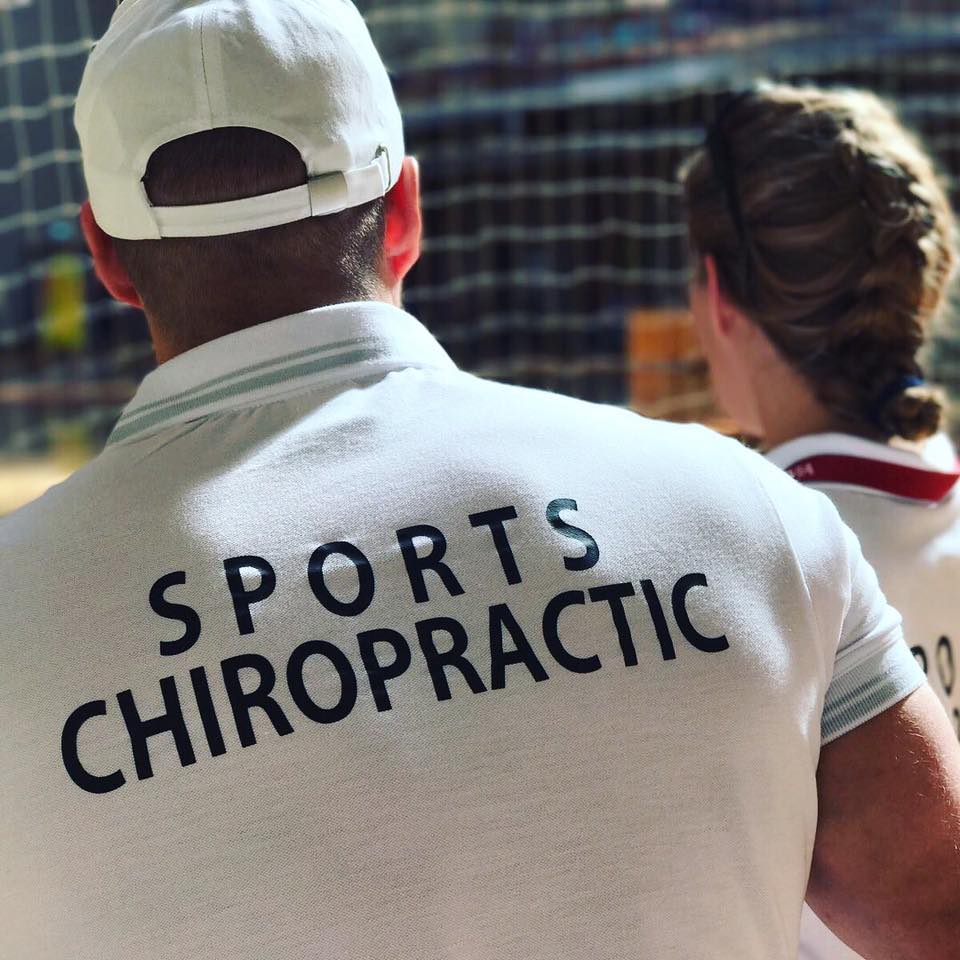
One of the exciting things about our online program is that our faculty come from all over the world! Because we can connect from anywhere, we’ve been able to put together a faculty with expertise working in a variety of performance populations, a diversity of training and experiences, and informed perspectives that will challenge you to broaden your perception and understanding of the topics you study.

You can probably tell that we’re not only passionate about the field of sport and performance psychology, but also about the programs we’ve created at UWS to guide our students toward their academic and career goals. For me personally, I’ve never worked with such a dedicated group of faculty, all laser-focused on doing what it takes to help our students be successful, from early-morning Zoom meetings to restructuring a series of courses to offering students the opportunity to participate in their research.

I hope you’ve learned a bit about the philosophy and culture of the UWS Sport and Performance Psychology programs! Myself and our dedicated admissions advisors are happy to chat with you more if you have more questions about why the UWS SPP programs are right for you.

Thanks for reading!


Want to learn more about the UWS sport and performance psychology degree programs? Visit the program webpage for more information or contact the admissions department virtually, by emailing [email protected] or calling 800-641-5641.

Time Management Tips for Busy Graduate Students

Time Management

By: Aleasha Nelson, UWS doctor of chiropractic student

Work smarter not harder. Time management is easier said than done. Balancing classes, watching lectures, studying, connecting with family, maintaining a social life, and keeping an active lifestyle in a graduate program is a difficult task. 

Here are a few tips that can help make your time in a rigorous University of Western States program more manageable and enjoyable. 

Prioritize your calendar:  

  • Have a daily, weekly and/or monthly calendar whether it be on an app, paper, or whiteboard. This can be utilized to help organize your time. Write down all your term assignments, quizzes and exams for each class ….  as seeing all deadlines at a quick glance at any given time can make it easier to stay on top of studying.  
  • Having a daily to-do list can keep you on track of what you want to complete that day and help break down goals into manageable pieces. 
  • Color coordinating your schedule is a great way to keep your calendar looking clean and easy on the eyes! It can help you make sure you don’t accidentally miss something if everything is in the same color. 

Be honest with yourself about how you spend your time:  

  • Calculate the length of lectures that need to be watched for each class and write it on your calendar. This can be helpful to stay on top of lengthy lectures (even if you do speed them up, make sure to add extra time allowing you to pause the video to write down notes). 
  • If you are an on-campus student, account for commuting to and from the university, trips to the grocery store, gym, work, etc. Sometimes we can underestimate how much time everything will take, especially if you have a 7:30 a.m. lab or one that ends at 5:40 p.m. If you often find yourself stuck in rush hour traffic, plan your day accordingly. Use this time in the car commuting to re-listen to lectures, audio books or podcasts to help deepen your learning.
  • A 15-minute task can often turn into a couple hours if one is not careful. Be honest with yourself on how long it will take you to complete an assignment, work out or grab coffee with a friend as to not get stuck continually feeling behind. 

Maintaining a healthy lifestyle: 

  • When one is busy, sleep is often the first thing people cut out of their schedule because people tend to think they can just make it up another night. This isn’t healthy for your body or your mind. Professors will tell you to make sure to get a good night’s sleep before an exam and to not stay up all night studying. Your body and brain need time to rest. Factual recall will be challenging if your brain is foggy, you are running off a couple hours of sleep, and those three cups of coffee are all that’s fueling you.
  • Fuel your body with healthy meals. Wake up 10 minutes earlier to eat something for breakfast and set time aside to fuel yourself. Meal prepping over the weekends can be beneficial as you can then ensure you have a healthy meal set aside to quickly grab on a busier day instead of grabbing a burger from a fast-food restaurant. 
  • Exercise is another task people push to the side when busy but is so important. Even taking 10 minutes to step away from studying to go for a walk outside can give your mind a break and help you come back ready to focus.  
  • Make sure to block time on your daily planner for exercise, eating, and getting sufficient sleep. 

Learning time management isn’t easy! You may not complete your task list every day, but don’t be hard on yourself and get caught in disappointment. Prepare ahead by setting time aside each week for self-care and socializing to prevent that burned out feeling. You got this! Remember to just take it one day at a time as small changes add up over time.

If you would like to explore more options for time management or organizational techniques, visit the UWS Student Affairs webpage or contact the department by phone at 503-251-2802 or email [email protected].

University of Western States Establishes Partnership with Marimn Health


Marimn Health _ UWS

University of Western States (UWS) has partnered with Marimn Health, a Federally Qualified Health Center on Coeur d’Alene Tribal land near Plummer, Idaho, as a UWS Community Based Internship (CBI) site. UWS Doctor of Chiropractic (DC) student interns train with Dr. Ryan Kain, a chiropractic physician provider at Marimn Health, to serve members of the Tribal and surrounding rural populations.

“We are excited to partner with Marimn Health to provide learning opportunities for our interns, to help deliver health care to a broader community, and to teach others about the benefits of chiropractic health care,” said UWS President Dr. Joseph Brimhall.

Dr. Stanley Ewald, UWS associate dean of the UWS College of Chiropractic added, “Just about every indicator of health and health care access demonstrates large disparities among our Native American population.”

Located 45 minutes south of Coeur d’Alene, Idaho, Marimn Health is a Federal Qualified Health Center (FQHC) operated by the Coeur d’Alene Tribe. Marimn Health serves patients from the Tribal community and from the surrounding rural areas. Students from a variety of health care disciplines such as physician assistants, nurse practitioners, medical students, osteopathic students, and now chiropractic students complete clinical rotations at Marimn Health.

Dr. Ryan Kain and Dr. Stanley Ewald
Dr. Ryan Kain, Marimn Health, Dr. Stan Ewald, UWS

“We are thrilled to partner with UWS to further our mission of providing excellent health care to those we serve,” said Dr. Kain. “With UWS being an institution in our region that aligns with our integrative care model, it’s a partnership we are thrilled to collaborate on.”

The UWS CBI program enhances the clinical training of chiropractic interns who demonstrate defined competencies, as they continue their training in established chiropractic practices. UWS CBI interns gain valuable real-world experience and insights about various aspects of chiropractic practice. Marimn Health provides UWS interns the opportunity to collaborate with an integrative health care community, advancing the UWS vision, ”To Advance Quality of Life and Wellness Through Transformative Education and Health Care.

“Our first and foremost goal for the students is for them to gain experience and exposure to multi-professional integrative care, and how to grow and cooperate alongside practitioners from other professions,” said Dr. Kain. “I really want the interns from other professions to experience the healing power of chiropractic care and learn how our disciplines can collaborate, develop professional relationships, and provide referrals all “For the Good of the Patient.”

AASP Annual Conference Experience

AASP Conference Logo

UWS EdD-SPP, CMHC Specialization Student, Erin Cochran recaps her experience attending the 37th annual Association for Applied Sport Psychology (AASP) conference in Fort Worth, Texas


Each year, the Association for Applied Sport Psychology (AASP) holds a conference that brings together a wide variety of applied practitioners from around the world and who work with professional and elite athletes; collegiate, high school, and youth sport athletes; and tactical and non-sport performance populations. This year, it was my honor to be able to attend my fourth AASP conference in-person (attended virtually in 2021 due to COVID-19 pandemic) and regain a deep sense of purpose for my future work with clients and research.

One of the best experiences one can have when attending a professional conference is the inherent sense of comradery and connection with like-minded individuals. There’s no better example of this feeling than connecting with fellow counseling and sport and performance psychology students, alumni, faculty and staff from UWS.

AASP Blog Photo

I began the UWS integrated degree program in 2018. When I graduate in spring 2024, I will obtain a Doctor of Education in sport and performance psychology (SPP) and a master’s degree in clinical mental health counseling (CMHC) (EdD-SPP, MS-CMHC). Since beginning the program, I have grown exponentially in my professional identity and have nothing but gratitude and reverence for the education I’ve received from UWS. Being able to work full time during my educational pursuits online has been a game changer but can come with the cost of not experiencing the in-person connections you could create in a physical classroom. However, the support and connection I’ve gained throughout my time goes beyond the limitations of a physical classroom and has allowed me to connect with UWS folks across the world. Being able to connect with a few of these influential people every year at the AASP conference is the cherry on top.

The AASP 2022 annual conference featured more than 100 lectures, panels, workshops, lectures, and symposia over four days held at the Fort Worth Convention Center. The central theme across all was based on how practitioners can apply the latest evidence-informed techniques and practices across the performance spectrum to strengthen clients’ “inner edge.”

Here are just a few of the numerous presentations that really stuck with me:

  • Integrated Sport Psychology Services – Perspectives from Major League Baseball (MLB)
  • The Complexity of Treating Eating Disorders and Perfectionism in Athletes
  • Licensed Sport Psychology Professionals’ Roles and Experiences Working Within a NCAA DI Athletic Departments
  • “Life is Like a Marathon” keynote address by Paralympian Tatyana McFadden
  • “Title IX’s New Glass Ceiling: Opportunities, Criticisms and Re-Imagining the Empowerment of Women” keynote address
  • The Development of Psychological Skills Training Programs for Future Health Care Professionals
  • Applying Neuroscience to Enhance Mental Health and Sports Performance
  • “Healing, Not Harming: How a Trauma-Informed Lens Can Change Sport” keynote address

All of these sessions and keynote presentations displayed a clear intersectionality of how clinical mental health counseling skills can directly enhance sport and performance psychology services and vice versa. Following graduation, some of my professional goals include continuing to pursue licensure in the state of Oregon as a licensed professional counselor and either own a private practice or work within an integrated clinic, as well as offer sport and performance psychology programming to NCAA Division I collegiate athletes, specializing in athletic identity work. I’d also like to earn certification as a Certified Mental Performance Consultant (CMPC®). There’s no doubt that being a regular attendee of the AASP conference will help me capitalize on these goals and I will continue to foster relationships with fellow UWS alumni, faculty, staff and students for years to come.

UWS students, alumni, faculty and staff gathered at the 2022 Association for Applied Sport Psychology (AASP) conference in Fort Worth, Texas


More about the EdD-SPP, CMHC program:

The UWS doctorate of education in sport and performance psychology, clinical mental health counseling specialization (EdD-SPP, CMHC) is uniquely designed for students who are simultaneously seeking counseling licensure and advanced sport and performance psychology training to open the door to a wide array of career options.

UWS Release New inTouch Magazine

inTouch summer/fall cover

This edition of the inTouch includes:

  • News about the UWS affiliation with the TCS Education System.
  • Highlighting UWS chiropractic interns work with the U.S. military.
  • A final call to attend the 12th annual Summer in December Continuing Education program. 
  • Feature of various opportunities students across all UWS academic programs who have recently had to directly apply classroom knowledge to care for patients and clients.
  • A call to join the UWS Cornerstone Society and Alumni Finder Map.
  • Announcement of the 2022 UWS Alumni Recognition Award recipient.

…and much more!

Read past editions of the inTouch alumni and friends magazine.

Pt 2: What is Sport and Performance Psychology? 

Post 2: The Range of SPP Services

By: Sarah Castillo, PhD, CMPC, UWS sport and performance psychology program director

In the first post in this series, we talked about the “continuum of mental health.” As you recall, mental health is not simply the absence of mental illness – it’s more nuanced than that. Performers exist at every point along the continuum from “in crisis” to “excelling,” and that means there must be appropriately trained sport and performance psychology (SPP) practitioners available to work with them. Of course, the types of services provided depend upon the needs of the client and the expertise of the SPP practitioner. In general, these services can be placed into one of two categories: clinical or performance. We’ll talk about the differences between the two, but first, it’s essential to talk about the underlying requirements of both.

If you’ve decided to work in a mental health career, whether you’re interested in doing clinical or performance work, you’ve got to be proficient at demonstrating basic counseling skills. These skills include, but are not limited to, the ability to 1) demonstrate empathy and listening skills; 2) the ability to paraphrase, challenge, and question; 3) the competency to read and respond to both verbal and nonverbal cues; and 4) the ability to collaborate effectively with the client from initial assessment to termination of the helping relationship. Often, people enter the helping professions thinking “I’m the one all of my friends come to when they need advice,” or “all of my friends tell me how easy I am to talk to.” While that’s flattering, and likely says something about an innate ability to help, it’s essential to know that “helping” is not the same as “advice-giving,” and being “easy to talk to” is different than serving as a guide toward lasting behavioral change. Basic counseling skills are common to both clinical and performance work with performers, but they are by no means easy to learn and develop.

Now that we’ve talked about the common skills and abilities that SPP practitioners across the continuum of mental health must have, lets dive deeper into the two general types of services.  For reference, below is a linear depiction of the Delphis (2020) proposed continuum of mental health.

SPP Blog Graphic

In order to provide clinical services, SPP practitioners must hold a state-issued license as a clinical mental health provider.  When working with performers experiencing mental health distress (i.e., “in crisis” or “struggling”), services include the diagnosis and treatment of mental illness according to the classifications in Diagnostic and Statistical Manual (DSM). The goal of clinical services is “restorative.” That is, treatment focuses on helping the performer to regain positive control over thoughts, emotions, and behaviors. Examples of these state-licensed professions include psychologists, clinical social workers, marriage and family therapists, and clinical mental heal counselors. In every case, clinical practitioners are held to the standards and particular ethical codes of their profession, including the requirement to refer clients out when their needs do not match the role and/or expertise of the SPP practitioner.     

SPP practitioners providing performance services work with performers and groups who are already “thriving” or “excelling.” Observations, interviews and assessments are conducted to determine the performer’s needs. Next, mental skills interventions are designed and implemented to improve performance beyond the current level. Along the way, the practitioners and performers work together to assess effectiveness and make changes when and where necessary. Currently, the only accredited competency standard in sport and performance consulting is the Certified Mental Performance Consultant (CMPC®) credential offered through the Association of Applied Sport Psychology (AASP). Similar to clinical services, the provision of performance services requires adherence to the standards and particular ethical codes of the profession, including the requirement to refer clients out when their needs do not match the role and/or expertise of the SPP practitioner.

But who works with performers who are “surviving”? If you’ve been paying attention, you’ve noticed that there’s still one category in the mental health continuum that hasn’t been addressed. Those performers who may be classified as “surviving” might be best served by either clinical services, performance services, or both. This makes it essential for SPP practitioners to pay close attention to performers’ thoughts, emotions and behaviors. While the presenting issue may be performance-related, clinical issues may arise. Conversely, the presenting issue might best be addressed by a clinical practitioner, but during the course of treatment performance-related issues might appear. In either case, the SPP practitioner must have the training and expertise to recognize the additional impact of clinical or performance issues and make the appropriate referral.

At UWS, we believe that the “dual relationships” clause present in both clinical mental health and mental performance consulting ethical codes expressly prohibits SPP practitioners from working with a single performer on both clinical and performance issues. That is, even when an SPP practitioner is dually trained (i.e., both a licensed clinician and a CMPC®), they may not fulfill both roles with the same client. Although from the practitioner’s perspective it may seem easy to “switch hats” based upon the issue the performer brings to session, the prohibition is developed with the client’s perspective in mind; that is, is the client aware of when the “hats” have been switched? Does the client know which hat the SPP practitioner is wearing when they visit a training session? Because, at any point, the client may be negatively impacted by the confusion or anxiety these dual roles cause, it is unethical. 

Check out the third installment of the “What is Sport and Performance Psychology?” series that covers how the UWS SPP and CMHC programs prepare students to build their careers in these growing professions.


Want to learn more about the UWS sport and performance psychology degree programs? Visit the program webpage for more information or contact the admissions department virtually, by emailing [email protected] or calling 800-641-5641.

Dr. Jaipaul Parmar Named UWS 2022 Alumnus of the Year

Alumni Recognition Award Graphic

Jaipaul Parmar, DC, 2010 graduate of University of Western States (UWS), has been named the 2022 UWS Alumnus of the Year.

“It is a true honor and privilege to be named the 2022 UWS Alumnus of the Year,” said Dr. Parmar. “Since acceptance, going through the program, graduating, and now having over a decade of practice, I hold a very special place in my heart for UWS. I have a genuine passion for the chiropractic profession and am beyond grateful for this recognition from the institution that has forever changed my life and has allowed me to have an impact on others’ lives every single day.”

Shortly after receiving his license, Dr. Parmar began serving as a member of the British Columbia Chiropractic Association (BCCA) and the Canadian Chiropractic Association (CCA). He was recently nominated to sit on the CCA Board of Directors for his contributions to the community. Dr. Parmar and his practice, Alliance Wellness Clinic in Vancouver, BC, has served as a preceptor site for UWS student clinical interns for many years.

“Since graduating from UWS in 2010, Dr. Jaipaul Parmar’s contribution to the BC chiropractic community and the university has been significant,” said UWS President and CEO, Dr. Joseph Brimhall. “Dr. Parmar’s clear passion for the profession goes beyond boards and public service but is also evident on an individual level as a mentor to UWS student interns. As a preceptor for several years, Dr. Parmar has been eager to share his expertise with our student interns and has shown a keen investment in the next generation of chiropractors.”

Recipients of the UWS Alumni Recognition Award represents the outstanding accomplishments UWS alumni accomplish in advancing the science and art of integrated health care. UWS alumni reflect the core values of the university – student focus, best practices, curiosity, inclusiveness, professionalism and whole-person health.

Dr. Parmar and all the nominees will be honored at an alumni reception at the UWS campus at 8000 NE Tillamook Street in Portland, Oregon on Thursday, April 20, 2023.

What is Sport and Performance Psychology?

Post 1: The Continuum of Mental Health

By: Sarah Castillo, PhD, CMPC, UWS sport and performance psychology program director

Let’s face it – there are plenty of options when it comes to pursuing a graduate education and choosing a career. If you’re interested in working with performers, you might choose sport management, sports marketing, coaching education, athletic training, strength and conditioning, or a host of other options. If it’s mental health, you might consider clinical psychology, psychiatry, or social work. If it’s kinesiology, the scientific study of human body movement, career fields range include exercise prescription, biomechanics, and motor development? But, there’s only one field that lives at the very center of them all – sport and performance psychology. The name is intriguing, it’s popular and it sounds like it might be exactly what you want! But what, exactly, is it? In this blog series, we’ll address the basics of sport and performance psychology and help you to understand where you might fit.

First and foremost, sport and performance psychology (SPP) is a mental health profession. In 2020, Delphis, an organization dedicated to management organization on mental health and well-being, proposed a continuum of mental health in an attempt to expand the traditional belief that that mental health was nothing more than the absence of mental illness.
At University of Western States, (UWS), we agree wholeheartedly with this conceptualization of mental health. Even better, individuals trained in sport and performance psychology may be able to work with performers at various points along the continuum.

Let’s take a look at the training required for this work:

When working with performers “in crisis” or “struggling,” training in sport and performance psychology must be paired with clinical licensure in psychology. Individuals with this dual training are able to diagnose and treat mental illness with a clear understanding of how competitive sport and performance environments must be considered.

Working with performers who are “surviving” requires, at minimum, substantial training in sport and performance psychology and significant counseling skills. While the performer’s presenting problem may not be clinical in nature, it’s essential that the SPP practitioner be able to immediately recognize any future appearance of clinical issues, as they may be just below the surface. When clinical issues arise, it is essential that the SPP practitioner make an appropriate referral to a clinical practitioner.

Performers who are “thriving” or “excelling” are able to manage life’s challenges with well-developed coping skills and are able to perform at their peak. Working with performers at this end of the continuum requires extensive training and applied experience in sport and performance psychology.

It’s critical to recognize that not every SPP practitioner wants to, or is qualified to, work with individuals at every point along the continuum. Therefore, when considering a career in sport and performance psychology, the first order of business is to determine what it is that YOU want to do. Which points along the continuum are you passionate about? Your choice of program coursework and supervised experiences all depend on where your passion for the field truly lies.  Sport and performance psychology is gaining popularity, but it’s your passion for the type of work that will make you a dedicated student and competent practitioner!

Be sure to check out the second installment in this three-part series, “What is Sport and Performance Psychology.” In part two, we’ll talk about the similarities and differences between clinical and performance-based SPP practitioners.

In the third installment of the series, it’s discussed how the UWS SPP and CMHC programs prepare students to build their careers in these growing professions.


Want to learn more about the UWS sport and performance psychology degree programs? Visit the program webpage for more information or contact the admissions department virtually, by emailing [email protected] or calling 800-641-5641.

Value of a Specialization in Sports Medicine

By: Bill Moreau, DC, DACBSP, FACSM

Sports and chiropractic care have enjoyed a long and mutually supportive relationship. It is now commonplace for doctors of chiropractic to be involved in all levels of sport care for athletes, from the recreation leagues to the Olympics, Paralympics, NFL and other professional sports leagues, and beyond. Regardless of the level of involvement, there are growing opportunities for chiropractic physicians to serve in the sporting world.

The highly visible world of sport is a great proving ground to demonstrate the safe, effective and efficient delivery of chiropractic care, in both preventative and interventional modes. Athletes of all levels are looking to reach their personal bests in sport. An athlete’s sustained and healthy career can be a predictor of their success. In order to reach that level of success, mental and physical wellness need to be top priorities.

Hear from Dr. Bill Moreau, about the value of a degree specialization in sports medicine.

HOW TO GET INVOLVED IN SPORTS CARE

A key to identifying the pathway to engage in sport care of athletes is for the doctor of chiropractic to identify opportunities that are unique to their particular circumstances. Many doctors are currently in the sporting environment, and many more want to get in the game. It makes sense to expect that the doctor needs to enhance their clinical skills and sports-related acumen as they begin to offer healthcare services outside of their clinic or office setting. For most doctors, their area of highest comfort and clinical confidence is when they are working in their own offices. In the office setting, doctors of chiropractic are in positions of authority where the final opinion is typically not questioned and all the staff, tools and equipment they use to help their patients is right at hand.

In sport care, the doctor needs to understand the three A’s of sport: ability, availability, affability.  All chiropractic physicians care for athletes. When the care is offered outside the clinic or office setting, the change in location requires the doctors to see the entire setting before engaging in care. It is important to recognize there are other well trained and talented professionals that also want to help the athletes stay healthy. Developing supportive partnerships within the health care team is necessary to deliver athlete-patient centric care.

sports chiropractic

OFFICE CARE VERSUS EVENT CARE

There are important differences between office and event care. One of the key differences is related to the clinical presentation of the patient. Chiropractic physicians are taught to recognize clinical conditions by identifying the signs and symptoms of the presenting patient and then match these findings to a diagnosis. The diagnosis is formulated based on the doctor’s education and clinical experience, and serves as a guide to implement the best course of care for the ill or injured athlete. The key difference is the time to presentation. In the clinical setting, the athlete’s injury will have had time to develop the classic telltale signs and symptoms we are trained to identify. At an event, you see an athlete moments after the injury. The injury is most likely still unwinding to show the clinical picture whereby the clinician can identify the diagnosis.
Serial (repeat) examinations are a cornerstone to the successful management of injuries and illness at an athletic event. For example, the current standard of care for the evaluation and management of an individual with sports related concussion is serial examinations every five (5) minutes.1 The final diagnosis should not be made until the patient’s clinical presentation is stable and no longer changing.

WHERE TO OBTAIN ADDITIONAL EDUCATION, TRAINING AND CERTIFICATION

Depending upon the role the chiropractic physician fills on the sports medicine team, additional education helps best prepare the doctor to fulfill their role. In the United States, the American Chiropractic Board of Sports Physicians is the recognized certification organization for the chiropractic physician who wishes to obtain a sports medicine certificate of additional qualification.2 For those who work outside the United States, the International Federation of Sports Chiropractic (FICS) is the recognized certification organization.3 Doctors working domestically or on the international level may also consider formal education in a master’s degree program related to sport or sports medicine to help prepare them for success in the sporting arena.

PREPARTICIPATION EXAMINATIONS AND SPORTS-RELATED CONCUSSION EVALUATIONS

In addition to the numerous opportunities, there are also barriers to the chiropractic physician wishing to engage in the full spectrum of sports medicine. The two most controversial areas pertain to the ability to perform preparticipation examinations (PPE), sometimes called the periodic examination, and the evaluation and management of sports-related concussion.

About one half of the states allow the chiropractic physician to perform the PPE while other states do not. There is a lack of consensus within and outside the profession regarding this issue. Typical areas of resistance are centered on the cardiac examination. The critics state they are not convinced that a chiropractic physician can detect abnormal heart sounds. While there is not a single study to support this position, there are studies that demonstrate that family practitioners, academic internists, and general internists all demonstrate a low proficiency of no more than 40% in recognizing basic heart murmurs. Cardiologists, who only represent 5% of practicing physicians, are the only group that routinely recognizes most abnormal heart murmurs.4

The AHA twelve-point cardiac examination has been suggested as the standard of care for the PPE. At the discretion of the examining clinician, a positive response in any one or more of the 12 items may be enough to cause a referral to a cardiologist for cardiovascular evaluation. Parental verification of the responses is regarded as essential for minor students in middle or high school students, because young patients are notoriously poor historians.5 The historical and physical examination described in those circumstances falls well within the scope and skills of a chiropractic physician. The point is the abnormal heart sound does not need to be named by the primary point of contact. All athletes with an abnormal heart sound must be evaluated by a cardiologist to identify the cause of the murmur and the safety for that individual to participate in sporting activities.

Regarding sport-related concussion, it would be very surprising, after the plethora of current media coverage, that any health care provider would ever consider returning an athlete who possibly sustained a concussion to play. Each athlete must be protected from continued participation while suffering from any symptom or sign of concussion. Advising against return to play based on clinical findings is well within the scope of skills for chiropractic physicians.

There is a growing and continued need for chiropractic physicians to evaluate and manage sports injuries in all patient populations. It makes sense that all providers would work to know what they need to know before the sport injury patient presents before them.

References:

  1. McCrory, Paul, Willem Meeuwisse, Jiří Dvorak, Mark Aubry, Julian Bailes, Steven Broglio, Robert C Cantu, et al. “Consensus Statement on Concussion in Sport—the 5 th International Conference on Concussion in Sport Held in Berlin, October 2016.” British Journal of Sports Medicine, April 26, 2017, bjsports-2017-097699. https://doi.org/10.1136/bjsports-2017-097699.
  2. Moreau, William J. “The American Chiropractic Board of Sports Physicians Supports the Journal of Chiropractic Medicine.” Journal of Chiropractic Medicine 6, no. 3 (2007): 85–86. https://doi.org/10.1016/j.jcme.2007.06.002.
  3. Latest FICS News. (n.d.). Retrieved February 4, 2020, from https://fics.sport/
  4. Barrett, Michael, Bilal Ayub, and Matthew Martinez. “Cardiac Auscultation in Sports Medicine: Strategies to Improve Clinical Care.” Current Sports Medicine Reports 11, no. 2 (April 2012): 78–84. https://doi.org/10.1249/JSR.0b013e318249c0ff.
  5. Maron, Barry J., Paul D. Thompson, Michael J. Ackerman, Gary Balady, Stuart Berger, David Cohen, Robert Dimeff, et al. “Recommendations and Considerations Related to Preparticipation Screening for Cardiovascular Abnormalities in Competitive Athletes: 2007 Update: A Scientific Statement From the American Heart Association Council on Nutrition, Physical Activity, and Metabolism: Endorsed by the American College of Cardiology Foundation.” Circulation 115, no. 12 (March 27, 2007): 1643–55. https://doi.org/10.1161/CIRCULATIONAHA.107.181423.

UWS Named a Top School for Online Education in Nutrition

Best Online Degree Programs

UWS has been ranked one of the nation’s best schools for online degrees and certificates in the nutrition field for 2023. Six percent of regionally accredited colleges and universities earned a ranking position. 

University of Western States has been named one of today’s best schools for online higher education in health care by EduMed.org. UWS’s online programs in the nutrition field earned top honors for their overall quality, affordability and commitment to student success. 

Take a look at the full rankings to see where UWS placed: Best Online Nutrition Master’s Degrees

“Our rankings showcase the schools giving future integrated health care professionals the best chance to succeed from day one in the classroom to day one on the job,” said Wes Harris, outreach coordinator for EduMed.org. “This starts with low-cost tuition, but also includes academic counseling, career placement and other key resources that students need to graduate and get hired.”

EduMed.org’s rankings come at a time when the demand for trained health care professionals is on the rise. According to Mercer, a global consulting leader in health care, the U.S. will see millions of vacancies in critical health care positions by 2025.

“One key to solving the health care shortage is making higher education more accessible,” said Harris. “Online programs open the door to students who may not be able to commit to a campus-based program while working, or to commute to a classroom at all. Each school in our rankings has made online learning a priority.”

EduMed.org researched and analyzed more than 7,700 accredited schools using data from the Integrated Postsecondary Education Data System (IPEDS) and from the schools themselves. The website’s data science team then applied a proprietary algorithm to rank all qualifying schools for each healthcare discipline. Primary data points include: 

  • Academic counseling services
  • Career placement services
  • Student-to-faculty ratio
  • Tuition
  • Percent of students receiving school-based financial aid
  • Amount of school-based aid per student

To be eligible, a school must hold active regional accreditation and have at least one partially online program in the ranking subject. Just 8% of U.S. postsecondary institutions earned a ranking position. 


About EduMed.org

EduMed.org set out in 2018 to support higher education in health care. Our complimentary resource materials are expert-driven guidebooks help students find scholarships, financial aid and top degree programs in nursing, healthcare administration, public health, and dozens of other key medical and health disciplines. Since the site’s official launch in 2019, EduMed.org has been featured by more than 100 premier colleges and universities across the U.S. 


About the UWS Human Nutrition and Functional Medicine Program

The HNFM department at UWS houses the following programs:

These nutrition programs integrate cutting-edge functional medicine clinical tools and resources developed by the Institute for Functional Medicine (IFM), the organization that founded and developed many functional medicine concepts in use today. Functional medicine is a science-based, patient-centered approach to achieving and maintaining excellent health through natural methods, with diet and nutrition at the forefront. Founded on a holistic view of health, our functional medicine programs leverage the biochemical and genetic individuality of each patient so that practitioners can treat the whole person, not just the symptoms.

Our HNFM programs are 100% online. Available to international students, transfers, and veterans

Want to learn more about the UWS human nutrition and functional medicine degree programs? Visit the program webpage for more information or contact the admissions department virtually, by emailing [email protected] or calling 800-641-5641.

Obtaining the CMPC® Credential Through the AASP

University of Western States alumna, Dr. Neva Barno, obtained the Certified Mental Performance Consultant (CMPC®) credential through the Association for Applied Sport Psychology (AASP) after completing the doctorate of education in sport and performance psychology, clinical mental health counseling specialization (EdD-SPP, CMHC) degree program.

CMPC Badges

Dr. Barno’s passion for clinical mental health counseling and sport and performance psychology started after experiencing an injury in high school. It left a significant impact on her physical performance and mental health. Dr. Barno currently works as a cognitive enhancement specialist with Thrive Proactive Health, O2X Human Performance, and Blue / Green Training. Her specialties include injury rehabilitation and working with tactical athletes. Obtaining the CMPC® took her injury to a new level.

According to the AASP, “Certification as a CMPC® demonstrates to clients, employers, colleagues, and the public at large that an individual has met the highest standards of professional practice, including completing a combination of educational and work requirements, successfully passing a certification exam, agreeing to adhere to ethical principles and standards, and committing to ongoing professional development.”

Curious how an education through UWS can prepare you to pursue the CMPC® credential? Connect with the UWS admissions department online or by email at [email protected] or call 800-641-5641.

Dr. Christine Girard Elected to UWS Board

The University of Western States (UWS) Board of Trustees has announced the addition of Christine L. Girard, ND, MPH, to the board. Dr. Girard brings an extensive background and knowledge of integrative medicine.

“We are very pleased to welcome Dr. Christine Girard as a member of the UWS Board of Trustees,” said Dr. Joseph Brimhall, UWS president and CEO. “Dr. Girard’s exceptional background and experience in the naturopathic medicine community, in higher education administration, and in clinical practice, uniquely qualifies her to deliver valuable perspectives for the board governance of University of Western States.” 

Christine Girard, ND

Dr. Girard has devoted her career to hospital-based integrative medicine and the education of health care professionals across specialties for more than 25 years. She has taught both undergraduate and graduate level courses for the online programs at the University of Arizona’s Mel & Enid Zuckerman College of Public Health. Dr. Girard also served as past president/CEO of the National University of Natural Medicine in Portland, Oregon, executive vice president of Southwest College of Naturopathic Medicine, and past director of naturopathic medicine at Southwestern Regional Medical Center in Tulsa, Oklahoma. Dr. Girard is the co-founder and past co-director of the Integrative Medicine at Griffin Hospital in Derby, Connecticut. While at Griffin Hospital, Dr. Girard served as a clinical research specialist at the Yale-Griffin Prevention Research Center.

“What a great honor to join the Board of Trustees,” said Dr. Girard. “I am delighted to serve alongside such a forward-thinking team of professionals. I have been impressed with the leadership of UWS as it navigates the changing landscape of higher education and health care while remaining constant in keeping the ‘good of the patient’ at the center of care.”

Dr. Girard received her naturopathic degree from National College of Naturopathic Medicine in Portland, Oregon and her MPH from the University of Arizona’s Mel & Enid Zuckerman College of Public Health.

Awards include the Virginia G. Piper Charitable Trust’s Piper Fellows Program (2013), American Association of Naturopathic Physicians’ Physician of the Year Award (2010), and National College of Naturopathic Medicine’s Pioneer Award (2008).

Marshall Named UWS Sports Medicine Program Director

Marshall

Brent Marshall, EdD, LAT, ATC, CES, PES has been named the program director for the UWS sports medicine degree program.

“Dr. Marshall brings a deep commitment to the quality of the student learning experience – both in the classroom and in the clinical site – to his new role as program director,” said College of Graduate Studies Dean, Dr. Alisa Bates. “As UWS works to redesign the sports medicine program for the future, Dr. Marshall’s expertise in higher education coupled with his knowledge of hands-on sports medicine will prepare the students for long-term success as providers. I am excited to see the future of the program come to life under his leadership!”

Dr. Marshall is a certified athletic trainer (ATC) and holds a Doctorate of Education from Concordia University (Portland, OR/Wisconsin) with an emphasis in higher education leadership, continuous improvement and innovation. His dissertation focused on non-contact sport coaches’ attitudes, beliefs and behaviors of sport-related concussion. He also holds a Masters of Science degree from Weber State University (Ogden, Utah) in athletic training and Bachelors of Arts degree in kinesiology from Whitworth University (Spokane, Washington).

“I am beyond excited and extremely grateful to be named director of the sports medicine program,” said Dr. Marshall. “Together with the help of our faculty, staff and university, we will strive to create a standard of excellence to teach and train our sports medicine students. This will allow program graduates to become highly-skilled, confident and compassionate health care providers to their patients and greater communities in which they serve.”

Clinically, Dr. Marshall has worked with all levels of athletes including high school, collegiate, amateur, semi-professional and professional. Within the sports medicine program at UWS, in addition to clinical instruction he teaches evaluation, rehabilitation, taping, and emergency care content and courses throughout the program. His research interests include student-learning, student learning outcomes from online and hybrid classrooms, sport-related concussion and educational degree standards for allied health professions. He also has additional certifications for corrective exercise, athletic performance enhancement and others.

Kaeser Named Dean of UWS College of Chiropractic

UWS dean college of chiropractic

Upon Dr. Kathleen Galligan’s retirement, dean of the UWS chiropractic program from 2018-22, an extensive search and interview process was held to fulfill the role. In spring 2022, Dr. Martha (Marty) Kaeser was named the new dean.

“Dr. Kaeser has a strong background in health care education and is known and appreciated by our community,” said Dr. Dana Sims, UWS provost. “With her understanding of the university mission and vision as well as her collaborative style, we look forward to continued excellence in chiropractic education under her leadership.”

Dr. Kaeser previously served as UWS associate dean since 2018. Dr. Kaeser is a collaborator, a listener and a contributor with a strong record of research, publication and presentation. She holds a chiropractic degree, a master’s degree in adult education and bachelor’s degrees in life science, special education and anthropology.

“I am greatly honored to be entrusted with the Dean position in the College of Chiropractic,” said Dr. Kaeser. “I am in awe of how hard the faculty and staff work to ensure that there is a deliberate focus on students and the core values. Additionally, I am excited to continue the good work of being student focused, innovative and creative. I could not ask for a better job or work with a better group of people.”

Prior to her work at UWS, Dr. Kaeser served Logan University in a variety of roles including assistant dean, director of academic assessment and clinical assessment skills center director.

UWS Release New inTouch Magazine

Check out the Winter/Spring 2022 edition of inTouch alumni and friends magazine!

Intouch magazine cover winter spring 2022

inTouch news includes:

  • News about the newly launched doctor of naturopathic medicine degree program. 
  • Updates from Bola Majekobaje, director of diversity, equity and inclusion (DEI), on the university’s DEI efforts.
  • Information on a revamp of the UWS business partner program. 
  • News about the relaunch of the UWS associated student body.
  • A profile highlighting Dr. Stephen Salaz and Dr. Jacob Salaz and their shared practice, Mt Hood Chiropractic in Troutdale, Oregon. 
  • A call for nominations for the 2022 UWS Alumni Recognition Award.
  • and much more!

Read past editions of the inTouch alumni and friends magazine.