University of Western States’ Dr. Christopher Stanley Featured in Forbes Article

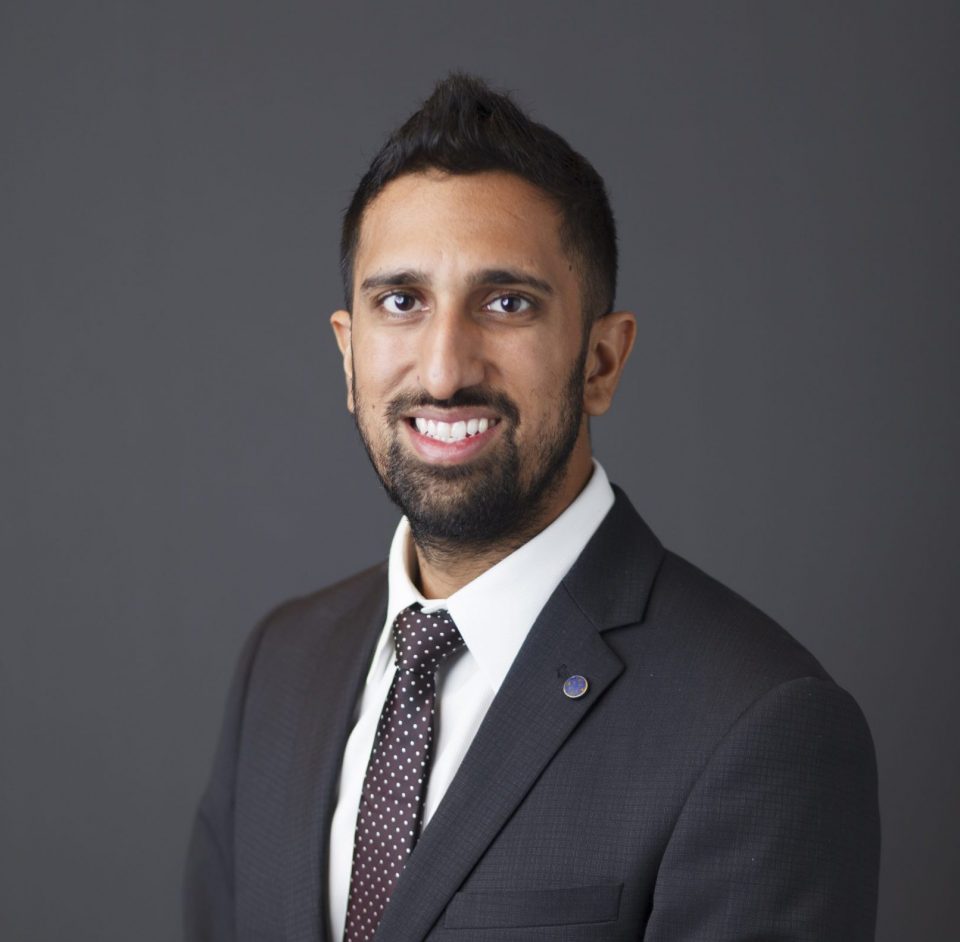
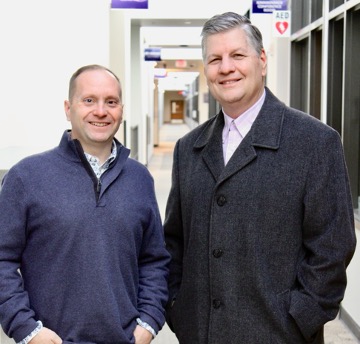
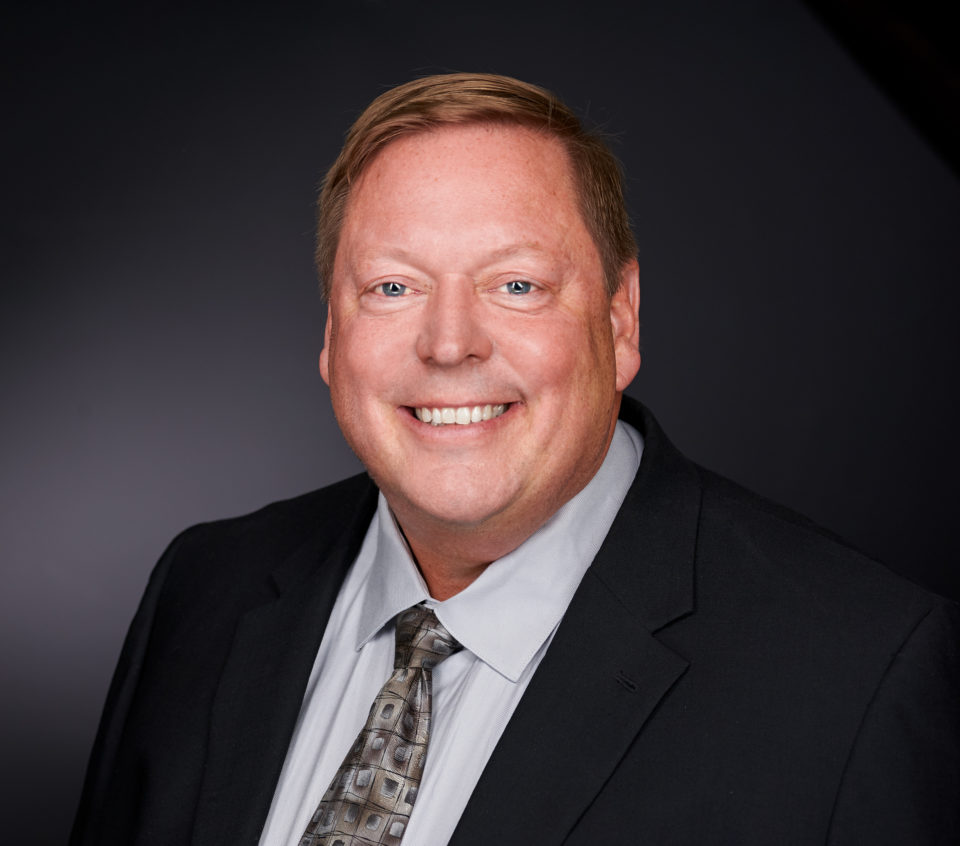
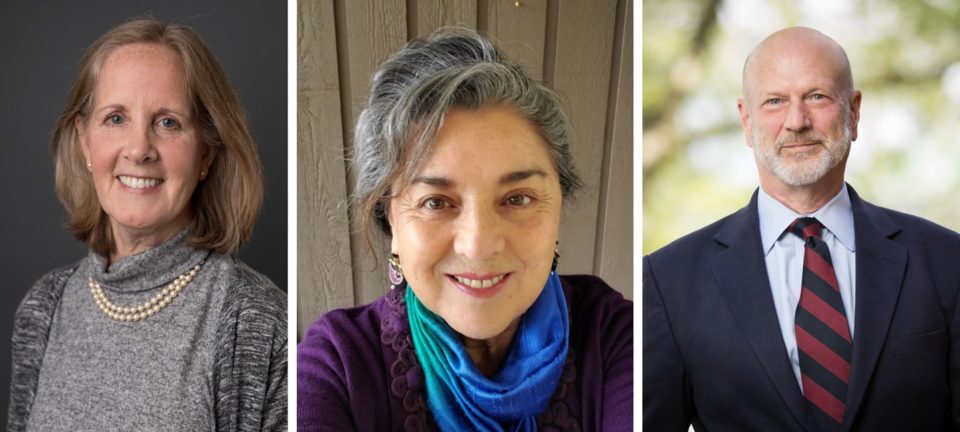
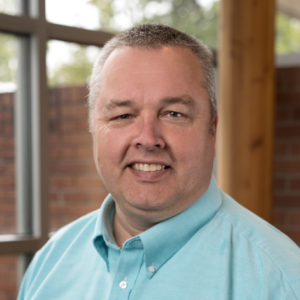
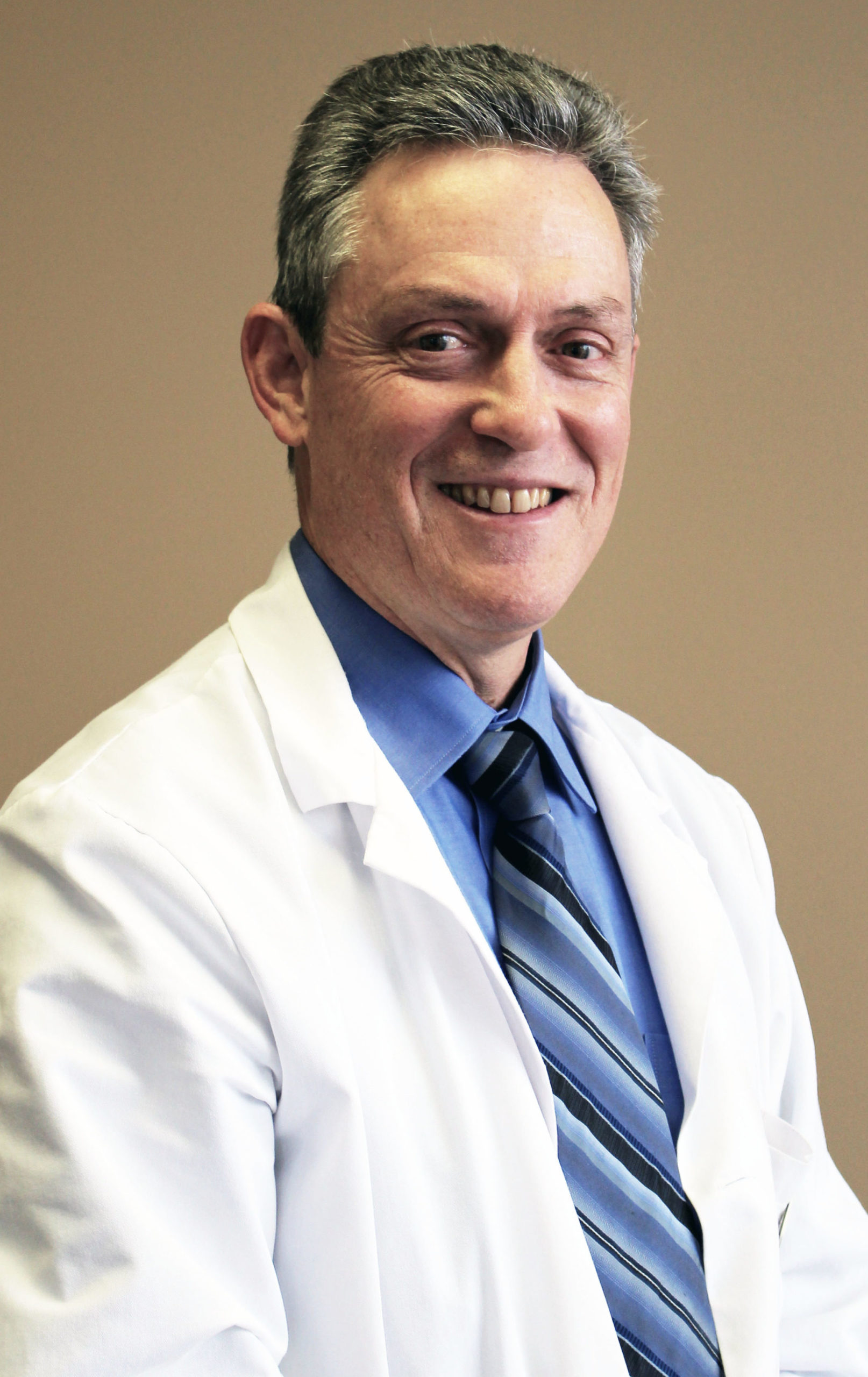
Dr. Christopher Stanley smiles for the camera in an official portrait photo inset on a banner bearing text.

Forbes spoke with Dr. Christopher Stanley about his upcoming role as lead sport and performance psychology consultant at the 2024 Summer Olympics.

University of Western States Professor of Sport and Performance Psychology Christopher Stanley, Ph.D., CMPC, was featured in a recent Forbes article as part of the magazine’s coverage of the upcoming 2024 Summer Olympics. Dr. Stanley spoke with sportswriter Manasi Pathak about his role at the Summer Games as lead sport and performance psychology consultant for USA Track & Field (USATF).

The Forbes article notes that Dr. Stanley previously served as USATF’s lead consultant at the 2020 Summer Olympics in Tokyo where the team earned seven gold, 12 silver and seven bronze medals. He has been involved with USATF since 2014 and was also their lead consultant at the Outdoor World Championships in Oregon (2022) and Budapest (2023).

In his Q&A with Pathak, Dr. Stanley discusses topics such as the impact of COVID-19 on the 2020 Summer Games, athletes’ mental health challenges, his history with USATF, and what his role will be at the Olympic Games in Paris this year.

“We have a ‘athlete-first’ perspective,” Dr. Stanley says. “Once on the ground, I am there as a resource to support athletes with their mental skill and mental performance needs.”

UWS is proud to see Dr. Stanley’s work receive the spotlight it deserves and for the value of sport performance psychology to be on international display at the Olympic Games.

Read the full Forbes article: “Paris Olympics 2024: Interview With U.S. Track & Field Sports Psychologist Chris Stanley”

Learn more about UWS’ sport and performance psychology program.

University of Western States Celebrates 120 Years of Excellence in Chiropractic and Whole-Person Health Care Education

UWS 120th anniversary logo

This year University of Western States (UWS) celebrates the 120th anniversary of its founding, marking over a century of advancing chiropractic medicine and whole-person health education.

“As we commemorate this important milestone in our university’s history, we reflect on our lasting commitment to the advancement of whole health education focused on caring for the whole person rather than merely treating symptoms,” said Joseph Brimhall, DC, president of University of Western States. “Our institution has played a pivotal role in shaping the professions we serve and advancing careers for thousands of healthcare professionals. This legacy of academic excellence continues to evolve as UWS shapes the future of whole-person health care and education.”

Since its founding in 1904, University of Western States has been at the forefront of innovation and leadership in chiropractic care and hosts the longest-established Doctor of Chiropractic degree program in the Western United States. The university has expanded its academic programs to include naturopathic medicine, functional medicine, clinical nutrition, sports medicine, sport and performance psychology, and clinical mental health counseling. This academic expansion exemplifies the university’s commitment to whole-person health care, recognizing how multiple factors converge to impact the health and wellbeing of individuals, and facilitating the partnership between healthcare professionals and their patients.

UWS has earned an international reputation for high-quality academic programs that prepare students to flourish in their professional endeavors. Student outcome data from 2019-2022 demonstrates that 92% of UWS Doctor of Chiropractic graduates attain licensure within six months of graduation, exceeding the 80% benchmark established by the Council on Chiropractic Education. The university sees similarly high rates of licensure (91%) for graduates of the Human Nutrition and Functional Medicine programs.

Located in Portland, Oregon, the university has cultivated a strong bond with its community, forming reliable partnerships with organizations, universities, and schools to provide whole-person health care for veterans, homeless persons, athletes, students, and the community at large. The university is committed to fostering collaborations that promote the health and well-being of Portland-area residents. From its inception, UWS has offered clinical care to community members through clinics staffed by university faculty and students. Today the UWS Connected Whole Health Clinic, serves more than 15,000 patients per year.

UWS’s more than 7,000 alumni include professionals positively impacting their local communities and individuals, from Olympic-level athletes to technical laborers. This powerful alumni network spans the globe and serves as a testament to the university’s influence and reputation.

In response to disruptive changes in the higher education landscape, in 2023 UWS joined The Community Solution Education System, a national nonprofit system of six universities working collaboratively to advance academic goals, improve infrastructure and support systems, and develop strategies for sustainable growth. The System’s culture of radical cooperation aligns with UWS core values, supports the advancement of interdisciplinary health education, and enhances learning experiences for students.

To celebrate its enduring legacy, UWS is hosting a festive gala at Sentinel Hotel in downtown Portland on September 28, 2024. Alumni, students, trustees, donors, business supporters, community leaders, and dignitaries will be invited to attend.

As University of Western States commemorates its 120th anniversary, the university community looks forward to preparing the next generation of whole-person health care professionals to serve the evolving needs of a diverse and dynamic world.

Visit UWS.edu to learn more about University of Western States and stay up-to-date on its plans to celebrate the milestone anniversary with the community or to explore degree programs in whole-person health care.

University of Western States Earns 2023 Beacon Award for Excellence in Student Achievement and Success from the Northwest Commission on Colleges and Universities 

University’s Lead Role in Innovative Benchmarking Consortium Expected to Yield Greater Student Retention and Graduation Rates 

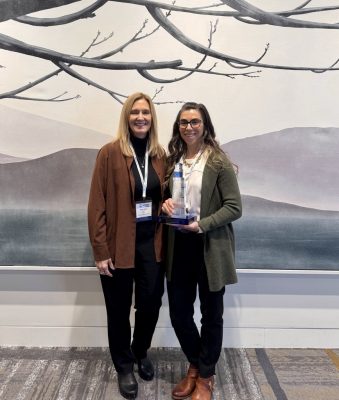
University of Western States (UWS) has received the 2023 Beacon Award for Excellence in student achievement and success from the Northwest Commission on Colleges and Universities (NWCCU). The award was given in recognition of the lead role Rachael Pandzik, D.C., and Susan Donoff, Ph.D., of UWS took to create a regional benchmarking program that uses comparative data from a consortium of NWCCU accredited institutions to identify gaps in institutional outcomes and inform student success initiatives. 

“Graduate programs do not have ready access to comparative data from like institutions, so this effort greatly helps UWS and our peer institutions implement changes to more effectively champion student success,” said UWS President Joseph Brimhall, D.C. “The academic and professional success of our students is the foundational goal of our university, and I’m tremendously proud of the faculty and staff members who have been involved in this effort.” 

Today, the consortium consists of six graduate-level health science institutions that track and share retention and graduation rates. The data gleaned from the first year of the project is publicly available on the UWS website and will continue to grow in value as subsequent years of data are collected and shared. 

At UWS, the peer benchmark data is utilized as part of the annual university appraisal process. A dedicated committee analyzes the data to identify opportunities to improve institutional outcomes and develop strategies to address student needs. 

“The Beacon Award recognizes institutional and programmatic accomplishments in student achievement and success. Winners must demonstrate distinctive, measurable and replicable innovations with clear results,” said Sonny Ramaswamy, President of NWCCU. “The regional benchmarking program and work of UWS is a living embodiment of what the award is meant to celebrate.” 

The Beacon Award was announced at the NWCCU Annual Conference Awards Luncheon on November 9, 2023. In addition to the award, UWS will receive $2,500 from NWCCU to support the university’s continued efforts to foster student success. 

About University of Western States 

University of Western States (UWS) is an independent nonprofit university accredited both institutionally and programmatically and known for its renowned programs in the areas of chiropractic, naturopathic medicine, functional medicine, nutrition, sports medicine, sport and performance psychology, and clinical mental health counseling. Founded in 1904 in Portland, Oregon, the university hosts the second-oldest chiropractic program in the world. UWS is part of The Community Solution Education System, an integrated, nonprofit system of colleges and universities working collaboratively to increase student success and enhance community impact. To learn more, visit www.uws.edu and www.tcsedsystem.edu. 


Memorial Scholarship Created to Honor the Late Dr. Steve Oliver

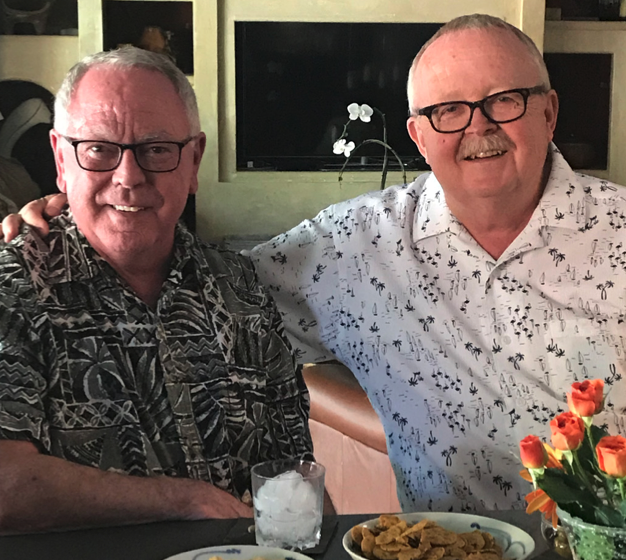
In fall 2023, the Dr. Steve Edward Oliver memorial scholarship will be established by his partner of 49 years, Ray Matlock Smythe, BA, MAT, to help ease the financial burden of future chiropractic physicians. This annual $5,000 scholarship will be awarded fall term to one returning student enrolled in the University of Western States doctor of chiropractic program.

Dr. Steve Edward Oliver and partner, Ray Matlock Smythe

“When Steve was a senior at UWS, he spent an entire summer painting all the buildings on campus,” said Smythe. “While he enjoyed it and he made a positive difference, that on top of studying and all the reading he had to do, it really tired him out. The Dr. Steve Edward Oliver memorial scholarship was created not only to honor Steve and his legacy, but to help alleviate stress for a student, so they can focus more on their studies and rest mentally, physically and emotionally during their studies.”

Dr. Oliver, UWS professor emeritus and alumnus (Class of 1975), passed on February 23, 2022. He was born and raised in Portland, Oregon, and attended Jefferson High School, Portland State University, and University of Western States (then Western States Chiropractic College).

Dr. Oliver maintained a private practice in Portland and served as the academic dean of the UWS college of chiropractic, vice president of the university and chiropractic technique instructor. In 1978, at the age of 29, Dr. Oliver was named Chiropractor of the Year for the state of Oregon. He earned professor emeritus status in June 2012. One of Dr. Oliver’s proudest achievements was establishing the Student Health Center at UWS, where students had more opportunities to practice their techniques.

“Steve loved being a chiropractic physician,” said Smythe. “It was the supreme joy and passion of his life and it was truly amazing to witness. He contributed so much to his patients, students, colleagues and everyone around him. It’s an honor to recognize him in this way and I know he would be proud.”

Students can find this and other scholarship opportunities here.


For information on how you can support UWS, visit uws.edu/donate or contact [email protected].

UWS provides sports medicine treatment at Portland’s first-ever Juneteenth Rodeo

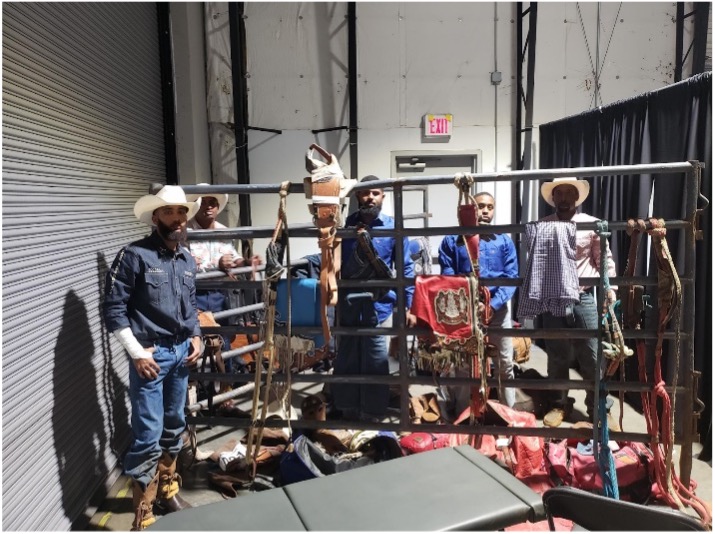
Cowboys at Juneteenth rodeo

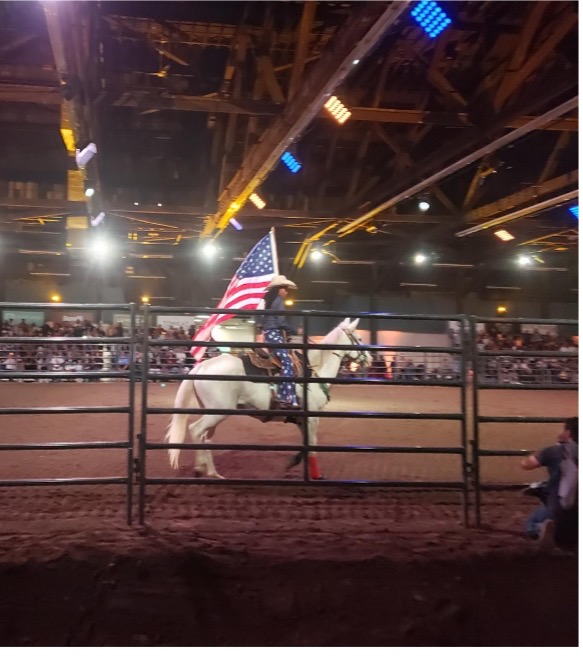
On June 17, students and faculty from the University of Western States (UWS) sports medicine program had the opportunity to provide treatments for rodeo athletes in town for the 8 Seconds Rodeo, an event whose aim is to highlight Black rodeo culture.

Cowperson on horse with flag

Cowgirls and cowboys from Texas, Oklahoma, Florida, Illinois and California converged in Portland to participate in the city’s first-ever event. The sold-out show took place at the Portland Expo Center and featured bull riders, barrel racers, bare-back riders, steer riders, kids riding goats, vendors and other family-friendly activities.

According to Dr. Tim Williams, UWS practicum supervisor, athletes who participate in full-body sports like these are more prone to injury. At the event, the UWS care team treated more than 20 athletes who experienced care ranging from adjustments, assessments, soft-tissue manipulation, taping and more. Besides emergency responders, the UWS delegation were the primary health care providers on site. 

“I think our presence at this event was significant because it is not often that sports such as this have regular access to sports medicine, let alone chiropractic care. Our holistic approach takes into consideration not just what the athlete’s symptoms are but the psychosocial factors that impact it which are important,” said Dr. Williams. 

Special thanks to Tim Williams, DC, MS, CSSP, Jesse Shaw, DO, USAW, and Jon Juker, UWS student and intern, for representing the university at this important community event. 

(Photos by Dr. Tim Williams)

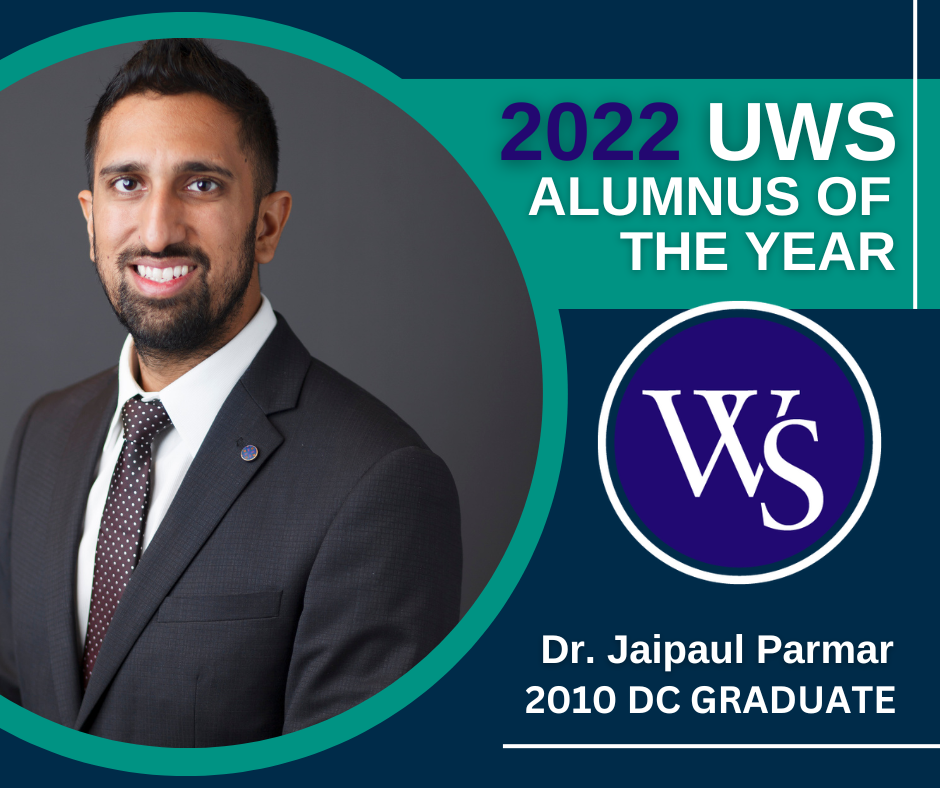
2022 UWS Alumnus of the Year

Jaipaul Parmar, DC – Commitment to the UWS Motto: “For the Good of the Patient”

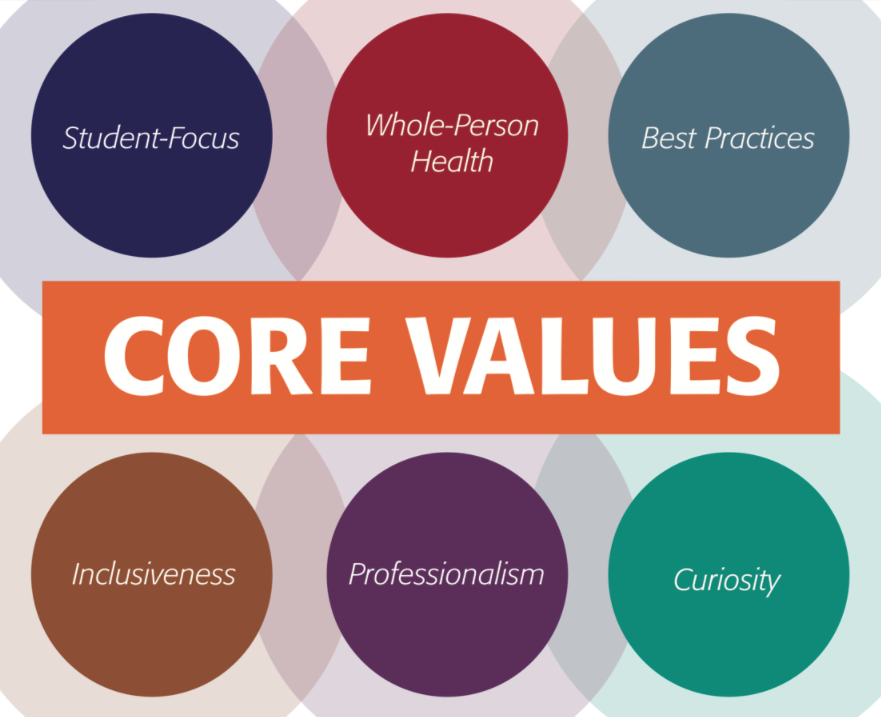
Jaipaul Parmar, DC, 2010 graduate of University of Western States (UWS) is the 2022 UWS Alumnus of the Year. This distinction honors the accomplishments of outstanding UWS graduates as they advance the science and art of integrated health care. Dr. Parmar’s professional work has demonstrated exemplary leadership and commitment to the UWS motto, “for the good of the patient” in addition to embodying the core values of UWS – student focus, best practices, curiosity, inclusiveness, professionalism and whole-person health.

Shortly after receiving his license, Dr. Parmar began serving as a member of the British Columbia Chiropractic Association (BCCA) and the Canadian Chiropractic Association (CCA). He was recently nominated to sit on the CCA Board of Directors. Dr. Parmar and Dr. Jamie Ackerman, fellow UWS DC graduate, own and operate a highly successful practice, Alliance Wellness Clinic in Vancouver, BC. Fellow UWS DC graduate and Dr. Parmar’s wife, Dr. Sonia Deol, is also a chiropractor at the clinic. The Alliance Wellness Clinics’ two locations have served as a preceptor site for UWS student clinical interns for many years. Three clinical preceptor students returned to the Alliance Wellness Clinics’ team following graduation.

“It is a true honor and privilege to be named the 2022 UWS Alumnus of the Year,” said Dr. Parmar. “Since acceptance, going through the program, graduating, and now having more than a decade of practice, I hold a very special place in my heart for UWS. I have a genuine passion for the chiropractic profession and am beyond grateful for this recognition from the institution that has forever changed my life and has allowed me to have an impact on others’ lives every single day.”

Following graduating from UWS, Dr. Parmar knew he would be returning to Canada. He envisioned what kind of practice he wanted to work for and noticed that at the time, there were not many collaborative clinics within Vancouver. Dr. Parmar and Dr. Ackerman decided to build a practice based on the tenants of what they learned at UWS – an integrated health care model where practitioners collaborate and work together to achieve whole person patient outcomes that treats root cause rather than just symptoms. At Alliance Wellness Clinic, patients can work with chiropractors, physiotherapists, massage therapists, acupuncturists, naturopaths, counselors and osteopaths.

“Over the years, I have found out that with my training as a chiropractor, we are the best referrers,” said Dr. Parmar. “I’ve never encountered any other professional that has the confidence in their referral the way that chiropractors can. We have a strength in case conceptualization and that really comes straight from my education at UWS.”

Dr. Parmar was highly involved during his time at UWS from serving on the Associated Student Body (ASB), to being a member of the Canadian Club. His direct experience with student politics inspired him to get involved in the BCCA.

“Since graduating from UWS in 2010, Dr. Jaipaul Parmar’s contribution to the BC chiropractic community and the university has been significant,” said UWS President and CEO Dr. Joseph Brimhall. “Dr. Parmar’s clear passion for the profession goes beyond boards and public service but is also evident on an individual level as a mentor to UWS student interns. As a preceptor for several years, Dr. Parmar has been eager to share his expertise with our student interns and has shown a keen investment in the next generation of chiropractors.”


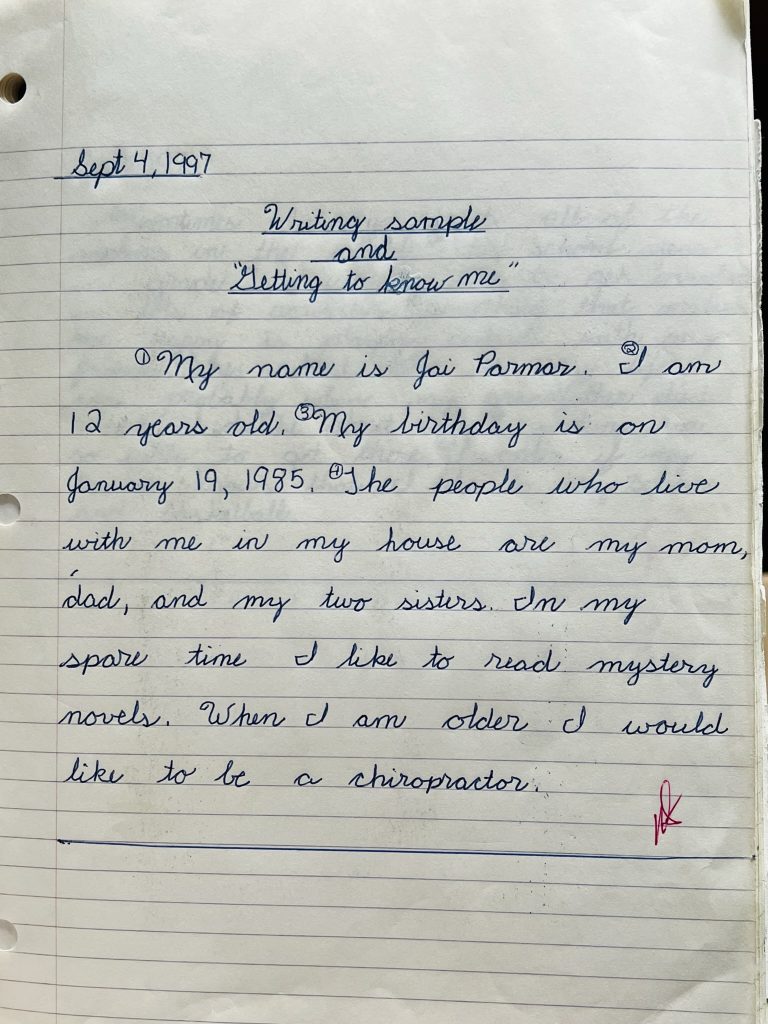
Parmar Note

Journal entry by Dr. Parmar from grade seven

“On the first day of grade seven, we all created journals and one of the prompts asked what we wanted to be when get got older. I said that I wanted to be a chiropractor. Years later when I found the journal, my jaw dropped! It was an epiphany moment. This journal reinforced the idea of if you write your intentions down, it really can happen. If you put your mind to something, it can happen. One just has to be positive and optimistic and truly believe in yourself.”

– Jaipaul Parmar, DC

University of Western States Becomes Sixth Institution to Join TCS Education System 

The Nonprofit System uses a Collaborative Model that is Distinct in Higher Education 

TCS Education System, a national nonprofit system of colleges and universities announced today that Portland, Oregon-based University of Western States (UWS) has become the newest institution to join its System. This partnership marks a new era of innovative interdisciplinary health education that will benefit students and faculty at UWS and strengthen the TCS community.

Since its founding in 2009, TCS has expanded from one college to a system that encompasses six colleges and universities and serves the aspirations of nearly 14,000 students annually across 13 campus locations and online. TCS Education System’s universities work collaboratively to build strategic partnerships and leverage economies of scale to advance institutional sustainability, student success, and community impact for colleges and universities.

“We’re excited to welcome University of Western States to TCS,” said TCS President Michael Horowitz. “UWS is a high-caliber university whose mission and values are closely aligned with our own. Their commitment to interdisciplinary rigor, student success, and innovation has propelled them on an upward trajectory for more than a century. UWS’s culture embodies TCS Education System’s values of collaboration, inquisitiveness, resourcefulness, equity, and student focus and they are a natural and exciting addition to our community. We look forward to working in close collaboration with UWS leadership to advance opportunities for their university while also strengthening the entire TCS System in ways that benefit the students and communities we serve.” 

Founded in 1904, UWS is a leader in educating and training chiropractic physicians. In recent years, the university has successfully expanded its academic programs to include nutrition and functional medicine, clinical mental health counseling and sport and performance psychology. In the fall of 2023, they will welcome their first cohort of doctoral candidates in naturopathic medicine.

“For more than a decade, our leadership has been exploring a new model to elevate our future, and following a period of due diligence, it became clear that TCS was the best choice,” said UWS President Joseph Brimhall.  “As part of TCS Education System, we look forward to working closely with other like-minded institutions to grow and strengthen our community. This partnership will advance our ability to serve our 1,100 students as they pursue careers in the rapidly growing field of integrative health, and we look forward to contributing to the proven success that TCS has already demonstrated in interdisciplinary health care education. For UWS, joining TCS Education System brings top-level expertise in functional areas and access to enterprise-level systems, which will deliver a better experience for students, faculty, and staff.” 

As members of TCS Education System, colleges work with operational experts and peers across the System to develop innovative solutions to common challenges. By joining the System, institutions have access to expertise and enterprise systems often unavailable to institutions their size. These benefits enhance the student experience and strengthen administrative structures at the institutions, resulting in enrollment growth and improved student outcomes. 

“This new addition to our System shows the strength of our model,” Dr. Horowitz said. “When we come together to share institutional wisdom and resources, we can better serve our students and tackle the challenges of modern higher education.”

About TCS Education System:

TCS Education System (TCS) is an integrated, nonprofit system that works collaboratively to advance institutional sustainability, student success, and community impact. Founded in 2009, the System consists of six distinct communities—The Chicago School, Pacific Oaks College & Children’s School, The Colleges of Law, Saybrook University, Kansas Health Science Center – Kansas College of Osteopathic Medicine, and the University of Western States. TCS utilizes strategic partnerships to foster economies of scale, academic innovation, risk mitigation, and resourceful business solutions to maximize students’ educational experiences. To learn more, visit www.tcsedsystem.edu.

Stress, Digestion, and the Microbiome

By: Deanna Minich, MS, PhD, CNS, IFMCP, UWS human nutrition and functional medicine instructor

Reposted with permission from Dr. Minich’s professional blog page

Follow Dr. Minich on social media:

Photo: C-Motooka/Shutterstock.com

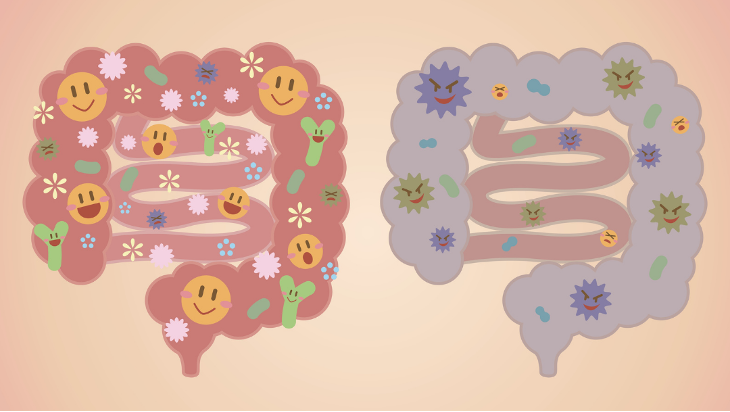
There is a strong bidirectional relationship between the brain and the gut, which has implications for immunity, mood, digestion, and more. Stress can negatively impact the gut-brain axis in a variety of ways. The activation of the hypothalamic-pituitary-adrenal (HPA) axis as part of the body’s stress response causes the release of corticotropin-releasing hormone (CRH), which affects immune function in the gut. CRH can impact intestinal barrier integrity, leading to hyper-permeability or “leaky gut” as well as increased inflammation. The gastrointestinal system also contains a rich network of nerves that  influences intestinal permeability, as well as factors such as gastric motility and pain perception.

The microbiome is involved in this interplay between the nervous system and the gut as well.  Germ-free mice have been shown to have impaired gut motility, as well as altered social behavior and anxiety. Offspring of monkeys that experienced prenatal stress exhibited significant perturbations to their microbiome within the first six months of life, including changes in levels of beneficial Bifidobacterium. In a study of Swedish men, lower stress resilience during adolescence was associated with an increased risk of irritable bowel disease later in life. Changes in gastric motility and enzyme secretion due to stress can alter the terrain and impact the composition of the microbiome.

The gut microbiota is also thought to influence serotonin production, which is significant since as much as 95% of serotonin is produced within the gut. The microbiome has been shown to influence psychiatric disorders and even the pathogenesis of neurodegenerative diseases, such Alzheimer’s disease and Parkinson’s disease. Finally, people with irritable bowel syndrome have an altered microbiome and often present with psychological comorbidities. A study assessing the interplay between the microbiome and mood disorders found that 65% of participants experienced increased psychological distress, and this distress correlated with increased abundance of Proteobacteria. Participants who reported anxiety had elevated Bacteroidaceae, a gram-negative bacteria. The cell walls of gram-negative bacteria contain lipopolysaccharides (LPS), which can trigger the immune system and cause increased inflammation in the central nervous system.

This web-like relationship between the brain, gut, and microbiota demonstrates the need to address the sources of stress in our lives so we can experience greater resiliency and improved health.

The Impacts of Stress

Living a sedentary lifestyle, overexercising without proper recovery, sleep deprivation, and eating a processed diet can all be physical stressors on the body. A study of soldiers undergoing an intense cross-country ski trip demonstrated that physical exertion increased intestinal permeability and inflammation. The change in intestinal permeability may have been caused in part by a disruption to the gut microbiome. Study participants experienced a decrease in certain bacteria associated with inflammation and immune regulation, such as Faecalibacterium and Roseburia, with a simultaneous increase in potentially pathogenic bacterial species. Faecalibacterium has also been shown to be lower in people with depression and anxiety. This bacterium produces butyrate, a short-chain fatty acid that exerts anti-inflammatory properties and maintains intestinal barrier integrity. Luckily, dietary changes can help to support the production of these short-chain fatty acids.

As explored in the field of nutritional psychiatry, the diet serves as a powerful modulator of mood, as well as the gut microbiome. Increased psychological stress impacts our eating habits by altering hunger hormones, which often causes us to overeat. It is tempting to reach for calorically dense foods that are high in sugar and/or fat when we are stressed. However, high-fat meals are thought to increase the production of endotoxins, which can cause inflammation and an increase of reactive oxygen species.

A study of the effects of culinary spices demonstrated that psychological stress causes elevated glucose and insulin levels after a high-fat meal. The inclusion of polyphenol-rich spices such as cinnamon, ginger, oregano, and turmeric led to the inhibition of pancreatic lipase and secreted phospholipase A2, and participants saw a 31% reduction in circulating plasma triglycerides. However, this effect was only seen if participants were in a restful state after eating. Antioxidant-rich foods can help to decrease oxidative stress, while dietary fiber and polyphenols nourish beneficial bacteria and can help boost the production of anti-inflammatory short-chain fatty acids.

Probiotic Supplementation

There has been a fair amount of research conducted on the use of probiotic supplementation to address stress and modulate the composition of the microbiome. Many of these studies involve students who are experiencing increased mental stress while preparing for academic exams. One such study found that milk fermented with Lactobacillus casei strain Shirota helped to attenuate increases in cortisol levels and reduced gastrointestinal symptoms, such as indigestion, in medical students. Gene sequencing showed that the probiotic led to significantly higher alpha diversity in the gut microbiome and a significant reduction in Bacteroidaceae. Probiotic supplementation also positively impacted genetic expression related to the metabolism of dietary fats. A separate study using this same probiotic strain showed that students experienced improvements in sleep quality leading up to the exam. This is thought to be due to a decrease in HPA activation by the probiotic.

A separate group of medical students ingested the probiotic Lactobacillus gasseri CP2305 for 24 weeks and experienced a significant reduction in anxiety and sleep disturbance leading up to a national exam. Depression scores, abdominal discomfort, and salivary CgA levels (used to assess catecholamines) were also all significantly reduced. Gene sequencing showed that stress caused a decrease in beneficial Bifidobacterium and an increase in Streptococcus in the placebo group, but this perturbation was attenuated by the probiotic. Yet another group of medical students who supplemented with the Lactobacillus gasseri CP2305 probiotic while enrolled in a human cadaver course experienced significant improvements in sleep and decreased depression and anxiety. Salivary cortisol levels, CgA levels, abdominal pain, and indigestion were all reduced in the probiotic group. The probiotic also inhibited the proliferation of gram-negative Enterobacteriaceae and Veillonella, which significantly increased in the placebo group during this period of heightened stress. Finally, students who received supplementation of Lactobacillus rhamnosus CNCM I-3690 for 4 weeks had a lower excretion of mannitol (mannitol is used to assess intestinal permeability) and reduced scores of perceived stress.

Healthy adults experienced a reduction in symptoms of anxiety and depression, as well as an increase in sleep quality, after ingesting a probiotic blend of Lactobacillus reuteri NK33 and Bifidobacterium adolescentis NK98. Participants also had decreased levels of Enterobacteriaceae and the pro-inflammatory cytokine interleukin-6 while experiencing increases in Bifidobacterium and Lactobacillus. Certain probiotic strains have also been shown to alter brain activity and impact the activation of the stress response. Healthy women who drank a fermented milk with five probiotic strains experienced changes in the midbrain cortices associated with emotional response. A separate group of healthy volunteers receiving Bifidobacterium longum 1714 had an increase in activation of the frontal and cingulate cortices of the brain as well as a change in resting neural activity after the completion of a stressful task. Researchers suggest this resting neural activity can reduce mental fatigue and helps to buffer against negative emotions. A final study showed that probiotic supplementation containing multiple strains of LactobacilliLactococcus, and Bifidobacterium led to improvements in working memory amidst acute stress in healthy women. The abundance of eight microbiome genera were altered in the probiotic group, including those that produce short-chain fatty acids.

Stress Management Techniques

Stress management techniques can exert a positive effect on gastrointestinal symptoms, particularly for those with irritable bowel syndrome and inflammatory bowel disease. A prospective study of patients with irritable bowel syndrome demonstrated that traditional cognitive behavioral therapy (CBT) and  a modified CBT home-study program led to moderate to substantial improvements in gut symptoms. Patients who only received education on how to manage irritable bowel syndrome also experienced improvements in gastrointestinal (GI) symptoms (44.8% improvement), but not to the same degree as those who were taught stress management techniques (58.4% improvement).

Gut-derived hypnotherapy is another modality that shows promise in supporting both psychological and physiological symptoms of irritable bowel syndrome and inflammatory bowel disease with one study demonstrating symptom improvements ranging from 24% to 73%. Gut-derived hypnotherapy can also help to improve resiliency, or the ability to cope with stress, as well as self-efficacy. This technique has been shown to positively affect gut motility, as well as nervous system activity.

Closing Thoughts

  • A diet rich in fiber, antioxidants, and polyphenols can support a healthy microbiome. This means plenty of fruits and vegetables with a focus on including a variety of different colors in each meal.
  • Stress can negatively impact digestion so be sure to set yourself up for success by eating your meals in a calm and undistracted state. Take 5 deep belly breaths before each meal to ground yourself and calm the nervous system. Chewing our food is a necessary first step of the digestive process. However, a systematic review also found that chewing can have a positive effect on attention and stress relief, perhaps by increasing blood flow to the brain and influencing serotonin pathways. Therefore, chewing each bite of food thoroughly is an excellent way of supporting the stress response and smooth digestion.
  • Probiotics exert positive effects on the gastrointestinal system and may also be helpful for supporting the stress response and sleep quality. It is important to find the right probiotic strain when choosing a supplement. If you plan to incorporate probiotic supplementation into your routine, talk to your doctor, nutritionist, dietician, or another member of your healthcare team for personal options based on your individual circumstances.
  • Stress management techniques, such as cognitive behavioral therapy and gut-derived hypnotherapy, can help to improve gastrointestinal symptoms due to the connection between the brain and gut.

If you plan to incorporate more colorful, plant-based, whole foods and/or supplements into your daily eating, or have food allergies or questions about which foods or supplements can best support your physical and mental health, talk to your doctor, nutritionist, dietician, or another member of your healthcare team for personal options based on your individual circumstances. There are certain medications that may interact with plant-based foods and supplements.

2023 ENGAGE Student Experience Recap

We connected with UWS doctor of chiropractic students Jessica Settle and Aimee Tanner, attendees of the 2023 American Chiropractic Association’s ENGAGE conference held in Washington, D.C., to recap some highlights of their trip!

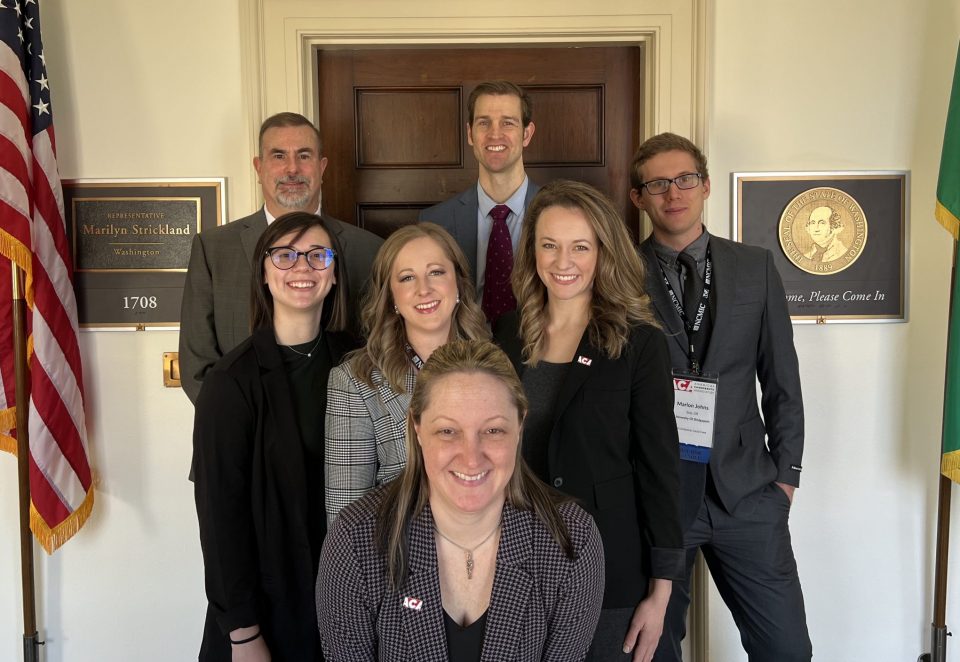
Engage Group Shot 1

By: Jessica Settle

Before starting at University of Western States, I heard about an opportunity to be involved in the lobbying/advocation for chiropractic care, but I didn’t exactly know what it was or how I could participate. That was until my first quarter at UWS, when the UWS Student American Chiropractic Association (SACA) executive board at the time presented to new students and discussed the opportunity to go to Washington D.C., to attend the national American Chiropractic Association (ACA) annual conference ENGAGE. I immediately signed up for SACA and was excited about what was to come the following year. Unfortunately, that’s when the Covid-19 pandemic began and put in-person plans on hold. In 2021 and 2022, I participated in the virtual lobbying on the Capitol Hill, which was an awesome experience to witness the various doctors who had done lobbying in the past. The ENGAGE 2022 conference was also the year that UWS was announced as the host site for national SACA annual leadership conference, which fellow doctor of chiropractic students Aimee Tanner, Gretchen Gatzke, and I put together.

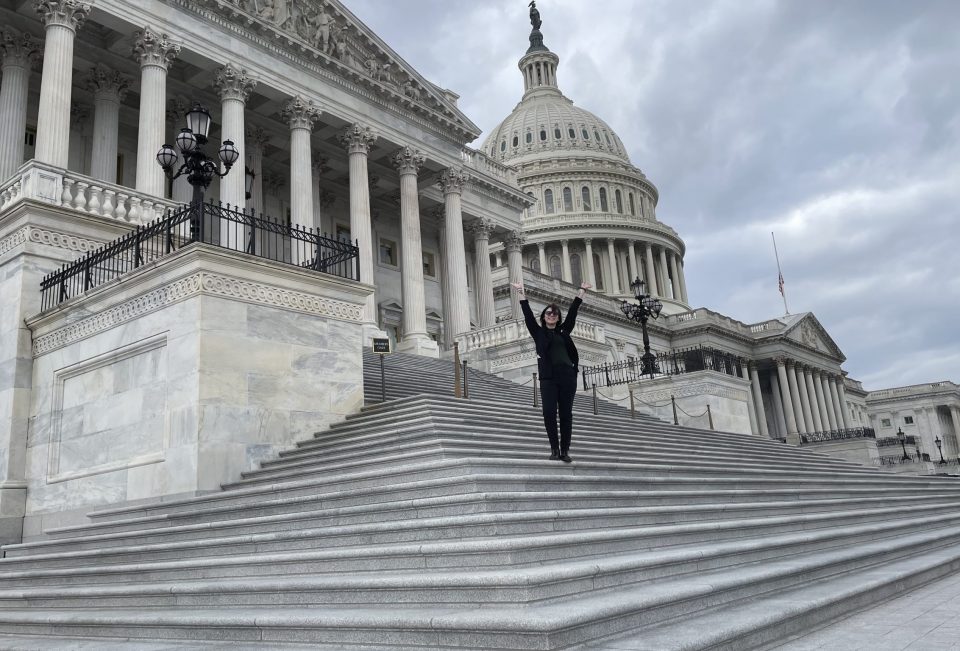
Jessica Settle in DC

ENGAGE 2023 was scheduled to be in person, and while Aimee and I were excited to go, we were a little skeptical that it wouldn’t suddenly be switched to a virtual experience as it had in previous years. Much to our surprise, on January 24 Aimee and I were headed to the airport for our 9-hour trek to get to Washington D.C. The one thing I was absolutely dreading about this trip was the three-hour time difference between the west and east coast, but luckily we were able to sleep in on Wednesday before we had our welcome meetings that night to prepare for lobbying. On Thursday, I was able to meet with congressmen and congresswomen, and senators from both Washington and Oregon state. Lobbying in person was truly a unique experience and as students, we were given the opportunity to speak on the Medicare Modernization Bill in meetings. It was very encouraging to have backing from many representatives who were in support of co-sponsoring the bill without any hesitation.

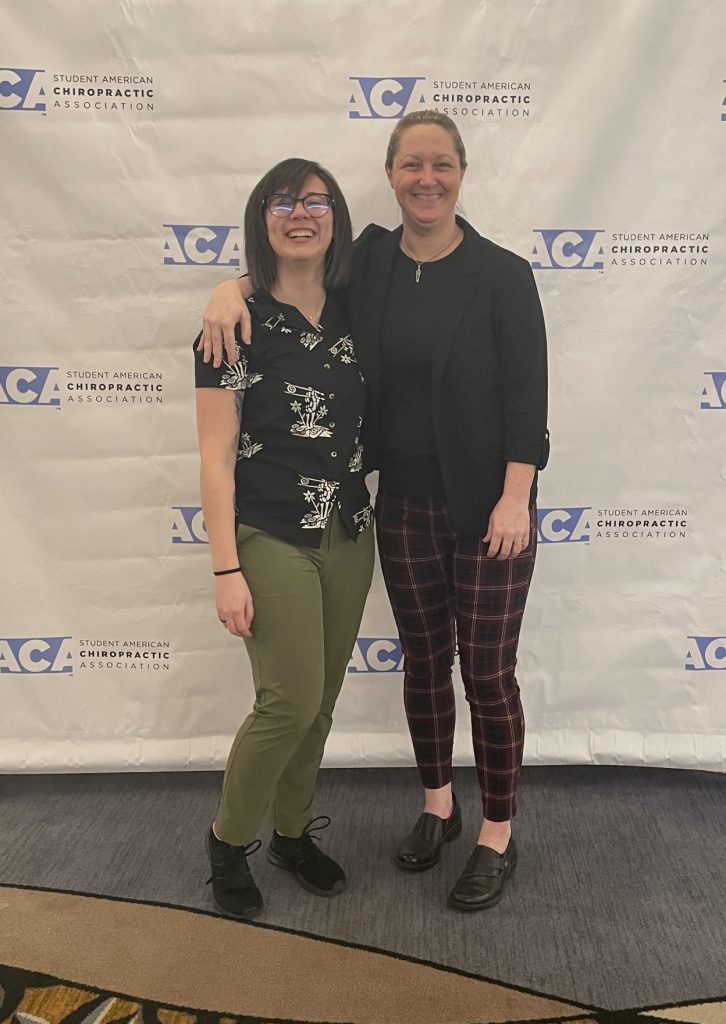
Jessica Settle and Aimee Tanner at ACA

Friday was spent in the SACA executive national board (SNEB) business meeting, where executive board members from each chiropractic school met. This was an opportunity to hear about the year in review of the various committees, and for all of us to vote on the new national chairs. After all of our meetings and to end our trip, Dr. Gary Schultz, UWS chiropractic professor and SACA chapter advisor, took Aimee and I to the infamous Filamina’s Italian restaurant. It was truly a unique experience, with the restaurant being decorated for Valentine’s Day and with delicious food! The trip wrapped up Saturday with “see ya later’s” to the various students, doctors and ACA staff that we had met over the past couple of years!


By: Aimee Tanner

I was lucky to attend the 2023 American Chiropractic Association (ACA) annual conference ENGAGE. It has been many years since I last went to Washington, D.C. and it is just as architecturally diverse as I remember. One of the highlights of the trip was being able to go to Capitol Hill and advocate for the re-introduction of the Medicare Modernization Act. I met with representatives from Oregon, Washington (where I currently live), and Utah (my home state). It was a new experience sitting down and talking with congresspeople and their staff, and I was amazed at how receptive they were and that they were interested in what we had to say. It was empowering to be able to speak at several meetings as well.

The conference was hosted at the Omni Hotel and there was a lot of amazing local cuisine within walking distance. In addition to advocating with representatives, there were socials, educational opportunities, as well as a vendor exhibition going on during the conference. Throughout the week, I was able to meet chiropractic physicians from across the country and mingled with students from other schools.

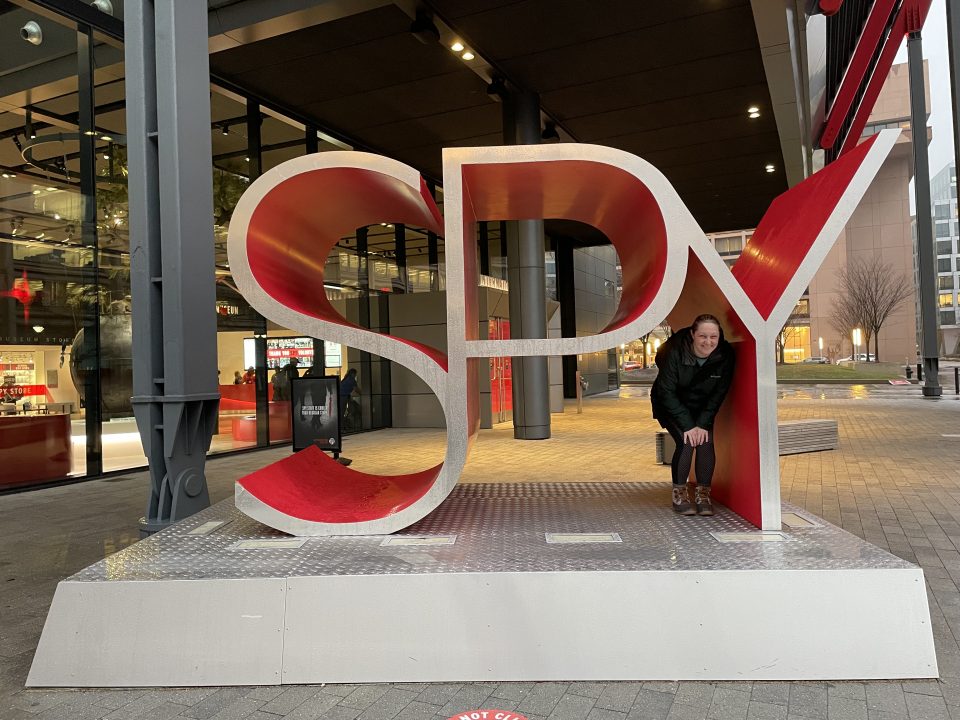
Spy Museum in DC

As a SACA executive board member, I also participated in the SACA business meeting. This was a new experience for me, since I have never sat on a board before. We had some interesting conversations about what’s next for SACA and voted for  new leadership representatives. Outside of the conference, I visited the Spy Museum. The museum features a lot of history about spy agencies and what they do, as well as a fun interactive way of solving a mystery sometimes involving crawling through vents and hanging onto bars. I even got my own secret identity!

Dr. Brimhall, UWS president, invited UWS ENGAGE attendees to a local restaurant called New Heights. We were joined by past SACA members and Dr. Bobby Maybee, the Oregon delegate representative.  I found my experience attending ENGAGE to be very memorable. I look forward to continuing this education when I become a licensed chiropractor, and will do my part to advocate for the profession moving forward.


Group at ACA Conference on Capitol Hill

University of Western States Doctor of Naturopathic Medicine Degree Program Collaborates with the Institute for Functional Medicine 

The University of Western States (UWS) Doctor of Naturopathic Medicine (NMD) degree program welcomes its inaugural class in fall term 2023

University of Western States (UWS) and the Institute for Functional Medicine (IFM) are pleased to announce their joint collaboration to integrate the functional medicine curriculum into the UWS doctor of naturopathic medicine (NMD) degree program, enrolling its first class in fall term 2023.

“This collaboration with the Institute of Functional Medicine benefits our doctor of naturopathic medicine students and the patients they serve with an organizational structure designed to address the complex needs of people with acute and chronic health dysfunction,” said Dr. Marcia Prenguber, dean of the naturopathic medicine program. “With this integration of curricula, UWS doctor of naturopathic medicine (NMD) graduates complete the requirements to qualify for jurisdictional licensing and complete the IFM training requirements to qualify for the IFM certification examination.”

Naturopathic medicine and functional medicine are evidence-informed, patient-centered approaches to achieving and maintaining optimal health and well-being by addressing the root cause of dysfunction, not simply suppressing symptoms. Functional medicine’s focus on understanding each individual patient’s genetic, environmental, and lifestyle influences complements naturopathic medicine and integrates its full scope of assessments and treatment modalities.

The UWS mission is to advance the science and art of integrated health care through excellence in education and patient care. This collaboration with the Institute for Functional Medicine aligns with the university’s mission and prepares health care professionals to address individual patient concerns.

“Functional medicine and naturopathic medicine share a common focus on patient-centered care,” said Amy R. Mack, MSES/MPA, IFM chief executive officer. “IFM is honored to support the naturopathic medical students of UWS through the integration of functional medicine curriculum, faculty training, and scholarship to ensure confident and successful practitioners of naturopathic medicine.” 

“UWS is proud to extend its long-standing partnership with IFM to include the doctor of naturopathic medicine degree program. By embracing a whole-person approach to optimizing health and well-being, UWS graduates bring unique competencies to the field of modern health care,” said President Dr. Joseph Brimhall. 


UWS NMD Program Overview

The UWS NMD curriculum is a 14-quarter doctoral degree program, taught year-round. Students complete the program in 42 months (three and a half calendar years). UWS delivers the NMD program at its vibrant, state-of-the-art campus in Northeast Portland. The curriculum includes anatomical sciences, physiology, pathology, clinical nutrition, botanical medicine, physical medicine, and pharmacology, to provide graduates with a broad array of modalities and procedures for the clinical care of patients. Clinical competencies are assessed through a variety of evaluations including standardized patient experiences and are applied in clinical practice through various patient care settings.

WHY UWS?

• Graduates qualify for jurisdictional licensing in naturopathic medicine.
• Graduates qualify for IFM certification.
• Program is financial aid eligible to qualified applicants.
• Students receive hands-on experience and training in the UWS Connected Whole Health clinic system.
• Standardized patient experiences provide firsthand opportunities for students to learn and assess their clinical skills and competencies.


About The Institute for Functional Medicine (IFM) 

As the leading voice for functional medicine for more than 30 years, IFM is advancing the transformation of healthcare for patients and practitioners worldwide. As a 501(c)(3) nonprofit organization, IFM supports the confident and competent practice of functional medicine through high-quality education and certification programs; partnerships across medical disciplines; and advocating on behalf of functional medicine clinicians and patients across the globe. IFM is the only organization providing functional medicine education and certification programs that is fully accredited by the Accreditation Council for Continuing Medical Education (ACCME). For more information, please visit IFM.org.

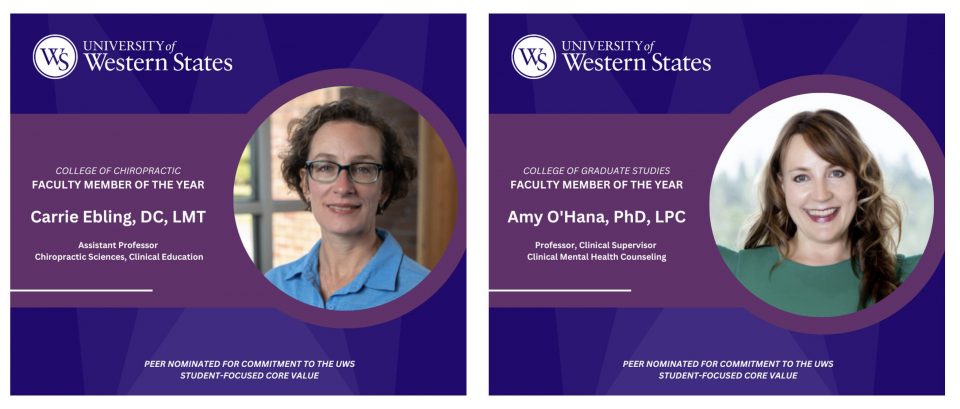
Ebling, O’Hana Named UWS Faculty Member of the Year

UWS Faculty Member of the Year Graphic

Congratulations to the recipients of the inaugural UWS Faculty Member of the Year award, Carrie Ebling, DC, LMT from the UWS college of chiropractic and Amy O’Hana, PhD, LPC from the UWS college of graduate studies.

“I’m so grateful to have been selected by my peers for this award,” said Dr. Ebling. “The support of administration has allowed me to further my education in teaching methods, which I have had the freedom to implement in the classroom to increase student engagement. I am truly honored and love that I get to share my passion for chiropractic with so many amazing students.”

“I’m incredibly honored and grateful to receive this award, and like any great endeavor, it did not happen alone,” said Dr. O’Hana. “Everything I know, someone else taught me. Everything I do, someone else mentored me for. I teach at a cutting-edge university, in an innovative program, with supportive colleagues and rock-star students. It means so much to receive this award, but even better, the connections I’ve made along the way have made my work a JOY, not a job.” 

The Faculty Member of the Year award was developed to recognize faculty contributions and successes based on peer nominations. Faculty nominated Dr. Ebling and Dr. O’Hana for their demonstration of the student-focus core value of UWS.

“We are proud to congratulate the recipients of the inaugural UWS Faculty Member of the Year award representing the college of chiropractic and college of graduate studies,” said Dr. Dana Sims, UWS provost. “Both Dr. Ebling and Dr. O’Hana were nominated by their peers for their clear commitment to our student-focused core value and are so deserving of this recognition. We celebrate these members of our faculty and the tremendous work they do in preparing our students!”

Pt 3: What is Sport and Performance Psychology?

Post 3: How the UWS SPP programs prepares students to build their careers in this growing profession

By: Sarah Castillo, PhD, CMPC, UWS sport and performance psychology program director

SPP Consulting

Welcome to 2023 and welcome back to the blog! Here’s hoping your holiday season was filled with family, friends and joy. 

In the first two blog posts (Pt. 1 of “What is Sport and Performance Psychology?” and Pt. 2), we discussed the continuum of mental health and the role of sport and performance psychology (SPP) practitioners in serving the needs of performers. In this third and final installment of the blog, I’m excited to share how the UWS SPP programs prepare students to build their careers in this growing profession.

Without a doubt, the most important relationship in the development of the SPP programs is the relationship between the program directors for clinical mental health counseling (CMHC) and SPP. Although we’ve been trained very differently, Dr. Michelle Rose and I share a very similar vision for the ethical training and practice of SPP. Beyond that… we truly like each other and are friends! Because our students share so much coursework, we work together to develop CMHC and SPP classes that blend to meet the needs of each student population.

So what are those SPP classes anyway?

Students in the SPP programs come to University of Western States (UWS) for a variety of reasons.  Some have the end goal of working as a Certified Mental Performance Consultant (CMPC®) with individuals or groups, while others want to expand their current career to include performance psychology, while still others want to improve their coaching and leadership skills. For this reason, we’ve designed the core of our SPP programs to include coursework we find to be foundational to an understanding of sport and performance psychology, regardless of how our students plan to use their degree. 

In each degree program, students meet all the coursework requirements to obtain certification as a CMPC® through the Association of Applied Sport Psychology (AASP). We have specific required classes that meet each of the eight required knowledge areas and keep up to date on any changes in those areas so we can make adjustments when needed. 

We’ve also got a large selection of elective courses that allow students to broaden their educational experience and truly personalize their degree to their career goals. Courses such as “Performance Psychology in High-Risk Occupations,” “Psychology of Athletic Injury and Rehabilitation,” and “Business Basics for Clinicians and Consultants” have been incredibly popular!

Finally, for those students who have specific career goals in clinical mental health counseling, performance consulting, or leadership, we offer specific concentrations in Clinical Mental Health Counseling (EdD), Applied Practice (MS), Positive Coaching (MS), Sport and Performance Psychology Consulting (EdD), and Positive Leadership Administration (EdD).

Online Learning

What else do I need to know?

Online educational programs present unique opportunities. At UWS, we’re looking for students who have a passion for SPP, have demonstrated academic success and possess a high level of internal motivation. The most successful SPP students are connected to their classmates and faculty and never miss the chance to ask a question. The diversity of the students in the SPP programs is our greatest strength!

One of the exciting things about our online program is that our faculty come from all over the world! Because we can connect from anywhere, we’ve been able to put together a faculty with expertise working in a variety of performance populations, a diversity of training and experiences, and informed perspectives that will challenge you to broaden your perception and understanding of the topics you study.

You can probably tell that we’re not only passionate about the field of sport and performance psychology, but also about the programs we’ve created at UWS to guide our students toward their academic and career goals. For me personally, I’ve never worked with such a dedicated group of faculty, all laser-focused on doing what it takes to help our students be successful, from early-morning Zoom meetings to restructuring a series of courses to offering students the opportunity to participate in their research.

I hope you’ve learned a bit about the philosophy and culture of the UWS Sport and Performance Psychology programs! Myself and our dedicated admissions advisors are happy to chat with you more if you have more questions about why the UWS SPP programs are right for you.

Thanks for reading!


Want to learn more about the UWS sport and performance psychology degree programs? Visit the program webpage for more information or contact the admissions department virtually, by emailing [email protected] or calling 800-641-5641.

Time Management Tips for Busy Graduate Students

Time Management

By: Aleasha Nelson, UWS doctor of chiropractic student

Work smarter not harder. Time management is easier said than done. Balancing classes, watching lectures, studying, connecting with family, maintaining a social life, and keeping an active lifestyle in a graduate program is a difficult task. 

Here are a few tips that can help make your time in a rigorous University of Western States program more manageable and enjoyable. 

Prioritize your calendar:  

  • Have a daily, weekly and/or monthly calendar whether it be on an app, paper, or whiteboard. This can be utilized to help organize your time. Write down all your term assignments, quizzes and exams for each class ….  as seeing all deadlines at a quick glance at any given time can make it easier to stay on top of studying.  
  • Having a daily to-do list can keep you on track of what you want to complete that day and help break down goals into manageable pieces. 
  • Color coordinating your schedule is a great way to keep your calendar looking clean and easy on the eyes! It can help you make sure you don’t accidentally miss something if everything is in the same color. 

Be honest with yourself about how you spend your time:  

  • Calculate the length of lectures that need to be watched for each class and write it on your calendar. This can be helpful to stay on top of lengthy lectures (even if you do speed them up, make sure to add extra time allowing you to pause the video to write down notes). 
  • If you are an on-campus student, account for commuting to and from the university, trips to the grocery store, gym, work, etc. Sometimes we can underestimate how much time everything will take, especially if you have a 7:30 a.m. lab or one that ends at 5:40 p.m. If you often find yourself stuck in rush hour traffic, plan your day accordingly. Use this time in the car commuting to re-listen to lectures, audio books or podcasts to help deepen your learning.
  • A 15-minute task can often turn into a couple hours if one is not careful. Be honest with yourself on how long it will take you to complete an assignment, work out or grab coffee with a friend as to not get stuck continually feeling behind. 

Maintaining a healthy lifestyle: 

  • When one is busy, sleep is often the first thing people cut out of their schedule because people tend to think they can just make it up another night. This isn’t healthy for your body or your mind. Professors will tell you to make sure to get a good night’s sleep before an exam and to not stay up all night studying. Your body and brain need time to rest. Factual recall will be challenging if your brain is foggy, you are running off a couple hours of sleep, and those three cups of coffee are all that’s fueling you.
  • Fuel your body with healthy meals. Wake up 10 minutes earlier to eat something for breakfast and set time aside to fuel yourself. Meal prepping over the weekends can be beneficial as you can then ensure you have a healthy meal set aside to quickly grab on a busier day instead of grabbing a burger from a fast-food restaurant. 
  • Exercise is another task people push to the side when busy but is so important. Even taking 10 minutes to step away from studying to go for a walk outside can give your mind a break and help you come back ready to focus.  
  • Make sure to block time on your daily planner for exercise, eating, and getting sufficient sleep. 

Learning time management isn’t easy! You may not complete your task list every day, but don’t be hard on yourself and get caught in disappointment. Prepare ahead by setting time aside each week for self-care and socializing to prevent that burned out feeling. You got this! Remember to just take it one day at a time as small changes add up over time.

If you would like to explore more options for time management or organizational techniques, visit the UWS Student Affairs webpage or contact the department by phone at 503-251-2802 or email [email protected].

University of Western States Establishes Partnership with Marimn Health


Marimn Health _ UWS

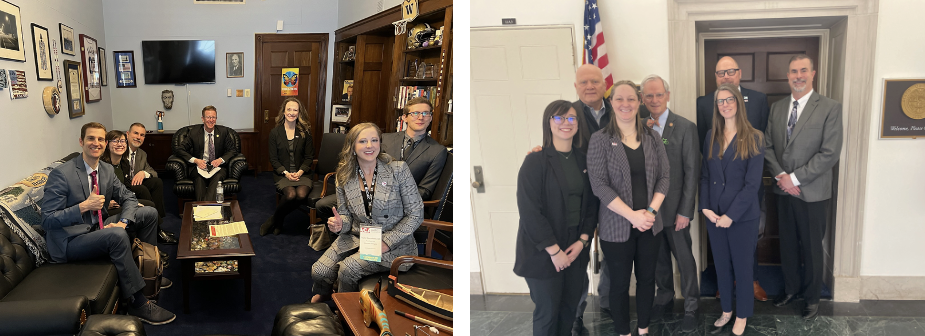
University of Western States (UWS) has partnered with Marimn Health, a Federally Qualified Health Center on Coeur d’Alene Tribal land near Plummer, Idaho, as a UWS Community Based Internship (CBI) site. UWS Doctor of Chiropractic (DC) student interns train with Dr. Ryan Kain, a chiropractic physician provider at Marimn Health, to serve members of the Tribal and surrounding rural populations.

“We are excited to partner with Marimn Health to provide learning opportunities for our interns, to help deliver health care to a broader community, and to teach others about the benefits of chiropractic health care,” said UWS President Dr. Joseph Brimhall.

Dr. Stanley Ewald, UWS associate dean of the UWS College of Chiropractic added, “Just about every indicator of health and health care access demonstrates large disparities among our Native American population.”

Located 45 minutes south of Coeur d’Alene, Idaho, Marimn Health is a Federal Qualified Health Center (FQHC) operated by the Coeur d’Alene Tribe. Marimn Health serves patients from the Tribal community and from the surrounding rural areas. Students from a variety of health care disciplines such as physician assistants, nurse practitioners, medical students, osteopathic students, and now chiropractic students complete clinical rotations at Marimn Health.

Dr. Ryan Kain and Dr. Stanley Ewald
Dr. Ryan Kain, Marimn Health, Dr. Stan Ewald, UWS

“We are thrilled to partner with UWS to further our mission of providing excellent health care to those we serve,” said Dr. Kain. “With UWS being an institution in our region that aligns with our integrative care model, it’s a partnership we are thrilled to collaborate on.”

The UWS CBI program enhances the clinical training of chiropractic interns who demonstrate defined competencies, as they continue their training in established chiropractic practices. UWS CBI interns gain valuable real-world experience and insights about various aspects of chiropractic practice. Marimn Health provides UWS interns the opportunity to collaborate with an integrative health care community, advancing the UWS vision, ”To Advance Quality of Life and Wellness Through Transformative Education and Health Care.

“Our first and foremost goal for the students is for them to gain experience and exposure to multi-professional integrative care, and how to grow and cooperate alongside practitioners from other professions,” said Dr. Kain. “I really want the interns from other professions to experience the healing power of chiropractic care and learn how our disciplines can collaborate, develop professional relationships, and provide referrals all “For the Good of the Patient.”

AASP Annual Conference Experience

AASP Conference Logo

UWS EdD-SPP, CMHC Specialization Student, Erin Cochran recaps her experience attending the 37th annual Association for Applied Sport Psychology (AASP) conference in Fort Worth, Texas


Each year, the Association for Applied Sport Psychology (AASP) holds a conference that brings together a wide variety of applied practitioners from around the world and who work with professional and elite athletes; collegiate, high school, and youth sport athletes; and tactical and non-sport performance populations. This year, it was my honor to be able to attend my fourth AASP conference in-person (attended virtually in 2021 due to COVID-19 pandemic) and regain a deep sense of purpose for my future work with clients and research.

One of the best experiences one can have when attending a professional conference is the inherent sense of comradery and connection with like-minded individuals. There’s no better example of this feeling than connecting with fellow counseling and sport and performance psychology students, alumni, faculty and staff from UWS.

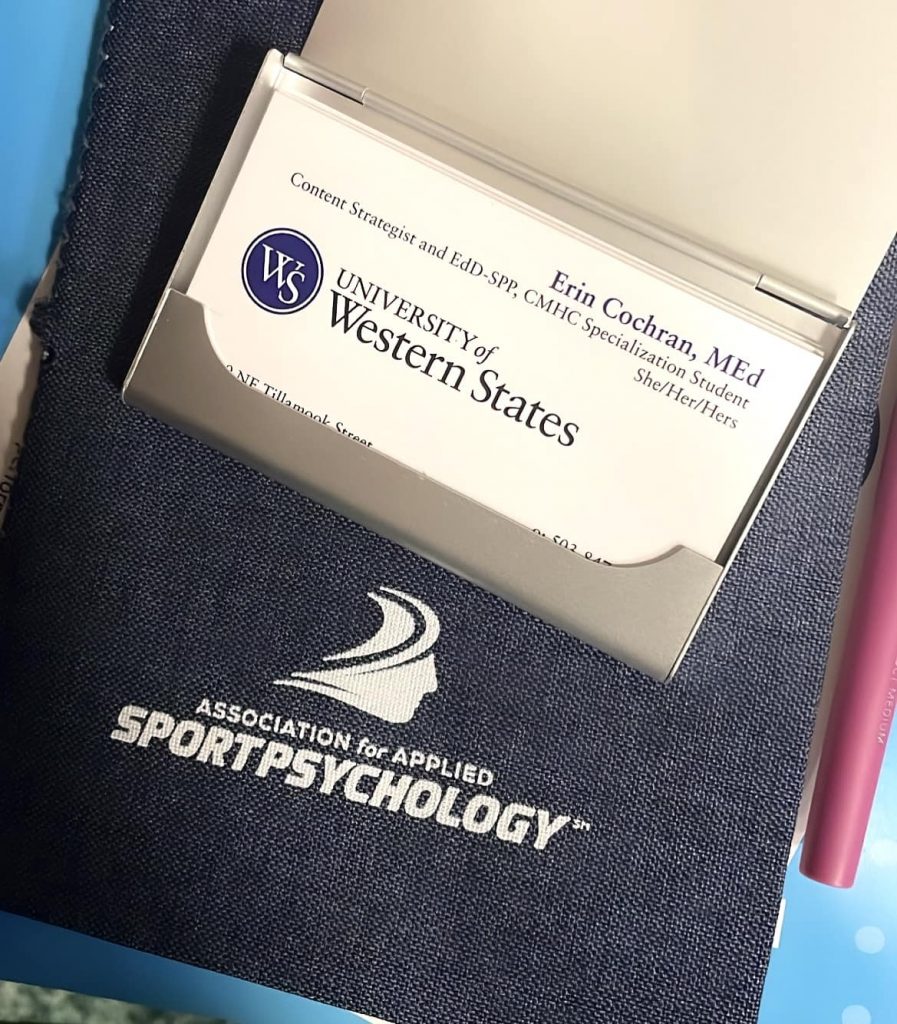
AASP Blog Photo

I began the UWS integrated degree program in 2018. When I graduate in spring 2024, I will obtain a Doctor of Education in sport and performance psychology (SPP) and a master’s degree in clinical mental health counseling (CMHC) (EdD-SPP, MS-CMHC). Since beginning the program, I have grown exponentially in my professional identity and have nothing but gratitude and reverence for the education I’ve received from UWS. Being able to work full time during my educational pursuits online has been a game changer but can come with the cost of not experiencing the in-person connections you could create in a physical classroom. However, the support and connection I’ve gained throughout my time goes beyond the limitations of a physical classroom and has allowed me to connect with UWS folks across the world. Being able to connect with a few of these influential people every year at the AASP conference is the cherry on top.

The AASP 2022 annual conference featured more than 100 lectures, panels, workshops, lectures, and symposia over four days held at the Fort Worth Convention Center. The central theme across all was based on how practitioners can apply the latest evidence-informed techniques and practices across the performance spectrum to strengthen clients’ “inner edge.”

Here are just a few of the numerous presentations that really stuck with me:

  • Integrated Sport Psychology Services – Perspectives from Major League Baseball (MLB)
  • The Complexity of Treating Eating Disorders and Perfectionism in Athletes
  • Licensed Sport Psychology Professionals’ Roles and Experiences Working Within a NCAA DI Athletic Departments
  • “Life is Like a Marathon” keynote address by Paralympian Tatyana McFadden
  • “Title IX’s New Glass Ceiling: Opportunities, Criticisms and Re-Imagining the Empowerment of Women” keynote address
  • The Development of Psychological Skills Training Programs for Future Health Care Professionals
  • Applying Neuroscience to Enhance Mental Health and Sports Performance
  • “Healing, Not Harming: How a Trauma-Informed Lens Can Change Sport” keynote address

All of these sessions and keynote presentations displayed a clear intersectionality of how clinical mental health counseling skills can directly enhance sport and performance psychology services and vice versa. Following graduation, some of my professional goals include continuing to pursue licensure in the state of Oregon as a licensed professional counselor and either own a private practice or work within an integrated clinic, as well as offer sport and performance psychology programming to NCAA Division I collegiate athletes, specializing in athletic identity work. I’d also like to earn certification as a Certified Mental Performance Consultant (CMPC®). There’s no doubt that being a regular attendee of the AASP conference will help me capitalize on these goals and I will continue to foster relationships with fellow UWS alumni, faculty, staff and students for years to come.

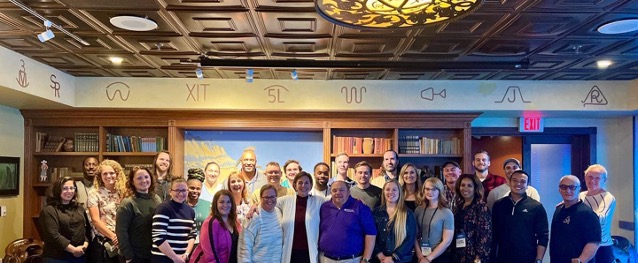
UWS students, alumni, faculty and staff gathered at the 2022 Association for Applied Sport Psychology (AASP) conference in Fort Worth, Texas


More about the EdD-SPP, CMHC program:

The UWS doctorate of education in sport and performance psychology, clinical mental health counseling specialization (EdD-SPP, CMHC) is uniquely designed for students who are simultaneously seeking counseling licensure and advanced sport and performance psychology training to open the door to a wide array of career options.

UWS Release New inTouch Magazine

inTouch summer/fall cover

This edition of the inTouch includes:

  • News about the UWS affiliation with the TCS Education System.
  • Highlighting UWS chiropractic interns work with the U.S. military.
  • A final call to attend the 12th annual Summer in December Continuing Education program. 
  • Feature of various opportunities students across all UWS academic programs who have recently had to directly apply classroom knowledge to care for patients and clients.
  • A call to join the UWS Cornerstone Society and Alumni Finder Map.
  • Announcement of the 2022 UWS Alumni Recognition Award recipient.

…and much more!

Read past editions of the inTouch alumni and friends magazine.

Pt 2: What is Sport and Performance Psychology? 

Post 2: The Range of SPP Services

By: Sarah Castillo, PhD, CMPC, UWS sport and performance psychology program director

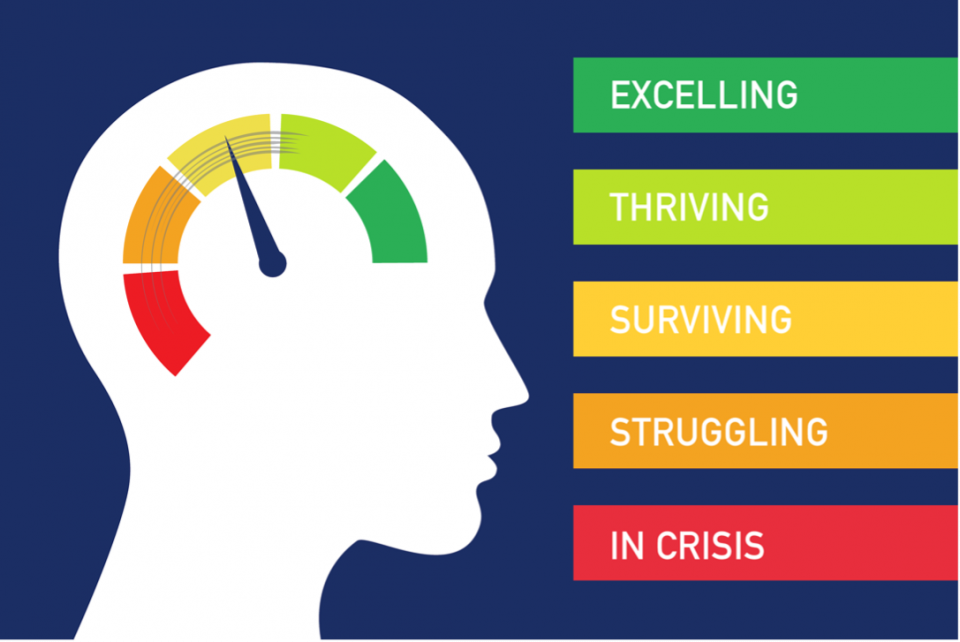
In the first post in this series, we talked about the “continuum of mental health.” As you recall, mental health is not simply the absence of mental illness – it’s more nuanced than that. Performers exist at every point along the continuum from “in crisis” to “excelling,” and that means there must be appropriately trained sport and performance psychology (SPP) practitioners available to work with them. Of course, the types of services provided depend upon the needs of the client and the expertise of the SPP practitioner. In general, these services can be placed into one of two categories: clinical or performance. We’ll talk about the differences between the two, but first, it’s essential to talk about the underlying requirements of both.

If you’ve decided to work in a mental health career, whether you’re interested in doing clinical or performance work, you’ve got to be proficient at demonstrating basic counseling skills. These skills include, but are not limited to, the ability to 1) demonstrate empathy and listening skills; 2) the ability to paraphrase, challenge, and question; 3) the competency to read and respond to both verbal and nonverbal cues; and 4) the ability to collaborate effectively with the client from initial assessment to termination of the helping relationship. Often, people enter the helping professions thinking “I’m the one all of my friends come to when they need advice,” or “all of my friends tell me how easy I am to talk to.” While that’s flattering, and likely says something about an innate ability to help, it’s essential to know that “helping” is not the same as “advice-giving,” and being “easy to talk to” is different than serving as a guide toward lasting behavioral change. Basic counseling skills are common to both clinical and performance work with performers, but they are by no means easy to learn and develop.

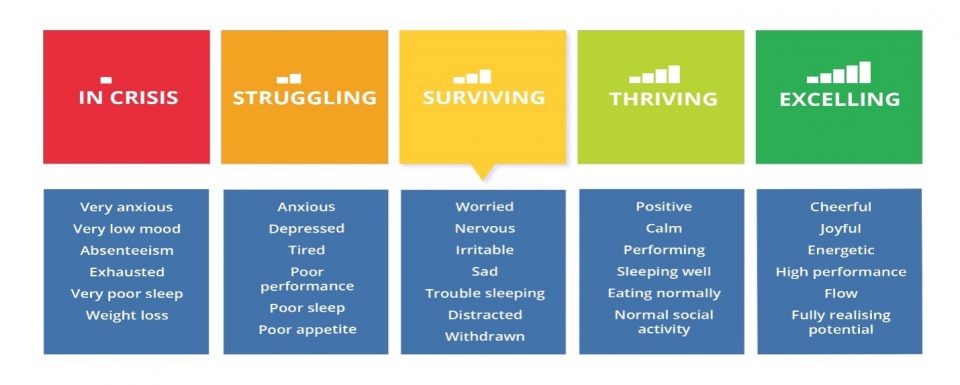
Now that we’ve talked about the common skills and abilities that SPP practitioners across the continuum of mental health must have, lets dive deeper into the two general types of services.  For reference, below is a linear depiction of the Delphis (2020) proposed continuum of mental health.

SPP Blog Graphic

In order to provide clinical services, SPP practitioners must hold a state-issued license as a clinical mental health provider.  When working with performers experiencing mental health distress (i.e., “in crisis” or “struggling”), services include the diagnosis and treatment of mental illness according to the classifications in Diagnostic and Statistical Manual (DSM). The goal of clinical services is “restorative.” That is, treatment focuses on helping the performer to regain positive control over thoughts, emotions, and behaviors. Examples of these state-licensed professions include psychologists, clinical social workers, marriage and family therapists, and clinical mental heal counselors. In every case, clinical practitioners are held to the standards and particular ethical codes of their profession, including the requirement to refer clients out when their needs do not match the role and/or expertise of the SPP practitioner.     

SPP practitioners providing performance services work with performers and groups who are already “thriving” or “excelling.” Observations, interviews and assessments are conducted to determine the performer’s needs. Next, mental skills interventions are designed and implemented to improve performance beyond the current level. Along the way, the practitioners and performers work together to assess effectiveness and make changes when and where necessary. Currently, the only accredited competency standard in sport and performance consulting is the Certified Mental Performance Consultant (CMPC®) credential offered through the Association of Applied Sport Psychology (AASP). Similar to clinical services, the provision of performance services requires adherence to the standards and particular ethical codes of the profession, including the requirement to refer clients out when their needs do not match the role and/or expertise of the SPP practitioner.

But who works with performers who are “surviving”? If you’ve been paying attention, you’ve noticed that there’s still one category in the mental health continuum that hasn’t been addressed. Those performers who may be classified as “surviving” might be best served by either clinical services, performance services, or both. This makes it essential for SPP practitioners to pay close attention to performers’ thoughts, emotions and behaviors. While the presenting issue may be performance-related, clinical issues may arise. Conversely, the presenting issue might best be addressed by a clinical practitioner, but during the course of treatment performance-related issues might appear. In either case, the SPP practitioner must have the training and expertise to recognize the additional impact of clinical or performance issues and make the appropriate referral.

At UWS, we believe that the “dual relationships” clause present in both clinical mental health and mental performance consulting ethical codes expressly prohibits SPP practitioners from working with a single performer on both clinical and performance issues. That is, even when an SPP practitioner is dually trained (i.e., both a licensed clinician and a CMPC®), they may not fulfill both roles with the same client. Although from the practitioner’s perspective it may seem easy to “switch hats” based upon the issue the performer brings to session, the prohibition is developed with the client’s perspective in mind; that is, is the client aware of when the “hats” have been switched? Does the client know which hat the SPP practitioner is wearing when they visit a training session? Because, at any point, the client may be negatively impacted by the confusion or anxiety these dual roles cause, it is unethical. 

Check out the third installment of the “What is Sport and Performance Psychology?” series that covers how the UWS SPP and CMHC programs prepare students to build their careers in these growing professions.


Want to learn more about the UWS sport and performance psychology degree programs? Visit the program webpage for more information or contact the admissions department virtually, by emailing [email protected] or calling 800-641-5641.

Dr. Jaipaul Parmar Named UWS 2022 Alumnus of the Year

Alumni Recognition Award Graphic

Jaipaul Parmar, DC, 2010 graduate of University of Western States (UWS), has been named the 2022 UWS Alumnus of the Year.

“It is a true honor and privilege to be named the 2022 UWS Alumnus of the Year,” said Dr. Parmar. “Since acceptance, going through the program, graduating, and now having over a decade of practice, I hold a very special place in my heart for UWS. I have a genuine passion for the chiropractic profession and am beyond grateful for this recognition from the institution that has forever changed my life and has allowed me to have an impact on others’ lives every single day.”

Shortly after receiving his license, Dr. Parmar began serving as a member of the British Columbia Chiropractic Association (BCCA) and the Canadian Chiropractic Association (CCA). He was recently nominated to sit on the CCA Board of Directors for his contributions to the community. Dr. Parmar and his practice, Alliance Wellness Clinic in Vancouver, BC, has served as a preceptor site for UWS student clinical interns for many years.

“Since graduating from UWS in 2010, Dr. Jaipaul Parmar’s contribution to the BC chiropractic community and the university has been significant,” said UWS President and CEO, Dr. Joseph Brimhall. “Dr. Parmar’s clear passion for the profession goes beyond boards and public service but is also evident on an individual level as a mentor to UWS student interns. As a preceptor for several years, Dr. Parmar has been eager to share his expertise with our student interns and has shown a keen investment in the next generation of chiropractors.”

Recipients of the UWS Alumni Recognition Award represents the outstanding accomplishments UWS alumni accomplish in advancing the science and art of integrated health care. UWS alumni reflect the core values of the university – student focus, best practices, curiosity, inclusiveness, professionalism and whole-person health.

Dr. Parmar and all the nominees will be honored at an alumni reception at the UWS campus at 8000 NE Tillamook Street in Portland, Oregon on Thursday, April 20, 2023.

What is Sport and Performance Psychology?

Post 1: The Continuum of Mental Health

By: Sarah Castillo, PhD, CMPC, UWS sport and performance psychology program director

Let’s face it – there are plenty of options when it comes to pursuing a graduate education and choosing a career. If you’re interested in working with performers, you might choose sport management, sports marketing, coaching education, athletic training, strength and conditioning, or a host of other options. If it’s mental health, you might consider clinical psychology, psychiatry, or social work. If it’s kinesiology, the scientific study of human body movement, career fields range include exercise prescription, biomechanics, and motor development? But, there’s only one field that lives at the very center of them all – sport and performance psychology. The name is intriguing, it’s popular and it sounds like it might be exactly what you want! But what, exactly, is it? In this blog series, we’ll address the basics of sport and performance psychology and help you to understand where you might fit.

First and foremost, sport and performance psychology (SPP) is a mental health profession. In 2020, Delphis, an organization dedicated to management organization on mental health and well-being, proposed a continuum of mental health in an attempt to expand the traditional belief that that mental health was nothing more than the absence of mental illness.

At University of Western States, (UWS), we agree wholeheartedly with this conceptualization of mental health. Even better, individuals trained in sport and performance psychology may be able to work with performers at various points along the continuum.

Let’s take a look at the training required for this work:

When working with performers “in crisis” or “struggling,” training in sport and performance psychology must be paired with clinical licensure in psychology. Individuals with this dual training are able to diagnose and treat mental illness with a clear understanding of how competitive sport and performance environments must be considered.

Working with performers who are “surviving” requires, at minimum, substantial training in sport and performance psychology and significant counseling skills. While the performer’s presenting problem may not be clinical in nature, it’s essential that the SPP practitioner be able to immediately recognize any future appearance of clinical issues, as they may be just below the surface. When clinical issues arise, it is essential that the SPP practitioner make an appropriate referral to a clinical practitioner.

Performers who are “thriving” or “excelling” are able to manage life’s challenges with well-developed coping skills and are able to perform at their peak. Working with performers at this end of the continuum requires extensive training and applied experience in sport and performance psychology.

It’s critical to recognize that not every SPP practitioner wants to, or is qualified to, work with individuals at every point along the continuum. Therefore, when considering a career in sport and performance psychology, the first order of business is to determine what it is that YOU want to do. Which points along the continuum are you passionate about? Your choice of program coursework and supervised experiences all depend on where your passion for the field truly lies.  Sport and performance psychology is gaining popularity, but it’s your passion for the type of work that will make you a dedicated student and competent practitioner!

Be sure to check out the second installment in this three-part series, “What is Sport and Performance Psychology.” In part two, we’ll talk about the similarities and differences between clinical and performance-based SPP practitioners.

In the third installment of the series, it’s discussed how the UWS SPP and CMHC programs prepare students to build their careers in these growing professions.


Want to learn more about the UWS sport and performance psychology degree programs? Visit the program webpage for more information or contact the admissions department virtually, by emailing [email protected] or calling 800-641-5641.

Value of a Specialization in Sports Medicine

By: Bill Moreau, DC, DACBSP, FACSM

Sports and chiropractic care have enjoyed a long and mutually supportive relationship. It is now commonplace for doctors of chiropractic to be involved in all levels of sport care for athletes, from the recreation leagues to the Olympics, Paralympics, NFL and other professional sports leagues, and beyond. Regardless of the level of involvement, there are growing opportunities for chiropractic physicians to serve in the sporting world.

The highly visible world of sport is a great proving ground to demonstrate the safe, effective and efficient delivery of chiropractic care, in both preventative and interventional modes. Athletes of all levels are looking to reach their personal bests in sport. An athlete’s sustained and healthy career can be a predictor of their success. In order to reach that level of success, mental and physical wellness need to be top priorities.

Hear from Dr. Bill Moreau, about the value of a degree specialization in sports medicine.

HOW TO GET INVOLVED IN SPORTS CARE

A key to identifying the pathway to engage in sport care of athletes is for the doctor of chiropractic to identify opportunities that are unique to their particular circumstances. Many doctors are currently in the sporting environment, and many more want to get in the game. It makes sense to expect that the doctor needs to enhance their clinical skills and sports-related acumen as they begin to offer healthcare services outside of their clinic or office setting. For most doctors, their area of highest comfort and clinical confidence is when they are working in their own offices. In the office setting, doctors of chiropractic are in positions of authority where the final opinion is typically not questioned and all the staff, tools and equipment they use to help their patients is right at hand.

In sport care, the doctor needs to understand the three A’s of sport: ability, availability, affability.  All chiropractic physicians care for athletes. When the care is offered outside the clinic or office setting, the change in location requires the doctors to see the entire setting before engaging in care. It is important to recognize there are other well trained and talented professionals that also want to help the athletes stay healthy. Developing supportive partnerships within the health care team is necessary to deliver athlete-patient centric care.

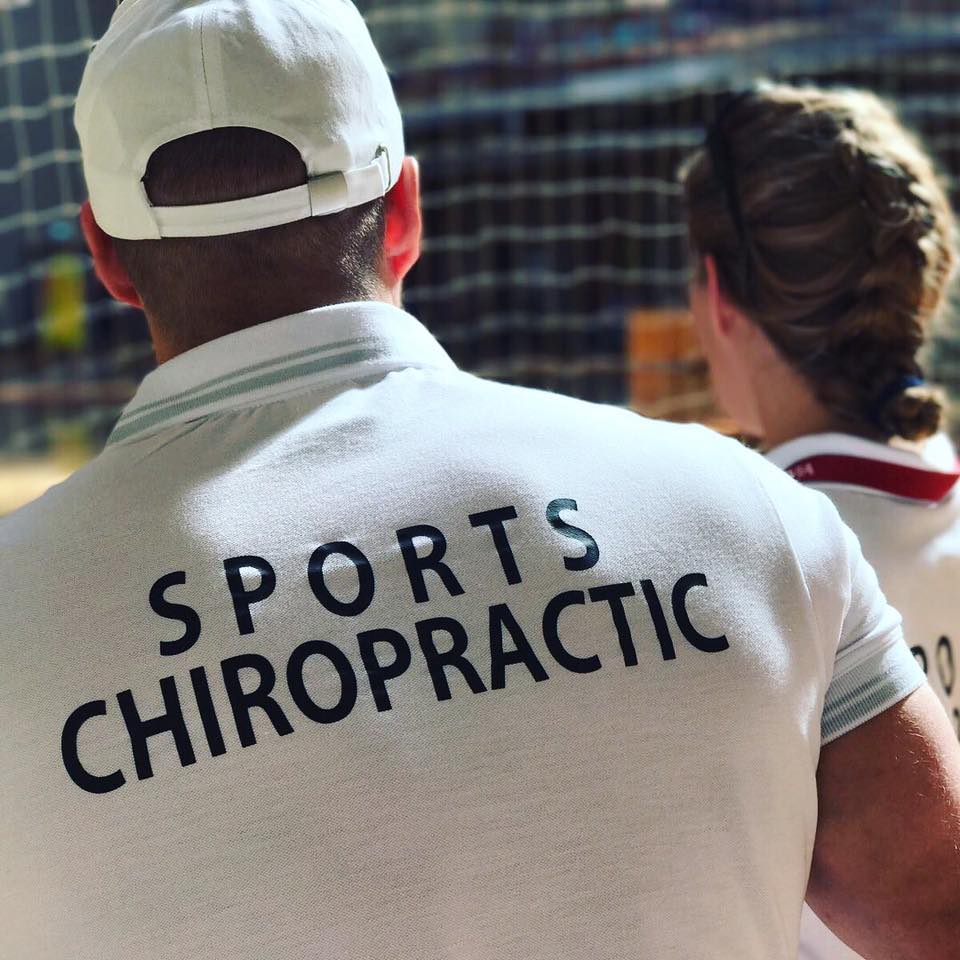
sports chiropractic

OFFICE CARE VERSUS EVENT CARE

There are important differences between office and event care. One of the key differences is related to the clinical presentation of the patient. Chiropractic physicians are taught to recognize clinical conditions by identifying the signs and symptoms of the presenting patient and then match these findings to a diagnosis. The diagnosis is formulated based on the doctor’s education and clinical experience, and serves as a guide to implement the best course of care for the ill or injured athlete. The key difference is the time to presentation. In the clinical setting, the athlete’s injury will have had time to develop the classic telltale signs and symptoms we are trained to identify. At an event, you see an athlete moments after the injury. The injury is most likely still unwinding to show the clinical picture whereby the clinician can identify the diagnosis.

Serial (repeat) examinations are a cornerstone to the successful management of injuries and illness at an athletic event. For example, the current standard of care for the evaluation and management of an individual with sports related concussion is serial examinations every five (5) minutes.1 The final diagnosis should not be made until the patient’s clinical presentation is stable and no longer changing.

WHERE TO OBTAIN ADDITIONAL EDUCATION, TRAINING AND CERTIFICATION

Depending upon the role the chiropractic physician fills on the sports medicine team, additional education helps best prepare the doctor to fulfill their role. In the United States, the American Chiropractic Board of Sports Physicians is the recognized certification organization for the chiropractic physician who wishes to obtain a sports medicine certificate of additional qualification.2 For those who work outside the United States, the International Federation of Sports Chiropractic (FICS) is the recognized certification organization.3 Doctors working domestically or on the international level may also consider formal education in a master’s degree program related to sport or sports medicine to help prepare them for success in the sporting arena.

PREPARTICIPATION EXAMINATIONS AND SPORTS-RELATED CONCUSSION EVALUATIONS

In addition to the numerous opportunities, there are also barriers to the chiropractic physician wishing to engage in the full spectrum of sports medicine. The two most controversial areas pertain to the ability to perform preparticipation examinations (PPE), sometimes called the periodic examination, and the evaluation and management of sports-related concussion.

About one half of the states allow the chiropractic physician to perform the PPE while other states do not. There is a lack of consensus within and outside the profession regarding this issue. Typical areas of resistance are centered on the cardiac examination. The critics state they are not convinced that a chiropractic physician can detect abnormal heart sounds. While there is not a single study to support this position, there are studies that demonstrate that family practitioners, academic internists, and general internists all demonstrate a low proficiency of no more than 40% in recognizing basic heart murmurs. Cardiologists, who only represent 5% of practicing physicians, are the only group that routinely recognizes most abnormal heart murmurs.4

The AHA twelve-point cardiac examination has been suggested as the standard of care for the PPE. At the discretion of the examining clinician, a positive response in any one or more of the 12 items may be enough to cause a referral to a cardiologist for cardiovascular evaluation. Parental verification of the responses is regarded as essential for minor students in middle or high school students, because young patients are notoriously poor historians.5 The historical and physical examination described in those circumstances falls well within the scope and skills of a chiropractic physician. The point is the abnormal heart sound does not need to be named by the primary point of contact. All athletes with an abnormal heart sound must be evaluated by a cardiologist to identify the cause of the murmur and the safety for that individual to participate in sporting activities.

Regarding sport-related concussion, it would be very surprising, after the plethora of current media coverage, that any health care provider would ever consider returning an athlete who possibly sustained a concussion to play. Each athlete must be protected from continued participation while suffering from any symptom or sign of concussion. Advising against return to play based on clinical findings is well within the scope of skills for chiropractic physicians.

There is a growing and continued need for chiropractic physicians to evaluate and manage sports injuries in all patient populations. It makes sense that all providers would work to know what they need to know before the sport injury patient presents before them.

References:

  1. McCrory, Paul, Willem Meeuwisse, Jiří Dvorak, Mark Aubry, Julian Bailes, Steven Broglio, Robert C Cantu, et al. “Consensus Statement on Concussion in Sport—the 5 th International Conference on Concussion in Sport Held in Berlin, October 2016.” British Journal of Sports Medicine, April 26, 2017, bjsports-2017-097699. https://doi.org/10.1136/bjsports-2017-097699.
  2. Moreau, William J. “The American Chiropractic Board of Sports Physicians Supports the Journal of Chiropractic Medicine.” Journal of Chiropractic Medicine 6, no. 3 (2007): 85–86. https://doi.org/10.1016/j.jcme.2007.06.002.
  3. Latest FICS News. (n.d.). Retrieved February 4, 2020, from https://fics.sport/
  4. Barrett, Michael, Bilal Ayub, and Matthew Martinez. “Cardiac Auscultation in Sports Medicine: Strategies to Improve Clinical Care.” Current Sports Medicine Reports 11, no. 2 (April 2012): 78–84. https://doi.org/10.1249/JSR.0b013e318249c0ff.
  5. Maron, Barry J., Paul D. Thompson, Michael J. Ackerman, Gary Balady, Stuart Berger, David Cohen, Robert Dimeff, et al. “Recommendations and Considerations Related to Preparticipation Screening for Cardiovascular Abnormalities in Competitive Athletes: 2007 Update: A Scientific Statement From the American Heart Association Council on Nutrition, Physical Activity, and Metabolism: Endorsed by the American College of Cardiology Foundation.” Circulation 115, no. 12 (March 27, 2007): 1643–55. https://doi.org/10.1161/CIRCULATIONAHA.107.181423.

UWS Named a Top School for Online Education in Nutrition

Best Online Degree Programs

UWS has been ranked one of the nation’s best schools for online degrees and certificates in the nutrition field for 2023. Six percent of regionally accredited colleges and universities earned a ranking position. 

University of Western States has been named one of today’s best schools for online higher education in health care by EduMed.org. UWS’s online programs in the nutrition field earned top honors for their overall quality, affordability and commitment to student success. 

Take a look at the full rankings to see where UWS placed: Best Online Nutrition Master’s Degrees

“Our rankings showcase the schools giving future integrated health care professionals the best chance to succeed from day one in the classroom to day one on the job,” said Wes Harris, outreach coordinator for EduMed.org. “This starts with low-cost tuition, but also includes academic counseling, career placement and other key resources that students need to graduate and get hired.”

EduMed.org’s rankings come at a time when the demand for trained health care professionals is on the rise. According to Mercer, a global consulting leader in health care, the U.S. will see millions of vacancies in critical health care positions by 2025.

“One key to solving the health care shortage is making higher education more accessible,” said Harris. “Online programs open the door to students who may not be able to commit to a campus-based program while working, or to commute to a classroom at all. Each school in our rankings has made online learning a priority.”

EduMed.org researched and analyzed more than 7,700 accredited schools using data from the Integrated Postsecondary Education Data System (IPEDS) and from the schools themselves. The website’s data science team then applied a proprietary algorithm to rank all qualifying schools for each healthcare discipline. Primary data points include: 

  • Academic counseling services
  • Career placement services
  • Student-to-faculty ratio
  • Tuition
  • Percent of students receiving school-based financial aid
  • Amount of school-based aid per student

To be eligible, a school must hold active regional accreditation and have at least one partially online program in the ranking subject. Just 8% of U.S. postsecondary institutions earned a ranking position. 


About EduMed.org

EduMed.org set out in 2018 to support higher education in health care. Our complimentary resource materials are expert-driven guidebooks help students find scholarships, financial aid and top degree programs in nursing, healthcare administration, public health, and dozens of other key medical and health disciplines. Since the site’s official launch in 2019, EduMed.org has been featured by more than 100 premier colleges and universities across the U.S. 


About the UWS Human Nutrition and Functional Medicine Program

The HNFM department at UWS houses the following programs:

These nutrition programs integrate cutting-edge functional medicine clinical tools and resources developed by the Institute for Functional Medicine (IFM), the organization that founded and developed many functional medicine concepts in use today. Functional medicine is a science-based, patient-centered approach to achieving and maintaining excellent health through natural methods, with diet and nutrition at the forefront. Founded on a holistic view of health, our functional medicine programs leverage the biochemical and genetic individuality of each patient so that practitioners can treat the whole person, not just the symptoms.

Our HNFM programs are 100% online. Available to international students, transfers, and veterans

Want to learn more about the UWS human nutrition and functional medicine degree programs? Visit the program webpage for more information or contact the admissions department virtually, by emailing [email protected] or calling 800-641-5641.

Obtaining the CMPC® Credential Through the AASP

University of Western States alumna, Dr. Neva Barno, obtained the Certified Mental Performance Consultant (CMPC®) credential through the Association for Applied Sport Psychology (AASP) after completing the doctorate of education in sport and performance psychology, clinical mental health counseling specialization (EdD-SPP, CMHC) degree program.

CMPC Badges

Dr. Barno’s passion for clinical mental health counseling and sport and performance psychology started after experiencing an injury in high school. It left a significant impact on her physical performance and mental health. Dr. Barno currently works as a cognitive enhancement specialist with Thrive Proactive Health, O2X Human Performance, and Blue / Green Training. Her specialties include injury rehabilitation and working with tactical athletes. Obtaining the CMPC® took her injury to a new level.

According to the AASP, “Certification as a CMPC® demonstrates to clients, employers, colleagues, and the public at large that an individual has met the highest standards of professional practice, including completing a combination of educational and work requirements, successfully passing a certification exam, agreeing to adhere to ethical principles and standards, and committing to ongoing professional development.”

Curious how an education through UWS can prepare you to pursue the CMPC® credential? Connect with the UWS admissions department online or by email at [email protected] or call 800-641-5641.

Dr. Christine Girard Elected to UWS Board

The University of Western States (UWS) Board of Trustees has announced the addition of Christine L. Girard, ND, MPH, to the board. Dr. Girard brings an extensive background and knowledge of integrative medicine.

“We are very pleased to welcome Dr. Christine Girard as a member of the UWS Board of Trustees,” said Dr. Joseph Brimhall, UWS president and CEO. “Dr. Girard’s exceptional background and experience in the naturopathic medicine community, in higher education administration, and in clinical practice, uniquely qualifies her to deliver valuable perspectives for the board governance of University of Western States.” 

Christine Girard, ND

Dr. Girard has devoted her career to hospital-based integrative medicine and the education of health care professionals across specialties for more than 25 years. She has taught both undergraduate and graduate level courses for the online programs at the University of Arizona’s Mel & Enid Zuckerman College of Public Health. Dr. Girard also served as past president/CEO of the National University of Natural Medicine in Portland, Oregon, executive vice president of Southwest College of Naturopathic Medicine, and past director of naturopathic medicine at Southwestern Regional Medical Center in Tulsa, Oklahoma. Dr. Girard is the co-founder and past co-director of the Integrative Medicine at Griffin Hospital in Derby, Connecticut. While at Griffin Hospital, Dr. Girard served as a clinical research specialist at the Yale-Griffin Prevention Research Center.

“What a great honor to join the Board of Trustees,” said Dr. Girard. “I am delighted to serve alongside such a forward-thinking team of professionals. I have been impressed with the leadership of UWS as it navigates the changing landscape of higher education and health care while remaining constant in keeping the ‘good of the patient’ at the center of care.”

Dr. Girard received her naturopathic degree from National College of Naturopathic Medicine in Portland, Oregon and her MPH from the University of Arizona’s Mel & Enid Zuckerman College of Public Health.

Awards include the Virginia G. Piper Charitable Trust’s Piper Fellows Program (2013), American Association of Naturopathic Physicians’ Physician of the Year Award (2010), and National College of Naturopathic Medicine’s Pioneer Award (2008).

Marshall Named UWS Sports Medicine Program Director

Marshall

Brent Marshall, EdD, LAT, ATC, CES, PES has been named the program director for the UWS sports medicine degree program.

“Dr. Marshall brings a deep commitment to the quality of the student learning experience – both in the classroom and in the clinical site – to his new role as program director,” said College of Graduate Studies Dean, Dr. Alisa Bates. “As UWS works to redesign the sports medicine program for the future, Dr. Marshall’s expertise in higher education coupled with his knowledge of hands-on sports medicine will prepare the students for long-term success as providers. I am excited to see the future of the program come to life under his leadership!”

Dr. Marshall is a certified athletic trainer (ATC) and holds a Doctorate of Education from Concordia University (Portland, OR/Wisconsin) with an emphasis in higher education leadership, continuous improvement and innovation. His dissertation focused on non-contact sport coaches’ attitudes, beliefs and behaviors of sport-related concussion. He also holds a Masters of Science degree from Weber State University (Ogden, Utah) in athletic training and Bachelors of Arts degree in kinesiology from Whitworth University (Spokane, Washington).

“I am beyond excited and extremely grateful to be named director of the sports medicine program,” said Dr. Marshall. “Together with the help of our faculty, staff and university, we will strive to create a standard of excellence to teach and train our sports medicine students. This will allow program graduates to become highly-skilled, confident and compassionate health care providers to their patients and greater communities in which they serve.”

Clinically, Dr. Marshall has worked with all levels of athletes including high school, collegiate, amateur, semi-professional and professional. Within the sports medicine program at UWS, in addition to clinical instruction he teaches evaluation, rehabilitation, taping, and emergency care content and courses throughout the program. His research interests include student-learning, student learning outcomes from online and hybrid classrooms, sport-related concussion and educational degree standards for allied health professions. He also has additional certifications for corrective exercise, athletic performance enhancement and others.

Kaeser Named Dean of UWS College of Chiropractic

UWS dean college of chiropractic

Upon Dr. Kathleen Galligan’s retirement, dean of the UWS chiropractic program from 2018-22, an extensive search and interview process was held to fulfill the role. In spring 2022, Dr. Martha (Marty) Kaeser was named the new dean.

“Dr. Kaeser has a strong background in health care education and is known and appreciated by our community,” said Dr. Dana Sims, UWS provost. “With her understanding of the university mission and vision as well as her collaborative style, we look forward to continued excellence in chiropractic education under her leadership.”

Dr. Kaeser previously served as UWS associate dean since 2018. Dr. Kaeser is a collaborator, a listener and a contributor with a strong record of research, publication and presentation. She holds a chiropractic degree, a master’s degree in adult education and bachelor’s degrees in life science, special education and anthropology.

“I am greatly honored to be entrusted with the Dean position in the College of Chiropractic,” said Dr. Kaeser. “I am in awe of how hard the faculty and staff work to ensure that there is a deliberate focus on students and the core values. Additionally, I am excited to continue the good work of being student focused, innovative and creative. I could not ask for a better job or work with a better group of people.”

Prior to her work at UWS, Dr. Kaeser served Logan University in a variety of roles including assistant dean, director of academic assessment and clinical assessment skills center director.

UWS Release New inTouch Magazine

Check out the Winter/Spring 2022 edition of inTouch alumni and friends magazine!

Intouch magazine cover winter spring 2022

inTouch news includes:

  • News about the newly launched doctor of naturopathic medicine degree program. 
  • Updates from Bola Majekobaje, director of diversity, equity and inclusion (DEI), on the university’s DEI efforts.
  • Information on a revamp of the UWS business partner program. 
  • News about the relaunch of the UWS associated student body.
  • A profile highlighting Dr. Stephen Salaz and Dr. Jacob Salaz and their shared practice, Mt Hood Chiropractic in Troutdale, Oregon. 
  • A call for nominations for the 2022 UWS Alumni Recognition Award.
  • and much more!

Read past editions of the inTouch alumni and friends magazine.

IAMSE 2022 Conference Student Experience

In June 2022, University of Western States (UWS) doctor of chiropractic (DC) students and faculty had the opportunity to present at the annual International Association of Medical Science Educators (IAMSE) conference in Denver, Colorado.

Hear from two DC students and Dr. Cortny Williams, basic sciences associate professor, regarding their experience and how it influenced their educational and professional growth.


IAMSE1

“As a student training to be a chiropractic physician, a tutor, and a volunteer in both urban and rural medical communities, I have always wanted to help and improve education internationally.

I have previously done research during my undergrad degree, so when I was presented the opportunity of research by Dr. Cortny Williams, it opened the doors to explore and gain understandings of new philosophies and teaching strategies.

I initially began on a project about metacognition over a year ago, and later was introduced into a team-based learning project focused on in-campus and online experiences. This research was accepted as a poster presentation at the IAMSE conference. In addition, I was the recipient of a UWS Seed Funding Grant, making it possible for me to attend the conference.

There were specific dates and times for presentations and I had the fortunate opportunity to present twice. This opportunity allowed me to network with other health care professionals who center their work with an educational approach. Diversity in health professions was a key aspect of the conference this year and I appreciated the opportunity to understand education from various different perspectives.

Focus sessions and plenaries at the conference centered on the topics of leadership skills and knowledge in curriculum development, inspiring me to creatively communicate with patients and other providers.

The experience at the IAMSE conference allowed me to serve as an international voice that can be used to enhance health profession education for current and future students at UWS. I am very thankful for the opportunities provided by Dr. Williams and UWS. This was an unforgettable experience!”

– Ravneet Gill, UWS DC student


IAMSE2

“I have always had a passion for helping others, not only as a future DC but as a medical science educator as well. My passion, and the incredible support of Dr. Cortny Williams is what brought me to become involved in a UWS research project last year and ignited my interest to become involved with IAMSE.

I was a recipient of a UWS Seed Funding Grant which supported my attendance to the annual IAMSE conference. This provided an exciting opportunity to disseminate my research regarding metacognition in students as well as attend valuable focus sessions that furthered my leadership skills, knowledge in curriculum development and served as a growth factor in my role as a future educator.

IAMSE accepted my research as a poster presentation that was available for view during the entire conference. Additionally, there was a set time where I presented our research to fellow educators and professionals answering any questions they had. I was able to gather information and work alongside a geographically and professionally diverse group of individuals which broadened my scope and instilled hope to induce change in some areas of UWS curricula to better the student experience.

UWS exemplified their mission, vision and position by encouraging and supporting my success and growth as a student. It was an enriching, exciting experience I will not soon forget, and I feel remarkably lucky to be supported by UWS for both my research and career endeavors.”

– Audrey Thacker, UWS DC student


IAMSE students and faculty

“I have the honor of engaging in the mission and vision of UWS by mentoring students in education research for the first time in my career.

Ms. Gill and Ms. Thacker inspire and direct me toward becoming a better educator and research scientist. They show me how to better serve the students at UWS. I’m grateful for the opportunity to work with these scholars, and to further inspire research endeavors with more students, staff and faculty at UWS.

In 2017, I attended my first IAMSE meeting and received my first true sense of how to hone my skills as an educator and how to perform education research. Five years later, I serve as the faculty development chair at UWS,  serve on the IAMSE marketing committee,  hold three education related certifications, one certification in education research skills, and have created the community of research practice at UWS. I think you might agree that I fell head-over-heels into a sea of opportunity! I’m thriving, because the UWS community supports these opportunities. ” – Dr. Cortny Williams, basic sciences associate professor

University of Western States Launches Doctor of Naturopathic Medicine Program 

The new graduate program of professional study features a whole-person, individualized approach to health and well-being, integrating principles of naturopathic medicine and functional medicine. 

University of Western States (UWS), an independent, non-profit health sciences university serving Portland since 1904, is expanding its robust academic offerings with a new Doctor of Naturopathic Medicine (NMD) degree program.

The UWS NMD program champions a whole-person and individualized approach to health and well-being. The integration of functional medicine principles distinguishes this curriculum from other naturopathic medicine programs.

marcia-prenguber
Dr. Marcia Prenguber, dean of the College of Naturopathic Medicine at UWS

“Our new naturopathic medicine program is extremely exciting for the university, the Portland-area, and our healthcare community,” said Dr. Marcia Prenguber, naturopathic physician, fellow of the American Board of Naturopathic Oncology, and dean of the College of Naturopathic Medicine at UWS. “Offering a whole-person approach to medicine, our NMD program is designed to train future physicians in evidence-informed natural health care while addressing the body, mind and spirit, integrating the principles of functional medicine.”

An evidence-informed, patient-centered approach

Naturopathic medicine and functional medicine are evidence-informed, patient-centered approaches to achieving and maintaining health by optimizing function and addressing root causes of dysfunction, not just suppressing symptoms. Functional medicine’s focus on biochemical and genetic individuality, and the diet, lifestyle, and nutrition of each patient, integrates well with the full range of assessments and treatment modalities of naturopathic medicine.

Increased demand and shortage of primary care physicians predicted

“Doctors of naturopathic medicine are trained as primary care physicians and have established the primary care designation in a number of jurisdictions,” said Prenguber. “The need for whole-person primary care services will continue to rise. University of Western States is uniquely positioned for integration and collaboration with our new and established programs.”

Learn more about naturopathic medicine and career pathways here. 

The Association of American Medical Colleges (AAMC) projects a shortage of between 21,100 and 55,200 primary care physicians by 2032. The U.S. Census Bureau reports that the number of persons over age 65 will increase by 48% by that same year, driving the demand for primary care. In addition, census data indicate that one-third of all currently active doctors will at retirement stage as the population ages. 

exterior-open-house

A community of learning

The UWS NMD program is a 14-quarter doctoral curriculum, taught year-round. Students can complete the program in three and a half calendar years. UWS will deliver the NMD program at its vibrant, state-of-the-art campus in Northeast Portland. The curriculum includes anatomy, physiology, pathology, clinical nutrition, botanical medicine, physical medicine, and pharmacology to provide graduates with a broad array of modalities and procedures for the clinical care of patients. The course of study is offered in hybrid format that embodies a community of learning through synchronous online delivery and in-person teaching, with clinical competencies reinforced through in-person laboratory experiences.

Visit the UWS naturopathic medicine website to learn more.

UWS Guide to Portland Suburbs

Photo Credit: Jeffrey Hecker

University of Western States is happy to call Portland, Oregon home. The city of Portland is a vibrant hub of arts, food, music and culture. It’s not surprising the surrounding suburbs offer a similar charm, all within 30 minutes of campus!

If you’re interested in moving to the Portland area, but do not necessarily want to live within city limits, check out some of the highlighted areas both in Oregon and across the bridges to Washington state.

View more details about highlighted suburbs of Portland with categories such as “Best for Families” and “Best for Young Professionals” with this list provided by Niche.


Check out this map to get a better idea of the suburbs discussed below in relation to the UWS campus located at 8000 NE Tillamook St in Portland, Oregon.

Neighborhood Map

OREGON

Beaverton

Beaverton is located in Washington County and is considered by many to be one of the best places to live in Oregon. Living in Beaverton offers residents an urban-suburban feel. In Beaverton, there are a lot of restaurants, pubs, coffee shops and parks. Many young professionals live in Beaverton, due to the proximity to Nike and Intel. The public schools in Beaverton are highly rated (Niche).

Drive time to campus: 22 – 30 minutes

Other transportation options: TriMet Bus, MAX Light Rail

PRO: All the amenities of living in a suburb while remaining close to Portland. Great community building for young families.

CON: Traffic can be quite heavy during rush hours. The area is very suburban so you will have to drive most places.

Some of the top-rated neighborhoods include:

West Slope, South Beaverton, Central Beaverton, Raleigh West, Neighbors South, West Triple, Creek Greenway, Vose

Shopping:

Restaurants:

  • Brooklyn Trattoria: NYC Italian with local NW Bounty-and Wine country vineyard. You won’t want to miss the freshly made pasta, seafood and gluten-free tiramisu.
  • Taste of Sichuan Beaverton: Americanized and more traditional Chinese plates.
  • Ikenohana: Offers the classic tick-the-sushi-boxes ordering style and beautiful presentations. The restaurant offers bento boxes and izakaya plates, from tonkatsu to udon noodles.
  • Yuzu: Counter seating and slightly hidden location, but the food in this hidden gem is some you won’t want to miss!
  • Handel’s Homemade Ice Cream: Indulge in the best ice cream in Beaverton. A fan favorite of children and adults alike, enjoy the many delicious flavors this shop creates fresh in-store.

Gresham

Close to the Columbia River gorge and a little more than an hour to Mt. Hood, this area is a gateway to outdoor recreation. There are many historic sites to visit in Gresham and six major bike trails that run through it, connecting Gresham to Portland and other parts of Oregon.

Drive time to campus: 20 – 25 minutes

Photo Credit: PDX Movers

Other transportation options: TriMet Bus, MAX Light Rail

PRO: Close to the UWS campus and housing is more affordable.

CON: Traffic can be quite heavy during rush hours, since there is no a major highway directly to the city. The weather can be colder and windy in the winter due to the proximity to the Columbia River Gorge.

Shopping:  

Restaurants:

  • Nicholas Restaurant: Lebanese, Mediterranean Middle Eastern cuisine, vegetarian friendly, vegan options, gluten free options.
  • Sweet Betty’s Bistro: A great place to go for breakfast or lunch with vegetarian and Gluten Free options.
  • Boccelli’s Ristorante: Italian lunch or dinner options.
  • Barley Sprout: Made from scratch sourdough crust pizza, with gluten free and vegan dining options. Also, lots of local craft brews on tap.

West Linn

West Linn is considered part of the Portland metro area but has a comfortable enough distance to avoid the hustle and bustle of the big city. Residents enjoy a quiet lifestyle in a quiet community, with plenty of local amenities. Locals love the fact that West Linn has been ranked among numerous “Best Places to Live” lists over the years. West Linn is south of Portland and near the Willamette River for great hikes and water sports. Mary S. Young State Recreation Area is a highlight of the area. This large nature park offers off-leash dog runs, sports fields and eight miles of hiking trails.

Drive time to campus: 22 – 32 minutes

Other transportation options: TriMet Bus and MAX Light Rail

PRO: All the amenities of living in a suburb while remaining close to Portland. The area is suburban but greener and less strip mall heavy than other areas.

CON: There is a lack of apartments in this area. Fewer younger families and not a lot of affordable housing options. Geared to wealthier and more established families.  

Some of the top-rated neighborhoods include:

Barrington Heights, Tanner Woods, Hidden Creek, Bolton, Hidden Springs, Marylhurst, Parker Cres, Robinwood, Rosemont Summit, Savanna Oaks, Skyline Ridge

Shopping:

Restaurants:


Lake Oswego

If we were to talk about the best suburbs in the Portland Metro, Lake Oswego, is the top of the list. Highlighted within Lake Oswego include top schools, nature trails, restaurants, golf courses, wineries, and, of course, an absolutely stunning lake. The city maintains 600 acres of parks and open spaces.

Drive time to campus: 21 – 30 minutes

Photo Credit: Apartments.com

Other transportation options: TriMet Bus, MAX Light Rail

PRO: All the amenities of living in a suburb while remaining close to Portland.

CON: Apartments and affordable housing may be limited in this area.

Some of the top-rated neighborhoods include:

Birdshill, Blue Heron, Bryant, Childs, Country Club North Shore, Evergreen, First Addition

Shopping:

  • Farmers Market: Open from June through October
  • Adorn: Women’s clothing boutique, built around the real-world, body positive attitude.
  • Grapevine: Sought after brans and elevated modern styles.
  • Simply Posh: Consignment shop for men’s and women’s designer clothes.

Restaurants:

  • Nola Donuts: beignets and coffee, if you go you must try one of their la’ssants – it is their take on a cronut, flaky pastry layers in a variety of flavors.
  • Lake Theater and Café: Outdoor, lakeside dining and an inventive menu. Their selection of indie and art-house films (plus a few blockbusters thrown in for good measure) make this an ideal place to see a movie.
  • Bamboo Sushi

Troutdale

Troutdale has anchored the eastern end of the Portland metropolitan area for more than 100 years. Living in Troutdale offers easy access to the breathtaking natural beauty and recreational opportunities offered by the Columbia River Gorge. Troutdale’s park system includes almost 20 parks, many of which contain playgrounds, athletic fields, hiking trails and community gardens.

Drive time to campus: 18 – 20 minutes

Other transportation options: TriMet Bus, MAX Light Rail

PRO: Quieter suburb and closer to the Columbia River Gorge. Quaint downtown area.

CON: Weather can be colder and windy during the winter with the east winds through the gorge.

Shopping:

Restaurants:

  • Bandits Bar & Grill: Are you looking for a casual, cowboy bar to rest your spurs? You do not have to leave Oregon to find a place that caters to cowgirls and cowboys, or for someone looking for some Cajun or Creole-influenced food.
  • McMenamins Edgefield –Black Rabbit Restaurant: Wandering around 74 acres with a drink in hand is a great way to take in this historic property.
  • Ristorante Di Pompello: the best authentic Italian restaurant in Troutdale.

WASHINGTON

Vancouver

When attending UWS in Portland, Oregon, you may consider a move across the bridges to Vancouver, Washington. The city has a small town feel with access to big city amenities, has relatively affordable housing, and is situated near some of the best outdoor recreation destinations in the country. Vancouver is the fourth-largest city in Washington state, which means its residents have easy access to all the amenities needed for everyday life and entertainment. There has been a recent revitalization movement of the local arts and culture scene, providing plenty of festivals, markets and annual events to choose from. 

Drive time to campus: 19 – 23 minutes

Other transportation options: C-Tran

PRO: All the amenities of living in a suburb while remaining close to Portland.

CON: There is not a lot of public transportation from Vancouver to Portland, so driving is recommended. Traffic can be busy on both bridges. Living in a different state than where you go to school may affect taxes and other administration processes.  

Some of the top-rated neighborhoods include:

Fisher’s Creek Neighborhood, Felida Neighborhood, Shumway Neighborhood, Esther Short Neighborhood, Arnada Neighborhood, Lake Shore Neighborhood, Cascade Highlands Neighborhood

Shopping:

  • Vancouver Mall has more than 75 stores and 25 places to eat at, as well as the area’s largest luxury theater and a selfie studio.
  • Vancouvers Farmers Market is nationally recognized running from mid-March to the end of October on weekends. From local musicians, freshly fried doughnuts, fresh cut flowers. If you are looking for handmade gifts around the holidays the Night Market Vancouver at Terminal 1 on the waterfront is your next stop.

Restaurants:

  • Rally Pizza: Some of the best pizza in the Portland area and to top it off they have delicious custard dessert options
  • Little Conejo: Authentic, minimalist tacos and numerous mezcal and tequila drink options.
  • 4 Caminos: authentic Mexican restaurant; try the street tacos or one of their most popular dishes: menudo, birria, ceviche, and pozole.
  • Amaro’s Table: modern American dining experience to downtown Vancouver. The restaurant’s highlights include its steaks, seafood, and craft cocktails.
  • Arawan Thai Cuisine: Classic Thai dishes in a friendly environment and is committed to making your dining experience a memorable one.

Camas

Camas is a suburb of Vancouver, Washington with a population of 23,200 and is located in Clark County. Living in Camas offers residents a suburban feel and most residents own their homes. The public schools in Camas are highly rated. East of Camas is the entry to the Washington side of the gorge, with great hiking and camping destinations. There are many public parks and bodies of water in Camas, and even an extinct volcano vent, Prune Hill. Lacamas Park and Heritage Park are highlights that provide playgrounds, hiking trails, boat launches and access to the Camas Potholes and Camas lily fields. The school system is one of the best in the whole Portland area.

Drive time to campus: 20 minutes

Other transportation options: C-tran bus system

PRO: All the amenities of living in a suburb while remaining close to Portland. Walkable downtown with small-town vibe. Great community for young families. Great schools!

CON: Traffic can be quite heavy during rush hours.Living in a different state than where you go to school may affect taxes and other administration processes.  

Some of the top-rated neighborhoods include:

Deer Creek, Parker Estates, Holly Hills, Sunningdale Gardens, Downtown Camas

Shopping:

Restaurants:

Benefits of the Sports Medicine Program at UWS

By: Caitlin Jones, UWS doctor of chiropractic and sports medicine alumna

ankle taping

There are a few different master’s programs that are offered at UWS with sports medicine being the most popular one taken by doctor of chiropractic (DC) students. Throughout the first year, I went back and forth on whether or not I wanted to add it on and I talked to a number of students in the program to get a better idea of it. As with every program, there were some ideas of how it could be better, but the general consensus I received was that it was absolutely worth the extra work. So, when the time came, I applied and was ecstatic when I received my acceptance letter!

I really enjoyed the courses. I was able to take a new tidbit away from each class such as why you can get sick during intense exercise (hint: it’s the fastest way your body can get rid of excess hydrogen ions and balance your pH levels). The lectures are all online and there was a lot of reading assigned, but the in-person labs really helped to pull the information together. The Exercise Physiology lab the first quarter was great! Even though I’ve taken a Functional Movement Screen (FMS) course, it was great to run a few students through the screening and see it in action. 

The practicum experience is the main reason why I enrolled in the sports med master’s program. Working with athletes at the high schools in the area as well as different events around Oregon such as Hood to Coast, volleyball tournaments, and a past student favorite – the rodeo – really stood out. Having the ability to work with a variety of different athletes on the sidelines of various sports is wonderful experience that I didn’t get in the Campus Health Center. 

Since we were unable to work with teams in-person during the beginning of the pandemic, the professors really tried to make practicum a useful and informative experience. It became a choose-your-own-adventure and one could decide where your hours came from. One of the options was going through a SCAT 5, which is a concussion screening tool that we went over in a previous course. Performing this on a friend was still helpful because many teams conduct it at the beginning of a season to use as a baseline test. Having that experience also helped me when I was working with someone who was worried they had a mild concussion after hitting their head a couple days prior. Without having to look up anything, I was able to ask specific questions to help assess them and give them some things to look out for over the next few weeks.

Throughout the program, I was able to have more experience with extremities, history taking and working with scenarios where I could critically think about what diagnoses are most likely. Even though my practicum experience was very different than what I had imagined due to COVID, I’m still happy that I decided to take on the sports med master’s in addition to the DC program. 

If you’re interested in the program and how it can help you in the field, I’d recommend reaching out to the alumni department so they can put you in touch with a graduate. To learn more about the admissions process and to apply to the program, check out all the information here!

Daniel Murphy, DC, DABCO, Named 2021 UWS Alumnus of the Year

Daniel Murphy, DC, DABCO, Named 2021 UWS Alumnus of the Year

Daniel Murphy, DC, DABCO, has been named the 2021 University of Western States Alumnus of the Year. This distinction recognizes and honors the accomplishments of outstanding UWS graduates as they advance the science and art of integrated health care. Dr. Murphy’s professional and scholarly work has demonstrated exemplary leadership for the chiropractic profession, and reflects the core values of UWS – student focus, best practices, curiosity, inclusiveness, professionalism and whole-person health.

“It is truly an honor to be named the 2021 UWS Alumnus of the Year,” said Dr. Murphy. “My education at Western States opened my eyes to a world of never-ending possibilities for both academic and clinical excellence, allowing me to create a career and life that has helped me to make a difference.”

Dr. Murphy graduated magna cum laude from UWS. He has more than 40 years of clinical experience and earned his diplomat in chiropractic orthopedics. Dr. Murphy’s career exemplifies the UWS motto, “for the good of the patient.”

“Dr. Dan Murphy has been a leader in chiropractic practice and clinical education for more than four decades,” said President and CEO of UWS Dr. Joseph Brimhall. “He stays abreast of the rapidly-evolving developments in the sciences of chiropractic and nutrition, and teaches how to apply these advancements to help patients achieve their optimal potential.”

Dr. Murphy has been a part-time professor at Life Chiropractic College West for more than 30 years and has led more than 1,400 postgraduate continuing education seminars. From 2003-09 he served as the vice president of the International Chiropractic Association and was chosen by the organization as Chiropractor of the Year in 2009.

Dr. Murphy will be honored at the UWS Open House Reception on Saturday, April 23, 2022 on the UWS campus in Portland. An extended profile of Dr. Murphy will be featured in the 2021-22 UWS Annual Report coming this spring.

2021 ABCA Conference Student Experience

By: Jasmine Brewster Piper, UWS SABCA Chapter President, SABCA Western Region Student Representative

ABCA_1

The 21st American Black Chiropractic Association (ABCA) National Conference came at the perfect time. The past year has been devastating for the entire world. In addition to experiencing a global pandemic, us students of color have had to maneuver through our schoolwork and patient care with grace while we witnessed murder and injustice around us. We have been angry, we have been filled with grief and trauma, but more than anything we have felt isolated and alone throughout our campuses. The ABCA National Conference provided the two things we all needed, community and healing.

Every year the national conference leaves us with a burning fire and motivation to continue on, because that is what it will take for us to become doctors and make real change in our communities. This year we received lectures from Dr. Terry Yochum and Dr. Elise Hewitt, UWS alumna (DC class of 1988). We had breakout sessions with the student members where we discussed and brainstormed different opportunities to bring diversity to our campuses and the profession as a whole. During the Harvey-Lillard Scholarship I was nominated and announced as the new Western Region Student Representative, making it the second year a member from the UWS chapter held this position.

We danced, we ate, we learned from amazing doctors – we left with our spirits lifted and focused on our purpose. Collectively, we were all seen and heard. I left feeling proud of our UWS SABCA members and the organization as a whole for their continued efforts and resilience. I am a proud member of the Student American Black Chiropractic Association and will continue to stand up for those who are not heard.

ABCA_2

American Black Chiropractic Association

Learn more about the ABCA history.

Mission Statement: Integrating and improving outcomes for persons of color entering the profession of Doctor of Chiropractic.

Constitution Purpose:

  1. To recruit, encourage and support black persons to study chiropractic.
  2. To encourage research in the development of the science, philosophy and the art of chiropractic.
  3. To assist chiropractic colleges in recruiting qualified black students and faculty members.
  4. To generally advance in the science, philosophy, and art of chiropractic, and to improve the standards in the profession’s professional knowledge.
  5. To facilitate the exchange of knowledge, experience, and research among doctors of chiropractic.
  6. To perform community education.
  7. To establish the Harvey Lillard scholarship fund for members of the Student American Black Chiropractic Association.

AASP Publishes Compensation Report for Mental Performance Work

The Association for Applied Sport Psychology (AASP) recently released a 2020 compensation report for mental performance work that outlines job details such as median gross annual income, median compensation by work setting, credential statistics and more. View the full infographic here.

“What’s exciting about these figures is that they not only indicate how satisfied professionals are with their career choice, but also the growing and changing nature of the field,” said Dr. Sarah Castillo, UWS sport and performance psychology program director. “As incomes rise in traditional performance arenas, so do the number of performance arenas in which consultants are working. UWS graduates have a unique opportunity to contribute to high-quality sport and performance consulting, which inspires continued growth and opportunities.”

AASP Inforgraphic_1
AASP Inforgraphic_2
AASP Inforgraphic_3

In addition to the AASP infographic, there is a video presentation entitled “Job Opportunities and Compensation for Mental Performance Work: A Comprehensive Review (2014-2019)” that goes into more detail about the profession as a whole.


Learn more about the UWS SPP programs:

Using positive and applied sport psychology, our sport and performance psychology programs train students in motivation, performance enhancement and the ability to maximize human potential. The SPP programs offered include: Master of Science (MS), Doctorate of Education (EdD), and a graduate certificate. These options allow students to meet their specific career goals and educational needs.

The integration of sport psychology and counseling within the curriculum offers graduates a broader professional scope of practice and a deeper engagement in the field. The counseling coursework is an essential aspect of the training needed to become a Certified Mental Performance Consultant (CMPC®) or Licensed Professional Counselor (LPC). Learn more about the program and request information.

About AASP:

AASP is the premier association that ensures every performer has the resources to strengthen their inner edge through the advancement and application of excellence in mental performance and mental health. To do that we cultivate an inclusive field of Certified Mental Performance Consultants® (CMPC), licensed mental health professionals, educators, and researchers. Because when we research, train, and serve performers’ complete mental needs, we elevate their ability to perform and thrive.

Certification as a CMPC® demonstrates to clients, employers, colleagues, and the public at large that an individual has met the highest standards of professional practice, including completing a combination of educational and work requirements, successfully passing a certification exam, agreeing to adhere to ethical principles and standards, and committing to ongoing professional development. The CMPC® certification program is also accredited by the National Commission for Certifying Agencies (NCCA).

Virtual Workspace and Career Alumni Showcase

alumni showcase

We invited a select group of University of Western States alumni “all stars” to serve as hosts for a unique video series. Alumni hosts talk about their career journey, the type of practice they run or the organization they work for. They also share a brief tour of their office or work space. Check out the series here!

With this series, we hope to inspire alumni and students by showing them just a few of the unique career paths, office environments and positions their fellow UWS colleagues have created for themselves. The opportunities to specialize and find your niche in health care are endless!

Benefit of the UWS Sports Medicine Program to Medical Practitioners

sports medicine program

By: Brent Marshall, EdD, MS, LAT, ATC, CES, UWS sports medicine program assistant professor

What is the sports medicine degree at UWS?

The sports medicine program at UWS is a two-year degree program, which is made up of a clinically focused and evidence-informed curriculum. The program is for students who are concurrently enrolled in a first professional health care degree or practicing clinicians who have already earned a first-professional degree (AT, DO, PT, DC, for example). The main hallmark of the program is to learn in an evidence-informed program which emphasizes knowledge and skills specific to sports medicine and work to enhance the individual’s knowledge of injuries and illnesses that affect active persons.

How does this degree set people apart?

Our sports medicine program sets clinicians apart by taking their existing knowledge and skills of assessment, treatment, musculoskeletal rehabilitation and other clinical skills and enhances them by focusing knowledge to an athletic and sport focused mindset. This allows for a more diverse, relevant and clinically appropriate care to athletes and people engaged in physical activity.

Why should providers pursue this additional degree?

Earning a master’s in sports medicine through UWS provides the practicing clinician, or dually-enrolled student more knowledge and skills to assist athletes of all ages and abilities. These skills are invaluable for a clinician who works with athletes of any level regardless if they are youth, collegiate, professional or amateur. The hands-on skills learned through lab courses and hands-on practicums help clinicians reinforce content learned in the virtual classroom. This format allows direct application of knowledge in courses and permits students the ability to refine and enhance their skills throughout the program. Upon graduation students will have been exposed to a broad range of courses on whole person health care. This includes aspects of general health, orthopedic conditions, nutrition, performance, and sport psychology. As a result, graduates can work in a variety of sports settings from clinic to venue-side care.


About the sports medicine program: A master’s degree in sports medicine is a natural fit for chiropractic physicians and other health care professionals who desire a specialty practice working with athletes. A sports medicine master’s degree can open up opportunities to work with various sports teams (high school, collegiate and professional) and in sports-related facilities. In addition, this degree provides appropriate credentials for teaching in higher-education settings. Learn more!

Legislative Win for Oregon in Insurance Pre-authorization

By: Vern Saboe Jr., DC (Class of 1979) – Oregon Chiropractic Association, Lobbyist, ACA Delegate for Oregon

Oregon Legislature recently passed House Bill 2517 and has been signed into law by Governor Kate Brown. This new Oregon law will help reduce confusion and delays many patients have dealt with when attempting to obtain pre-authorization for various medical procedures, some even lifesaving. The law will reduce the administrative burden medical staff must deal with while reducing cost as well as reducing patient waiting times. It requires a process for electronic submission for authorization, clarifies necessary information needed for submission of a complete utilization management request, specifies health service authorizations by insurers, and the health plans are valid for at least 60 days and 12 months for chronic disease treatment. 

This Oregon law will improve transparency and navigation through the administrative process by ensuring all medical offices and their patients receive a clear reason for any denied requests and requires insurance companies to provide notification of any changes to utilization management within a reasonable period. This patient-centered legislation was the result of several health care professions and foundations working together for the good of all patients. These groups include the Oregon Chiropractic Association (OCA), the Oregon Medical Association (OMA), Oregon Association of Naturopathic Physicians (OANP), Osteopathic Physicians and Surgeons of Oregon (OPSO), Oregon Nurses Association (ONA), Oregon Physical Therapy Association (OPTA), Oregon Association of Acupuncturists (OAA) and others. All patients in Oregon will benefit, because these health care professions were willing to work together over the course of the last three Oregon legislative sessions.

Patient-Centered Care – For the Good of the Patient

In a new blog series, Dr. Bill Moreau, UWS chief medical officer, will provide his thoughts from the field of integrated health care and his longstanding experience providing top-tier health care.


By: Bill Moreau, DC, DACBSP, FACSM, UWS chief medical officer

Dr. Bill Moreau

We often hear the term “patient-centered care.” This term certainly sounds inspiring and seems to resonate with both health care providers and patients alike. It seems obvious that a health care provider’s care should be centered on delivering what is in the best interest of the patient. If you consider the definition of patient-centered care to mean that the individual’s specific health needs and desired outcomes from care drive all the health care decisions of both the patient and their health care team it makes sense the patient’s health care providers need to collaborate with one another. Clearly the patient needs to have the right to personal autonomy and still be a part of the team approach to health care.

From a clinician’s standpoint, for the patient to really benefit and experience care that is centered on their best interests their health care team must have a functional relationship. A health care team’s functional relationship occurs when the providers understand the other health care providers care interventions and recognize their own personal role in impacting not only the health of the patient but also the potential effects of their cares on other health care providers cares. The care should be collaborative, coordinated and accessible. The right care should be provided at the right time and the right place.

There are many barriers to patient-centered care including economics, lack of access, technology, language and many other potential hurdles. Patient-centered care takes time and effort. For the patient to be the center of care there needs to be a shared decision-making whereby the benefits and risks of any intervention is explained in enough detail that the patient can make an informed decision and what they would like to do. The average individual sees more than one health care provider on a routine basis. While the actual number of health care providers involved with any one patient is patient-specific it is logical that no one provider manages for all the needs of most patients.

Patient-centered care from a holistic perspective is not possible if the multiple providers are not in communication with one another. The communication can be as simple as shared access to a common electronic health record to the complexities of integrated health care centers where most of the patient’s health care providers all work together within the same building. These types of integrated centers in a single clinical setting are becoming more common but the majority remain separated. One solution for health care providers who are driven to help their patients to enjoy the benefits of an integrated care team is for the health care providers themselves to build virtual and collaborative care teams.


These top five takeaways can aid in ensuring care delivery is patient-centered:

  1. The patient’s right to personal autonomy can include a team approach to health care.
  2. One best practice to drive favorable health care outcomes is the necessity of collaboration between various health care providers.
  3. Three keys to improved delivery of health care include collaboration, coordination and access.
  4. Patient centered care requires the patient to be engaged and considered as a partner of the health care team.
  5. Patient-centered care takes time and effort.

Learn More About the Student Alliance for Integrative Medicine

SAIM members

What is SAIM and OCIM?

The Student Alliance for Integrative Medicine (SAIM) helps foster inter-professional understanding and collaboration amongst institutions and communities throughout the health care continuum. SAIM aims to expand awareness of complementary and alternative medicine, foster communication and camaraderie among health care students, and to facilitate several educational and networking opportunities. This helps SAIM build a better understanding of each involved professions contributions and strengths towards whole-person health care.

SAIM is a student-governed organization comprised of educational institutions such as University of Western States (UWS), Oregon Health Science University (OHSU), Oregon College of Oriental Medicine (OCOM), National University of Natural Medicine (NUNM), Pacific University (PU) and the University of Portland School of Nursing (UP). SAIM’s parent organization, the Oregon Collaborative for Integrative Medicine (OCIM), manages and actively supports SAIM in building an interconnected community of students and professionals dedicated to cultivating patient-centered care. Stakeholders within SAIM and OCIM that span the fields of Chinese medicine, acupuncture, chiropractic, naturopathic, occupational therapy, pharmacology, psychology and more.

What is “integrative health and medicine”?

OCIM and SAIM support the definition of Integrative Health and Medicine compiled by Duke University –

“Integrative health and medicine is an approach to care that puts the patient at the center and addresses the full range of physical, emotional, mental, social, spiritual and environmental influences that affect a person’s health. Employing a personalized strategy that considers the patient’s unique conditions, needs and circumstances, it uses the most appropriate interventions from an array of scientific disciplines to heal illness and disease and help people regain and maintain optimum health. In addition to addressing patients’ presenting health issue(s) and the root cause of disease or illness, integrative medicine focuses on disease prevention and wellness. Integrative medicine fosters the development of healthy behaviors and skills for effective self-care that patients can use throughout their lives.”


Questions for SAIM Council Members

Jesse Gordon – Executive chair

What inspired you to become active in SAIM?

I’ve worked in a variety of roles within the health care field and have seen firsthand the importance of a whole health/integrative approach to patient care. After seeing the great information made available and social opportunities through SAIM, I was hooked. I’ve been involved since my first quarter at UWS and have met some amazing people along the way.

How do you plan to use the lessons learned through SAIM and OCIM once you graduate?

The biggest lesson I’ve learned through SAIM is that each profession has their strengths and weaknesses and in order to provide the best patient-centered care we need to work together. I plan on having a strong network of health care professionals, both to refer to when appropriate, but also to collaborate through case conferences and grand rounds. This creates a care dynamic where one is utilizing the knowledge and skills of our colleges in addition to our own.

Brandy Hagan – UWS chapter president, event planning chair


How have you benefited from being active in SAIM?

SAIM has afforded me the opportunity to connect with individuals who are equally passionate about whole-person health and wellness. Whether that’s through participating in lively SAIM socials, educational Grand Rounds or Integrative Medicine Days, there are always friendly folks waiting to share and collaborate in the name of integrative medicine and community.

How has your understanding of other health care fields changed since your involvement in SAIM?

It’s been a joy learning more about each respective profession through the lens of SAIM member institutions even when that’s about interprofessional collaboration itself! I’ve learned that each profession grapples with balancing philosophy and science, similar to that of “vitalists” and “mixers” within chiropractic. If it were feasible, I’d love to pursue training in each participating field… such is the spirit of SAIM and life-long learning! 


5 reasons to participate in SAIM events:
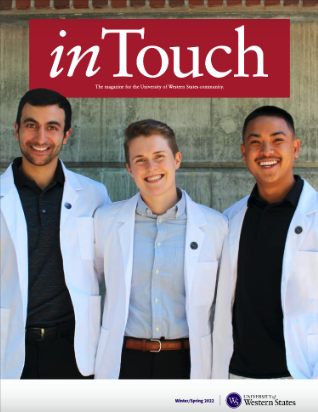

1. To learn the strengths and weaknesses of all of the health care professions in order to refer and communicate efficiently.

2. To build a network of future naturopaths, medical physicians, Chinese medicine practitioners, acupuncturists, psychologists and chiropractic physicians.

3. To learn new approaches to patient-centered care.

4. To gain leadership and professional planning skills.

5. To enjoy delicious free food! (Should this be #1?)


Exciting News!

It is with great enthusiasm that we share OCIM was recently awarded a grant from The David and Lura Lovell Foundation, which will help implement the Whole Health in the States Initiative! Oregon is one of six states that will collaborate to, “create a consensus and deploy action around strategies to increase access to and utilization of high quality, comprehensive pain care for underserved populations. These efforts, tailored to the unique characteristics of each state, will address the critical need to operationalize how nonpharmacologic therapies for pain are integrated into traditional pain care.” This provides an opportunity for SAIM to more easily facilitate those popular SAIM-led events such as Integrative Medicine Day, Grand Rounds and casual socials we’ve all come to love-even within the confines of Covid-19! Now is a great time to be part of SAIM and involved in the Nation-wide effort to improve health care access, quality and collaboration, especially as it relates to Integrative Medicine and pain management!

2020 UWS Alumna of the Year

Stephanie Halloran, DC, MS, – A Lifelong Pursuit of Excellence

Stephanie Halloran, DC, MS, Alumna of the Year 2020

Stephanie Halloran, DC, MS, was named the University of Western States (UWS) 2020 Alumna of the Year. The distinction recognizes and honors the accomplishments of outstanding UWS graduates as they continue the university’s mission to advance the science and art of integrated health care.

“I am deeply humbled and honored to have been nominated and to receive this award,” said Dr. Halloran. “I am so grateful for my time spent at UWS and for the opportunities it gave me to pursue integrated care. I look forward to continuing to work with students who are looking to go on the same career path that I have been so fortunate to have.”

Dr. Halloran hit the ground running upon graduation from the doctor of chiropractic (class of 2016) and human nutrition and functional medicine (class of 2019) programs and has carried a passion for lifelong learning from a young age. Having always been very active and athletic, she could not envision herself sitting at a desk for long hours. Her first experience with a chiropractic physician was in high school while racing on a youth triathlon team and experiencing chronic knee pain. Through the collective care of the chiropractic physicians and a physical therapist in the office she visited, she was back to running pain-free in just a few short weeks.

Upon graduation from University of Illinois, Champaign-Urbana with a degree in kinesiology, Dr. Halloran moved to the Chicago suburbs and began working as a personal trainer with specialties in weight loss and endurance athletes. A year into her work, she realized that she was limited in her abilities and needed to broaden her scope by seeking additional education and chose University of Western States and to become a chiropractic physician.

“UWS has a drive for excellence that starts from the top-down,” said Dr. Halloran. “Not only are our educators and administrators working to provide relevant, evidence-based education in their areas of expertise, they are also working with experts in their respective fields to enhance education and delivery of content overall. It is my personal opinion that UWS not only provides a base to be a competent clinician, but also gives students the opportunity to pursue less common careers, such as research, academics and health administration, if they so choose.”

Following graduation from UWS, Dr. Halloran moved to Indianapolis for a preceptorship at the Veterans Affairs (VA) Clinic. She then had the opportunity to work with Dr. Anthony Lisi, chiropractic program director for the Veterans Health Administration. She moved to Connecticut for a residency as a postdoctoral fellow at Yale University working on a National Institutes of Health (NIH)-funded study under Dr. Lisi, Dr. Christine Goertz and Dr. Cindy Long.

“The opportunities I have had are very unique and a direct result of the hard work and drive from individuals like Drs. Lisi, Goertz, Long and many others. Understanding what goes into creating these training opportunities and positions for early-career clinicians, along with my positions in national organizations, allows me to continue the efforts of my mentors and expand the opportunities for current and future chiropractic students.”

In the last year, Dr. Halloran has accepted a full-time clinical position at the W.G. (Bill) Hefner VA Medical Center in North Carolina and splits her time between the Salisbury and Charlotte locations. Her current goals are to offer students the opportunities she had to train in a medically integrated setting during their preceptorship, as well as begin to integrate into the research department and further advance studies focused on chiropractic care.

“I am in a unique position at the VA, working on a whole health team that consists of health coaches, pain psychologists, integrated medicine practitioners (acupuncture, prolotherapy) and a registered dietician,” said Dr. Halloran. “I use my background in functional medicine, to review labs and discuss the role of inflammatory diets with the patient, mindfulness, sleep and other aspects of lifestyle and how it can impact their overall health and musculoskeletal conditions. My background in functional medicine allows me to easily communicate the goals and progress of the patient with other professionals working in similar capacities.”

Dr. Halloran showcases the power of integrative health care to positively make an impact on one’s life as well as demonstrates exemplary leadership serving in various professional organizations. In all her efforts, she has been noted by her colleagues to have represented her profession with grace and inclusivity.

“Dr. Stephanie Halloran exemplifies the characteristics and values that UWS endeavors to instill in its graduates—patient focus, best practices, curiosity, inclusiveness, professionalism and individualized whole-person health,” said Dr. Joseph Brimhall, UWS president. “Her integrity and leadership is an inspiration to everyone who has the privilege of working with her.”

Dr. Halloran has a passion for becoming the best physician she can be and ensuring that she grows not only personally, but helping to open doors for those who follow her lead.

“Experiencing and living with pain impacts one’s life greatly,” said Dr. Halloran. “And having the ability to provide some relief or to completely resolve a patient’s complaint is a great gift to offer the world.”

Introducing Dr. Sarah Castillo, UWS Sport and Performance Psychology Program Director

Sarah Castillo

University of Western States (UWS) is incredibly proud to announce the sport and performance psychology (SPP) director, Dr. Sarah Castillo. 

“It is a great honor to be part of the University of Western States community,” said Dr. Castillo. “I’m excited to blend my deep passion for higher education and graduate training with the strength of the sport and performance psychology programs here at UWS. I look forward to the work ahead and am excited to make closer connections here at this great university.”

Dr. Castillo completed her bachelor’s degree in psychology at UCLA, her master’s degree in kinesiology at Cal State Long Beach and her PhD in education at the University of Idaho. Her graduate research projects built on one another, with her master’s thesis focusing on the impact of coach and athlete compatibility on levels of team cohesion, and her dissertation centered on the creation of a two-year intervention program with a newly formed NCAA Division I women’s soccer team. She is a Certified Mental Performance Consultant (CMPC) and approved CMPC mentor through the Association for Applied Sport Psychology (AASP). She currently serves on the AASP executive board as the professional standards division head, overseeing activities related to certification, ethics and continuing education.

Dr. Castillo comes to UWS from National University in San Diego, Calif., where she served as the program director for the bachelor’s in sport psychology program, acted as editor-in-chief for the online Journal of Performance Psychology and was co-director of the Center for Performance Psychology. Prior to her tenure at National University, she spent nine years as a performance enhancement instructor at the United States Military Academy, West Point. During her time with the Army, Dr. Castillo worked extensively with more than 15 intercollegiate, intramural and club athletic teams.

“The College of Graduate Studies is very excited to have Dr. Castillo join our team as the director for SPP,” said Alisa Bates, PhD, dean, college of graduate studies. “Her background and professional experiences have her well-positioned to lead our programs towards continued excellence. Dr. Castillo’s experience in the leadership of AASP provides ongoing national insight into the directions of the field that will prove invaluable to the university. Welcome, Dr. Castillo!” 

Dr. Castillo’s passion is working with individuals and teams in their search for peak performance in any area of life. She currently works with various collegiate teams and individual athletes in the San Diego area, as well as the USOPC Paralympic track and field team.

One of Dr. Castillo’s main areas of interest is the implementation of interventions designed to allow performers to reach their potential through the application of mental skills and mindfulness training. Her goal is to collaborate with performers to help them become fully engaged in competition despite adverse thoughts, emotions and playing conditions.

Journey to Retirement: A DC Panelist Discussion

In this facilitated discussion about retirement from the chiropractic profession, our three panelists shared open and honest feedback about their personal experiences. Retirement can be an emotionally and financially complicated topic. We hope this conversation provides some guidance, answers questions, and helps connect you to others contemplating or actively working to retire.

Panelists:
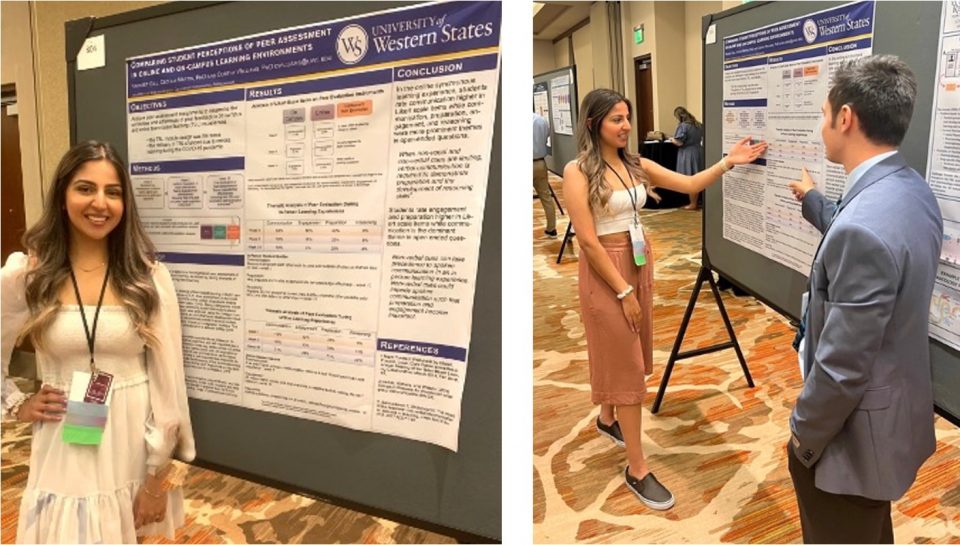
  • Joyce McClure, DC, DACRB, CES
  • Minga Guerrero, DC
  • Chuck Simpson, DC
Retirement Panel Collage

2021 ENGAGE Student Experience

By: Caitlin Jones, 10th Quarter UWS Doctor of Chiropractic and Sports Medicine student

2021 ENGAGE Student Experience

With everything going virtual, the American Chiropractic Association’s annual conference ENGAGE 2021 was no different. In past years, people would fly from all over the country to Washington, D.C. for a long weekend conference to meet with their representatives on Capitol Hill to advocate for the chiropractic profession and take pictures in the middle of the night at the Lincoln Memorial. Though I missed the opportunity to meet and network with chiropractic physicians and students in person, I was still able to make those meaningful connections virtually! There was a mix of pre-recorded sessions and Zoom discussions. For me, being the legislative representative for the UWS Student American Chiropractic Association (SACA) chapter, it was wonderful because I was still able to watch the cool sessions that I normally would have missed for a very long business meeting. And trust me, I really did not want to miss Dr. Howard’s session on “Treating a concussion beyond the adjustment in a chiropractic practice!” I was even able to watch it a week after the conference since we have access to the sessions for a whole month. Next on my list is to check out Dr. Ortega’s session titled “Reframe the brain to rethink the pain” – yes please!

Though we missed out on my favorite part of advocating on Capitol Hill, they still held a discussion giving everyone an update on the Chiropractic Medicare Coverage Modernization Act. We were able to gain some additional support before the new Congress took over, which means that this year we should have an easier time moving this legislation forward. I am honored to announce that I was selected to be the vice legislative chair for SACA National Executive Board (SNEB), so you will definitely hear more about our progress! The ACA is currently working on reframing the bill, but it still keeps to the core of updating Medicare from the 1972 limitations on chiropractic physicians – which still states chiropractor as “he” – that’s how outdated it is. If you want to keep up to date with what the ACA is advocating for – check out www.ACAtoday.org.

Though there were a number of amazing things about ENGAGE this year, my favorite part actually had to do with the UWS community. Though we missed out on socializing in person, eating some great food and exploring my old stomping grounds (I lived in the D.C. area for 12 years), the UWS SACA Chapter was named the 2020 SACA Chapter of the Year! I was honored to be able to work with Danielle Pettet, Leah Dash, Carlee Thomson, Kailey Koopman, Katrina Parsley and Sierra Zinke under the guidance of Dr. Gary Schultz. It was a tough year with COVID changing all of our initial goals, but our wonderful UWS community helped us by attending our events and keeping us motivated. Thank you all so much!

UWS and IFM Extend Joint Educational Collaboration

IFM/HNFM Graphic

University of Western States (UWS) and the Institute for Functional Medicine (IFM) are pleased to announce the extension of their joint collaboration to incorporate functional medicine and functional nutrition coursework in the UWS Master of Science in human nutrition and functional medicine (HNFM) and the doctor of clinical nutrition and graduate certificate in HNFM programs.

“Our collaborative relationship with the Institute for Functional Medicine, now entering its 10th year, continues to be of great value for our HNFM students, as it provides access to educational content from IFM that is integrated into the high-quality courses developed and delivered by our expert faculty,” said Dr. Daniel Redwood, director of the HNFM program.

The UWS mission is to advance the science and art of integrated health care through excellence in education and patient care. This collaboration will enable UWS to better fulfill this mission and to prepare health professionals to address the 21st century epidemic of chronic diseases.

IFM supports the innovative UWS master’s, doctorate and graduate certificate programs through providing faculty training, faculty scholarships, and curricular materials and tools. The UWS HNFM program has been met with enthusiasm and interest among students from around the world and from a variety of backgrounds, including dietitians, nurses, physicians and several other professions.

“The partnership between UWS and IFM is one that is meaningful for both organizations,” said Dr.  Alisa Bates, dean of the college of graduate studies. “We are thrilled that our faculty and students have access to their timely learning materials that enhance their learning experiences in our programs. Beyond that, we are glad to be part of a collegial community that values and encourages ongoing professional learning in functional medicine and nutrition.”


Program Overview

The HNFM program at UWS is the only accredited master’s program in functional medicine. It is 100% online and is offered as a collaborative endeavor between UWS and the IFM, the organization that founded and developed the key functional medicine concepts in use today.

Functional medicine is a science-based, patient-centered approach to achieving and maintaining excellent health through natural methods, with diet and nutrition at the forefront. Founded on a holistic view of health, our functional medicine program leverages the biochemical and genetic individuality of each patient so that practitioners can treat the whole person, not just the symptoms.

Students can choose to receive a Master of Science degree, doctor of clinical nutrition or a graduate certificate in human nutrition and functional medicine. Candidates for either program are eligible for financial aid.

UWS Launches Doctor of Clinical Nutrition Degree

The University of Western States human nutrition and functional medicine program will begin offering an online doctor of clinical nutrition degree in fall 2021

Doctor of Clinical Nutrition

The University of Western States (UWS) human nutrition and functional medicine (HNFM) department has added a doctor of clinical nutrition (DCN) degree and is accepting applications for fall 2021.

The two-year online program includes 65 quarter credits with emphasis on developing stronger clinical skills while encompassing a broader range of conditions and therapies. Faculty of the program come from a variety of nutrition backgrounds and are highly respected in the field.

“During my years as HNFM program director, many of our master’s degree students have asked whether UWS would consider offering a clinically-focused doctoral program where they could continue their studies, deepening their knowledge of nutrition and functional medicine,” said Dr. Daniel Redwood, HNFM program director. “To have now reached the point where our DCN program is ready to admit students to its inaugural class is a moment of deep satisfaction and hope for the future of UWS and all those it serves.”

The UWS DCN program utilizes a functional medicine model, enabling students to integrate the best available scientific evidence with a comprehensive, whole-person care approach. With this knowledge, doctors of clinical nutrition can develop targeted, individualized prevention plans to help reduce the risk of chronic illness and support optimal physical, mental and emotional well-being for the patients and clients they serve.

“The doctor of clinical nutrition program is a timely addition to the programs offered by UWS,” said Dr. Alisa Bates, dean, college of graduate studies. “Adding this additional option for those in the human nutrition and functional medicine community allows us to expand our support of the professional field and the quality of clinical career provided through this lens. With faculty whose backgrounds integrate conventional medicine and nutrition-focused health care, we are eager to bring their experience to students through our curriculum and learning experiences.” 

The DCN program is application-focused and supported by key clinical tools created by the Institute for Functional Medicine (IFM), the organization which founded and developed many functional medicine concepts used today. UWS and IFM have a global agreement that leads to further collaboration between the two institutions, including integration of IFM’s novel patient assessment tools.

Graduates of the UWS DCN program may seek careers as a nutritionist, solo practitioner,* health and wellness coach, educator, lecturer, author or within an integrated practice.

“The UWS DCN program will empower graduates to better address complex, challenging patient cases that require advanced functional medicine strategies to solve,” said Dr. Chris Browne, HNFM associate director. “By deepening their understanding of evidence-informed clinical nutrition practice, DCN students will learn to deliver the very best in therapeutic and preventive care. In a competitive health care marketplace, these skills and knowledge will support our graduates’ clinical and career success. As functional medicine continues to grow and develop, we envision our DCNs as leaders in the field, helping more patients and communities to gain access to the healing power of nutrition.”

The doctor of clinical nutrition degree will be a meaningful extension to the robust Master of Science degree within the College of Graduate Studies at UWS. The enhanced clinical skillset conferred by the program will enable better realization of a whole-person care approach along with an improved capacity for developing and maintaining a meaningful therapeutic relationship with the patient.


About Nutrition Licensure

*Nutrition licensure varies state-by-state and is evolving toward greater inclusivity. Check out the valuable resource, theana.org/advocate, to learn more about the particular laws in your state and keep updated on the newest initiatives affecting the nutrition world.

It is the responsibility of the individual student to understand and comply with all relevant local or jurisdictional requirements for clinical practice, which are highly variable and subject to periodic change. UWS makes no representation or guarantee that completion of UWS coursework or programs will permit an individual to obtain certification, licensure or other authorization to practice in any specific jurisdiction.


About University of Western States

University of Western States designs and delivers evidence-informed curricula that embrace the science and art of health care, establishing a solid foundation and competitive edge in preparing professionals for clinical practice. UWS is a regionally accredited, independent nonprofit institution dedicated to improving the health and well-being of society through its educational programs, research and clinical services. Founded in 1904, the institution is world-renowned for excellence in health professions education. University of Western States students pursue an array of academic degree programs: doctor of chiropractic; doctor of clinical nutrition; Master of Science in human nutrition and functional medicine; Master of Science in sports medicine; Master of Science in diagnostic imaging; Master of Science and doctor of education in sport and performance psychology; and Master of Science in clinical mental health counseling. The institution sponsors approved continuing education programs for licensed health care professionals, and provides health-care services through University of Western States Health Centers. UWS is a founding member of the Oregon Collaborative for Integrative Medicine, an organization that aims to advance integrative health care through education, research, patient care and advocacy. To learn more about University of Western States and its academic programs, visit uws.edu.
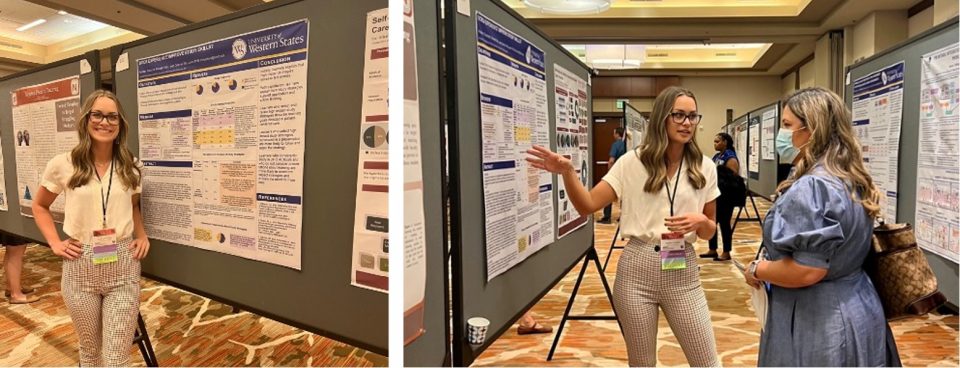
Coming to Campus: What to Prepare For
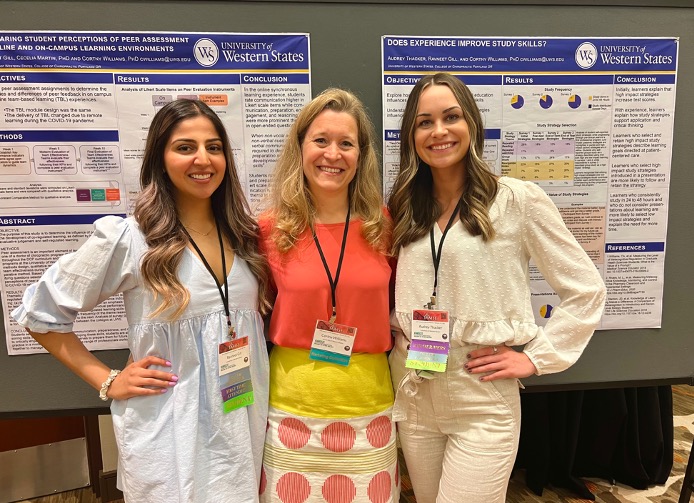
By: Caitlin Jones, 10th Quarter UWS Doctor of Chiropractic and Sports Medicine student

Front of Campus

Welcome to Portland Q3 doctor of chiropractic (DC) students! If you aren’t already here, I hope that you are excited to make the move and to finally have some in-person classes on campus. It will definitely make being in the DC program more real when you start working on your adjusting skills in a classroom setting. You can also get treated at the campus health center by upper quarter students and get to know the clinicians that you’ll be working with when you get to clinic. 

To help with the transition to campus life, here are some top things to prepare for:

  • Move to Portland! If you aren’t already here, be sure to reach out to admissions for advice on where to look for housing in the area. The admissions team and some of the student ambassadors have been active on your group’s Facebook page with ideas, so be sure to check them out. You can also check out UWS Switchboard to see if any of your classmates are looking for roommates too!
  • Explore Portland. There are some great places to explore and still remain COVID safe. There are a ton of local restaurants, hikes and neighborhoods to explore. Some of the best walkable neighborhoods are Mississippi, Alberta and the Pearl district. There are some great hikes within an hour of Portland along the Columbia River Gorge, up to Mount Hood, and out to the coast such as Cannon Beach and Astoria. There are also great outdoor spaces within Portland at Pittock Mansion, Powell Butte and Mt. Tabor. Keep an eye out for a blog coming up on great places to visit while you’re here! 
  • How to get to campus. You have the option for either a TriMet pass to use public transportation or a parking pass. TriMet passes can be picked up at the front desk. Parking is $35 a quarter and you’ll have the first week to pick up your pass from the front desk. So, don’t worry about getting a ticket on your first day! An email will be sent out with a link to the commute declaration where you can opt for either a parking or a public transportation pass. You can find the declaration form here.
  • ID Badge. You’ll receive an ID badge your first day which you’ll need to wear on campus. You’ll also need it to get into the building past the front desk and into certain rooms like the second floor study room.
  • COVID-19 precautions. I hope you know this already, but if you are feeling sick, please stay home! If you’re feeling great, then come to campus with your mask that is to be worn over your mouth and nose at all times. There are hand sanitizing stations in every room and all over campus. Please wash and sanitize your hands frequently throughout the day. There are only two places to eat on campus: the student commons and the mindful eating space. Social distancing is also incredibly important to help stop the spread. There are many signs on campus to help remind everyone to keep some space.
  • Standard Process Student Commons. A great open space with a variety of seating and lots of microwaves. This is also where the Spinal Tap coffee kiosk and campus store is located. There you can grab meals, snacks and some much-needed caffeine. They also have a variety of things such as mobility tools, UWS gear, educational books and study tools and more. 
  • Library. I know you all have spine models, but our library has a ton of resources for you! They have individual bone models including real bones and extremities. There are also books and the helpful library staff who can assist you with your research. In case you didn’t know, while you’re a student at UWS, you have access to some very expensive resources like Dynamed, Pubmed, SPORTDiscus and Natural Medicines. The staff are wizards at pointing you in the right direction for your research so be sure to utilize them!
  • Student Navigator. Have a question and not sure where to go? Check out the Student Navigator and it can point you in the right direction.
  • Student clubs. All clubs are currently meeting virtually, so you don’t even need to wait until next quarter to get involved! Joining student clubs are one of the best things you can do as a student. You meet other people and learn different techniques from upper quarter students. It really helps you to connect the things we learn and gives you enough chiropractic practice to help get you through the basic science courses you’re in. There are a ton of clubs to join so be sure to check out the list in the Weekly Vitals and follow the individual clubs Facebook and Instagram pages to get their Zoom links.
  • Make an appointment at the campus health center! As a student, you’re provided chiropractic care at the campus clinic. Just call 503-255-6771 to schedule an appointment. The clinic is amazing, because you get to see what you’re going to learn at UWS. You’ll make connections with upper quarter students, the clinicians you’ll be working with, and best of all, get chiropractic treatment! We have all of the physical therapy modalities like laser light therapy and therapeutic ultrasound as well as a brand-new rehab room with tons of great equipment. It’s a great experience treatment-wise as well as a learning opportunity. 

We are really looking forward to having you join us on campus and if you have any questions, please reach out to admissions, post on your Facebook group page, or feel free to reach out to me at [email protected].

See you in March!

Stephanie Halloran, DC, MS, 2020 UWS Alumna of the Year

Alumna of the Year 2020

Congratulations to Dr. Stephanie Halloran, UWS doctor of chiropractic and human nutrition and functional medicine alumna for being named the 2020 UWS Alumna of the Year!
 
Dr. Halloran has gone on to fellowships with the Veteran’s Affairs (VA) and with Yale University. She has shown exemplary leadership serving in various professional organizations. Halloran’s colleagues have noted that she represents her profession with grace and inclusivity, opening doors for those who follow her lead.
 
“I am deeply humbled and honored to have been nominated and to receive this award,” said Dr. Halloran. “I am so grateful for my time spent at UWS and for the opportunities it gave me in pursuing integrated care. I look forward to continuing to work with students in pursuing the same career path that I have been so fortunate to have.”
 
Read more about Dr. Halloran in the upcoming UWS Annual Report, out in early April.

UWS SACA Named Chapter of the Year

SACA awards

The University of Western States (UWS) Student American Chiropractic Association (SACA) chapter was named the 2020 SACA Chapter of the Year. The announcement was made during the 2021 American Chiropractic Association (ACA) ENGAGE conference presented virtually this year.

“We are truly honored to be recognized as the 2020 SACA Chapter of the Year,” said Danielle Pettet, past SACA president. “All SACA chapters were faced with many challenges this year, so to be selected for this award is quite the honor. Despite the online environment, we were able to boost our UWS SACA membership and host several successful fundraisers and virtual events. All of these things were made possible by our amazing SACA members and club advisor, Dr. Gary Schultz, who stuck with us during these uncertain times and kept the SACA spirit alive at UWS.”

Through the challenges faced this year due to the COVID-19 pandemic, being able to think creatively and keep engagement up with members was critical in keeping members connected. The executive board created many well-attended virtual events to help keep a sense of normalcy and community.

“Working with this SACA executive board has been the antidote to 2020,” said Dr. Schultz. “Each member of this team has embodied leadership, positivity, good humor, creativity and persistence. They truly have been an inspiration both personally and professionally. To be honest, it really was not the least bit surprising to see them awarded SACA Chapter of the Year. I am so very proud of them and the hard work they have put in this year.”

Additionally, Caitlin Jones, past UWS SACA legislative representative was one of four recipients of a scholarship from Standard Process and was also elected to the SACA National Executive Board as the legislative vice chair.

SACA eboard
2020-2021 UWS SACA executive board: President – Danielle Pettet; Vice President – Leah Dash; Legislative Rep – Caitlin Jones; Legislative Assistant – Katrina Parsley; Treasurer – Kailey Koopman; Secretary – Sierra Zinke; Public Relations Chair – Carlee Thomson

About the American Chiropractic Association

ACA is the largest professional association in the United States representing doctors of chiropractic. ACA promotes the highest standards of ethics and patient care, contributing to the health and well-being of millions of chiropractic patients.

On behalf of its members, ACA lobbies for pro-chiropractic legislation and policies, promotes a positive public image of chiropractic, supports research, provides professional and educational opportunities for doctors of chiropractic, and offers leadership for the advancement of the profession.

At-Home Workout Motivation Tips and Tricks

With many public gyms still closed due to the COVID-19 pandemic, working out at home requires some extra motivation and creativity

By: Caitlin Jones, 10th Quarter UWS Doctor of Chiropractic and Sports Medicine student

StayFit Caitlin Blog

This past year, with the temporary closure of UWS’s campus fitness center and all of the gyms in the Portland area due to COVID-19 restrictions, getting a good workout in has required some creativity and a massive amount of internal motivation. Especially since my workouts typically consist of weightlifting and power lifting, and buying a barbell isn’t quite in my student budget. Luckily, I have a sandbag, some resistance bands and a great playlist!

In the beginning, the hardest part was trying to figure out what to do each day and to get the motivation to step away from studying (and Netflix) to workout. So, to help myself, I break it up throughout the day.  I wrote down a list of movements such as squat, lunge, single-leg Romanian deadlift (RDL), push-up, pike push-up, handstand work, mountain climbers, and the dreaded core work such as planks and Pallof presses. And just like we ask our patients to do McKenzie protocol every waking hour – I do 10-30 reps of a movement every waking hour. At least, when I’m not actively in class or clinic! This has helped keep my brain awake for all of the online lectures and it’s easy to fit in, because it only takes about 1-2 minutes. If I have some extra time or motivation, I do a couple of different movements or go on a long walk while listening to a podcast. 

The key to any workout routine is to schedule in these little bursts. After every lecture or recording I watch, I do a few movements. For the days when I’m wanting or needing more, I design a quick workout of 5-6 movements and complete 3-5 rounds of them. I’ve even started adding some sprints into my routine even though I hate running. But sprinting is at least over in a few seconds! So, if you hate running like me, then give 20 second sprints a try. Just be sure to ease into them so you don’t strain your hamstrings (but if you do, go see your favorite intern at the Campus Health Clinic)! 

The need to be extra creative with home workouts has been going on for 10 months now, so I try to switch things up to keep from getting bored. I’ve attended a few Zoom yoga sessions and worked on skills like handstands. Though it’s still a work in progress, it’s a fun way to stay active and challenge myself! But the best part about living in the Pacific Northwest and trying to find ways to be active – there are a ton of hikes in the area. It’s a great workout, a chance to get some vitamin D and there are plenty of terrain and elevation options. Now that it’s winter, the trails have thinned out and the rain and mud just add to the experience. Just be sure to bring a mask if you head out to the trails!

If you need an idea for a quick workout you can do with no equipment, give this a try!

3-5 Rounds

  • 20 jumping squats
  • 16 lunges
  • 10 push-ups
  • 10 dips (using a chair or couch)
  • 100m sprint
  • 30-second plank hold

Alumna Spotlight: Analia Camarasa

Analia Camarasa, MS-HNFM, IFMCP, CNS, UWS teaching staff, UWS alumni mentor

Analia-Camarasa

Why did you choose the field/profession of human nutrition and functional medicine?

My brilliant father used to say, “no one can take away your education.” He understood the true meaning of this having only completed 6th grade. With that in mind, I chose the field of human nutrition and functional medicine out of need, having more health questions than answers for my daughter and myself. I had been suffering with crippling fatigue and gastrointestinal issues since college that conventional medicine could not fix. At a young age, my daughter suddenly developed unexplained large motor tics. It propelled me to seek higher-level education in pursuit of bettering the state of our health. Within two years, I had graduated and was able to take my health to greater heights with the knowledge gained during this very rigorous program. I felt I had a new lease in life.

Briefly share your experience in advocating for state licensure in North Carolina.

During my time at UWS, I took two elective courses through the Institute for Functional Medicine (IFM). These advanced practice modules introduced me to that wonderful educational organization. After graduating from UWS, I was hired to be teaching staff of the master’s program while I continued taking the advanced practice modules from IFM for three years. This experience complemented the education I had gained at UWS very well. In addition, after graduation, I sat for and passed the BCNS exam to become a Certified NutritionSpecialist (CNS). All the while, I was working on the 1,000 supervised practice experience hours required to gain the tile of CNS.

What does it mean to you to become the first licensed nutritionist in your state?

With the support of the North Carolina (NC) Board of Dietetics/Nutrition (the licensing board for dietitians and nutritionists in NC), the North Carolina Academy of Nutrition and Dietetics, and the Nutrition Advocacy Group (now known as the American Nutrition Association) I advocated for about four years to change the NC Dietetics/Nutrition Practice Act. In 2018, after many discussions, meetings and drafting, a new pathway to license nutritionists in the state of North Carolina was enacted. When the opportunity to become a member of the North Carolina Board of Dietetics/Nutrition dietetics presented itself, I leapt at the chance to help more qualified nutritionists to become licensed in our state. As a result of my education at UWS with a master’s degree in nutrition plus having completed 1,000 hours of supervise clinical practice experience, I was honored to become the first licensed nutritionist (LN) in the state of North Carolina.

How have you evolved and adapted in your own practice or work during this intense time (pandemic, social upheaval, economic uncertainty)?

The good news is that all of my studying inspired my husband to grow his knowledge of nutrition and functional medicine as well. Aside from being an IFM certified practitioner, he is also a board-certified emergency medicine physician. This means that we when it came to the pandemic, we saw the writing on the wall and begun quarantine before it was required in our state. This lead us to start seeing patients virtually early on, at first over the phone. Soon, we began our first telehealth visits and our patients quickly adjusted to the new normal.

How did your work with UWS help you to become an IFM certified practitioner?

During my education at UWS, I took an elective class in Herbal Medicine. Inspired by the depth of knowledge of HNFM’s professor and western herbalist Jason Hawrelak (ND, PhD), I was accepted into a two-year herbal studies program with Registered Herbalist David Winston. Since graduating from UWS, I have taken many continued education courses and attended many conferences to deepen my knowledge of herbs as it relates to nutrition. Class starts in the fall of 2020 and I eagerly look forward to be once again a devoted student with the goal of becoming a registered herbalist.

I am so grateful I followed my dreams to earn a master’s degree, to become a CNS, a North Carolina licensed nutritionist, and an Institute for Functional Medicine Certified Practitioner (IFMCP). Continuously learning and helping one patient at a time gives me immense joy. I am forever grateful to have heeded my father’s advice and have started in this journey with University of Western States’ Human Nutrition and Functional Medicine program. It has opened my life to new opportunities, to be of service and touch the lives to the people in my community.

Connecting with Dr. Lester Partna

lester partna

Dr. Lester Partna has been a staple in the University of Western States (UWS) chiropractic sciences department since 1989 and embodies what it means to Take the Lead both in his professional and personal life. Learn more about the renaissance man, (DJ) Dr. Partna.


What inspired you to pursue a career in the field of chiropractic?

I was a teenager when I was first exposed to chiropractic. My mom was helped significantly by a chiropractor when other methods of treating her low back pain had been unsuccessful. As I learned more about chiropractic, it was the concept of conservative health care, along with the dramatic results that I witnessed in my mom that fueled my journey toward this exceptional profession. By the time I graduated from high school, my career goals were clear.

What drives your passion for chiropractic education here at UWS?

I chose to attend Western States because of its reputation as a science-based chiropractic institution, and because they advocated and taught a broad-scope, patient-centered chiropractic model. Those are still the characteristics of the institution which I find to be the most compelling and which represent the most positive way forward for the profession.

What is a favorite memory you have from your time working at UWS?

The daily experience of being in the classroom with eager future chiropractic physicians is energizing and fulfilling in a way that, after 26 years, has created a rich mental scrapbook of great memories. I also think of the many extracurricular UWS events that have been so enjoyable: golf tournaments, barbecues, commencement ceremonies, and so many others. As I reflect on my years at UWS, I believe that my true satisfaction ultimately revolves around the relationships that have been developed with so many students and graduates over so many years. Of particular delight, in recent years, is to be able to teach the children of some of my former students.

What is one main pearl of wisdom you hope your students take away from your instruction?

Keep learning, while maintaining a sense of intellectual humility. As Chinese philosopher Lao-Tzu said, “To know yet to think that one does not know is best; Not to know yet to think that one knows will lead to difficulty.” Strive to be knowledgeable—not to be a know-it-all.

Along with being the famous DJ Partna, please provide some other pastimes and passions you are involved in.

I have been told that I am a man of many interests and I suppose that’s true. Variety has always appealed to me. That’s probably why I like buffets.

I have been a musician from my earliest years, starting on the trumpet, adding the piano, guitar, bass, and drums along the way. I sang in a barbershop quartet while attending Western States Chiropractic College (WSCC). My wife is an accomplished musician and we performed as a duo for many years at wedding receptions and corporate events. For a period of time a few years ago, we even had the opportunity to write and perform music for television commercials. A few years ago, I took up the bagpipes with the encouragement of one of our UWS graduates.

I like to play golf, hike, collect and polish rocks from Oregon beaches, fly my hang glider, and make wooden bowls from locally available wood on my lathe. Though not as skillfully in recent years, I can ride a unicycle and juggle.

This is getting too long. I should stop now.

Why do you believe it’s important for health care providers to have other interests outside of work?

The story is told of nine-year-old Frank Lloyd Wright, who walked with his uncle on a winter day across a snow-covered field. As the two of them reached the far end of the field, his uncle stopped him. He pointed out his own tracks in the snow, straight and true as an arrow’s flight, and then young Frank’s tracks meandering all over the field.

“Notice how your tracks wander aimlessly from the fence to the cattle to the woods and back again,” his uncle said. “And see how my tracks aim directly to my goal. There is an important lesson in that.” Years later the world-famous architect liked to tell how this experience had greatly contributed to his outlook on life. “I determined right then,” he’d say with a twinkle in his eye, “not to miss most things in life, as my uncle had.”

For fun – What item is on your bucket list that you cannot wait to cross off?

I want to play golf with my wife at The Old Course at St. Andrews in Scotland. It’s been on my bucket list for many years, so I don’t think it would be accurate to say that I can’t wait to cross it off. I’ve already been waiting a long time.

University of Western States Core Values

UWS core values

In fall 2019, University of Western States (UWS) launched an initiative to better define its core values as a forward-thinking health science university. Core values are fundamental concepts that support the UWS mission and goals, shape the campus culture and exemplify the university’s brand and identity. In short, the formal exploration of core values helps the campus answer the questions, “Why do we do what we do at UWS?” and “What values do we want to personify to create an exceptional workplace and educational environment?”

Guided by the university motto, “for the good of the patient,” the initiative focused on engaging faculty and staff in identifying core values that make UWS a unique place to work and learn. A task force was convened to formulate the key core values of the university based on input from employee focus group sessions led by Executive Vice President Rosalia Messina, EdD, MPA, and Vice President for Academic Affairs Dana Sims, PhD.

“The core values will assist us promoting cohesion on our new campus by guiding us on how we want to treat each other, our students, our patients and our community,” Dr. Messina stated.

The university’s new core values will:

  • Guide the recruitment, selection and evaluation of employees.
  • Integrate into strategic and operational planning processes.
  • Inform institutional decisions and the creation of institutional goals and objectives.
  • Be promoted internally and externally to help differentiate UWS from other colleges and universities.

Read more about these individual core values and their definitions.

Connecting with a Graduate Studies Student Abroad

Jessica (Nomi) Levy, NBC-HWC, RYT

UWS Human Nutrition and Functional Medicine (HNFM) Student in Jerusalem, Israel

Social media handle: @nomiknowshealth

Jessica (Nomi) Spain head shot

How has the HNFM program helped deepen your knowledge and pursuit toward incorporating functional medicine into your life and future career?

I regularly say to my husband – I absolutely love my program! I am learning things that help me on a day-to-day basis make healthier decisions for myself and my family. I am able to be a more valuable resource for my coaching clients and the IFM affiliated doctor that I work with. I see this degree as a stepping stone to so many goals that I have – continuing my education even further, writing a book and getting my CNS certification.

How have you adapted your coaching business and working with clients during this time?

At the beginning of the pandemic I, along with the rest of the world, switched over to Zoom sessions. I was a little nervous because I felt like we would lose some of the “magic” connection that happens in a session. However, I was surprised that for some of my clients it made things easier. It eliminated the trip into my office and let them schedule their session over their lunch break or another convenient time. Instead of me sticking to my office days, like I normally would, my hours opened up. I could see clients while my kids had their evening tutoring sessions or early in the morning while they were sleeping in. As we have now transitioned to being back at my office, I am back to regular hours, but I still offer all of my clients the choice of connecting virtually or in-person. About one-third have chosen to stay on Zoom.

With the normal happenings of each day being interrupted by the pandemic, how have you kept yourself focused in life, motherhood, work and schoolwork?

The pandemic made life a lot more intense in some ways and relaxed in others. The first week of shut down for Israel coincided with winter 2020 finals week. I was writing papers and studying and my kids were just in the house, trying to entertain themselves. I adjusted by waking up early, doing a few hours of work while the kids slept in a bit, and then spent the day with the kids, catching a time here or there for work, and playing tag team with my husband so we could manage it all. I can say that I felt grateful for school, because it kept me focused on something other than checking the news or googling “Corona symptoms for dogs.”

What are some things your family has adopted into their routine that has served you well?

One thing my kids will probably say that has served us well is our new TV! We have never owned a television and have limited, (once a week for two hours) screen access, for my kids. Once corona hit we ordered a television and in the evenings, we would have TV time together. We watched cooking shows, sports and some oldie family movies. My kids got into parkour from watching one show – not the best sport to try while in lockdown! We enjoyed that time to slow down together at the end of the day and just laugh. We are back to our usual limited screen time, but we do enjoy just squishing on the couch together every once in awhile and watching a movie.

What nutrition, wellness and self-care advice could you offer your fellow UWS classmates?

Wherever you are in life, whether in the single and learning stage, juggling with family and work /school stage, or anywhere in between, have a sacred routine. My sacred routine involves getting up each morning before my kids, enjoying a coffee with my husband, and then going for a run. I did this during corona even when the lockdown meant we weren’t allowed to be out of a 100-meter radius from our house. I ran a lot of circles around the block! A sacred routine sets the theme for the whole day. I can’t imagine just waking up and jumping into my day. Entering each day having had a little “me time” means that I am more mentally available for all the different roles and activities in my life.

UWS Library Earns High Accolade With Online Computer Library Center

Library View

The Online Computer Library Center, formally known as OCLC, ranked the University of Western States Library 14th out of 7,500 libraries in their 2019 Annual Report as having the quickest interlibrary loan (ILL) turn-around time with an incredible 83% fulfillment. This statistic from a major library service provider refers to loan requests that the UWS library staff are fulfilling for other libraries. It also reflects flexible service hours (include evenings and weekends), the workflow that we have been able to establish with the library staff and their schedules, and the contribution that UWS is making to the larger scholarly community.

“The interlibrary loan team in the UWS library is amazingly efficient and resourceful in their work,” said Rian Debner, university librarian. “The team is focused on the needs of our students and our borrowers: their top priority is getting resources into the user’s hands as quickly as possible. Not only do they fulfill many requests a week – often in the hundreds – for the UWS community, but they also leverage the library’s own collection to meet user information needs across the country.

Dr. Daniel DeLapp Retires from UWS Clinic System

Dr. Daniel DeLapp

Dr. Daniel DeLapp, chiropractic physician, licensed acupuncturist and naturopathic physician announced his retirement from the University of Western States clinic system. Dr. DeLapp served as an attending physician in the UWS clinic system for more than 30 years.

“It has been a tremendous opportunity and privilege to work with interns and patients over the years,” said Dr. DeLapp. “The wonderful support from my fellow faculty, staff and administration has made this job a very fulfilling career. I will miss you all.”

“Dr. DeLapp is a skilled and compassionate health care provider incorporating multiple disciplines into his practice,” said Dr. Stanley Ewald, UWS associate dean clinical internship.“He is also a caring, talented educator. Opting out of private practice, he embraced education and has been training future doctors for decades. When you think about it, that’s exactly the type of person you want teaching you. We will miss him.”

Read more about how integrated health care is at the core of Dr. DeLapp’s family.

Dr. Brimhall Elected to Oregon Alliance of Independent Colleges and Universities

The Alliance logo
dr. brimhall

The Board of Trustees of the Oregon Alliance of Independent Colleges and Universities (“The Alliance”) announced its appointment results following their fall board meeting. Dr. Joseph Brimhall, president and CEO of UWS was named an executive committee member.

Dr. Brimhall’s appointment will begin October 2020 and runs through October 2022.

“I look forward to working with the leadership of the Alliance to advance independent higher education in Oregon,” said Dr. Brimhall.

The mission of Oregon Alliance of IndependentCollege and Universities is to represent and serve its member institutions, all of which are regionally accredited, nonprofit, private colleges and universities in Oregon.