Jaipaul Parmar, DC – Commitment to the UWS Motto: “For the Good of the Patient”
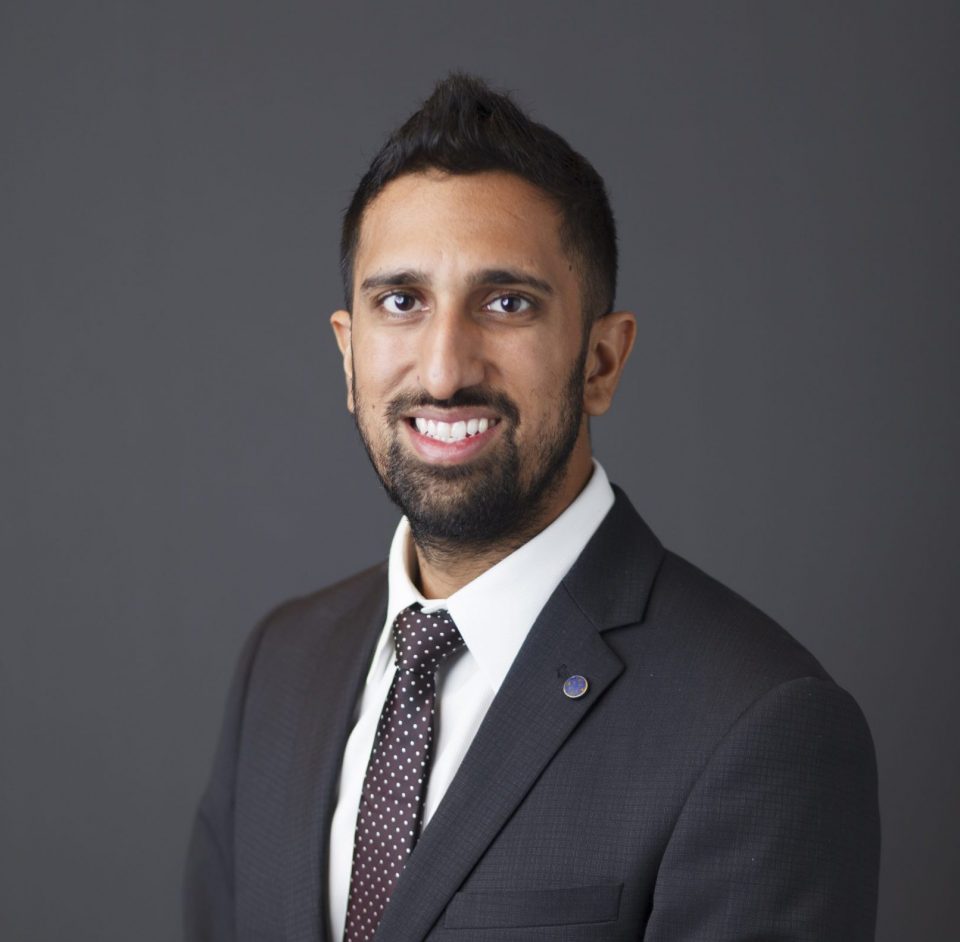
Jaipaul Parmar, DC, 2010 graduate of University of Western States (UWS) is the 2022 UWS Alumnus of the Year. This distinction honors the accomplishments of outstanding UWS graduates as they advance the science and art of integrated health care. Dr. Parmar’s professional work has demonstrated exemplary leadership and commitment to the UWS motto, “for the good of the patient” in addition to embodying the core values of UWS – student focus, best practices, curiosity, inclusiveness, professionalism and whole-person health.
Shortly after receiving his license, Dr. Parmar began serving as a member of the British Columbia Chiropractic Association (BCCA) and the Canadian Chiropractic Association (CCA). He was recently nominated to sit on the CCA Board of Directors. Dr. Parmar and Dr. Jamie Ackerman, fellow UWS DC graduate, own and operate a highly successful practice, Alliance Wellness Clinic in Vancouver, BC. Fellow UWS DC graduate and Dr. Parmar’s wife, Dr. Sonia Deol, is also a chiropractor at the clinic. The Alliance Wellness Clinics’ two locations have served as a preceptor site for UWS student clinical interns for many years. Three clinical preceptor students returned to the Alliance Wellness Clinics’ team following graduation.
“It is a true honor and privilege to be named the 2022 UWS Alumnus of the Year,” said Dr. Parmar. “Since acceptance, going through the program, graduating, and now having more than a decade of practice, I hold a very special place in my heart for UWS. I have a genuine passion for the chiropractic profession and am beyond grateful for this recognition from the institution that has forever changed my life and has allowed me to have an impact on others’ lives every single day.”
Following graduating from UWS, Dr. Parmar knew he would be returning to Canada. He envisioned what kind of practice he wanted to work for and noticed that at the time, there were not many collaborative clinics within Vancouver. Dr. Parmar and Dr. Ackerman decided to build a practice based on the tenants of what they learned at UWS – an integrated health care model where practitioners collaborate and work together to achieve whole person patient outcomes that treats root cause rather than just symptoms. At Alliance Wellness Clinic, patients can work with chiropractors, physiotherapists, massage therapists, acupuncturists, naturopaths, counselors and osteopaths.
“Over the years, I have found out that with my training as a chiropractor, we are the best referrers,” said Dr. Parmar. “I’ve never encountered any other professional that has the confidence in their referral the way that chiropractors can. We have a strength in case conceptualization and that really comes straight from my education at UWS.”
Dr. Parmar was highly involved during his time at UWS from serving on the Associated Student Body (ASB), to being a member of the Canadian Club. His direct experience with student politics inspired him to get involved in the BCCA.
“Since graduating from UWS in 2010, Dr. Jaipaul Parmar’s contribution to the BC chiropractic community and the university has been significant,” said UWS President and CEO Dr. Joseph Brimhall. “Dr. Parmar’s clear passion for the profession goes beyond boards and public service but is also evident on an individual level as a mentor to UWS student interns. As a preceptor for several years, Dr. Parmar has been eager to share his expertise with our student interns and has shown a keen investment in the next generation of chiropractors.”
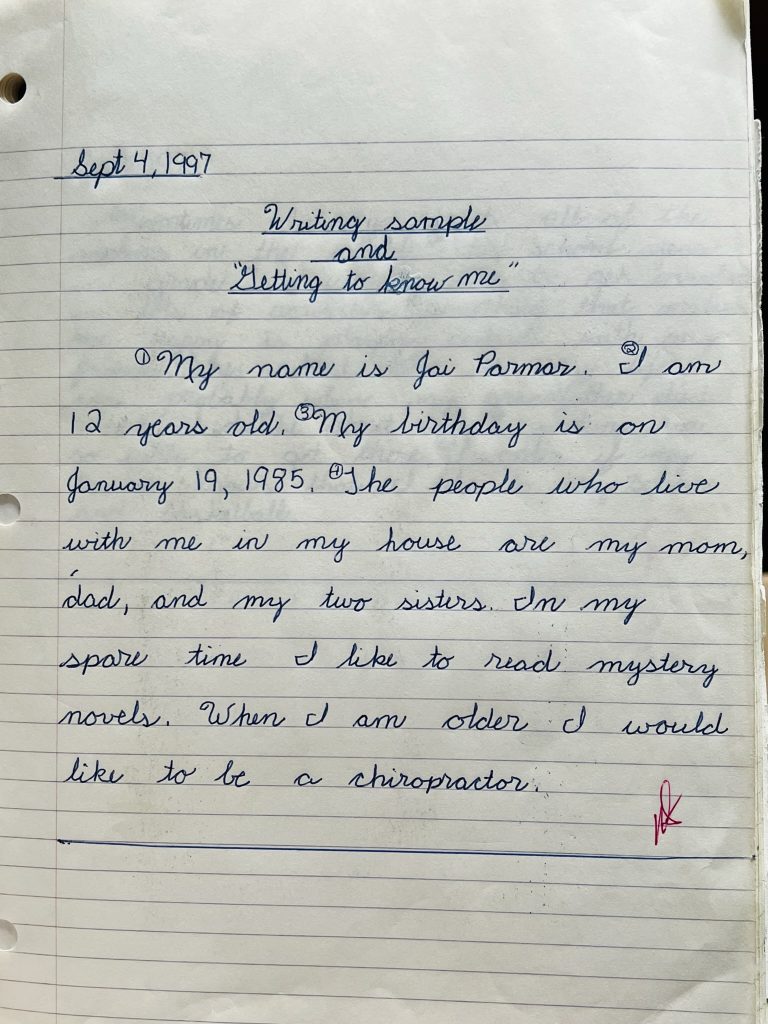
Journal entry by Dr. Parmar from grade seven
“On the first day of grade seven, we all created journals and one of the prompts asked what we wanted to be when get got older. I said that I wanted to be a chiropractor. Years later when I found the journal, my jaw dropped! It was an epiphany moment. This journal reinforced the idea of if you write your intentions down, it really can happen. If you put your mind to something, it can happen. One just has to be positive and optimistic and truly believe in yourself.”
The Nonprofit System uses a Collaborative Model that is Distinct in Higher Education
TCS Education System, a national nonprofit system of colleges and universities announced today that Portland, Oregon-based University of Western States (UWS) has become the newest institution to join its System. This partnership marks a new era of innovative interdisciplinary health education that will benefit students and faculty at UWS and strengthen the TCS community.
Since its founding in 2009, TCS has expanded from one college to a system that encompasses six colleges and universities and serves the aspirations of nearly 14,000 students annually across 13 campus locations and online. TCS Education System’s universities work collaboratively to build strategic partnerships and leverage economies of scale to advance institutional sustainability, student success, and community impact for colleges and universities.
“We’re excited to welcome University of Western States to TCS,” said TCS President Michael Horowitz. “UWS is a high-caliber university whose mission and values are closely aligned with our own. Their commitment to interdisciplinary rigor, student success, and innovation has propelled them on an upward trajectory for more than a century. UWS’s culture embodies TCS Education System’s values of collaboration, inquisitiveness, resourcefulness, equity, and student focus and they are a natural and exciting addition to our community. We look forward to working in close collaboration with UWS leadership to advance opportunities for their university while also strengthening the entire TCS System in ways that benefit the students and communities we serve.”
Founded in 1904, UWS is a leader in educating and training chiropractic physicians. In recent years, the university has successfully expanded its academic programs to include nutrition and functional medicine, clinical mental health counseling and sport and performance psychology. In the fall of 2023, they will welcome their first cohort of doctoral candidates in naturopathic medicine.
“For more than a decade, our leadership has been exploring a new model to elevate our future, and following a period of due diligence, it became clear that TCS was the best choice,” said UWS President Joseph Brimhall. “As part of TCS Education System, we look forward to working closely with other like-minded institutions to grow and strengthen our community. This partnership will advance our ability to serve our 1,100 students as they pursue careers in the rapidly growing field of integrative health, and we look forward to contributing to the proven success that TCS has already demonstrated in interdisciplinary health care education. For UWS, joining TCS Education System brings top-level expertise in functional areas and access to enterprise-level systems, which will deliver a better experience for students, faculty, and staff.”
As members of TCS Education System, colleges work with operational experts and peers across the System to develop innovative solutions to common challenges. By joining the System, institutions have access to expertise and enterprise systems often unavailable to institutions their size. These benefits enhance the student experience and strengthen administrative structures at the institutions, resulting in enrollment growth and improved student outcomes.
“This new addition to our System shows the strength of our model,” Dr. Horowitz said. “When we come together to share institutional wisdom and resources, we can better serve our students and tackle the challenges of modern higher education.”
About TCS Education System:
TCS Education System (TCS) is an integrated, nonprofit system that works collaboratively to advance institutional sustainability, student success, and community impact. Founded in 2009, the System consists of six distinct communities—The Chicago School, Pacific Oaks College & Children’s School, The Colleges of Law, Saybrook University, Kansas Health Science Center – Kansas College of Osteopathic Medicine, and the University of Western States. TCS utilizes strategic partnerships to foster economies of scale, academic innovation, risk mitigation, and resourceful business solutions to maximize students’ educational experiences. To learn more, visit www.tcsedsystem.edu.
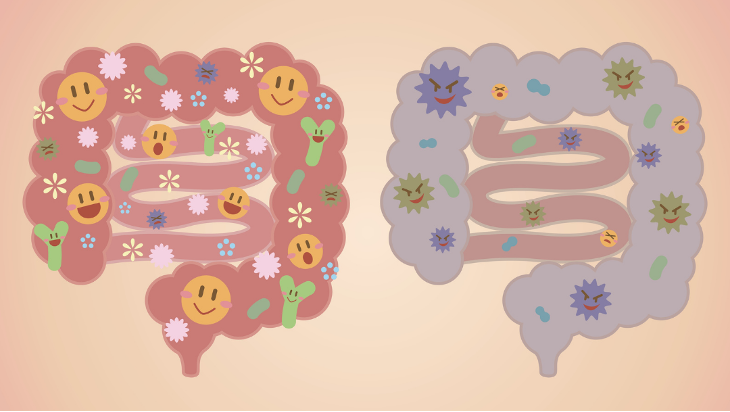
There is a strong bidirectional relationship between the brain and the gut, which has implications for immunity, mood, digestion, and more. Stress can negatively impact the gut-brain axis in a variety of ways. The activation of the hypothalamic-pituitary-adrenal (HPA) axis as part of the body’s stress response causes the release of corticotropin-releasing hormone (CRH), which affects immune function in the gut. CRH can impact intestinal barrier integrity, leading to hyper-permeability or “leaky gut” as well as increased inflammation. The gastrointestinal system also contains a rich network of nerves that influences intestinal permeability, as well as factors such as gastric motility and pain perception.
The microbiome is involved in this interplay between the nervous system and the gut as well. Germ-free mice have been shown to have impaired gut motility, as well as altered social behavior and anxiety. Offspring of monkeys that experienced prenatal stress exhibited significant perturbations to their microbiome within the first six months of life, including changes in levels of beneficial Bifidobacterium. In a study of Swedish men, lower stress resilience during adolescence was associated with an increased risk of irritable bowel disease later in life. Changes in gastric motility and enzyme secretion due to stress can alter the terrain and impact the composition of the microbiome.
The gut microbiota is also thought to influence serotonin production, which is significant since as much as 95% of serotonin is produced within the gut. The microbiome has been shown to influence psychiatric disorders and even the pathogenesis of neurodegenerative diseases, such Alzheimer’s disease and Parkinson’s disease. Finally, people with irritable bowel syndrome have an altered microbiome and often present with psychological comorbidities. A study assessing the interplay between the microbiome and mood disorders found that 65% of participants experienced increased psychological distress, and this distress correlated with increased abundance of Proteobacteria. Participants who reported anxiety had elevated Bacteroidaceae, a gram-negative bacteria. The cell walls of gram-negative bacteria contain lipopolysaccharides (LPS), which can trigger the immune system and cause increased inflammation in the central nervous system.
This web-like relationship between the brain, gut, and microbiota demonstrates the need to address the sources of stress in our lives so we can experience greater resiliency and improved health.
The Impacts of Stress
Living a sedentary lifestyle, overexercising without proper recovery, sleep deprivation, and eating a processed diet can all be physical stressors on the body. A study of soldiers undergoing an intense cross-country ski trip demonstrated that physical exertion increased intestinal permeability and inflammation. The change in intestinal permeability may have been caused in part by a disruption to the gut microbiome. Study participants experienced a decrease in certain bacteria associated with inflammation and immune regulation, such as Faecalibacterium and Roseburia, with a simultaneous increase in potentially pathogenic bacterial species. Faecalibacterium has also been shown to be lower in people with depression and anxiety. This bacterium produces butyrate, a short-chain fatty acid that exerts anti-inflammatory properties and maintains intestinal barrier integrity. Luckily, dietary changes can help to support the production of these short-chain fatty acids.
As explored in the field of nutritional psychiatry, the diet serves as a powerful modulator of mood, as well as the gut microbiome. Increased psychological stress impacts our eating habits by altering hunger hormones, which often causes us to overeat. It is tempting to reach for calorically dense foods that are high in sugar and/or fat when we are stressed. However, high-fat meals are thought to increase the production of endotoxins, which can cause inflammation and an increase of reactive oxygen species.
A study of the effects of culinary spices demonstrated that psychological stress causes elevated glucose and insulin levels after a high-fat meal. The inclusion of polyphenol-rich spices such as cinnamon, ginger, oregano, and turmeric led to the inhibition of pancreatic lipase and secreted phospholipase A2, and participants saw a 31% reduction in circulating plasma triglycerides. However, this effect was only seen if participants were in a restful state after eating. Antioxidant-rich foods can help to decrease oxidative stress, while dietary fiber and polyphenols nourish beneficial bacteria and can help boost the production of anti-inflammatory short-chain fatty acids.
Probiotic Supplementation
There has been a fair amount of research conducted on the use of probiotic supplementation to address stress and modulate the composition of the microbiome. Many of these studies involve students who are experiencing increased mental stress while preparing for academic exams. One such study found that milk fermented with Lactobacillus casei strain Shirota helped to attenuate increases in cortisol levels and reduced gastrointestinal symptoms, such as indigestion, in medical students. Gene sequencing showed that the probiotic led to significantly higher alpha diversity in the gut microbiome and a significant reduction in Bacteroidaceae. Probiotic supplementation also positively impacted genetic expression related to the metabolism of dietary fats. A separate study using this same probiotic strain showed that students experienced improvements in sleep quality leading up to the exam. This is thought to be due to a decrease in HPA activation by the probiotic.
A separate group of medical students ingested the probiotic Lactobacillus gasseri CP2305 for 24 weeks and experienced a significant reduction in anxiety and sleep disturbance leading up to a national exam. Depression scores, abdominal discomfort, and salivary CgA levels (used to assess catecholamines) were also all significantly reduced. Gene sequencing showed that stress caused a decrease in beneficial Bifidobacterium and an increase in Streptococcus in the placebo group, but this perturbation was attenuated by the probiotic. Yet another group of medical students who supplemented with the Lactobacillus gasseri CP2305 probiotic while enrolled in a human cadaver course experienced significant improvements in sleep and decreased depression and anxiety. Salivary cortisol levels, CgA levels, abdominal pain, and indigestion were all reduced in the probiotic group. The probiotic also inhibited the proliferation of gram-negative Enterobacteriaceae and Veillonella, which significantly increased in the placebo group during this period of heightened stress. Finally, students who received supplementation of Lactobacillus rhamnosus CNCM I-3690 for 4 weeks had a lower excretion of mannitol (mannitol is used to assess intestinal permeability) and reduced scores of perceived stress.
Healthy adults experienced a reduction in symptoms of anxiety and depression, as well as an increase in sleep quality, after ingesting a probiotic blend of Lactobacillus reuteri NK33 and Bifidobacterium adolescentis NK98. Participants also had decreased levels of Enterobacteriaceae and the pro-inflammatory cytokine interleukin-6 while experiencing increases in Bifidobacterium and Lactobacillus. Certain probiotic strains have also been shown to alter brain activity and impact the activation of the stress response. Healthy women who drank a fermented milk with five probiotic strains experienced changes in the midbrain cortices associated with emotional response. A separate group of healthy volunteers receiving Bifidobacterium longum 1714 had an increase in activation of the frontal and cingulate cortices of the brain as well as a change in resting neural activity after the completion of a stressful task. Researchers suggest this resting neural activity can reduce mental fatigue and helps to buffer against negative emotions. A final study showed that probiotic supplementation containing multiple strains of Lactobacilli, Lactococcus, and Bifidobacterium led to improvements in working memory amidst acute stress in healthy women. The abundance of eight microbiome genera were altered in the probiotic group, including those that produce short-chain fatty acids.
Stress Management Techniques
Stress management techniques can exert a positive effect on gastrointestinal symptoms, particularly for those with irritable bowel syndrome and inflammatory bowel disease. A prospective study of patients with irritable bowel syndrome demonstrated that traditional cognitive behavioral therapy (CBT) and a modified CBT home-study program led to moderate to substantial improvements in gut symptoms. Patients who only received education on how to manage irritable bowel syndrome also experienced improvements in gastrointestinal (GI) symptoms (44.8% improvement), but not to the same degree as those who were taught stress management techniques (58.4% improvement).
Gut-derived hypnotherapy is another modality that shows promise in supporting both psychological and physiological symptoms of irritable bowel syndrome and inflammatory bowel disease with one study demonstrating symptom improvements ranging from 24% to 73%. Gut-derived hypnotherapy can also help to improve resiliency, or the ability to cope with stress, as well as self-efficacy. This technique has been shown to positively affect gut motility, as well as nervous system activity.
Closing Thoughts
A diet rich in fiber, antioxidants, and polyphenols can support a healthy microbiome. This means plenty of fruits and vegetables with a focus on including a variety of different colors in each meal.
Stress can negatively impact digestion so be sure to set yourself up for success by eating your meals in a calm and undistracted state. Take 5 deep belly breaths before each meal to ground yourself and calm the nervous system. Chewing our food is a necessary first step of the digestive process. However, a systematic review also found that chewing can have a positive effect on attention and stress relief, perhaps by increasing blood flow to the brain and influencing serotonin pathways. Therefore, chewing each bite of food thoroughly is an excellent way of supporting the stress response and smooth digestion.
Probiotics exert positive effects on the gastrointestinal system and may also be helpful for supporting the stress response and sleep quality. It is important to find the right probiotic strain when choosing a supplement. If you plan to incorporate probiotic supplementation into your routine, talk to your doctor, nutritionist, dietician, or another member of your healthcare team for personal options based on your individual circumstances.
Stress management techniques, such as cognitive behavioral therapy and gut-derived hypnotherapy, can help to improve gastrointestinal symptoms due to the connection between the brain and gut.
If you plan to incorporate more colorful, plant-based, whole foods and/or supplements into your daily eating, or have food allergies or questions about which foods or supplements can best support your physical and mental health, talk to your doctor, nutritionist, dietician, or another member of your healthcare team for personal options based on your individual circumstances. There are certain medications that may interact with plant-based foods and supplements.
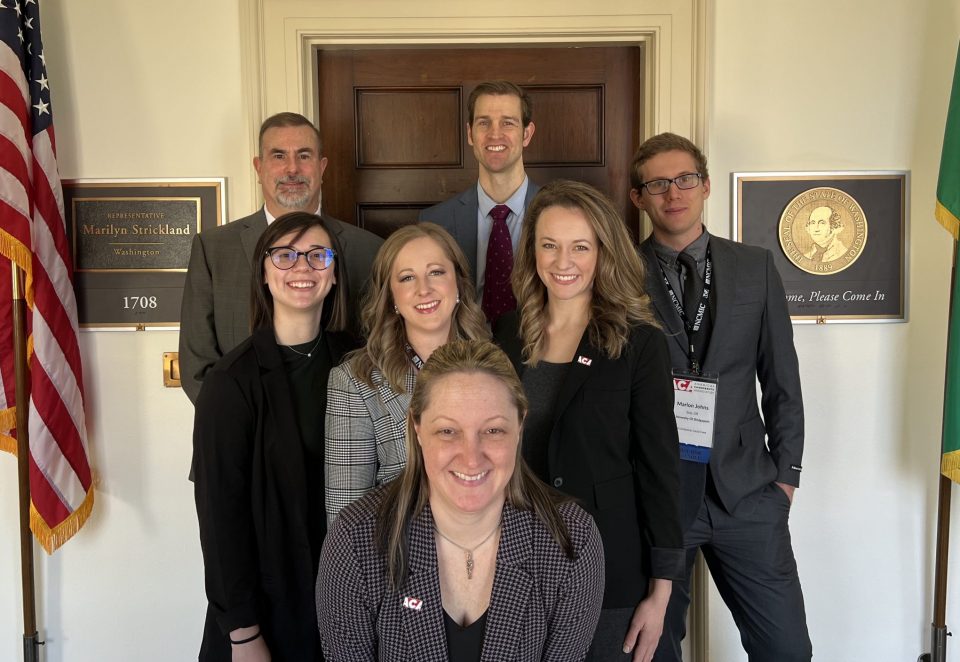
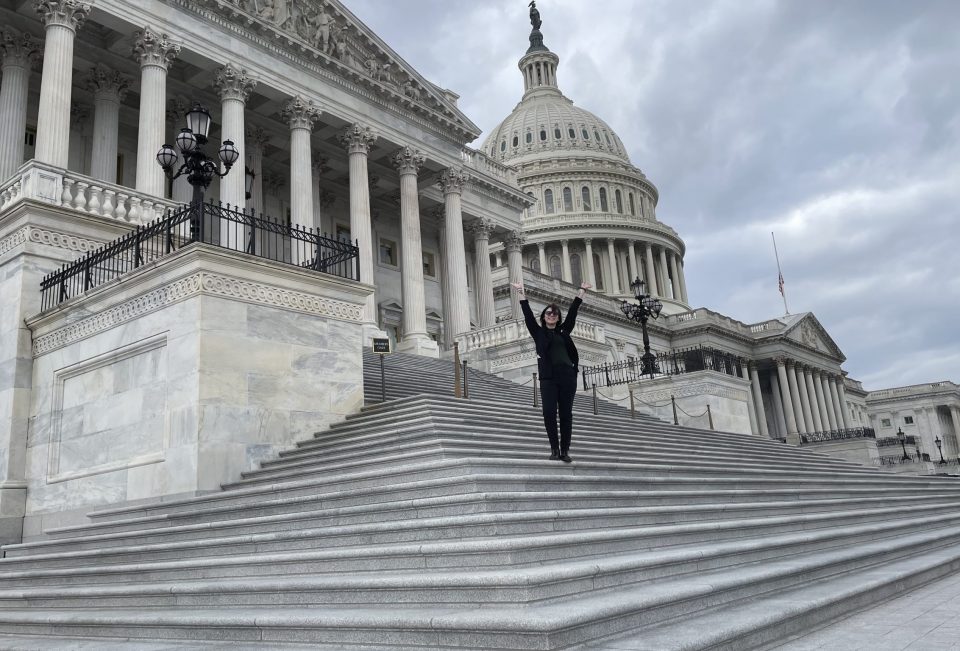
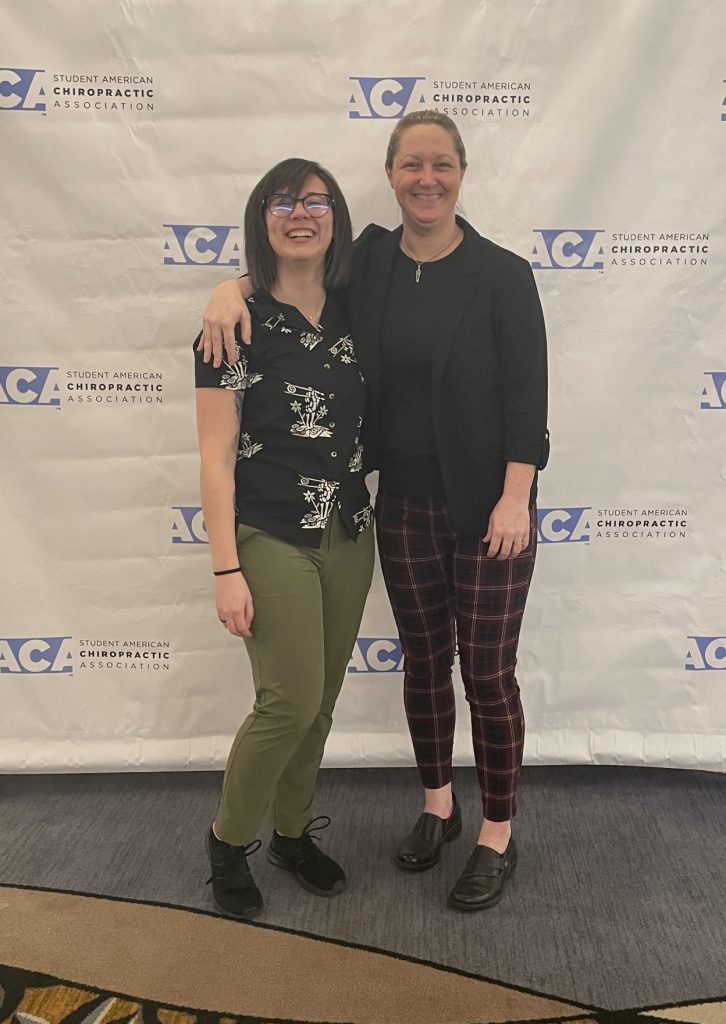
We connected with UWS doctor of chiropractic students Jessica Settle and Aimee Tanner, attendees of the 2023 American Chiropractic Association’s ENGAGE conference held in Washington, D.C., to recap some highlights of their trip!
By: Jessica Settle
Before starting at University of Western States, I heard about an opportunity to be involved in the lobbying/advocation for chiropractic care, but I didn’t exactly know what it was or how I could participate. That was until my first quarter at UWS, when the UWS Student American Chiropractic Association (SACA) executive board at the time presented to new students and discussed the opportunity to go to Washington D.C., to attend the national American Chiropractic Association (ACA) annual conference ENGAGE. I immediately signed up for SACA and was excited about what was to come the following year. Unfortunately, that’s when the Covid-19 pandemic began and put in-person plans on hold. In 2021 and 2022, I participated in the virtual lobbying on the Capitol Hill, which was an awesome experience to witness the various doctors who had done lobbying in the past. The ENGAGE 2022 conference was also the year that UWS was announced as the host site for national SACA annual leadership conference, which fellow doctor of chiropractic students Aimee Tanner, Gretchen Gatzke, and I put together.
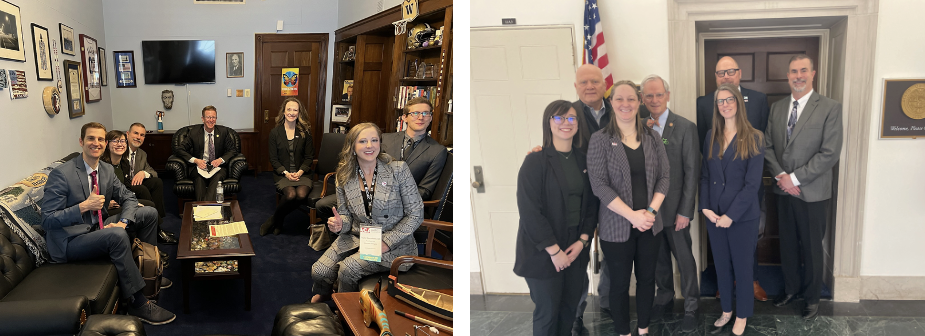
ENGAGE 2023 was scheduled to be in person, and while Aimee and I were excited to go, we were a little skeptical that it wouldn’t suddenly be switched to a virtual experience as it had in previous years. Much to our surprise, on January 24 Aimee and I were headed to the airport for our 9-hour trek to get to Washington D.C. The one thing I was absolutely dreading about this trip was the three-hour time difference between the west and east coast, but luckily we were able to sleep in on Wednesday before we had our welcome meetings that night to prepare for lobbying. On Thursday, I was able to meet with congressmen and congresswomen, and senators from both Washington and Oregon state. Lobbying in person was truly a unique experience and as students, we were given the opportunity to speak on the Medicare Modernization Bill in meetings. It was very encouraging to have backing from many representatives who were in support of co-sponsoring the bill without any hesitation.
Friday was spent in the SACA executive national board (SNEB) business meeting, where executive board members from each chiropractic school met. This was an opportunity to hear about the year in review of the various committees, and for all of us to vote on the new national chairs. After all of our meetings and to end our trip, Dr. Gary Schultz, UWS chiropractic professor and SACA chapter advisor, took Aimee and I to the infamous Filamina’s Italian restaurant. It was truly a unique experience, with the restaurant being decorated for Valentine’s Day and with delicious food! The trip wrapped up Saturday with “see ya later’s” to the various students, doctors and ACA staff that we had met over the past couple of years!
By: Aimee Tanner
I was lucky to attend the 2023 American Chiropractic Association (ACA) annual conference ENGAGE. It has been many years since I last went to Washington, D.C. and it is just as architecturally diverse as I remember. One of the highlights of the trip was being able to go to Capitol Hill and advocate for the re-introduction of the Medicare Modernization Act. I met with representatives from Oregon, Washington (where I currently live), and Utah (my home state). It was a new experience sitting down and talking with congresspeople and their staff, and I was amazed at how receptive they were and that they were interested in what we had to say. It was empowering to be able to speak at several meetings as well.
The conference was hosted at the Omni Hotel and there was a lot of amazing local cuisine within walking distance. In addition to advocating with representatives, there were socials, educational opportunities, as well as a vendor exhibition going on during the conference. Throughout the week, I was able to meet chiropractic physicians from across the country and mingled with students from other schools.
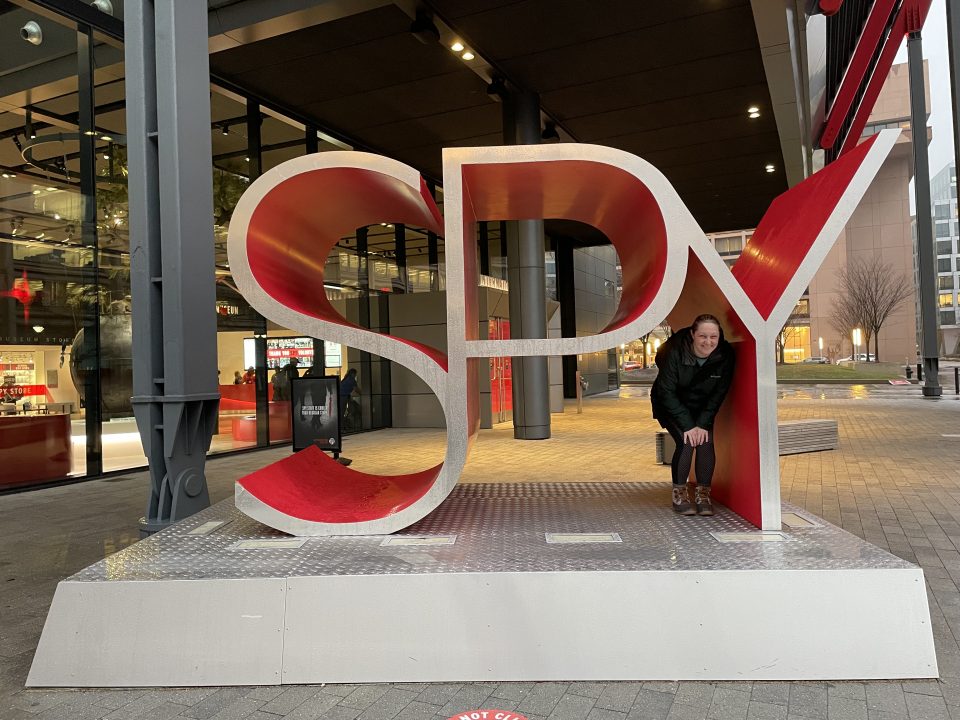
As a SACA executive board member, I also participated in the SACA business meeting. This was a new experience for me, since I have never sat on a board before. We had some interesting conversations about what’s next for SACA and voted for new leadership representatives. Outside of the conference, I visited the Spy Museum. The museum features a lot of history about spy agencies and what they do, as well as a fun interactive way of solving a mystery sometimes involving crawling through vents and hanging onto bars. I even got my own secret identity!
Dr. Brimhall, UWS president, invited UWS ENGAGE attendees to a local restaurant called New Heights. We were joined by past SACA members and Dr. Bobby Maybee, the Oregon delegate representative. I found my experience attending ENGAGE to be very memorable. I look forward to continuing this education when I become a licensed chiropractor, and will do my part to advocate for the profession moving forward.
The University of Western States (UWS) Doctor of Naturopathic Medicine (NMD) degree program welcomes its inaugural class in fall term 2023
University of Western States (UWS) and the Institute for Functional Medicine (IFM) are pleased to announce their joint collaboration to integrate the functional medicine curriculum into the UWS doctor of naturopathic medicine (NMD) degree program, enrolling its first class in fall term 2023.
“This collaboration with the Institute of Functional Medicine benefits our doctor of naturopathic medicine students and the patients they serve with an organizational structure designed to address the complex needs of people with acute and chronic health dysfunction,” said Dr. Marcia Prenguber, dean of the naturopathic medicine program. “With this integration of curricula, UWS doctor of naturopathic medicine (NMD) graduates complete the requirements to qualify for jurisdictional licensing and complete the IFM training requirements to qualify for the IFM certification examination.”
Naturopathic medicine and functional medicine are evidence-informed, patient-centered approaches to achieving and maintaining optimal health and well-being by addressing the root cause of dysfunction, not simply suppressing symptoms. Functional medicine’s focus on understanding each individual patient’s genetic, environmental, and lifestyle influences complements naturopathic medicine and integrates its full scope of assessments and treatment modalities.
The UWS mission is to advance the science and art of integrated health care through excellence in education and patient care. This collaboration with the Institute for Functional Medicine aligns with the university’s mission and prepares health care professionals to address individual patient concerns.
“Functional medicine and naturopathic medicine share a common focus on patient-centered care,” said Amy R. Mack, MSES/MPA, IFM chief executive officer. “IFM is honored to support the naturopathic medical students of UWS through the integration of functional medicine curriculum, faculty training, and scholarship to ensure confident and successful practitioners of naturopathic medicine.”
“UWS is proud to extend its long-standing partnership with IFM to include the doctor of naturopathic medicine degree program. By embracing a whole-person approach to optimizing health and well-being, UWS graduates bring unique competencies to the field of modern health care,” said President Dr. Joseph Brimhall.
UWS NMD Program Overview
The UWS NMD curriculum is a 14-quarter doctoral degree program, taught year-round. Students complete the program in 42 months (three and a half calendar years). UWS delivers the NMD program at its vibrant, state-of-the-art campus in Northeast Portland. The curriculum includes anatomical sciences, physiology, pathology, clinical nutrition, botanical medicine, physical medicine, and pharmacology, to provide graduates with a broad array of modalities and procedures for the clinical care of patients. Clinical competencies are assessed through a variety of evaluations including standardized patient experiences and are applied in clinical practice through various patient care settings.
WHY UWS?
• Graduates qualify for jurisdictional licensing in naturopathic medicine. • Graduates qualify for IFM certification. • Program is financial aid eligible to qualified applicants. • Students receive hands-on experience and training in the UWS Connected Whole Health clinic system. • Standardized patient experiences provide firsthand opportunities for students to learn and assess their clinical skills and competencies.
About The Institute for Functional Medicine (IFM)
As the leading voice for functional medicine for more than 30 years, IFM is advancing the transformation of healthcare for patients and practitioners worldwide. As a 501(c)(3) nonprofit organization, IFM supports the confident and competent practice of functional medicine through high-quality education and certification programs; partnerships across medical disciplines; and advocating on behalf of functional medicine clinicians and patients across the globe. IFM is the only organization providing functional medicine education and certification programs that is fully accredited by the Accreditation Council for Continuing Medical Education (ACCME). For more information, please visit IFM.org.
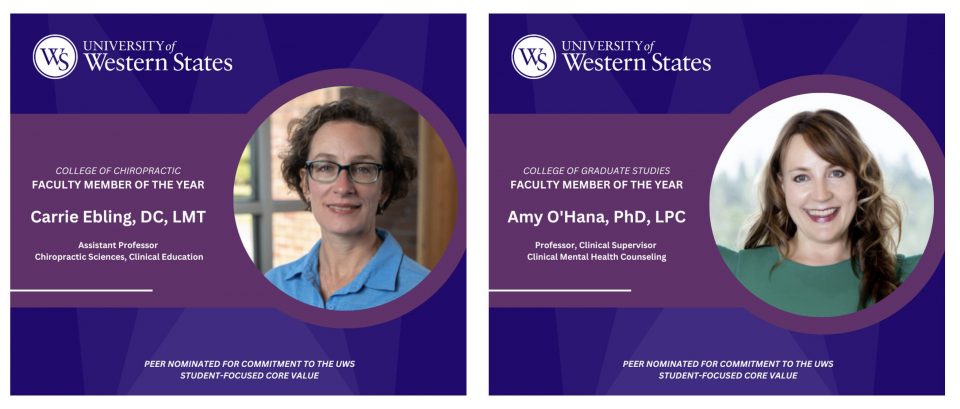
Congratulations to the recipients of the inaugural UWS Faculty Member of the Year award, Carrie Ebling, DC, LMT from the UWS college of chiropractic and Amy O’Hana, PhD, LPC from the UWS college of graduate studies.
“I’m so grateful to have been selected by my peers for this award,” said Dr. Ebling. “The support of administration has allowed me to further my education in teaching methods, which I have had the freedom to implement in the classroom to increase student engagement. I am truly honored and love that I get to share my passion for chiropractic with so many amazing students.”
“I’m incredibly honored and grateful to receive this award, and like any great endeavor, it did not happen alone,” said Dr. O’Hana. “Everything I know, someone else taught me. Everything I do, someone else mentored me for. I teach at a cutting-edge university, in an innovative program, with supportive colleagues and rock-star students. It means so much to receive this award, but even better, the connections I’ve made along the way have made my work a JOY, not a job.”
The Faculty Member of the Year award was developed to recognize faculty contributions and successes based on peer nominations. Faculty nominated Dr. Ebling and Dr. O’Hana for their demonstration of the student-focus core value of UWS.
“We are proud to congratulate the recipients of the inaugural UWS Faculty Member of the Year award representing the college of chiropractic and college of graduate studies,” said Dr. Dana Sims, UWS provost. “Both Dr. Ebling and Dr. O’Hana were nominated by their peers for their clear commitment to our student-focused core value and are so deserving of this recognition. We celebrate these members of our faculty and the tremendous work they do in preparing our students!”
Hello and welcome! To provide you the best possible experience, our site uses cookies and third-party services to remember you, understand how you use our site, and improve the quality of our communication with you. We care about our visitors and want to ensure you are informed on how we use your data. Click here to learn more. By continuing to use the University of Western States website, you agree to how we use your data to improve service and user-experience.