What Inspired Me to Study Chiropractic

Since I was very young, I knew I wanted my career to be connected to helping others achieve wellness. I wasn’t sure how this was going to happen, I just knew I wanted to work to get people healthy. I am excited that I have the opportunity to do so at University of Western States!

From an early age, I was interested in the human body. My grandpa started a family practice clinic in a small town in central Oregon, and I will always remember how he helped people by providing a meaningful service to those in his community. Observing these interactions while I was growing up strongly influenced me to help others in a similar way.

Growing up in a military family was another important contribution in my pursuit to be a Doctor of Chiropractic. The military insurance covered my family’s health care needs. Before 2001, there was no chiropractic coverage available through military insurance and even today the coverage is very limited. I had very little exposure to chiropractic until my senior year of high school when my mother hurt her back from a fall at work. She went to the chiropractor and the impact that it had on her health was very impressive. I knew then that I needed to seriously consider studying chiropractic.

After graduating high school, I attended Brigham Young University – Hawaii (BYUH) where I studied biology. After a few years, I transferred to Portland State University (PSU) where I completed my requirements for UWS. In between my studies at PSU and BYUH, I married my wife and we now have a daughter.

At PSU, I learned about the concurrent bachelor program at UWS, which will allow me to complete my undergraduate degree while attending the chiropractic program at UWS. I was very nervous to make the jump directly to a doctoral program without completing my bachelor’s. However, once I started school at UWS, I could see how much the required courses I had taken previously prepared me for my graduate-level courses.

While the concurrent bachelor program for DC students was an important part of my decision, the final selling point was when I took a campus tour. I not only found a home, but I also felt that my future came into focus – I knew what I wanted to do. I feel very lucky that UWS is so close to where I live.

I have been at UWS for five weeks and I have loved every minute of it. I feel comfortable here, the size of the school is perfect, the campus is beautiful, and the staff are genuinely interested in each student. I would highly recommend University of Westerns States to anyone who may be considering a career in chiropractic.

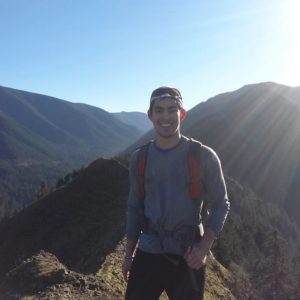
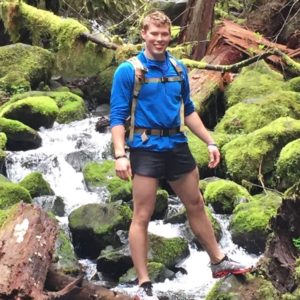
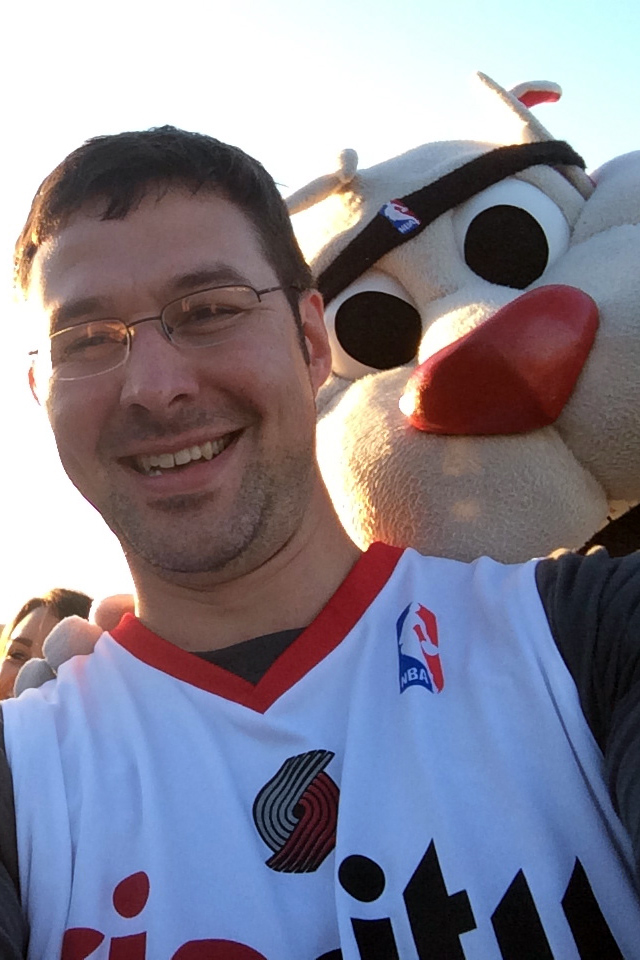
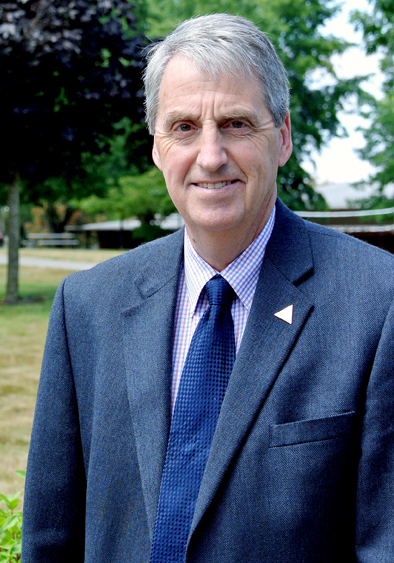
Written by DC student, Dan Kemper


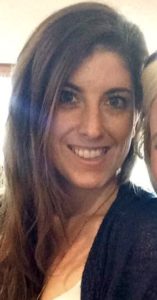
dan kemper

Dan Kemper considers himself a child of America after growing up in a military family. He has lived in Washington state, Germany, Nebraska, Hawaii and Wisconsin and has been in the Portland area since 2013.

Kemper completed his pre-chiropractic studies at Brigham Young University – Hawaii, and Portland State University. A family man, he married in 2014 and has a daughter that is almost two-years-old. Kemper and his family enjoy hiking, watching movies, cooking together and the occasional visit to IKEA. He lives on an overgrown tree farm southeast of Portland with cows, llamas, chickens and a garden. Kemper spends his free time cooking and researching food science, and through that passion, he is an ardent food blogger.

Kemper started the Doctor of Chiropractic program at University of Western States in the fall of 2016. He has been interested in chiropractic since high school. Kemper gained great appreciation for the practice while working as a chiropractic assistant during the summer before starting at UWS.

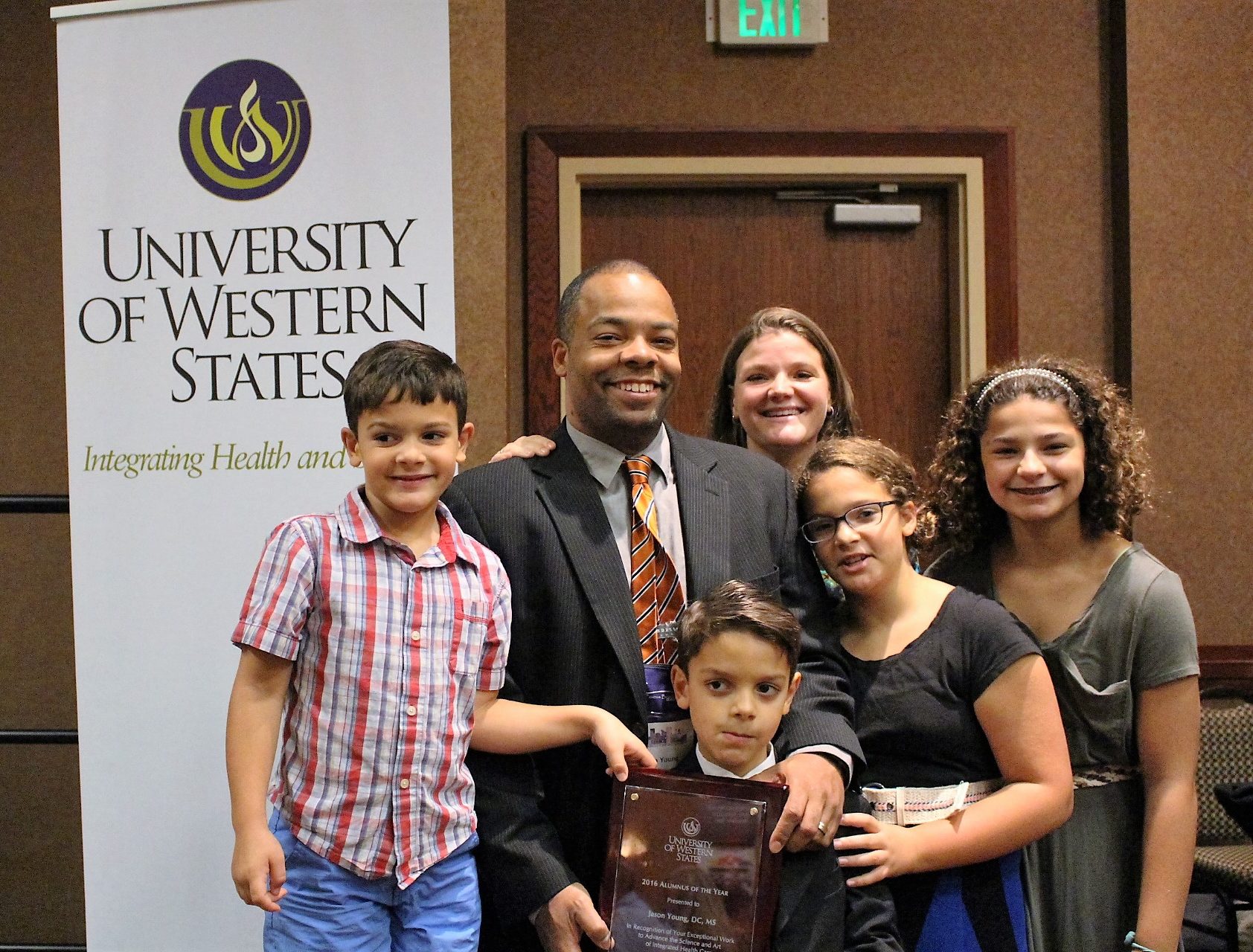
Dr. Jason Young: 2016 Alumnus of the Year

2016 alumnus of the yearEach year, University of Western States hosts the Homecoming and NW Symposium, an event with opportunities to learn and network at seminars and a vendor fair. The university uses this opportunity to present the Alumni Recognition Award, which honors alumni whose achievements have elevated the fields of integrated and chiropractic medicine, made a difference in the community and upheld the university’s mission in their post-graduate and professional lives.

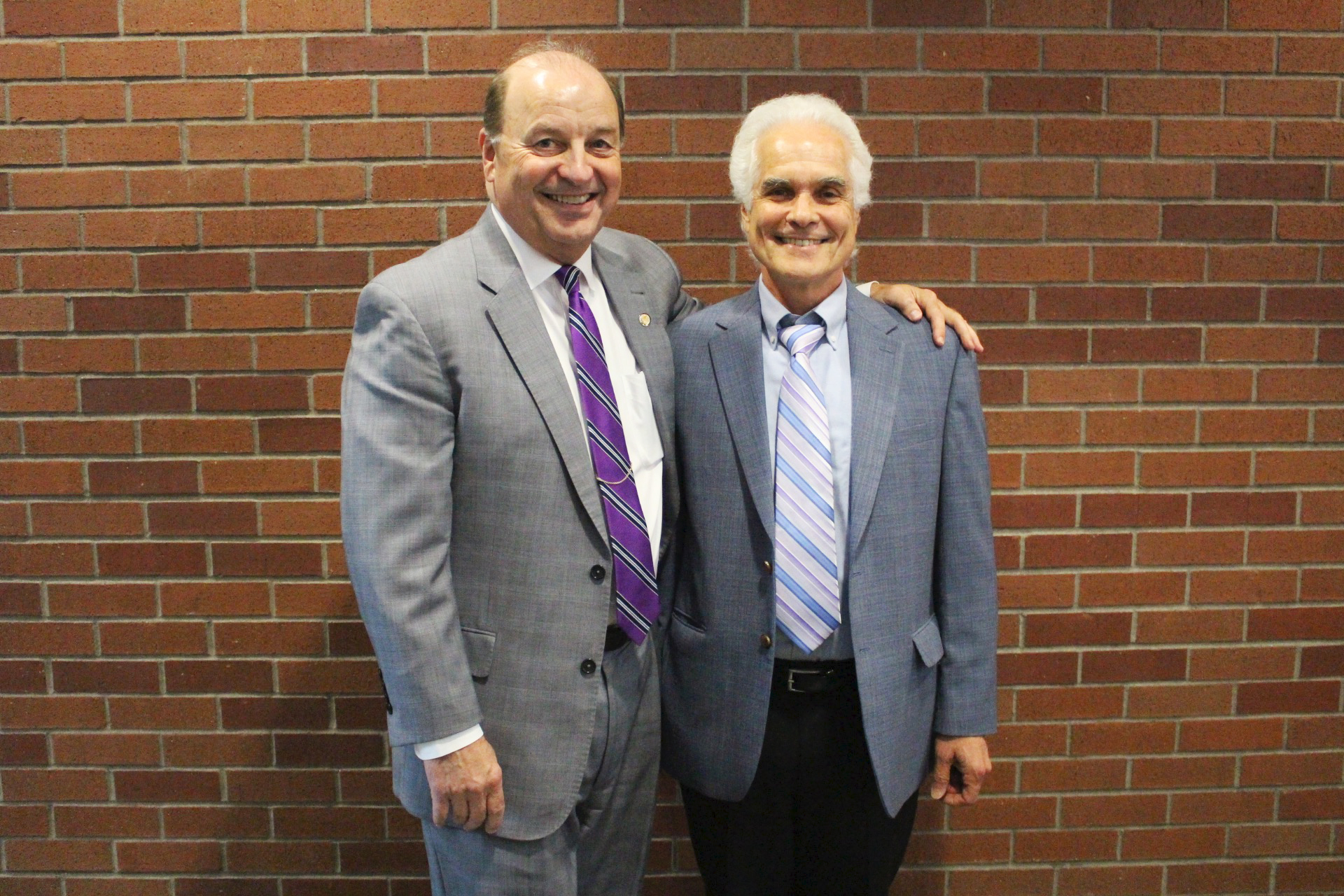
During the event on October 14, 2016, Dr. Joseph Brimhall, UWS president and Dr. Patricia Conners-Allen, immediate past chair of the Board of Trustees, presented the Alumnus of the Year Award to Dr. Jason Young. Dr. Young earned his Doctor of Chiropractic (DC) degree in 2007 and Masters of Science in Human Nutrition and Functional Medicine in 2014 from UWS. When Dr. Conners-Allen presented the accolade she said, “You could not pick a better person for this award.”

While a student at the university, Dr. Young was the Associated Student Body (ASB) president for two terms, as well as a sitting member of the Board of Trustees. When asked about winning the Alumni of the Year Award, Dr. Young said he was in shock.

“This is such an amazing recognition,” said Dr. Young. “The ceremony was special, and it was great to have my family and kids there.”

Dr. Young lives in Corvallis, Oregon and works at the Body of Health Chiropractic & Wellness Center. “Oregon is a great place to practice chiropractic care, and most importantly, it is a great place to be a chiropractic patient,” said Dr. Young.

His personal philosophy on chiropractic medicine is that, “it’s all about quality of life and doesn’t just make people feel better, but helps them be better people too. I want to teach people to take care of themselves, and I want to be there to support them.”

Dr. Young is also the Chair of the Oregon Board of Chiropractic Examiners, a role that serves the public by regulating the practice of chiropractic, promoting quality care and ensuring ethical health care.

“My involvement with the Board is important for the profession,” said Dr. Young.  “My perspective is that chiropractic medicine has an important role to play in health care. We have an interest in making chiropractic care accessible to people.”

Additionally, Dr. Young has created new opportunities for the profession by becoming the first chiropractic physician to work with the Oregon State University athletic department. UWS is proud of his work and honored to recognize Dr. Young for his service and accomplishments.

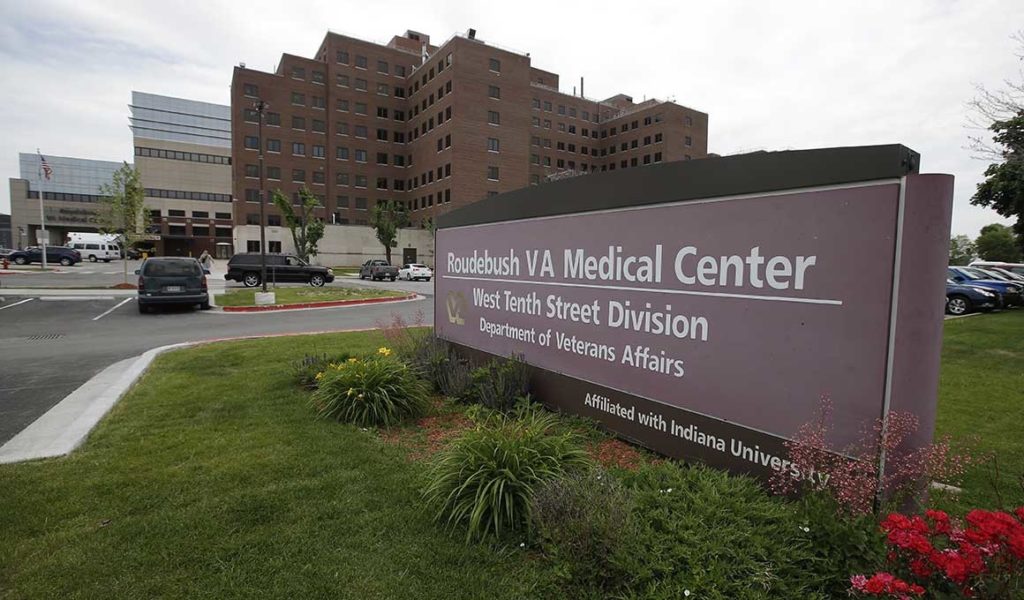
Chiropractic Intern Gains Experience at the VA

intern at VA

Why do you think it is important for chiropractic interns to gain experience in at the VA?

My clinician, Dr. Christopher Sherman, told me to prepare myself to see some unexpected things on my first day at the VA. “Everyone is complicated,” he said. “Our job is to figure out who we can help or where we should refer them so they can get the appropriate care.”

I wondered to myself, after I heard that, how crazy complicated could these patient’s needs could be?

Well, three patients later that particular morning, a gentleman sat down for his initial visit. He stated he was there for thoracolumbar pain. I laughed to myself, “so complicated.”

During the interview he disclosed he had undergone a lobectomy due to lung cancer. Soon after that he lifted his shirt, prominently displaying his saphenous vein, which was shunting blood from his subclavian artery to his lower abdomen. This procedure was done following a thoracic aortic aneurysm. My jaw dropped.

Working in the VA setting challenges chiropractic interns to have a more in-depth look at chiropractic care and how it fits into the medical model. Not only have I been exposed to an array of conditions within my chiropractic work, I have also had the opportunity to shadow other specialty doctors at the hospital. During weeks two and three of my clerkship, Dr. Sherman was gone on a pre-planned vacation, which gave me the chance to do rotations in other areas to fulfill my hours. The first week I shadowed in the operating room while surgeons performed a discectomy, medial branch block and spinal cord stimulator implant. Decked out in my scrubs and feeling like I just walked on the set of Grey’s Anatomy, I awkwardly stood in the corner unsure where to stand. In every surgery I observed, the surgeon introduced himself, extensively explained the procedure and oriented me anatomically as the surgery was taking place. Not only that, the surgeons asked about my background, what chiropractic school consists of, what types of conditions we typically treat and, by the end, if we could treat employees because they felt they could benefit from our services.

Additionally, I spent time in physical therapy, the Chronic Pain Clinic, and with the physiatrist as she performed knee and shoulder injections. Each encounter was not only welcoming, but encouraging as well. I had in-depth discussions about current research, conditions that benefit from different forms of conservative care, and gained a better understanding of what each of these individuals and specialties has to offer the patients. Moving forward, I will be doing rotations in other departments to continue to be exposed to as many different aspects of health care available at this VA location, on top of the 40-50 patients I treat weekly in the chiropractic department.

The VA approach to care is evidence-based and has the patient’s best interest in mind. Although I spent a brief amount of time in these different departments, I am able to confidently say I have a significantly better understanding of what happens in many of the procedures I observed. This exposure gives me the ability to better explain treatment options to my future patients and offer guidance for individual situations. Chiropractors are one part of the expansive medical world, and for us to be effective in our positions, we must be willing to understand what else is available to our patients.


steph-mem
Stephanie Halloran is completing her 12th quarter at University of Western States (UWS). Rounding out her studies, she is currently on preceptorship at the Roudebush Veterans Administration Medical Center in Indianapolis, Ind. Originally from Aurora, Ill., she earned her Bachelor of Science in Kinesiology at University of Illinois – Champaign-Urbana. After earning her undergraduate degree, she moved back to Chicago to pursue a career in personal training. Frustrated with the medical and nutrition advice clients were receiving, Halloran decided to pursue her Doctor of Chiropractic degree at UWS.

Since then, Halloran has been actively involved with the Student American Chiropractic Association (SACA) serving as a representative on both the local chapter and federal levels. Halloran was awarded with SACA Member of the Year at the 2016 SACA Leadership Conference for her contributions to the organization, and under her leadership, UWS won Chapter of the Year. She is concurrently in the Human Nutrition and Functional Medicine Master’s program at UWS, as well as working toward her Diplomate in Diagnosis and Internal Disorders. When she has free time she can be found outdoors, in the gym, baking specialty cupcakes, or at local wineries. Following graduation, Halloran will apply for highly-competitive VA residency programs in hopes to continue her education and work with veterans.

Find more information on the chiropractic residency opportunities offered at the VA here.

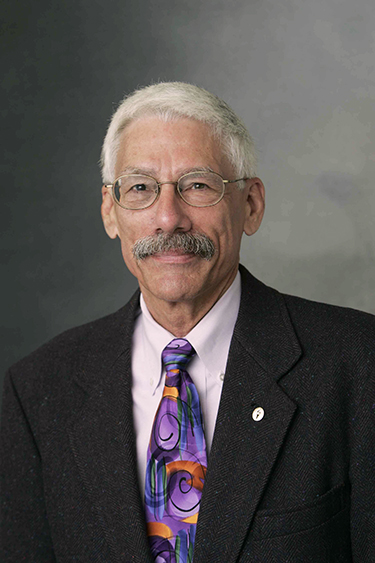
UWS remembers Lester Lamm, DC

remembering dr. lester lammLester Carl Lamm
January 28, 1944 – September 20, 2016

Son of Mary and Eugene Lamm, fourth-generation Oregonian Lester Lamm saw life as an adventure not to be missed.  Raised in Florence and Myrtle Point, Lester’s horizons broadened while serving as a Peace Corps volunteer in Honduras from 1964 to 1966. Following the Peace Corps, he served two years in the U.S. Army. His service in the Peace Corps and Army motivated him to complete an undergraduate degree at Portland State University and then to travel the world.  While at Portland State, Lester took part in anti-war protests. He was photographed at a 1970 protest after which, the photo regularly appeared in the Oregonian for decades.

Through his life, Lester journeyed to more than 60 countries. A year-long trip around the world in 1976 with his family brought them to Katmandu Nepal, which ignited a lifelong love of the country and its people. In 1981, following graduation from Western States Chiropractic College (now University of Western States), Lester and his family returned to Nepal where Lester opened a healthcare clinic and taught school in the Kathmandu Valley. In 1983, the family returned to Portland where Lester accepted a teaching position at Western States. He later became a vice president serving in a variety of administrative roles while he continued teaching students through his 28 years at the college. He retired in 2011. In 2014, while serving as university historian and professor emeritus, Lester authored Oregon Pioneer: The Journey of Chiropractic Education in the Pacific Northwest, The Story of the University of Western States.

Lester gave willingly from his heart with openness and joy. A gifted story teller, Lester enthusiastically shared his experiences of people and places around the world.  A dedicated and skilled professor, he made a difference to his students’ success, many of whom became lifelong friends. A committed professional and physician, he worked steadfastly to advance chiropractic education. He loved travel, music, history, art, movies, and golf.  He is survived by his wife, Laura Lamm; daughter, Shaunessi Lamm Ferguson; granddaughter, Carmen Thomsen; son, Forrest Lamm; mother, Mary Evans; brothers Dennis and Gus Lamm, and an extended family of beloved friends and professional colleagues all over the world.  He lives forever in our memories and in our hearts.

A Remembrance Celebration will be held at the University of Western States January 28, 2017. To honor Lester’s memory, donations may be made to University of Western States (Lester Lamm Remembrance Fund), 2900 NE 132nd Avenue, Portland, OR 97230. Donate here.

Veterans Affairs Residency Opportunities

October 13 at 12:40 – 1:30 p.m. in Hampton Hall 1, guest speakers Dr. Edward Bednarz and Dr. Mario O. Roybal will discuss career opportunities the VA has to offer, as well as the status of VA residencies.

Veterans Affairs Residency OpportunitiesUWS student and third year chiropractic intern, Stephanie Halloran describes her Preceptorship experience at the VA Hospital in Indianapolis, Indiana.

What drew you to internships with the VA, and what excites you most about the future of chiropractic in working with veterans?

Two years ago I attended my first Student American Chiropractic Association (SACA) Leadership Conference in Roanoke, Virginia. The conference focused on the Veterans Affairs (VA) residency opportunities at five locations around the country. The chiropractic physician at each location gave a short talk on the specifics of what their residents did, the benefits of the VA clerkships and residencies in integrative medicine and how the skills obtained there would transfer over to private practice. At the conclusion of that day, I knew I wanted to do my preceptorship at one of University of Western States VA-affiliate locations.

My goals during the VA clerkship are personal development and professional advancement. I knew I would benefit from the opportunity to practice under some of the best doctors in the country. So far, I have found that shadowing an interdisciplinary team of physicians has been an amazing experience in terms of professional development. As part of my work, I get to listen as they discuss they condition and management they choose based on clinical expertise.

In this VA clerkship, I have the opportunity to observe other practitioners that I would not otherwise encounter before I start practicing. I will rotate to different departments within the pain clinic such as pain psychology, physiatry and physical therapy, and I will be in the operating room as neurosurgeons perform discectomies and spinal blocks. These daily interactions will give me the chance to develop the skills to work with these professionals in my everyday practice, as well as thoroughly explain alternate treatment options to patients who are investigating routes outside of chiropractic care.

My second goal with the clerkship is the opportunity to advance the chiropractic profession as we continue to find our appropriate place in the health care system. Clerkships and residencies within the VA will prove invaluable in establishing ourselves as providers in chronic pain treatment and prevention for not only our troops, but for the U.S. population as a whole. In a country where opioids make up 60 percent of prescribed drugs, patients and primary care physicians alike are seeking alternate ways to manage pain. Chiropractic medicine is often misunderstood in the health care industry, but once other practitioners are aware of the specific skills chiropractic physicians have, it creates a paradigm shift and the opportunity for collaboration amongst MDs, DOs, PTs and DCs.

I am not one for sitting back and letting other people do the work to change the trajectory of this profession. The VA clerkship will afford me the chance to expand my understanding of other medical specialties and actively engage in conversations that change the outside view of chiropractic medicine. Along with this exciting impact, I will have the opportunity to treat a population of people who voluntarily risked their lives to give me the freedom to pursue my dreams. I have no doubt it will be a jammed-packed quarter that will significantly impact my future as a chiropractic physician for the better.

Meet the New Provost – Dr. Bernadette Howlett Q&A

Your title at University of Western States is provost and vice president of academic affairs. What does that title mean at UWS?
The provost and vice president of academic affairs (VPAA) is a member of the executive cabinet responsible for all of a university’s academic programs, as well as the services that support them – such as the library. One of the primary duties of the provost and VPAA is to work with the president and cabinet to allocate the resources needed for academic programs and support services. As the provost and VPAA at UWS, I’m responsible for serving as the liaison officer for regional accreditation, which means speaking for the university and ensuring compliance with accreditation standards. The regional accreditor (Northwest Commission on Colleges and Universities, NWCCU) provides oversight of quality assurance to colleges and universities in the seven-state region of the Northwest. UWS additionally has specialized accrediting bodies for some of our programs, such as chiropractic and massage therapy. In addition to resource allocation and accreditation compliance, the provost and VPAA works with the deans, chairs and members of the faculty and staff to design curricula, assess performance of programs, and develop and retain the faculty and staff.

What excited you about coming to UWS in this role?
I have a lifelong interest in integrated health care. Also, my academic focus for the last 20 years has been evidence-based practice. These two areas come together at UWS. The programs here perfectly align with my interests.

What’s your vision for what you want to do as provost at UWS?
I see UWS a leader in the transformation of health care services and health science education, responding to new paradigms of health care payment models, integrated health and competency-based education. As provost, my vision is for UWS to be the destination for integrated health science education and health care services as well as the benchmark by which similar institutions are measured.

What is your first priority in this role?
My first priority is accreditation reporting. Since I’ve been on board we have already submitted an interim report to the Council on Chiropractic Education (CCE), which is the programmatic accreditor for the Doctor of Chiropractic program. We are also preparing two reports for NWCCU, which are due this fall and spring.

What are some specific challenges you see faced by UWS?
We have a great deal of opportunity coming from changes in health care regulations as well as the industry of higher education. The challenges come from recognizing and responding to these opportunities to the benefit of the students who attend UWS as well as the patients we serve. Related to this issue is the cost of delivering education in the health sciences. Ever changing technologies in both health care and education, the importance of hands-on learning for clinical education programs (which requires a lower student-to-faculty ratio than lecture-based delivery) and relentless increases in fixed costs (such as health insurance) place health science educational organizations in a particularly challenging situation from a budgeting standpoint. The dedication of people working at UWS as well as their creativity is why UWS is so successful in addressing these challenges.

You are well known in the integrative health care research and academia field. What drew you to this line of work?
I suppose it started for me when I was 19 years old and had a bad injury to my ribs. I received chiropractic care as well as massage therapy. I was told the provider who initially evaluated me that I would not fully recover; but with the help of massage and chiropractic care I was able to heal.  At that time, I was also an avid bicyclist. So, I was really interested in maintaining my health, not just getting treatment if I got sick. I learned about the idea of food as medicine. I learned about the spirit/mind/body wellness model. I sought various interventions focused on wellness, including acupuncture. I also became very interested in individualized medicine. As a result of all this, I pursued a bachelor’s degree in interdisciplinary studies. And I have always worked in interprofessional teams focused on identifying and addressing root causes, which to me defines integrative health care. All of this has added up to a career focused on evidence-based, patient-centered, integrative models of health care and related research.

What is your dream job, had you not started working in the health care and education fields?
My dream job would be producing music in my retirement years. I have always performed and written music. In my bachelor’s degree one of my majors was music. Interestingly, I took a course called “Sounding the Inner Landscape,” which offered some content on the health effects of music. I think that class planted a seed in me long before I considered the path I eventually would take in health science education. I would have remained in music, my career of choice, if I had been more comfortable with raising children as a “starving artist.” After I had my second child (I have two sons) I started thinking that being the child of a starving artist might not be the idyllic childhood I wanted for my boys. It was a wonderfully romantic idea for me to live a bohemian artist life. But it lost something for me when higher education knocked on my door and placed opportunity in front of me. Ultimately, I didn’t lose out on anything. I still play and write music… and I still don’t get paid to do so. All kidding aside, music is still very much alive for me. My career in health science education has afforded me endless opportunities to be creative, which keeps my heart happy and makes the work engaging. I learned over the years that what I most value is contributing to making the world a better place. There’s nothing more impactful in that regard than education.

What are your hobbies when you are not working?
Of course, there’s music. Also, I love being outside. Hiking and exploring the outdoors is like food for me. I fall in love with nearly every place I visit and can imagine myself living there. Additionally, I enjoy volunteering. I haven’t found an organization here yet to be hooked into. It likely will end up being whatever high school my younger son ends up attending. My older son is college age and preparing to attend Clark College.


Best Chiropractic Practice in Portland

Equilibrium named best chiropractic practice in Portland by Willamette Week

Clinic is owned and staffed by UWS alums and faculty

Willamette Week recently released the Best of Portland 2016 list – as voted on by readers. A big winner was Equilibrium, an integrated health care clinic, that provides chiropractic services as well as acupuncture and massage. The clinic is owned by University of Western States (UWS) class of 2000 alums Nicole Bhalerao, DC, and Shireesh Bhalerao, DC, MCR, CCSP. Class of 2015 alum, Cydney Keller, DC, also serves as a staff chiropractic physician.

Dr. Shireesh Bhalerao, associate professor at UWS, teaches chiropractic and clinical sciences. He believes that the clinic’s focus on a more evidence-based model has helped differentiate Equilibrium from other integrative health clinics.

“We strive to incorporate the best available research evidence into our clinical decision-making. Many patients have complimented us on our efforts to do so. They appreciate the extra effort our practitioners make to find relevant, high-quality research and apply it to their care,” said Dr. Bhalerao. “This approach has also led to a strong referral network with local medical physicians.”

Dr. Bhalerao believes there is a more important differentiator.

“Our patients have always been our central focus. Winning this award means that they recognize this,” said Dr. Bhalerao. “They appreciate the care they receive at Equilibrium. This means a lot to me and the rest of the staff.”

Health Plan Covers Integrative Medicine

Oregon Health Plan to cover chiropractic care and other integrative medicine services in the treatment of back pain

UWS alumnus served on committee and a faculty member provided research supporting an integrated approach to pain management

oregon health plan saboe

University of Western States alumnus Dr. Vern Saboe, serving as a member of the Back Lines Reorganizations Task Force of the Oregon Health Authority (OHA) Health Evidence Review Commission (HERC), helped to change policy that will now provide coverage under the Oregon Health Plan (OHP) for chiropractic care, acupuncture, cognitive behavioral therapy, osteopathic manipulation, physical therapy and occupational therapy in the treatment of back pain. The new policy changes became effective July 1, 2016.

In his role as a member of the task force, Dr. Saboe reached out to the integrated health care community for research and evidence that supported the importance of conservative and integrative care. UWS faculty member Dr. Daniel Redwood, director and faculty member in the UWS Human Nutrition and Functional Medicine degree program, worked with Dr. Saboe to help provide a valuable evidence-based critique of the initial draft. The previous guidelines placed more emphasis on pain medication and surgery. Dr. Redwood’s critique, according to Dr. Saboe, was critical in shifting the group’s focus to a more integrated approach.

According to the OHP Back Policy Changes Fact Sheet, “The HERC based its decisions on new evidence, including a bio-psycho-social model designed to help people with back problems resume normal activities. This model will help people manage their pain with less reliance on medication and fewer costly surgeries. Until now, the OHP has limited treatment to patients who have muscle weakness or other signs of nerve damage. Beginning in 2016, treatments will be available for all back conditions. Before treatment begins, providers will assess patients to determine their level of risk for chronic back pain, and whether they meet criteria for a surgical consultation.”

The OHP states that in 2013, about eight percent of OHP recipients saw a provider for back conditions, and more than half of those individuals received narcotic medications, often for many months. Providing conservative and integrative options for patients will help reduce the chance of opioid addiction and the costs to both the individual and the community, associated with such addiction.

“This type of integrated care approach is going to help patients with back pain reduce dependence on medication, avoid surgery and increase their overall quality of life. We are excited Oregon has embraced this shift in care,” Dr. Joseph Brimhall, president of University of Western States said.

The decision to cover integrated pain management care came after four years of exhaustive policy work by the task force, comprised of a neurosurgeon, a chiropractic physician, an acupuncturist, an orthopedic surgeon, a primary care physician, a physiatrist, physical therapists, specialists in mental health and addiction, a health plan medical director, pain specialists, and a national expert in the evidence on treatments for back pain. As part of their process they reviewed a large body of evidence about the effectiveness of various treatments and the potential harms of certain therapies.

The Oregon Collaborative for Integrative Medicine (OCIM) will assist the OHP in implementing this policy shift. University of Western States, a founding member of OCIM, will be partnering to help operationalize this change at the OHP.


Faculty Member Scored Most-Read Study

HNFM adjunct faculty member had the most read study regarding medicine on research website

Tim Sharpe, a Human Nutrition and Functional Medicine (HNFM) adjunct faculty member at University of Western States (UWS), recently had the distinction of his paper “Evaluation of the Efficacy of LactiGo™ Topical Gel as an Ergogenic Aid,” being ranked as the most viewed paper on ResearchGate under the category of “medicine.” Sharpe was also the most read author in the United States in August, with more than 50,000 reads since debuting in June.

The paper is based on a study Sharpe and co-author Chad Macias did using a carnosine gel on athletes. Carnosine is a compound of two amino acids, most commonly found in red meat. There are hundreds of peer-reviewed studies that show the potential for carnosine as having profound impact in many areas, including anti-aging, pain, a variety of medical conditions and sports performance. Sharpe and Macias learned of a transdermal carnosine gel (LactiGoTM) and decided to try it on athletes at the Institute for Human Kinetics. Their athletes earned four gold and one silver medal at the Rio Olympics.

In June 2016, they published a peer-reviewed study to examine the supplement in more detail.

“We had eleven professional soccer players perform two different tests designed to test first maximal aerobic capacity (lower intensity) and second to test more anaerobic performance (higher intensity),” Sharpe said. “We compared their performance before using the gel and after using the gel. The performance increases seen were very impressive, averaging around five percent in the lower intensity testing and around four percent in the higher intensity testing. Maximum improvements of up to 15 percent were seen.”

The paper was first published on June 1, 2016. Since then, Kansas University did their own double-blind placebo-controlled trial showing similar results. Sharpe and Macias are planning to conduct two more studies on LactiGoTM planned for publication within the next eight months.

UWS HNFM student Jennifer Warstler Kryvicky helped with the statistical analysis for the paper. She is currently conducting her own double-blind placebo-controlled study on LactiGoTM gel as her capstone project.

sharpe study

UWS and Siker Imaging Announce Affiliation

University of Western States and Siker Imaging Announce Imaging Affiliation

Partnership gives UWS diagnostic imaging residency students more training opportunities

In August 2016, University of Western States (UWS) entered into a collaborative agreement with Siker Medical Imaging and Intervention (SMI), a private outpatient diagnostic imaging company founded in 2004 in Portland, Oregon. SMI provides high-resolution MRI, CT scans, diagnostic ultrasound and digital X-ray services.

As part of this newly-founded relationship UWS radiology residents will be on site at one of two Siker Imaging facilities for educational observation as well as hands-on clinical learning through participation with a variety of technologists, radiologists and patients.

“This is such an exciting educational opportunity for our residents,” Dr. Beverly Harger, director of radiology at UWS said. “Our relationship with SMI will give our residents direct access to advanced imaging modalities such as MRI and CT, enhancing their development of skills necessary for comprehensive imaging interpretation.”

Another part of this agreement is that UWS imaging center staff will be interpreting x-ray studies for patients referred to SMI from Portland-area chiropractic physicians.

“Siker Imaging and our referring DCs value the UWS imaging team for its expertise in interpreting digital x-rays,” Sean Callaghan, chief operating officer at SMI said. “This is a great addition to our array of sub-specialty services.”

“This really is a great opportunity for University of Western States and Siker Imaging,” Dr. Harger said.  “While providing SMI with a valuable service, we are also providing excellent learning opportunities for our residents. The affiliation also gives us direct contact with referring chiropractic physicians in our community, not only our alumni but also those not affiliated with the university. This is a great way to foster our relationship with these important groups.”

siker imaging

Research Publishes on Headache Study

UWS Center for Outcomes Studies publishes paper on protocols for headache study

For the past five years, the University of Western States Center for Outcomes Studies has been conducting a randomized control trial (RTC) to assess how manual adjustments can alleviate cervicogenic headaches. The trial was funded by the National Institutes of Health, National Center for Complementary and Integrative Health. It is a community-based, observer-blind RTC and the first full-scale RTC assessing the dose-response of spinal manipulation therapy outcomes for cervicogenic headaches.

The Center for Outcomes Studies has recently published an in-depth paper that describes the protocols used in this RTC with the intention to guide other researchers on how to effectively structure and recreate a similar multiyear, multi-million dollar randomized control trial.

Results of the study have not been published yet because there are still active patients in the study. Once the patients have completed the study, the Center for Outcomes Studies will analyze the data and start publishing results.

headache study

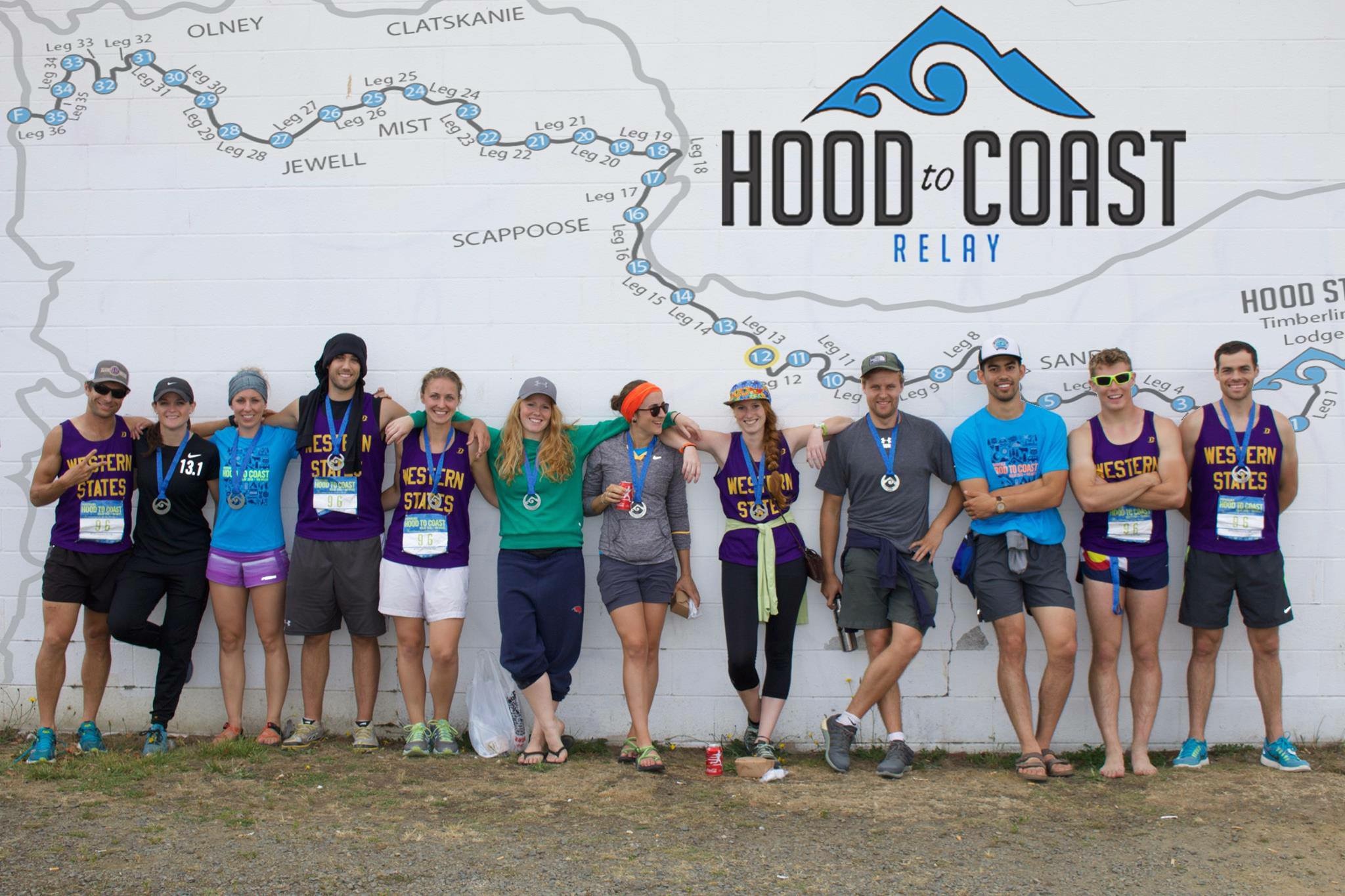
#UWSruns Hood to Coast

By: Bradley Crowe, 8th quarter DC Student and participant in Hood to Coast

The Hood to Coast relay is an annual event where teams of runners race from the Timberline Lodge on Mt. Hood all the way to the town of Seaside on the Oregon coast. Every year the route changes slightly, but the race covers approximately 199 miles each year. Teams consist of twelve runners divided into two vans. The race is set up so that the six runners in van one take turns running and then hand over to the runners of van two. It continues to alternate throughout the race, so that the van that is not currently running can try to get food or some sleep before taking over running duties once again. Runners each run three legs of anywhere between four and eight miles distance, for a total of 36 legs.

hood to coast

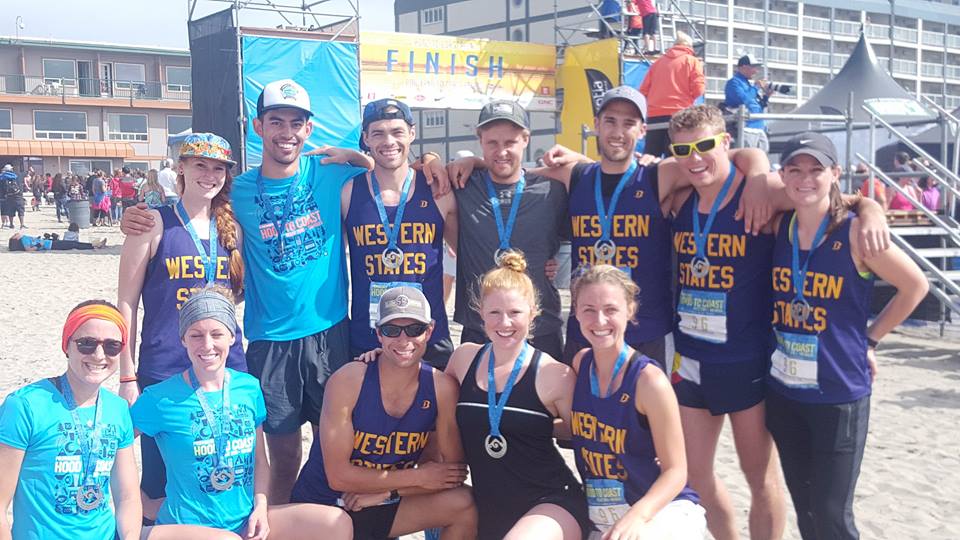
University of Western States was lucky enough to get a team into the race this year. The team was called the Western States Running Club (WSRC). It consisted of, in order of running legs: Jimmy Westover, Natasha Smith, Matt Botcher, Savannah Shortz, Brad Crowe and Kelsey Woodland in van one; and Rachel Wysocki, Kaitlyn Haese, Sissel Holloway, Cornelius Van de Wall, Ryan Takagi and Parker Pratt in van two. The team wouldn’t be complete without our amazing drivers, who took time out of their weekends to support the team: Raquel Osborn and Dr. Jenny Nordeen in van one, and Hank Hirsh in van two. Thank you so much!

The race started on Friday, August 26 at noon. It was beautiful and clear, with temperatures trending up into the 90s. Gorgeous, but not ideal temperatures for running. The first leg was a fast and steep descent down Timberline Highway, ending at the Government Camp rest area. The transition area was chaotic with vans, spectators and runners everywhere. After the exchange, the race followed Highway 26 down the mountain. It was almost completely exposed, so the heat took a major toll on runners. Thankfully, many supporters left out bottles of water or hoses for people to douse themselves as they ran by.

The race continued along Highway 26 all the way to Sandy High School – the first major exchange between vans. It was amazing to be able to look back up to Mt. Hood and see how far we had actually run. Van two continued mostly along the Springwater Corridor bike trail, all the way to the Hawthorne Bridge. This was the second major van exchange, and it was crazy. The Portland to Coast race also starts here so there were hundreds of people and hundreds of vans everywhere. And it was dark! Fortunately, the teams had flags to help identify so we were able to connect seamlessly. The next section crossed the Hawthorne Bridge and then headed up to Highway 30. In the full darkness, it was an amazing sight. The stars were out, with hundreds of blinking lights bobbing off into the distance. This was the second section for van one, so many runners were slowing and struggling in this section, but the WSRC ran strong and were able continue pushing ahead of many teams that had started earlier in the day.

The next major van exchange was at the Columbia County Fairgrounds in St. Helens at roughly the halfway point of the race. Now it was true chaos, with hundreds of vans converging in the darkness as both van one and van two rejoined each other after more than 100 miles of running. Van two took over to run through the dead of night along country roads out to Highway 47. The temperatures cooled significantly, but the WSRC continued to run strong and pass teams throughout the night.

The fourth major van exchange took place near the town of Mist. Hundreds of vans were parked throughout the fields with tarps and tents laid out everywhere as runners desperately tried to capture even just a few moments of sleep. With the sun just rising, the exchange back to van one took place around 6 a.m. Van one continued to run down teams in front of them as they cruised along Highway 202 toward the coast.

The final major van exchange took place near Olney, where runners were again trying to grab whatever scraps of sleep they could. With that, van one’s job was done and it was up to van two to bring the race home to Seaside. Overcast skies made for perfect running conditions and WSRC runners felt strong right to the finish. The team finished their 199 mile run in 27 hours, 13 minutes and 58 seconds. This earned them a 9th place finish in their category, out of more than 130 teams, and an outstanding 97th place overall.

Thank you to University of Western States for the support in making this happen. Huge thank you specifically to Raquel Osborn and Pete Szucs, who were instrumental in helping to organize the team. And thank you again to Osborn, Dr. Nordeen, and Hirsh for being amazing and volunteering to drive. And a final thank you to our gracious volunteers: Leah Sartison, Kim Nicks and Tricia Clements. Congratulations to everyone who participated!

hood to coast 2016

New HNFM Elective Course

Nutrition Practice Strategies

The Human Nutrition and Functional Medicine program just added an exciting new elective course: Nutrition Practice Strategies.

This new course helps prepare students for success by emphasizing advanced nutrition counseling techniques, case analysis tools and practice building strategies. While even experienced clinicians will find useful concepts and methods in this course, students without a prior clinical background will receive a powerful head start on their practice development by learning how to effectively create a management plan and guide their clients or patients to better health.

The instructor for this course is a Master of Science in Human Nutrition and Functional Medicine graduate, Kathy Harrington, whose first-hand experience in starting a successful nutrition practice without a prior health care degree is included as a key component of the course’s approach.

UWS running club to compete in Hood to Coast Race

The University of Western States (UWS) running club will be representing the university August 26-27 for the Hood to Coast Relay. Below are profiles of the runners and what inspired them to commit to this two-day, 198-mile relay race starting at Timberline Lodge on Mt Hood and ending on the beach in Seaside, Oregon. The UWS massage program will also be on-site at the end, giving free massages. Come by, say hi and cheer on the UWS running club.


kelsey woodlandName: Kelsey Woodland
Program: Doctor of Chiropractic
Quarter: 8th

  1. What inspired you to want to compete in the Hood to Coast Relay?
    When I first came out to Portland to do my school tour, the race was being advertised on TV and I immediately knew that I wanted to run in it. I have always loved sports and have been an athlete my entire life. I thought that the idea of a team relay starting at Mt. Hood and running to the coast would be an amazing experience.
  2. Is this your first race? How did you prepare leading up to this event?
    This is my first time running Hood to Coast but I have competed in many other races including 5Ks, obstacle courses and a half marathon. My preparation for the event is running. I am trying to get in miles and run outside. I am a very active individual and I hike and strength lift as well.
  3. How do you feel this process helped you to become a better student and, one day, chiropractic physician?
    I want to work with athletes and this event has helped me to further listen to and understand my body and how it works. I now know more about what it can handle, when to take a break, how to prevent injuries and what rehabilitation is best post-race. It makes me a better student because, like all team events, it challenges me to work with others, practice my communication skills and learn how to solve problems.
  4. What has been your favorite part of this whole process leading up to the relay?
    I have really enjoyed getting into shape again. I was a collegiate soccer athlete at my undergrad and after the first couple of quarters of school I really let working out and being in shape fall to the wayside due to the workload. This event has helped me to time manage and learn to fit working out into my schedule as a priority.


matt boetcherName: Matt Boetcher
Program: Doctor of Chiropractic
Quarter: 8th

  1. What inspired you to want to compete in the Hood to Coast Relay?
    I heard about the race before I moved to Oregon (from Minnesota) and when I got here it just became one of the things I put on my list to do while I was here. I’ve never been a distance runner so it’s something that I wanted to challenge myself to do.
  2. Is this your first race? How did you prepare leading up to this event?
    Before this I had only done a 5k. I used to run track however, so I know how to train but have had to greatly adapt my training style to prepare for something longer than a sprint race.
  3. How do you feel this process helped you to become a better student and, one day, chiropractic physician?
    I like to continue to push myself to do challenging things and become better – this carries over into all aspects of my life. School and my future as a physician are no different. I will always push myself to learn as much as I can to be the best at what I do.
  4. What has been your favorite part of this whole process leading up to the relay?
    Besides getting a new pair of shoes? Just adapting to a new type of training focused more on endurance than I’m used to. If you want to join next year, registration is really early. Do some research and stay on top of it when the registration starts. It fills up quickly.
  5. Please feel free to include any additional information you think readers would want to know about you/ the relay/ your team, etc.
    Bradley Crowe has been unbelievable at getting this whole thing set up. He was the one to get the ball rolling all the way to where we are now. He deserves a lot of credit for how smoothly this whole process is going to play out for our team. A huge thank you for what he’s done!


parker prattName: Parker Pratt
Program: Doctor of Chiropractic
Quarter: 8th

  1. What inspired you to want to compete in the Hood to Coast Relay?
    I have run races while I lived in Utah and have heard about Hood to Coast from family who live in Oregon. When I found out the running club was going to run it, I wanted to join. This relay race has a good reputation and I wanted to experience it.
  2. Is this your first race? How did you prepare leading up to this event?
    No, this is not my first race. I have been running more regularly and trying to eat better. Trying to find time to run while going to school and balancing time with family has been tricky, but definitely worth the effort.
  3. How do you feel this process helped you to become a better student and, one day, chiropractic physician?
    I have had some small injuries while training for the race; I have had to learn what to do to help make the injury better at a pace that was good for my training.
  4. What has been your favorite part of this whole process leading up to the relay?
    I have enjoyed the suspense. Not many on the team have run this race, so it has been fun to talk about what will happen and how we will handle each situation. I have really enjoyed training for it and figuring out which way to train is best.
  5. Please feel free to include any additional information you think readers would want to know about you/ the relay/ your team, etc.
    As a first quarter not knowing anyone when coming into the program, I got to know a lot of upper quarters through the running club. It was just another way to get to know more students.


cornelius van de wallName: Cornelius van de Wall
Program: Doctor of Chiropractic
Quarter: 10th

  1. What inspired you to want to compete in the Hood to Coast Relay?
    I’ve been getting more and more involved in amateur running competitions since moving to Portland. Since being at UWS I’ve met a lot of people that have similar interests, Hood to Coast seemed like a fun experience to share with them.
  2. Is this your first race? How did you prepare leading up to this event?
    Prior to Hood to Coast I will have done a 10k, a 5k and a sprint triathlon. My training for Hood to Coast overlaps with most of these fairly well, and recently consists of running 2-3x a week anywhere from 5k-10k.
  3. How do you feel this process helped you to become a better student and, one day, chiropractic physician?
    I think that maintaining your hobbies and pursuing new goals outside of the program is essential to performing well in the program. For me, running has taken my mind off of school, as well as provided me with a first-hand experience to injuries/issues that patients who are casual runners may present with.
  4. What has been your favorite part of this whole process leading up to the relay?
    Spending time with everyone together before we graduate is one of my favorite parts, but the personal fitness and stress relief has also been great.


sissel-hollowayName: Sissel Holloway
Program: Doctor of Chiropractic
Quarter: 11th

  1. What inspired you to want to compete in the Hood to Coast Relay?
    I have run races my whole life but I have never participated in a team relay race. Hood to Coast is one of the original team relay races in the country. It has been on my bucket list ever since I moved to Oregon.
  2. Is this your first race? How did you prepare leading up to this event?
    This is my first Hood to Coast experience. I run ultra races and try to stay as active as possible to balance my lifestyle in school. The running club has been meeting up for trail runs and track workouts put on by the Nike headquarters to prepare for the race.
  3. How do you feel this process helped you to become a better student and, one day, chiropractic physician?
    This is a great opportunity to get to know other active health practitioners. This is also a great opportunity to educate the public on what we do as chiropractors. There are still a lot of people in the general population who have no idea of what we do.
  4. What has been your favorite part of this whole process leading up to the relay?
    Finding a solid group of people that can push each other and have fun at the same time.


bradley croweName: Brad Crowe
Program: Doctor of Chiropractic
Quarter: 8th

    1. What inspired you to want to compete in the Hood to Coast Relay?
      The Hood to Coast is a massive event. It’s one of those things that runners know of, even if they’re not from the region. So when I moved here for school, it was one of the first things that I looked into. I found a few people from school who might be interested and put in the application.
    2. Is this your first race? How did you prepare leading up to this event?
      I’ve been running and racing for about the last eight years, so I’ve lost count of how many events I have run. My focus has slowly been moving to longer distances, so now my main focus is on running ultra-marathons. Ideally, I like to train about 12 hours per week but with school I just get in what I can during the week. That means lots of loops around Glendoveer Golf Course with the rest of the team, or running in the trails around Mt Tabor. The main focus of my training is my weekend run, where I either head out to the Gorge for some good climbing or head to Forest Park for a long and fast run. I’m also doing a 24-hour trail relay at Haag Lake at the end of July, which will be perfect practice for Hood to Coast.
    3. How do you feel this process helped you to become a better student and, one day, chiropractic physician?
      For me, there are lots of things that transfer from running to the rest of life. One of the main populations that I would like to focus on working with is endurance athletes, so I think being an endurance athlete myself gives me some credibility and helps me to relate to them. Whole body health is a critical part of health care, and I think it’s also important to practice what we preach, so running helps to make me a good role model for an active and healthy lifestyle.
    4. What has been your favorite part of this whole process leading up to the relay?
      The camaraderie of the team is definitely the highlight. There is a group of us that often manage to get out and run together, which is great. Everyone also came together really well for the popcorn fundraiser that we did. It’s a good thing we get along, because we’ll be spending a whole lot of time together crammed in a sweaty van!
    5. Please feel free to include any additional information you think readers would want to know about you/ the relay/ your team, etc.
      The Hood to Coast Relay has been going on for the last 25 years. It starts at the Timberline Lodge and runs all the way to Seaside for a total distance of 198 miles. Teams are made up of 12 runners, with each runner doing three legs for an average of 16.5 miles per person. Our current predicted time is approximately 30 hours.


savannah-shortzName: Savannah Shortz, DC
Quarter: MSDI Radiology Resident – 2nd year

  1. What inspired you to want to compete in the Hood to Coast Relay?
    Oddly, being crammed into a van with a bunch of other runners while driving/running to the coast sounds pretty fun. The Hood to Coast relay is definitely a race that most runners have on their wish list, so when I was invited to be on the UWS team, I was stoked to be a part of it. Having to run three legs of the race, likely at odd times of the day, with questionable terrain, I know will be pretty challenging both physically, as well as personally. I always love a good challenge.
  2. Is this your first race? How did you prepare leading up to this event?
    I started running consistently about four years ago training for my first 5k. Since then, I have participated in several other races including 5ks, 10ks, half marathons and I finished my first full marathon in May of this year. Training for the marathon was extremely helpful in preparing me for the Hood to Coast relay in order to build the endurance to last the three legs of the race. Since completing the marathon in May, I’ve started to work more on my speed by adding weight training into my workouts in addition to tempo runs.
  3. How do you feel this process helped you to become a better student and, one day, chiropractic physician?
    As a current chiropractor, and future radiologist, I’d say that running in general has helped quite a bit in overall life management. Being able to juggle the stressors of both work and life have become much more manageable, and I know that is due greatly to the therapeutic benefits of running. The miles completed play a great part in the doctor I am and will be.
  4. What has been your favorite part of this whole process leading up to the relay?
    My favorite part of this process has been setting a personal goal and being able to achieve that. The other runners on this team are very good and very fast. It was my personal goal to get faster to be able to add something to the team. In the past couple of months, I’ve been able to shed a solid minute and a half off of my race pace, which has been quite the feat for me. I think the upcoming challenge of running a race with such great runners has given me the extra push to really meet my goals, and I’m extremely thankful for that.


kaitlyn-haeseName: Kaitlyn Haese
Program: Doctor of Chiropractic
Quarter: 11th

  1. What inspired you to want to compete in the Hood to Coast Relay?
    When I moved to Oregon to start school at UWS in August of 2013, I quickly learned of this unique running event. I had interest in participating in this event, but never guessed I would have the opportunity to do so. Easy access to the running community in Portland, as well as the development of our own running community at UWS, has made running an activity that I look forward to squeezing in between class and clinic requirements.
  2. Is this your first race? How did you prepare leading up to this event?
    I did a handful of road half-marathons when I lived in Wisconsin, and turned to trail races when I moved to Oregon. To date I have completed races as short as 15 miles and as long as a 50k. I am training for both this team relay race as well as another 50k race at the end of this summer.
  3. How do you feel this process helped you to become a better student and, one day, chiropractic physician?
    Running in general has helped me to stay healthy, manage my stress level, and balance my time. These are all skills I will need to have in order to find a balance between work and life when I am a doctor. Because with balance, you can be fully present. As a runner myself, I think that this experience helps me to better relate to and treat other runners that I see in clinic.
  4. What has been your favorite part of this whole process leading up to the relay?
    Several of the runners from the UWS Running Club have been participating in weekly speed workouts with Nike Run Club. Since I typically focus on endurance training, it has been a great way to stay motivated to work on increasing my speed, especially since each leg of this relay race is under eight miles.


ryan-takagiName: Ryan Takagi
Program: Doctor of Chiropractic
Quarter: 12th

  1. What inspired you to want to compete in the Hood to Coast Relay?
    It’s an opportunity to be with friends. It’s also one of the longest and largest relays in the world — that’s pretty cool.
  2. Is this your first race? How did you prepare leading up to this event?
    This is my first Hood to Coast. I don’t really have any training plans. I enjoy being outside, hiking and running with friends. Hood to Coast is a nice excuse to do more of that.
  3. How do you feel this process helped you to become a better student and, one day, chiropractic physician?
    It encourages balance between work and play. We get to share our passion and connect with people from around the world.
  4. What has been your favorite part of this whole process leading up to the relay?
    Even though we have all raced together before. This is one of the first times where it feels like we are a team. The matching jerseys make a difference.


rachel-wysockiName: Rachel Wysocki
Program: Doctor of Chiropractic
Quarter: 10th

  1. What inspired you to want to compete in the Hood to Coast Relay?
    I already love running and once you are done competing at school it becomes more of a solo sport. So the chance to run with teammates again is really exciting. Long relays like this are fun and miserable all at the same time. Going through those things with other people by your side is a lot like school. Difficult, but so rewarding when you’re done accomplishing it.
  2. Is this your first race? How did you prepare leading up to this event?
    No, I have run a Ragnar (same kind of race but on the East Coast) with my family and have another one right after Hood to Coast. I run most days anyways so I didn’t really change much of my routine to prepare for the race.
  3. How do you feel this process helped you to become a better student and, one day, chiropractic physician?
    I’ve always found that taking the time to take care of myself lets me put much more energy into school. Using this race as an excuse for training has definitely helped me mentally get through school. As a physician, it would one day be my dream to work solely with runners. Doing this race is just another way to relate to the patient population and go through what they go through.
  4. What has been your favorite part of this whole process leading up to the relay?
    Meeting the other runners at school and creating a little bit of a community with them on campus.


natasha-smithName: Natasha Smith
Program: Doctor of Chiropractic
Quarter: 8th

  1. What inspired you to want to compete in the Hood to Coast Relay?
    I love a good challenge and I have never done this race before!
  2. Is this your first race? How did you prepare leading up to this event?
    I have done a few races before. Typically, I run throughout the week and I like to incorporate weights for cross training.
  3. How do you feel this process helped you to become a better student and, one day, chiropractic physician?
    Exercise always helps me feel better and then I have more energy. I strongly believe that a positive mind set can help you retain information. We all have those classes we don’t like and they are always the hardest to learn. So staying positive and focused helps me.
  4. What has been your favorite part of this whole process leading up to the relay?
    I have enjoyed training, but race day will be the most exciting part.


jimmy-westoverName: Jimmy Westover
Program: Doctor of Chiropractic
Quarter: 4th

  1. What inspired you to want to compete in the Hood to Coast Relay?
    I have participated in relay races such as the Ragnar relay in my home state of Colorado. So when I was told that there was a race like that out here in Oregon, I was extremely excited to be a part of it. And after completing an Ironman in October, doing the Hood to Coast was a great new challenge.
  2. Is this your first race? How did you prepare leading up to this event?
    I have done a few races that are similar to Hood to Coast. What I have been doing to train is incorporating high-intensity interval workouts with runs incorporated, along with Olympic lifting.
  3. How do you feel this process helped you to become a better student and, one day, chiropractic physician?
    I feel that this experience will help me as a student because these types of events really bring the members of the team closer together. I feel that the bond made between individuals in this type of race will extend to lifelong friendships. These new friendships with people of varying quarters helps foster closer bonds and brings the school together. It will also play a role in school and in practice, because doing an event like this allows you to really get into the mindset of these athletes. It helps you understand what goes into doing an event like this so if you have a patient that has injuries but wants to do a race like this you know what it will take to make sure they are ready.
  4. What has been your favorite part of this whole process leading up to the relay?
    Knowing that there will be memories made during this event that I will never forget.


How you can help!

While their stories are different there is a common thread, they would love to see their UWS family members out there supporting them in any way possible. Here are some ways you can support the team and keep this tradition continuing:

  • Interested in running, join the UWS running club. Many of the members are seniors and will be graduating soon. Faculty and staff, that means you too.
  • Come down to the route and cheer the team on!
  • If you live near the route, the team is also looking for a place close by to resupply, shower and rest.
  • If you want to be more active than just cheering on, you can volunteer as a “side-line” person. This role helps pass out water and ensures the route is followed.

Interested in helping? Reach out to Bradley Crowe at [email protected].


Follow up to Dr. Woolsey’s Energy Drink Study

Dr. Conrad Woolsey, director of the sport and performance psychology program and faculty member of the Northwest Center for Lifestyle and Functional Medicine, recently published a research article in the American Journal on Addictions which examined the relationship of alcohol, energy drinks, and non-medical prescription stimulant use among high school students. The use of alcohol mixed with energy drinks has become a common practice among many adolescents, so Dr. Woolsey and fellow researchers were interested in examining how this behavior relates to other risky substance abuse behaviors. The study utilized data from a national sample of 12th grade high school students who participated in the Monitoring the Future Study. The data indicated that high school seniors who consume alcohol mixed with energy drinks were at a high risk to misuse prescription stimulants for non-medical purposes. The researchers found a correlation between increased frequency of alcohol mixed with energy drinks and increased frequency of both Ritalin and Adderall. While this research team has published several studies examining alcohol and energy drink consumption among college students, this study is one of the first to examine younger students. The research team conducting this new study included lead researcher Dr. Jeff Housman and Dr. Ronald Williams Jr., both of Texas State University. Read more here.

energy drink study follow up

DC + LMT = Love Update

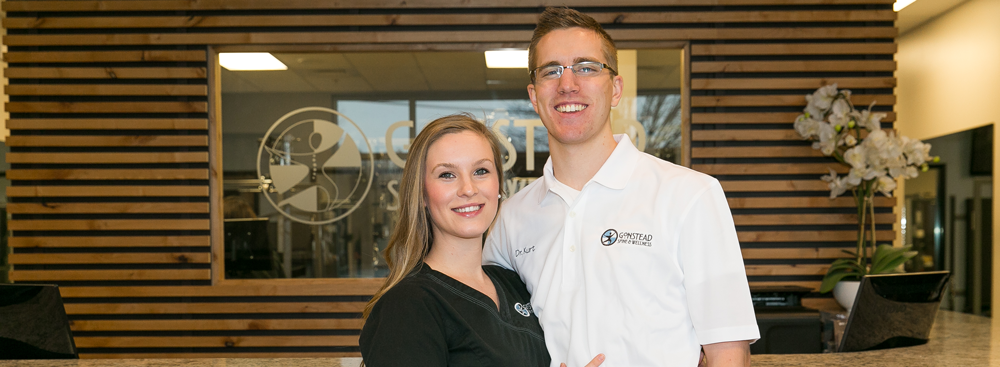
Remember Kurt and Justina Slonaker? As a married couple, they decided to attend UWS together, Kurt in the doctor of chiropractic program and Justina in the massage therapy program. Their intention after graduation was to build an integrated practice together as husband and wife, DC and LMT. We caught up with them after graduation to see what they were up to now.

Kurt Slonaker        Justina Slonaker

Kurt and I are currently living in Meridian Idaho. We are both treating patients at Gonstead Spine and Wellness. We work with a great team and have a busy clinic! Kurt sees patients full time and I work part time as an LMT. Kurt and I work closely together to determine the best outcomes for all of our patients. It has been really fun to work together! We have also been busy in our personal life. We now have a one year old son, named Bradley and we are expecting our second son in October!

slonaker-clinic

slonaker-baby

UWS Hires Dr. Bernadette Howlett as New Provost

She will also serve as vice president for academic affairs

PORTLAND, Ore., June 22, 2016 – University of Western States (UWS), a leader in the education of health sciences professionals, is proud to announce the hiring of Bernadette Howlett, PhD, in the role of provost and vice president for academic affairs.

“Dr. Howlett brings to UWS a strong background in student learning assessment, instructional design and educational technology. She has worked directly with the accreditation requirements of the Northwest Commission on Colleges and Universities, our regional accrediting agency,” said Dr. Joseph Brimhall, UWS president. “I am confident that her collaborative style and substantial expertise will guide the development and implementation of assessment and planning efforts within all of our academic programs.”

Dr. Howlett earned a PhD degree in adult learning and organizational development from University of Idaho and a Master of Science degree in instructional and human performance technology from Boise State University. She will be joining UWS from Pacific Northwest University of Health Sciences, where she served as the chief research officer for three years. During her time at Pacific Northwest University, Dr. Howlett oversaw and/or participated in a variety of academic functions including institutional and programmatic accreditation, assessment, interdisciplinary research, faculty scholarship and institutional effectiveness.

“I accepted the position at UWS because of the warmth and kindness of the people, as well as my passion for the types of health care programs offered at the university. I have a lifelong commitment to helping people maintain wellness. UWS’s programs perfectly align with my passion,” Dr. Howlett said. “Additionally, I am originally from Portland. It’s wonderful to return home, and particularly wonderful to be coming here to work at a place with such an amazing mission, staff, faculty and students.”

Dr. Howlett will join the UWS campus in late June 2016.


UWS to host national SACA Leadership Conference on Portland campus

The honor comes after the UWS SACA group was named chapter of the year

PORTLAND, Ore., May 4 – The University of Western States (UWS) chapter of the Student American Chiropractic Association (SACA) is slated to host the 2016 National SACA Leadership Conference on the Portland campus September 23-25. The conference is a chance for all current SACA national officers and chapter officers to come together and develop skills to be future leaders in the profession.

Conference activities include presentations by prominent speakers in the chiropractic world about their individual accomplishments and how they achieved success. Other speakers will discuss dealing with roadblocks in the profession and how they were overcome.

“This type of training is outside our education on how to be a doctor, diagnosing and treating,” Jacqueline Carlisle, UWS SACA chapter secretary and leadership conference chair said. “It teaches us how to embrace change and push for the evolution of the profession and ourselves.”

The current SACA leadership played a big role in bringing the event to the UWS campus. Carlisle along with Rebecka Dunn, leadership conference vice-chair, completed a proposal centered on the theme of “Innovate, Integrate, Motivate.”

“This conference theme proposal focused on integrating with other health care providers after graduation,” Dunn said. “We want students to become leaders in their communities and be able to work with other health care providers, not only to better the profession but to improve our health care system as a whole.”

The proposed topic of integrated health care was one factor that propelled the UWS proposal to be chosen. Another factor that led to the decision to host at UWS was their success as a chapter over the past year. The group took 40 students to the National Chiropractic Leadership Conference (NCLC) in 2016, a number that is more than double what they were able to fundraise for in 2015. The UWS SACA chapter also raised the most money for the political fundraising arm of the ACA. Topping it off, they placed third in the talent show at the 2016 NCLC conference.

“I could not be more proud of this group of determined students and their many accomplishments,” Dr. Joseph Brimhall, president at UWS said. “They understand the advocacy and hard work that must be undertaken in order for the chiropractic profession to flourish and they are taking action.”

This is the first time in many years the event will be held on a university campus after several stints at corporate-sponsored locations.

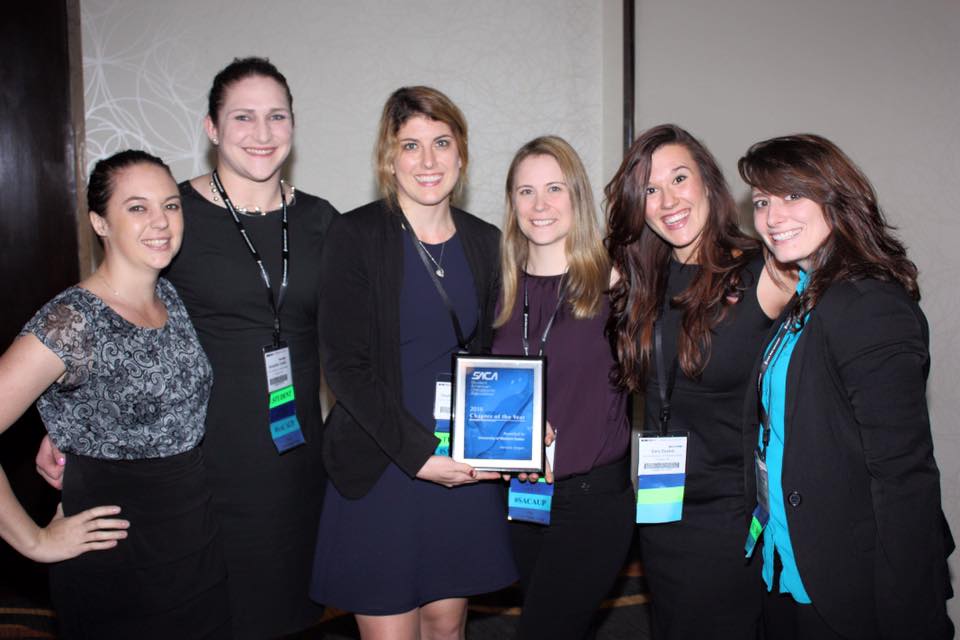
SACA chapter of the year 2016
Rebecka Dunn (10q, PR Chair), Jacqueline Carlisle (10thq, Secretary), Stephanie Halloran (9thq, President), Kathryn Knox Baker (5thq – Vice President), Sara Daskal (8th q, Legislative Representative), Cambrie Burns (10thq, PR Chair)

About University of Western States

University of Western States provides a science-driven curriculum that delivers a solid foundation and competitive edge in preparing students for clinical practice. UWS is a regionally accredited, independent non-profit institution dedicated to improving the health of society through its educational programs, research and clinical services. Founded in 1904, the university offers a doctor of chiropractic degree program; master’s degrees in exercise and sports science, human nutrition and functional medicine and diagnostic imaging; a massage therapy certificate program; a master of science and doctorate degree in sport and performance psychology; approved continuing education programs for licensed health care professionals; and we provide clinic services in five locations through Health Centers of UWS. UWS is a founding member of the Oregon Collaborative for Integrative Medicine, an organization that aims to advance integrative health care through education, research, patient care and advocacy. To learn more about University of Western States and its academic programs, go to uws.edu.

About SACA 
The Student American Chiropractic Association (SACA) is a professional organization representing chiropractic students. SACA serves to preserve, protect improve and promote the chiropractic profession and the services of future doctors of chiropractic for the benefit of the patients they will serve. The mission of SACA is to build a better future for the chiropractic profession to benefit patients and the community by advancing the professional development of chiropractic students through service, leadership and advocacy.


The National Chiropractic Leadership Conference 2016

Written by: Stephanie Halloran
University of Western States SACA Immediate Past President

SACA chapter of the year 2016
Left to right: Rebecka Dunn (10q, PR Chair), Jacqueline Carlisle (10thq, Secretary), Stephanie Halloran (9thq, President), Kathryn Knox Baker (5thq – Vice President), Sara Daskal (8th q, Legislative Representative), Cambrie Burns (10thq, PR Chair)

Two years ago, I decided to go to the National Chiropractic Leadership Conference (NCLC) as a 2nd quarter student. Part of the reason was the opportunity to leave school for three days, but mostly it was an attempt to appease my older sister. She was in her third year studying law at Florida State University and constantly telling me to be more active in the efforts to change health care laws and regulations instead of gripe about them. My thought process: go lobby one time and you’ll forever have a free ride to complain.

NCLC, for those who are not familiar, is a chiropractic conference that centers around three or four important issues identified by the American Chiropractic Association (ACA) that are addressed in individual meetings with legislators. The weeks leading up to NCLC are spent learning about the issue briefs, why they are important and how to talk about them with Congress. The first year I attended I was dating a veteran, so it made sense for me to gravitate toward the brief addressing veterans access to chiropractic care. As of right now, chiropractic physicians are only in 50 out of 1,200 Veterans Affairs (VA) facilities around the country. At the same time, the opioid epidemic is skyrocketing in this demographic because a majority of the musculoskeletal complaints are being managed through pharmaceutical treatment and surgery. By the end of lobbying day, presenting that brief became less about proving a point to my sister and more about fighting for the rights of our servicemen and women.

Following my inaugural attendance at NCLC, I was determined to get more students involved. In 2015, we were able to bring 19 students and in 2016 we took 38 students and one alumnus. Our campus support and participation throughout the year has been unparalleled, as was demonstrated when we took home SACA Chapter of the Year at the welcome meeting. Not only that, we were also the chapter to raise the most money for the ACA-PAC, the Political Action Committee of the American Chiropractic Association, and placed third at the SACA’s Got Talent show.

Ignoring all the awards and accolades, why is NCLC so important? Being able to talk about your profession to a layperson is one of the most valuable tools in promoting it. Chiropractic medicine is very misunderstood in the public and can be difficult for even established doctors to communicate about what it is we do exactly. We train our attendees how to describe chiropractic and its benefits in a short and concise way that is not defensive or derogatory toward other health professions. NCLC also offers an avenue for students to connect with other students and doctors at a national level. It is very easy to get trapped in the UWS bubble for three years and this conference prevents that bubble from forming. The people who show up for NCLC are some of the most driven and inspirational people in our profession. They are the ones working tirelessly to make the chiropractic future so bright, and helping to drive it into the future.

Chiropractic medicine is a service profession. We are being trained to treat the public and enhance the quality of life for our patients. This year we fought for veteran’s access to care, our inclusion in TRICARE, consideration for the U.S. Public Health Service Commissioned Corps and National Public Health Service Corps, as well as started a petition to change the coverage we have under Medicare. A majority of these issues are occurring due to lack of knowledge by the public as well as lawmakers and chiropractic physicians themselves.

I encourage current students to attend NCLC at least once while you are still in school. I promise you, the educational experience you have following your trip will forever be changed and you will have a renewed inspiration for what you have set out to do. If you are alumnae, I challenge you to reconnect with the ACA community as well as your local SACA chapter and offer your services. Your passion breeds our passion and our passion will breed the passion of future chiropractic generations. Our growth will inherently allow us to serve more of the population and help change the discriminatory laws we currently face.

Next year, I will be returning to Washington D.C. as an alumnus of UWS and nothing would give me more joy than to see 80 UWS students surrounded by fellow alums. Don’t be defined by what you did not know or did not do. Be proactive and be the change you wish to see in the world. And always – #SACAup!


Thanks in large part to Dr. Vern Saboe (class of 1979) and the Oregon Chiropractic Association, SACA received $3,500 in donations to help get them to the conference.

View more photos from the conference.

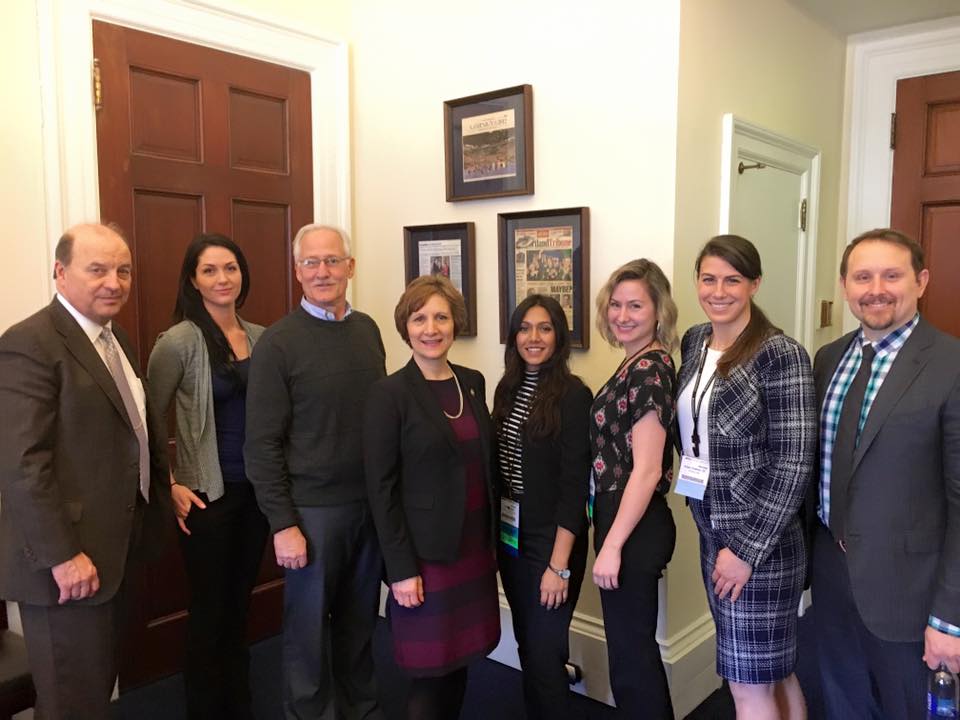
National Chiropractic Leadership Conference 2016
Left to right: Dr. Vern Saboe (ACA Delegate for Oregon), Lesley Redinger (10th quarter), Dr. Pat Browne, Congresswoman Bonamici, Urvi Khare (1st quarter), Allison Guyn (2nd quarter)

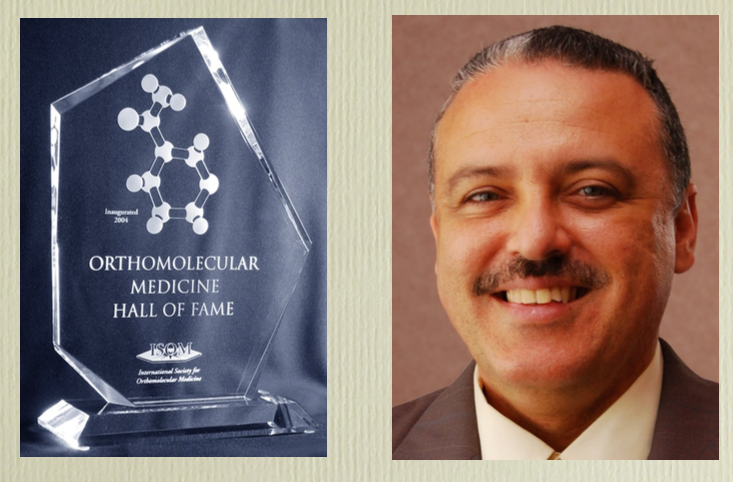
Human Nutrition and Functional Medicine Professor to be inducted into the Orthomolecular Hall of Fame

Human Nutrition and Functional Medicine instructor Michael J. Gonzalez, PhD, ScD, CNS, was recently announced as an inductee into the Orthomolecular Hall of Fame, which was established in 2004 by the International Society for Orthomolecular Medicine (ISOM). Based in Toronto, ISOM has national chapters in more than 18 countries. The term “orthomolecular medicine” was first conceptualized by Nobel Laureate Linus Pauling. He defined it as a branch of medicine that aims to provide an optimum, functioning environment for people based on individual biochemistry. Any deficiencies found in testing would be corrected using substances natural to the body such as vitamins and minerals, as food or supplements.

The total number of inductees in the Hall of Fame is 64, representing scientists from all over the globe. Dr. Gonzalez and his partner Dr. Jorge R. Miranda-Massari, are being honored for their significant contribution to orthomolecular medicine and most notably for their research on intravenous (IV) vitamin C and cancer. Dr. Gonzalez and Dr. Miranda-Massari are the first inductees from Puerto Rico.

Dr. Gonzalez, who teaches Oxidative/Reductive Dynamics and Energy Production in the all-online Master of Science in Human Nutrition and Functional Medicine program at UWS, will be formally inducted on April 30, 2016 at the 45th Annual International Conference, Orthomolecular Medicine Today 2016 in the Fairmont Hotel in Vancouver, Canada.

Michael J. Gonzalez Orthomolecular Hall of Fame

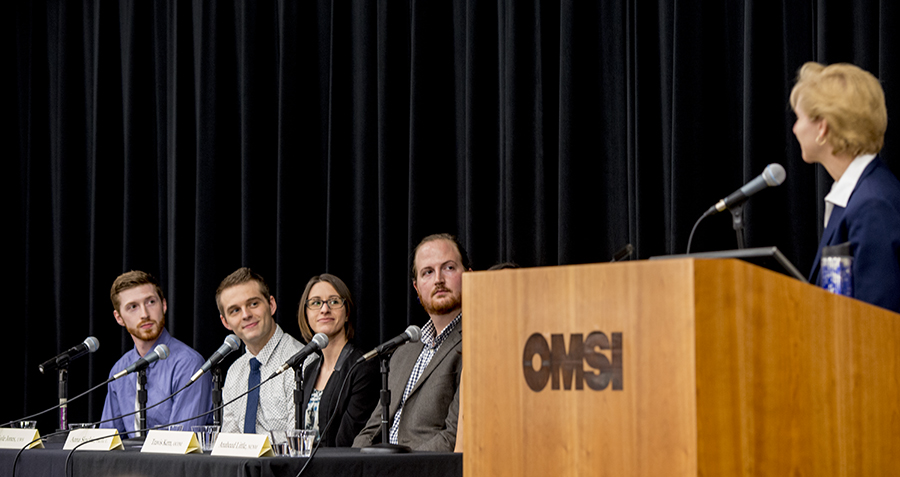
Annual Integrative Medicine Day at OMSI

The Oregon Student Alliance for Integrative Medicine (OSAIM) recently held its annual Integrative Medicine Day at OMSI on January 30. OSAIM, which is a collaborative group made up entirely of students from the major medical schools in Oregon, hosts this annual event with the hopes of encouraging students, doctors and community members to learn more about integrative medicine. The group also hosts a video scholarship competition, in conjunction with Bob’s Red Mill. One winner is chosen from each participating school. The video must cover the topic of food as medicine. This year’s UWS winner, Kyle Jones, did his video on the health benefits of chia seeds. All participating winners were on hand for the Integrative Medicine Day and gave responses to questions regarding food in today’s society. Along with the student scholarship winner panel there were also two breakout sessions on topics including sleep, death and dying, and cannabis. There was also a social after with the Noah Bernstein Trio.

The OSAIM executive board has representation from three UWS DC students this year including Freya Moran, Alexx Oljenik and Rob Sanders.

Annual Integrative Medicine Day 2016 at OMSI

Annual Integrative Medicine Day 2016 at OMSI

Annual Integrative Medicine Day 2016 at OMSI

Annual Integrative Medicine Day 2016 at OMSI


Leaps into IM: Part Three

By Freya Moran

Of the 29 students who attended the Leaps into IM training, five of us were considered alternative care practitioners: a herbologist, a naturopath, a doctor of traditional Chinese medicine, an acupuncturist and myself. Near the end of our stay the faculty asked the five of us to sit as a panel and discuss alternative care, and what took place was irreplaceable.

At the beginning of the week, I found the conversation (regarding medical practice) between professions to be cautious at best. During the osteopathic demonstration, I was asked to demonstrate my own skills from the chiropractic perspective regarding the general physical and postural exam. After sitting through a week of presentations on documented research and evidence regarding the efficacy of various practices (including yoga, acupuncture, tai chi, etc.), people had a more open mind and even more questions regarding chiropractic care. So when we sat down for our panel discussion, it was no surprise the room was abuzz with questions.

During the panel discussion we tried to keep things informal by opening the floor to questions from the medical doctor (MD) and doctor of osteopathy (DO) students and faculty. The questions were cordial and included how exactly to refer, how to read chart notes and what conditions would merit a referral. Then one of the DO students carefully asked the difference between chiropractic and osteopathic practice, and when it would be appropriate for a DO to refer to a DC? Oh, and what the heck is a subluxation?

If, as a student, you’ve never asked yourself these questions then now is a good time to sit down and talk about it. And then talk about it some more. Then meet up with a mentor or shadow a chiropractic physician and talk about it with them too. I cannot say enough about the importance of constantly refining your thoughts on your position in medicine.

And then just to keep your mind busy (with all your vast amounts of free time), keep up with the research, the case studies and the trials. Use those research conclusions and your clinical experiences to continue to shape, change and refine your idea and philosophy of patient care and your place in human health. Don’t allow yourself to stay stagnant – push yourself to have the awkward conversations, change your approach, and surround yourself with people who don’t share the same opinions. How can we continue to grow as individuals and as a profession if we do not meet the needs and answer the questions we aren’t comfortable with answering?

These hard questions led to a robust and informative discussion about respect. After the student alternative care panel, we went to lunch and I suddenly found myself surrounded by curious young doctors, genuinely asking me what a chiropractic treatment approach would be for diabetes, cardio metabolic disease and osteoporosis. How would I co-manage obesity? Could I look at a shoulder sometime that evening? It was amazing how open and interested this group of MDs and DOs were regarding conservative management of the most common lifestyle diseases in America.

As a 7th quarter student, I definitely did not have all the answers. I haven’t read all the research. I’ve never written an essay on the history and philosophy of subluxation. I know that I can’t possibly accurately represent the views of so many in our immense profession, but what I do know is that I’m going to spend the rest of my career learning and continuing to have these amazingly brave conversations with my fellow health care providers and patients.

I have learned that there is no lecture, lab or seminar you can take to develop your individual philosophy – it obviously takes years of clinical experience and constant questioning – but being involved in LEAPS has offered me some insight into my future of answering questions about my profession and has inspired me to keep searching for answers.

This is the third and final installment of Freya Moran’s blog series regarding her experience as the first chiropractic student at the Leaps into IM annual leadership program in Oceanside, Calif.


Northwest Center for Lifestyle and Functional Medicine faculty in the news!

Kim Rogers, intern with the NWCLFM and adjunct faculty in the sport and performance psychology department, was recently awarded the 2016 Society of Health and Physical Educators (SHAPE) America Ruth Abernathy Presidential Scholarship. Started in 1995, the Ruth Abernathy Presidential Scholarship honors outstanding graduate and undergraduate student members based on academic record and extracurricular accomplishments. Rogers, was one of two graduate students and three undergraduate students to receive this national award. Her winnings include $1,750 and a free three-year SHAPE membership.

“I am deeply honored to receive the 2016 Ruth Abernathy Presidential Scholarship,” said Rogers. “This award would not have been possible without the support and expertise of the many professors and researchers I’ve had the wonderful opportunity to work with throughout my graduate studies. The monetary award will help further support my research in the areas of health promotion and sport and exercise psychology.”

Dr. Conrad Woolsey, director of the sport and performance psychology program  and faculty member of the NWCLFM, was on a U.S. Navy research team along with lead investigator, Commander Dr. Thomas Sather, and recently published a study showing that the younger  a person consumes energy drinks, the greater the odds they would consume greater quantities later in life. The study, conducted on U.S. Navy personnel, found that people in this test group who began using energy drinks between the ages of 13-16 were nearly five times more likely to consume high quantities of energy drinks during a single occasion when compared to those who started consuming energy drinks between 20-23 years of age. Also, persons who began to consume energy drinks between the ages of 13 and 16 years were 2.5 times more likely to consume high quantities of energy drinks during a single occasion when compared to those who started between 17-19 years of age. This is the first published study from this data, but one of many other publications on this topic for Dr. Woolsey. The research team conducting this new study included: Dr. Sather, Dr. Woolsey, Dr. Ronald Williams Jr., Dr. Marion W. Evans Jr. and Dr. Fred Cromartie. Learn more!


Beat the Winter Blues

winter blues

As the days get shorter, darker and wetter our health and well-being can take a nosedive. Add in all that extra stress from the holidays plus the pressure of a brand new year and you’ve got yourself a recipe for a not-so-cheery disposition. However, don’t be discouraged, the winter blues are very common. In fact, this time of year can be especially hard because so many of our weak points are targeted all at once.

Arm yourself with tools to fight the attack by tuning in to yourself to figure out what’s causing the most distress. Is it the never-ending flow of cookies and eggnog that’s giving you body blues? What about your overwhelming schedule and holiday to-do list, not to mention the unrealistic new year’s resolutions you’ve set for yourself? Maybe it’s just the weather that’s got you down. You’re not getting outside enough and the lack of sunshine and fresh air leaves you lethargic and unmotivated.

This year, instead of reaching for your Tupperware full of leftover cookies, curling up on the couch and succumbing to the winter blues, assess your triggers and intervene before they become overwhelming roadblocks. Read these tips from our team of integrated health care specialists and learn how you can defeat winter doldrums.

What type of winter blues are you experiencing?

MIND | BODY | ENVIRONMENT


MIND

Dr. Amanda Armington, Attending Physician, Health Centers of UWS, Campus

Mindfulness can be very powerful and especially helpful in the winter months. Focus on presence: just be. Your lists, goals and resolutions can wait. Try this simple yet very challenging exercise of just breathing for two minutes. You’ll be surprised at how refreshing and rewarding it is. Taking a break from life’s business can actually increase your productivity. Try this tool www.donothingfor2minutes.com and turn up your speakers.

Dr. Ty Weingard, Attending Physician, Health Centers of UWS, Salem

Vitamin D3 is a hormone that’s great for the immune system and emotional well-being during the winter SAD season. Seasonal Affective Disorder or SAD is a real concern for many patients and friends throughout the winter. Take 5000 IU of vitamin D3 to increase your mood and support your immune system.


BODY

Dr. Aaron Montgomery, Assistant Clinical Director, Health Centers of UWS, Gresham

A great way to help beat the winter blues is by staying active over the next few months. Exercise is a proven way to help with Seasonal Affective Disorder or just keep energy levels and sense of well-being up. Your exercise does not have to be intense to be effective, it simply needs to be consistent. Whether it’s lifting weights, running or even walking, try to do at least 30 minutes per day. This will likely pay big dividends on feeling well and staying healthy over the next few months. Consistency is key to beat those winter blues!

Dr. Susan Strom, Clinical Assistant, Health Centers of UWS, Campus

There are two supplement blends I stock up on for my patients during the winter months to support the immune system and cut down on the frequency and duration of cold and flu symptoms. Congaplex is a formula from Standard Process that contains a variety of nutrients which, taken at the first sign of an infection, can help the body to fight off the invaders. Herbal complexes that contain echinacea, andrographis and holy basil are also very helpful in improving the way the immune system works.

Dr. Ryan Ondick, Attending Physician, Health Centers of UWS, Campus

Moderate aerobic exercise improves immune function, provides a mild antidepressive response and enhances sleep. Exercise is important to think about in defense against the winter blues because it is often the first thing to suffer when the weather gets bad.

Dr. Devin Williams, Attending Physician, Health Centers of UWS, Gresham

In the summer we all know that we must drink water to avoid dehydration. But dehydration affects just as many people in the winter because the cold decreases thirst response. We may not lose water through running or playing in the heat of the summer, but we lose much of our water through our breath. When you see your breath in the cold air that’s actually water being expelled from your body. Don’t assume that just because you aren’t sweating or in the sun that your body doesn’t need adequate water intake. There have also been numerous studies that show the link between dehydration and depression. So, continue to drink adequate water throughout the cold months to keep healthy!

Dr. James Strange, Attending Physician, Health Centers of UWS, Campus

Eating healthier in the winter and during the holidays does not mean dieting! Focus on adding whole nutritious foods such as fruits, vegetables, whole grains, proteins and good fats to every meal, instead of restricting the “bad” ones. Choose healthy foods you love to eat and don’t let your schedule dictate your meals- always be prepared, especially during this time of year when tempting sweets are everywhere. As the saying goes: eat better and move better.

Dr. Daniel DeLapp, Attending Physician, Health Centers of UWS, East Portland

Avoiding the winter blues can be a challenge, especially when we are constantly being tempted by all the sugary treats at holiday parties. Unfortunately, eating too many simple sugars, particularly fructose damages our immune system. When our immune system is compromised it can lead to feeling off-balanced and can contribute to feeling the blues. One of the ways it does this is by unbalancing your gut flora. Sugar feeds the pathogenic bacteria, virus and fungi. Most people don’t realize that 80 percent of your immune system actually lies in your gastrointestinal tract. That’s why controlling your sugar intake is CRUCIAL for optimizing your immune system and avoiding the winter blues.

Dr. Owen Lynch, Director of Health Centers of UWS, Downtown

Here’s a riddle: Why is an icy sidewalk like a musical scale?
Because it’s C sharp or B flat.

Would you like to maintain your independence and avoid falls, especially during the winter when conditions are most treacherous? Complete the self assessment at the Center for Disease Control’s website by clicking here.

Dr. Franchesca Vermillion, Attending Physician, Health Centers of UWS, East Portland

In order to fight off the winter blues, it’s very important to keep moving. In the winter time, when I find it hard to make it to the gym but still want to work out, I challenge myself to the Deck of Cards work out. I take a normal deck of cards and shuffle them. The cards are placed face down and each suit is assigned a work out. For example, spades are squats, clubs are mountain climbers, diamonds are push-ups and hearts are sit-ups. These are just examples you can assign any four work outs that you want to the cards. Then as you flip the card and do the face value of the card. Royal cards are worth 10 and the aces are worth 15. It makes for a great work out from home!


ENVIRONMENT

Dr. Shawn Hatch, Attending Physician, Assistant Professor, Health Centers of UWS, Campus

Due to the weather here in the northwest, we spend a lot of time indoors during the winter. Not being exposed to the sun puts us at risk for not getting enough vitamin D. Other than exposure to sunlight, the best way to get vitamin D is through whole foods like fish, eggs, mushrooms and beef liver but we can also get it through supplements and fortified foods. And don’t forget to keep moving. Finding creative ways to be active while indoors can be a fun challenge.

Dr. Frederick Kalmbach, Clinical Assistant, Health Centers of UWS, Campus

Walking every day can be difficult due to the weather, but investing in good rain gear or making a point to get out even for short walks during breaks in the rain can help. Even a 10 minute walk when the sun eventually comes out is beneficial.

Ami Brimhall, Mindfulness Facilitator

With more cold and wet weather here it’s easy to get discouraged, move less and stay crunched up as we go through the day. Here’s a great holiday gift you can give yourself. Try to walk around, stretch and get outside for even 5-10 minutes during your day. Think, “I’m embracing the cold!” as you do. You may be surprised as how much more at ease you become and find new and wonderful things to notice about the colder, wet outdoors.

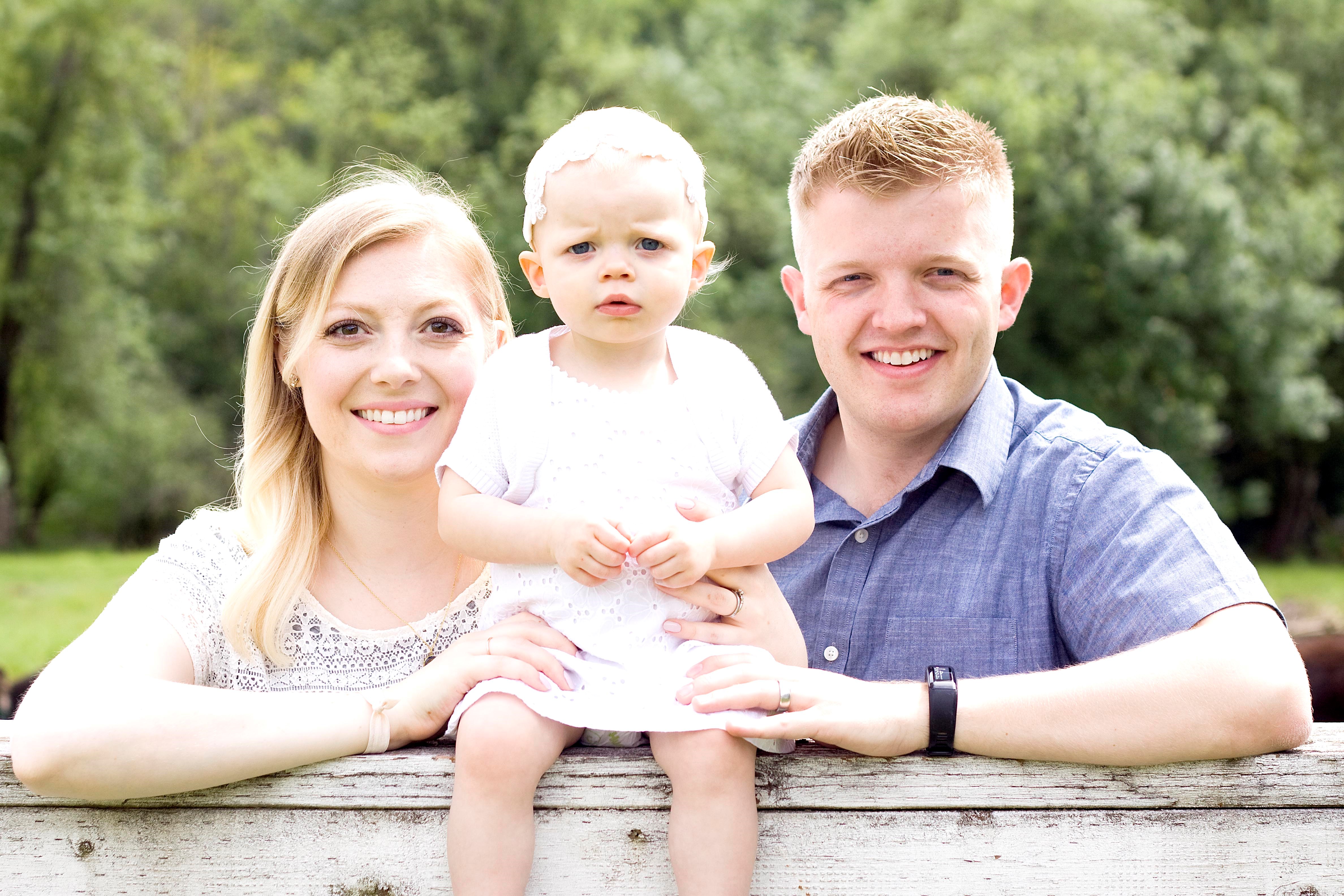
Northwest Center for Lifestyle and Functional Medicine News: Community members weigh in on health concerns

When the executive director for the Northwest Center for Lifestyle and Functional Medicine (NWCLFM), Cheryl Hawk, DC, PhD, CHES, began her role, her aim was clear – listen to the community and find out what they wanted from the center.

“We didn’t want to just start a bunch of initiatives that we thought would be helpful,” Dr. Hawk said. “We wanted to really go into the community and find what the people in East Portland really wanted and needed.”

Dr. Hawk, with a background in research, decided to get out and talk to the people in the community including interviews with Portland community leaders and focus groups with community residents. She also created a short survey for community members at events to fill out. The questions are simple: What makes it easy for you to be healthy? What makes it hard for you to be healthy?

While this data collection will take place over the next year, some initial data has been collected and tabulated. Dr. Hawk found a number of early trends.

The top five reasons people cite for staying healthy:

  • nature, parks, bike paths available
  • healthy food options available at home
  • ability to get regular exercise/enjoy exercise
  • opportunities to exercise with dog/kids
  • ability to plan activities/have goals for being healthy

The top five reasons people cite as being barriers to a healthy lifestyle:

  • lack of time, too busy
  • too much food and drink available, especially fast food
  • lack of motivation, lack of planning
  • cost, including cost of health care
  • no advanced planning
  • health problems that prevent exercise (tie)

“We will continue to collect these findings over the next year,” Dr. Hawk said. “Then after reviewing the results, our plan of action is to start implementing initiatives that speak to these barriers to health.”


About the Northwest Center for Lifestyle and Functional Medicine

The Northwest Center for Lifestyle and Functional Medicine was launched in 2015 as a center of excellence highlighting ways to reduce lifestyle-related health conditions such as diabetes, obesity and hypertension. The center’s vision is to promote healthy behaviors and positive lifestyle changes in order to achieve optimal quality of life for the members of our community through service, education and research. The center believes in integrated, conservative, patient-centered approaches to address lifestyle-related health conditions. To learn more about the center visit uws.edu/nwclfm.


Dr. James Kurtz named 2015 UWS Alumnus of the Year and Dr. Philip Snell honored for Integrative Health Care work

PORTLAND, Ore., November 2, 2015 – University of Western States (UWS) recently held its 2015 Homecoming and NW Symposium. The event culminated in a celebratory homecoming dinner on October 17, where two alumni were honored for their distinction and service.

James Kurtz, DC, DACRB, DACBSP, was selected as the 2015 “UWS Alumnus of the Year.” Dr. Kurtz works as the team chiropractic physician for the Seattle Seahawks football team. He has also worked as the co-team chiropractic physician for the Seattle Sounders, the PGA TOUR and for the 2007 and 2008 Paralympic teams.  Dr. Kurtz owns NW Sports Rehab with locations in Seattle and Federal Way. This award was designed to highlight the exceptional work of UWS graduates. Nominees were submitted by their peers and chosen by a selection committee.

“I am truly honored to even be considered for this award. Thank you to UWS for helping to give me a vision of what I could do and for giving me the foundation to build an incredible career upon,” Dr. Kurtz said. “Never in my wildest dreams did I ever think my career could be this rewarding. I have been on the sidelines for two Super Bowls and I have been able to share that with my incredible wife Dr. Ming Ming Su-Brown whom I met while in school at UWS. It’s been a very rewarding career and there is still more to accomplish.”

Phillip Snell, DC, was given the 2015 Award for Excellence in Integrative Health Care from the Northwest Center for Lifestyle and Functional Medicine at UWS. The purpose of the award is to honor an integrated health care professional who promotes healthy behaviors and positive lifestyle changes as a path to optimal health.

“This distinction from the university is an honor. I have spent a large part of my career working to increase awareness regarding the importance of making every day healthy lifestyle decisions,” Dr. Snell said. “To be honored by my alma mater for this work is truly gratifying.”

Dr. Snell works at the Hawthorne Wellness Center, an interdisciplinary wellness center. He also created the websites fixyourownback.com and myrehabexercise.com as tools for patients to become active participants in their own care.

“Both of these individuals are great examples of UWS alumni that are elevating the field of chiropractic health care,” Dr. Joseph Brimhall, UWS president said. “They are also excellent ambassadors making a difference in their communities. We are proud of their work and honored to recognize them for their service to humanity.”


UWS to provide advanced training for integrative health and medicine fellowship

Venture is part of a partnership between OCIM and AIHM

PORTLAND, Ore., Oct. 17 – University of Western States (UWS), through its membership with the Oregon Collaborative for Integrative Medicine (OCIM), will be designated as a clinical training site for interprofessional health care practitioners to receive advanced training in integrative health and medicine.

The Academy of Integrative Health & Medicine (AIHM), an organization dedicated to the advancement of collaboration among health care professionals, has partnered with OCIM to host a post-graduate Fellowship in integrative health and medicine. OCIM was selected because of its vast integrated, interdisciplinary members including UWS, Pacific University, National College of Natural Medicine, Oregon College of Oriental Medicine and Oregon Health & Science University. As part of the Fellowship program, students will participate in clinical training at OCIM member institutions over a two-year period.

The AIHM Fellowship in Integrative Health & Medicine will be headed by Tieraona Low Dog, MD, an internationally-renowned educator, physician and thought-leader in integrative medicine. Dr. Low Dog expressed her excitement over the emerging partnership with OCIM.

“The AIHM Fellowship is the culmination of more than 35 years of my life’s work. Our academic partner, OCIM and its members will infuse the fellowship with distinction while providing the infrastructure for its clinical component. The Fellowship curriculum is expertly crafted by a diverse group by professionals. Applications for our first class, which launches February 2016, are rolling in now.”

Fellows selected for this training will receive 1,000 hours of online education through media-rich training, discussion groups, streamed videos and interactive web-based curriculum. Additionally, the program incorporates clinical rotations, three in-person retreats and elective specialty modules.

“Our collaborative is thrilled to partner with the AIHM in training interprofessional health care providers to better understand and appreciate each other’s disciplines,” Dr. Joseph Brimhall, chair of the OCIM Board of Directors and UWS president said. “Patients ultimately benefit when practitioners collaborate to provide inclusive integrated health care.”

This AIHM Fellowship program is accepting applicants now. Prospective students can learn more by visiting: aihm.org/fellowship/


About University of Western States

University of Western States provides a science-driven curriculum that delivers a solid foundation and competitive edge in preparing students for clinical practice. UWS is a regionally accredited, independent non-profit institution dedicated to improving the health of society through its educational programs, research and clinical services. Founded in 1904, the university offers a doctor of chiropractic degree program; master’s degrees in exercise and sports science with three new concentrations, human nutrition and functional medicine; a master of science and doctorate degree in sport and performance psychology; approved continuing education programs for licensed health care professionals; and we provide clinic services in five locations through Health Centers of UWS. UWS is a founding member of the Oregon Collaborative for Integrative Medicine, an organization that aims to advance integrative health care through education, research, patient care and advocacy. To learn more about University of Western States and its academic programs, go to uws.edu.

About OCIM 
The Oregon Collaborative for Integrative Medicine (OCIM) is a nonprofit organization with membership comprised of National College of Natural Medicine, Oregon College of Oriental Medicine, Oregon Health & Science University, Pacific University and University of Western States. OCIM works to transform health care and improve the health of the public by creating integrative educational opportunities for students, residents, fellows, practitioners and patients by collaborating on integrative health research and patient care and by providing a collective voice for affecting change. OCIM believes that optimal health is not attainable within any single health discipline or profession, but rather is best achieved through an evidence-informed, integrative approach. Go to https://www.o-cim.org.

About AIHM 
The Academy of Integrative Health & Medicine (AIHM) is an international, interprofessional, member-centric organization that educates and trains clinicians in integrative health and medicine to assure exemplary health care. The AIHM’s training incorporates evidence-informed research, emphasizes person-centered care and embraces global healing traditions. By combining science and compassion, the AIHM is transforming health care. Go to www.aihm.org.

Umpqua Community College

Our thoughts go out to everyone affected by tragic shooting that took place at Umpqua Community College this morning. UWS takes the security of our campus very seriously and has emergency management procedures in place to help keep the campus safe. Whenever a tragedy like this occurs, it forces an institution to revisit their emergency preparedness plan to ensure that they are prepared for any type of emergency. UWS continuously reviews its emergency plan to have the most effective protocols in place. We also have an emergency alert system in place for all students, faculty, and staff. If you are not already registered, please be sure that you do so now: Employees and students may sign up for automatic alerts through the university website. Campus constituents must re-register annually.

Integrated Approaches to Tame a Tension Headache

headache

Stress can sometimes get the best of us. With the new school year in full swing, our busy work schedules and lots of family activities piling up, we often manifest our stress in the form of a tension headache. These headaches can be constant and nagging or intense and debilitating. Any way it appears, it puts a damper on daily activities. Our panel of natural health care advocates have come together to offer strategies to tame your tension headache. Their approaches may vary but each can agree on one main point – you must take some time for yourself to focus on self-care. When you’re pain free and full of energy, you can get more done and even have time left over to have fun.

Natural headache relief strategies:

MINDFULNESS | MASSAGE | CHIROPRACTIC | NATUROPATHIC | FUNCTIONAL MEDICINE


MINDFULNESS

By: Ami Brimhall, Mindfulness Facilitator

ami_brimhallWhen you’re feeling stressed, it’s common to carry it in your body in many ways; tense shoulders, tense jaw, shallow breathing, a stomach that feels like it is in knots and tension headaches. Funny enough, when we’re really stressed we may be experiencing physical pain and not even connect it to our thoughts, emotions and mental state. Here are two practices that I think work best to alleviate headaches and other physical symptoms of stress. Both practices can be done as either one long practice session (20 minutes or more) or several shorter sessions (3-10 minutes) throughout the day. I personally like the longer session where I can lie down, have my whole body supported and be thoroughly relaxed.
A diaphragmatic or belly breathing practice has many proven benefits in the reduction of stress, tension and anxiety. It can help calm the body’s “fight or flight” response and allows you to better focus your mind and relax the body. The new mobile app Breathe2Relax is a great portable tool to help practice a guided breathing exercise, and assess your stress level before and after your breathing session.

A body scan meditation can help you identify what you are feeling, where you are feeling it, and to release the stress in both your body and mind. It’s also a good way to release feelings of “needing to get stuff done.” You will still get things done, you just are more able to focus and drop the stressful feelings around it. It’s good to start with a guided meditation to get a sense of how to move your attention up or down the body. There are many free, guided body scan meditations available online. Find one with a good length for your available time and a voice you find engaging. At least once, do a scan that is longer than you normally would consider. You’d be amazed at the power of this type of practice when done for 40 minutes or longer.


MASSAGE

By: Christina Crawford, LMT, Health Centers of UWS, Salem Massage Therapist

christina crawfordI frequently hear clients say, “I had no idea I was that tense.” The stress that accompanies modern lifestyles often manifests as tension in the body’s muscles and is a known trigger for tension headaches. People often feel guilty about relaxing or taking time for themselves. They feel pressure from family, friends, work, etc. to spend every bit of their life providing for other people and making sure other people’s needs are met. It’s not until they begin to suffer muscles aches, fatigue, and headaches that they begin to consider they need to take time for themselves. As a massage therapist I give them that opportunity. The time they spend on my table is all about their needs and what they want. If an hour foot massage on a heated table is going to reduce overall stress and make their head feel better, so-be-it. Don’t be afraid to ask for what you want. Don’t suffer through too much or not enough pressure because you’re used to making everyone else happy. Ask for what you want and expect the outcome that you desire.

CHIROPRACTIC

By: Aaron Montgomery, DC, Health Centers of UWS Clinician, Gresham

aaron-montgomeryAs the school year is starting and people are struggling to get back into the swing of things, stress and tension headaches are a common occurrence. I would recommend anyone who is dealing with chronic stress headaches get a proper examination and evaluation of the upper back and neck region. I do believe strongly that once this is done, there are many manual treatments including soft tissue work and chiropractic manipulation that would work wonders for stress headaches.
A crucial part of any stress headache treatment, from my perspective as a movement-based chiropractor, is to get the cervicothoracic region out of any problematic position it might be in, created by our modern day posture of sitting for long intervals.

Start by addressing your breathing. Sitting for long hours tends to promote a chest breathing type pattern that will only cause those upper thoracic and cervical muscles to get even tighter as the head remains in an extended position. Practicing diaphragmatic or belly breathing is a great first step to allowing those muscles to do less work in a tiring position. A good way to practice is to simply place one hand on the belly button and another on the upper chest, inhale through the nose and exhale through the mouth and feel for which hand is moving more. Ideally, we want the belly hand to move forward and back in the sitting position and the chest hand to do nothing at all.

To seal the deal for getting the neck to relax I like to have people assume a 90/90 position by lying flat on your back with your hips bent at 90 degrees and knees bent at 90 degrees with your legs supported on a chair/couch. If you tend to have excessive anterior head carriage (head considerably forward of a neutral position where your ears are in a plumb line with your shoulders), consider placing tw0-three inches of folded towels under your head. In this position, practice the diaphragmatic breathing drill above. Your belly hand should move up with nasal inhale and down with mouth exhale. This is a great position and drill to close eyes and work on mindfulness of just your breathing which should really allow for things in your back and neck to relax a great deal. Do this for 5-10 minutes, one to two times/day.


NATUROPATHIC

By: Daniel DeLapp, DC, Lac, ND, Health Centers of UWS Clinician, East Portland

ddelappMassage and manipulation can do wonders to relieve an occasional tension headache, but finding ways to manage stress are crucial for optimal health and the relief of recurrent tension headaches. Stress plays a major role in the health of our immune system, brain chemistry, blood pressure, blood sugar levels and hormone levels. There are many techniques for managing stress such as exercise, hobbies, positive thinking, socializing and connecting with nature. However, without a strong foundation gained from getting adequate sleep and healthy eating, managing stress and recurrent tension headaches can be a losing battle. If you need an alarm clock to wake up in the morning chances are likely you are sleep deprived. Try going to bed in increments of 15-30 minutes earlier each week until you can wake up on your own.
The most important step in long-term management of stress is eating real food at the right time. Planning ahead is important for having good food available when you get hungry. Minimally processed foods like eggs, fish, meat, nuts, seeds, tubers, vegetable and fruit are best. Try to schedule time to eat without being rushed. Several times a day take several slow deep breaths, letting your body relax with exhalation. Even a 20-minute walk can help with relaxation, stress management and prevention of tension headaches.


FUNCTIONAL MEDICINE

By: Rachel Fischer, MD, MPH, Health Centers of UWS Functional Medicine Physician and Integrative Therapeutics Distinguished Professor

rachel fischerThe functional medicine approach to any diagnosis demands not only that we determine what disease the patient is suffering from, but also discovering the underlying physiological dysfunctions causing the disease. Treatment is aimed at correcting the dysfunction, not simply treating symptoms.
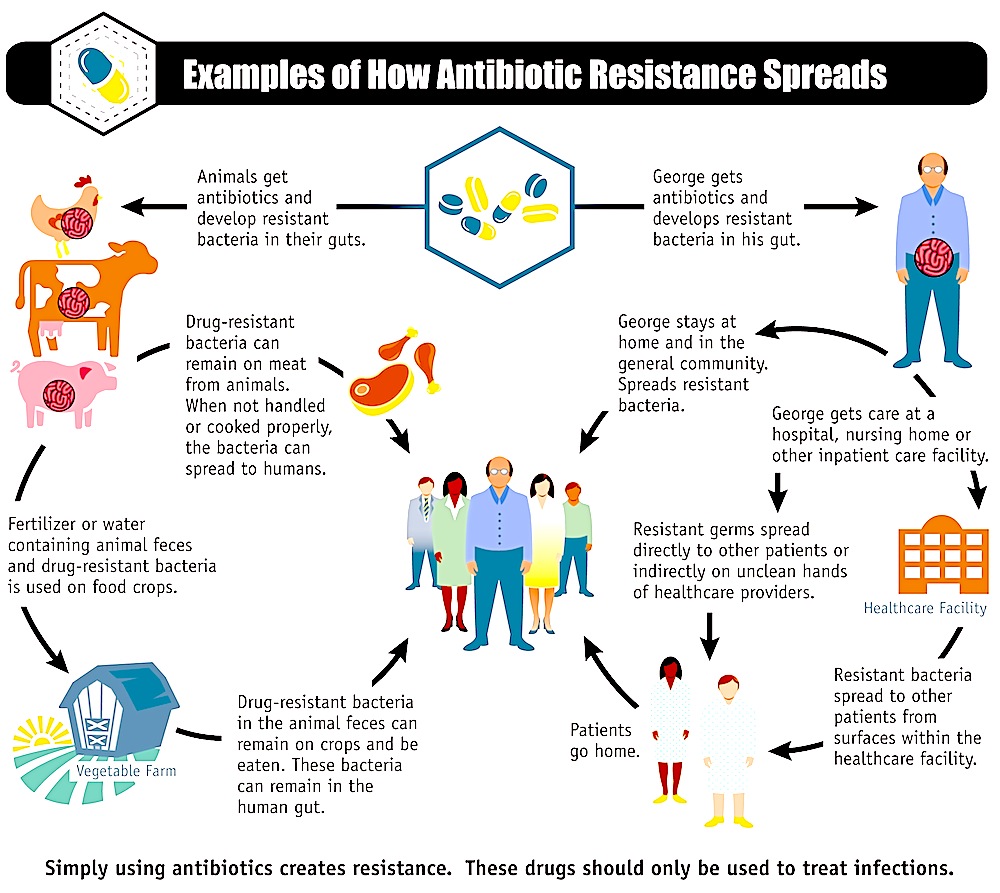

When a patient presents with a “tension headache,” the first step is rule out other causes of headache – such as migraine, cluster or secondary headaches. Each of these diagnoses is likely to have a different underlying cause.

To identify the type of headache, I would obtain a thorough history – including detailed information about diet, exercise, sleep and stress – followed by a physical exam. According to the Mayo Clinic, experts used to think tension headaches stemmed from “muscle contractions in the face, neck and scalp, perhaps as a result of heightened emotions, tension or stress.” But research suggests this may not be the cause – at least not the only cause. For this reason, functional medicine practitioners think about other possible triggers.

After the history and physical, possibly followed by laboratory testing, I would explore for evidence of significant stress (physical and psychological), hormonal imbalances, poor sleep (secondary to sleep apnea or other disorders), food intolerances, vascular disease, thyroid dysfunction, dehydration or adrenal imbalance. Of course treatment will be determined by the cause but could range from dietary adjustments, acupuncture, exercise/movement, supplements or even prescription drugs when necessary. Ultimately, healing from tension headaches is up to the patient, but as a functional medicine doctor, my role is to advise and coach individuals about how to allow healing to occur.


Falls Prevention Awareness Day is September 23

The National Council on Aging (NCOA) hosts Falls Prevention Awareness Day on September 23, 2015.  UWS wants to support this cause and bring awareness to the mission of fall risk prevention. Check out this infographic that highlights six simple tips to prevent falls and read below for a few more helpful tips.

Take Steps to Reduce Falls in Seniors

Falls Prevention Awareness Day, Sept. 23, provides a great opportunity for seniors and their families to learn about ways to help minimize the chance of a fall, which can lead to serious consequences for many people. In 2013, there were 2.5 million nonfatal fall injuries among older adults treated in emergency departments and more than 734,000 of these patients were hospitalized.

As we age, time takes its toll on the bodily systems that keep us balanced and standing upright. For example, sight or hearing loss can affect coordination. Nerves that carry information from the brain to muscles may fray and deteriorate, slowing reaction time and making it more difficult to move away from oncoming pedestrians or adjust to icy patches on a sidewalk. Normal declines in muscle strength and joint flexibility can hinder the ability to stand, walk and rise from chairs.

The American Chiropractic offers these suggestions to help reduce the chance of a fall:

Perform a home safety check

At least one-third of all falls involve hazards within the home. Most commonly, people trip over objects on the floor. See the National Council on Aging’s Home Safety Checklist and work with a family member or health care provider to evaluate your home for potential hazards and minimize risk of injury.

Build strength  and balance through exercise

Consider a general exercise program that includes activities such as walking, water workouts or tai chi—a gentle exercise that involves slow and graceful dance-like movements. Exercise reduces the risk of falls by improving your strength, balance, coordination and flexibility.

Review medications

The risk of falling may increase if you take certain prescription medications to treat age-related medical conditions. Many medications have side effects that can affect brain function and lead to dizziness or lightheadedness. Taking multiple medications magnifies the risk, as does combining prescription drugs with alcohol, over-the-counter allergy or sleeping medications, painkillers, or cough suppressants. Ask your prescribing physician to review your medications and reduce your chances of falling by using the lowest effective dosage. Also, discuss the need for walking aids or supports while taking medications that can affect balance.

Have your vision checked

Reduced vision increases risk of falls. Age-related vision diseases, including cataracts and glaucoma, can alter depth perception, visual acuity and susceptibility to glare. These limitations hinder the ability to move safely. It is important to have regular check-ups with your ophthalmologist. Also, regularly clean glasses to improve visibility.

UWS faculty Dr. Daniel Redwood gets the cover of the September ACA News

The director of the human nutrition and functional medicine program at University of Western States (UWS), Daniel Redwood, DC, recently made the front cover of ACA News for his article, “How many visits? Chiropractic dose-response research.”

The article discusses the various studies that have been done to put a figure on the number of visits to a chiropractic physician that are necessary for the average patient to receive maximum benefit for the conditions most often treated, including headaches, lower back pain and neck pain. The article also cites research recently done by fellow UWS faculty member Mitch Haas, DC, MA, who serves as associate vice president of research at UWS.

According to the article:

“The key finding on this economically and politically sensitive issue is that 12 chiropractic sessions with spinal manipulation ‘can have a modicum of benefit in LBP-related pain and disability without significantly increasing treatment or societal costs.’ In other words, the financial gain from an early return to work balances out the financial loss related to the cost of chiropractic treatment.”

Dr. Redwood is also launching a 10-hour series of online continuing education courses, Defending Chiropractic: Using Research to Defend and Promote Chiropractic, which can be accessed at https://www.uws.edu/continuing-education/

Learn more about Dr. Redwood’s dose response article.

A sneak peek at Leaps into IM

By Freya Moran

The website is elusive about what happens at LEAPS, and I think for good reason.

Not knowing where the next week would go, I boarded a plane for Oceanside, Calif., the Saturday before finals week. LEAPS was to begin the following day at 4 p.m., and thanks to the Facebook page, I’d made plans to meet up with a student from Texas in Los Angeles and travel together from there. One missed train and a $300 taxi ride later, we arrived in Oceanside at the Old Mission in San Louis Rey at 9 p.m.

The next day, I opened my window to the most beautiful rose gardens and stone archways. The Old Mission is one of the oldest Franciscan monasteries in the country. The grounds have been used to host meditation seminars, rehabilitation programs and weddings, so to say it was one of the calmest, most relaxing places I’ve ever been would be an understatement.

By the time 4 p.m. rolled around, most of the students had already met one another, but our formal introductions took place in the dining hall. There we were sorted into groups of about five or six, introduced to the doctor who would be our mentor and given our first assignment in mindful meal preparation. We were given a book of diet-conscious recipes and each group was responsible for preparing one element of the dinner for our roughly 45-person group. A nutritional specialist coached us on the importance of presence and mindfulness in preparing a meal, as well as eating it. For the first time I had an actual workshop using what I’d learned about clinical nutrition and it gave me real, practical insight in what I would tell my patient with diabetes or hypertension to change their lifestyle.

The mornings at the monastery are spent in total silence until 9 a.m. There’s also no Internet, and cell phone use is restricted to two, one-hour blocks in the afternoon and evening. If the thought of this gives you anxiety, you’re in good company – but by the end of the week, the silence had become welcome and background noise became an insult to the mindfulness of the moment. Every day began with some kind of activity: tai chi, yoga, meditation, journaling and more, which was followed by breakfast provided by the monastery. The bulk of the morning workshops focused on some form of medicine. A speaker or group would come in to lead a short lecture and discussion about their specialty and the rest of the time was spent exploring the technique. Each speaker relayed the evidence and research supporting the use of their technique in practice and how it could be practically applied as an integrative approach. My personal favorite was the acupuncture workshop because, up to that point, I’d never been to an acupuncturist let alone read the literature on it. The speaker graciously used me as her workshop demonstration, and I received a full treatment for stress reduction – in a word, the results were amazing!

Each day at the LEAPS symposium was an exploration into these different disciplines. I experienced lectures in the efficacy of yoga and tai chi in the treatment of various diseases, nutrition counseling, the use of herbology, and the history of osteopathy and a demonstration of their postural assessment and general physical exam. If you thought the psychology of posture was purely a chiropractic topic, then you’d be shocked by what other practitioners are doing with it! There was also a panel discussion led by myself and the four other alternative care practitioners, but more on that later…

The whole program asked nothing of me but to have an open mind and to share my ideas. As someone who has a particular interest in a multidisciplinary approach to patient-centered care, I was exposed to many other styles of health and how to exist among them while maintaining my own philosophy and identity as a chiropractor. The primary care position is a malleable one, with enough freedom (and responsibility) to make it our own.

If you’ve ever had even an itch of interest in the way others practice medicine, then getting involved in the Student Alliance for Integrated Medicine (SAIM) and The Academy of Integrated Medicine (AIHM) are great places to start exploring the vision of integrative medicine. The reason I chose IM was because I discovered early on that even if I didn’t intend to practice in a multidisciplinary environment, my patients would. Knowing how to communicate with understanding and compassion is the key to truly serving your patient.

Study by Northwest Center for Lifestyle and Functional Medicine faculty confirms previous findings showing increased high-risk drinking and driving behaviors among students who combine energy drinks and alcohol

A larger sample of students were surveyed and additional variables related to impaired driving explored

PORTLAND, Ore., Aug. 13, 2015 – Northwest Center for Lifestyle and Functional Medicine (NWCLFM) faculty members Conrad Woolsey, PhD, CHES, CC-AASP, Ron Williams, PhD, CHES, and Will Evans, DC, PhD, MCHES, CWP, recently conducted a larger follow-up study on high-risk drinking and driving behaviors that replicates previous results suggesting that college students who combine alcohol and energy drinks are more likely to choose to drive drunk and to knowingly ride with an intoxicated driver, when compared to students who consume alcohol only.

This investigation represents an expansion of recent studies from this research team, which have been published in multiple peer-reviewed journals and subsequently featured by several news affiliates, such as ABC, CBS and Fox News. The last study on this topic gained considerable attention so the research team wanted to further validate these results.

“It is exciting to see our faculty doing important research that will have an impact on improving public health policy and integrated health care delivery,” Cheryl Hawk, DC, PhD, CHES, CWP, executive director of the NWCLFM said. “Our collaborative focus is on lifestyle and functional research aimed at advancing integrated health care delivery to those we serve.”

The recent investigation surveyed 605 college students regarding their perceptions of high-risk drinking and driving behaviors, as well as their energy drink consumption patterns. Out of that number, 281 participants reported drinking only alcohol within the last month and 268 acknowledged mixing alcohol with energy drinks.

The study’s statistically significant findings include:

  • Among combined-users (i.e., those who consumed alcohol with energy drinks), 36.3 percent indicated they had driven while knowing they were too drunk to drive compared to 17 percent of those who consumed alcohol only (p<.001).
  • 44.1 percent of combined-users said they had chosen to ride as a passenger in a car with a driver who they knew was too drunk to drive safely, compared with 23.6 percent of alcohol-only group (p<.001).
  • Combined-users were also significantly more likely (p <.001) to report indicators of high-risk alcohol use, such as more days drinking and getting drunk as well as riskier binge drinking episodes with more drinks per occasion.

“There is an increasing emphasis on prevention of injuries and dangerous behaviors in health care and public health,” said Dr. Williams, the main contributing author of the study. “We hope these findings can assist health care practitioners to better understand the complex relationship of energy drink consumption and the significant social and public health issue of drunk driving.”

To find out more information on the research team’s most recent article, “Combined Use of Alcohol and Energy Drinks Increases Participation in High-Risk Drinking and Driving Behaviors among College Students,” visit the Journal of Studies on Alcohol and Drugs. To learn more about the research team’s initial findings, read the manuscript “A Comparison of the Combined-Use of Alcohol & Energy Drinks to Alcohol-Only on High-Risk Drinking and Driving Behaviors,” published in the January 2015 edition of Informa.

Other investigations carried out by NWCLFM faculty have shown that increased energy drink use is also a significant predictor of increased illicit prescription stimulant use, with the odds for abusing prescription stimulants increasing by six percent with each additional day of energy drink use in the past 30 days.

Dr. Woolsey’s earlier manuscript, “Frequency of Energy Drink Use Predicts Illicit Prescription Stimulant Use,” published in Substance Abuse, the official journal of the Association for Medical Education and Research in Substance Abuse (AMERSA), was selected as best manuscript for 2014.
Along with Dr. Williams and colleagues at the NWCLFM, a larger follow-up study and even stronger manuscript was recently published by Substance Abuse. The article entitled “Increased Energy Drink Use as a Predictor of Illicit Prescription Stimulant Use,” takes a more comprehensive look at the topic of energy drink consumption and illicit prescription stimulant use. According to Dr. Woolsey, “These finding are important to health care practitioners because of the harmful interactions that can occur when energy drink ingredients, such as ginseng and yohimbe, are mixed with prescription stimulants.”

How did you hear about LEAPS into Integrative Medicine?

By: Freya Moran

I heard about LEAPS in an email. I can’t remember who sent it or why, but administration sent out an update on scholarship opportunities near the end of my fifth quarter (just a few weeks before boards) and amongst the messages stuffing my inbox, something caught my eye.

Now, before I get too far into the application process, let me just say how awesome and powerful it is to be a student. Hear me out. Just by showing interest in a particular direction, we can change the course of opportunities for our education and our careers. Yes, the road to change is long and full of paperwork, but as students we rarely see the paperwork – it’s up to us to do the leg-work. In my short time as a student, I’ve seen more progression for chiropractic in the area of integrative medicine than I can even wrap my head around. As the shortage of primary care physicians grows and our treatment skills grow stronger, I see no reason why chiropractic shouldn’t evolve to fill that void. In fact, up to that point, I had been thinking about what the differences actually were between chiropractic care and the typical medical doctor in terms of primary care. The only conclusion I could come up with, besides prescription rights, was residency.

The typical education sequence for an MD/DO student is four years of medical school followed by a residency program. Residency can be anywhere from two years practicing primary care to eight years studying neurosurgery, living only marginally better than the average graduate student with a tiny stipend after years of maintaining a GPA in order to “match” with a program you want. These programs are meant to aid students in achieving clinical experience in specialized fields, so by the time they matriculate they are literally the most educated, qualified individuals they can be.

Currently, there is residency program for chiropractic students in radiology, a similar placement in the VA and a fellowship in sports medicine. Beyond that, not much post-graduate training exists beyond continuing education seminars and preceptorship. What would it mean to integrate chiropractic medicine with traditional allopathic medicine, traditional Chinese medicine, physical therapy, naturopathic medicine, functional nutrition, acupuncture, etc.?

And there in my inbox was an email for the Leadership and Education Program for Students in Integrative Medicine (LEAPS into IM) annual leadership program. I knew nothing about it, but after reading the short synopsis I learned the program was hosted by the American Consortium for Integrative Medicine in association with the American Medical Student Association. These two governing bodies have never been typically associated with recognizing chiropractic. After a little snooping around on their website, I found the application to be straightforward. It required participants to plan and execute a proposed idea with support from faculty mentors and a core faculty at LEAPS within a year. If the student and their idea were chosen, the consortium would give small monetary grants to help get the project off the ground. Only 30 medical students around the country were to be picked!

As this was the first time the consortium had embraced complementary alternative medical providers, and given my intense passion for integrating medicine, I proposed the project of my dreams: an integrative medicine residency program that would be open to chiropractic students as well as other CAM and allopathic providers.

Although this kind of project is most likely going to be my life’s work rather than something I can accomplish in the next year, it was this idea that grabbed the interest of the coordinator and director of the leadership program and solidified my spot as the first chiropractic student accepted into LEAPS into IM.

Coming Soon! Read about Freya’s experience at the week-long Leaps into IM project in Oceanside, Calif.!

Gresham Integrated Care is now Health Centers of UWS, Gresham

PORTLAND, Ore., July 15, 2015 – University of Western States (UWS), a leader in health care education and community-based health care, announced the university’s clinic in Gresham, Gresham Integrated Care, is now named Health Centers of UWS, Gresham. The name change emphasizes the integration of the university’s health care facilities – five in the Portland and Salem areas – and conveys the clinics’ emphasis on patient-centered health care and collective affiliation with University of Western States. Since opening in 2009, the NW Civic Drive facility has served the health care needs of the Gresham community. Available services include chiropractic care, rehabilitative services, massage therapy, nurse practitioner family medical care, and functional medicine services. The clinics’ health care professionals provide services in a collaborative model to best serve patients’ individual needs. Under its new name, the Health Centers of UWS in Gresham will continue to provide high-quality, accessible, patient-centered health care consistent with the values and standards of University of Western States.

UWS has also launched a new website for patients featuring the ability to download forms, view profiles of clinicians, and access to MyChart. Patients can now view medical records and connect with their healthcare providers.

The Gresham Area Chamber of Commerce will host the Gresham Chamber on Friday morning, August 7 at Health Centers of UWS in Gresham, followed by a ribbon cutting ceremony at 9 a.m. The Health Center has been a member of the Gresham Chamber since 2010.

Online vs. Traditional Classroom Learning

By: Sara Mathov, director of MS exercise and sports science

In 2013, there were 7.1 million higher education students taking at least one online course, which represents 33.5 percent of all higher education students.* With so many students now enrolling in online courses, it is important to look at the differences between learning online and learning in the traditional face-to-face classroom setting.

When online courses started being offered, there was a common belief that the education received from an online course was inferior. But that is not true of today’s online courses. Similarly to the traditional classroom model, online classes have clearly stated learning objectives and outcomes. . In addition, most online courses are designed to have interactive components. It is common to see a mix of videos, group assignments, discussions on a given topic, and many other strategies to increase communication with fellow students and instructors. These activities increase active learning of the student. Many believe that online courses can be superior to traditional classroom learning because of this “active learning” strategy. As with everything, however, you get out of it what you put into it.

Below, I have listed my top five strategies to succeed in an online course and get the most out your learning experience:

  1. Check in more than once a week. One of the biggest downfalls of online courses is that it is very easy to procrastinate and get behind. The easiest way to avoid this is to log into the course regularly – ideally once a day (even if just for five minutes), but realistically a few times per week. This allows you to catch important course announcements, review upcoming deadlines, participate in the discussion forum and possibly interact more with other students and your instructor.
  2. Don’t be afraid to ask questions. Some courses will have a forum specifically designed for this purpose. Other courses may require you to email the instructor directly with questions. Don’t be shy, just ask! In a traditional classroom, it may seem easier to get information because the teacher is in front of you and there are classmates close by. In the online setting, they’re still all around you just can’t see them. You can usually assume that if you have a question, there are others wondering about it too. By posting in a forum, not only is the instructor able to address the question but other classmates can also weigh in and give feedback.
  3. Read announcements and emails. One of my biggest frustrations as a teacher is when I make an announcement in class and then get asked the same information moments later. It is no less frustrating when that information is given in the form of a course announcement or class email only to find out that very few people actually read it. In this digital era, it is very easy to access email and online courses from nearly anywhere on nearly every device. It’s also easy to be overloaded and therefore ignore information coming at you on a regular basis. I recommend setting an alert or having a specific folder so that you never miss a course announcement. It’s never an acceptable excuse to say, “I didn’t read the email/announcement” if you miss an important deadline.
  4. Be active in the discussion forum. Yes, I know that it can seem frustrating to be forced to reply to other posts, but the intention is to help you learn. There is a lot of research behind various learning styles and it is well known that if you participate in your learning you are much more likely to retain that information. The purpose of the discussion forum is to create the discussion that might occur in the traditional classroom setting: teacher asks a question, long silence follows, finally someone answers and often there is some discussion that occurs afterward. It is also a great place to pose a question (see #2 above) of both the teacher and your classmates and see what discussion may arise from that. When you create a thoughtful post that answers a question, it forces you to digest the material enough to be able to form an opinion about it. Each response afterward helps reinforce that knowledge and can also help others see things in a different way.
  5. Don’t count on your exams being “open-book”. When online courses started, this was one of the biggest criticisms. Not only did we question who was actually taking the exam, but also whether the student was using something to help (whether the book, notes or Google). These days, most courses have strict time limits that do not allow one to search various sources for every question and many courses will also use proctoring websites which monitor you while you take the exam (and make sure you are who you say you are). Just as you need to study and prepare for an exam in advance for a face-to-face course, you must prepare for an online exam and not expect that you can use materials to help you.

If you haven’t already taken an online course, the chances are quite high that you will soon. I hope that the suggestions above help you succeed in those courses.


*Reference: Allen IE, Seaman J. Grade Change: Tracking Online Education in the United States. Babson Survey Research Group, 2014.

Returning Veterans Project Partnership

The Northwest Center for Lifestyle and Functional Medicine and Returning Veterans Project partner to provide free chiropractic care and massage therapy to area veterans

The new UWS center is now the largest provider of services to the non-profit

PORTLAND, Ore., May 15, 2015 –The Northwest Center for Lifestyle and Functional Medicine (NWCLFM), a new center of excellence at University of Western States (UWS), is partnering with the Portland-based non-profit Returning Veterans Project. Through the alliance, Portland-area, post 9/11 war-zone veterans are eligible to receive free chiropractic care and therapeutic massages at one of the university’s outpatient clinics located on the UWS campus in Northeast Portland. The NWCLFM, in conjunction with UWS, is providing up to 28 hours of free therapeutic services per week to veterans, making it the largest provider of health services in the Returning Veterans Project network.

“What this signifies is that many Operation Iraqi Freedom (Iraq War) and Operation Enduring Freedom (Afghanistan war) veterans living with chronic pain, often due to the heavy equipment they had to carry for long hours, can now get services right away,” Belle Landau, executive director of Returning Vets Project said. “What we have found is that through services like massage and chiropractic care, vets get the help they need to get off their pain meds, stay in school, stay in their jobs, and hopefully become more open to counseling. These are life changing services that make family and work life easier for the people who served our country.”

Returning Veterans Project is one of the few veteran-centered health service providers that incorporates a holistic and integrative approach to treating the physical and mental scars of war. A number of studies support this method, showing that the biochemistry of a person after a massage demonstrates reduced cortisol and increased serotonin and dopamine.* Reports also show the importance of healing through chiropractic care. A study conducted on active duty military who received chiropractic care, along with conventional medical care for low back pain, showed a 73 percent decrease in acute pain versus the 17 percent in veterans who only participated in conventional medical care.**

“I am so excited to team up with Returning Veterans Project. This provides UWS massage students an excellent opportunity to work on a population that can really benefit from massage. Not only will it provide help for the physical ailments associated with combat, but evidence also shows the value massage therapy has for people suffering from PTSD, anxiety and depression,” Eric Polgar, director of the UWS massage therapy program said.

“Offering our service men and women free therapeutic services is our way of saying ‘thank you’ to a group that risked their lives for our country. I am so grateful to be a part of this opportunity and I know our students and the veterans will benefit from this partnership,” Dr. Stan Ewald, associate vice president of clinical internships and assessment added.

Appointments are available starting May 26. Veterans wanting to learn more can visit the Returning Vets Project website at www.returningveterans.org. Chiropractic appointments are available Monday-Thursday and massage therapy appointments are available on Wednesdays at the main UWS campus in Northeast Portland. Please call 503-255-6771 to make an appointment. All veterans will need to show a military ID or other documentation to receive free services.


Free Services for our Veterans

The Northwest Center for Lifestyle and Functional Medicine and Returning Veterans Project partner to provide free chiropractic care and massage therapy to area veterans

The new UWS center is now the largest provider of services to the non-profit

For many, Memorial Day signifies the start of summer. It’s a holiday that kicks off the season of BBQs, beach excursions, family reunions and camping trips. It’s a day off from work to be celebrated with friends and family next to a grill, with cold lemonade in hand. But for veterans and military families, the day has a more poignant significance. It’s a holiday to remember friends, family members, neighbors and fellow Americans who were lost during military service.

As people across the nation are ramping up to celebrate the holiday, University of Western States (UWS) is proud to announce a new alliance between The Northwest Center for Lifestyle and Functional Medicine (NWCLFM), a new center of excellence at UWS and the Portland-based non-profit Returning Veterans Project. Through the partnership, Portland-area, post 9/11 war-zone veterans are eligible to receive free chiropractic care and therapeutic massage at the university’s outpatient campus clinic. The NWCLFM, in conjunction with UWS, is providing up to 28 hours of free therapeutic services per week to veterans, making it the largest provider of health services in the Returning Veterans Project network.

“What this signifies is that many Operation Iraqi Freedom (Iraq War) and Operation Enduring Freedom (Afghanistan war) veterans living with chronic pain, often due to the heavy equipment they had to carry for long hours, can now get services right away,” Belle Landau, executive director of Returning Vets Project said. “What we have found is that through services like massage and chiropractic care, vets get the help they need to get off their pain meds, stay in school, stay in their jobs, and hopefully become more open to counseling. These are life changing services that make family and work life easier for the people who served our country.”

Returning Veterans Project is one of the few veteran-centered health service providers that incorporates a holistic and integrative approach to treating the physical and mental scars of war. A number of studies support this method, showing that the biochemistry of a person after a massage demonstrates reduced cortisol and increased serotonin and dopamine.* Reports also show the importance of healing through chiropractic care. A study conducted on active duty military who received chiropractic care, along with conventional medical care for low back pain, showed a 73 percent decrease in acute pain versus the 17 percent in veterans who only participated in conventional medical care.**

“I am so excited to team up with Returning Veterans Project. This provides UWS massage students an excellent opportunity to work on a population that can really benefit from massage. Not only will it provide help for the physical ailments associated with combat, but evidence also shows the value massage therapy has for people suffering from PTSD, anxiety and depression,” Eric Polgar, director of the UWS massage therapy program said.

“Offering our service men and women free therapeutic services is our way of saying ‘thank you’ to a group that risked their lives for our country. I am so grateful to be a part of this opportunity and I know our students and the veterans will benefit from this partnership,” Dr. Stan Ewald, associate vice president of clinical internships and assessment added.

Appointments are available starting May 26.


UWS student, Freya Moran, selected as first chiropractic participant in the LEAPS into Integrative Medicine program

This is the first year the integrative medicine program is open to non-MD/DO students

PORTLAND, Ore., May 13, 2015 – University of Western States (UWS), a leader in the education of health care professionals, is proud to announce that doctor of chiropractic (DC) student Freya Moran was chosen to attend the Leadership & Education Program for Students in Integrative Medicine (LEAPS in IM). The program, a week-long event hosted by the Academic Consortium for Integrative Medicine and Health and the American Medical Student Association (AMSA) Foundation, aims to enhance the leadership skills and knowledge of future integrative medicine practitioners.

Moran, a 7th quarter student from Michigan, was chosen based on her proposal outlining an integrated medicine residency program for DC students.

“For too long there has been this curtain up in front of chiropractic but times are changing and there is a desire in more and more chiropractic students to be part of an integrated medical team after graduation,” Moran said. “I want to help take this curtain down. I think with this extended residency idea there will be more opportunities for chiropractors to learn how to talk to MDs and other practitioners on an integrated health care team in their language.”

Moran will be attending the program in Old Mission San Luis Rey in Oceanside, Calif., June 14-19. The program is limited to 30 students. As part of acceptance into the program, Moran is required to plan and execute her proposed idea of an integrated health care chiropractic residency with support from her faculty mentor and core faculty at LEAPS. As part of the program, she will be meeting with mentors to refine her concept.

Gary Schultz, DC, DACBR is one of the faculty members mentoring Moran in the process.

“The successful integration of health care resources begins with relationship building and sharing patients’ care needs between professions,” said Dr. Schultz. “This program and Ms. Moran’s ideas are a great step in accomplishing this goal. I’m pleased and humbled to be allowed to work with her on this journey.”


Oregon Passes Non-Discrimination Bill

UWS alumni, Vern Saboe, DC, recently wrote a news release for the American Chiropractic Association (ACA) highlighting a big win for the chiropractic profession in Oregon. A bill was passed that adds the federal non-discrimination protocols in the Affordable Health Care Act into Oregon state law. Oregon became the first state to adopt these protocols.

April 30, Salem, Ore., House Bill 2468 passed off the Oregon Senate floor on a 30-yes, 0-no vote and in so doing inserts the federal Section 2706(a) from the PPACA (ObamaCare) into state law, says Dr. Vern Saboe, ACA Delegate and lobbyist for the Oregon Chiropractic Association. The bill represented nearly a year of work and political negotiating however, key to our success was the help the profession gained from former Governor John Kitzhaber, MD, Saboe said.

In 2012 Governor Kitzhaber at the profession’s asking, inserted 2706 into his Senate Bill 1580 which dealt with “Coordinated Care Organizations” (CCOs) pertaining to the Medicaid and Medicare populations, CCOs are Oregon’s version of a federal Accountable Care Organization (ACO). The profession again gained key help from Governor Kitzhaber who met behind the scenes with the Oregon Insurance Commissioner stressing the importance of 2706 being inserted in Oregon law. Subsequent to that meeting the commissioner inserted 2706 into the Oregon Insurance Division’s draft legislation which became HB-2468. Dr. Saboe has requested a signing ceremony with the current Governor Kate Brown and OCA officials.

Antibiotic Use in Food Animals – How this Practice Affects Everyone

By Rachel Fischer, MD, MPH, Integrative Therapeutics distinguished professor

On April 6, 2015, the Oregon Senate Committee on Health Care heard testimony from a number of concerned citizens and organizations regarding a bill that seeks to limit the non-therapeutic use of antibiotics in Oregon livestock and poultry. Because of my previous involvement in this issue through Health Care Without Harm, I was one of several people giving testimony in favor of Senate Bill 920 — Relating to protecting antibiotics for human public health; declaring an emergency.

Essentially, this bill:

  • Prohibits giving antibiotics to healthy farm animals in Oregon. The measure has exceptions for when there is a significant need to control an outbreak.
  • Requires disclosure of how antibiotics are used on factory farms. The bill will require EPA-defined Concentrated Animal Feeding Operations (CAFOs) to annually disclose the details of their antibiotic use and make that information public record.

Why is this law necessary?

Organ transplant, chemotherapy and common surgical procedures like a cesarean section and appendectomy – these are just a few of the medical treatments that would no longer be safe without the use of antibiotics. The problem is that resistance to every antibiotic we use is growing. According to Dr. Tom Frieden, director of the CDC, “antimicrobial resistance is happening in every community, in every health care facility, and in medical practices throughout the country. At least two million people per year in the U.S. get infections that are resistant to antibiotics, and 23,000 die.” And considering that drug makers developed about 20 new classes of antibiotics between 1940 and 1962, but only two new classes since then, our arsenal is diminishing.

Most physicians and patients recognize that antibiotics are over prescribed. The Centers for Disease Control and Prevention estimate that this is true up to 50 percent of the time. However, even if prescribing practices by providers and antibiotic use by patients was perfect, the issue of growing antibiotic resistance would not be solved.

An estimated 80 percent of antibiotics sold in the U.S. are for food animal production. Many classes of the antibiotics used for this purpose are also medically important for treating human disease. Most of our meat comes from CAFOs where animals are housed in very tight and unsanitary quarters which creates an ideal bacterial breeding ground. Of course, antibiotics are given to sick animals, but an equally common practice is to routinely give subtherapeutic doses of antibiotics for growth promotion and to prevent infection. In this scenario, antibiotics seem necessary to maintain our food supply. However, even if that were true, it ignores the perhaps more catastrophic consequences of continuing on the current path of antibiotic use.

One of the reasons bacteria are so resilient (they have, after all, essentially existed on earth since the beginning of time) is that they can easily exchange genetic material with or without breeding. That means a perfectly harmless bacterium species can develop antibiotic resistance and pass that resistance on to a more virulent, harmful species. When millions of food animals receive subtherapeutic antibiotics every day, one can only imagine the downstream effects:

  • Bacteria carrying resistance genes outlive those without resistance and continue to multiply;
  • Resistance genes are passed among bacteria living in the surrounding soil, in the animals and on the farm workers;
  • Farm workers inadvertently share their bacteria with their families and communities;
  • Food animals are transported on our highways when it’s time for slaughter, literally “spraying” bacteria in their path;
  • Animal waste from CAFOs is used to fertilize crops, further spreading bacteria carrying resistance genes – even to those who never consume meat; and
  • Mature crops carrying antibiotic resistant bacteria are sold directly to markets and for packaged food production.

During 2010 Congressional testimony, the FDA, USDA and CDC reported there is a definitive link between routine, non-therapeutic use of antibiotics in food animal production and the antibiotic resistance crisis in humans. And there is another often overlooked consequence of this practice that we are just beginning to comprehend – how environmentally pervasive antibiotics and resistance genes affect the human microbiome.

The human body is composed of about 30 trillion human cells, but is host to more than 100 trillion bacterial and fungal cells. Our bacteria and their DNA play a fundamental, essential role in human health. Antibiotics significantly impact our microbial diversity and have been linked to chronic diseases such as obesity. In his book, “Missing Microbes,” Dr. Martin Blaser states that our bodies are an ecosystem “much like a coral reef or tropical jungle, a complex organization composed of interacting life forms. As with all ecosystems, diversity is critical …. High diversity affords protection to all species within the ecosystem because their interactions create robust webs for capturing and circulating resources. Loss of diversity [can lead] to disease or collapse of the system.”

While some say it is not economically feasible to limit antibiotic use in order to maintain our food supply, experts agree it will likely be economically catastrophic in unmeasurable ways if we do not take steps to stop the non-therapeutic use of antibiotics in all forms. Dr. Blaser cites game theory and the “Nash Equilibrium” to shed light on the phenomenon of cooperation in regards to our relationship with bacteria, “It can be summarized as a strategy in a game with two or more players in which the outcome is optimized by playing within the rules; if you cheat, your outcome is worse than if you played fair and square.” Allowing unchecked use of antibiotics is cheating the game.

To email your local representative and the governor, readers can go to the Oregon State Public Interest Research Group website: Take Action with OSPIRG

UPDATE:

SB 920 passed the Senate Health Care Committee and went to the Rules Committee. Unfortunately, no action was taken by the Rules Committee before the 2015 legislative session ended.  Antibiotics is a major issue and a repeat bill will likely appear next year.  No other state has passed legislation restricting non-medical use of antibiotics in food animals.  This may be a long fight, but the evidence continues to build in favor of such measures. Plus, Obama recently released his federal action plan to combat the growth of antibiotic resistant bacteria.

Want to learn more, read the OSPIRG fact sheet!

National Summary Data, Antibiotic Resistance

UWS Launches Northwest Center for Lifestyle and Functional Medicine

New center focuses on promoting healthy behaviors and positive lifestyle changes

PORTLAND, Ore., Feb. 24, 2015 – University of Western States (UWS), an independent health sciences university founded in 1904, has launched a new center of excellence to promote healthy behaviors and positive lifestyle changes. The Northwest Center for Lifestyle and Functional Medicine aim is to educate health professionals, support community outreach, and conduct research in the areas of lifestyle medicine, health promotion, functional medicine, diet and nutrition. The center will target efforts on the UWS campus community, the Portland-metro area and the Pacific Northwest region.

National data trends indicate there is a growing need for solutions to address the escalating emergence of lifestyle-related diseases:

  • Obesity has increased 153 percent since 1990,
  • 23.5 percent of U.S. adults are physically inactive, and
  • 9.6 percent of Americans have been diagnosed with diabetes.*

“In our work, we see the growing link between chronic diseases and detrimental lifestyle choices, such as lack of exercise, alcohol and tobacco abuse and an unhealthy diet,” Dr. Joseph Brimhall, UWS president said. “We believe with an integrated and conservative approach, we can help people enjoy a higher quality of life. We want a significant part of this center to focus on serving our neighbors and our community.”

The center will host a number of activities that will support the Portland community including:

  • Healthy Lifestyle Lecture Series. The Healthy Lifestyle Lecture Series will provide free public lectures on healthy lifestyle practices, diet and nutrition, functional medicine, and integrative health care. Lectures will be held on campus and in the community.
  • Mindfulness Program. UWS offers mindfulness programs for students and employees. Mind-body medicine elective classes explore a variety of meditative practices, including mindful eating and guided meditation. Weekly meditation sessions on campus are open to all. A course in mind-body practices will be available for members of the community to learn mindful/meditation practices and to improve their overall health

The center will focus on an integrated approach to medicine incorporating methods and practices from chiropractic physicians, massage therapists, diet and nutrition professionals, functional medicine specialists, mindfulness experts, exercise and fitness professionals.

“The Northwest Center for Lifestyle and Functional Medicine allows University of Western States to share its passion for preventive and lifestyle medicine with our community. It will also introduce a method of care that seeks to improve function and health across the lifespan while enabling individuals to learn how to take better care of their own personal health,” said Dr. Will Evans, provost and executive vice president of UWS.

*(2014, America’s Health Rankings: A call to action for individuals and their communities. United Health Foundation.)


About the Northwest Center for Lifestyle and Functional Medicine

The Northwest Center for Lifestyle and Functional Medicine was launched in 2015 as a center of excellence highlighting ways to reduce lifestyle-related health conditions such as diabetes, obesity and hypertension. The center’s vision is to promote healthy behaviors and positive lifestyle changes in order to achieve optimal quality of life for the members of our community through service, education and research. The center believes in integrated, conservative, patient-centered approaches to address lifestyle-related health conditions.

UWS hires new functional medicine doctor for clinic system

Dr. Rachel Fischer will also teach, serving as the Integrative Therapeutics distinguished professor in functional medicine

PORTLAND, Ore., March 11, 2015 – University of Western States (UWS), a leader in the education of health care professionals, recently added Rachel Fischer, MD to the UWS clinic system. Dr. Fischer’s background in preventive and functional medicine also earned her a role as a faculty member in the new Northwest Center for Lifestyle and Functional Medicine (NWCLFM) at UWS. In this role, she will serve as the Integrative Therapeutics distinguished professor of functional medicine, teaching functional and preventive medicine to students in the HNFM program.

Functional medicine integrates the most recent Western medical data and practices with a focus on prevention and reversing disease progression through nutrition, exercise, stress management, as well as with drugs, supplements or therapeutic diets.

“We are very excited to have Dr. Fischer join our clinic and teaching staff. Her experience as a medical doctor with a background in functional and preventive medicine not only broadens the scope of services we can provide to patients, it also aligns with the goals and visions of the university’s new Northwest Center for Lifestyle and Functional Medicine. She shares in our belief that treating disease must start with finding the root cause,” Dr. Will Evans, provost and executive vice president at University of Western States said.

Dr. Fischer obtained her medical degree from University of Utah, where she also completed two years of medical residency in internal medicine. Dr. Fischer then completed her residency and fellowship in occupational and environmental medicine at University of Washington. Additionally, she completed a Master of Science with a focus in epidemiology from University of Utah and a master of public health focused in environmental health from University of Washington. Dr. Fischer is board certified by the American Board of Preventive Medicine and is currently pursing certification by the Institute of Functional Medicine.

“While my experience and education made this position a perfect fit for me,” Dr. Fischer said, “ultimately, it was the people and their shared belief that a transformation in patient care is necessary to address the complex, chronic diseases that so significantly impact public health.”

About Northwest Center for Lifestyle and Functional Medicine

The Northwest Center for Lifestyle and Functional Medicine was launched in 2014 as a center of excellence highlighting ways to reduce lifestyle-related health conditions such as diabetes, obesity and hypertension. The center’s vision is to promote healthy behaviors and positive lifestyle changes in order to achieve optimal quality of life for the members of our community through service, education and research. The center believes in integrated, conservative, patient-centered approaches to address lifestyle-related health conditions.

UWS and the Institute for Functional Medicine Sign Global Agreement

Alliance allows for further integration and collaboration

PORTLAND, Ore., Feb. 17, 2015 – Since its inception, the Master of Science in human nutrition and functional medicine (HNFM) program at University of Western States (UWS) has incorporated innovative content from the Institute for Functional Medicine (IFM). Recently, the two institutions forged a stronger alliance and signed a global agreement that will lead to further collaboration between the two institutions, including integration of IFM’s novel patient assessment criteria into the UWS program and IFM training for HNFM faculty. As part of the agreement, UWS and IFM have issued the following collaborative joint statement.

“University of Western States (UWS) and the Institute for Functional Medicine (IFM) are pleased to announce a joint collaboration to incorporate functional medicine and functional nutrition coursework in the Master of Science in human nutrition and functional medicine (MSHNFM) program at UWS. UWS is an innovative university with a mission to improve the health of society and advance the science and art of integrated health care. This collaboration will enable UWS to better prepare health professionals to address the 21st century epidemic of chronic diseases. IFM, the global leader in functional medicine education, is pleased to provide faculty training, faculty scholarships, and curricular materials and tools to support this innovative master’s program. The MSHNFM program has been met with enthusiasm and interest among students from around the world and from a variety of backgrounds, including dietitians, nurses, physicians and several other professions.”

Daniel Redwood, DC, director of the HNFM program, welcomed the signing of the UWS-IFM agreement.

“In our efforts to create the strongest possible program for our HNFM master’s degree students, we are committed to providing our students and faculty with expanded opportunities for professional growth. This new agreement with IFM will help us to achieve both of these important goals,” Redwood said.

He added, “Both IFM and UWS are institutions that increasingly embody what so many of us have hoped for and spoken about for many years – interprofessional relationships that include not only mutual respect but active collaboration. We aspire to practice what we preach, enhance the quality of what we offer, and enlarge the range of ways we serve. Functional medicine principles and practices provide our students with a 21st century foundation.”

University of Western States and Legacy Health establish a partnership for a chiropractic rotation in Portland-area emergency rooms

UWS sports medicine fellows will be shadowing hospital nursing staff

PORTLAND, Ore., Feb. 2 – University of Western States (UWS), a leader in the education of health care professionals, and Legacy Health, the largest nonprofit locally-owned health system in the Portland-Vancouver area, have joined together in a groundbreaking partnership. The agreement enables UWS sports medicine fellows to experience observational clinical rotations in various emergency room settings in the Legacy system.

The program begins in February 2015 and is designed for sports medicine fellows who have recently completed the UWS Master of Science sports medicine degree and Doctor of Chiropractic programs. The one-year sports medicine fellowship allows graduates to gain more in-depth knowledge of the industry and practice. The year is spent observing and participating in care at a variety of sports medicine clinics, supervising students in the sports medicine program, and teaching clinical and laboratory classes. The partnership with Legacy Health allows fellows additional clinical experiences and clinical exposures.

“This opportunity is incredibly important for a variety of reasons. It allows the fellows to see medical situations beyond what is typically seen in a chiropractic office or training room,” said Sara Mathov, DC, director of the exercise and sports science department at UWS. “It also allows them to see what happens when patients are referred to the emergency room.”

About University of Western States

University of Western States provides a science-driven curriculum that delivers a solid foundation and competitive edge in preparing students for clinical practice. UWS is a regionally accredited, non-profit institution dedicated to improving the health of society through its educational programs, research and clinical services. Founded in 1904, the university offers a doctor of chiropractic degree program; master’s degrees in exercise and sports science with four new concentrations, human nutrition and functional medicine, and diagnostic imaging; approved continuing education programs for licensed health care professionals; and we provide clinic services in five locations through Health Centers of UWS. UWS is a founding member of the Oregon Collaborative for Integrative Medicine, an organization that aims to advance integrative health care through education, research, patient care and advocacy. To learn more about University of Western States and its academic programs, go to www.uws.edu.


Dr. Woolsey’s energy drink and alcohol consumption study gains attention

University of Western States (UWS) associate professor, Dr. Conrad Woolsey, is principle investigator on energy drink and alcohol consumption study

Links the combination of alcohol and energy drinks to an increased incidence of drunk driving

PORTLAND, Ore., Jan. 9, 2015 – Conrad Woolsey, PhD, an associate professor in the college of graduate and professional studies at University of Western States (UWS), recently published a study suggesting that people who combine alcohol and energy drinks drive drunk more frequently than people who consume alcohol only.

The survey questioned 355 college students regarding their perceptions of drinking and driving as well as energy drink consumption patterns. Two hundred and eighty-one participants said they drank alcohol within the last month, with 107 from that group acknowledging they used alcohol and energy drinks together.

“Dr. Woolsey is an internationally recognized expert on the risks associated with energy drinks,” Dr. Will Evans, provost at UWS and a contributor on the study said. “This paper will be another important scientific study showcasing the potential dangers of combined use of those drinks with alcohol.”

Dr. Woolsey’s findings include:

  • Among combined-users (i.e., those who consumed alcohol with energy drinks), 57 percent indicated they had driven while knowing they were too drunk to drive compared to 44 percent of those who consumed alcohol only.
  • 56 percent of combined-users said they had chosen to ride as a passenger in a car with a driver who they knew was too drunk to drive safely, compared with 35 percent of alcohol-only group.
  • Combined-users reported episodes of getting drunk and heavy binge-drinking more frequently than those who used alcohol only.

Dr. Woolsey recently published another study indicating that an increase in energy drink use was a significant predictor of increased illicit prescription stimulant pill use, with the odds for using prescription stimulants increasing by 6 percent with each day additional day of energy drink use in the past 30 days.
These finding are important to medical practitioners because of the harmful interactions that can occur when mood-enhancing energy drink ingredients, such as ginseng and yohimbe, are mixed with prescription stimulants and alcohol.

“The mixture of herbal supplements with prescription stimulants is dangerous and can have many harmful psychological and neurological effects,” said Dr. Woolsey. “Our findings showed that all participants with and without a valid prescription misused prescription stimulants as they had mixed energy drinks with their prescriptions which is contraindicated due to potentially dangerous interactions.”

To learn more about Dr. Woolsey’s findings, read his manuscript “A Comparison of the Combined-Use of Alcohol & Energy Drinks to Alcohol-Only on High-Risk Drinking and Driving Behaviors,” published in the January 2015 edition of Informa.

Dr. Woolsey’s earlier manuscript, “Frequency of Energy Drink Use Predicts Illicit Prescription Stimulant Use,” published in Substance Abuse, the official journal of the Association for Medical Education and Research in Substance Abuse (AMERSA), was selected as best manuscript for 2014. A follow-up study and manuscript was recently published by Substance Abuse. The article entitled “Increased Energy Drink Use as a Predictor of Illicit Prescription Stimulant Use,” takes a more comprehensive look at the topic of energy drink consumption and illicit prescription stimulant use.

How to remain fit after the playing days are over

By: Phillip Dugas, ESS adjust faculty

As a former college athlete, it’s important to me to remain in shape after the playing days are over. I think this is a goal of many athletes, but after years of keeping your body in top condition, eating a certain way, and being active on a daily basis, it is easy to fall into a lazy lull. Taking a few months off turns into taking a few year away from exercise and then we find ourselves out of shape and our once athletic bodies are no longer. How can we avoid this negative change? For me, it has been simple. Stay active and make this a top priority.

Fresh off a college or short professional career it was easy to stay involved in big games of basketball, softball, and men’s league baseball. Going to the gym was a no brainer and I could still eat whatever I wanted. As this phase of my life ended and family life began, I hung up my weekend warrior attire and traded it in for bottles and diapers! It is important that we keep our bodies in good physical shape as we start families and careers. Keeping our bodies physically fit helps to improve our eating and sleeping habits, which in turn makes each more productive at work and as parents and spouses.

Five key things actions:

  • Keep a daily schedule journal – write it down
  • Start your day with some type of exercise – sit-ups, a run, or gym time
  • Eat a healthy breakfast – this is a must to curb your appetite and give you energy for the day
  • Use a plyo ball instead of a desk chair – this will strengthen your core
  • Make time for your healthy lifestyle – wake up 5 minutes early and get it done

Online vs. Traditional Education

Written by Sara Mathov, DC, DACBR, ATC

In 2013, there were 7.1 million higher education students taking at least one online course, which represents 33.5 percent of all higher education students.* With so many students now enrolling in online courses, it is important to look at the differences between learning online and learning in the traditional face-to-face classroom setting.When online courses started being offered, there was a common belief that the education received from an online course was inferior. But that is not true of today’s online courses. Similar to the traditional classroom model, online classes have clearly stated learning objectives and outcomes. In addition, most online courses are designed to have interactive components. It is common to see a mix of videos, group assignments, discussions on a given topic, and many other strategies to increase communication with fellow students and instructors. These activities increase the active learning of the student. Many believe that online courses can be superior to traditional classroom learning because of this “active learning” strategy. As with everything, however, you get out of it what you put into it.

Below, I have listed my top five strategies to succeed in an online course and get the most out your learning experience:

1. Check in more than once a week. One of the biggest downfalls of online courses is that it is very easy to procrastinate and get behind. The easiest way to avoid this is to log into the course regularly – ideally once a day (even if just for five minutes), but realistically a few times per week. This allows you to catch important course announcements, review upcoming deadlines, participate in the discussion forum and possibly interact more with other students and your instructor.

2. Don’t be afraid to ask questions. Some courses will have a forum specifically designed for this purpose. Other courses may require you to email the instructor directly with questions. Don’t be shy, just ask! In a traditional classroom, it may seem easier to get information because the teacher is in front of you and there are classmates close by. In the online setting, they’re still all around you just can’t see them. You can usually assume that if you have a question, there are others wondering about it too. By posting in a forum, not only is the instructor able to address the question but other classmates can also weigh in and give feedback.

3. Read announcements and emails. One of my biggest frustrations as a teacher is when I make an announcement in class and then get asked the same information moments later. It is no less frustrating when that information is given in the form of a course announcement or class email only to find out that very few people actually read it. In this digital era, it is very easy to access email and online courses from nearly anywhere on nearly every device. It’s also easy to be overloaded and therefore ignore information coming at you on a regular basis. I recommend setting an alert or having a specific folder so that you never miss a course announcement. It’s never an acceptable excuse to say, “I didn’t read the email/announcement” if you miss an important deadline.

4. Be active in the discussion forum. Yes, I know that it can seem frustrating to be forced to reply to other posts, but the intention is to help you learn. There is a lot of research behind various learning styles and it is well known that if you participate in your learning you are much more likely to retain that information. The purpose of the discussion forum is to create the discussion that might occur in the traditional classroom setting: teacher asks a question, long silence follows, finally someone answers and often there is some discussion that occurs afterward. It is also a great place to pose a question (see #2 above) of both the teacher and your classmates and see what discussion may arise from that. When you create a thoughtful post that answers a question, it forces you to digest the material enough to be able to form an opinion about it. Each response afterward helps reinforce that knowledge and can also help others see things in a different way.

5. Don’t count on your exams being “open-book”. When online courses started, this was one of the biggest criticisms. Not only did we question who was actually taking the exam, but also whether the student was using something to help (whether the book, notes or Google). These days, most courses have strict time limits that do not allow one to search various sources for every question and many courses will also use proctoring websites which monitor you while you take the exam (and make sure you are who you say you are). Just as you need to study and prepare for an exam in advance for a face-to-face course, you must prepare for an online exam and not expect that you can use materials to help you.

If you haven’t already taken an online course, the chances are quite high that you will soon. I hope that the suggestions above help you succeed in those courses.

*Reference: Allen IE, Seaman J. Grade Change: Tracking Online Education in the United States. Babson Survey Research Group, 2014.

Advice to New Doctor of Chiropractic Students

Feeling burnt out? Worried about the next term? We asked some of our recent graduates to weigh in and offer some advice.

I would tell an incoming student not to stress the little details. Work on the big picture and have balance in your life. Enjoy each and every day to its fullest and try not to stress too much. – Dr. Josie Ball

Make sure to not burn out and live only to study. You will have to study a tremendous amount, but schedule time on a regular basis to stay in touch with the activities and people that give you strength and enjoyment. – Dr. Chet Collins

Chiropractic school is a good foundation, but you should continue to expand your skill set by attending seminars regularly. Don’t wait until you are a new grad struggling to make it, or you will be enticed by oversimplified and dogmatic technique systems. If you have a mentor, use him. If you don’t, find one. – Dr. Noah Edvalson

Never let up. Keep your intensity throughout the whole program. There are things that I do every day in practice that I was taught ONE time in an adjusting lab, a PT lab, or a clinic lab. If I would have missed that ONE class I wouldn’t know how to help 25 percent of the patients that I see today. There are patients who come through my door with life threatening conditions that unless I had gone to that ONE class I would have missed the boat and they wouldn’t be here today. Also, try and expose yourself to as many adjusting seminars, massage techniques, taping seminars and anything else that makes its way onto campus. You have such an opportunity to learn. Don’t sit at home just waiting to complete the program. Go take control of your education. – Dr. David Martin

The program and courses are tough and challenging but when you hear a patient tell you what a difference you have made in their life, all the pain and stress of the program is worth it. Know that you are not alone, you have a family of students in your class, in the school going through the exact same thing. And just think if everyone in the quarters ahead of you, everyone who graduated before you, if they could do it, so can you! Also, do not be closed minded to the different techniques, philosophies and ways of thinking, they are all valid in their own ways and there is something to benefit from them all. – Dr. Shanna Rai

Imagery for the Competitive Athlete

Three periods of time where athletes can use imagery in order to produce optimal performance

By: Pamela Verhulst, ESS Adjunct Professor

Do you want to produce optimal performance as an athlete? Follow these three imagery steps that can help you succeed.

  1. Set Realistic Goals

Goal setting comes from within the athlete. Establish clearly defined goals and write them down. Practice reading your performance goals daily. This reinforces the goal and allows the athlete to start the process of figuring out how they can actually achieve this goal.

  1. Visualization

Practice seeing your goals in your mind. Visualize your senses, feelings and emotions that give you the same experience during a successful performance. Visualize the external environment, as well as the athletic skill environment Do this up to two times per week. I recommend you do it in a quiet, practice location. Try to stay relaxed and confident throughout each session.

  1. Positive Self-Talk/Reinforcement

Staying positive is the most important tool to optimal athletic performance. Reprogramming negative thoughts into positive is what sports performance coaches call positive self-talk. This eventually changes an athlete’s negative image. Positive self-talk statements can be practiced daily and silently, by reading and writing thoughts down, and by listening to these thoughts on tape.

Putting these three steps all together can produce greater self-confidence for athletes, both individually and in team settings. Goal setting, visualization and positive self-talk have been a tremendous help to athletes and coaches across the world in producing optimal performances.

UWS Curriculum Specialist Dr. Conrad Woolsey, honored by Substance Abuse Journal

New faculty member’s article named “best manuscript of the year”

Conrad Woolsey, PhD, CC-AASP, USOC-Sport Psychology Registry, CHES, the newest faculty member in the exercise and sports science master’s program at UWS was recently honored by Substance Abuse, the official journal of the Association for Medical Education and Research in Substance Abuse (AMERSA). The journal selected Dr. Woolsey’s manuscript, “Frequency of Energy Drink Use Predicts Illicit Prescription Stimulant Use,” as best manuscript for 2014.

The manuscript was based on survey of 381 undergraduate and graduate students regarding their energy drink consumption and their usage of prescription pills. Results of the study indicated that an increase in energy drink use was a significant predictor of an increase in the use of illicit prescription stimulant pills, with the odds for using increasing by 6 percent with each day additional day of energy drink consumption in the past 30 days.

In this original study, all prescription stimulant users with or without a valid prescription also consumed energy drinks, which is contraindicated for safety reasons and considered drug misuse. This finding is important to medical practitioners because of the harmful interactions that can occur when mood enhancing energy drink ingredients, such as ginseng and yohimbe, are mixed with prescription stimulants.

According to Dr. Woolsey this is cause for alarm.

“The U.S. Substance Abuse and Mental Health Services Administration ranks non-medical use of prescription drugs as the second most commonly used illicit form of drug use.  Additionally, the consumption of energy drinks has increased significantly in recent years,” said Dr. Woolsey. “It is time for concerted efforts to be made to address energy drink use and illicit prescription stimulant use on college campuses. College health promotion campaigns should focus on educating students on the risks of using these substances with particular attention on the promotion of physical activity, balanced nutrition, and mental health which can serve as healthy alternatives to energy drink use.”

In a letter from Substance Abuse Editor-In-Chief Adam J. Gordon, there were a couple of factors leading to the accolade. “All articles published between October 2013 and September 2014 … were eligible for consideration. The “best” manuscripts are those that clearly articulate research or policies designed to advance the identification and treatment of substance use disorders and/or the training of addiction care providers. The number of views a manuscript has received also factors into the nomination process, and your (Dr. Woolsey’s) article was one of our most downloaded manuscripts in 2014.”

“This is an important publication and Dr. Woolsey is an international leader in investigating the potential health risks of energy drinks,” said UWS Executive Vice President and Provost Will Evans, DC, PhD, MCHES. “This award shows progressive thinking on the part of the journal and I am sure there is more to come in this line of research.”

Dr. Woolsey will be recognized on Nov. 6, 2014 at the AMERSA conference in San Francisco, Calif.

The article was also co-authored by Dr. Evans.

Find out more information about the study and findings.

A follow-up study and manuscript was recently published by Substance Abuse Journal. The article entitled “Increased Energy Drink Use as a Predictor of Illicit Prescription Stimulant Use,” takes a more comprehensive look at the topic.

UWS student, Monde Leck, plans to build school in Zambia

Since age 11, UWS human nutrition and functional medicine student Monde Leck, had a dream of helping Zambian street kids develop themselves into outstanding citizens. Here’s her story.

When I was young, I lived in Zambia and did volunteer work at an orphanage. There I witnessed the kind of suffering that leads children to search for a better life through begging, stealing or street vending. The children at orphanages are rarely adopted into families, and those that are taken in by living relatives are often abused or taken advantage of (made to sell goods, clean house, care for the caregiver’s actual children or cook, rather than going to school or playing).

In my adult years, after having gone to the U.S. for university, I returned to Zambia in the hopes of rehabilitating street kids but found that I could not – I didn’t have the skills. I could help give them food, clothing, health care or brief shelter but they would run back to streets after they got what they needed. Many street kids do drugs (they take battery acid, petroleum, fermented sewage, glue, discarded alcohol or anything else they can get their hands on). I helped many of them through the stressful and harrowing drug withdrawal period, so knowing that they were going back to the streets and back to the drugs was a painful sense of loss for me.

Street kids, many of them no older than 11, are not treated as human beings due to their questionable behaviors. But in my opinion, these kids are simply a product of their environment and everyone deserves a chance to reach their full potential.

I decided that the only way to really change these kids for the better was to create an infrastructure, a social support structure and an environment that the existing social system and overwhelmed institutions failed to create ­ a place where they could really thrive as children and develop as human beings.

After researching best practices in education, writing up a business plan, making connections and finding access to resources I decided to make my dream a reality and open up my school. But I decided to open it up to all of the kids in Zambia, instead of just underprivileged. My efforts and ideas have shifted toward giving all of the children in Zambia equal access to a quality education and future opportunities.

When I first met my husband, Bongo Kanga, he had a similar vision, so we collaborated and came up with a plan for our school, The Giving Tree School of Advancement. It will offer all levels of education, from kindergarten to post graduate fellowships. Currently, we only have enough resources to begin with the first level (kindergarten through grade five). By the time the children reach grade 12, we plan to offer international qualifications so they’ll have the option to pursue university degrees in Zambia, any other nation around the world and of course our school¹s own university levels. We hope to offer scholarships for their foreign education and travel as well.

We are currently entering the construction phase of the plan. Since my husband’s expertise is finance and architecture, he has been working on architectural designs suited to enhance learning and encourage spiritual and psychological health by applying principles of Feng Shui and its Indian counterpart, Vaatsu. We would like the premises to be beautiful and comfortable so that students do not have to worry about their basic needs. Food will be grown in our own permaculture forests and prepared by chefs trained in nutrition, as well as the culinary arts. We are also looking forward to supporting volunteers from abroad.

I have done a few small educational projects before, like teaching students English, as well as leading very successful community nutrition and sanitation workshops. But overall, I have never done anything of this magnitude before- it’s my biggest project yet! Our goal is for the education system we provide to far exceed the quality that is usually provided to underprivileged children in Zambia, so that students have a real chance at developmental opportunities.

Stay tuned to UWS social media for updates on Monde’s amazing work. UWS is holding a supply drive to collect resources for this mission. Check out what Monde needs for the school here and drop any donations at the student services office, located in the administration building. The drive will be held through November 14. Please contact student services if you have any questions.

Oregon Governor Proclaims October as “Chiropractic Month”

UWS brought chiropractic health care to Oregon in 1904

PORTLAND, Ore., Sept. 22, 2014 –Oregon Governor John Kitzhaber recently signed a proclamation declaring October 2014 as “Oregon Chiropractic Health and Wellness Month.”

The proclamation comes as University of Western States (UWS) celebrates 110 years of leadership in educating health care professionals. The university, founded in 1904, was the first educational institution offering a doctor of chiropractic degree in Oregon. The university has expanded over the past 110 years and now offers a master’s degree in exercise and sports science with four new concentrations, human nutrition and functional medicine and diagnostic imaging.

The proclamation, signed on August 25, cites some impressive data for Kitzhaber’s decision to focus on chiropractic physicians as primary care providers “specializing in spinal manipulation, but also on health promotion and wellness.”

“A seven-year prospective follow-up study analyzing 70,274 member-months of patients managed by doctors of chiropractic resulted in an 85 percent reduction in drug costs, 62 percent reduction in MRIs and surgeries, 60.2 percent reduction of, in hospital admissions, and a 59 percent reduction in hospital stays,” writes Kitzhaber.

While these numbers do tell a story of efficient health care, in a time when there is much scrutiny of this subject, Dr. Joseph Brimhall, president of UWS believes it’s also affirmation that UWS lives by its motto “for the good of the patient.”

“Since our beginning in 1904, we have consistently delivered the finest integrative health care education available. And we are proud that the work of past faculty members, founders and distinguished alumni is being recognized,” Dr. Brimhall said. “We are truly honored that the governor recognizes the benefit of chiropractic care for patients. This dedication to patients and their care is what drives UWS.”

The UWS 110 year anniversary celebration is culminating during the weekend of October 10-12 with the 15th Annual NW Symposium held on the UWS campus. The event is designed for integrated health care professionals exploring the latest research, with clinical lectures and essential information on clinical care. The keynote speaker is Dan Murphy, DC, DABCO and a UWS alumnus. He will be discussing the keys to longevity in a talk entitled “Longevity: Chiropractic—Nutrition—Exercise: The Science and Habits for Maximizing the Length and the Quality of Life.

UWS was founded in 1904 and has been in continuous operation in Portland since then. To find out more about the history of the university visit the UWS history website. For more information on UWS program and current news, please visit our website at www.uws.edu.

University of Western States Named to Victory Media’s 2015 Military Friendly® Schools List

University of Western States (UWS) announced today that it has been designated a 2015 Military Friendly® School by Victory Media, the leader in successfully connecting the military and civilian worlds.

The Military Friendly® Schools designation is awarded to the top 15 percent of colleges, universities and trade schools in the country that are doing the most to embrace military students, and to dedicate resources to ensure their success in the classroom and after graduation. The methodology used for making the Military Friendly® Schools list has changed the student veteran landscape to one much more transparent, and has played a significant role over the past six years in capturing and advancing best practices to support military students across the country.

The survey captures more than 50 leading practices in supporting military students and is available free of charge to the more than 8,000 schools approved for Post-9/11 GI Bill® funding.

UWS, a leader in educating health sciences professionals, is proud to be designated a 2015 Military Friendly® School.

Dr. Stecher Participates in NBCE Test Committee Meeting

FOR IMMEDIATE RELEASE: September 15, 2014

STECHER PARTICIPATES IN NBCE TEST COMMITTEE MEETING

GREELEY, Colo.— Timothy D. Stecher, DC, DACBR, CCSP participated in the Part II Test Committee on September 12-13, 2014, at the headquarters of the National Board of Chiropractic Examiners (NBCE) in Greeley, Colo.

Dr. Stecher is a member of the faculty at University of Western States, and is a specialist in Diagnostic Imaging, one of six clinical science areas included on the NBCE Part II Examination. During the meeting, the test committee approved items to be used on future examinations that the NBCE will administer.

NBCE test committees create examinations according to the guidelines provided by the test plans. To ensure the fairness of the examination, these committees are composed of faculty members from various chiropractic colleges. Dr. Stecher was one of 18 test committee members who attended the meeting.

NBCE examinations are offered twice yearly at testing centers across the United States and in several foreign countries. The Part II Examination consists of 110 multiple-choice questions in each of the six clinical science areas: general diagnosis, neuromusculoskeletal diagnosis, diagnostic imaging, principles of chiropractic, chiropractic practice and associated clinical sciences. The Part II Examination is part of a battery of tests that candidates must pass prior to becoming licensed doctors of chiropractic. NBCE examinations are accepted for initial licensure in all 50 states and the District of Columbia.

The NBCE is the international testing organization for the chiropractic profession. Established in 1963, the NBCE develops, administers and scores standardized written examinations for candidates seeking chiropractic licensure throughout the United States and in several foreign countries.

National Board of Chiropractic Examiners, 901 54th Avenue, Greeley, CO 80634 

UWS Director of Human Nutrition and Functional Medicine Daniel Redwood, DC, named Missouri Educator of the Year by MSCA

PORTLAND, Ore., August 28, 2014 – University of Western States (UWS), a leader in the education of health sciences professionals, announced that Daniel Redwood, DC, director of the human nutrition and functional medicine program, was named “Educator of the Year,” by the Missouri State Chiropractors Association (MSCA) at their Annual Convention awards banquet on August 21.

Patrick Montgomery, DC, president of the MSCA, cited Dr. Redwood’s diligence, as an appointed member of the Missouri House Task Force for Medicaid Reform, in bringing to the attention of Missouri’s legislators the importance of chiropractic coverage for Medicaid patients.

“Dr. Redwood did a great job informing members of the committee about chiropractic…,” Dr. Montgomery said. “The MSCA is very proud of what he has done for the chiropractic profession in Missouri.”

In addition to being a new faculty member at UWS, Dr. Redwood is an avid health science writer. He was a founding member of the editorial board of The Journal of Alternative and Complementary Medicine and for many years served as their book review editor. He is also associate editor of the journal, Topics in Integrative Healthcare. Most recently he served as a professor at Cleveland College of Chiropractic-Kansas City.

“I am deeply honored to receive this award. Like so many other chiropractic practitioners and educators, I have always wanted to share what I know with all who might benefit from it,” Dr. Redwood said. “Whether it’s speaking or writing about chiropractic or nutrition for professional or lay audiences, reviewing articles for a journal, or going the extra mile to help one of our students, I see it all as service to a worthy cause. I accept this award on behalf of all my colleagues who also go that extra mile.”

Dr. Redwood joined UWS in June 2014 as director of human nutrition and functional medicine overseeing the institution’s human nutrition and functional medicine online master’s degree program.

“We are thrilled to have such an acclaimed educator and writer as the program director,” said Michael Haneline, DC, MPH, dean of the college of graduate and professional studies. “With Dr. Redwood’s background in nutrition, both as a teacher of doctoral students and a practitioner, he is fully capable of leading the MS in human nutrition and functional medicine program at the highest level.”

110 Years of Academic Excellence

University of Western States Celebrates 110 Years of Academic Excellence

Event marked by celebrations, opening of on-campus health clinic, new programs

PORTLAND, Ore., June 28, 2014 – University of Western States (UWS), is celebrating 110 years as a leader in the education of health sciences professionals.

“Since our beginning in 1904, we have consistently delivered the finest integrative health care education available,” Dr. Joseph Brimhall, president of UWS said. “And throughout this year, we are honoring the history that distinguishes us and celebrating our future, which has never been brighter.”

UWS is commemorating this milestone with on-campus events and the addition of new programs and services including:

  • UWS Campus Health Center opens to public – In March, UWS opened the Campus Health Center to neighbors and friends, providing Northeast Portland residents a convenient resource for chiropractic care and massage therapy. The Campus Health Center is the newest location of the Health Centers of UWS to open to the public. Other locations include downtown Portland, East Portland, Gresham and Salem.
  • Summer Social – Taking place on August 2 from 12-4 p.m., the community is invited to visit the campus for a wellness fair, free buffet lunch, raffles, prizes and kid-friendly activities hosted by the massage therapy program at UWS.
  • Master’s in Exercise and Sports Science Program – Starting in October 2014, UWS is launching four new tracks in our online Exercise and Sports Science master’s degree program that allows students to choose from four concentrations including: fitness and wellness management, sports and athletic counseling, sports and athletic administration and sports and performance coaching. Learn more about the new Exercise and Sports Science Program tracks.

UWS was founded in 1904 and has been in continuous operation in Portland since then. Although the names and locations have changed over the years, we have remained true to our goals of providing the best education possible and providing “For the Good of the Patient.” To find out more about the history of the university visit the UWS history website. For more information on these events and to learn more about UWS, please visit our website at www.uws.edu.

About University of Western States

Celebrating 110 years as a leader in the education of health care professionals, University of Western States provides a science-driven curriculum that delivers a solid foundation and competitive edge in preparing students for clinical practice. UWS is a regionally accredited, non-profit institution dedicated to improving the health of society through its educational programs, research and clinical services. Founded in 1904, the university offers a doctor of chiropractic degree program; master’s degrees in exercise and sports science with four new concentrations, human nutrition and functional medicine, and diagnostic imaging; approved continuing education programs for licensed health care professionals; and we provide clinic services in five locations through Health Centers of UWS. UWS is a founding member of the Oregon Collaborative for Integrative Medicine, an organization that aims to advance integrative health care through education, research, patient care and advocacy. To learn more about University of Western States and its academic programs, go to www.uws.edu.

Western States’ VP of Finance and Administration Eric Blumenthal Elected Chair of the Pioneer Educators Health Trust

PORTLAND, Ore., June 9, 2014 – University of Western States (UWS), a leader in the education of health care professionals, announced that Vice President of Finance and Administration Eric Blumenthal, has been elected chairman of the Pioneer Educators Health Trust (PEHT) by the PEHT trustees at their May meeting at George Fox University Portland.

Eric BlumenthalIn addition to being a PEHT Trustee, Blumenthal is a peer evaluator for the Northwest Commission on Colleges and Universities and serves as an academy of site team visitor for the Council on Chiropractic Education. He is the former director of business affairs at Portland State University. Blumenthal succeeds Edwin “Ed” McFarlane as chairman. McFarlane, Vice President and Treasurer of Reed College, is retiring after 41 years of service to Reed. “I am honored to chair the trust,” Blumenthal said. “I look forward to working with the other PEHT trustees collectively serving our institutions by providing medical, dental, vision and prescription benefits to employees and dependents in a responsive and cost efficient way.”

Blumenthal joined UWS in April 2011 as vice president of finance and administration overseeing the institution’s financial and administrative operations including financial services, master planning, human resources, auxiliary services, facilities, campus operations and maintenance.

About Pioneer Educators Health Trust PEHT, organized in 2003, is a Multiple Employer Welfare Arrangement (MEWA) providing medical, dental, vision, and prescription benefits to employees of participating member colleges and universities of the Oregon Independent Colleges Association and their covered dependents. PEHT is the second oldest MEWA in the State of Oregon. Oregon colleges and universities participating in the Trust include George Fox University, Lewis & Clark College, Linfield College, Pacific University, Reed College, University of Western States and Willamette University.

Online Courses Reduce Time to Earn DC Degree

StraighterLine, a leading provider of affordable, self-paced online college courses, has partnered with University of Western States (UWS), a leader in integrated health care education. StraighterLine will provide ultra-affordable, online access to the undergraduate prerequisite college courses needed for the UWS Doctor of Chiropractic program.University of Western States, based in Portland, Ore., is the second oldest chiropractic education program in the world. “We are thrilled to expand our online offerings by accepting StraighterLine’s low-cost online college courses as prerequisites for the Doctor of Chiropractic program,” says Peter Szucs, dean of undergraduate studies at UWS.

A More Affordable and Flexible ModelThe University of Western States Doctor of Chiropractic program provides training for students to develop the knowledge and skills necessary to become a primary care chiropractic physician that delivers patient-centered care. The DC degree program is a rigorous four-year, first-professional doctorate program. By starting with StraighterLine, students can accelerate their time to degree completion.

With StraighterLine, future DC students at UWS can complete prerequisite undergraduate coursework 100 percent online.

About StraighterLine

StraighterLine was founded in 2009, by Burck Smith as a solution to the rising costs of college education. Burck set out to discover why prices for online courses were the same or higher than those of on-campus courses. Using relationships with colleges, publishers and policymakers that were forged in his 15 years of online higher education experience, Burck created StraighterLine, a way for students to get low-priced – but equal quality – college credit. StraighterLine students have transferred over 26,000 StraighterLine credits to America’s colleges. In addition to StraighterLine’s over 70 Partner Colleges, over 400 additional colleges have accepted credit for StraighterLine courses. StraighterLine’s courses are evaluated and recommended by the American Council on Education’s College Credit Recommendation Service (ACE CREDIT). More than 2,000 colleges and universities consider ACE CREDIT recommendations in determining the applicability of coursework and examination results to their courses and degree programs.


Visit the StraighterLine website or FAQ page for more information.

StraighterLine Logos


What can you do with the new master’s degrees in exercise and sports science?

Written by Sara Mathov, DC, DACBR, ATC

UWS is launching four new programs under the umbrella of exercise and sports science. One of the questions I have heard a lot is “what can a person do with a master’s degree in one of the new concentrations?”

It is a question that is easy to answer because, honestly, the possibilities are endless! Continue reading

Heartbleed & UWS Update

Hello UWS!

If you have been reading the tech news, you may have heard about a large security threat called the “Heartbleed” bug. The bug exposes a flaw in the encryption security framework of many public internet websites. The bug allows for previously assumed “secure” connections on those websites to be breached and previously assumed “secure” information to be accessed.

Your UWS account has not been affected by this bug, as we use a more up-to-date and higher-strength encryption framework through Microsoft for our account provisioning. The office of IT is evaluating and assessing the full extent and impact of this bug. Thus far we have identified that only a few UWS services will likely require patches, and we are working to enhance the encryption for those services. At this time we do not believe any sensitive data has been compromised, but if we do identify a breach, we will alert the community and affected parties. Continue reading

New Fitness Center in Gym

Over spring break, UWS’ office of facilities was hard at work creating an upgraded fitness area in the gym — the area features a specialized flooring to protect the wood underneath, new, mobile basketball hoops, additional space for our current equipment, new equipment and cubbies for personal items.

The new fitness area is a part of the Western States Wellness initiative to promote healthier living and wellness in our campus community.  Continue reading

Beat the Winter Blues: Portland Area Activities

bigstock-Sunrise-over-Portland-with-New-49763216Compiled by Campus Health Center Attending Physician, Amanda Armington, DC for our Beat the Winter Blues Week:
  • Forest Park – over 5,000 acres (one of the country’s largest urban parks!) Over 70 miles of trails for hiking, trail running, and biking. Kid friendly (enter on NW Upshur for a nice level hike good for the littles!) Wildwood trail – 30 mile loop starting at Washington Park, well-marked, easy to moderate trail. In the summer, FP hosts a ½ and full marathon event that traverses through the hills of the park– https://www.forestparkconservancy.org Also, check out the “forest park pdx” app for iphone !!
  • Mt. Tabor Park – easy to moderate trails for hiking, trail running, road and mountain biking located right in SE Portland. Playground about ½ way up for the kiddos. Views of Mt. Hood and downtown from the top.
  • Springwater Corridor – Downtown Portland to Boring, OR. 21 miles of paved trail along the Willamette River, through Sellwood, along Johnson Creek, through Gresham and into Boring. Run, walk, bike, rollerblade
  • Yoga – any variety but especially lovely in the winter is Hot or Bikram. Check out Yoga Union on SE 50th, the Hot Flow is niiiice
  • Oregon Zoo – tends to be less populated in the winter especially if it’s rainy. Lots of covered/indoor exhibits plus the animals seem to like the drizzle. Second Tuesday of the month $4 admission. Ride Tri-met for additional discount. **although currently closed, normally the Zoo Train connects with Washington Park where you can get off, enjoy the Rose Garden or other parts of Washington Park, and then re-board to head back to the Zoo. (maybe next year!)
  • GORGEous Gorge Hikes – head east on I-84. Rain or shine! Most trails open year-round. A great book to check out: 60 Hikes within 60 Miles Portland. A few favorites:
    • The ever popular Multnomah Falls (exit 31) – views worth the moderate switchback trail to the top. For those less athletic, a short walk up to the bridge is also quite amazing.
    • Eagle Creek (exit 41) – a shorter hike to Punchbowl Falls is an easy day hike (3.8 miles round trip). Longer out-and-backs include High Bridge or Tunnel Falls.
    • Angel’s Rest (exit 28) – if it’s clear, a great hike to watch the sunset! About an hour of switchbacks with quick gain, walk over bouldered shelf area and up to the view point. Bring a snack and sit on the bench up at the very top that looks west into Portland.
  • Think Snow! 1 ½ hours to snow on Mt. Hood
    • Sledding – Snow Bunny (3 mi east of Gov’t Camp), Cooper Spur (off Hwy 35)
    • Cross Country Ski – Eight Mile Creek loop (off Hwy 35), Teacup lake (off Hwy 35), Frog Lake (off 26)
    • Snowshoeing – my favorite trails include Trillium Lake Loop, Barlow Pass, Bennett Pass – can snowshoe any x-country skiing trail
    • Ski/Snowboard – Mt. Hood Meadows www.skihood.com – night skiing too
    • Timberline www.timberlinelodge.com
    • Mt. Hood Ski Bowl – night skiing & tubing www.skibowl.com
  • The Coast! 1 ½ hours to the beach! Obvious choices: long walks at sunset or a (windy) jog along the water.
    • Kite flying – rent or buy a kite and fly away, we definitely have enough wind for that!
    • Surfing – “Short sands” or Oswald West is a popular spot – any coast town will have rental shops for gear (don’t forget the full wetsuit!). In Ecola State Park you will find Indian Beach, another popular surfing area.
    • Hike – I love Saddle Mountain (off Hwy 26) – rough ride in on a LOOONNNG road with potholes BUT the hike is awesome… Especially if you have a clear day. Moderate intensity but the views are amazing. Ft. Stevens (Astoria) is a cool spot with a history. Pacific City (further south on 101) has huge sand dunes at Cape Kiwanda that get your heart pumping (the best: running down!).
    • Clam Chowder – a must when you’re on the coast. My favorite spot is Driftwood in Cannon Beach. Mo’s is another chain-y type spot in almost every coast town.
  • Kid Friendly (indoor fun):
    • Multnomah County Library – various branches offer kids story hour or quiet time for both kids and parents www.multcolib.org
    • Vancouver Library – awesome kid’s floor! https://fvrl.ent.sirsi.net/
    • OMSI www.omsi.edu
    • Portland Children’s Museum www.portlandcm.org
    • Playdate PDX www.playdatepdx.com
    • Pump It Up Junior www.pumpitupparty.com
  • Equipment rentals:
    • Portland Equipment Rentals: REI (503-221-1938)
    • Mountain Shop (503-288-6768)
    • Next Adventure (503-233-0706)
    • Fat Tire Farms (503-222-FARM) (mountain bikes)
  • THINK AHEAD! (To beyond the winter months!
    • Hippie Chick Half (women’s only half & quarter marathons) May 10
    • Tough Mudder August 9+10
    • Bridge Pedal August 10
    • Hood To Coast/Portland to Coast August 22
    • Color Run September 6

UWS Offers New Online Master’s in Exercise and Sports Science Concentrations

PORTLAND, Ore., January 31, 2014 – The University of Western States is now enrolling for fall of 2014 for new, online concentrations that add to the already distinguished exercise and sports science degree.

The concentrations include M.S. in sports medicine, M.S. in fitness and wellness management, M.A. in sports and athletic administration, MS in sports performance and coaching and M.S. in sports and athletic counseling. Learn more about these programs at https://www.uws.edu/sport-performance-psychology/. Continue reading

MS Sports Medicine Program 2013 in Review

The Master of Science in Exercise and Sports Science, sports medicine concurrent program treats athletes throughout the program at events across the Pacific Northwest (and the world!) Check out some highlights from 2013:

Seaside Beach Soccer
Seaside’s premier two day 5v5 soccer tournament played in the sand on a field that is 40 yards long and 30 yards wide. Matches last 36 minutes and are split into three twelve-minute periods.

master of science in exercise and sports science

Canby Rodeo
Five days of PRCA-rodeo action including bareback riding, barrel racing, bull riding, saddle bronc, steer wrestling, team roping, tie-down roping.

canby rodeo web

Muay Thai Training Camp
An annual 4 day instructional training camp. Instructors, fighters, and students alike attended this invitation-only event from all over the United States, Canada, Mexico, Germany and Australia.

muay thai web

Pacific Crest Weekend Sports Festival
Each year, during the last weekend in June, athletes, with their family and friends, converge on beautiful Central Oregon to take part in the Pacific Crest Sports Festival. Pacific Crest is known as the jewel of multisport events in the Northwest and it has become a destination race for athletes from across the nation as well as from across the globe.

web pac crest

Rip City Relay
The Portland Trail Blazers and Moda Health joined together for the “Rip City Relay,” a five-day journey that saw the ceremonial game ball travel from Coos Bay to the Moda Center in time for the team’s home opener.

IMG_0248

Seaside Beach Volleyball
The beach is home to the Seaside Beach Volleyball Tournament to be played for the 32nd consecutive year in August of 2013. It is the largest amateur beach volleyball tournament in the world with over 1296 teams (in 2013) playing on 100 plus courts. Divisions range from parent and child to Masters 55+, along with our Men, Women and Co-ed Open Divisions that feature current and retired AVP ranked players. Seaside Beach Volleyball is consistently the highest ranked and most visited amateur beach volleyball tournament around!

web seaside VB

Nike Tennis Championships of Oregon
The Nike Tennis Championships of Oregon is a GPTC sponsored tournament. The roots of this tournament go back to 1899 when it was known as the Oregon State Tennis Championships played at the Multnomah Athletic Club. The tournament’s champions include many Pacific Northwest tennis legends, including Elwood Cooke, Emery Neale, Sam Lee, Stella Fording and many other tennis greats.

web tennis champ

Track City International Classic
This large meet is a USA Track and Field developmental youth meet hosted at the beautiful Hayward Field in Eugene, OR.

web track city

NWTA Wheelchair Tennis Championships
NWTA is a group of wheelchair tennis players, coaches and supporters dedicated to the sport they love. The NWTA Championships are a group of wheelchair tennis players representing a wide variety of skill levels.

web wheelchair tennis

Stags Ultimate 
The Stags are a professional Ultimate team who play in Portland, Oregon. They kicked off their first-ever season in the MLU Western Division in April of 2013.

web stags

Obstacle races
From mud pits, to obstacles, to zombies and slip ‘n slides, you never know what thrills and unexpected surprises wait athletes at an obstacle race.

web reaper

Maccabiah Games
Seven students attended the Maccabiah Games in Israel, the third largest international athletic competition, is an Olympic-style sporting event for Jewish athletes that occurs every four years.

web Maccabiah Opening Ceremonies

Western States’ Professor Appointed as Executive Director to a Newly-Formed Consortium for Chiropractic Educators

Ron LeFebvre, MA, DC, professor in the clinical education department at the University of Western States (UWS), has been appointed the first executive director of the Consortium of Evidence-Informed Practice Educators (CEIPE).

At UWS, Dr. LeFebvre serves as the project manager directing the creation of protocols and care pathways for the UWS clinic system as well as program coordinator for the EIP curriculum. One of his first tasks as executive director will be establishing the EIP Educator’s Exchange, a website that allows for members of CEIPE to exchange teaching tools, tips and curricular ideas. Continue reading

Michael Haneline, DC, MPH, Joins University of Western States as Director of Human Nutrition and Functional Medicine

PORTLAND, Ore., October 8, 2013 – The University of Western States (UWS), a leader in the education of health care professionals, announced that Michael Haneline, DC, MPH, has joined the administration as director of the Master of Science degree program in human nutrition and functional medicine (MSHNFM). Dr. Haneline will be responsible for overseeing the program’s curriculum, development, operations, budget and personnel. Continue reading

Board Elects Executive Committee Members

PORTLAND, Ore., September 19, 2013 – The University of Western States’ (UWS) board of trustees recently named five trustees to its executive committee. The new committee members are: Patricia G. Conners-Allen, DC (chair); Richard Branson, DC (vice chair); Robert C. Jones, DC (secretary); Richard Cole, DC, DACNB, DAAPM, FIACN, FICC (treasurer); and Alice Jacobson, EdD (member at large). The committee is responsible for overseeing the university’s strategic direction and policies. Continue reading

First Evidence-Based Practice Conference for Chiropractic Educators

PORTLAND, Ore., August 20, 2013 – The University of Western States (UWS), a leader in the education of health care professionals, hosted an inaugural conference for teachers, curriculum planners and clinical supervisors who develop and manage programs for evidence-informed chiropractic care. The focus of the 2013 conference was to help chiropractic colleges teach students how to use the latest research to deliver the best possible care to their patients. Representatives from every U.S. chiropractic college and one of the two Canadian chiropractic colleges were in attendance.

“This is the first conference of its kind where representatives of chiropractic institutions gathered at one location to share and discuss best practices, resources, and strategies on evidence-informed practice,” said UWS professor Ron LeFebvre, who served as one of the workshop architects. “We wanted to create a forum for colleges to explore opportunities for collaboration, and help them further develop their curricula.”

The federally-funded conference was divided into two tracks: one for faculty who work in clinics and classrooms, and one for curriculum developers and managers who develop evidence-informed programs at their schools. The faculty track focused on teaching skills to access, assess and apply clinical research information; the curriculum developer/manager track focused on the implementation and management of an evidence-informed curriculum. Each track consisted of several workshops that were facilitated by content experts.

Participants attended interactive workshops to learn how their institutions could graduate new generations of chiropractors who are better trained at translating clinical research into practice.

“The aim was to provide training on how to effectively teach evidence-informed practice in classroom and clinic environments, and provide help to colleges that want to replicate curricular changes made by chiropractic institutions who have already successfully developed their evidence-informed curricula,” added Dr. LeFebvre. “We were thrilled with the teamwork and enthusiasm of our colleagues to create a process and infrastructure for future collaboration.”

The next evidence-informed conference is tentatively scheduled for 2015 at Palmer College of Chiropractic in Davenport, Iowa.

About the University of Western States
A leader in the education of health care professionals, the University of Western States (UWS) provides a science-driven curriculum that delivers a solid foundation and competitive edge in preparing students for clinical practice. UWS is a regionally accredited, non-profit institution dedicated to improving the health of society through its educational programs, research and clinical services. Founded in 1904, the university offers a doctor of chiropractic degree program; master’s degrees in exercise and sports science, human nutrition and functional medicine, and diagnostic imaging; a massage therapy certification program; and accredited continuing education programs for licensed health care professionals. UWS is a founding member of the Oregon Collaborative for Integrative Medicine, an organization that aims to advance integrative health care through education, research, patient care and advocacy.  To learn more about the University of Western States and its academic programs, go to https://www.uws.edu.

President Joseph Brimhall Elected Chair of the Northwest Commission on Colleges and Universities

University of Western States president BrimhallPORTLAND, Ore., August 6, 2013 – The University of Western States (UWS), a leader in the education of health care professionals, announced that its president, Joseph Brimhall, DC, has been elected chair of the Northwest Commission on Colleges and Universities (NWCCU). As chair, Dr. Brimhall will exercise the executive powers of the office, set the time and place for commission board meetings, chair the board executive committee, and preside at all NWCCU board and business meetings. His term runs through July 2016.

“We couldn’t have found a more experienced leader to guide us through the next three years as the commission continues to effectively implement its new accreditation process in the Northwest and proactively addresses the complex challenges facing regional accreditation and higher education nationwide,” said NWCCU president Sandra E. Elman, PhD.

“His unanimous election is a testament to the respect and admiration he has earned from his colleagues on the commission,” added Dr. Elman. Previously, Dr. Brimhall had served six years as an elected NWCCU commissioner, with four of those years as a member of the NWCCU executive committee.

In addition to serving on the commission, Dr. Brimhall was former chairman of the Commission on Accreditation, former president of the Council on Chiropractic Education, and past-president of the Councils on Chiropractic Education International. He is a founding director of the Oregon Collaborative for Integrative Medicine, and serves on the executive committee of the Academic Consortium for Complementary and Alternative Health Care.

About NWCCU
The Northwest Commission on Colleges and Universities (NWCCU) is an independent, non-profit membership organization recognized by the United States Department of Education as the regional authority on educational quality and institutional effectiveness of higher education institutions in the seven-state Northwest region of Alaska, Idaho, Montana, Nevada, Oregon, Utah, and Washington. It fulfills its mission by establishing accreditation criteria and evaluation procedures by which institutions are reviewed. The commission, which oversees regional accreditation for 160 public and private higher education institutions, consists of twenty-six commissioners who represent the public and the diversity of higher education institutions within the Northwest.

About the University of Western States
A leader in the education of health care professionals, the University of Western States (UWS) provides a science-driven curriculum that delivers a solid foundation and competitive edge in preparing students for clinical practice. UWS is a regionally accredited, non-profit institution dedicated to improving the health of society through its educational programs, research and clinical services. Founded in 1904, the university offers a doctor of chiropractic degree program; master’s degrees in exercise and sports science, human nutrition and functional medicine, and diagnostic imaging; a massage therapy certification program; and accredited continuing education programs for licensed health care professionals. UWS is a founding member of the Oregon Collaborative for Integrative Medicine, an organization that aims to advance integrative health care through education, research, patient care and advocacy.  To learn more about the University of Western States and its academic programs, go to https://www.uws.edu.

University of Western States signs articulation agreement with Camosun College

Camosun College’s sport and exercise education graduates get preferred admission into UWS DC and MS-ESS programs.

PORTLAND, Ore., April 30, 2013 – The University of Western States (UWS), a leader in the education of health care professionals, has signed an articulation agreement with Camosun College. The agreement enables graduates of Camosun College’s sport and exercise education programs preferred admission into UWS’ doctor of chiropractic and Master of Science exercise and sports science programs.

“This agreement supports the mobility of students between institutions, and offers additional programs to students to meet their academic and professional goals,” said Alisa Fairweather, dean of graduate and undergraduate studies at UWS. “It opens the door for students to further their education, increase their knowledge, and expand their skills as they begin their careers as health care providers.”

Pre-requisites for the UWS Doctor of Chiropractic and Master’s Exercise and Sports Science Programs
To qualify for preferred admission into the UWS programs, Camosun students must meet criteria of pre-requisites depending on their program of study. The agreement pertains to students who have earned a bachelor’s degree in athletic and exercise therapy; or associate degrees in either the exercise and wellness or sport performance programs.

“We’re pleased to offer our students the ability to pursue their professional and academic interests at one of the oldest and most respected health care institutions in the U.S.,” said Peter Rehor, Ph.D., dean of Centre Sport Exercise Education at Camosun College. “This collaboration aligns with our relevant programs of study between institutions, and more importantly, benefits the students’ pursuit of knowledge to provide optimal care to patients.”

About Camosun College
Camosun College, located in Victoria, British Columbia, offers more than 160 innovative programs to help meet the needs of students and communities in Victoria and beyond. The education offerings include university transfer and applied degree programs; career and trades training; upgrading and preparatory programs; and continuing education. The two campuses serve approximately 20,000 learners a year in certificate, degrees and continuing education programs. Camosun is one of the community’s top 10 employers and generates more than $816 million in economic impact in our region every year. More information about Camosun College can be found at https://www.camosun.ca.

About the University of Western States
A world leader in the education of health care professionals, the University of Western States (UWS) provides a science-driven curriculum that delivers a solid foundation and competitive edge in preparing students for clinical practice. UWS is a regionally accredited, non-profit institution dedicated to improving the health of society through its education programs, research and clinical services. Founded in 1904, the University offers a Doctor of Chiropractic degree program, Master of Science degree programs in Exercise and Sports Science and in Nutrition and Functional Medicine, a Massage Therapy Certification program, and accredited Continuing Education programs for licensed health care professionals. UWS is a member of the Oregon Collaborative for Integrative Medicine, an organization that aims to advance integrative health care through education, research, patient care and advocacy.

University of Western States students support athletes at 2013 Maccabiah Games

uws students ms programStudents in sports medicine and DC program volunteer to treat athletes at international sporting event

PORTLAND, Ore., April 2, 2013 – Seven students from the University of Western States (UWS), a leader in the education of health care professionals, have volunteered to treat athletes at the 2013 Maccabiah Games in Israel. The students, who are enrolled in the UWS exercise and sports science masters and doctor of chiropractic programs, will provide treatment at various athletic events to competing teams and individuals who do not have their own medical support personnel.

The Maccabiah Games, the third largest international athletic competition, is an Olympic-style sporting event for Jewish athletes that occurs every four years. The two-week event, beginning on July 17, is expected to attract 8,500 world class athletes from 60 countries.

“What an incredible opportunity for our students to treat elite athletes and work alongside doctors from all over the world,” said Sara Mathov, D.C.,DACBR, ATC and an exercise and sports science instructor who will accompany the students. “Not only will the students be able to practice what they’ve learned in the classroom, but they’ll be able to interact with health care professionals and athletes in a different environment than they are used to. It’s a privilege to be asked to help, and an experience that can’t be replicated in the classroom.”

DC/MS Programs
Students volunteering for the Maccabiah Games are enrolled in the doctor of chiropractic program, and are concurrently earning a master’s degree in exercise and sports science. The dual degree program teaches students to hone their skills in several key areas including performance enhancement, injury and diagnostic management, and nutritional support.

Volunteers Need Your Financial Support
Students are sponsoring several fundraising events to help offset some of the costs including a 5K run and one-mile run on Saturday, April 27, at David Douglas High School. For questions and sign up information, contact Dr. Mathov at [email protected]. In addition, donations can be made directly at www.gofundme.com/1vv1ho or by check (made out to University of Western States) and sent to Dr. Mathov in care of the university’s address: Attn: Dr. Sara Mathov, University of Western States, 2900 NE 132 Ave., Portland, OR 97230.

“For me personally, it’s an opportunity to expose students to an event, a culture, and an experience that will enhance their practice as future health care providers and enrich their personal lives,” added Dr. Mathov.

About the University of Western States
A world leader in the education of health care professionals, the University of Western States (UWS) provides a science-driven curriculum that delivers a solid foundation and competitive edge in preparing students for clinical practice. UWS is a regionally accredited, non-profit institution dedicated to improving the health of society through its education programs, research and clinical services. Founded in 1904, the university offers a doctor of chiropractic degree program; master of science degree programs in exercise and sports science, and human nutrition and functional medicine; and accredited continuing education programs for licensed health care professionals. UWS is a founding member of the Oregon Collaborative for Integrative Medicine, an organization that aims to advance integrative health care through education, research, patient care and advocacy.

UWS Seeks Candidates for $3.3 Million Research Grant on Neck Pain with Headaches

UWS investigates effective number of chiropractic treatments required to relieve pain for these headache sufferers.

The University of Western States (UWS), a leader in the education of health care professionals, announced it is seeking volunteers who suffer from headaches with neck pain to participate in a five-year research study. The grant, awarded by the National Center for Complementary and Alternative Medicine at the National Institutes of Health, is investigating the effective number of chiropractic treatments required to relieve pain for these headache sufferers.

Reports indicate that 5% of adults suffer from headaches daily, and about seven million adults report suffering from headaches every other day. Three types of headaches have been shown to account for the majority of these episodes: migraine, tension-type, and headaches with neck pain. Spinal manipulative therapy is regarded as an effective treatment for patients who suffer from neck pain headaches.

Research Experts in Pain Conduct Study
The study is being led by Dr. Mitchell Haas, associate vice president of research at the University of Western States and adjunct associate professor in the neurology department at Oregon Health & Science University in Portland Oregon; and Dr. Gert Bronfort, vice president of research at Northwestern Health Sciences University in Bloomington, Minnesota, and adjunct senior researcher at the Nordic Institute of Chiropractic and Clinical Biomechanics in Odense, Denmark.

Drs. Haas and Bronfort have conducted numerous research projects, serving as principal investigators for many federally-funded grants and authoring several hundred research reports. Both men were named researcher of the year by the American Chiropractic Association and by the Foundation for Chiropractic Education and Research.

Participant Eligibility
Volunteers must have a history of suffering from headaches with neck pain and be at least 18 years of age. In addition, participants must be able to arrange for their own transportation to one of nine research centers located throughout the Portland metropolitan area. Volunteers who qualify for the study will receive free care and be paid for their participation.

Treatment
After a thorough screening examination, treatment consists of a combination of several types of care provided by a chiropractic physician three times a week for six consecutive weeks. To be considered for the program, complete the online participation form at https://www.uws.edu/Research/ParticipationForm.aspx. Contact the UWS research department at [email protected] or at 800-678-9072 if you have questions or need additional information.

About the University of Western States
A world leader in the education of health care professionals, the University of Western States (UWS) provides a science-driven curriculum that delivers a solid foundation and competitive edge in preparing students for clinical practice. UWS is a regionally accredited, non-profit institution dedicated to improving the health of society through its education programs, research and clinical services. Founded in 1904, the university offers a doctor of chiropractic degree program; master of science degree programs in exercise and sports science, human nutrition and functional medicine, and diagnostic imaging; a massage therapy certification program; and accredited continuing education programs for licensed health care professionals. UWS is a founding member of the Oregon Collaborative for Integrative Medicine, an organization that aims to advance integrative health care through education, research, patient care and advocacy.

UWS Relocates Downtown Health Center

Henry-buildingThe University of Western States (UWS) is pleased to join Central City Concern (CCC) in the Henry Building at 315 SW 4th Avenue as it moves its long-standing West Burnside Clinic to this new site. The UWS clinic will share ground-floor space with CCC’s Recuperative Care Program, CCC housing staff, and staff from one of CCC’s Veterans programs. This newest location of the Health Centers of UWS is expected to open by the end of July.

“Our new health center will foster the University’s mission and vision by serving the health care needs of the downtown Portland community, particularly those affected by poverty and homelessness, and by providing our students with valuable opportunities to care for people in need,” said Dr. Joseph Pfeifer, UWS Vice President of Clinics. “Our affiliation with Central City Concern in this location will enhance our ability to provide care to the clients and patients served by its programs.”

The Health Centers of UWS provide health care services to their local communities and provide clinical experience for chiropractic and massage students. UWS has been serving uninsured and underinsured patients in downtown Portland, since 1987. Approximately 4,500 no-cost or low-cost treatments are provided each year.

“Sharing a space in this downtown location will be a great opportunity for synergy between our programs and the patients we serve,” said Recuperative Care Program Manager, Nic Granum. “We look forward to a great partnership with UWS.”

The University of Western States offers a variety of academic degrees and programs in the health and human sciences that provide students with a solid foundation for careers in integrated health care, and patients with state-of-the-art, evidence-based care.

Central City Concern’s mission is to provide comprehensive solutions to ending homelessness and achieving self-sufficiency. The 33-year-old nonprofit agency reaches approximately 13,000 people yearly with affording housing, health care and employment assistance. The Recuperative Care Program provides housing and post-hospitalization care to approximately 200 homeless or very low-income individuals each year.

To learn more about Central City Concern, visit https://www.centralcityconcern.org

UWS Students Excel Again on Board Exams

UWS students exceed the mean pass rate of all applicants for the tenth straight year

PORTLAND, Ore., January 22, 2013 – The University of Western States (UWS), a leader in the education of health care professionals, today announced that its chiropractic students have again achieved distinction in their pass rate of the recent National Board of Chiropractic Examiners (NBCE) licensure exams by exceeding the national average pass rate. The exams are administered twice a year in the U.S. and other countries to promote high standards of excellence and to demonstrate the competence of qualified applicants for licensure.

“We attract extremely bright students to the university because of our strong doctor of chiropractic (DC) program, and the reputation of our faculty,” said Dr. William Borman, interim dean of the college of chiropractic. “The DC program ensures that every student is equipped with the knowledge, skills and experience to serve as compassionate and competent chiropractic physicians.”

The NBCE Exams

The NBCE exams, divided into four parts, are administered throughout the course of a student’s enrollment in a DC program. Part I of the NBCE exam is taken during the student’s second year, and consists of six sections that cover general anatomy, spinal anatomy, physiology, chemistry, pathology and microbiology. Part II is taken at the end of the student’s third year, and encompasses general diagnosis, diagnostic imaging, neuromuscoloskeletal diagnosis, principles of chiropractic, chiropractic practice and associated clinical sciences. Part III, also administered in the student’s third year, is based on a series of clinical case vignettes. Part IV of the exam is taken prior to graduation and evaluates students on their practical skills with patients in simulated environments.

“The UWS program is extensive and rigorous,” said Montserrat Andreys, a fourth-year student in the DC program. “The administration and faculty are focused on making us great doctors, and they expect a lot from us. The added benefit is that their high expectations are reflected in our board scores. The classroom instruction, the support of my professors, and the opportunity to practice what I’ve learned in a clinical environment is preparing me not only for a great career in health care, but to always provide exceptional, safe and effective care for my patients.”

About the National Board of Chiropractic Examiners

The National Board of Chiropractic Examiners (NBCE) is the principal licensure testing agency for the chiropractic profession. Established in 1963, the NBCE develops and administers standardized national examinations according to established guidelines. In providing standardized written and performance assessments for licensure in the chiropractic profession, the NBCE develops, administers, analyzes, scores, and reports results from various examinations. The NBCE scores are among the criteria utilized by state licensing agencies to determine whether applicants satisfy state qualifications for licensure.

About the University of Western States

A world leader in the education of health care professionals, the University of Western States (UWS) provides a science-driven curriculum that delivers a solid foundation and competitive edge in preparing students for clinical practice. UWS is a regionally accredited, non-profit institution dedicated to improving the health of society through its education programs, research and clinical services. Founded in 1904, the University offers a Doctor of Chiropractic degree program, Master of Science degree programs in Exercise and Sports Science and in Nutrition and Functional Medicine, a Massage Therapy Certification program, and accredited Continuing Education programs for licensed health care professionals. UWS is a founding member of the Oregon Collaborate for Integrative Medicine, an organization that aims to advance integrative health care through education, research, patient care and advocacy.

Celebrating the life of Dr. Appa Anderson

Appa Anderson, DC, ND, DACBR, age 88, passed away on July 15, 2012.

Dr. Anderson started as a student at Western States Chiropractic College in 1949 and also began working in the x-ray department that same year. She graduated in 1953 and became the first woman chiropractic radiologist in 1965. She retired in 1989 after 40 years of dedication to WSCC and the profession.

Alumni, staff and friends are invited to join in a celebration memorial for Dr. Anderson on October 13th, 2012 from 2-4pm on the University of Western States campus in Hampton Hall.

Please come and help us commemorate the contributions and dedication of Dr. Anderson’s life.

appa anderson and xrays copy

UWS Welcomes Dr. Clyde Jensen

Clyde JensenOn July 1, 2012, Dr. Clyde B. Jensen joined the University of Western States as Vice-President of University Relations. Dr. Jensen will develop new and refine such existing University functions as fund raising, Alumni and governmental affairs, community and industry relations and collaborations with higher education and health professions organizations. Dr. Jensen, who holds a Ph.D. in pharmacology and physiology will also teach Clinical Pharmacology and assist as needed with the development of additional courses and programs.

Dr. Jensen is a veteran higher education executive who is regarded for his success in transforming health sciences institutions and fostering collaboration among conventional and complementary health care professions.

He is the only person to have served as the president of colleges of allopathic, osteopathic, naturopathic and oriental medicine. For the past eight years he has served as a public member of the Council on Chiropractic Education and currently serves as a public member of the Accreditation Council for Occupational Therapy Education.

Among his accomplishments are the merger of the Oklahoma College of Osteopathic Medicine and Surgery with Oklahoma State University, planning and fund raising that contributed to the formation of the University of Oklahoma Campus in Tulsa, Oklahoma, the relocation of the National College of Natural Medicine (NCNM) to its permanent campus and the formation of the American Association of Naturopathic Medical Colleges, and the preservation of the Sint Eustatius School of Medicine (Netherland Antilles) following the loss of student financial aid at foreign medical schools. Dr. Jensen has also served as a consultant in the natural products industry where he contributed to the organization of research, product development and university relations at Standard Process, Inc.

Dr. Jensen and his wife, Marteen, live in Happy Valley. They are the parents of three children and have eleven grandchildren.

First Annual Massage Therapy Summer Social

Alumni, students, staff, and prospective students brought their families to campus for the first annual Massage Program Summer Social on August 19. The event gathered 84 people to celebrate the UWS Massage Therapy community. Live music set the stage for a lively atmosphere in which kids and adults alike enjoyed face painting, a photo booth, games and raffles, and a delicious meal.

Time to Rodeo! Master’s students lend a hand at Canby Rodeo

The Master of Science in Exercise and Sports Science program helped WMI and ProActive this past weekend at the Clackamas County Fair and Rodeo in Canby, OR. Many students and faculty members attended and tended to injuries and aches of the rodeo contestants and staff.

Enjoy some photos from the Saturday night rodeo:


Master’s student Josie Ball waits behind the chutes of the arena, ready to tend to any injuries.


Master’s fellow, William Martindale, tapes an ankle of a competitor before the rodeo begins.


Master’s student Josie Ball helps wrap the shoulder of a bull fighter just before the bull riding begins.

A Look at Shepherd’s Door – Portland Rescue Misison

Jill at Shepherd's DoorAfter a car accident with her two sons brought her to realize she needed help with her life and alcoholism, Jill came to Shepherd’s door on 132nd and Halsey in October of 2011.

Through the assistance of Shepherd’s Door, Jill has been sober and upon graduation, plans to work as a medical assistant and go to school part time to get her nursing degree.

“A lot of the programs have helped me learn how to process things differently and the parenting classes have helped me realize I’m not alone,” Jill says. “There is so much support and I couldn’t have been sober still if not for Shepherds Door.”

A part of the Russell Neighborhood community since the mid-1990s and the Women and Children’s Division of the Portland Rescue Mission, Shepherd’s Door is a residential community that helps dozens of women and children each year. Though it offers educational programs, parenting classes, childcare and resources to its residents, Shepherd’s door also provides community childcare and continued support to graduates of the program.

The University of Western States, committed to improving the quality of human life, has partnered with Shepherd’s Door to donate food from the Chiro Cafe. University students have also assisted with yard work and have future plans of involvement.

“Shepherd’s Door transforms women’s lives and has changed so many people,” Jill says. “They equip people to live life and deal with life appropriately.”

To support Shepherd’s Door or get involved, they are always looking for volunteers and you can learn more at www.portlandrescuemission.org and click on Women & Children.

For the week of July 30 to August 3rd, the ASB is running a Sock Drive in collaboration with the Portland Rescue Mission and Shepherd’s Door! Bring new socks to UWS Student Services to help out!

Exercise and Sports Science students treat athletes at Nike Tennis event

The 113th annual GPTC Nike Tennis Championships of Oregon was held July 10th-15th in Portland.

The GPTC Nike Tennis Championships of Oregon is so large is must be played at 3 facilities: the Open and NTRP Divisions at the Tualatin Hills Tennis Center, the Senior Men’s Divisions at Mt. Park Racquet Club, and the Senior Women’s Divisions at the West Hills Racquet & Fitness Club.

University of Western States Master’s of Exercise and Sports Science program interns performed a variety of treatments for participants including taping, stretching, chiropractic care and minor first aid.

Nike Tennis

Nike Tennis Event

Public Comment Requested for New Administrative Rules in Oregon Healthcare

New administrative rules concerning the role of chiropractic physicians, naturopathic physicians, osteopathic physicians, and nurse practitioners as primary care providers within coordinated care organizations will be soon addressed by the Oregon Health Authority.

This is vitally important, especially in where the profession of chiropractic is headed and the role of chiropractic physicians as primary care providers.

Chiropractic physicians (who wish to) practice at the top of their licensure in Oregon can act in the capacity of a primary care provider/physician. A coalition of health care providers (the Oregon Coordinated Care Organization) was able to get this into the proposed rules concerning coordinated care organizations, but the wording is convoluted and needs clarifying language.

The proposed rule language states under “410-141-3160 Integration and Care Coordination, (2)(a) Demonstrate that each member has a primary care provider or primary team that is responsible for coordination of care and transitions and that each member has the option to choose a primary care of any eligible CCO participating provider type.” We suggest adding clarifying language which states; “An eligible CCO provider type means a health care provider who can provide primary services which include chiropractic, naturopathic, osteopathic, or medical physician or a nurse practitioner.”

We used the term “primary care provider” instead of “primary care physician” to help out our coalition member nurse practitioners.

Your public testimony is needed to help get this vital clarifying language in the rules added.

Please email public comments to: [email protected] in favor of the clarifying language, “An eligible CCO provider type means a health care provider who can provide primary services which include chiropractic, naturopathic, osteopathic, or medical physician or a nurse practitioner.”

Public testimony ends July 22, so please send your public comments by July 21.

– Contributions to this made by Dr. Vern Saboe

UWS Researcher’s Poster Awarded at OHSU Pain Day

Researchers at UWSResearchers from the University of Western States were given the “Best Poster” Award from the 2012 Oregon Health and Science University Pain Day at the Vey Conference Center at Doernbecher Children’s Hospital on February 28.

Sponsored by the OHSU Schools of Nursing and Dentistry, Offices of the Provost and Vice-President for Research, Knight Cancer Institute, and OCTRI, the event included workshops, poster displays and social hour.

The Best Poster Award was selected for outstanding research and compelling results, said Darcy Vavrek, ND.  The poster, “Dose-Response and Efficacy of Spinal Manipulation for Low Back Pain: Short-Term Outcomes from a Randomized Trial” was completed by Mitchell Haas, DC, MA, Darcy Vavrek, ND, MS, David Peterson, DC, (all from UWS and pictured left) and Mikel Aickin, PhD,b (from the University of Arizona.)

Dr. Vavrek and Dr. Haas also presented their poster, “A Causal Model for Expectancy Effects in an Open-Label Randomized Trial of Manual Therapy for the Care of Cervicogenic Headache” by Mitchell Haas, DC, MA, Mikel Aickin, PhD (from University of Arizona), and Darcy Vavrek, ND, MS.

Alumnus Dr. Nicholas Opie Honored by NBCE

Greeley, Colo. – Nicholas G. Opie, D.C., was honored recently for 10 years as a National Board of Chiropractic Examiners (NBCE) Part IV test committee member. Dr. Opie represents Hawaii at annual sessions to review patient case scenarios and select case-related questions for upcoming Part IV exams.

A graduate of Western States Chiropractic College (WSCC), Dr. Opie has a long history of service to the NBCE also including service as a Part IV examiner, a voting delegate at annual business meetings, and a test committee member for the NBCE’s Part III Examination and post-licensure Ethics and Boundaries Examination. NBCE Director of Practical Testing Research and Development Dr. Paul Townsend said, “We owe a debt of gratitude to Dr. Opie for his dedication and commitment to this organization. NBCE’s Parts III and IV examinations focus on the practitioner’s knowledge and ability to perform in a chiropractic setting. Dr. Opie’s devotion to the profession and his experience as a practitioner make him ideally suited to serve on these test committees. We could not do our jobs without individuals, such as Dr. Opie, who are truly committed to testing excellence.”

The governor of Hawaii has appointed Dr. Opie to serve three terms on the Hawaii State Board of Chiropractic Examiners; he is currently chair of that board. In 1998 he was elected to the Distinguished Fellows of the International Chiropractors Association, an organization that he began serving while enrolled at WSCC.

Headquartered in Greeley, Colo., the NBCE is the international testing organization for the chiropractic profession. Established in 1963, the NBCE develops, administers and scores legally defensible, standardized written and practical examinations for candidates seeking chiropractic licensure throughout the United States and in many foreign countries.

Shown in the photo: Mr. Horace Elliott, Dr. Paul Townsend, Dr. Nicholas Opie, Dr. Norman Ouzts.

Former WSCC President Dr. Vear passes

Dr Vear. Herbert VearDR. HERBERT JAMES MORTLOCK VEAR, former Western States Chiropractic College president, and a respected leader in the chiropractic profession passed away peacefully February 2, 2012 at the age of 87 years. Dr. Vear had a long and integral role in the development of what is now the University of Western States and will be greatly missed in the health care community.

Dr. Vear led Western States Chiropractic College through one of its most difficult periods.  In July 1979, Dr. Vear was appointed President of WSCC. WSCC had just lost its accreditation by the Council on Chiropractic Education the month before, but Dr. Vear refused to accept CCE’s decision without a fight.  In late January 1981, Vear and his team of representatives appeared before the CCE Commission on Accreditation. The college had submitted the best Self-Study it had ever written and the Commission on Accreditation granted Western States Chiropractic College accredited status for a period of three years. In 1982 Dr. Vear submitted an application for regional accreditation through the Northwest Association of Schools and Colleges, a recognition the college received shortly thereafter and enjoys to this day.

Under Dr. Vear’s guidance, WSCC established its reputation within the profession as a leader in chiropractic academics, including research and teaching. It was under Dr. Vear that WSCC lead the 1980 formation of the Chiropractic Library Consortium and its Index to the Chiropractic Literature, an important source work for the chiropractic periodic literature.

Dr. Vear is one of the two individuals most strongly responsible for the 1984 policy revision of the American Public Health Association (APHA) toward chiropractic. In collaboration with Rand Baird, M.P.H., D.C., Dr. Vear was able to persuade the APHA to soften its stance toward chiropractic, and chiropractors were admitted as professional members. It was an important step in the legitimization of chiropractic, and in establishing working relations with a wide range of health service providers. Dr. Vear was elected to APHA’s Governing Council for 1985-86 and again during 1989-1992. He served as chairman of the APHA’s Chiropractic Forum during 1989-1991.

Dr. Vear’s positive influence on UWS and the chiropractic profession cannot be overstated. For a more-in-depth look at the life and career of Dr. Vear, please take a few minutes to read a short biography posted here .

The heart of UWS’ chiropractic program

“At UWS we considered ourselves to be ‘evidence-based’ before the term ever came about,” Dr. Lester Partna says about the UWS chiropractic program. “The evidence-based approach uses the best available external evidence from systematic research, combines it with the doctor’s own clinical experience, and considers each patient’s own unique values and expectations.”

Dr. Partna, a professor and the Chair of Chiropractic Sciences, says the UWS Chiropractic program does not ignore the history and tradition of chiropractic, but emphasizes the use of evidence-based methods of inquiry and analysis. As the evidence evolves, the curriculum evolves.

The integrated approach of the UWS program incorporates information and principles from a wide variety of sources and techniques. “We borrow from the best. If it has good data to back it up, a broad-based track record of success, or an acceptable degree of biological plausibility, we’ll teach it,” Dr. Partna says.

When it comes to the adjusting skills of his students, Dr. Partna says, “I would take a student or recent graduate of ours and match them against those of any other institution. If there were an adjusting Olympics, I would confidently expect UWS students to be at the top in adjusting skills.”

Hood to Coast Relay team and student club formed

Last summer, novice runner Marie Rudback, thought it would be a fun to complete in the Hood to Coast Relay Race.

She researched the race and found out that it was pretty competitive to get a team registered. It was highly unlikely that she could be so lucky to be chosen in the lottery system, yet she mailed off the application anyway.

In November, Rudback was notified that her application was chosen and she was able to register a team of runners to participate in “the mother of all relay races.” This was pretty amazing, especially when more than 1,500 other applications were denied.

Within a few weeks a random gathering of new and old friends created a new Hood to Coast Team. So many of her classmates were excited and inspired that it was requested that a school club be formed to support runners and training.

A new club this year is the Hood to Coast Training Club. The club has experienced runners and those very new to the sport. All fitness and ability levels are welcome. The basis for this club is to aid in the training and fitness level of UWS students for running events. You don’t have to commit to an event, if you just want to run with a group of like-minded classmates, you are welcome to join.

Group runs are projected to once a week and monthly club meetings are on the horizon. If you want to run with classmates, learn more about running and nutrition, be part of the Hood To Coast Team or a volunteer for the club or events, contact Marie Rudback via email at [email protected].

Also note, there is a communications board in the gym for student athletes to share training schedules. Check it out if you are curious about other athletics on campus.

If you would like to learn more about the Hood To Coast Relay visit the website: www.hoodtocoast.com

– Written and submitted by Marie Rudback. Image from hoodtocoast.com.

Want to know more about Student Groups in general? Contact [email protected]

Risk pays off for massage therapy alumna

Candace Parmer Massage TherapyWhile managing several companies and averaging 55-hour work weeks, Candace Parmer suffered extreme shoulder pain. During a visit to a friend in Idaho, she signed up for a two-hour luxury massage and within twenty minuets, 95 percent of the pain was gone. After another session, the pain was gone entirely.

“I never realized massage therapy had the ability to heal something so fast,” she said. “I was fascinated by the idea that massage therapy could relieve pain.”

She hasn’t had any shoulder pain since and longed to know the physiology behind it.

Taking advanced continuing education courses to learn more, Parmer was hooked. She asked one of the instructors what would be the best profession to apply anatomy courses and structural balancing. The instructor recommended massage therapy.

Soon, she was enrolled at UWS in the very first massage therapy program class. Though she continued to manage a roofing company while attending classes, she knew massage would be a career she would enjoy.

After graduating, she rented a small house for her practice, but knew advertising the practice would make her a potential target since she lived alone. It wasn’t until a client recommended she move to the Pearl District that her practice, Fine Art Massage, took off.

“It was a leap of faith coming here,” she said. “If I didn’t make it, I’d be broke. I had no back-up plan. I just knew I had to do it.”

She rented a condo and sent flyers to nearby complexes and joined the Pearl Business Association. She also rents a space with a local chiropractor. With her practice focused on pain relief and sports performance necessities her leap of faith has taken off.

“If you don’t love it, don’t do it,” she said. “People will know.”

Sports fan finds a home in master’s program

Bradley Capp DCAfter running a biology lab at the University of Oregon while completing his Bachelor’s degree in general science, Bradley Capp applied for a research scholarship at the University of Western States. Though he was contemplating attending a physical therapy school, he took a deeper look atUWS.

The freedom and range of the chiropractic career appealed to Capp, and he applied. As a chiropractic student and sports fan, he enrolled in the Masters in Sports and Exercise Science program.

“If you enjoy what you do, it makes it much easier,” he said. Capp especially enjoyed the opportunities within the Masters program to apply his skills.

With the Master’s program, Capp is looking forward to earning his Certified Chiropractic Sports Physician (CCSP), Diplomate American Chiropractic Board of Sports Physicians (DACBSP), and Certified Strength and Conditioning Specialists (CSCS).

Capp graduated this past quarter as valedictorian. He plans to seek an associateship in and work with athletes, though he said his experience in the Masters program prepares him to perform as a practitioner for all patients.

Craig Kawaoka, DC, serves as U.S. team physician at World Weightlifting Championship in Paris

Dr. Craig Kawaoka, the clinical director of the Master’s in Exercise and Sports Science program served as the team physician at the World Weightlifting Championship in Paris at EuroDisney.

World Weight lifting championships


The event, from November 5th through the 13th, was an Olympic Qualifying Event. This is Dr. Kawaoka’s second Sr. World Championships where he has served as team physician. In 2009, he served as the physician for the 2009 World Championships in Goyang, Korea.

Paris

Dr. Kawaoka said his role was primarily to treat athletes who are competing at the highest level. He tended to acute and/or chronic injuries and helped prepare athletes for competition. The United States team consisted of 14 members.

Training Room

Future chiropractor advocates for performing artists

Montserrat Andreys chiropractic studentA passion and degree in dance turned Montserrat Andreys’ goal of a chiropractic practice into a unique calling.

Andreys worked as a massage therapist for ten years, owned her own practice and even held a faculty position with a massage therapy school. Still, she wanted to do something more. After closing down her business, she pursued a degree in dance in Albuquerque, New Mexico, while she was completing prerequisites for chiropractic college.

A former colleague and then-student at the University of Western States recommended Andreys look into the Portland campus.

“The students right away told me the academics were strong and the faculty was open and friendly,” she said. “They said I’d have to work really hard but I’d get a lot out of that. After my undergrad education, I was bowled over by the quality of the professors and the fact that they were all amazing. That made me feel confident about my decision.”

She now serves as the ASB president as well as a UWS ambassador and mentor. A former member of a Middle Eastern Dance Company and Flamenco Dance Company, her passion led her desire to move to New York to treat dancers and performing artists exclusively.

“A lot of chiropractors treat competitive athletes, but some people forget that because an activity is artistic, it is any less physical,” Andreys said.

Sports Science Master’s students assist at “Race the Reaper”

Race the Reaper outreach event chiropracticIn the inaugural Race the Reaper event on October 1-2, 2011, to benefit Oregon Mission of Mercy, ten University of Western States students in the Master’s of Sports and Exercise Science program helped Pro Active Physical Therapy and WMI Corp treat some of the approximately 900 registered participants.

Race the Reaper outreach event chiropracticThe five-mile adventure race consisted of eighteen obstacles, 1,000 feet elevation change, and three bodies of water.

Approximately 50 to 60 participants with everything from sprains, blisters, cuts, scrapes and more severe injuries came to the Pro Active and WMI Corp medical tent at the finish line within the two days of the event. UWS students and medical professionals were also stationed at the obstacles along the course to assist with any incidents.

“It was a great opportunity for us as students to learn more about how venues are managed at these types of events, as well as all of the planning and preparation,” Karlie Steiner-Bailey, a master’s student, said. “It was also a good opportunity for us to hone our first aid skills and become more familiar with emergency procedure protocols. All in all, it was a great event with an excellent turn out!”

Exercise & Sports Science program assists at the 2011 Dew Tour

2011 Dew Tour Portland Chiropractic Outreach EventThe Rose Garden roared to life for the 7th Annual Dew Tour on August 11 to 13 in which skateboarders and BMX riders converged. Two faculty members and two UWS students were on site to help with first aid and medical evaluation.

Dr. Craig Kawaoka, the Clinical Director of the Masters in Exercise and Sports Science Program and Dr. Jun Kawaguchi, the Clinical Supervising Physician of the Masters in Exercise & Sports Science Program, along with MS students David Martin and Karlie Steiner-Bailey, attended the Dew Tour to assist first responders and treat the athletes.

2011 Dew Tour Portland Chiropractic Outreach EventDr. Kawaguchi said he spent a lot of time observing the other chiropractors on site and how they operated. “I was impressed by their rehearsing with an athlete on the floor after head trauma. They would do scenarios so they were ready for the actual situations.”

Dr. Kawaguchi lent a hand as well, performing several adjustments, taping ankle sprains and evaluating potential fractures of some BMX riders who had collided.

David Martin, in his 11th quarter, said he would love to work with the Dew Tour and the medical staff from WMW Corporation again.

“I was able to meet many healthcare providers from around the country and I was impressed with their efficiency and the level of respect that they showed to each person’s profession,” Martin said. “Everyone conducted themselves in a professional manner and provided quality healthcare to all the athletes at the Dew Tour. I was truly impressed with the caliber of the WMI Corporation Medical Staff that were working this event.”

Photos Courtesy of WMI Corporation Achieves (C) 2011

Approximately 500 treated at Seaside Volleyball Tournament

Shoulder taping Seaside Beach VolleyballMore than twenty students volunteered their time at the three-day Seaside Beach Volleyball Tournament on August 12 – 14. For the past twenty-nine years, this has been the largest amateur beach volleyball competition in the United States and is viewed by more than 10,000 people each day.

Two UWS Massage Therapy students and twenty Masters in Exercise and Sports Science students were part of the sports medical staff that treated approximately 500 patients for conditions such as chronic issues, rolled ankles, sprained ankles, cuts, general first aid and heat exhaustion.

Eleventh quarter master’s student Bradley Capp said, “We got a lot of experience with athletic taping, which they teach us about but we don’t get a ton of exposure to. It’s busy, and you get to see a lot of people.”

Jun Kawaguchi, the Clinical Supervising Physician of the Masters in Exercise & Sports Science Program, said that for students, this is a beneficial experience to work with professional athletes who have high expectations of care.

“Being there and getting to treat acute situations, the students must be on their toes and decide if the patient can play within a day or two hours,” Kawaguchi said. “The students in the master’s program all have an interest in treating sports injuries and this gives them first hand experience treating these athletes where everything happens fast.”

Peter Szucs, Director of Massage Therapy, said, “These types of events are great for the massage students to participate in because it gives them the opportunity to work right alongside the DC interns. The athletes benefit from an integrated approach to their care right on the beach just like they would at one of our integrated outpatient clinics.”