At University of Western States, students, faculty, staff and alumni all know the university motto, “For the good of the patient.” But how does the motto translate into real-life practice? At UWS, students are educated in a whole-person approach to health care, which includes diagnosis, adjusting skills, psychological therapeutics, rehabilitation, nutrition and lifestyle management, but UWS faculty and mentoring clinicians also take great care to ensure students develop compassion, empathy and respect for all patients who go to them for help.
To establish this robust foundation of practical experience, UWS operates four health clinics in the Portland area and affiliates with other local clinics that serve patients who often do not have access to medical care. Beginning in the eighth quarter of their education, chiropractic students work as interns and provide supervised patient care in these clinics.
In addition to providing students with hands-on patient care experiences before graduation, the clinics provide measurable benefits to many underserved patients in Portland.
GUIDING PATIENTS WITH SELF-CARE HABITS
As one of four UWS health centers, the downtown clinic is part of the Coalition of Community Health Clinics and serves underprivileged and underinsured patients in the Portland area.
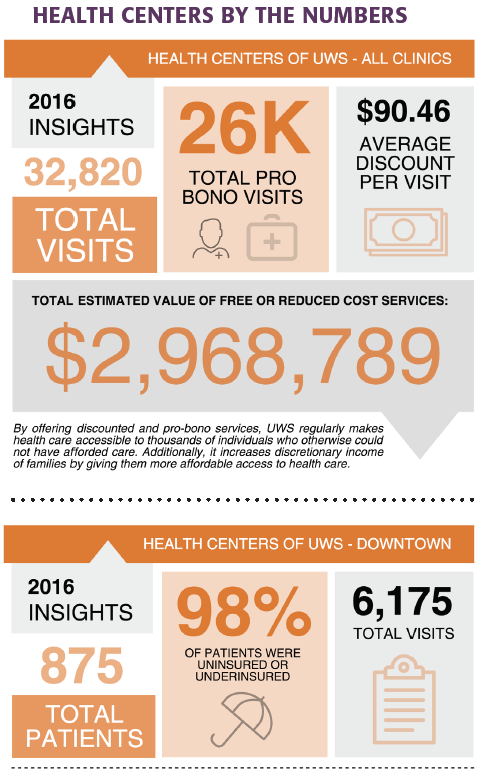
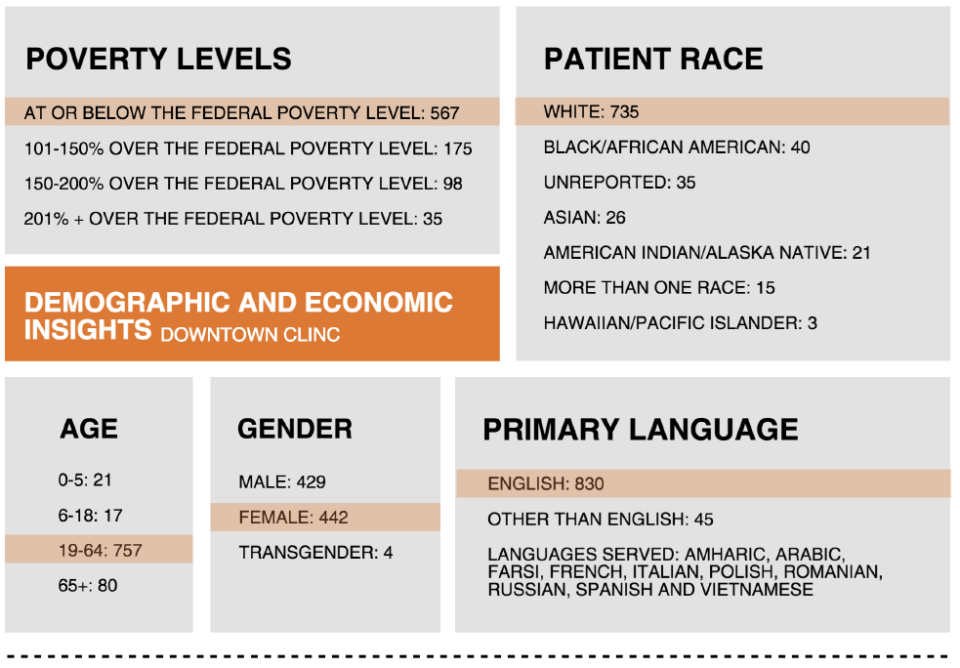
From July 2015 to June 2016, the downtown clinic provided a total of about 6,000 patient visits. More than 98 percent of those visits were for patients with limited access to health care services. Many patients who seek treatment at the downtown clinic are living with a number of health concerns, often experience chronic pain, and often have limited access to pain management measures. Just a few office visits provide significant improvement in their quality of life and well-being.
“We make sure low-income and underinsured individuals have the same care as other patients,” said Dr. Amy Reynolds, an attending physician in the clinic.
“At UWS, we want our students to not only understand how to diagnose and treat, but also to understand the importance of empathy and their role as healers.”
Dr. Owen Lynch has been director of the downtown clinic since 1989 and he finds the direct impact of the work done at the clinic incredibly rewarding.
“There have been many cases where we have helped patients rehabilitate an injury or chronic condition that they never thought would heal,” said Dr. Lynch. “But our work had a direct impact in improving their quality of life.”
Harriet Block is an example of one of these patients. Block suffered a mini-stroke two years ago and was unable to lift her right foot high enough to walk. With the help of Dr. Lynch and the work of the chiropractic interns, and her dedication to following recommended supplemental exercises for balance, she is back on her feet.
“I know they are short on time, money and facilities, but you would never know it from the care that I was given,” said Block. “I am so happy I found Dr. Lynch.”
Besides using office therapies, Dr. Lynch also focuses on helping patients develop self-care habits. Simple lifestyle changes have the power to make a significant impact in improving the health and well-being of someone who does not receive regular health care. An approach that Dr. Lynch likes to use is working with patients to create SMART health goals, which stands for specific, measurable, achievable, relevant and time-bound. Dr. Lynch uses and teaches these guidelines to determine what motivates patients to help end their pain and reap the benefits of the clinic’s care between visits, and after treatment has concluded.
Dr. Lynch works to instill this focus in his students and encourages them to take an interest in each individual patient’s history to get the most out of the experience in the clinic.
“Dr. Lynch’s expertise in documentation and communication with other health care professionals has prepared me to be an integrated health professional far beyond my expectations,” said Cory Peterson, an intern in his twelfth quarter at UWS.
After he graduates, Peterson will be joining the practice of Dr. Phillip Snell, a fellow UWS alumnus who also worked with Dr. Lynch in the downtown clinic and quickly discovered the importance of setting patients up for success outside of treatments.
“Dr. Lynch’s use of SMART goals helped me see that much of the value we have as clinicians is in organizing a sometimes daunting process of self-care into a practical rubric,” said Dr. Snell. “In subsequent encounters or in-home self-care, the patient can see the road signs on the journey and have a better understanding of where they are on, or slightly off of, the path to their goals.”
SERVING THE GREATER PORTLAND COMMUNITY
Dr. Lynch has also helped initiate the university’s involvement with Compassion Connect. As part of working with Compassion Connect, UWS participates in one-day clinics held in local venues that anyone in the community can attend and receive free services. At these busy pop-up clinics, attending doctors of chiropractic and interns see patients with a range of conditions and provide clinical care at no charge. Patients at these clinics also receive free dental care, food, clothing and housing resources.
Dr. Lynch is not the only university clinician making an impact on student interns and the underserved Portland community. Dr. Kristine Dearborn is an attending clinician at other UWS-affiliated outreach clinics, including Volunteers of America and DePaul Treatment Centers.
Once a week, Dr. Dearborn sees patients living in drug and alcohol rehabilitation centers at three different clinic locations – something UWS has been involved with for about 10 years. Treatment provided by Dr. Dearborn and her interns helps reduce patients’ reliance on opioid medications and prevent opioid addiction relapse. According to the Oregon Health Authority, the state of Oregon has one of the highest rates of prescription pain reliever misuse in the nation, with more drug poisoning deaths involving prescription opioids than any other type of drug.*
“Many of the patients we see in these facilities are there because they had an injury, their doctor prescribed opiates, and they got addicted,” said Dr. Dearborn. “They didn’t realize they were addicted and when they discontinued medication, they needed a fix and used heroin or meth and wound up having a lot more problems from that addiction. These patients get to these facilities after they’ve had felonies and destroyed their lives. We are here to help reduce the pain without the drugs and we have seen success.”
Dr. Dearborn says the biggest lesson students can learn from working in these outreach clinics is simply the power of the care they are providing. For underserved patients, ongoing care provides significant results. Students also gain confidence in their care and learn how to manage their time more efficiently.
“Students get a lot out of working with these patients,” said Dr. Dearborn. “It helps them understand the humanity of people suffering from drug and alcohol addiction. These clinics really help students have more compassion.”
She encourages students to connect with each patient by trying to find their motivating factors. What goals or tasks are the patients’ ailments keeping them from accomplishing? She points to examples like a favorite physical activity or being able to pick up their young children. Taking the time to discover what is important to each patient helps them follow recommendations and ensure treatments such as nutritional guidance and lifestyle modifications will be more effective.
“With chiropractic care, we are able to take away most of those aches and pains,” said Dr. Dearborn. “We give them tools and stretches for everyday practice to help reduce pain.”
The access to comprehensive care in these clinics also means that Dr Dearborn is able to refer patients to on-staff behaviorists who help relieve stress and anxiety, which often underlie serious conditions patients experience.
“The experience gives students a chance to see remarkable changes,” said Dr. Dearborn. “Most of these patients haven’t seen a chiropractic physician before. Often, we can relieve pain they have had for 20 years with chiropractic care.”
LOOKING TO THE FUTURE
The university’s Vice President of Clinic Affairs Dr. Joseph Pfeifer, emphasized that UWS will continue to embrace the opportunity to provide health care services to underserved populations in the Portland area in UWS clinic locations and through collaboration with affiliated clinics.
“Our commitment to providing care to our communities, including the underserved, offers real value to patients, our students, and the public health. As we provide excellence in patient care and clinical training, we contribute substantially to the achievement of the university’s mission to advance the science and art of integrative health care,” Dr. Pfeifer added. “By serving our community’s most vulnerable populations with much needed care, we provide students with opportunities to develop compassion and empathy while honing their clinical skills under the mentorship of excellent supervising practitioners.”
In the words of Block, who would not be on her feet today without the help of the UWS downtown clinic, “At bigger doctor’s offices, no one knows who I am, but when I walk into the health center, each person is sweeter than the next. They are efficient, warm, welcoming and caring. I feel like I am coming home when I go there.”
*Source: 2014 Drug Overdose Deaths, Hospitalizations, Abuse, and Dependency among Oregonians, Oregon Health Authority, Center for Prevention & Health Promotion, Injury, and Violence Prevention Sector.
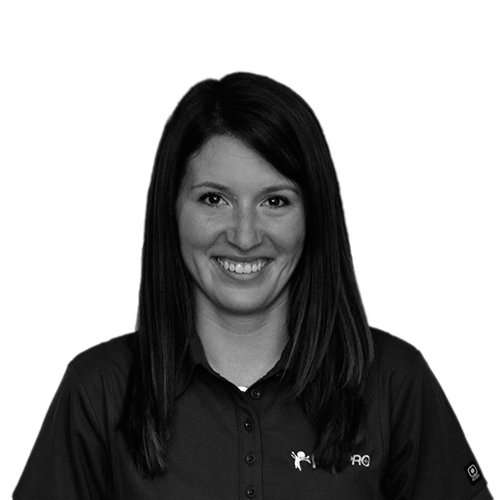 Rylee J. Stephens, a sports medicine master’s degree student at University of Western States, had a study titled, “
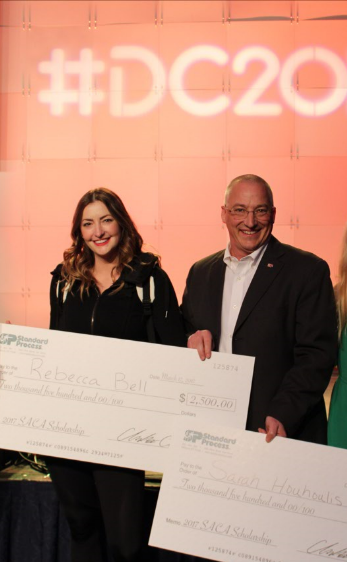 DC2017 is the premier conference for the chiropractic profession that includes compelling scientific research and inspirational speakers form the profession. This year it was hosted by the American Chiropractic Association (ACA), the World Federation of Chiropractic (WFC) and the Association for Chiropractic Colleges (ACC).
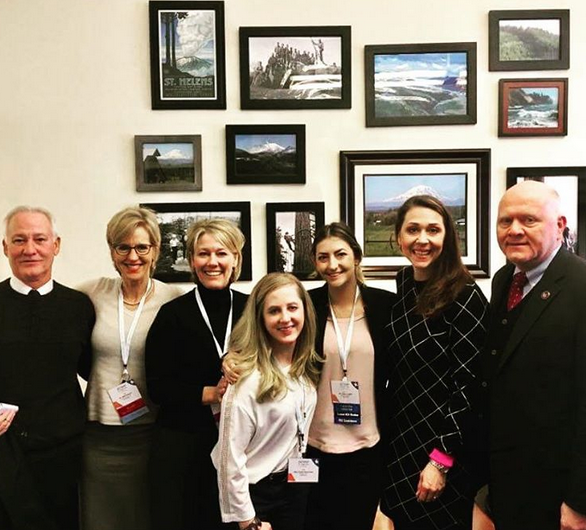
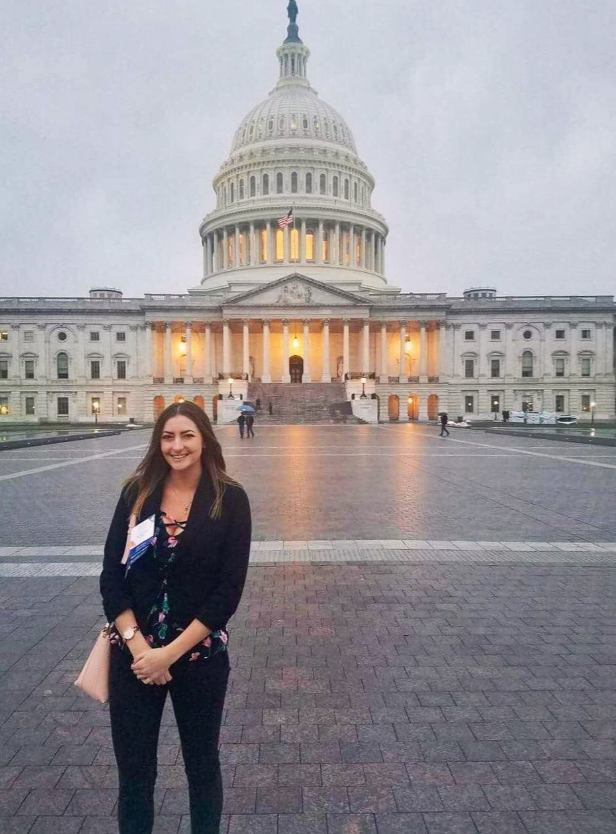 As DC2017 has come and gone, I have gained another year of valuable experiences that I will take with me wherever I go. It is still surreal that I had the privilege to attend one of the biggest events in the chiropractic profession put on by the American Chiropractic Association (ACA), the World Federation of Chiropractic (WFC) and the Association for Chiropractic Colleges (ACC). I also had the opportunity to lobby on Capitol Hill in Washington, D.C. on behalf of the ACA with my fellow Student American Chiropractic Association (SACA) members and some of the most incredible doctors I have ever met. Prior to DC2017, our executive board held meetings with attendees to prepare them for lobbying.