UWS Programs Ranked Some of the Best in the Nation

UWS programs earned top rankings from BestColleges.com and CollegeChoice.net

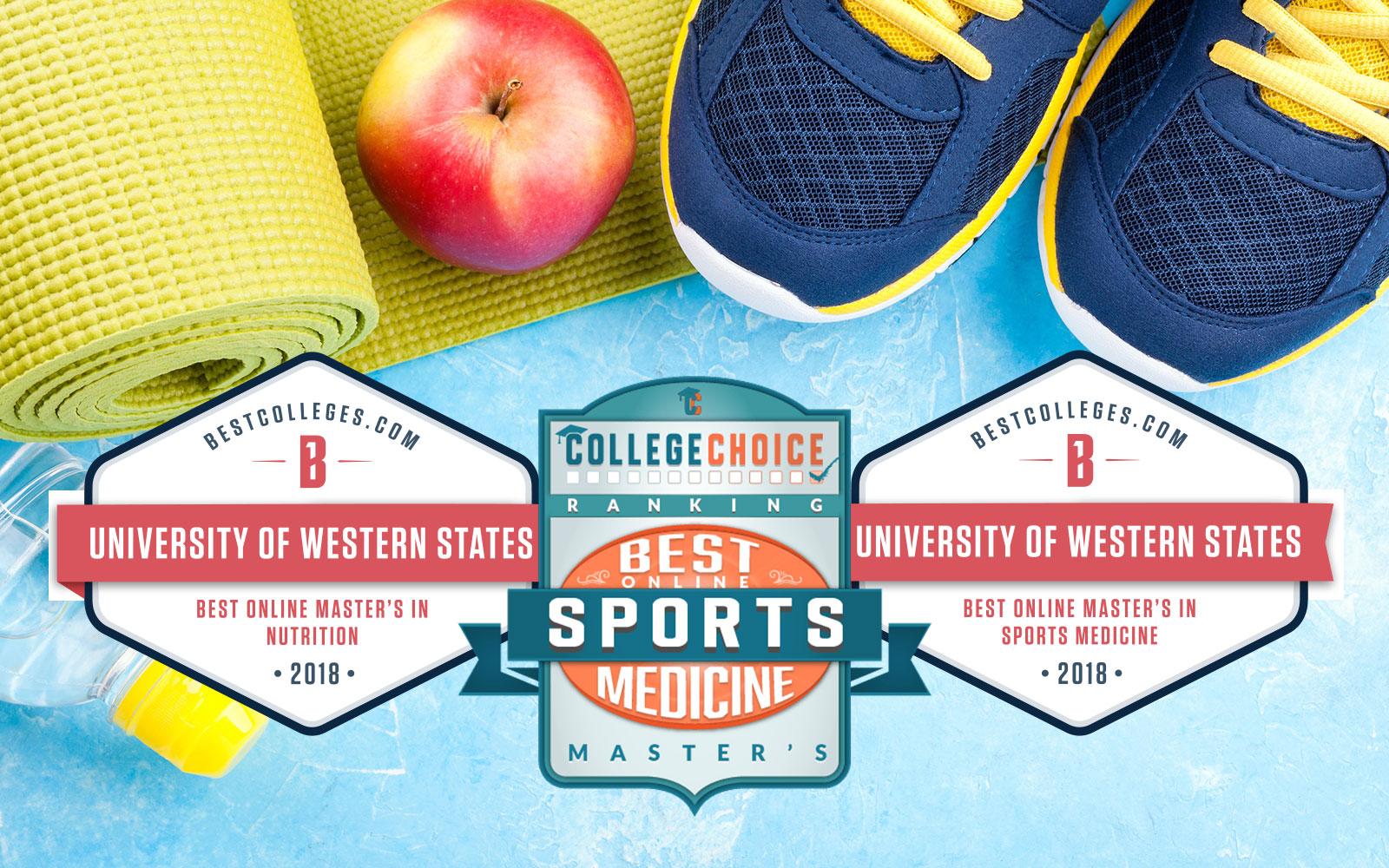
BestColleges-rankingUniversity of Western States (UWS) has announced that the online master’s in human nutrition and functional medicine (HNFM) program and master’s in sports medicine program have been recognized as two of the best programs in the country in their respective areas of study in 2018 by BestColleges.com and CollegeChoice.net.

A leading provider of higher education research and college planning resources, BestColleges.com ranked the UWS sports medicine program No. 1 in the country while the HNFM program ranked No. 2 on the list. CollegeChoice.net, whose rankings highlight emphasize accredited, not-for-profit institutions who have developed exceptional academic online programs for students looking to advance their knowledge, skills and careers listed the sports medicine program as No. 8.

“Our online graduate rankings aim to highlight schools that are providing exceptional academic curriculums while remaining affordable and flexible for today’s nontraditional students,” says Stephanie Snider, director of BestColleges.com. “Earning a top position on both the master’s in nutrition and master’s in sports medicine program rankings demonstrates the dedication of University of Western States to provide a quality online learning environment that focuses on successful student outcomes.”

BestColleges.com’s ranking system uses a methodology grounded in statistical data compiled from the Integrated Postsecondary Education Data System and College Navigator, both of which are hosted by the National Center for Education Statistics. The aim is to objectively assess relative quality based on academic outcomes, affordability and the breadth and depth of online learning opportunities.

According to College Choice, the ranking is based on institutional reputation, graduation rates, selectivity and faculty resources. The data from their ranking comes from the National Center for Education Statistics’ IPEDS database, U.S. News & World Report, Payscale and individual college websites.

“The master of science in sports medicine at UWS maximizes your potential to work with top-performing athletes,” College Choice noted.  “It is a hybrid program that is mostly offered online with on-campus lab sessions on the weekends.

“The success of these programs is driven by our mission to advance the science and art of integrated health care through excellence in education and patient care,” said Dana Sims Barbarick, PhD, UWS dean of undergraduate and graduate studies. “It is wonderful to be recognized for the excellent curriculum, affordability and flexibility provided by outstanding, skilled professionals in the field.”

View the full BestColleges.com’s master’s in nutrition ranking.

View the full BestColleges.com’s master’s in sports medicine ranking.

View the full CollegeChoice.net’s masters in sports medicine ranking.

About BestColleges.com

BestColleges.com helps prospective students find the school that best meets their needs through proprietary research, user-friendly guides and hundreds of unique college rankings. They also provide a wide array of college planning, financial aid and career resources to help all students get the most from their education and prepare them for the world after college.

About CollegeChoice.Net

College Choice is the leading authority on college rankings and resources. They help students and their families find the best colleges to fit their interests and needs, so they can get into, pay for, and thrive at the college of their choice. To craft their rankings, they use their own proprietary methodology, based on advanced metadata aggregation and analysis.


UWS Exploring Additional Campus Space Due to Projected Development and Growth

University of Western States will list current Northeast Portland campus as part of the search to acquire additional campus space.

University of Western States (UWS) has announced it is exploring options of acquiring additional campus space within a 10-mile radius of the current Northeast Portland campus due to the steady growth and development of the institution. As part of this process the university is listing its current campus property, located in the Russell Neighborhood at 2900 NE 132nd Ave. in Portland. Founded in 1904, UWS offers a doctor of chiropractic degree program and master’s degrees in exercise and sport science, human nutrition and functional medicine, sports medicine, sport and performance psychology, and diagnostic imaging.

Sara Mathov, vice president for operations and campus planning, is leading the project and says the university did an extensive audit of the current campus facilities to understand the space needs and challenges.

“Rethinking our space and developing a plan that will best fit the needs of our growing university is a very exciting prospect,” said Mathov. “We have been gathering data and conducting research and will use that information to define the best options for the university’s campus. While there are multiple options for the end result, our planning committee will continue to focus on a holistic approach to create recommendations for future university facilities.”

UWS has experienced steady enrollment growth coupled with an increase in employees to support additional students. Additional space will alleviate room constraints and provide suitable facilities for the 1,027 undergraduate and graduate students and 415 faculty and staff members at the university. UWS is gathering community input to help envision and establish modern learning spaces for students along with optimal office and meeting spaces for staff.

“As we approach our 115th year as an institution, we remain committed to investing in infrastructure that supports the entire university community,” said UWS President Dr. Joe Brimhall. “We want to use this process to explore and create inspired, sustainable campus spaces that facilitate excellence in teaching and learning, and foster transformational educational experiences.”

Find more information on the project here.

Dr. Cortny Williams Selected as 2018 IAMSE Travel Award Recipient

Cortny Williams headshotCortny Williams, PhD, assistant professor in the basic sciences department at University of Western States (UWS) has been selected as the recipient of the 2018 International Association of Medical Science Educators (IAMSE) Travel Award.

The IAMSE Conference Travel Award, in the amount of $1,500, is awarded to applicants to aid expenses such as registration, lodging and airfare to attend the annual meeting.

“After attending IAMSE last year, I left feeling super-charged, with so many angles to improve myself as an educator and researcher,” said Dr. Williams. “I used a new teaching technique I learned on the very first day after returning from the conference. It was so rewarding and motivating, because students clearly enjoyed the exercise and had a deeper understanding of why we’re learning.”

Dr. Williams will be presented the travel award at the annual meeting in Las Vegas on June 9, 2018. After completing the full training, she will also be presented a certificate for Essential Skills in Medical Education (ESME). Along with the great recognition, Dr. Williams will deliver a platform presentation on her research about student study strategies.

The mission of IAMSE is to advance health profession education through teacher development and to ensure that the teaching and learning of medical science continues to be firmly grounded in foundational sciences and the practices of teaching.

“When I chose to make teaching the primary focus of my career 10 years ago, I struggled with leaving bench research behind,” said Dr. Williams. “I love reading, developing hypotheses, analyzing data and writing. I made a choice just one short year ago to pursue education research. Transitioning from basic sciences animal research to education research after a 10-year gap took bravery! Receiving this award is humbling. This is incredibly motivational to keep up the research, develop my ideas and work toward becoming an expert in the field.”

Dr. Williams joined the UWS faculty in 2010 and teaches biochemistry and physiology. She earned her PhD in molecular microbiology and immunology in 2006 and completed a post-doctoral fellowship at Oregon Health Sciences University in 2008.

Omega-3 Fatty Acid Supplementation: Helpful for Exercise?

Written by: Jenn Evon, UWS Human Nutrition and Functional Medicine Course Facilitator

omega3Omega-3 polyunsaturated fatty acids (PUFAs), such as DHA and EPA, are known for their anti-inflammatory properties. Their role in exercise performance is unclear, with studies showing greater benefit for certain populations over others in reducing exercise-induced inflammation.

Oxidative stress occurs during exercise and while low levels are required for exercise adaptation, chronic inflammation can tax the body’s antioxidant systems. Strenuous exercise may lead to chronic inflammation, as demonstrated by increased tumor necrosis factor-alpha (TNF-a) and C-reactive protein (CRP) biomarkers.1

Omega-3 fatty acids are precursors to prostaglandins, hormone-like compounds that help to reduce inflammation.2 Omega-3 fatty acids are thought to change the muscle cell membrane by affecting membrane fluidity, receptor function, and the production of cytokines, which all lower the effect of exercise on muscle damage.3,4

The central and peripheral nerves contain polyunsaturated fatty acids, with omega-3 fatty acids helping to comprise neurons, myelin, and muscle membranes. Supplementation with omega-3 fatty acids may improve nerve conduction and neuromuscular engagement, while also reducing exercise-induced inflammation.5,6

Currently, the daily limit set by the FDA for supplementation is no more than 3,000 mg/day.7,8

Older Adults

As we age, we lose skeletal muscle mass and higher reactive oxygen species in the mitochondria of skeletal muscle cells cause alterations to muscle fibers.9 Omega-3 supplementation, such as with fish oil, has been found to help lower blood markers of inflammation as well as mitigate delayed onset muscle soreness and muscle damage. 

The benefit of omega-3 fatty acid supplementation for older adults is much more clear than it is for younger, healthy athletes. PUFAs affect the cardiovascular and central nervous systems in older adults, which is largely why they may be so beneficial to pair with exercise.

In adults with a history of myocardial infarction, or heart attack, DHA/EPA supplementation for 4 months reduced and stabilized many post-exercise cardiovascular markers including heart rate recovery, stroke volume, and heart rate variability.6

Studies have found improved quadricep strength as well as overall activation of skeletal muscle and force in postmenopausal and elderly women who couple exercise with omega-3 supplementation.5,10

Endurance Training

While there are benefits of omega-3 fatty acids for endurance training, they may not be significant enough to warrant supplementation solely for athletic performance. Omega-3 fatty acids act as a vasodilator, which helps increase the movement of oxygen into skeletal muscle during exercise.4 In a study of adult rats, DHA supplementation led to improvement in endurance exercise capacity and mitochondrial function in skeletal muscle.9

Endurance athletes may notice an improvement in muscle flexibility with EPA supplementation. In younger adult athletes, omega-3 supplementation can contribute to lower peak heart rate, reduce resting heart rate variability, and oxygen consumption required during exercise.6

However, several studies have shown insignificant improvements in markers of inflammation, performance, and immunity. Exercise-trained men who took an EPA/DHA supplement for six weeks and performed an uphill climb while carrying a load had insignificant lower levels of resting TNF-a and CRP compared to the placebo group.

A separate study of young men and women performing a maximal endurance test on an ergometer showed that supplementation with krill oil did not change immune function or markers of exercise performance.11

These results suggest that those who regularly engage in endurance exercise may have minimal oxidative stress responses to exercise because regular exercise naturally increases the body’s antioxidant system.1 Therefore, omega-3 supplementation solely based on improving athletic performance may not be warranted for endurance.

Strength Training

Researchers have also explored the role of omega-3 fatty acid supplementation for strength training. Omega-3 supplementation improves nerve conduction, thereby influencing muscle activation.5

Studies have shown that DHA/EPA supplementation before an eccentric bicep curl test leads to more repetitions, better range of motion, and lower levels of the inflammatory cytokine interleukin-6 (IL-6). Loss of muscle strength and delayed onset muscle soreness three days after exercise were also decreased.2,7,12,13

During a maximal back squat assessment, male athletes who supplemented with PUFAs experienced improved muscle activation and lower fatigue.5 Men taking EPA supplements noticed better recovery than the placebo group after performing a plyometric squat jump test.3

Final Thoughts

Supplementation with omega-3 fatty acids has been shown to be beneficial for the nervous and cardiovascular systems, with anti-inflammatory effects that fight against exercise-induced muscle damage.

While the benefit for endurance athletes is less clear, supplementation with PUFAs does seem helpful for older adults and individuals engaging in strength training. Depending on the individual and their goals, the inclusion of PUFA supplementation as part of their athletic recovery routine may be worthwhile.

References

  1. Bloomer, R.J., Larson, D.E., Fisher-Wellman, K.H., Galpin, A.J., & Schilling, B.K. (2009). Effect of eicosapentaenoic and docosahexaenoic acid on resting and exercise-induced inflammatory and oxidative stress biomarkers: a randomized, placebo controlled, cross-over study. Lipids in Health and Disease, 8(36). doi: 10.1186/1476-511X-8-36
  2. Jouris, K.B., McDaniel, J.L., & Weiss, E.P. (2011). The effect of omega-3 fatty acid supplementation on the inflammatory response to eccentric strength exercise. Journal of Sports Science and Medicine, 10, 432-438.
  3. Jakeman, J.R., Lambrick, D.M., Wooley, B., Babraj, J.A., & Faulkner, J.A. (2017). Effect of an acute dose of omega-3 fish oil following exercise-induced muscle damage. European Journal of Applied Physiology, 117, 575-582. doi: 10.1007/s00421-017-3543-y
  4. de Silva, E.P., Nachbar, R.T., Lavada-Pires, A.C., Hirabara, S.M., & Lambertucci, R.H. (2016). Omega-3 fatty acids differentially modulate enzymatic anti-oxidant systems in skeletal muscle cells. Cell Stress and Chaperones, 21, 87-95. doi: 10.1007/s12192-015-0642-8
  5. Lewis, E.J.H., Radonic, P.W., Wolever, T.M.S., & Wells, G.D. (2015). 21 days of mammalian omega-3 fatty acid supplementation improves aspects of neuromuscular function and performance in male athletes compared to olive oil placebo. Journal of the International Society of Sports Nutrition, 12(28). doi: 10.1186/s12970-015-0089-4
  6. Da Boit, M., Hunter, A.M., & Gray, S.R. (2017). Fit with good fat? The role of n-3 polyunsaturated fatty acids on exercise performance. Metabolism, 66, 45-54. doi: 10.1016/j.metabol.2016.10.007
  7. Tsuchiya, Y., Yanagimoto, K., Nakazato, K., Hayamizu, K., & Ochi, E. (2016). Eicosapentaenoic and docosahexaenoic acids-rich fish oil supplementation attenuates strength loss and limited joint range of motion after eccentric contractions: a randomized, double-blind, placebo-controlled, parallel-group trial. Eur J Appl Physiol, 116, 1179-1188. doi: 10.1007/s00421-016-3373-3
  8. Jouris, K.B., McDaniel, J.L., & Weiss, E.P. (2011). The effect of omega-3 fatty acid supplementation on the inflammatory response to eccentric strength exercise. Journal of Sports Science and Medicine, 10, 432-438.
  9. Le Guen, M., Chate, V., Hininger-Favier, I., Laillet, B., Morio, B., Pieroni, G., … & Dubouchaud, H. (2015). A 9-wk docosahexaenoic acid-enriched supplementation improves endurance exercise capacity and skeletal muscle mitochondrial function in adult rats. Am J Physiol Endocrinol Metab, 310, E213-E224. doi: 10.1152/ajpendo.00468.2014
  10. Rodacki, C.L.N., Rodacki, A.L.F., Pereira, G., Naliwaiko, K., Coelho, I., Pequito, D., Fernandes, L.C. (2012). Fish-oil supplementation enhances the effects of strength training in elderly women. American Journal of Clinical Nutrition, 95, 428-436. doi: 10.3945/ajcn.111.021915
  11. Da Boit, M., Mastalurova, I., Brazaite, G., McGovern, N., Thompson, K., & Gray, S.R. (2015). The effect of krill oil supplementation on exercise performance and markers of immune function. PLoS One, 10(9), e0139174. doi: 10.1371/journal.pone.0139174
  12. Corder, K.E., Newsham, K.R., McDaniel, J.L., Ezekiel, U.R., & Weiss, E.P. (2016). Effects of short-term docosahexaeonic acid supplementation on markers of inflammation after eccentric strength exercise in women. Journal of Sports Science and Medicine, 15, 176-183.
  13. Ochi, E., Tsuchiya, Y., & Yanagimoto, K. (2017). Effect of eicosapentaenoic acids-rich fish oil supplementation on motor nerve function after eccentric contractions. Journal of the International Society of Sports Nutrition, 14(23). doi: 10.1186/s12970-017-0176-9

Distance Learning Doesn’t Hinder Engagement

By: Samantha Silva, Human Nutrition and Functional Medicine student

distance learningIf you had told me a few years ago that I would pursue my master’s degree entirely online, I may not have believed you.

In all honesty, I have always preferred being in a classroom setting. As an undergraduate student, I truly enjoyed walking to class each day and interacting with my professors and fellow classmates (you can call me a nerd, it’s okay). I felt as though this was the only way for me to really learn—by seeing, hearing and doing everything in person. Therefore, I assumed that if higher education would be in my future, it would be completed in the same manner as my undergraduate studies.

But, as we all know too well, life happens. The plan that I had so diligently created for my future went completely awry after graduation and I found myself at a total loss in terms of what I wanted to do. I entered the workforce, desperate to get back on the right track. After several years of working jobs in different fields, I was introduced to the Institute for Integrative Nutrition—a completely online health coaching program. Enrolling in and completing this program gave me the confidence that I needed; I realized that I could fit my studies into the nooks and crannies of my busy life. Guest speakers Dr. Mark Hyman and Dr. Kristi Hughes gave me my first glimpse of the power of functional medicine and I knew immediately that this was the path I was meant to pursue.

As I dove into researching different graduate programs, I wasn’t quite sure what I was looking for—that is, until I found University of Western States. The course names and descriptions are what first captured my attention; however, the flexibility in scheduling was also a major factor in my choosing UWS. I appreciate that this university understands that their students come from all different backgrounds, from all different parts of the world, with different commitments and situations. I, for instance, have been able to spread my classes out over nine quarters as opposed to the traditional seven, which has helped me tremendously in achieving academic success (and maintaining my sanity!) while working full-time.

Yes, I am a distance learner; however, the UWS community has never felt distant to me. The discussion forums connect me with my professors and fellow students and I am provided tremendous amounts of support and feedback almost immediately. My professors, the registrar, the financial aid office and other administrators typically reply to communications within a few hours, and they are always more than willing to help me work through any issue that may arise. The university is incredibly inclusive, opening opportunities like social media contests and student blogging (hello!) to both on-campus and online students alike. Though I am clear across the country in Richmond, Virginia, I truly feel as though I am a part of the phenomenal energy that makes UWS so unique—and that, to me, is invaluable.

University of Western States opens Standard Process Student Commons

Standard Process Inc. gift of $500,000 helps build new student space on campus

standard process commonsUniversity of Western States (UWS), a leader in educating health care professionals, has opened a new student commons area on campus thanks to a generous $500,000 capital pledge from Standard Process, Inc., a manufacturer of whole food nutrient solutions.

“We are so pleased with the Standard Process Student Commons,” said UWS President Dr. Joseph Brimhall. “Our students will benefit from this space for many years to come. Thank you to Standard Process for their ongoing support of chiropractic and integrated health care education.”

The new student commons was created with the needs of the student in mind, incorporating a variety of furniture to allow for individual or group study, as well as a large TV monitor where students can cast presentations or notes for group study, large mobile white boards, charging stations for electronic devices and microwaves.

“The new Standard Process Student Commons reflects the relationship between Standard Process and the chiropractic profession,” said Timothy Brinkman, UWS sixth quarter chiropractic student. “We now have this awesome, vibrant space with tech interface capacity, mobile whiteboards and comfortable seating conducive to learning our profession, which in and of itself is learning how to help the body heal itself. It’s fitting that a room they sponsored helps facilitate those who are trying to achieve the same.”

standard process commonsStandard Process feels this project is a natural fit with their company goals. The organization believes that students who learn about nutrition while they are in school will be catalysts in their practices, sparking positive lifestyle changes in their patients.

“I really love the partnership between Standard Process and UWS,” said Standard Process President Charlie DuBois.  “With our similar philosophies of chiropractic care and whole food nutrition, it only made sense to support the students in any way possible. I am happy that we are able to partner with UWS in providing a transformative space for campus use.”