Learn More About the Student Alliance for Integrative Medicine

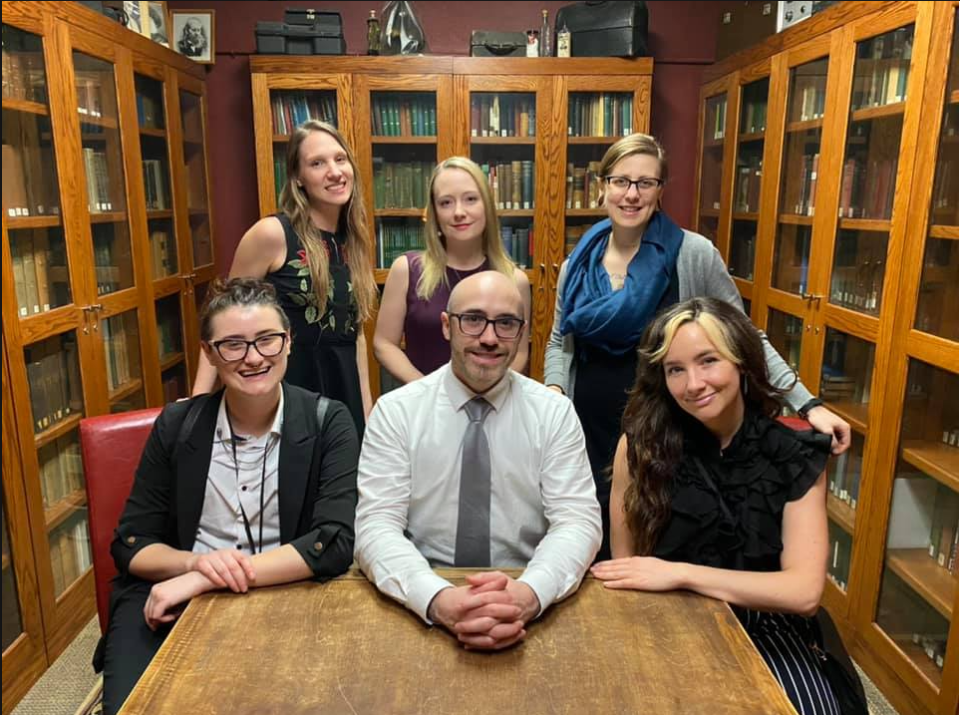
SAIM members

What is SAIM and OCIM?

The Student Alliance for Integrative Medicine (SAIM) helps foster inter-professional understanding and collaboration amongst institutions and communities throughout the health care continuum. SAIM aims to expand awareness of complementary and alternative medicine, foster communication and camaraderie among health care students, and to facilitate several educational and networking opportunities. This helps SAIM build a better understanding of each involved professions contributions and strengths towards whole-person health care.

SAIM is a student-governed organization comprised of educational institutions such as University of Western States (UWS), Oregon Health Science University (OHSU), Oregon College of Oriental Medicine (OCOM), National University of Natural Medicine (NUNM), Pacific University (PU) and the University of Portland School of Nursing (UP). SAIM’s parent organization, the Oregon Collaborative for Integrative Medicine (OCIM), manages and actively supports SAIM in building an interconnected community of students and professionals dedicated to cultivating patient-centered care. Stakeholders within SAIM and OCIM that span the fields of Chinese medicine, acupuncture, chiropractic, naturopathic, occupational therapy, pharmacology, psychology and more.

What is “integrative health and medicine”?

OCIM and SAIM support the definition of Integrative Health and Medicine compiled by Duke University –

“Integrative health and medicine is an approach to care that puts the patient at the center and addresses the full range of physical, emotional, mental, social, spiritual and environmental influences that affect a person’s health. Employing a personalized strategy that considers the patient’s unique conditions, needs and circumstances, it uses the most appropriate interventions from an array of scientific disciplines to heal illness and disease and help people regain and maintain optimum health. In addition to addressing patients’ presenting health issue(s) and the root cause of disease or illness, integrative medicine focuses on disease prevention and wellness. Integrative medicine fosters the development of healthy behaviors and skills for effective self-care that patients can use throughout their lives.”


Questions for SAIM Council Members

Jesse Gordon – Executive chair

What inspired you to become active in SAIM?

I’ve worked in a variety of roles within the health care field and have seen firsthand the importance of a whole health/integrative approach to patient care. After seeing the great information made available and social opportunities through SAIM, I was hooked. I’ve been involved since my first quarter at UWS and have met some amazing people along the way.

How do you plan to use the lessons learned through SAIM and OCIM once you graduate?

The biggest lesson I’ve learned through SAIM is that each profession has their strengths and weaknesses and in order to provide the best patient-centered care we need to work together. I plan on having a strong network of health care professionals, both to refer to when appropriate, but also to collaborate through case conferences and grand rounds. This creates a care dynamic where one is utilizing the knowledge and skills of our colleges in addition to our own.

Brandy Hagan – UWS chapter president, event planning chair


How have you benefited from being active in SAIM?

SAIM has afforded me the opportunity to connect with individuals who are equally passionate about whole-person health and wellness. Whether that’s through participating in lively SAIM socials, educational Grand Rounds or Integrative Medicine Days, there are always friendly folks waiting to share and collaborate in the name of integrative medicine and community.

How has your understanding of other health care fields changed since your involvement in SAIM?

It’s been a joy learning more about each respective profession through the lens of SAIM member institutions even when that’s about interprofessional collaboration itself! I’ve learned that each profession grapples with balancing philosophy and science, similar to that of “vitalists” and “mixers” within chiropractic. If it were feasible, I’d love to pursue training in each participating field… such is the spirit of SAIM and life-long learning! 


5 reasons to participate in SAIM events:


1. To learn the strengths and weaknesses of all of the health care professions in order to refer and communicate efficiently.

2. To build a network of future naturopaths, medical physicians, Chinese medicine practitioners, acupuncturists, psychologists and chiropractic physicians.

3. To learn new approaches to patient-centered care.

4. To gain leadership and professional planning skills.

5. To enjoy delicious free food! (Should this be #1?)


Exciting News!

It is with great enthusiasm that we share OCIM was recently awarded a grant from The David and Lura Lovell Foundation, which will help implement the Whole Health in the States Initiative! Oregon is one of six states that will collaborate to, “create a consensus and deploy action around strategies to increase access to and utilization of high quality, comprehensive pain care for underserved populations. These efforts, tailored to the unique characteristics of each state, will address the critical need to operationalize how nonpharmacologic therapies for pain are integrated into traditional pain care.” This provides an opportunity for SAIM to more easily facilitate those popular SAIM-led events such as Integrative Medicine Day, Grand Rounds and casual socials we’ve all come to love-even within the confines of Covid-19! Now is a great time to be part of SAIM and involved in the Nation-wide effort to improve health care access, quality and collaboration, especially as it relates to Integrative Medicine and pain management!

2020 UWS Alumna of the Year

Stephanie Halloran, DC, MS, – A Lifelong Pursuit of Excellence

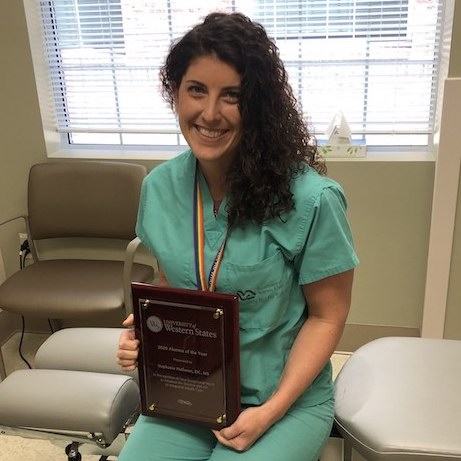
Stephanie Halloran, DC, MS, Alumna of the Year 2020

Stephanie Halloran, DC, MS, was named the University of Western States (UWS) 2020 Alumna of the Year. The distinction recognizes and honors the accomplishments of outstanding UWS graduates as they continue the university’s mission to advance the science and art of integrated health care.

“I am deeply humbled and honored to have been nominated and to receive this award,” said Dr. Halloran. “I am so grateful for my time spent at UWS and for the opportunities it gave me to pursue integrated care. I look forward to continuing to work with students who are looking to go on the same career path that I have been so fortunate to have.”

Dr. Halloran hit the ground running upon graduation from the doctor of chiropractic (class of 2016) and human nutrition and functional medicine (class of 2019) programs and has carried a passion for lifelong learning from a young age. Having always been very active and athletic, she could not envision herself sitting at a desk for long hours. Her first experience with a chiropractic physician was in high school while racing on a youth triathlon team and experiencing chronic knee pain. Through the collective care of the chiropractic physicians and a physical therapist in the office she visited, she was back to running pain-free in just a few short weeks.

Upon graduation from University of Illinois, Champaign-Urbana with a degree in kinesiology, Dr. Halloran moved to the Chicago suburbs and began working as a personal trainer with specialties in weight loss and endurance athletes. A year into her work, she realized that she was limited in her abilities and needed to broaden her scope by seeking additional education and chose University of Western States and to become a chiropractic physician.

“UWS has a drive for excellence that starts from the top-down,” said Dr. Halloran. “Not only are our educators and administrators working to provide relevant, evidence-based education in their areas of expertise, they are also working with experts in their respective fields to enhance education and delivery of content overall. It is my personal opinion that UWS not only provides a base to be a competent clinician, but also gives students the opportunity to pursue less common careers, such as research, academics and health administration, if they so choose.”

Following graduation from UWS, Dr. Halloran moved to Indianapolis for a preceptorship at the Veterans Affairs (VA) Clinic. She then had the opportunity to work with Dr. Anthony Lisi, chiropractic program director for the Veterans Health Administration. She moved to Connecticut for a residency as a postdoctoral fellow at Yale University working on a National Institutes of Health (NIH)-funded study under Dr. Lisi, Dr. Christine Goertz and Dr. Cindy Long.

“The opportunities I have had are very unique and a direct result of the hard work and drive from individuals like Drs. Lisi, Goertz, Long and many others. Understanding what goes into creating these training opportunities and positions for early-career clinicians, along with my positions in national organizations, allows me to continue the efforts of my mentors and expand the opportunities for current and future chiropractic students.”

In the last year, Dr. Halloran has accepted a full-time clinical position at the W.G. (Bill) Hefner VA Medical Center in North Carolina and splits her time between the Salisbury and Charlotte locations. Her current goals are to offer students the opportunities she had to train in a medically integrated setting during their preceptorship, as well as begin to integrate into the research department and further advance studies focused on chiropractic care.

“I am in a unique position at the VA, working on a whole health team that consists of health coaches, pain psychologists, integrated medicine practitioners (acupuncture, prolotherapy) and a registered dietician,” said Dr. Halloran. “I use my background in functional medicine, to review labs and discuss the role of inflammatory diets with the patient, mindfulness, sleep and other aspects of lifestyle and how it can impact their overall health and musculoskeletal conditions. My background in functional medicine allows me to easily communicate the goals and progress of the patient with other professionals working in similar capacities.”

Dr. Halloran showcases the power of integrative health care to positively make an impact on one’s life as well as demonstrates exemplary leadership serving in various professional organizations. In all her efforts, she has been noted by her colleagues to have represented her profession with grace and inclusivity.

“Dr. Stephanie Halloran exemplifies the characteristics and values that UWS endeavors to instill in its graduates—patient focus, best practices, curiosity, inclusiveness, professionalism and individualized whole-person health,” said Dr. Joseph Brimhall, UWS president. “Her integrity and leadership is an inspiration to everyone who has the privilege of working with her.”

Dr. Halloran has a passion for becoming the best physician she can be and ensuring that she grows not only personally, but helping to open doors for those who follow her lead.

“Experiencing and living with pain impacts one’s life greatly,” said Dr. Halloran. “And having the ability to provide some relief or to completely resolve a patient’s complaint is a great gift to offer the world.”

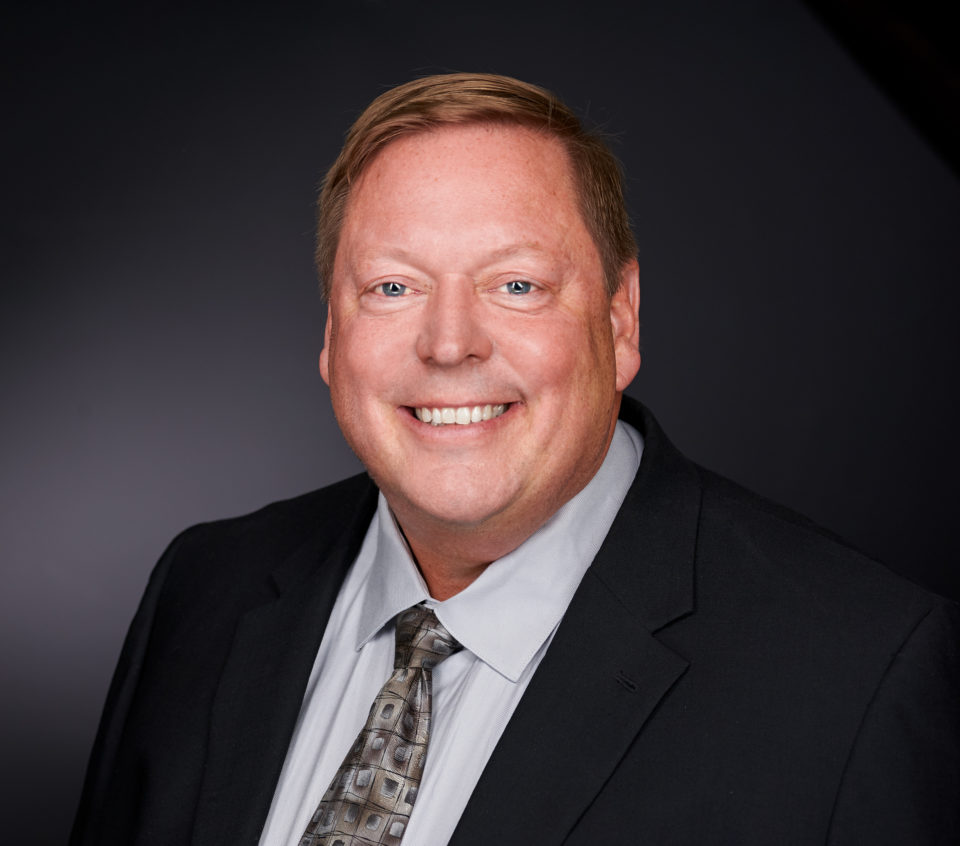
Introducing Dr. Sarah Castillo, UWS Sport and Performance Psychology Program Director

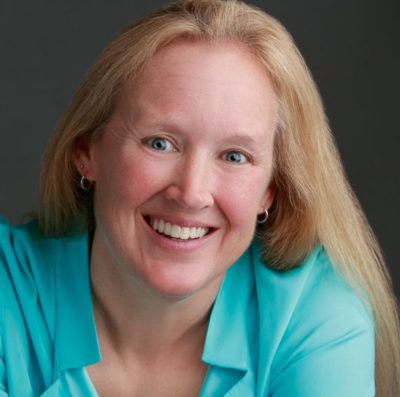
Sarah Castillo

University of Western States (UWS) is incredibly proud to announce the sport and performance psychology (SPP) director, Dr. Sarah Castillo. 

“It is a great honor to be part of the University of Western States community,” said Dr. Castillo. “I’m excited to blend my deep passion for higher education and graduate training with the strength of the sport and performance psychology programs here at UWS. I look forward to the work ahead and am excited to make closer connections here at this great university.”

Dr. Castillo completed her bachelor’s degree in psychology at UCLA, her master’s degree in kinesiology at Cal State Long Beach and her PhD in education at the University of Idaho. Her graduate research projects built on one another, with her master’s thesis focusing on the impact of coach and athlete compatibility on levels of team cohesion, and her dissertation centered on the creation of a two-year intervention program with a newly formed NCAA Division I women’s soccer team. She is a Certified Mental Performance Consultant (CMPC) and approved CMPC mentor through the Association for Applied Sport Psychology (AASP). She currently serves on the AASP executive board as the professional standards division head, overseeing activities related to certification, ethics and continuing education.

Dr. Castillo comes to UWS from National University in San Diego, Calif., where she served as the program director for the bachelor’s in sport psychology program, acted as editor-in-chief for the online Journal of Performance Psychology and was co-director of the Center for Performance Psychology. Prior to her tenure at National University, she spent nine years as a performance enhancement instructor at the United States Military Academy, West Point. During her time with the Army, Dr. Castillo worked extensively with more than 15 intercollegiate, intramural and club athletic teams.

“The College of Graduate Studies is very excited to have Dr. Castillo join our team as the director for SPP,” said Alisa Bates, PhD, dean, college of graduate studies. “Her background and professional experiences have her well-positioned to lead our programs towards continued excellence. Dr. Castillo’s experience in the leadership of AASP provides ongoing national insight into the directions of the field that will prove invaluable to the university. Welcome, Dr. Castillo!” 

Dr. Castillo’s passion is working with individuals and teams in their search for peak performance in any area of life. She currently works with various collegiate teams and individual athletes in the San Diego area, as well as the USOPC Paralympic track and field team.

One of Dr. Castillo’s main areas of interest is the implementation of interventions designed to allow performers to reach their potential through the application of mental skills and mindfulness training. Her goal is to collaborate with performers to help them become fully engaged in competition despite adverse thoughts, emotions and playing conditions.

Journey to Retirement: A DC Panelist Discussion

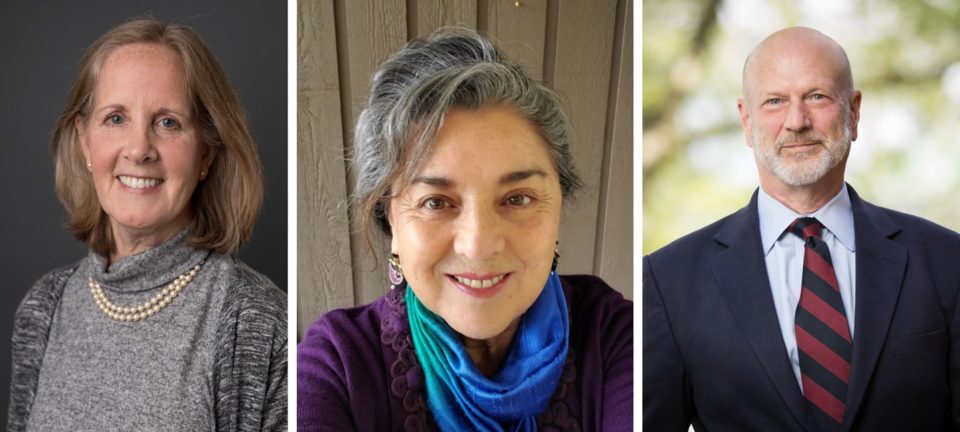
In this facilitated discussion about retirement from the chiropractic profession, our three panelists shared open and honest feedback about their personal experiences. Retirement can be an emotionally and financially complicated topic. We hope this conversation provides some guidance, answers questions, and helps connect you to others contemplating or actively working to retire.

Panelists:

  • Joyce McClure, DC, DACRB, CES
  • Minga Guerrero, DC
  • Chuck Simpson, DC
Retirement Panel Collage

2021 ENGAGE Student Experience

By: Caitlin Jones, 10th Quarter UWS Doctor of Chiropractic and Sports Medicine student

2021 ENGAGE Student Experience

With everything going virtual, the American Chiropractic Association’s annual conference ENGAGE 2021 was no different. In past years, people would fly from all over the country to Washington, D.C. for a long weekend conference to meet with their representatives on Capitol Hill to advocate for the chiropractic profession and take pictures in the middle of the night at the Lincoln Memorial. Though I missed the opportunity to meet and network with chiropractic physicians and students in person, I was still able to make those meaningful connections virtually! There was a mix of pre-recorded sessions and Zoom discussions. For me, being the legislative representative for the UWS Student American Chiropractic Association (SACA) chapter, it was wonderful because I was still able to watch the cool sessions that I normally would have missed for a very long business meeting. And trust me, I really did not want to miss Dr. Howard’s session on “Treating a concussion beyond the adjustment in a chiropractic practice!” I was even able to watch it a week after the conference since we have access to the sessions for a whole month. Next on my list is to check out Dr. Ortega’s session titled “Reframe the brain to rethink the pain” – yes please!

Though we missed out on my favorite part of advocating on Capitol Hill, they still held a discussion giving everyone an update on the Chiropractic Medicare Coverage Modernization Act. We were able to gain some additional support before the new Congress took over, which means that this year we should have an easier time moving this legislation forward. I am honored to announce that I was selected to be the vice legislative chair for SACA National Executive Board (SNEB), so you will definitely hear more about our progress! The ACA is currently working on reframing the bill, but it still keeps to the core of updating Medicare from the 1972 limitations on chiropractic physicians – which still states chiropractor as “he” – that’s how outdated it is. If you want to keep up to date with what the ACA is advocating for – check out www.ACAtoday.org.

Though there were a number of amazing things about ENGAGE this year, my favorite part actually had to do with the UWS community. Though we missed out on socializing in person, eating some great food and exploring my old stomping grounds (I lived in the D.C. area for 12 years), the UWS SACA Chapter was named the 2020 SACA Chapter of the Year! I was honored to be able to work with Danielle Pettet, Leah Dash, Carlee Thomson, Kailey Koopman, Katrina Parsley and Sierra Zinke under the guidance of Dr. Gary Schultz. It was a tough year with COVID changing all of our initial goals, but our wonderful UWS community helped us by attending our events and keeping us motivated. Thank you all so much!

UWS and IFM Extend Joint Educational Collaboration

IFM/HNFM Graphic

University of Western States (UWS) and the Institute for Functional Medicine (IFM) are pleased to announce the extension of their joint collaboration to incorporate functional medicine and functional nutrition coursework in the UWS Master of Science in human nutrition and functional medicine (HNFM) and the doctor of clinical nutrition and graduate certificate in HNFM programs.

“Our collaborative relationship with the Institute for Functional Medicine, now entering its 10th year, continues to be of great value for our HNFM students, as it provides access to educational content from IFM that is integrated into the high-quality courses developed and delivered by our expert faculty,” said Dr. Daniel Redwood, director of the HNFM program.

The UWS mission is to advance the science and art of integrated health care through excellence in education and patient care. This collaboration will enable UWS to better fulfill this mission and to prepare health professionals to address the 21st century epidemic of chronic diseases.

IFM supports the innovative UWS master’s, doctorate and graduate certificate programs through providing faculty training, faculty scholarships, and curricular materials and tools. The UWS HNFM program has been met with enthusiasm and interest among students from around the world and from a variety of backgrounds, including dietitians, nurses, physicians and several other professions.

“The partnership between UWS and IFM is one that is meaningful for both organizations,” said Dr.  Alisa Bates, dean of the college of graduate studies. “We are thrilled that our faculty and students have access to their timely learning materials that enhance their learning experiences in our programs. Beyond that, we are glad to be part of a collegial community that values and encourages ongoing professional learning in functional medicine and nutrition.”


Program Overview

The HNFM program at UWS is the only accredited master’s program in functional medicine. It is 100% online and is offered as a collaborative endeavor between UWS and the IFM, the organization that founded and developed the key functional medicine concepts in use today.

Functional medicine is a science-based, patient-centered approach to achieving and maintaining excellent health through natural methods, with diet and nutrition at the forefront. Founded on a holistic view of health, our functional medicine program leverages the biochemical and genetic individuality of each patient so that practitioners can treat the whole person, not just the symptoms.

Students can choose to receive a Master of Science degree, doctor of clinical nutrition or a graduate certificate in human nutrition and functional medicine. Candidates for either program are eligible for financial aid.