2021 ABCA Conference Student Experience

By: Jasmine Brewster Piper, UWS SABCA Chapter President, SABCA Western Region Student Representative

ABCA_1

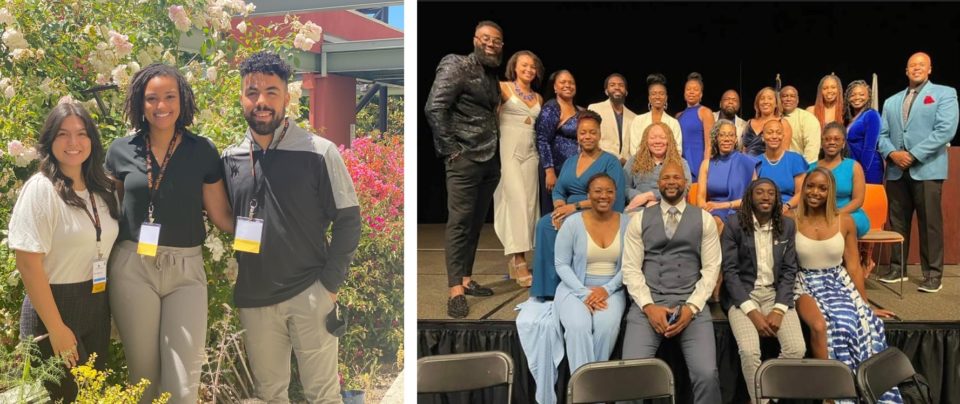
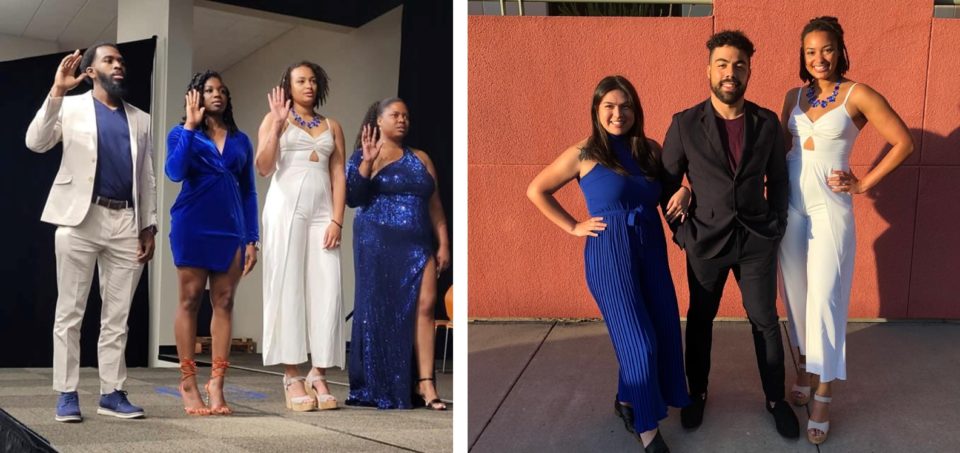
The 21st American Black Chiropractic Association (ABCA) National Conference came at the perfect time. The past year has been devastating for the entire world. In addition to experiencing a global pandemic, us students of color have had to maneuver through our schoolwork and patient care with grace while we witnessed murder and injustice around us. We have been angry, we have been filled with grief and trauma, but more than anything we have felt isolated and alone throughout our campuses. The ABCA National Conference provided the two things we all needed, community and healing.

Every year the national conference leaves us with a burning fire and motivation to continue on, because that is what it will take for us to become doctors and make real change in our communities. This year we received lectures from Dr. Terry Yochum and Dr. Elise Hewitt, UWS alumna (DC class of 1988). We had breakout sessions with the student members where we discussed and brainstormed different opportunities to bring diversity to our campuses and the profession as a whole. During the Harvey-Lillard Scholarship I was nominated and announced as the new Western Region Student Representative, making it the second year a member from the UWS chapter held this position.

We danced, we ate, we learned from amazing doctors – we left with our spirits lifted and focused on our purpose. Collectively, we were all seen and heard. I left feeling proud of our UWS SABCA members and the organization as a whole for their continued efforts and resilience. I am a proud member of the Student American Black Chiropractic Association and will continue to stand up for those who are not heard.

ABCA_2

American Black Chiropractic Association

Learn more about the ABCA history.

Mission Statement: Integrating and improving outcomes for persons of color entering the profession of Doctor of Chiropractic.

Constitution Purpose:

  1. To recruit, encourage and support black persons to study chiropractic.
  2. To encourage research in the development of the science, philosophy and the art of chiropractic.
  3. To assist chiropractic colleges in recruiting qualified black students and faculty members.
  4. To generally advance in the science, philosophy, and art of chiropractic, and to improve the standards in the profession’s professional knowledge.
  5. To facilitate the exchange of knowledge, experience, and research among doctors of chiropractic.
  6. To perform community education.
  7. To establish the Harvey Lillard scholarship fund for members of the Student American Black Chiropractic Association.

AASP Publishes Compensation Report for Mental Performance Work

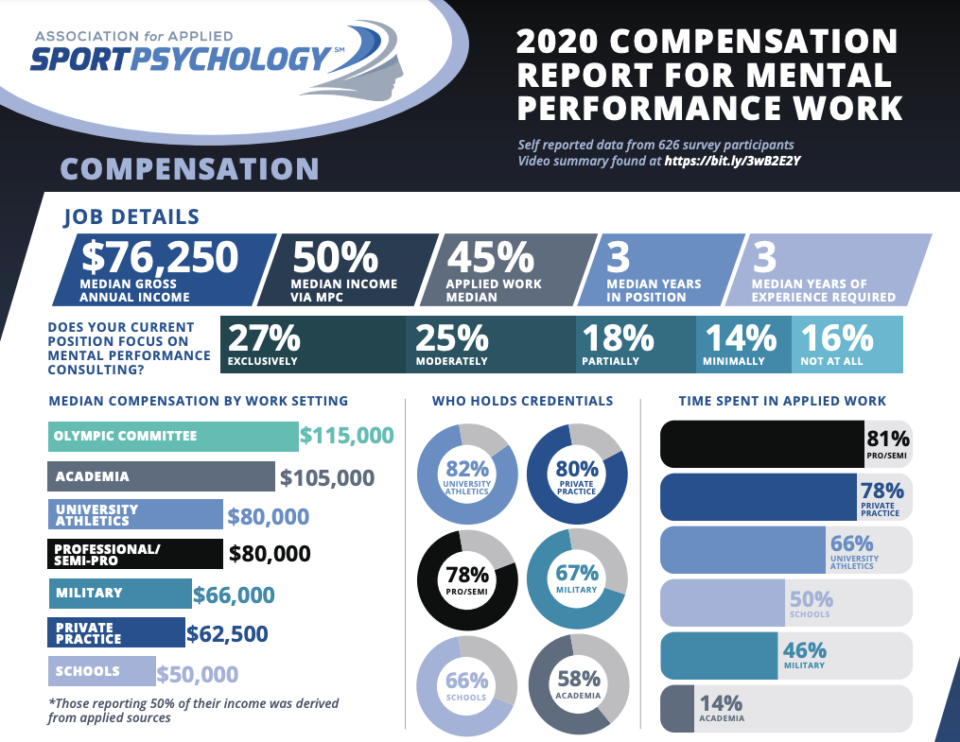
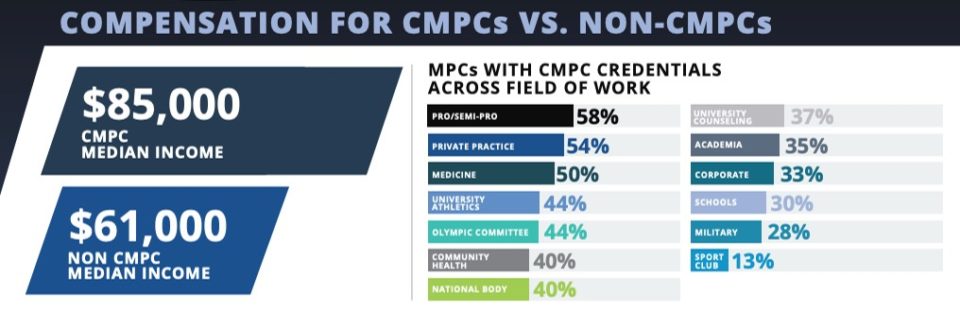
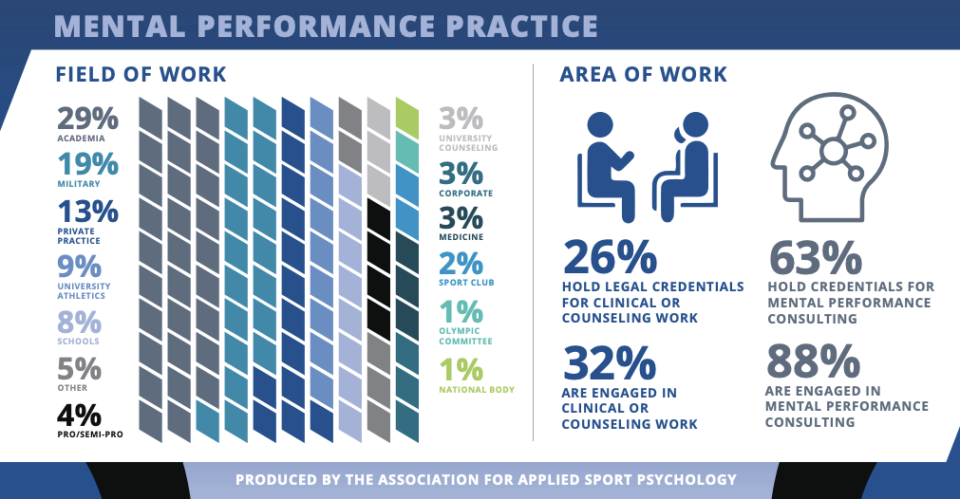
The Association for Applied Sport Psychology (AASP) recently released a 2020 compensation report for mental performance work that outlines job details such as median gross annual income, median compensation by work setting, credential statistics and more. View the full infographic here.

“What’s exciting about these figures is that they not only indicate how satisfied professionals are with their career choice, but also the growing and changing nature of the field,” said Dr. Sarah Castillo, UWS sport and performance psychology program director. “As incomes rise in traditional performance arenas, so do the number of performance arenas in which consultants are working. UWS graduates have a unique opportunity to contribute to high-quality sport and performance consulting, which inspires continued growth and opportunities.”

AASP Inforgraphic_1
AASP Inforgraphic_2
AASP Inforgraphic_3

In addition to the AASP infographic, there is a video presentation entitled “Job Opportunities and Compensation for Mental Performance Work: A Comprehensive Review (2014-2019)” that goes into more detail about the profession as a whole.


Learn more about the UWS SPP programs:

Using positive and applied sport psychology, our sport and performance psychology programs train students in motivation, performance enhancement and the ability to maximize human potential. The SPP programs offered include: Master of Science (MS), Doctorate of Education (EdD), and a graduate certificate. These options allow students to meet their specific career goals and educational needs.

The integration of sport psychology and counseling within the curriculum offers graduates a broader professional scope of practice and a deeper engagement in the field. The counseling coursework is an essential aspect of the training needed to become a Certified Mental Performance Consultant (CMPC®) or Licensed Professional Counselor (LPC). Learn more about the program and request information.

About AASP:

AASP is the premier association that ensures every performer has the resources to strengthen their inner edge through the advancement and application of excellence in mental performance and mental health. To do that we cultivate an inclusive field of Certified Mental Performance Consultants® (CMPC), licensed mental health professionals, educators, and researchers. Because when we research, train, and serve performers’ complete mental needs, we elevate their ability to perform and thrive.

Certification as a CMPC® demonstrates to clients, employers, colleagues, and the public at large that an individual has met the highest standards of professional practice, including completing a combination of educational and work requirements, successfully passing a certification exam, agreeing to adhere to ethical principles and standards, and committing to ongoing professional development. The CMPC® certification program is also accredited by the National Commission for Certifying Agencies (NCCA).

Virtual Workspace and Career Alumni Showcase

alumni showcase

We invited a select group of University of Western States alumni “all stars” to serve as hosts for a unique video series. Alumni hosts talk about their career journey, the type of practice they run or the organization they work for. They also share a brief tour of their office or work space. Check out the series here!

With this series, we hope to inspire alumni and students by showing them just a few of the unique career paths, office environments and positions their fellow UWS colleagues have created for themselves. The opportunities to specialize and find your niche in health care are endless!

Benefit of the UWS Sports Medicine Program to Medical Practitioners

sports medicine program

By: Brent Marshall, EdD, MS, LAT, ATC, CES, UWS sports medicine program assistant professor

What is the sports medicine degree at UWS?

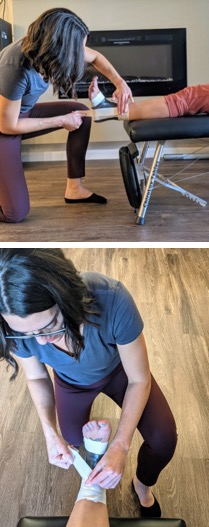
The sports medicine program at UWS is a two-year degree program, which is made up of a clinically focused and evidence-informed curriculum. The program is for students who are concurrently enrolled in a first professional health care degree or practicing clinicians who have already earned a first-professional degree (AT, DO, PT, DC, for example). The main hallmark of the program is to learn in an evidence-informed program which emphasizes knowledge and skills specific to sports medicine and work to enhance the individual’s knowledge of injuries and illnesses that affect active persons.

How does this degree set people apart?

Our sports medicine program sets clinicians apart by taking their existing knowledge and skills of assessment, treatment, musculoskeletal rehabilitation and other clinical skills and enhances them by focusing knowledge to an athletic and sport focused mindset. This allows for a more diverse, relevant and clinically appropriate care to athletes and people engaged in physical activity.

Why should providers pursue this additional degree?

Earning a master’s in sports medicine through UWS provides the practicing clinician, or dually-enrolled student more knowledge and skills to assist athletes of all ages and abilities. These skills are invaluable for a clinician who works with athletes of any level regardless if they are youth, collegiate, professional or amateur. The hands-on skills learned through lab courses and hands-on practicums help clinicians reinforce content learned in the virtual classroom. This format allows direct application of knowledge in courses and permits students the ability to refine and enhance their skills throughout the program. Upon graduation students will have been exposed to a broad range of courses on whole person health care. This includes aspects of general health, orthopedic conditions, nutrition, performance, and sport psychology. As a result, graduates can work in a variety of sports settings from clinic to venue-side care.


About the sports medicine program: A master’s degree in sports medicine is a natural fit for chiropractic physicians and other health care professionals who desire a specialty practice working with athletes. A sports medicine master’s degree can open up opportunities to work with various sports teams (high school, collegiate and professional) and in sports-related facilities. In addition, this degree provides appropriate credentials for teaching in higher-education settings. Learn more!

Legislative Win for Oregon in Insurance Pre-authorization

By: Vern Saboe Jr., DC (Class of 1979) – Oregon Chiropractic Association, Lobbyist, ACA Delegate for Oregon

Oregon Legislature recently passed House Bill 2517 and has been signed into law by Governor Kate Brown. This new Oregon law will help reduce confusion and delays many patients have dealt with when attempting to obtain pre-authorization for various medical procedures, some even lifesaving. The law will reduce the administrative burden medical staff must deal with while reducing cost as well as reducing patient waiting times. It requires a process for electronic submission for authorization, clarifies necessary information needed for submission of a complete utilization management request, specifies health service authorizations by insurers, and the health plans are valid for at least 60 days and 12 months for chronic disease treatment. 

This Oregon law will improve transparency and navigation through the administrative process by ensuring all medical offices and their patients receive a clear reason for any denied requests and requires insurance companies to provide notification of any changes to utilization management within a reasonable period. This patient-centered legislation was the result of several health care professions and foundations working together for the good of all patients. These groups include the Oregon Chiropractic Association (OCA), the Oregon Medical Association (OMA), Oregon Association of Naturopathic Physicians (OANP), Osteopathic Physicians and Surgeons of Oregon (OPSO), Oregon Nurses Association (ONA), Oregon Physical Therapy Association (OPTA), Oregon Association of Acupuncturists (OAA) and others. All patients in Oregon will benefit, because these health care professions were willing to work together over the course of the last three Oregon legislative sessions.

Patient-Centered Care – For the Good of the Patient

In a new blog series, Dr. Bill Moreau, UWS chief medical officer, will provide his thoughts from the field of integrated health care and his longstanding experience providing top-tier health care.


By: Bill Moreau, DC, DACBSP, FACSM, UWS chief medical officer

Dr. Bill Moreau

We often hear the term “patient-centered care.” This term certainly sounds inspiring and seems to resonate with both health care providers and patients alike. It seems obvious that a health care provider’s care should be centered on delivering what is in the best interest of the patient. If you consider the definition of patient-centered care to mean that the individual’s specific health needs and desired outcomes from care drive all the health care decisions of both the patient and their health care team it makes sense the patient’s health care providers need to collaborate with one another. Clearly the patient needs to have the right to personal autonomy and still be a part of the team approach to health care.

From a clinician’s standpoint, for the patient to really benefit and experience care that is centered on their best interests their health care team must have a functional relationship. A health care team’s functional relationship occurs when the providers understand the other health care providers care interventions and recognize their own personal role in impacting not only the health of the patient but also the potential effects of their cares on other health care providers cares. The care should be collaborative, coordinated and accessible. The right care should be provided at the right time and the right place.

There are many barriers to patient-centered care including economics, lack of access, technology, language and many other potential hurdles. Patient-centered care takes time and effort. For the patient to be the center of care there needs to be a shared decision-making whereby the benefits and risks of any intervention is explained in enough detail that the patient can make an informed decision and what they would like to do. The average individual sees more than one health care provider on a routine basis. While the actual number of health care providers involved with any one patient is patient-specific it is logical that no one provider manages for all the needs of most patients.

Patient-centered care from a holistic perspective is not possible if the multiple providers are not in communication with one another. The communication can be as simple as shared access to a common electronic health record to the complexities of integrated health care centers where most of the patient’s health care providers all work together within the same building. These types of integrated centers in a single clinical setting are becoming more common but the majority remain separated. One solution for health care providers who are driven to help their patients to enjoy the benefits of an integrated care team is for the health care providers themselves to build virtual and collaborative care teams.


These top five takeaways can aid in ensuring care delivery is patient-centered:

  1. The patient’s right to personal autonomy can include a team approach to health care.
  2. One best practice to drive favorable health care outcomes is the necessity of collaboration between various health care providers.
  3. Three keys to improved delivery of health care include collaboration, coordination and access.
  4. Patient centered care requires the patient to be engaged and considered as a partner of the health care team.
  5. Patient-centered care takes time and effort.