Learn More About the Student Alliance for Integrative Medicine

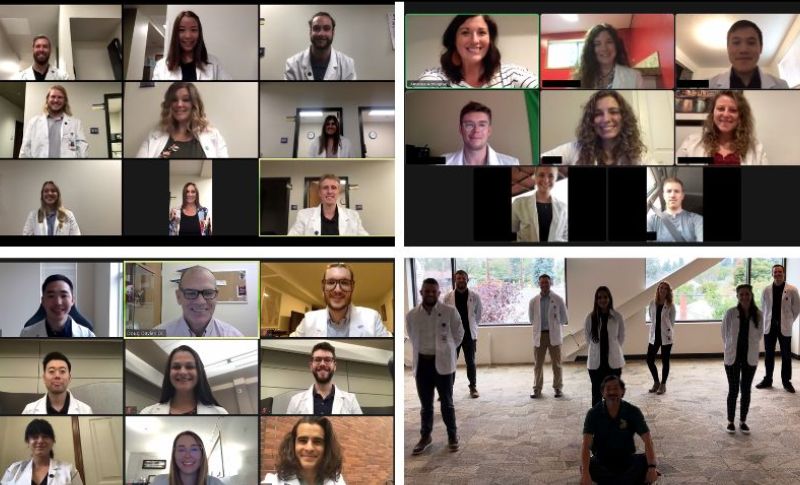
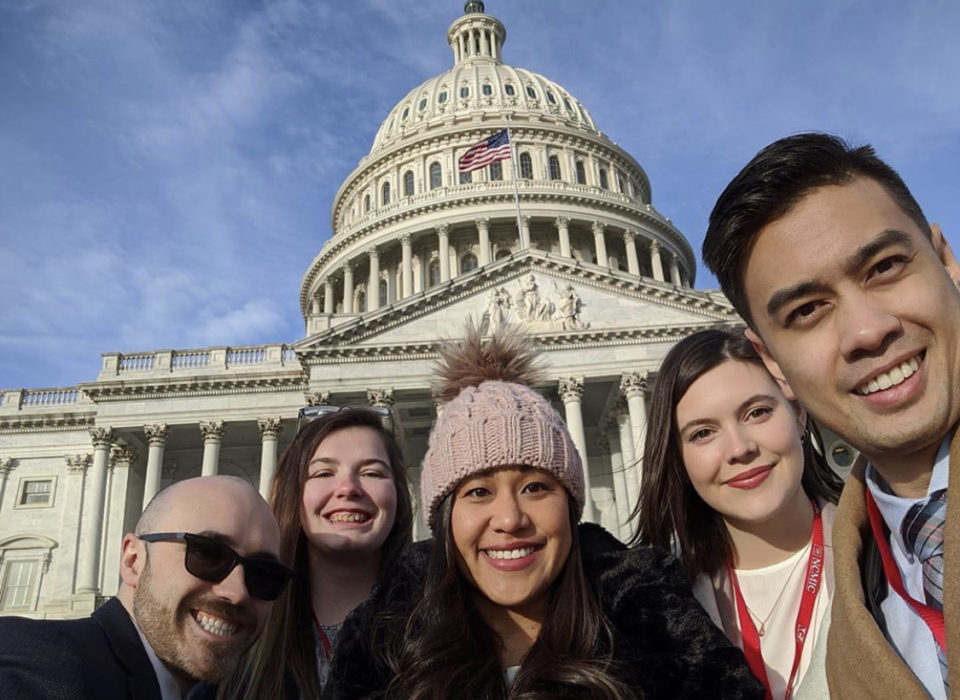
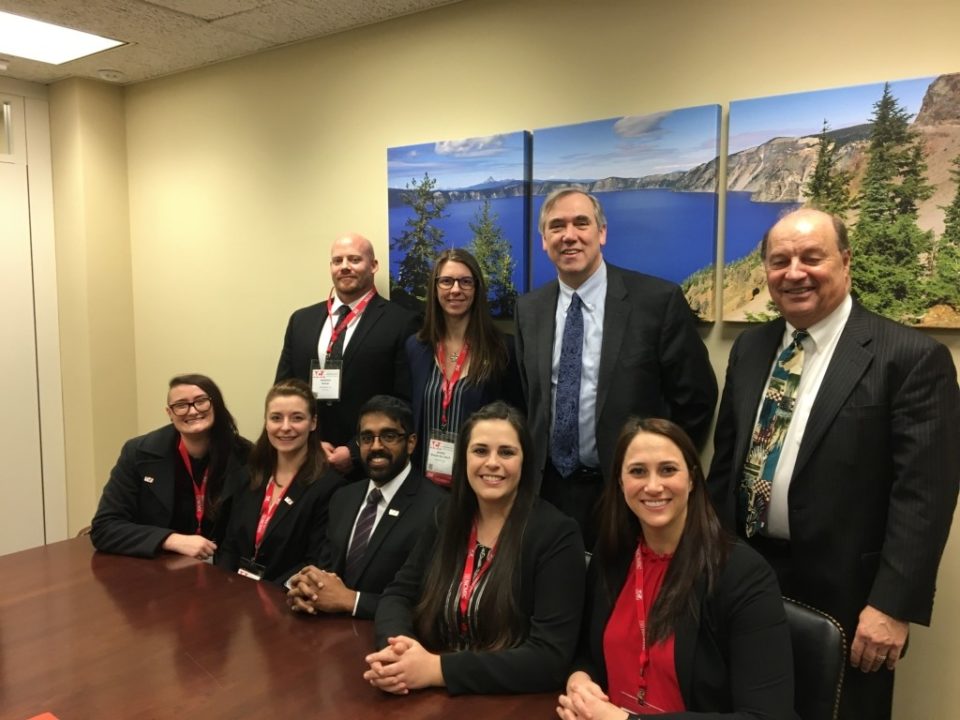
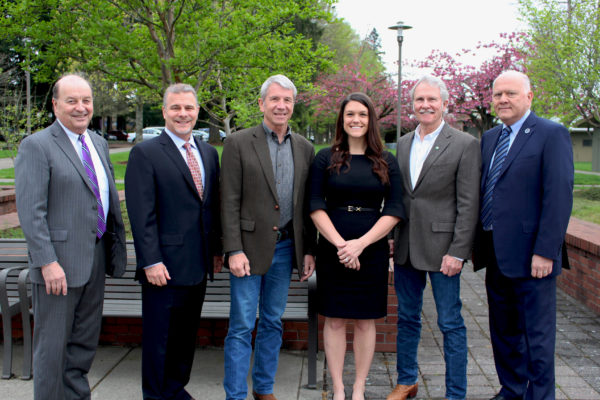
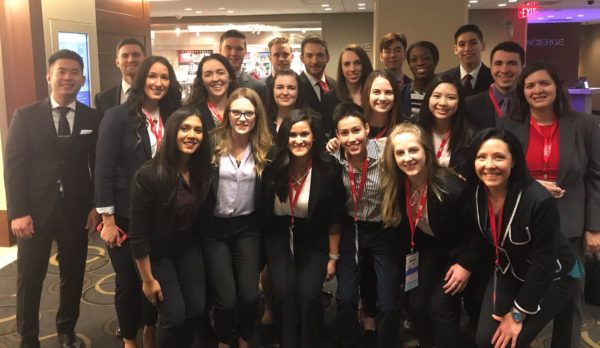
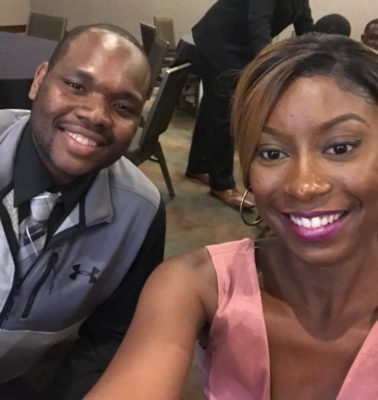
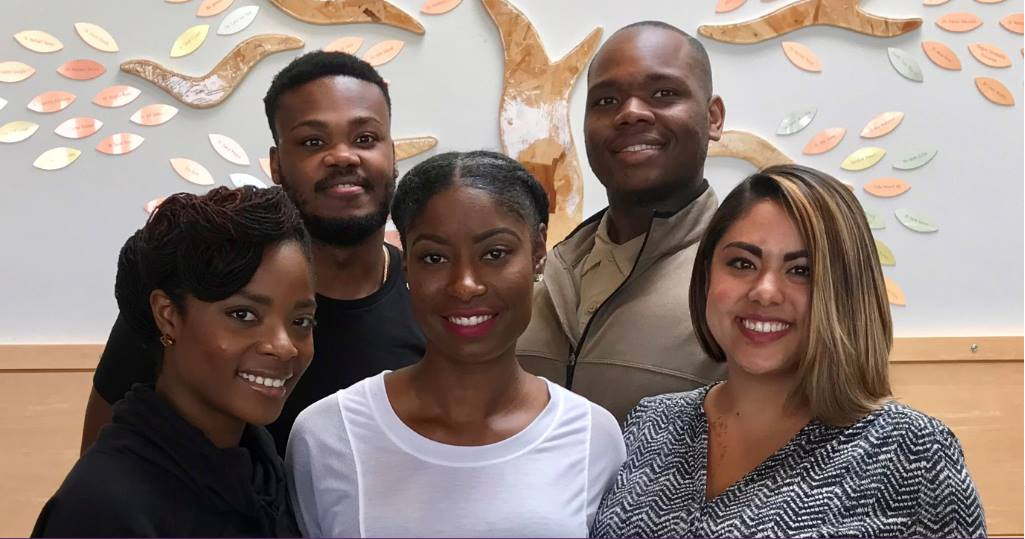
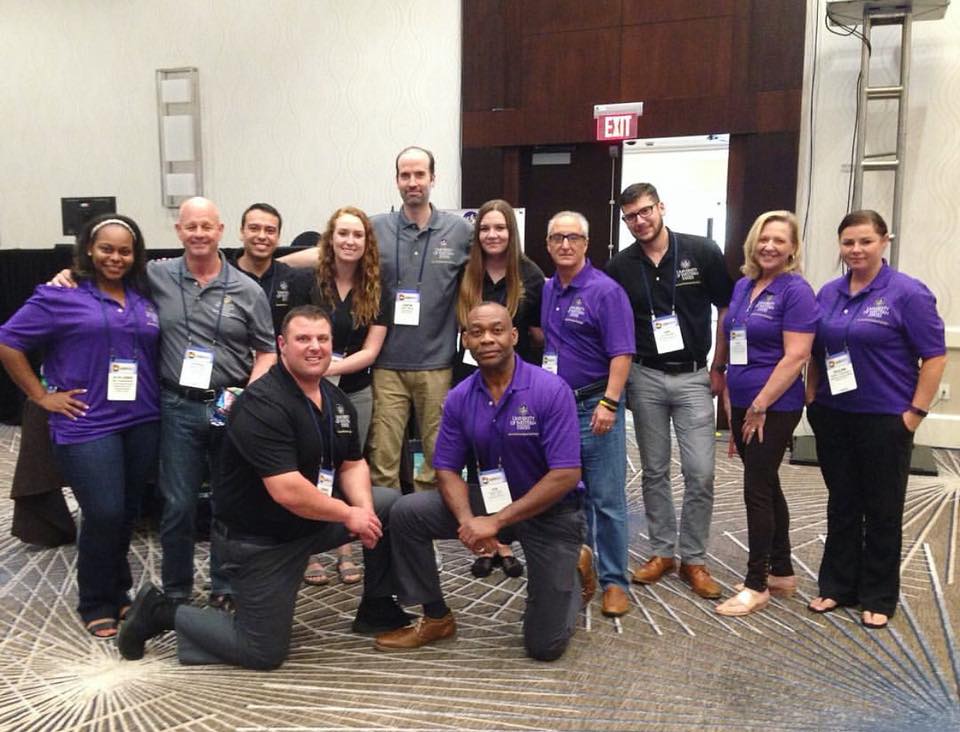
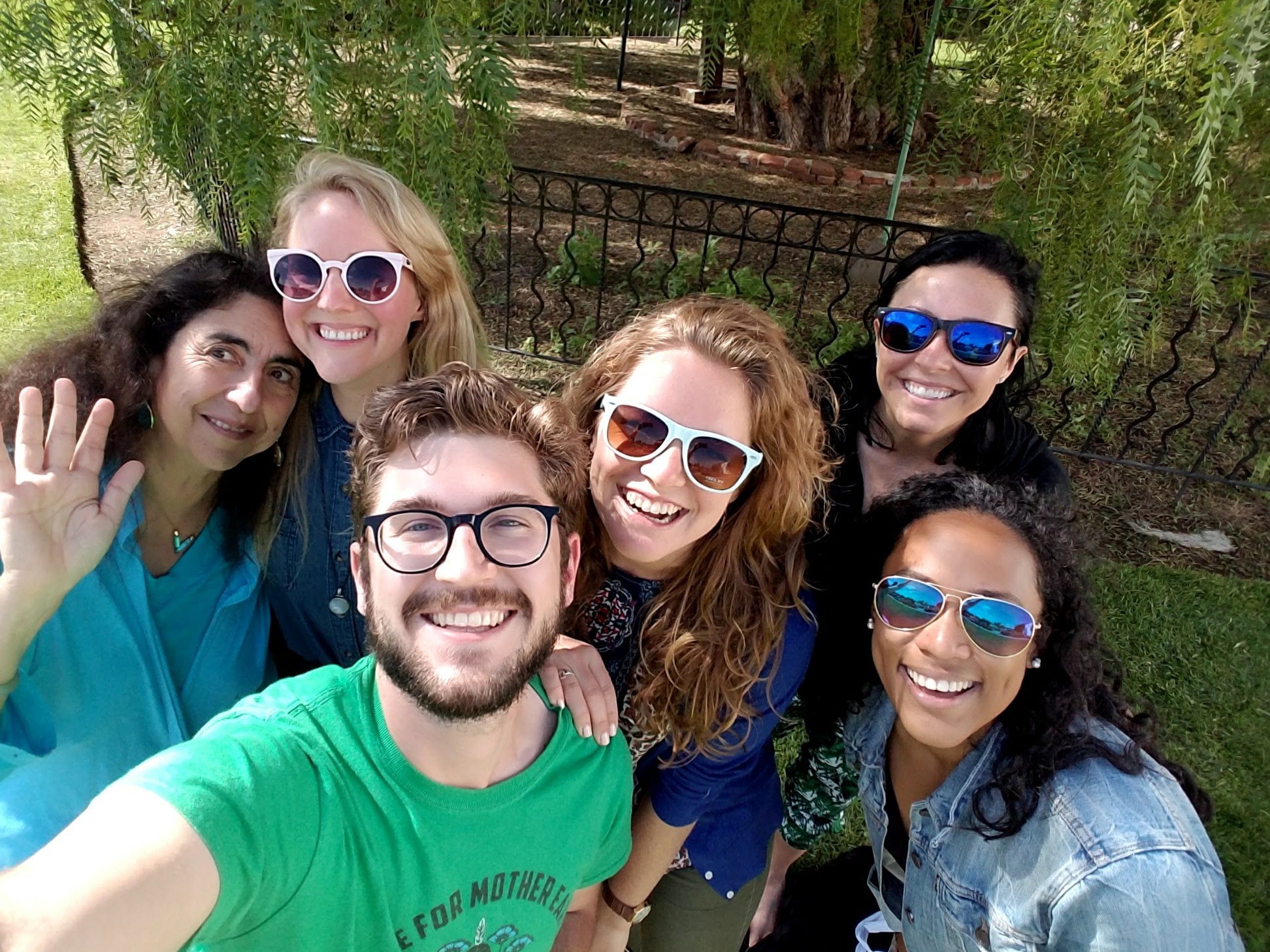
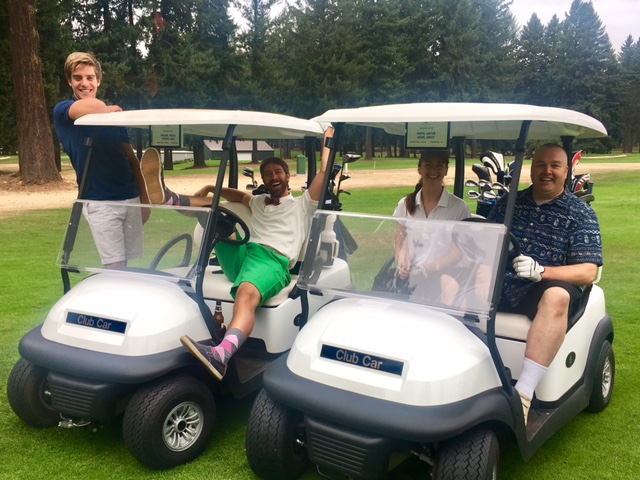
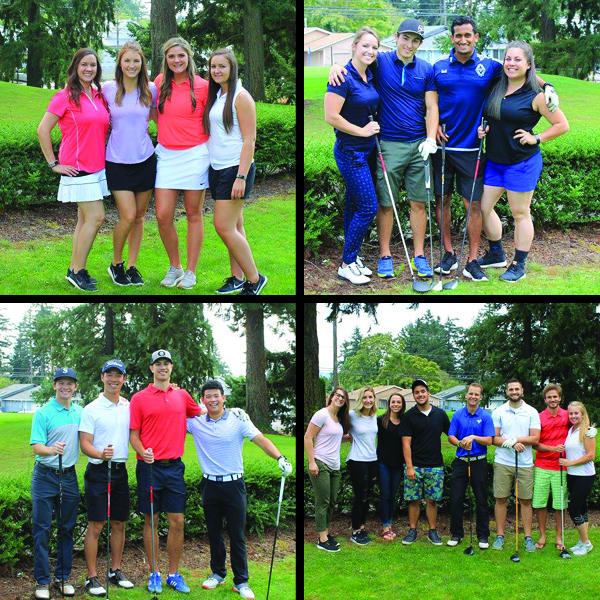
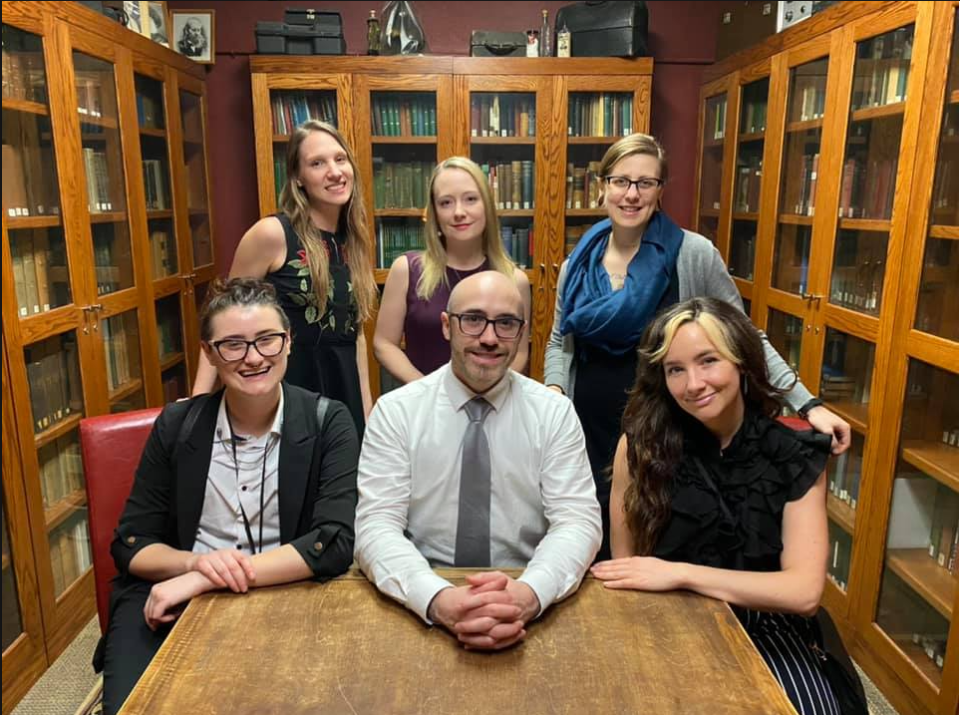
SAIM members

What is SAIM and OCIM?

The Student Alliance for Integrative Medicine (SAIM) helps foster inter-professional understanding and collaboration amongst institutions and communities throughout the health care continuum. SAIM aims to expand awareness of complementary and alternative medicine, foster communication and camaraderie among health care students, and to facilitate several educational and networking opportunities. This helps SAIM build a better understanding of each involved professions contributions and strengths towards whole-person health care.

SAIM is a student-governed organization comprised of educational institutions such as University of Western States (UWS), Oregon Health Science University (OHSU), Oregon College of Oriental Medicine (OCOM), National University of Natural Medicine (NUNM), Pacific University (PU) and the University of Portland School of Nursing (UP). SAIM’s parent organization, the Oregon Collaborative for Integrative Medicine (OCIM), manages and actively supports SAIM in building an interconnected community of students and professionals dedicated to cultivating patient-centered care. Stakeholders within SAIM and OCIM that span the fields of Chinese medicine, acupuncture, chiropractic, naturopathic, occupational therapy, pharmacology, psychology and more.

What is “integrative health and medicine”?

OCIM and SAIM support the definition of Integrative Health and Medicine compiled by Duke University –

“Integrative health and medicine is an approach to care that puts the patient at the center and addresses the full range of physical, emotional, mental, social, spiritual and environmental influences that affect a person’s health. Employing a personalized strategy that considers the patient’s unique conditions, needs and circumstances, it uses the most appropriate interventions from an array of scientific disciplines to heal illness and disease and help people regain and maintain optimum health. In addition to addressing patients’ presenting health issue(s) and the root cause of disease or illness, integrative medicine focuses on disease prevention and wellness. Integrative medicine fosters the development of healthy behaviors and skills for effective self-care that patients can use throughout their lives.”


Questions for SAIM Council Members

Jesse Gordon – Executive chair

What inspired you to become active in SAIM?

I’ve worked in a variety of roles within the health care field and have seen firsthand the importance of a whole health/integrative approach to patient care. After seeing the great information made available and social opportunities through SAIM, I was hooked. I’ve been involved since my first quarter at UWS and have met some amazing people along the way.

How do you plan to use the lessons learned through SAIM and OCIM once you graduate?

The biggest lesson I’ve learned through SAIM is that each profession has their strengths and weaknesses and in order to provide the best patient-centered care we need to work together. I plan on having a strong network of health care professionals, both to refer to when appropriate, but also to collaborate through case conferences and grand rounds. This creates a care dynamic where one is utilizing the knowledge and skills of our colleges in addition to our own.

Brandy Hagan – UWS chapter president, event planning chair


How have you benefited from being active in SAIM?

SAIM has afforded me the opportunity to connect with individuals who are equally passionate about whole-person health and wellness. Whether that’s through participating in lively SAIM socials, educational Grand Rounds or Integrative Medicine Days, there are always friendly folks waiting to share and collaborate in the name of integrative medicine and community.

How has your understanding of other health care fields changed since your involvement in SAIM?

It’s been a joy learning more about each respective profession through the lens of SAIM member institutions even when that’s about interprofessional collaboration itself! I’ve learned that each profession grapples with balancing philosophy and science, similar to that of “vitalists” and “mixers” within chiropractic. If it were feasible, I’d love to pursue training in each participating field… such is the spirit of SAIM and life-long learning! 


5 reasons to participate in SAIM events:


1. To learn the strengths and weaknesses of all of the health care professions in order to refer and communicate efficiently.

2. To build a network of future naturopaths, medical physicians, Chinese medicine practitioners, acupuncturists, psychologists and chiropractic physicians.

3. To learn new approaches to patient-centered care.

4. To gain leadership and professional planning skills.

5. To enjoy delicious free food! (Should this be #1?)


Exciting News!

It is with great enthusiasm that we share OCIM was recently awarded a grant from The David and Lura Lovell Foundation, which will help implement the Whole Health in the States Initiative! Oregon is one of six states that will collaborate to, “create a consensus and deploy action around strategies to increase access to and utilization of high quality, comprehensive pain care for underserved populations. These efforts, tailored to the unique characteristics of each state, will address the critical need to operationalize how nonpharmacologic therapies for pain are integrated into traditional pain care.” This provides an opportunity for SAIM to more easily facilitate those popular SAIM-led events such as Integrative Medicine Day, Grand Rounds and casual socials we’ve all come to love-even within the confines of Covid-19! Now is a great time to be part of SAIM and involved in the Nation-wide effort to improve health care access, quality and collaboration, especially as it relates to Integrative Medicine and pain management!
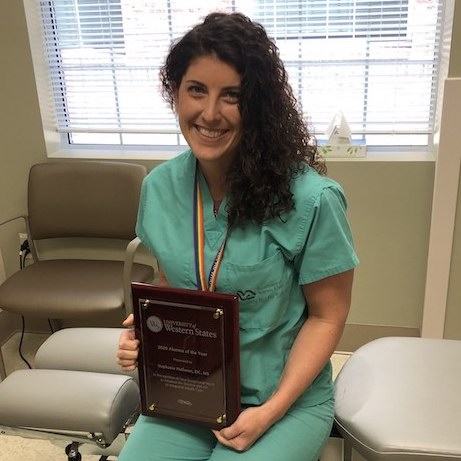
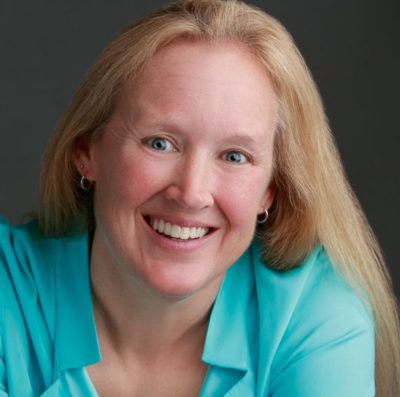
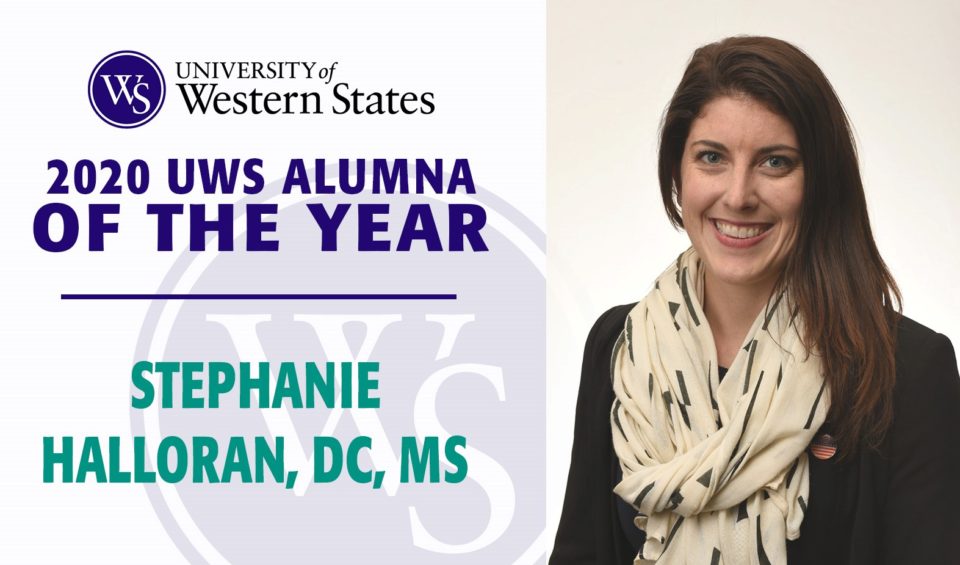
2020 UWS Alumna of the Year

Stephanie Halloran, DC, MS, – A Lifelong Pursuit of Excellence

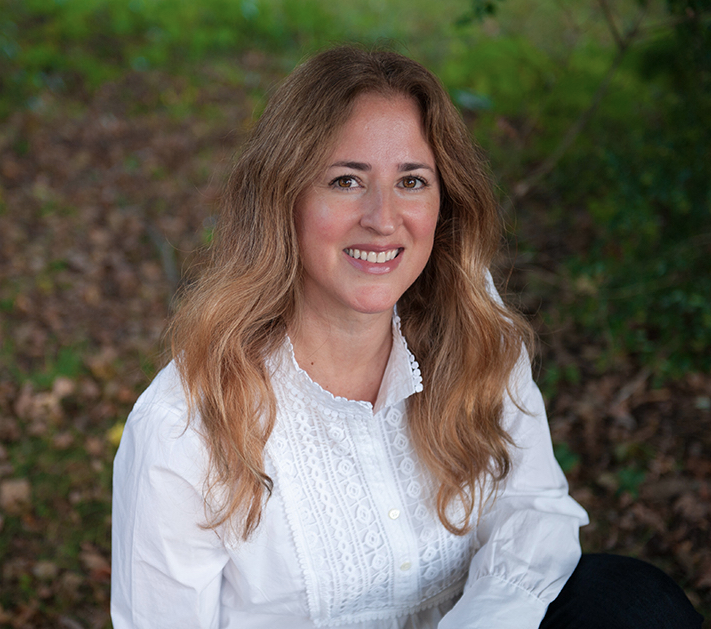
Stephanie Halloran, DC, MS, Alumna of the Year 2020

Stephanie Halloran, DC, MS, was named the University of Western States (UWS) 2020 Alumna of the Year. The distinction recognizes and honors the accomplishments of outstanding UWS graduates as they continue the university’s mission to advance the science and art of integrated health care.

“I am deeply humbled and honored to have been nominated and to receive this award,” said Dr. Halloran. “I am so grateful for my time spent at UWS and for the opportunities it gave me to pursue integrated care. I look forward to continuing to work with students who are looking to go on the same career path that I have been so fortunate to have.”

Dr. Halloran hit the ground running upon graduation from the doctor of chiropractic (class of 2016) and human nutrition and functional medicine (class of 2019) programs and has carried a passion for lifelong learning from a young age. Having always been very active and athletic, she could not envision herself sitting at a desk for long hours. Her first experience with a chiropractic physician was in high school while racing on a youth triathlon team and experiencing chronic knee pain. Through the collective care of the chiropractic physicians and a physical therapist in the office she visited, she was back to running pain-free in just a few short weeks.

Upon graduation from University of Illinois, Champaign-Urbana with a degree in kinesiology, Dr. Halloran moved to the Chicago suburbs and began working as a personal trainer with specialties in weight loss and endurance athletes. A year into her work, she realized that she was limited in her abilities and needed to broaden her scope by seeking additional education and chose University of Western States and to become a chiropractic physician.

“UWS has a drive for excellence that starts from the top-down,” said Dr. Halloran. “Not only are our educators and administrators working to provide relevant, evidence-based education in their areas of expertise, they are also working with experts in their respective fields to enhance education and delivery of content overall. It is my personal opinion that UWS not only provides a base to be a competent clinician, but also gives students the opportunity to pursue less common careers, such as research, academics and health administration, if they so choose.”

Following graduation from UWS, Dr. Halloran moved to Indianapolis for a preceptorship at the Veterans Affairs (VA) Clinic. She then had the opportunity to work with Dr. Anthony Lisi, chiropractic program director for the Veterans Health Administration. She moved to Connecticut for a residency as a postdoctoral fellow at Yale University working on a National Institutes of Health (NIH)-funded study under Dr. Lisi, Dr. Christine Goertz and Dr. Cindy Long.

“The opportunities I have had are very unique and a direct result of the hard work and drive from individuals like Drs. Lisi, Goertz, Long and many others. Understanding what goes into creating these training opportunities and positions for early-career clinicians, along with my positions in national organizations, allows me to continue the efforts of my mentors and expand the opportunities for current and future chiropractic students.”

In the last year, Dr. Halloran has accepted a full-time clinical position at the W.G. (Bill) Hefner VA Medical Center in North Carolina and splits her time between the Salisbury and Charlotte locations. Her current goals are to offer students the opportunities she had to train in a medically integrated setting during their preceptorship, as well as begin to integrate into the research department and further advance studies focused on chiropractic care.

“I am in a unique position at the VA, working on a whole health team that consists of health coaches, pain psychologists, integrated medicine practitioners (acupuncture, prolotherapy) and a registered dietician,” said Dr. Halloran. “I use my background in functional medicine, to review labs and discuss the role of inflammatory diets with the patient, mindfulness, sleep and other aspects of lifestyle and how it can impact their overall health and musculoskeletal conditions. My background in functional medicine allows me to easily communicate the goals and progress of the patient with other professionals working in similar capacities.”

Dr. Halloran showcases the power of integrative health care to positively make an impact on one’s life as well as demonstrates exemplary leadership serving in various professional organizations. In all her efforts, she has been noted by her colleagues to have represented her profession with grace and inclusivity.

“Dr. Stephanie Halloran exemplifies the characteristics and values that UWS endeavors to instill in its graduates—patient focus, best practices, curiosity, inclusiveness, professionalism and individualized whole-person health,” said Dr. Joseph Brimhall, UWS president. “Her integrity and leadership is an inspiration to everyone who has the privilege of working with her.”

Dr. Halloran has a passion for becoming the best physician she can be and ensuring that she grows not only personally, but helping to open doors for those who follow her lead.

“Experiencing and living with pain impacts one’s life greatly,” said Dr. Halloran. “And having the ability to provide some relief or to completely resolve a patient’s complaint is a great gift to offer the world.”

Introducing Dr. Sarah Castillo, UWS Sport and Performance Psychology Program Director

Sarah Castillo

University of Western States (UWS) is incredibly proud to announce the sport and performance psychology (SPP) director, Dr. Sarah Castillo. 

“It is a great honor to be part of the University of Western States community,” said Dr. Castillo. “I’m excited to blend my deep passion for higher education and graduate training with the strength of the sport and performance psychology programs here at UWS. I look forward to the work ahead and am excited to make closer connections here at this great university.”

Dr. Castillo completed her bachelor’s degree in psychology at UCLA, her master’s degree in kinesiology at Cal State Long Beach and her PhD in education at the University of Idaho. Her graduate research projects built on one another, with her master’s thesis focusing on the impact of coach and athlete compatibility on levels of team cohesion, and her dissertation centered on the creation of a two-year intervention program with a newly formed NCAA Division I women’s soccer team. She is a Certified Mental Performance Consultant (CMPC) and approved CMPC mentor through the Association for Applied Sport Psychology (AASP). She currently serves on the AASP executive board as the professional standards division head, overseeing activities related to certification, ethics and continuing education.

Dr. Castillo comes to UWS from National University in San Diego, Calif., where she served as the program director for the bachelor’s in sport psychology program, acted as editor-in-chief for the online Journal of Performance Psychology and was co-director of the Center for Performance Psychology. Prior to her tenure at National University, she spent nine years as a performance enhancement instructor at the United States Military Academy, West Point. During her time with the Army, Dr. Castillo worked extensively with more than 15 intercollegiate, intramural and club athletic teams.

“The College of Graduate Studies is very excited to have Dr. Castillo join our team as the director for SPP,” said Alisa Bates, PhD, dean, college of graduate studies. “Her background and professional experiences have her well-positioned to lead our programs towards continued excellence. Dr. Castillo’s experience in the leadership of AASP provides ongoing national insight into the directions of the field that will prove invaluable to the university. Welcome, Dr. Castillo!” 

Dr. Castillo’s passion is working with individuals and teams in their search for peak performance in any area of life. She currently works with various collegiate teams and individual athletes in the San Diego area, as well as the USOPC Paralympic track and field team.

One of Dr. Castillo’s main areas of interest is the implementation of interventions designed to allow performers to reach their potential through the application of mental skills and mindfulness training. Her goal is to collaborate with performers to help them become fully engaged in competition despite adverse thoughts, emotions and playing conditions.

Journey to Retirement: A DC Panelist Discussion

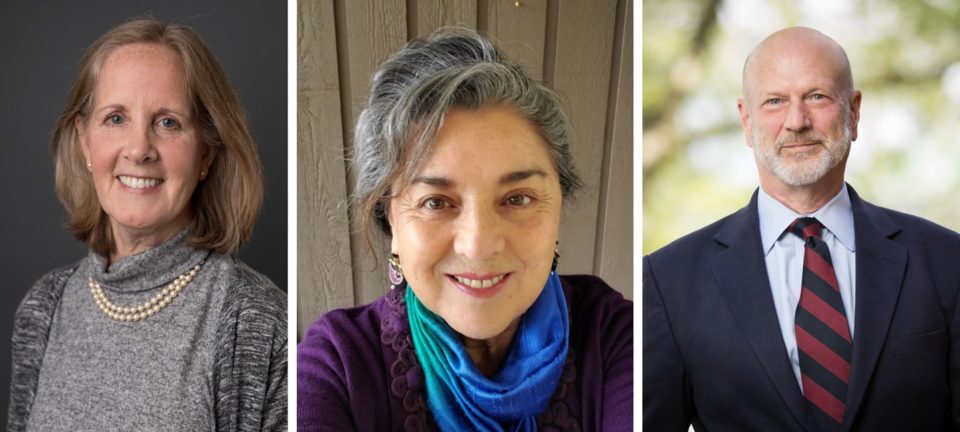
In this facilitated discussion about retirement from the chiropractic profession, our three panelists shared open and honest feedback about their personal experiences. Retirement can be an emotionally and financially complicated topic. We hope this conversation provides some guidance, answers questions, and helps connect you to others contemplating or actively working to retire.

Panelists:

  • Joyce McClure, DC, DACRB, CES
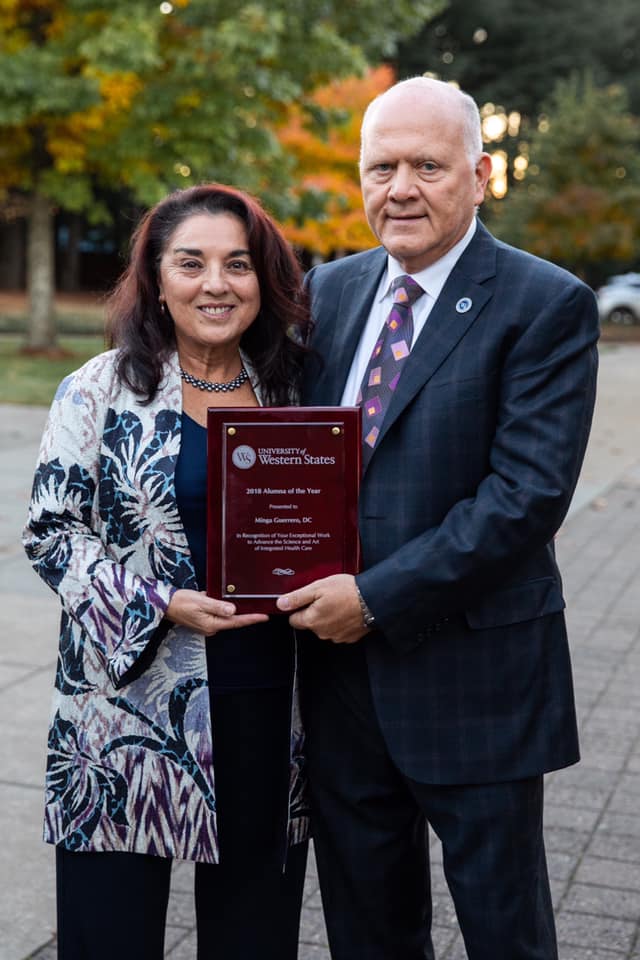
  • Minga Guerrero, DC
  • Chuck Simpson, DC
Retirement Panel Collage

2021 ENGAGE Student Experience

By: Caitlin Jones, 10th Quarter UWS Doctor of Chiropractic and Sports Medicine student

2021 ENGAGE Student Experience

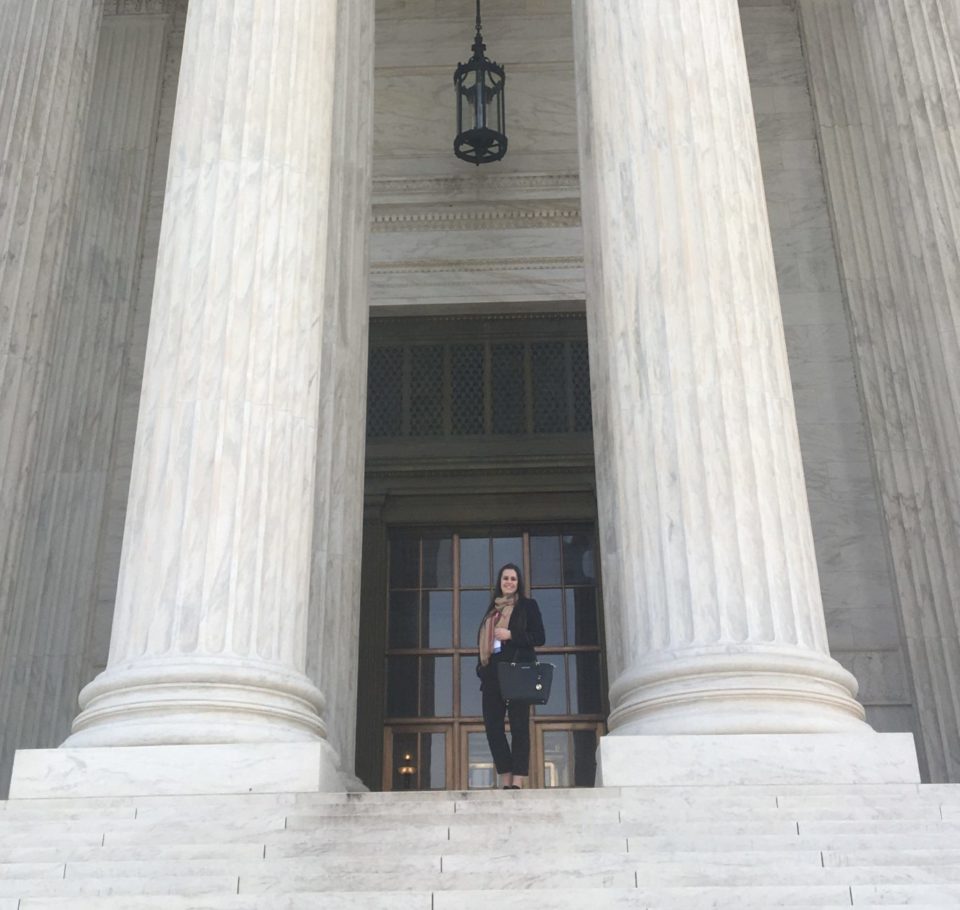
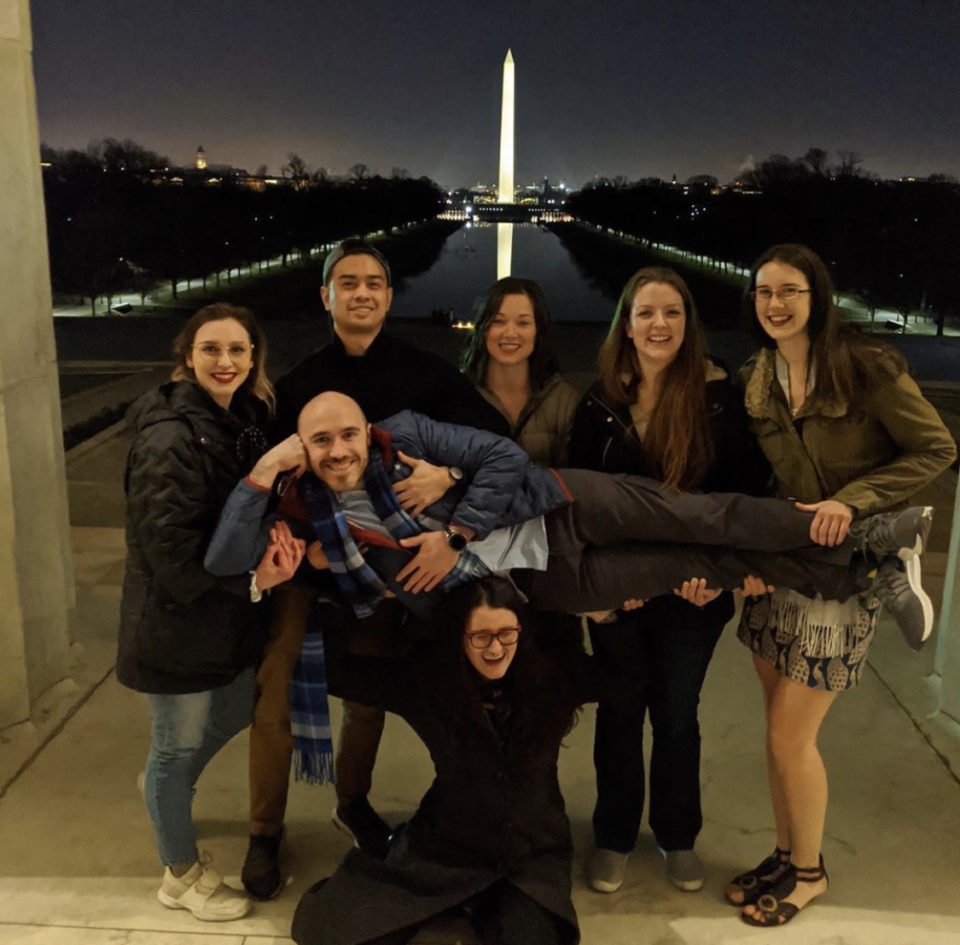
With everything going virtual, the American Chiropractic Association’s annual conference ENGAGE 2021 was no different. In past years, people would fly from all over the country to Washington, D.C. for a long weekend conference to meet with their representatives on Capitol Hill to advocate for the chiropractic profession and take pictures in the middle of the night at the Lincoln Memorial. Though I missed the opportunity to meet and network with chiropractic physicians and students in person, I was still able to make those meaningful connections virtually! There was a mix of pre-recorded sessions and Zoom discussions. For me, being the legislative representative for the UWS Student American Chiropractic Association (SACA) chapter, it was wonderful because I was still able to watch the cool sessions that I normally would have missed for a very long business meeting. And trust me, I really did not want to miss Dr. Howard’s session on “Treating a concussion beyond the adjustment in a chiropractic practice!” I was even able to watch it a week after the conference since we have access to the sessions for a whole month. Next on my list is to check out Dr. Ortega’s session titled “Reframe the brain to rethink the pain” – yes please!

Though we missed out on my favorite part of advocating on Capitol Hill, they still held a discussion giving everyone an update on the Chiropractic Medicare Coverage Modernization Act. We were able to gain some additional support before the new Congress took over, which means that this year we should have an easier time moving this legislation forward. I am honored to announce that I was selected to be the vice legislative chair for SACA National Executive Board (SNEB), so you will definitely hear more about our progress! The ACA is currently working on reframing the bill, but it still keeps to the core of updating Medicare from the 1972 limitations on chiropractic physicians – which still states chiropractor as “he” – that’s how outdated it is. If you want to keep up to date with what the ACA is advocating for – check out www.ACAtoday.org.

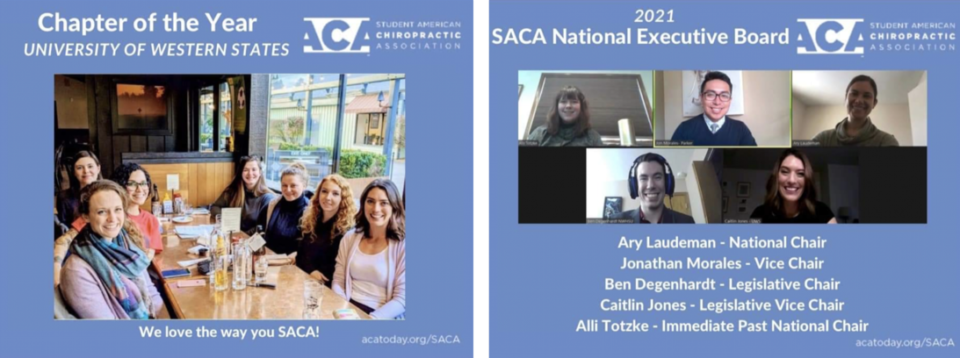
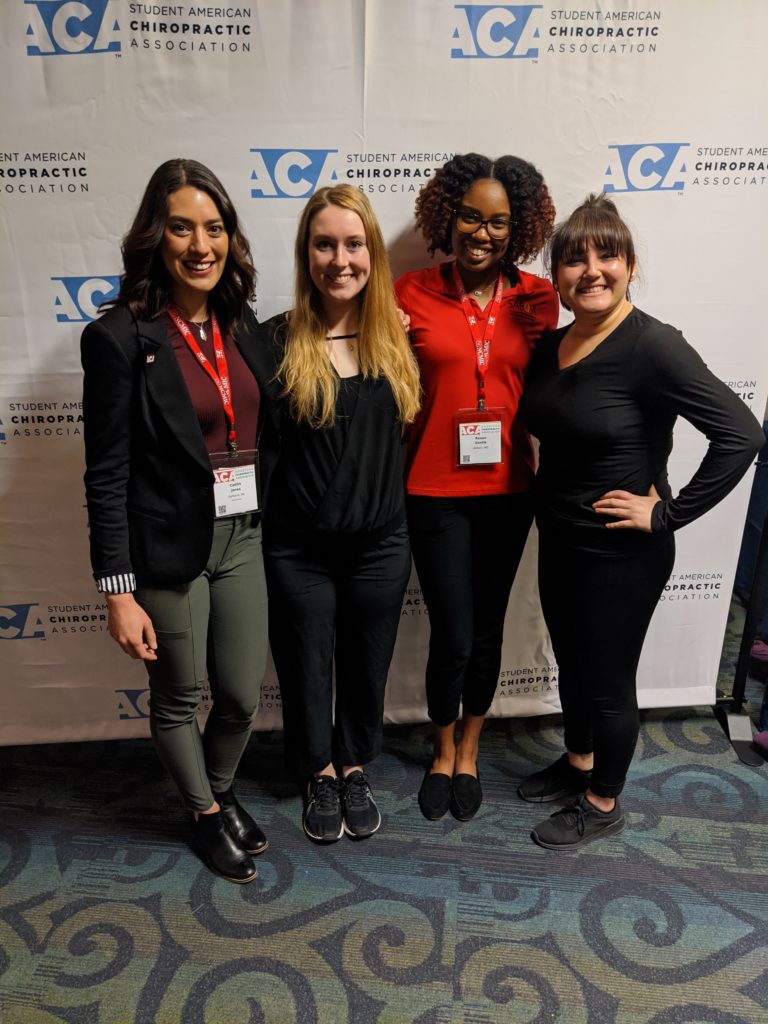
Though there were a number of amazing things about ENGAGE this year, my favorite part actually had to do with the UWS community. Though we missed out on socializing in person, eating some great food and exploring my old stomping grounds (I lived in the D.C. area for 12 years), the UWS SACA Chapter was named the 2020 SACA Chapter of the Year! I was honored to be able to work with Danielle Pettet, Leah Dash, Carlee Thomson, Kailey Koopman, Katrina Parsley and Sierra Zinke under the guidance of Dr. Gary Schultz. It was a tough year with COVID changing all of our initial goals, but our wonderful UWS community helped us by attending our events and keeping us motivated. Thank you all so much!

UWS and IFM Extend Joint Educational Collaboration

IFM/HNFM Graphic

University of Western States (UWS) and the Institute for Functional Medicine (IFM) are pleased to announce the extension of their joint collaboration to incorporate functional medicine and functional nutrition coursework in the UWS Master of Science in human nutrition and functional medicine (HNFM) and the doctor of clinical nutrition and graduate certificate in HNFM programs.

“Our collaborative relationship with the Institute for Functional Medicine, now entering its 10th year, continues to be of great value for our HNFM students, as it provides access to educational content from IFM that is integrated into the high-quality courses developed and delivered by our expert faculty,” said Dr. Daniel Redwood, director of the HNFM program.

The UWS mission is to advance the science and art of integrated health care through excellence in education and patient care. This collaboration will enable UWS to better fulfill this mission and to prepare health professionals to address the 21st century epidemic of chronic diseases.

IFM supports the innovative UWS master’s, doctorate and graduate certificate programs through providing faculty training, faculty scholarships, and curricular materials and tools. The UWS HNFM program has been met with enthusiasm and interest among students from around the world and from a variety of backgrounds, including dietitians, nurses, physicians and several other professions.

“The partnership between UWS and IFM is one that is meaningful for both organizations,” said Dr.  Alisa Bates, dean of the college of graduate studies. “We are thrilled that our faculty and students have access to their timely learning materials that enhance their learning experiences in our programs. Beyond that, we are glad to be part of a collegial community that values and encourages ongoing professional learning in functional medicine and nutrition.”


Program Overview

The HNFM program at UWS is the only accredited master’s program in functional medicine. It is 100% online and is offered as a collaborative endeavor between UWS and the IFM, the organization that founded and developed the key functional medicine concepts in use today.

Functional medicine is a science-based, patient-centered approach to achieving and maintaining excellent health through natural methods, with diet and nutrition at the forefront. Founded on a holistic view of health, our functional medicine program leverages the biochemical and genetic individuality of each patient so that practitioners can treat the whole person, not just the symptoms.

Students can choose to receive a Master of Science degree, doctor of clinical nutrition or a graduate certificate in human nutrition and functional medicine. Candidates for either program are eligible for financial aid.

UWS Launches Doctor of Clinical Nutrition Degree

The University of Western States human nutrition and functional medicine program will begin offering an online doctor of clinical nutrition degree in fall 2021

Doctor of Clinical Nutrition

The University of Western States (UWS) human nutrition and functional medicine (HNFM) department has added a doctor of clinical nutrition (DCN) degree and is accepting applications for fall 2021.

The two-year online program includes 65 quarter credits with emphasis on developing stronger clinical skills while encompassing a broader range of conditions and therapies. Faculty of the program come from a variety of nutrition backgrounds and are highly respected in the field.

“During my years as HNFM program director, many of our master’s degree students have asked whether UWS would consider offering a clinically-focused doctoral program where they could continue their studies, deepening their knowledge of nutrition and functional medicine,” said Dr. Daniel Redwood, HNFM program director. “To have now reached the point where our DCN program is ready to admit students to its inaugural class is a moment of deep satisfaction and hope for the future of UWS and all those it serves.”

The UWS DCN program utilizes a functional medicine model, enabling students to integrate the best available scientific evidence with a comprehensive, whole-person care approach. With this knowledge, doctors of clinical nutrition can develop targeted, individualized prevention plans to help reduce the risk of chronic illness and support optimal physical, mental and emotional well-being for the patients and clients they serve.

“The doctor of clinical nutrition program is a timely addition to the programs offered by UWS,” said Dr. Alisa Bates, dean, college of graduate studies. “Adding this additional option for those in the human nutrition and functional medicine community allows us to expand our support of the professional field and the quality of clinical career provided through this lens. With faculty whose backgrounds integrate conventional medicine and nutrition-focused health care, we are eager to bring their experience to students through our curriculum and learning experiences.” 

The DCN program is application-focused and supported by key clinical tools created by the Institute for Functional Medicine (IFM), the organization which founded and developed many functional medicine concepts used today. UWS and IFM have a global agreement that leads to further collaboration between the two institutions, including integration of IFM’s novel patient assessment tools.

Graduates of the UWS DCN program may seek careers as a nutritionist, solo practitioner,* health and wellness coach, educator, lecturer, author or within an integrated practice.

“The UWS DCN program will empower graduates to better address complex, challenging patient cases that require advanced functional medicine strategies to solve,” said Dr. Chris Browne, HNFM associate director. “By deepening their understanding of evidence-informed clinical nutrition practice, DCN students will learn to deliver the very best in therapeutic and preventive care. In a competitive health care marketplace, these skills and knowledge will support our graduates’ clinical and career success. As functional medicine continues to grow and develop, we envision our DCNs as leaders in the field, helping more patients and communities to gain access to the healing power of nutrition.”

The doctor of clinical nutrition degree will be a meaningful extension to the robust Master of Science degree within the College of Graduate Studies at UWS. The enhanced clinical skillset conferred by the program will enable better realization of a whole-person care approach along with an improved capacity for developing and maintaining a meaningful therapeutic relationship with the patient.


About Nutrition Licensure

*Nutrition licensure varies state-by-state and is evolving toward greater inclusivity. Check out the valuable resource, theana.org/advocate, to learn more about the particular laws in your state and keep updated on the newest initiatives affecting the nutrition world.

It is the responsibility of the individual student to understand and comply with all relevant local or jurisdictional requirements for clinical practice, which are highly variable and subject to periodic change. UWS makes no representation or guarantee that completion of UWS coursework or programs will permit an individual to obtain certification, licensure or other authorization to practice in any specific jurisdiction.


About University of Western States

University of Western States designs and delivers evidence-informed curricula that embrace the science and art of health care, establishing a solid foundation and competitive edge in preparing professionals for clinical practice. UWS is a regionally accredited, independent nonprofit institution dedicated to improving the health and well-being of society through its educational programs, research and clinical services. Founded in 1904, the institution is world-renowned for excellence in health professions education. University of Western States students pursue an array of academic degree programs: doctor of chiropractic; doctor of clinical nutrition; Master of Science in human nutrition and functional medicine; Master of Science in sports medicine; Master of Science in diagnostic imaging; Master of Science and doctor of education in sport and performance psychology; and Master of Science in clinical mental health counseling. The institution sponsors approved continuing education programs for licensed health care professionals, and provides health-care services through University of Western States Health Centers. UWS is a founding member of the Oregon Collaborative for Integrative Medicine, an organization that aims to advance integrative health care through education, research, patient care and advocacy. To learn more about University of Western States and its academic programs, visit uws.edu.

Coming to Campus: What to Prepare For

By: Caitlin Jones, 10th Quarter UWS Doctor of Chiropractic and Sports Medicine student

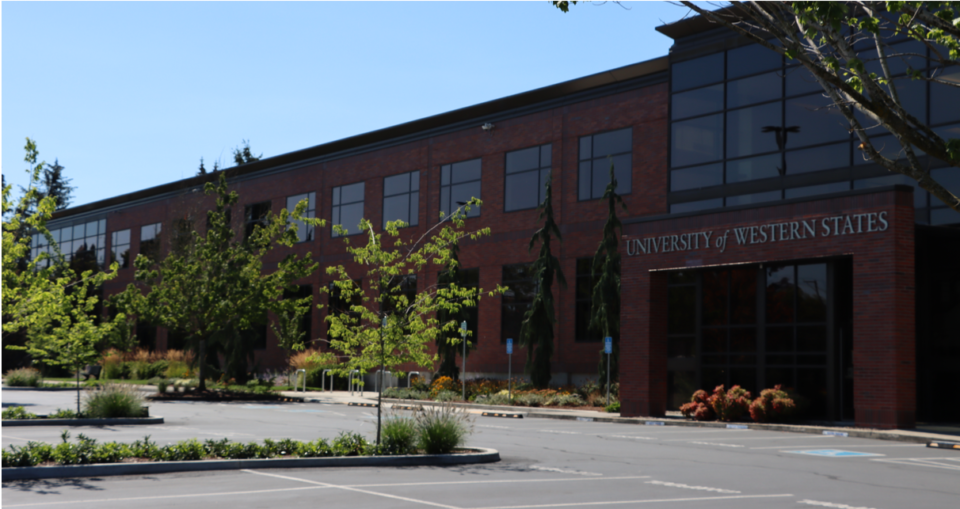
Front of Campus

Welcome to Portland Q3 doctor of chiropractic (DC) students! If you aren’t already here, I hope that you are excited to make the move and to finally have some in-person classes on campus. It will definitely make being in the DC program more real when you start working on your adjusting skills in a classroom setting. You can also get treated at the campus health center by upper quarter students and get to know the clinicians that you’ll be working with when you get to clinic. 

To help with the transition to campus life, here are some top things to prepare for:

  • Move to Portland! If you aren’t already here, be sure to reach out to admissions for advice on where to look for housing in the area. The admissions team and some of the student ambassadors have been active on your group’s Facebook page with ideas, so be sure to check them out. You can also check out UWS Switchboard to see if any of your classmates are looking for roommates too!
  • Explore Portland. There are some great places to explore and still remain COVID safe. There are a ton of local restaurants, hikes and neighborhoods to explore. Some of the best walkable neighborhoods are Mississippi, Alberta and the Pearl district. There are some great hikes within an hour of Portland along the Columbia River Gorge, up to Mount Hood, and out to the coast such as Cannon Beach and Astoria. There are also great outdoor spaces within Portland at Pittock Mansion, Powell Butte and Mt. Tabor. Keep an eye out for a blog coming up on great places to visit while you’re here! 
  • How to get to campus. You have the option for either a TriMet pass to use public transportation or a parking pass. TriMet passes can be picked up at the front desk. Parking is $35 a quarter and you’ll have the first week to pick up your pass from the front desk. So, don’t worry about getting a ticket on your first day! An email will be sent out with a link to the commute declaration where you can opt for either a parking or a public transportation pass. You can find the declaration form here.
  • ID Badge. You’ll receive an ID badge your first day which you’ll need to wear on campus. You’ll also need it to get into the building past the front desk and into certain rooms like the second floor study room.
  • COVID-19 precautions. I hope you know this already, but if you are feeling sick, please stay home! If you’re feeling great, then come to campus with your mask that is to be worn over your mouth and nose at all times. There are hand sanitizing stations in every room and all over campus. Please wash and sanitize your hands frequently throughout the day. There are only two places to eat on campus: the student commons and the mindful eating space. Social distancing is also incredibly important to help stop the spread. There are many signs on campus to help remind everyone to keep some space.
  • Standard Process Student Commons. A great open space with a variety of seating and lots of microwaves. This is also where the Spinal Tap coffee kiosk and campus store is located. There you can grab meals, snacks and some much-needed caffeine. They also have a variety of things such as mobility tools, UWS gear, educational books and study tools and more. 
  • Library. I know you all have spine models, but our library has a ton of resources for you! They have individual bone models including real bones and extremities. There are also books and the helpful library staff who can assist you with your research. In case you didn’t know, while you’re a student at UWS, you have access to some very expensive resources like Dynamed, Pubmed, SPORTDiscus and Natural Medicines. The staff are wizards at pointing you in the right direction for your research so be sure to utilize them!
  • Student Navigator. Have a question and not sure where to go? Check out the Student Navigator and it can point you in the right direction.
  • Student clubs. All clubs are currently meeting virtually, so you don’t even need to wait until next quarter to get involved! Joining student clubs are one of the best things you can do as a student. You meet other people and learn different techniques from upper quarter students. It really helps you to connect the things we learn and gives you enough chiropractic practice to help get you through the basic science courses you’re in. There are a ton of clubs to join so be sure to check out the list in the Weekly Vitals and follow the individual clubs Facebook and Instagram pages to get their Zoom links.
  • Make an appointment at the campus health center! As a student, you’re provided chiropractic care at the campus clinic. Just call 503-255-6771 to schedule an appointment. The clinic is amazing, because you get to see what you’re going to learn at UWS. You’ll make connections with upper quarter students, the clinicians you’ll be working with, and best of all, get chiropractic treatment! We have all of the physical therapy modalities like laser light therapy and therapeutic ultrasound as well as a brand-new rehab room with tons of great equipment. It’s a great experience treatment-wise as well as a learning opportunity. 
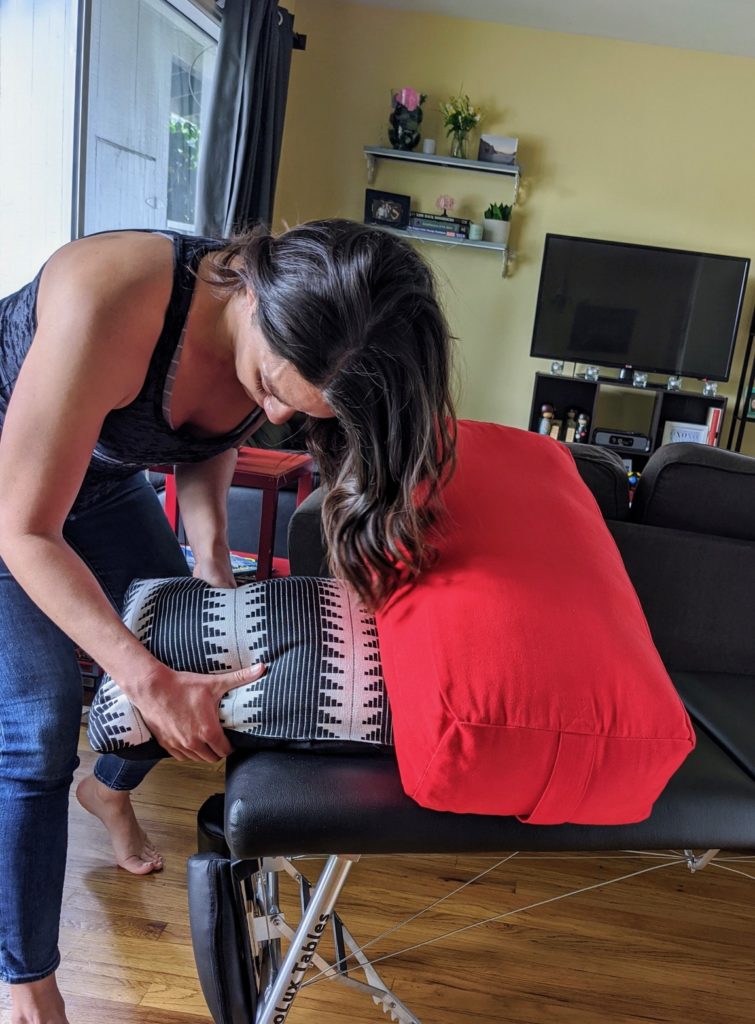
We are really looking forward to having you join us on campus and if you have any questions, please reach out to admissions, post on your Facebook group page, or feel free to reach out to me at [email protected].

See you in March!

Stephanie Halloran, DC, MS, 2020 UWS Alumna of the Year

Alumna of the Year 2020

Congratulations to Dr. Stephanie Halloran, UWS doctor of chiropractic and human nutrition and functional medicine alumna for being named the 2020 UWS Alumna of the Year!
 
Dr. Halloran has gone on to fellowships with the Veteran’s Affairs (VA) and with Yale University. She has shown exemplary leadership serving in various professional organizations. Halloran’s colleagues have noted that she represents her profession with grace and inclusivity, opening doors for those who follow her lead.
 
“I am deeply humbled and honored to have been nominated and to receive this award,” said Dr. Halloran. “I am so grateful for my time spent at UWS and for the opportunities it gave me in pursuing integrated care. I look forward to continuing to work with students in pursuing the same career path that I have been so fortunate to have.”
 
Read more about Dr. Halloran in the upcoming UWS Annual Report, out in early April.

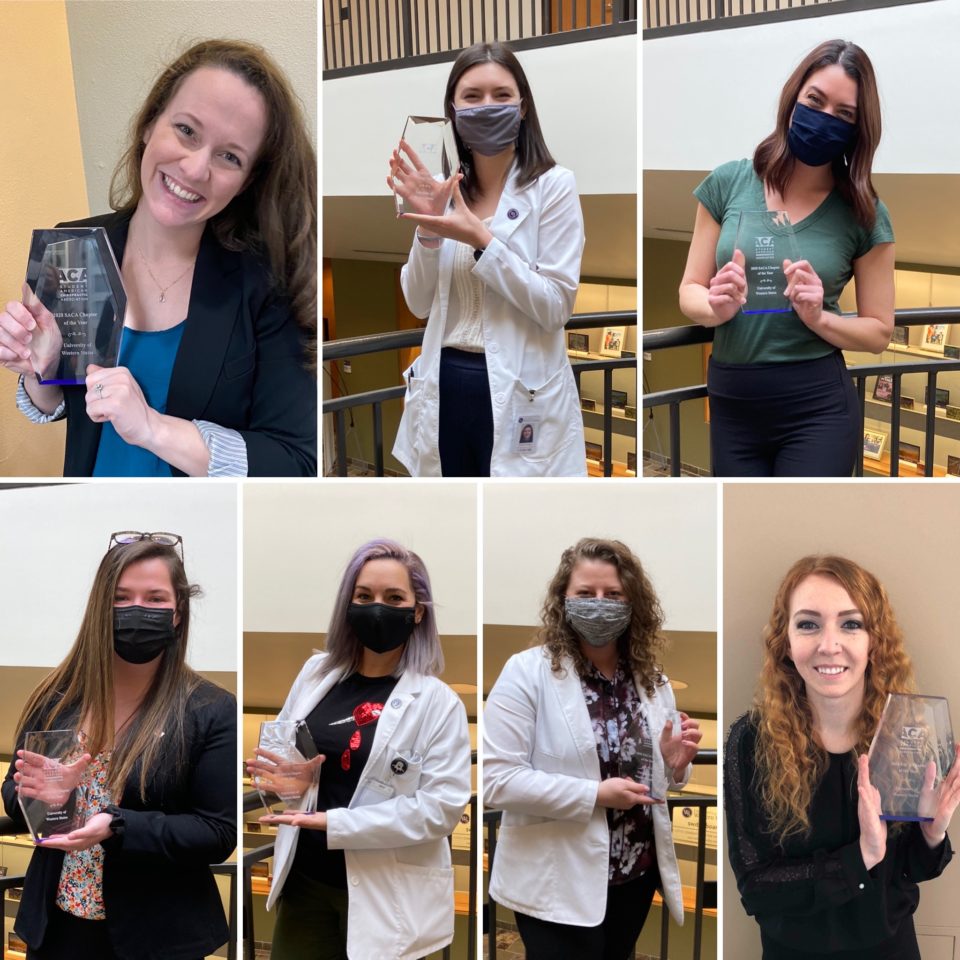
UWS SACA Named Chapter of the Year

SACA awards

The University of Western States (UWS) Student American Chiropractic Association (SACA) chapter was named the 2020 SACA Chapter of the Year. The announcement was made during the 2021 American Chiropractic Association (ACA) ENGAGE conference presented virtually this year.

“We are truly honored to be recognized as the 2020 SACA Chapter of the Year,” said Danielle Pettet, past SACA president. “All SACA chapters were faced with many challenges this year, so to be selected for this award is quite the honor. Despite the online environment, we were able to boost our UWS SACA membership and host several successful fundraisers and virtual events. All of these things were made possible by our amazing SACA members and club advisor, Dr. Gary Schultz, who stuck with us during these uncertain times and kept the SACA spirit alive at UWS.”

Through the challenges faced this year due to the COVID-19 pandemic, being able to think creatively and keep engagement up with members was critical in keeping members connected. The executive board created many well-attended virtual events to help keep a sense of normalcy and community.

“Working with this SACA executive board has been the antidote to 2020,” said Dr. Schultz. “Each member of this team has embodied leadership, positivity, good humor, creativity and persistence. They truly have been an inspiration both personally and professionally. To be honest, it really was not the least bit surprising to see them awarded SACA Chapter of the Year. I am so very proud of them and the hard work they have put in this year.”

Additionally, Caitlin Jones, past UWS SACA legislative representative was one of four recipients of a scholarship from Standard Process and was also elected to the SACA National Executive Board as the legislative vice chair.

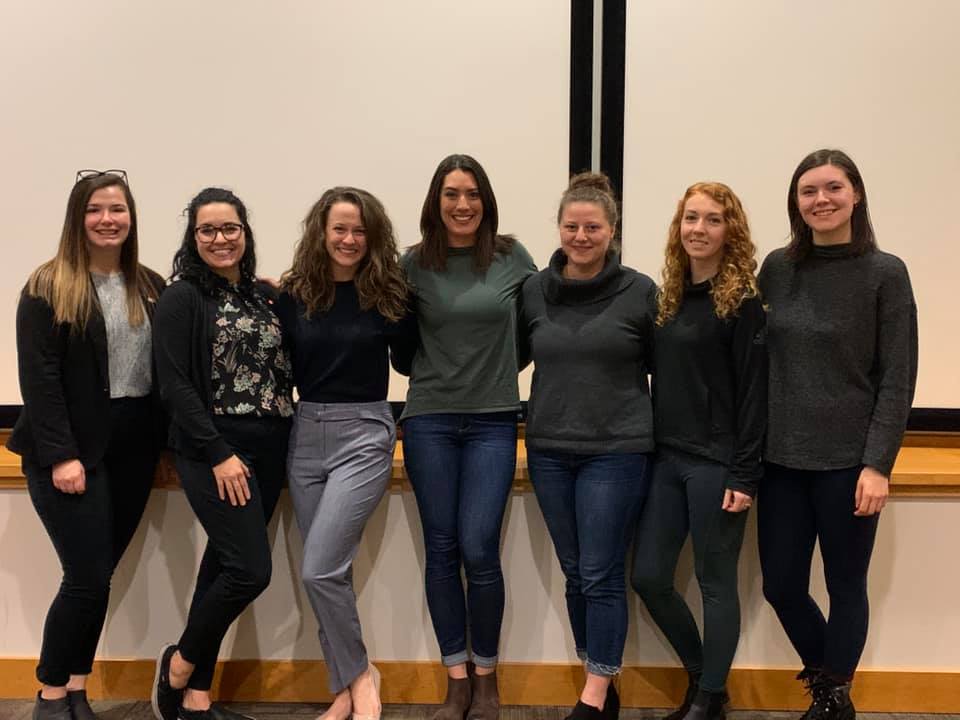
SACA eboard
2020-2021 UWS SACA executive board: President – Danielle Pettet; Vice President – Leah Dash; Legislative Rep – Caitlin Jones; Legislative Assistant – Katrina Parsley; Treasurer – Kailey Koopman; Secretary – Sierra Zinke; Public Relations Chair – Carlee Thomson

About the American Chiropractic Association

ACA is the largest professional association in the United States representing doctors of chiropractic. ACA promotes the highest standards of ethics and patient care, contributing to the health and well-being of millions of chiropractic patients.

On behalf of its members, ACA lobbies for pro-chiropractic legislation and policies, promotes a positive public image of chiropractic, supports research, provides professional and educational opportunities for doctors of chiropractic, and offers leadership for the advancement of the profession.

At-Home Workout Motivation Tips and Tricks

With many public gyms still closed due to the COVID-19 pandemic, working out at home requires some extra motivation and creativity

By: Caitlin Jones, 10th Quarter UWS Doctor of Chiropractic and Sports Medicine student

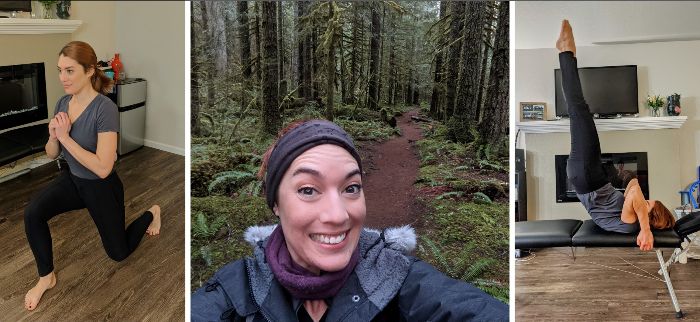
StayFit Caitlin Blog

This past year, with the temporary closure of UWS’s campus fitness center and all of the gyms in the Portland area due to COVID-19 restrictions, getting a good workout in has required some creativity and a massive amount of internal motivation. Especially since my workouts typically consist of weightlifting and power lifting, and buying a barbell isn’t quite in my student budget. Luckily, I have a sandbag, some resistance bands and a great playlist!

In the beginning, the hardest part was trying to figure out what to do each day and to get the motivation to step away from studying (and Netflix) to workout. So, to help myself, I break it up throughout the day.  I wrote down a list of movements such as squat, lunge, single-leg Romanian deadlift (RDL), push-up, pike push-up, handstand work, mountain climbers, and the dreaded core work such as planks and Pallof presses. And just like we ask our patients to do McKenzie protocol every waking hour – I do 10-30 reps of a movement every waking hour. At least, when I’m not actively in class or clinic! This has helped keep my brain awake for all of the online lectures and it’s easy to fit in, because it only takes about 1-2 minutes. If I have some extra time or motivation, I do a couple of different movements or go on a long walk while listening to a podcast. 

The key to any workout routine is to schedule in these little bursts. After every lecture or recording I watch, I do a few movements. For the days when I’m wanting or needing more, I design a quick workout of 5-6 movements and complete 3-5 rounds of them. I’ve even started adding some sprints into my routine even though I hate running. But sprinting is at least over in a few seconds! So, if you hate running like me, then give 20 second sprints a try. Just be sure to ease into them so you don’t strain your hamstrings (but if you do, go see your favorite intern at the Campus Health Clinic)! 

The need to be extra creative with home workouts has been going on for 10 months now, so I try to switch things up to keep from getting bored. I’ve attended a few Zoom yoga sessions and worked on skills like handstands. Though it’s still a work in progress, it’s a fun way to stay active and challenge myself! But the best part about living in the Pacific Northwest and trying to find ways to be active – there are a ton of hikes in the area. It’s a great workout, a chance to get some vitamin D and there are plenty of terrain and elevation options. Now that it’s winter, the trails have thinned out and the rain and mud just add to the experience. Just be sure to bring a mask if you head out to the trails!

If you need an idea for a quick workout you can do with no equipment, give this a try!

3-5 Rounds

  • 20 jumping squats
  • 16 lunges
  • 10 push-ups
  • 10 dips (using a chair or couch)
  • 100m sprint
  • 30-second plank hold

Alumna Spotlight: Analia Camarasa

Analia Camarasa, MS-HNFM, IFMCP, CNS, UWS teaching staff, UWS alumni mentor

Analia-Camarasa

Why did you choose the field/profession of human nutrition and functional medicine?

My brilliant father used to say, “no one can take away your education.” He understood the true meaning of this having only completed 6th grade. With that in mind, I chose the field of human nutrition and functional medicine out of need, having more health questions than answers for my daughter and myself. I had been suffering with crippling fatigue and gastrointestinal issues since college that conventional medicine could not fix. At a young age, my daughter suddenly developed unexplained large motor tics. It propelled me to seek higher-level education in pursuit of bettering the state of our health. Within two years, I had graduated and was able to take my health to greater heights with the knowledge gained during this very rigorous program. I felt I had a new lease in life.

Briefly share your experience in advocating for state licensure in North Carolina.

During my time at UWS, I took two elective courses through the Institute for Functional Medicine (IFM). These advanced practice modules introduced me to that wonderful educational organization. After graduating from UWS, I was hired to be teaching staff of the master’s program while I continued taking the advanced practice modules from IFM for three years. This experience complemented the education I had gained at UWS very well. In addition, after graduation, I sat for and passed the BCNS exam to become a Certified NutritionSpecialist (CNS). All the while, I was working on the 1,000 supervised practice experience hours required to gain the tile of CNS.

What does it mean to you to become the first licensed nutritionist in your state?

With the support of the North Carolina (NC) Board of Dietetics/Nutrition (the licensing board for dietitians and nutritionists in NC), the North Carolina Academy of Nutrition and Dietetics, and the Nutrition Advocacy Group (now known as the American Nutrition Association) I advocated for about four years to change the NC Dietetics/Nutrition Practice Act. In 2018, after many discussions, meetings and drafting, a new pathway to license nutritionists in the state of North Carolina was enacted. When the opportunity to become a member of the North Carolina Board of Dietetics/Nutrition dietetics presented itself, I leapt at the chance to help more qualified nutritionists to become licensed in our state. As a result of my education at UWS with a master’s degree in nutrition plus having completed 1,000 hours of supervise clinical practice experience, I was honored to become the first licensed nutritionist (LN) in the state of North Carolina.

How have you evolved and adapted in your own practice or work during this intense time (pandemic, social upheaval, economic uncertainty)?

The good news is that all of my studying inspired my husband to grow his knowledge of nutrition and functional medicine as well. Aside from being an IFM certified practitioner, he is also a board-certified emergency medicine physician. This means that we when it came to the pandemic, we saw the writing on the wall and begun quarantine before it was required in our state. This lead us to start seeing patients virtually early on, at first over the phone. Soon, we began our first telehealth visits and our patients quickly adjusted to the new normal.

How did your work with UWS help you to become an IFM certified practitioner?

During my education at UWS, I took an elective class in Herbal Medicine. Inspired by the depth of knowledge of HNFM’s professor and western herbalist Jason Hawrelak (ND, PhD), I was accepted into a two-year herbal studies program with Registered Herbalist David Winston. Since graduating from UWS, I have taken many continued education courses and attended many conferences to deepen my knowledge of herbs as it relates to nutrition. Class starts in the fall of 2020 and I eagerly look forward to be once again a devoted student with the goal of becoming a registered herbalist.

I am so grateful I followed my dreams to earn a master’s degree, to become a CNS, a North Carolina licensed nutritionist, and an Institute for Functional Medicine Certified Practitioner (IFMCP). Continuously learning and helping one patient at a time gives me immense joy. I am forever grateful to have heeded my father’s advice and have started in this journey with University of Western States’ Human Nutrition and Functional Medicine program. It has opened my life to new opportunities, to be of service and touch the lives to the people in my community.

Connecting with Dr. Lester Partna

lester partna

Dr. Lester Partna has been a staple in the University of Western States (UWS) chiropractic sciences department since 1989 and embodies what it means to Take the Lead both in his professional and personal life. Learn more about the renaissance man, (DJ) Dr. Partna.


What inspired you to pursue a career in the field of chiropractic?

I was a teenager when I was first exposed to chiropractic. My mom was helped significantly by a chiropractor when other methods of treating her low back pain had been unsuccessful. As I learned more about chiropractic, it was the concept of conservative health care, along with the dramatic results that I witnessed in my mom that fueled my journey toward this exceptional profession. By the time I graduated from high school, my career goals were clear.

What drives your passion for chiropractic education here at UWS?

I chose to attend Western States because of its reputation as a science-based chiropractic institution, and because they advocated and taught a broad-scope, patient-centered chiropractic model. Those are still the characteristics of the institution which I find to be the most compelling and which represent the most positive way forward for the profession.

What is a favorite memory you have from your time working at UWS?

The daily experience of being in the classroom with eager future chiropractic physicians is energizing and fulfilling in a way that, after 26 years, has created a rich mental scrapbook of great memories. I also think of the many extracurricular UWS events that have been so enjoyable: golf tournaments, barbecues, commencement ceremonies, and so many others. As I reflect on my years at UWS, I believe that my true satisfaction ultimately revolves around the relationships that have been developed with so many students and graduates over so many years. Of particular delight, in recent years, is to be able to teach the children of some of my former students.

What is one main pearl of wisdom you hope your students take away from your instruction?

Keep learning, while maintaining a sense of intellectual humility. As Chinese philosopher Lao-Tzu said, “To know yet to think that one does not know is best; Not to know yet to think that one knows will lead to difficulty.” Strive to be knowledgeable—not to be a know-it-all.

Along with being the famous DJ Partna, please provide some other pastimes and passions you are involved in.

I have been told that I am a man of many interests and I suppose that’s true. Variety has always appealed to me. That’s probably why I like buffets.

I have been a musician from my earliest years, starting on the trumpet, adding the piano, guitar, bass, and drums along the way. I sang in a barbershop quartet while attending Western States Chiropractic College (WSCC). My wife is an accomplished musician and we performed as a duo for many years at wedding receptions and corporate events. For a period of time a few years ago, we even had the opportunity to write and perform music for television commercials. A few years ago, I took up the bagpipes with the encouragement of one of our UWS graduates.

I like to play golf, hike, collect and polish rocks from Oregon beaches, fly my hang glider, and make wooden bowls from locally available wood on my lathe. Though not as skillfully in recent years, I can ride a unicycle and juggle.

This is getting too long. I should stop now.

Why do you believe it’s important for health care providers to have other interests outside of work?

The story is told of nine-year-old Frank Lloyd Wright, who walked with his uncle on a winter day across a snow-covered field. As the two of them reached the far end of the field, his uncle stopped him. He pointed out his own tracks in the snow, straight and true as an arrow’s flight, and then young Frank’s tracks meandering all over the field.

“Notice how your tracks wander aimlessly from the fence to the cattle to the woods and back again,” his uncle said. “And see how my tracks aim directly to my goal. There is an important lesson in that.” Years later the world-famous architect liked to tell how this experience had greatly contributed to his outlook on life. “I determined right then,” he’d say with a twinkle in his eye, “not to miss most things in life, as my uncle had.”

For fun – What item is on your bucket list that you cannot wait to cross off?

I want to play golf with my wife at The Old Course at St. Andrews in Scotland. It’s been on my bucket list for many years, so I don’t think it would be accurate to say that I can’t wait to cross it off. I’ve already been waiting a long time.

University of Western States Core Values

UWS core values

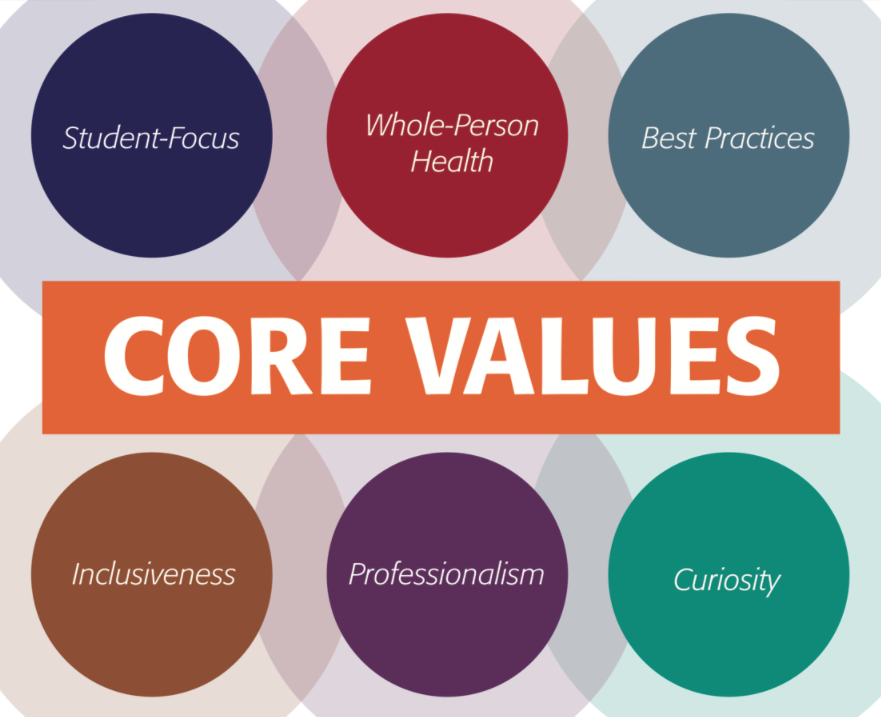
In fall 2019, University of Western States (UWS) launched an initiative to better define its core values as a forward-thinking health science university. Core values are fundamental concepts that support the UWS mission and goals, shape the campus culture and exemplify the university’s brand and identity. In short, the formal exploration of core values helps the campus answer the questions, “Why do we do what we do at UWS?” and “What values do we want to personify to create an exceptional workplace and educational environment?”

Guided by the university motto, “for the good of the patient,” the initiative focused on engaging faculty and staff in identifying core values that make UWS a unique place to work and learn. A task force was convened to formulate the key core values of the university based on input from employee focus group sessions led by Executive Vice President Rosalia Messina, EdD, MPA, and Vice President for Academic Affairs Dana Sims, PhD.

“The core values will assist us promoting cohesion on our new campus by guiding us on how we want to treat each other, our students, our patients and our community,” Dr. Messina stated.

The university’s new core values will:

  • Guide the recruitment, selection and evaluation of employees.
  • Integrate into strategic and operational planning processes.
  • Inform institutional decisions and the creation of institutional goals and objectives.
  • Be promoted internally and externally to help differentiate UWS from other colleges and universities.

Read more about these individual core values and their definitions.

Connecting with a Graduate Studies Student Abroad

Jessica (Nomi) Levy, NBC-HWC, RYT

UWS Human Nutrition and Functional Medicine (HNFM) Student in Jerusalem, Israel

Social media handle: @nomiknowshealth

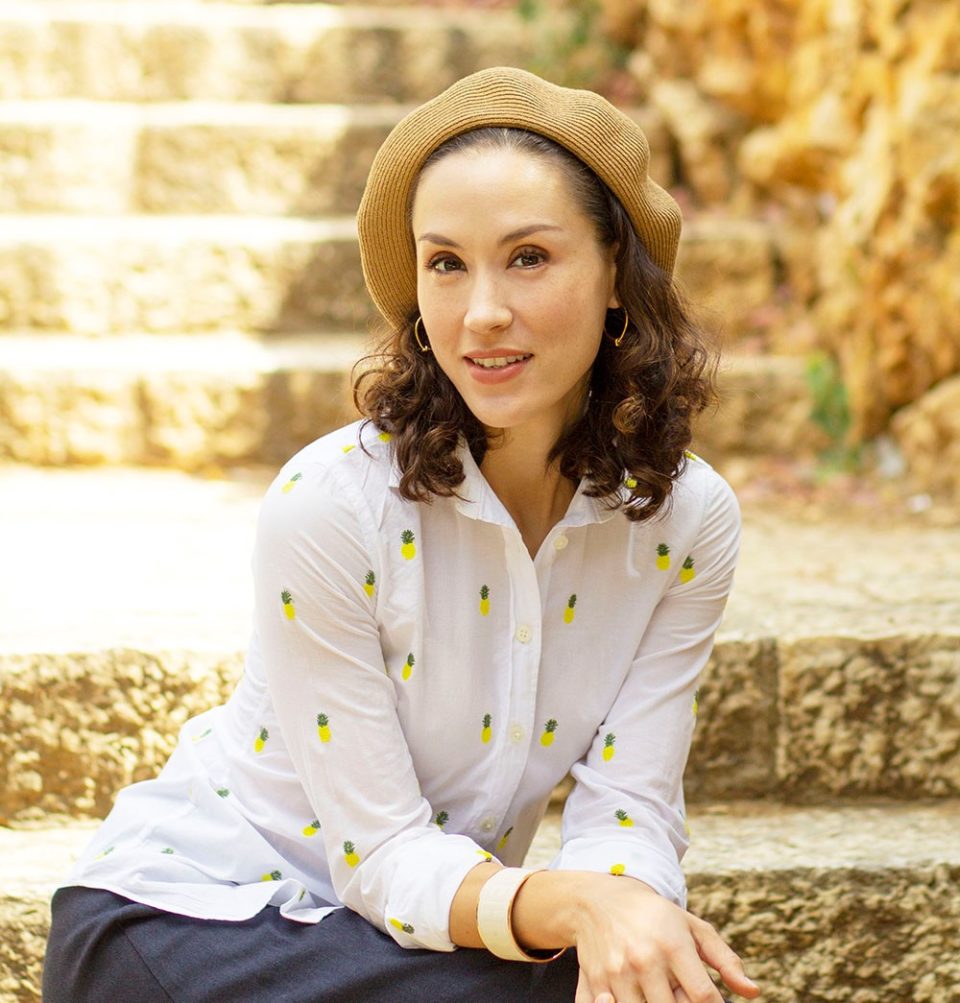
Jessica (Nomi) Spain head shot

How has the HNFM program helped deepen your knowledge and pursuit toward incorporating functional medicine into your life and future career?

I regularly say to my husband – I absolutely love my program! I am learning things that help me on a day-to-day basis make healthier decisions for myself and my family. I am able to be a more valuable resource for my coaching clients and the IFM affiliated doctor that I work with. I see this degree as a stepping stone to so many goals that I have – continuing my education even further, writing a book and getting my CNS certification.

How have you adapted your coaching business and working with clients during this time?

At the beginning of the pandemic I, along with the rest of the world, switched over to Zoom sessions. I was a little nervous because I felt like we would lose some of the “magic” connection that happens in a session. However, I was surprised that for some of my clients it made things easier. It eliminated the trip into my office and let them schedule their session over their lunch break or another convenient time. Instead of me sticking to my office days, like I normally would, my hours opened up. I could see clients while my kids had their evening tutoring sessions or early in the morning while they were sleeping in. As we have now transitioned to being back at my office, I am back to regular hours, but I still offer all of my clients the choice of connecting virtually or in-person. About one-third have chosen to stay on Zoom.

With the normal happenings of each day being interrupted by the pandemic, how have you kept yourself focused in life, motherhood, work and schoolwork?

The pandemic made life a lot more intense in some ways and relaxed in others. The first week of shut down for Israel coincided with winter 2020 finals week. I was writing papers and studying and my kids were just in the house, trying to entertain themselves. I adjusted by waking up early, doing a few hours of work while the kids slept in a bit, and then spent the day with the kids, catching a time here or there for work, and playing tag team with my husband so we could manage it all. I can say that I felt grateful for school, because it kept me focused on something other than checking the news or googling “Corona symptoms for dogs.”

What are some things your family has adopted into their routine that has served you well?

One thing my kids will probably say that has served us well is our new TV! We have never owned a television and have limited, (once a week for two hours) screen access, for my kids. Once corona hit we ordered a television and in the evenings, we would have TV time together. We watched cooking shows, sports and some oldie family movies. My kids got into parkour from watching one show – not the best sport to try while in lockdown! We enjoyed that time to slow down together at the end of the day and just laugh. We are back to our usual limited screen time, but we do enjoy just squishing on the couch together every once in awhile and watching a movie.

What nutrition, wellness and self-care advice could you offer your fellow UWS classmates?

Wherever you are in life, whether in the single and learning stage, juggling with family and work /school stage, or anywhere in between, have a sacred routine. My sacred routine involves getting up each morning before my kids, enjoying a coffee with my husband, and then going for a run. I did this during corona even when the lockdown meant we weren’t allowed to be out of a 100-meter radius from our house. I ran a lot of circles around the block! A sacred routine sets the theme for the whole day. I can’t imagine just waking up and jumping into my day. Entering each day having had a little “me time” means that I am more mentally available for all the different roles and activities in my life.

UWS Library Earns High Accolade With Online Computer Library Center

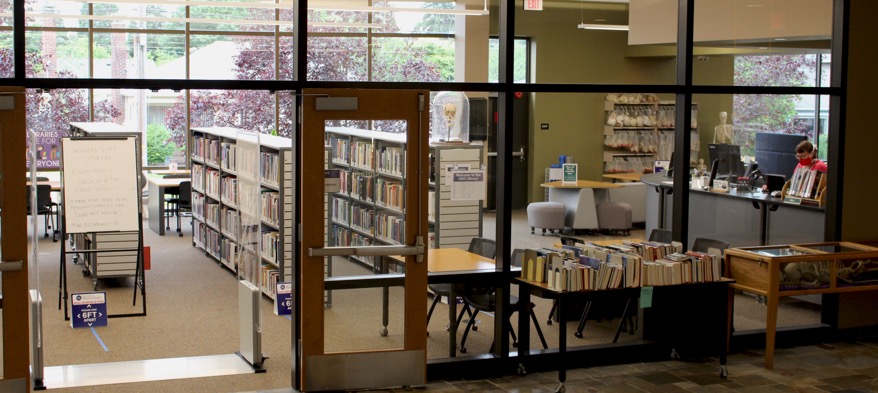
Library View

The Online Computer Library Center, formally known as OCLC, ranked the University of Western States Library 14th out of 7,500 libraries in their 2019 Annual Report as having the quickest interlibrary loan (ILL) turn-around time with an incredible 83% fulfillment. This statistic from a major library service provider refers to loan requests that the UWS library staff are fulfilling for other libraries. It also reflects flexible service hours (include evenings and weekends), the workflow that we have been able to establish with the library staff and their schedules, and the contribution that UWS is making to the larger scholarly community.

“The interlibrary loan team in the UWS library is amazingly efficient and resourceful in their work,” said Rian Debner, university librarian. “The team is focused on the needs of our students and our borrowers: their top priority is getting resources into the user’s hands as quickly as possible. Not only do they fulfill many requests a week – often in the hundreds – for the UWS community, but they also leverage the library’s own collection to meet user information needs across the country.

Dr. Daniel DeLapp Retires from UWS Clinic System

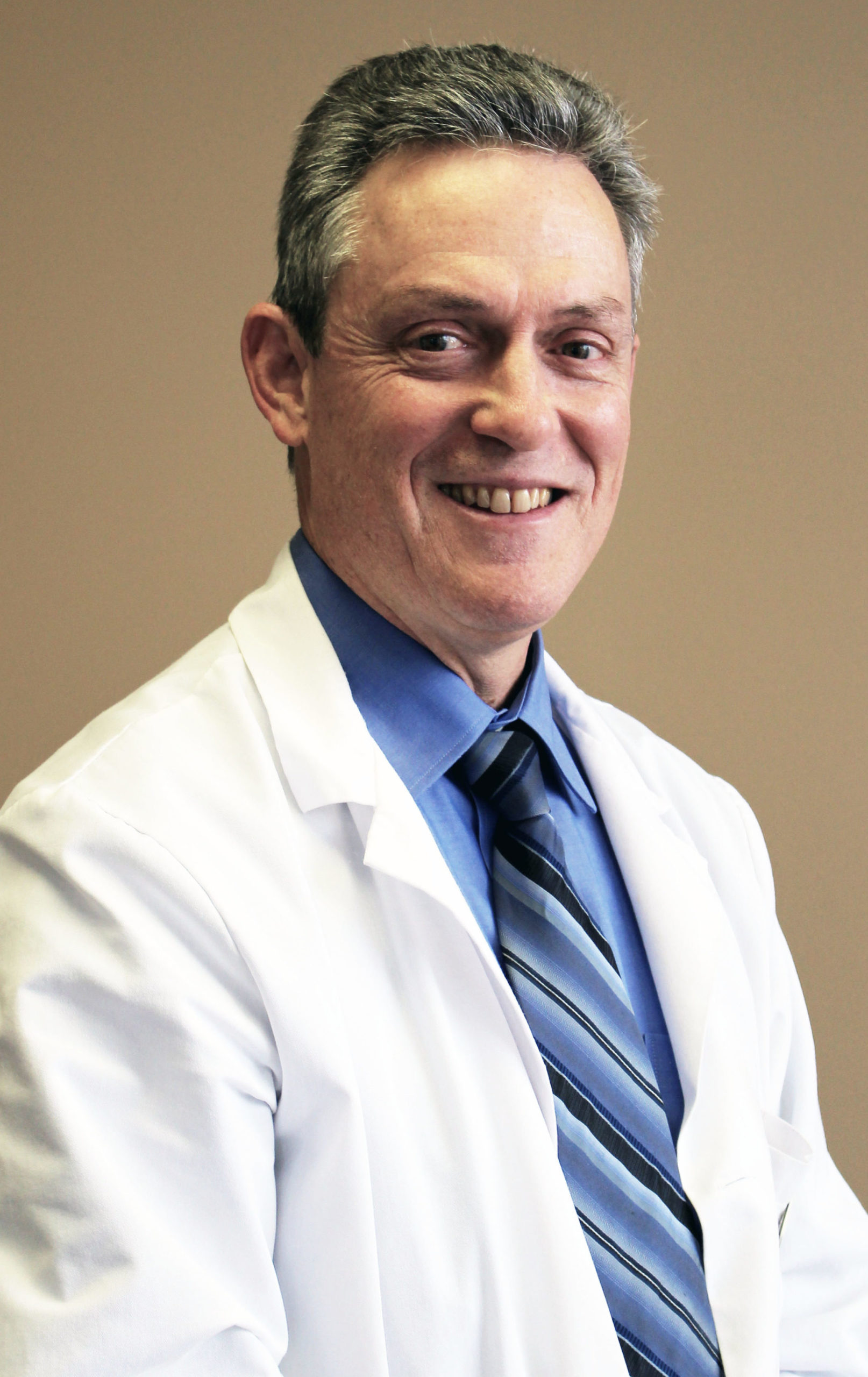
Dr. Daniel DeLapp

Dr. Daniel DeLapp, chiropractic physician, licensed acupuncturist and naturopathic physician announced his retirement from the University of Western States clinic system. Dr. DeLapp served as an attending physician in the UWS clinic system for more than 30 years.

“It has been a tremendous opportunity and privilege to work with interns and patients over the years,” said Dr. DeLapp. “The wonderful support from my fellow faculty, staff and administration has made this job a very fulfilling career. I will miss you all.”

“Dr. DeLapp is a skilled and compassionate health care provider incorporating multiple disciplines into his practice,” said Dr. Stanley Ewald, UWS associate dean clinical internship.“He is also a caring, talented educator. Opting out of private practice, he embraced education and has been training future doctors for decades. When you think about it, that’s exactly the type of person you want teaching you. We will miss him.”

Read more about how integrated health care is at the core of Dr. DeLapp’s family.

Dr. Brimhall Elected to Oregon Alliance of Independent Colleges and Universities

The Alliance logo
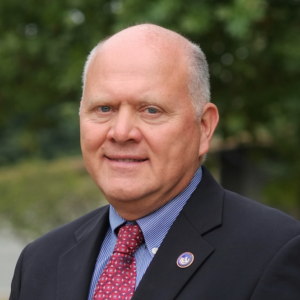
dr. brimhall

The Board of Trustees of the Oregon Alliance of Independent Colleges and Universities (“The Alliance”) announced its appointment results following their fall board meeting. Dr. Joseph Brimhall, president and CEO of UWS was named an executive committee member.

Dr. Brimhall’s appointment will begin October 2020 and runs through October 2022.

“I look forward to working with the leadership of the Alliance to advance independent higher education in Oregon,” said Dr. Brimhall.

The mission of Oregon Alliance of IndependentCollege and Universities is to represent and serve its member institutions, all of which are regionally accredited, nonprofit, private colleges and universities in Oregon.

Mental Health Care for Providers on Front Lines

Clinical Mental Health Counseling Student Blog

By: Kyle Zaber, EdD-CMHC, SP specialization student

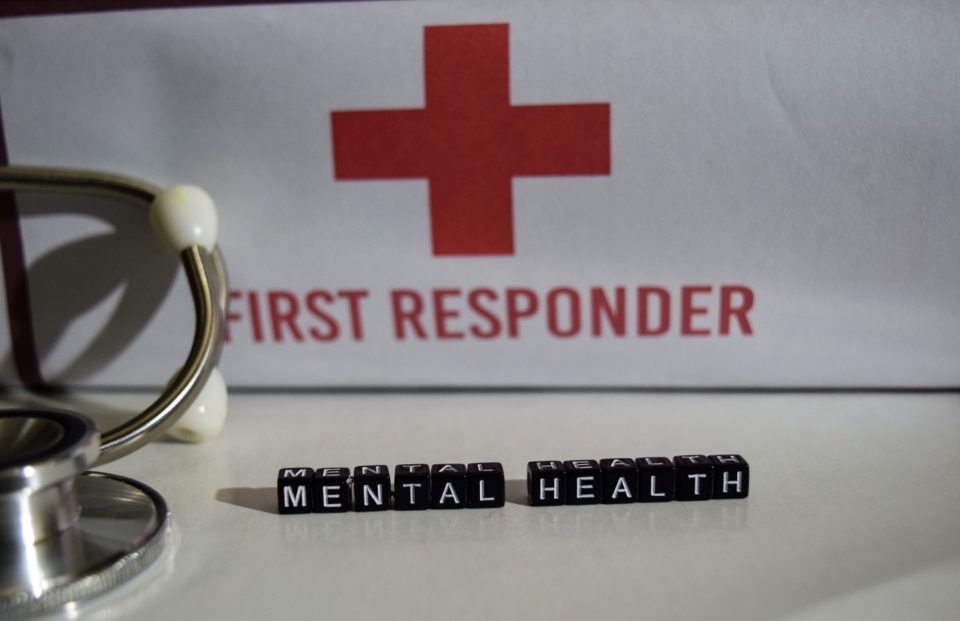
First responder mental health

The COVID-19 pandemic has impacted us all. Through stay-at-home orders, lack of sporting events and opportunities to participate, modifications in workload and work location, to becoming parent-teachers, or social interaction via technology only, we’ve all been asked to adjust to a new “normal.” This demand on our time, energy and emotions has impacted none more so than those within the health care industry. Care providers around the world are being thrust into an extraordinary demand unlike any we’ve experienced in modern medical history. As an adviser of workforce engagement, I partner with leaders in hospitals and hospital systems across the country to help reduce patient suffering by enhancing and sustaining an engaged and resilient workforce. The COVID-19 outbreak has demonstrated the best in those that serve our communities as health care professionals. They have risen to the challenge and have been exceptional in their battle to reduce patient-suffering.

While leaders in hospitals and hospital systems are happy to share their praise of their front-line staff, they are also quick to share their concern regarding long-term impacts of the COVID-19 pandemic on their workforce. Many have used words and phrases such as, PTSD, anxiety and depression to describe their fears of the second battle soon to come, that of their workforce’s mental health in a prolonged-pandemic setting. Their fears are justified as a meta-analysis conducted by Brooks et al. (2020) indicated that symptoms of post-traumatic stress disorder (PTSD), anxiety and depression are higher for front-line health care staff in a post-epidemic/pandemic setting (e.g. SARS, Ebola). Furthermore, Brooks et al. (2020) discovered that some health care professionals struggle to recover from the effects brought on by the pandemic and choose to leave the medical profession altogether. The trauma inflicted as a result of this pandemic is not fully known, nor will it be until we are safe to transition back to what more closely resembles “normal,” but l believe a strong commitment to serving those who chose to serve others during this pandemic will be needed immediately.

As a student in the UWS clinical mental health counseling (CMHC) program, I believe my education and training is supporting me to be in a unique position to help mitigate the effects COVID-19 in more ways than one. First, my training as a counseling intern has taught me to listen first, ask questions for context and allow others to share freely. As an adviser of workforce engagement, these skills will be essential in understanding my clients’ needs to foster an engaged and resilient workforce. While many hospitals and hospital systems will share overlapping characteristics as a result of COVID-19, just like the clients I serve through internship, each hospital and each hospital system are unique having been impacted by this pandemic in their own way.

Second, UWS’s unique combination of CMHC training and performance psychology training, have enhanced my ability to help my clients find and utilize strengths to enhance the impact of their services. I believe those in the health care industry come to the field with a desire to help others be and feel better. This pandemic has been a tremendous test of the resolve of front-line health care staff as the virus, at times, has proven too strong for their interventions. I fear these are the memories that will be triggered in the prolonged-pandemic minds of front-line staff. While this is understandable, I believe it will be necessary to help work with my clients to find areas in which their strengths yielded positive outcomes for patients and to process what strengths enhanced their teams’ call to service. Through my Psychology of Performance Excellence course, we were informed how reinforcing one’s strengths can help enhance one’s task engagement.

At this time, as the world responds to the demands of COVID-19, those in the counseling arena will be called upon to help our communities adjust to their new normal. Those of us engaged in our online learning through UWS will be in a unique position to assist through tele-health services while we social distance to beat the spread of the virus. All of us in the counseling field will be positioned to serve our communities and positively impact the mental health of those in need once we are safe to return to face-to-face services. I’d like to conclude by thanking all health care professionals who are working tirelessly to battle COVID-19. As mentioned, I’m in a privileged position to hear about the best of what health care providers, hospital leaders and hospital directors are doing to combat this pandemic. It is their courage and service that enhances my desire to be present for them during and after this difficult period. I hope everyone reading this is safe, healthy and well.

Reference

Brooks, S. K., Webster, R. K., Smith, L. E., Woodland, L., Wessely, S., Greenberg, N., & Rubin, G. J. (2020). The psychological impact of quarantine and how to reduce it: Rapid review of the evidence. The Lancet, 395, 912-920. https://doi.org/10.1016/S0140-6736(20)30460-8

Rite of Passage Chiropractic Pinning Ceremony Goes Virtual

If you’re in the Portland Metro area, please consider scheduling an appointment in the Campus Health Center (503-255-6771) so that you can see the high-caliber clinic interns and UWS graduates!

By: Caitlin Jones, Q9 UWS doctor of chiropractic and sports medicine student


The pinning and white coat ceremony at University of Western States (UWS) is a celebratory event where chiropractic students take their first big step toward becoming chiropractic physicians. It signals the start of working in the Campus Health Center (CHC) with a clinician to help treat patients and pulling all of the knowledge learned the previous two years into practice. Working with a clinician in the CHC helps to solidify a student’s knowledge and shape how they’re going to treat their future patients. 

“The pinning ceremony is a rite of passage and represents the student’s physical entry into the clinic and the continuation of this journey to provide health care,” said Dr. Stanley Ewald, associate dean of clinical internship. “It is time to take an oath to oneself to advance the health of every patient equally and recognize the goodness and value of every single human being.”

The pinning ceremony is more than just the first step into the clinic, it’s a big event where families can celebrate the student’s accomplishments thus far. By this time, students have earned a bachelor’s degree in science and have taken their first national board exam, which is a feat. It’s also a great excuse to get dressed up with your pinned white coat and take pictures with family and friends!

pinning

“As a clinician, it is exciting to have fresh new faces in my treating group,” said Dr. Amanda Armington, attending chiropractic physician and associate professor. “They grow so much over the course of the clinical internship and it is in my opinion the best part of the program (but maybe I’m biased). The clinic intern will begin to piece together all the preclinical knowledge and build on that to provide evidence-informed, quality patient care!”

COVID-19 has affected the school in many ways, including transferring the pinning ceremony from a big, in-person event to a virtual one.  While it is unfortunate that students aren’t able to celebrate in person together, it does still allow for family members to participate and celebrate virtually!

Making it this far into the program and entering clinic is a thing to celebrate.

“Make sure you take time and reflect back on all that you learned up to this point and now prepare to recall this information in a succinct and practical matter,” said Dr. Craig Kawaoka, attending physician and associate professor. “Congratulate yourself on a hard-earned and well-deserved achievement. Also, realize this is only the beginning of a lifelong learning experience and practice.”

Current Quarter 8 or Quarter 9, I hope that you celebrate it in your own way! When I received my pin last quarter, I grabbed my closest friends (who are in my COVID bubble) and took pictures and had a potluck dinner to reminisce on the past two years and speculate what clinic was going to look like. It wasn’t the pinning ceremony of years past, but it was still perfect for me. Now, I look forward to the school’s virtual event and pictures of everyone in their coats and pins!


Incoming Chiropractic Student Blog: Tips from an Upper Quarter Student No. 2 – Moving to Portland

By: Caitlin Jones, Q9 UWS doctor of chiropractic and sports medicine student

hiking pacific northwest

Being from Virginia and never visiting the Pacific Northwest before applying to UWS, I was a bit terrified to pick up and move across the country. Especially when all I knew about Portland was that it rained a lot. After I took the plunge and made the move, I am so happy that I did. Sure, it rains, but not nearly as much as I thought. The summer is also worth all those dreary days. I have a Jeep Wrangler that’s used to being flooded with a summer downpour at least once a week and I’ve been able to keep the top off all summer without flooding it once! 

As a break from school, I really wanted to get into hiking and between Mount Hood, the Columbia River Gorge and the Oregon Coast – there are hundreds of hikes within two hours or less from Portland. Some even right in the city limits – hello Pittock Mansion and your beautiful views! I’ve had friends that have gone crabbing, skiing, rock climbing and kayaking. Oregon is home to some of the best outdoor activities. During this pandemic, it has been a sanity saver with all the amazing places to stay safe while will getting outside and enjoying yourself.

If you’re joining the UWS student family this fall or winter, you are not required to move to Portland just yet. I’d recommend moving to Portland if you’re able, both financially and with your COVID comfort-level. The first few quarters are tough and having a solid study group can really help you learn the material. There are a ton of on-campus resources that you will have access to such as the library and the UWS Health Center. Having chiropractic treatment in the clinic will help you build relationships with upper quarter students as well as get you familiar with how we treat patients here. 

If you’re wanting to move to Portland, reach out to the admissions department and they can give you some advice on how to find housing. Personally, I found my roommates on our UWS student Facebook page and we found a house close to campus on Zillow. Even as an older student myself, it really helped me to live with other students, because we helped each other through the difficult parts of this program. 

And if you aren’t able to move to Portland quite yet – don’t worry! Admissions is working on setting up some socials for you. There’s also a mentor program, student clubs such as the Student American Chiropractic Association (SACA) and the Student Canadian Chiropractic Association (SCCA) to help you build relationships with other students. It sounds cheesy to say, but we really are a family here at UWS. 

hiking pacific northwest

Dr. Rosalia Messina Elected to Council on Chiropractic Education

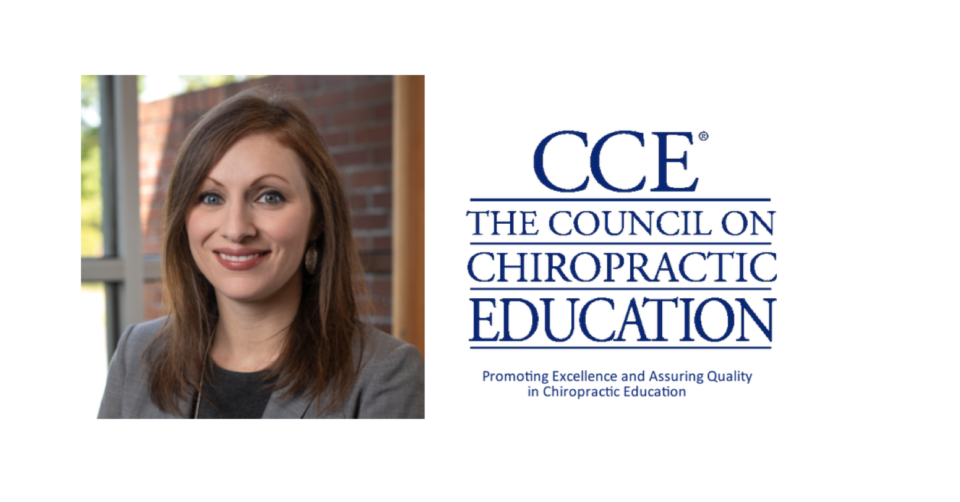
Rosalia Messina CCE
Rosalia Messina, Ed.D., executive vice president of University of Western States

Rosalia Messina, Ed.D., executive vice president of University of Western States (UWS) has been elected to the Board of Directors of the Council on Chiropractic Education (CCE). CCE is the professional accrediting agency recognized by the United States Department of Education and the Council for Higher Education Accreditation to accredit doctor of chiropractic degree programs and chiropractic residencies.

Immediately following the CCE annual meeting in January 2021, Dr. Messina will be appointed to a three-year term as a CCE councilor. “It’s an honor to be elected to the Council on Chiropractic Education,” said Dr. Messina. “I am delighted to serve as a councilor to help advance the quality and integrity of chiropractic education.”

As a CCE councilor, Dr. Messina will be engaged in establishing accreditation standards and requirements, ensuring compliance with accreditation recognition criteria, reviewing program evaluation reports, and rendering decisions regarding the accreditation status of new and established doctor of chiropractic degree programs and chiropractic residencies.

“We are very proud of Dr. Messina’s election to the CCE,” said Dr. Joseph Brimhall, UWS president and CEO. “University of Western States values the accreditation process and Dr. Messina will be continuing a long-standing tradition of UWS representatives serving on recognized accrediting bodies.”

As UWS executive vice president, Dr. Messina serves as the primary representative for the president in facilitating community and government relations. She provides leadership for the integration of all university operations, including direct oversight of human resources, enrollment management, student services, communications and advancement. Dr. Messina holds a master’s degree in public administration with a focus in health policy from Portland State University, and a doctorate degree in education with a focus in interdisciplinary leadership from Creighton University.

The Council for Higher Education Accreditation (CHEA), the CHEA International Quality Group (CIQG), the Association of Specialized and Professional Accreditors (ASPA), the Federation of Chiropractic Licensing Boards (FCLB), the National Board of Chiropractic Examiners (NBCE), and governmental licensing boards recognize CCE as the accreditor for doctor of chiropractic degree programs and chiropractic residencies. The purpose of CCE is to promote academic excellence and to ensure the quality of chiropractic education.

In Support for H.R. 3654

By: Caitlin Jones, UWS doctor of chiropractic and sports medicine student

HR3654graphic

My first blog for University of Western States was about my trip this past January to Washington, D.C. with the Student American Chiropractic Association (SACA) to advocate for chiropractic care on the Hill. We usually advocate for multiple bills but this year the American Chiropractic Association (ACA) and SACA focused only on H.R. 3654, because it is so crucial for our Medicare patients to get the chiropractic treatment they need.

We just passed the one-year mark of Rep. Brian Higgins (NY) introducing H.R. 3654 to modernize chiropractic Medicare coverage. The last time Medicare’s chiropractic policy was updated was in 1972!  If you think about our profession, how much has changed in the past decade let alone 48 years? As it stands, a patient with Medicare coverage can only see a chiropractic physician for spinal manipulation.  If your wrist hurts or your chiropractic physician thinks that you need some soft tissue work or an x-ray – you would need to pay out-of-pocket if your insurance is Medicare. For these patients who are on fixed incomes, it is a struggle and they are unable to get the care that they need and are seeking.

Imagine that you go to your chiropractic physician for back pain and they think you may have a compression fracture. They suggest an x-ray but cannot perform or give you a referral, even though it is in their scope of practice. Instead, you need to go to your PCP to get a new physical exam, then a referral to a radiologist for the x-ray and then back to the chiropractic physician for treatment. What could have taken moments now takes weeks. 

Because of this financial and time burden placed on Medicare patients, many chiropractic physicians are opting out of taking Medicare insurance. Medicare patients then go to their PCP for back or hip pain that could have been managed conservatively and instead they are prescribed pain medications. This has contributed to the opioid crisis that we have been struggling to overcome for years.

What the American Chiropractic Association (ACA) and SACA are asking for with H.R. 3654 is not an expansion of Medicare, it is to allow chiropractors to be able to treat their patients under the scope of their license. We want to give our patients the treatment they need for their pain and improve their quality of life.

What we need is for you to get involved! It has taken a little more than a year to get 82 co-sponsors and we need more to give this bill the best chance of going up for a vote. It only takes a moment to write or call your representative, let them know how this affects your patients (present and future!) and their constituents. Make it clear that this is a bi-partisan bill that does not expand coverage but allows chiropractic physicians to treat their patients properly.

Visit the ACA website where you can find FAQs and information about how to find your representative. Be sure to encourage others and reach out to your representative TODAY! 

Alumna Spotlight: Dr. Stephanie Halloran

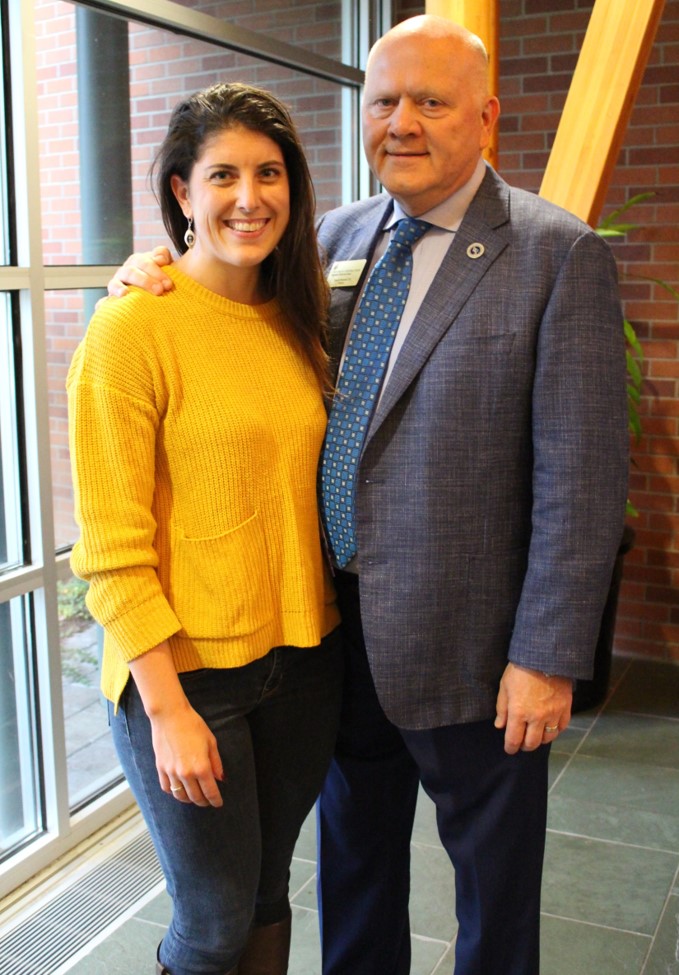
Halloran And Brimhall
Dr. Stephanie Halloran and UWS President Dr. Joseph Brimhall at A Fond Farewell event on campus last fall.

Stephanie Halloran, DC, MS (class of 2016) has made her way back to University of Western States (UWS) as a new course facilitator in the human nutrition and functional medicine (HNFM) program. Dr. Halloran is an alumna of both the doctor of chiropractic and HNFM programs.

Currently, Dr. Halloran is also working on her postgraduate research fellowship at Yale Medical School on an integrative team that includes four other chiropractic physicians. The contingency’s project was funded by the U.S. National Institutes of Health (NIH), and National Center for Complementary and Integrative Health (NCCIH).

In addition, Dr. Halloran is also a part of an effort to launch a member directory for medically-integrated DCs called DC Integration.

“Connecting this subset of the profession could lead to increased training opportunities for students, residents or research opportunities in musculoskeletal areas,” said Dr. Halloran. “This effort encompasses more than just the VA, but also DoD (Department of Defense), university and private sector positions.”

Following graduation, Dr. Halloran completed her clinical rotation at the Richard Roudebush VA Medical Center with Christopher Sherman, DC, in Indianapolis and completed a one-year residency program with the VA Connecticut Health Care System with Anthony Lisi, DC.

Dr. Halloran sits on the American Chiropractic Association (ACA) Editorial Review Advisory Board, the National Association of Spine Specialists Legislative and the SpinePAC Committee. She also has served on the ACA planning task force for the annual meeting, ENGAGE (formerly NCLC).

The Value of Generational Mentoring and Giving

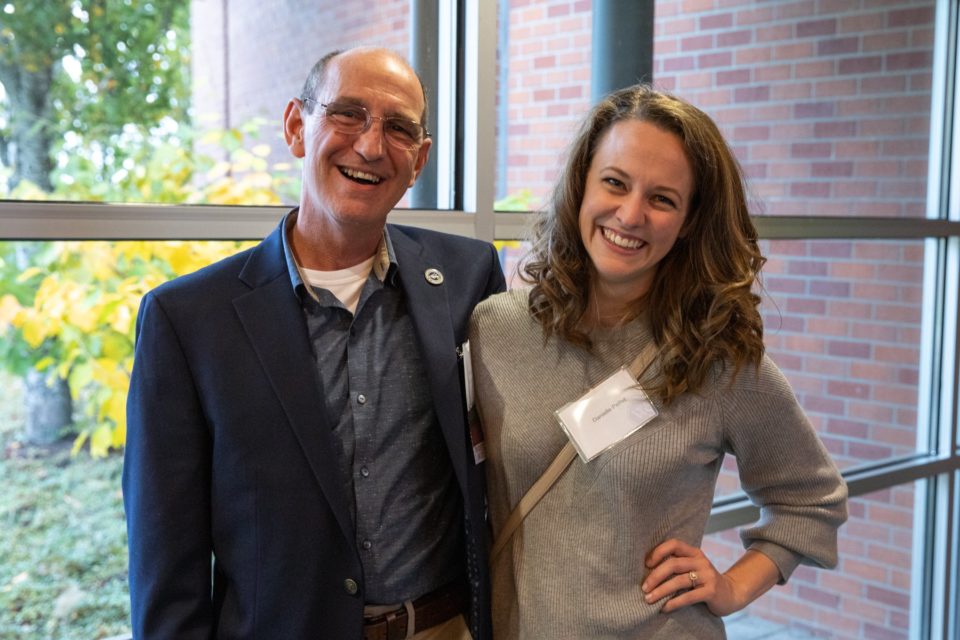
Dr. Mike Pettet & Danielle Pettet
UWS board member and alumnus Dr. Mike Pettet (class of 2001) and his daughter and current doctor of chiropractic student, Danielle Pettet

Charitable giving, volunteering and giving back through mentorship are often values passed down from generation to generation. In the spirit of exploring how giving permeates throughout the family, we sat down for a Q&A with current doctor of chiropractic student, Danielle Pettet, and her father, current UWS board member, naming opportunity donor and alumnus, Dr. Michael Pettet.


Dr. Michael Pettet

Tell us a little more about the positive mentorship experiences you have had with UWS students.

The best experiences I have had while mentoring UWS students were when I had to stretch my knowledge, dust off a few cobwebs to answer a question, or research and learn a bit of new knowledge for myself. The second-best experience is watching a senior student or new associate gain experience and confidence. To see that glimmer of an “aha” moment in their eyes as the pieces fall into place in the real world is what it’s all about.

I make it a point to ensure that the students have a clear understanding of practice management and finances. Too often, new doctors are pulled into contracts with big promises that they can’t afford. UWS offers a free mentor network (Switchboard) that you should take advantage of, just reach out.

We need to be life-long learners and should want to pass that desire on to everyone we come in contact with. We may be considered experts, but you don’t know everything. A mentorship helps keep you up-to-date and keeps the humility real.

Why do you think it’s important for the previous generation of chiropractic physicians to mentor the upcoming generations?

I came to chiropractic after a 22-year career in the U.S. Marines Corps. Mentoring is in my blood (and yes, I was a drill instructor). Through the ranks, you are expected to train those below you and learn from those above. I strive to continue that mindset in this career. We are an evolving profession that has the potential to sit at all of the big tables of health care. To do that, we must share our own experiences, warts and all, with the next generation so that they can do better and go farther than we have.

The word mentor can have a lot of meanings: coach, advisor, counselor, teacher, instructor and more. The biggest benefit is having someone the mentee can meet with to ask questions, be a sounding board, help sort out options and give advice on practice and business matters. Mentoring is a one-on-one relationship where you have the opportunity to provide guidance to someone that could benefit from your experience. 

What would you say to encourage other donors to make an impact such as you and your family did?

I give back to UWS and the profession that gave me the opportunity to be successful and help people as a thank you.

I want to see UWS grow in stature by helping support the next generation of students and alumni. The donation may be earmarked for research, scholarships or improved facilities.

Most graduates give back in proportion to their own gratitude and success. If you fall into the “I already gave enough with my tuition” category, go back and review the mentor comments above or reach out to me and let’s talk about how to be more successful.

What are you most excited about for the new UWS campus?

Everything! The location, design, learning spaces, laboratories, meeting rooms, study settings and don’t forget modern health care facility.


Danielle Pettet

Were you inspired by your father growing up to pursue an educational path in chiropractic medicine?

To be honest, I was actually more inspired by my mom’s theatre background growing up, so I have an undergraduate degree in theatre arts! It wasn’t until I was pregnant with my daughter that I realized just how life changing chiropractic care can be for a patient. After my daughter was born, I had an opportunity to work for my dad as his office manager and saw first had the impact he had on his patient’s quality of life. I was inspired by his ability to make connections with patients from all backgrounds, and provide them with the help they needed to feel better, and get back to doing the things they loved.

Upon graduation, what are your goals as a chiropractic physician?

After graduation, one of my goals is to make a positive impact on my community by educating patients about the benefits of chiropractic care. My other goal is to continue to be a mentor to chiropractic students, in addition to new docs, through the university’s mentor program. I consider myself extremely lucky to have access to so many mentors in this profession, it would be great to have a chance to return the favor.

With your parents being great examples in philanthropy and charitable giving, how do you envision yourself, your peers and others giving back to the next generations? Should that be an area past and future grads should be reminded of in terms of their alma mater?

My parents certainly set the bar high, and they have instilled in my sisters and I the importance of giving back however you can. Whether past and future grads choose to make a charitable donation or to donate their time to mentor an up-and-coming chiropractic student, the next generation benefits. The thing I love most about this school is that no matter what quarter you’re in, everyone is so supportive of one another; it just makes sense to continue lifting one another up after graduation.

Spring Term DC Student Blog No. 6

A Look Back at Spring Quarter

By: Caitlin Jones, Q7 UWS doctor of chiropractic and sports medicine student


gardening

The Spring 2020 quarter was unlike any previous quarter I have ever had, even though I have taken online classes before. This was similar to previous doctor of chiropractic (DC) program quarters in that you’re constantly wondering how three months can seem like two days and five years all at the same time. It somehow goes by so fast, but it also feels like it just started. It was stressful, which is the norm, but a different kind of stress. One that was filled with constant change and having to adjust. These changes weren’t just school-related either.  Travel was cancelled, hiking trails were closed, and most of my friends and both of my roommates went home for the entirety. 

It was a lonely few months and I’m so thankful that I had school to keep me busy! Though there were a few weeks that it was a bit too busy. Thankfully, our professors were really responsive when they heard how crazy it was for us between the busy work and school load, so many adjusted their assignments to help. One week, a professor even told us that our assignment was to watch a five-minute video and go outside and enjoy the day. I literally cried I was so thankful. Acts like that truly saved my mental health as I was able to spend more time taking care of myself and picked up gardening, baking the quarantine banana nut bread, and going on a bazillion walks about the neighborhood – even walking by the old campus to make it feel a little more normal!  Though I definitely had days where I really struggled, the activities that I picked up really helped me re-discover my passions and I’m in a better place mentally that I have been for the past year.

As I mentioned, I’ve taken online classes before and rarely got anything out of them in the past.  It was always formatted to read something and then take a quiz.  Although I don’t know if I would say that my knowledge on the material is what it would have been if we had class as normal, our professors are proficient in online lectures and making it interactive when needed.  Even better, some professors are really slow talkers so that a 45-minute lecture can be watched in under 30 minutes!  The hands-on portion was really tough, and I’m so thankful that we have a review the first week of next quarter.  I know that our professors are going to do their best to get us up to speed as quickly as possible. 

Though this quarter was extremely challenging and required everyone to shift their previous ways of thinking and doing, I’m really grateful for our professors that were with us every step of the way.

Woodworking as a Treatment for a Traumatic Brain Injury

After suffering a TBI following a car accident, Leah Dash has found therapeutic relief mixing creativity and anatomy-inspired woodworking

By: Leah Dash, UWS doctor of chiropractic student


woodworking collage

As with any college student, I’m always coming across things on Facebook that I can’t afford (thanks, advertising people). More than once have I seen something and then tried my hand at making my own version. However, these have always been small crafts like pennants, embroidery projects, etc. I have always enjoyed exploring different crafts, but it became even more important after I suffered a traumatic brain injury (TBI) in a car accident in July 2018. Doing small focused and detailed tasks is actually therapy for my brain. I am still in occupational therapy but things like this are helpful in managing my symptoms.

So, in January, when I saw a posting for a “Rustic Barnwood Atlas Vertebra” for $300, I was immediately in love. Rustic? Barnwood? That’s basically everyone’s interior design scheme right now. And anatomy? Spine related? I had to have it. However, that price tag… for what is essentially recycled wood, I couldn’t justify.

Where does anyone our age go when they need to learn a new skill (aside from chiro school)? YouTube.

I fell down the proverbial hole of YouTube. I watched every video I could find on how to cut basic wood shapes and figured I had to try to make one for myself. Finally, ready to start doing instead of watching, I went out and bought a jigsaw and started practicing. The first few were obviously terrible, but I slowly started to get the hang of it. At this point I also realized I was using the wrong tool and then purchased a used scroll saw off Facebook marketplace. I know I’d mentioned cost above and at this point it was at about $100 for both tools.

Inspired by some signs I saw on Pinterest and emboldened by my practice cuts, I decided to make a “Welcome” sign with the O replaced by an Atlas. This first attempt at lettering was pretty large, which is actually easier than making small cuts and was only a little wiggly, but let’s just call it “rustic,” ok? I then posted it on my Instagram and was surprised to receive a lot of attention from friends and local doctors. That was when I decided to sell a few to help offset the cost and make sure that I didn’t start hoarding wood vertebra.

woodworking

Most of what I make is anatomy based and I definitely consider the scroll saw to be my favorite tool. However, I also do a lot of pyrography, which is a woodburning technique that uses a heated pen to burn designs into wood. Obviously working on anatomy inspired pieces not only helps to improve my general knowledge (especially in Bone Path and other radiography courses), but it helps with my visual perception issues, such as perceiving a 3D object in space. I also have some issues with convergence and accommodation leftover by my TBI that are also helped by this “exercise” of focusing on the outline of my project on the scroll saw.  

I’m also very thankful because when my fiancé lost his job at the beginning of quarantine, focusing on these projects, as well as the small amount of revenue, helped offset my anxiety and our grocery bills. I’m also very proud because he managed to get another job a week ago, despite the current economic crisis, so we’re on much firmer footing now. However, I have continued woodworking each week throughout the term and plan to continue in the future.

In my future practice, I hope to be able to display a lot of cute chiropractic things throughout the office, especially one of my Welcome signs. I also really love giving them as gifts to friends, so I hope to continue to be able to do that as well, as long as people don’t get sick of handmade gifts.

If anyone is interested in buying one of my signs or requesting a custom piece please follow my Instagram @spine.tree or you can email me [email protected]. Just please keep in mind that my student schedule is pretty crazy and these things take time.

Speaking of crazy schedules, if you have a hobby that you want to work on and feel like you don’t have time- it’s something that you just have to set time aside for. Just like the emphasis we place on physical health and the importance of movement; we need to remember that mental health is just as important.  In my case, my brain firmly puts its foot down when it needs a break from studying but there are so many other signs from your body telling you that you need to go out there and do something that makes your heart happy. Also, if anyone wants to get into woodworking/woodburning let me know! I’m happy to help anyone on their crazy sawdust journey.

woodworking

UWS Stands in Solidarity

University of Western States

We express our extreme sadness and outrage over the senseless killing of George Floyd in Minneapolis. Our hearts grow heavier as we recall the names of the other friends, family, neighbors and community members whose lives have been cut short by racial violence. We try to fathom the immense heartbreak and despair that their families are enduring, as we commit to the dedication of justice for all.

As a university dedicated to improving the health and well-being of society, we have an obligation to engage in an honest evaluation of where we are, to plan for where we want to be, and to take action to create a just and equitable world.

This is a time when we must not only reaffirm our university core values of inclusiveness and equity—we must also take constructive actions to validate our commitment to embracing people from all backgrounds, beliefs, lifestyles and races. We stand united in our solemn support of our black students, our black patients, and our black alumni and friends. We affirm our ongoing commitment to the work of educating for justice. 

We must speak out against this hatred and bias, the gross injustices, and the structural racism that have plagued our society for far too long. We all have a duty to call for profound change, to end this systemic discrimination, and to create a community of inclusion and safety for everyone. 

This is both an intellectual and a moral calling. As members of the UWS community, we urge everyone to join in making these changes a reality. It will take our collective steadfast commitment, directed effort and invested time. It is often uncomfortable to confront the ugliness of racism and bias. There is not an easy way to make this cultural shift, and it is our responsibility to make it happen—on our campus, and in the world.

We stand in solidarity with our black students and all people of color in the UWS community and around the world. We invite you to stand with us. 

Together, we will make a difference.

In solidarity,

University of Western States

Administration, Faculty, Staff, Students, Alumni, Friends, and Trustees

Learn more about the University’s equity and inclusion task force and initiatives.
 

Investment in Equity: Cultural Innovation at UWS

In early 2018, University of Western States formed an equity task force with faculty and staff, and the effort is supported by new clubs such as ENGAGE (Ending Negative Generalizations and Growing Equality), the first-ever Pacific Northwest chapter of the Student American Black Chiropractic Association (SABCA), and the growth of the UWS Allies Club.

CEI logo

As the U.S. population becomes more racially and ethnically diverse, UWS is taking steps to ensure that the university fosters a culture of inclusivity and that curricula supports cultural competence as a key student learning outcome. These steps are an important way to minimize racial health disparities in the communities that UWS students and alumni serve.

“As health care providers and educators, we share a duty to promote cultural competence in health care education, to expand access for integrated health care services, and to increase educational and professional development opportunities for students from diverse and underserved communities,” said UWS President Joseph Brimhall, DC. “We are proud to deepen our commitment to creating an open and inclusive community for our students and employees, so that we are best positioned to fulfill our mission to advance the science and art of integrated health care through excellence in education and patient care.”

In early 2019, UWS partnered with Portland’s Center for Equity and Inclusion (CEI). This consulting agency focuses their efforts on long-term and sustainable organizational change; guiding organizations through a process to create a more inclusive and equitable work environment. Notable local partnerships include the Portland Trail Blazers, Oregon Public Radio, the Oregon Food Bank and the Portland Art Museum.

The CEI approach the equity work focuses around the idea that, “in order for meaningful sustainable change to occur in any environment, a transformative process that includes all people and aspects of an organization must take place.” To support this transformative approach, UWS convened an equity task force comprised of faculty, staff and university leadership, with input from ASB and other key student groups.

“As a university that focuses on health sciences, we have a responsibility to promote cultural sensitivity and humility in our students so that they can be responsive to their patients’ needs and values,” said Alisa Fairweather, UWS director of community engagement. “Having a transformative culture shift that becomes the foundation for the way our university operates will hopefully attract and maintain a diverse cross-section of students, faculty and staff to the UWS campus, which will benefit us all. There is a significant lack of diversity in the health care professions, so part of our goal is to improve those statistics.”

The UWS equity task force, facilitated by CEI, is working through a three-step curriculum including consciousness-raising, tool-building and strategic planning. By taking the time to shift the university culture, UWS hopes to create lasting and meaningful change throughout the organization.

“The equity work that we are undergoing is fundamental, because it is helping us to better reflect on and identify who we are as a higher education institution so we can convey these ideas to prospective students,” said Laura Burbano, UWS admissions advisor. “This work has been important to me, because I envision equity as an invitation to step out of our respective comfort zones, questioning assumptions about who we think we are. As a Latina woman of color, I welcome new opportunities for leaning and growth and I deeply appreciate my colleagues and all of those who are embarked in this journey towards institutional change.”

“The [CEI] curriculum that has been presented to us has given me a different and more substantive understanding of the cultural and racial systems that I have been a part of my entire life,” said Dr. Kara Burnham, UWS associate professor in the department of basic sciences. “Seeing these systems through the lens that has been presented has taught me a great deal and has enabled me to identify and discuss aspects of racism that I simply did not recognize prior to this training.”

The work UWS is engaged in with CEI through 2020 is just the beginning. Over time, UWS will engage more staff and key stakeholders in efforts to continue to embed the principle of equity, diversity and inclusion into all aspects of the organization, from admissions, program curricula, student services, communication, the clinic system, community engagement, alumni relations and beyond.

“My department typically interacts with students early doctor of chiropractic program,” said Dr. Burnham. “Having the framework in place to make equity and inclusion a natural part of our community will set an expectation for both faculty and new students. As an institution, we must create a culture of inclusion as we move forward. Our students and employees must feel that this community is one that welcomes everyone.”

“This work will create a more welcoming environment for everyone, not just for people of color or traditionally marginalized groups,” said Fairweather. “It sets the bar for what the institution’s expectations are around inclusivity. From a community engagement perspective, it will send a clear message that we are committed to creating a safe and comfortable space for all of our constituents to learn, work and thrive.”

Mental Health and Resiliency During COVID-19

UWS Sport and Performance Psychology Alumnus, Justin Tausig, EdD, CMPC, LMHC (Class of 2017)

Twitter/Instagram: @drjustintausig


Justin Tausig head shot

With sports being on hold worldwide currently, what are some things athletes can do in the meantime to remain sharp and competitive?

We humans thrive on structure. In the absence of our typical pre-global pandemic routines that imposed an external structure on us, we should impose structure on our own lives. I suggest one hour per day minimum of the following categories:

1. Something that stretches you physically.

2. Something that stretches you mentally.

3. Something that stretches you creatively or artistically.

This will also keep you being productive and give you a reason to get out of bed every day. COVID-19 is not the universe pushing the pause button. This is not the time to maintain. Stay focused on your development and growth.

For those struggling with feelings of loneliness and isolation, what are some resources you could offer?

One of the big problems right now is the way this time is perceived. Language is important and by recommending “social distancing” it feels like complete isolation is the notion. It is physical distancing which is important to maintain, but continue being social! Connect and reconnect with people via telephone, texting, Zoom, Skype, FaceTime and Google Hangouts. Arrange virtual meet-ups for meals, drinks or just a chat. Do NOT cut yourself off from others. It is also a great opportunity to get in contact with old friends or people we’ve lost touch with, to ask how they’re doing and to catch up.

While public gyms are closed, what are some tips/tricks for athletes to remain physically and mentally fit?

Consult your doctor before engaging in any physical fitness routine, but there are many things you can do at home to stay fit. Look online for workouts that work for you, your level of fitness and your environment. Search the app store for something that appeals to you. There are fun and motivating programs available which link to fitness bands, connect with other users, or give points for completing the day’s goals. Set-up online appointments with a workout buddy or set an alarm to remind yourself to do something physical.

What are some mental imagery that athletes could tap into if/when sports return without an audience?

Remember your “why.” The reason or reasons you compete in your sport. Your “why” is going to be unique to you and probably won’t have much to do primarily with spectators. 

Closing thoughts –

This time is singular in anyone’s experience. While many people have suggested hiding in your PJs and just binge-watching stuff on streaming services, I don’t agree with that approach. In addition to structure, we humans also love being productive. So, do ONE thing every day that moves a project forward in your life. The people who will be best off at the end of this global pandemic will be the ones who can find ways to adapt and be productive during it. Be innovative! Above all, be safe!

Spring Term DC Student Blog No. 5

Spring Term Adjusting Lab Experiences

By: Caitlin Jones, Q7 UWS doctor of chiropractic and sports medicine student


Caitlin Jones adjusting with pillow drill

When we were first told that our hands-on labs were going to be online, I was really skeptical. Especially since I don’t have someone in my household that I can work on. But after having a couple full weeks of online labs, it is going much better than I had anticipated. It’s still not an ideal situation, but given the circumstances, our professors did an amazing job with the transition.

With this environment, it’s easy as a student to forget to practice our skills and let the labs take a back seat. Lecture classes are taking more time than normal and they’re better suited for online learning. That and being in quarter seven, we have a number of time-consuming and exhausting courses! I keep reminding myself that I’m going into a hands-on profession and will only have a short time next quarter to catch up with my skills. So while I can’t work on an actual person – trust me, I’ve tried doing some of the set-ups on my foot and it did not work out well – I can work on my speed and body mechanics. My friend may not be able to take me dropping on them for an hour, but my yoga bolster sure can! 

Going into this quarter online, I thought that extremity adjusting would be the most difficult to practice without a partner to work on. However, on the first day of class when I asked Dr. Hatch how to best work on these skills alone, he not only provided some great advice, but he made a video on impulse drills that we can do with resistance bands and pillows! I would have never thought to grab a pillow or a band to work on as a substitute for a foot and it has really helped me feel more confident in my speed. This way, when I finally do get to work on real person, I’ll just need to work on the actual feel, not necessarily the set-up.

You may have heard of the basketball visualization study that was conducted in 1996. There were three groups, one shot free throws, another envisioned shooting free throws, and the third group did nothing. The amazing thing was that the group that never touched a basketball and only envisioned shooting free throws improved almost as much as the group that shot them all of the time. It’s an important study to show that even during this time when we can’t work on each other in a normal hands-on lab environment, we can still improve if we put the effort in and talk to our professors about how to best work on our skills.

UWS Alumnus Named NBCE At-Large Director

UWS Alumnus Jason Young, DC, (Class of 2007) has been elected as an at-large director of the National Board of Chiropractic Examiners (NBCE) and will serve a two-year term.


Dr Jason Young headshot

“It’s an incredible honor to be considered, let alone elected to the NBCE,” said Dr. Young. “It’s rare that one has the opportunity to be in a position where you can impact so many lives for good and I plan to take advantage of this for that very purpose.”

On the NBCE Board of Directors, there are five district directors elected by state delegates, two Federation of Chiropractic Licensing Board (FCLB) appointed directors and four at-large directors.

Dr. Young is the second black chiropractic physician to serve as a member of the NBCE Board of Directors.

“Also, as one of the very few black chiropractic physicians in the world today, I recognize the importance of what I’m doing for other ethnic minorities in the profession,” said Dr. Young. “There are far too few of us and I feel like this fact makes every one of us a trailblazer, in some respect. When we get to see somebody who looks like us ascend to the highest levels of leadership, it is a catalyst for inviting more participation from minorities in the profession who have an incredible amount of good to offer. While I don’t think that race, ethnicity, gender, etc., is a good enough reason alone for somebody to step into positions like this, I know that there are some people who may feel excluded, for whatever reason, because they lack the role models. I’m happy and honored to have the opportunity to be one of the role models for future, and better, leaders in our profession.”

Previously, Dr. Young served the NBCE as an examiner for the Part IV exam and committee member for the Part III and Part IV tests.

“I have loved all of the experiences I have had with the NBCE leading up to this point in my career,” said Dr. Young. “I even liked taking the tests, because they were an opportunity to showcase that all the sacrifices I made, and my family made, were valuable,” said Dr. Young. “I’m very excited to continue a tradition of excellence in testing that has been the hallmark of the NBCE as well as helping to innovate and create new solutions to accomplish the mission at hand.”

Dr. Young, who was named the 2016 UWS Alumnus of the Year, is also a graduate of the UWS human nutrition and functional medicine master’s program (Class of 2014). He currently manages a successful private practice in Corvallis, Ore., and serves as the chiropractic physician for the Oregon State University athletic department. He previously served two three-year terms as a member of the Oregon Board of Chiropractic Examiners (OBCE), two years as president.

“When I was a member of the OBCE, I worked to protect the public,” said Dr. Young. “I’m excited that now as a member of the NBCE I can work to protect and promote the chiropractic profession.”

Spring Term DC Student Blog No. 4

Tips from Dr. Lester Partna and Dr. Cortny Williams

By: Caitlin Jones, Q7 UWS doctor of chiropractic and sports medicine student

If you’re a current University of Western States (UWS) doctor of chiropractic (DC) student, don’t forget to check out the course “Navigating Your Spring Term DC Courses” that you’ve been enrolled in via webCampus! There are a ton of great tips including a “Quick Guide” created by student services. They reiterate much of the advice our professors are giving us along with other helpful tidbits!

And to help you succeed even more, here is some advice from Dr. Partna and Dr. Williams.


Q&A No. 1

Dr. Lester Partna, chiropractic sciences associate professor

lester partna

How are you adapting your lecture material for online learning?

Instructors have been using a number of different formats to deliver material for their lecture courses. I started off by using recordings supplemented by optional Zoom meetings. Hopefully, this allows for the clearest presentation of the material and gives some flexibility to the students for convenient viewing times. The optional follow-up Zoom meetings provide an opportunity for discussion and questions about the material.

Do you have any recommendations for how students can succeed in your class this term?

I recommend staying up-to-date with the material and not falling behind in viewing the lectures and reading the notes. I think that attending the Zoom meetings is also helpful, even for those who don’t have pending questions.

With labs being postponed, are there any at-home, hands-on activities that students can do to help reinforce your material?

This is the most difficult question. Students could definitely work on impulse drills and other things that they learned back in their adjustive skills class. I’m hesitant to recommend that students—at least those who are third through seventh quarters—practice adjustive setups unsupervised. Without appropriate instructor supervision and feedback, I would be worried that students might develop bad habits that would have to be corrected later.

That being said, I think that it might be beneficial for sixth quarter students to look through the adjustment videos for my sixth quarter cervical class and become familiar with the names of the adjustments and what they look like. That might speed up the process of learning those adjustments when we’re back in class again. The only drawback to that idea is that we might have to abbreviate the number of adjustments that we teach due to the contracted amount of time that we will have to teach them, and any pre-class preparation might go unrewarded.


Q&A No. 2

Dr. Cortny Williams, basic sciences professor

Cortny Williams

How are you adapting your lecture material for online learning? 

I chose to give all my lecture hours as synchronous, because I believe that having structure and purpose in a day promotes wellness. I use webcast, a live recording that allows discussion forum postings during the lecture for Q&A. After the webcast, I open a Zoom session so that we can have an interactive discussion that begins with polling questions and dives into open-ended questions to explore the material.

Do you have any recommendations for how students can succeed in your class this term?

My learners need to embrace self-directed learning and be open to asking questions and providing feedback when the learning outcomes or directions for tasks are not clear. Students need to be prepared to do the work. My expectations for learning did not change with the transition online. I did alter the way we engage with the material by removing high-stakes exams and creating essay assignments instead.

With labs/team recitation being postponed, are there any at-home, hands-on activities that students can do to help reinforce your material?

I have been trained in online team-based learning and I am excited to use my new skills! My course is entirely online this term. I refer to preparation in question two to help learners reinforce the material.

And for fun, what did you do during the quarter break?

I have two daughters and I have become a third grade teacher, a sixth grade teacher, a maestro and a physical education (PE) coach! My favorite is PE time because rain or shine, we go outside and run around our neighborhood and do calisthenics in the driveway full of laughter. This is a very special time for me, because I have an opportunity to engage with my family and develop our relationships in so many new ways.  

Next time, we’ll hear from Dr. Mia Crupper and Dr. Beth Dominicis!

Three Mindfulness Practices to Improve Leadership

Spring Term CMHC Student Blog No. 3

By: Chrissy Holm, EdD-CMHC, SP specialization student

In this blog post, Chrissy Holm, EdD-CMHC, SP specialization student details three mindfulness practices that can improve your ability to lead others, as well as yourself during times of stress or discomfort.

Mindfulness

Mindfulness is the ability to remain in the present moment without judgement and to be fully aware of where and what you are doing without overreacting or becoming overwhelmed. It’s an approach to one’s current experience with curiosity and openness that creates space between stimulus and response. An example I love to use with clients is to envision a spider in your hand. Your initial reaction may be to shake your hand to quickly release the spider, scream or smash it. This can sometimes feel similar to how we respond to stress or discomfort. Get it away! Is it gone yet? However, before slinging the spider in another direction, what if you took a breath, slowed down, stayed completely still and began to look at the spider with curiosity? How many legs does she have? How many eyes? Is she hairy? Maybe she has a name? Suddenly, the circumstances are transformed and you begin to want to lean in and find out more about this spider.

Similarly, by doing this, we can change the relationship we have with our thoughts, feelings and sensations, to be more responsive and less habitual or reactive. You can train yourself to move toward challenge or stress instead of away. There are many ways to practice mindfulness and across many contexts. Mindful eating, mindfulness meditation, showing up mindfully in relationships, spending time in nature, etc. are all great ways in which you can train your brain to slow down and lean in.

I’d like to recommend three mindfulness practices that can help you become a better leader by not only managing your own stress, but assisting others as well.

            1. Daily gratitude

            2. “Zen Ten”

            3. Belly breathing

Below are specific recommendations as well as an explanation of how these practices can affect your leadership skills.

1. Daily gratitude – Write down three things you are grateful for and why. Practicing gratitude improves resiliency and increases optimism. Human beings naturally focus on the negative as a survival mechanism. It’s better to focus on the tiger (king) coming after you than the beautiful butterfly in the air if you want to live to see another day. However, when we focus on perceived threats, we narrow our scope of vision and inherently shut down our ability to be flexible and creative. However, when you lead with gratitude, this positive perspective broadens your view and affords more creativity, growth, adaptability, etc. that is necessary for the types of stressors we face today. 

2. Take a “Zen Ten”- 10-minute meditation both morning and night. Spending 10 minutes to sit still and focus on your breathing regulates emotions and slows down overactive cognitive processing. If you’re feeling anxious, frustrated, disappointed or confused, these are all “intense emotions” and can signal to your body that you are stressed. When you can release that emotional tension, and simply notice it without judgment, it diffuses and becomes less powerful and controlling of your mind and behavior. As a leader, it is important to show up open, able to take in new information as it unfolds, and make thoughtful decisions when needed. At night, a Zen Ten also helps promote restful sleep by slowing down the mind in a similar fashion. Some mindfulness meditation apps I would recommend are Calm, Headspace and Insight Timer.

3. Belly/Diaphragmatic breathing for two to three minutes – This kind of breathingquickly decreases stress by breathing down into your stomach, expanding out on your inhale and contracting your stomach in on your exhale. This method of breathing stimulates the vagus nerve to slow down your heart rate by engaging your parasympathetic nervous system. Chronic stress can decrease immunity. If you want to have the longevity necessary to lead throughout many seasons of stress, then it’s important to keep chronic stress levels low. This type of breathing down-regulates the fight-or-flight stress response and allows you to return to baseline functioning.

Again, there are many ways to practice mindfulness, and it’s important to find which exercise works best for you. Choose one, choose them all, but create a routine of a daily mindfulness practice to gain the most benefit for your brain and body. Similar to how you build muscle in the gym, it’s important to get the reps in; if you don’t use it, you lose it.

Resource: https://mindfulnessexercises.com/mindfulness-exercises-for-professionals-leadership-motivation

University of Western States relocates to modernized campus in Northeast Portland

University of Western States (UWS), a private integrated health sciences university serving Portland since 1904 and the second oldest chiropractic university in the world, has relocated its campus to a vibrant leading-edge facility at 8000 NE Tillamook St. The new campus includes a 150,000-square-foot structure constructed in 2006 that formerly housed the world corporate headquarters of Banfield Pet Hospital. The university was previously located at 2900 NE 132nd Ave. in Portland.

birdseye campus shot

The university had originally planned to open its new campus doors for the spring quarter beginning April 6, 2020. Instead, administrators quickly regrouped and worked closely with the school’s information technology (IT) department to shift all classes online, allowing students to focus on distance learning services during COVID-19 shelter-in-place orders. Students adapted quickly, sharing photos of their virtual classrooms on social media.

“As an institution of higher learning that has been in Portland since its inception in 1904, we are celebrating this relocation and our commitment to the community,” said Joseph Brimhall, DC, president of UWS. “Despite the global pandemic, we succeeded in meeting our timeline and completing this complex relocation. I am proud of our team for accomplishing this historic move in the midst of challenging circumstances. This campus relocation enhances opportunities for collaboration with other institutions and community partners and fosters a healthy and sustainable center for generations.

The university is world-renowned for its excellence in providing integrated health sciences education. The prominently located new campus allows the university to better serve students and provide health care to members of the Portland community. UWS currently employs more than 150 on-campus staff members, enrolls more than 1,200 students, and continues to evolve and develop.

The impressive new facility offers innovative and versatile spaces, featuring hands-on laboratories, expanded meeting spaces, dedicated study settings, and dynamic work areas for faculty and staff. The campus features an advanced healthcare facility designed to fulfill patient needs and provide exceptional opportunities for clinical training.

new campus interior

UWS offers health sciences graduate education in the fields of chiropractic medicine, human nutrition and functional medicine, sports medicine, diagnostic imaging, sport and performance psychology, and clinical mental health counseling. University students from across the nation and around the world complete their studies both on campus and online.

Portland Mayor Ted Wheeler extended his congratulations to UWS students, Brimhall and the university team, stating, “It’s great to see the University of Western States settling into its newly relocated campus in the Northeast quadrant. Especially during this challenging time in our world, I’m impressed at how quickly they adapted to a distance learning format to protect the health of their students. As one of Portland’s oldest institutions of higher learning, UWS will no doubt thrive in its new environment and continue to create the future leaders of our community.”

U.S. Rep. Earl Blumenauer expressed his excitement for the congressional district, stating, “For the past 116 years, University of Western States has brought renowned health sciences programs and services to the Pacific Northwest. Its new modern campus promises to advance the art of integrated health care, which will help not only Oregonians, but patients around the world.”

“We’ve been anxiously awaiting this day since the university first announced its intention to move to the Madison South neighborhood,” said David Smith, president of the Madison South Neighborhood Association. “We welcome the UWS faculty, staff and students with open arms and look forward to the day when the shelter in place order lifts so our residents can explore the on-campus clinic.”

The campus relocation provides sustainability and stability during an era of significant institutional growth and development.

“University of Western States has created a unique opportunity to meaningfully engage members of our neighborhood as we serve the community,” said Dr. Brimhall. “We are excited to remain in Northeast Portland and look forward to physically moving into our campus and serving students for another 116 years!”

View a video about the move and virtually tour the campus.

Spring Term DC Student Blog No. 3

Tips from Dr. Bill Borman and Dr. Ron LeFebvre

By: Caitlin Jones, Q7 UWS doctor of chiropractic and sports medicine student

The spring 2020 quarter has proven to be a different one for sure! With the Doctor of Chiropractic (DC) program being so hands-on, it’s going to be a difficult transition, but our professors are working together to try to ensure that we get the best possible education we can. I spoke with a few professors before UWS decided it would be in everyone’s best interest to extend the online learning to labs for the quarter as well –, but their answers are still really helpful during this time! Currently, they are working together in a taskforce to deliver our lab content to us online and deciding how to best assess and prepare us as clinicians. My best advice now is to be patient and work with your Associated Student Body (ASB) reps if you have any questions or ideas!


Q&A No. 1

Dr. Bill Borman, basic sciences professor

bill borman

Do you have any recommendations for how students can succeed in your class this term? 

I think the key to success will be self-discipline in keeping up with content. It’s going to be very tempting for students to put off studying/learning, because they won’t have the obligation of being scheduled for class. They also won’t have the benefit of the group dynamic that comes with everyone going to class together and working or studying together. I anticipate developing the self-discipline to stick to a schedule dedicated to learning the content of each of the many courses students take in each term will be key to success.

With labs being postponed, are there any at-home, hands-on activities that students can do to help reinforce your material? 

I think the dissection lab is, by far, the best place to learn, understand and appreciate anatomical structures and their relationships. Losing the opportunity for students to continue that experience is disappointing, but prudent and necessary given the coronavirus circumstances. Given that, a viable alternative to participating in the dissection directly would be for students to observe the dissection remotely. As such, I’ve started recording myself doing the dissections students normally do for themselves. While I’m dissecting, I’m also recording the commentary I make while helping students in person – reviewing structures, describing relationships, quizzing, etc. I think these videos are going to be immensely helpful for students to observe the process and sequence of dissection, and hopefully, will be an acceptable alternative to the lost opportunity to dissect for themselves. I will also post review videos from a previous term in which I taught these courses and I already know students really appreciate those videos. 

And for fun, what did you do during the quarter break? 

Given the circumstances, we had to modify our plans for what we were going to do during the quarter break pretty substantially. Originally, my wife and I had planned on traveling to Wisconsin for 10 days to spend time with both our families. We decided it would be better and safer to stay home. I originally spent some time installing trim in the lower floor of our home (I’ve been working off/on for a number of years replacing all the interior doors and trim throughout our entire home.) Pretty quickly, though, I realized I needed to get in the lab and start dissecting/recording. It’s a pretty daunting project given the short timeline, but it’s going pretty well so far and I’m enjoying it. I think the students will really appreciate it as well.


Q&A No. 2

Dr. Ron LeFebvre, clinical education professor

Ron Lefebvre

Do you have any recommendations for how students can succeed in your class this term?

It is critical for students to structure their time. The daily course schedule usually does a lot of that for them. Now, however, many of the lectures are asynchronous and can be done at any time leaving the potential for time management chaos. Suddenly, all of the normal time guardrails have fallen down leaving an open range where I fear many will lose themselves. Students should create a tight schedule for watching videotaped lectures and accomplishing other training tasks as if they were back in school. They should also link with study buddies and meet via FaceTime/Zoom also on a regular schedule. This all is going to require the next level up of self-discipline.

With labs being postponed, are there any at-home, hands-on activities that students can do to help reinforce your material?

I’ll leave that advice to lab instructors—but obviously, if they don’t live alone, there may be people that they can safely practice some procedures on and if they can, they should.

And for fun, what did you do during the quarter break? 

Note that in class, Dr. LeFebvre told Q7 students that he has been hard at work over the break going through his courses and making them best suited for the new online format. He has also been going on numerous walks with his dog and enjoying time at home!

In future posts, we’ll hear from Dr. Cortny Williams, Dr. Mia Crupper, Dr. Beth Dominicis and Dr. Lester Partna! 

Evidence-Informed Practice Faculty Training Program

ron lefebvre

University of Western States (UWS) faculty consistently refine their skills and knowledge they pass on to students through training in new evidence-informed practice (EIP) techniques and research practices. The university greatly values our faculty’s hard work in extensive training as it models the standard of being lifelong learners. Part of this deeper training faculty partake in is led by Dr. Ron LeFebvre, UWS clinical education professor and EIP coordinator.

Dr. LeFebvre’s program guides participants through a variety of EIP components including clinical literature searches, quality assessment and going further into how the application of the literature would directly benefit classroom instruction or patient education.

“One of the foundational principals here at UWS is that our clinical training is evidence-informed,” said Dr. LeFebvre. “After faculty complete this training, we can see that they are more confident integrating EIP skills and knowledge into their courses or on the clinic floor.”

UWS faculty members who have completed the program include Dr. James Strange, Dr. Amanda Armington, Dr. Kate Brown, Dr. Chad Lambert, Dr. Suzanne Lady and Dr. Craig Kawaoka.

“Going through this program has helped me directly teach some of the EIP courses in Q10/11, but more importantly, it has allowed me to become a better steward of the literature and develop skills and confidence when reading about studies that directly impact what we do as chiropractic physicians,” said Dr. Lady. “The program helped me become more familiar with the literature for conditions we co-manage with other providers in an interdisciplinary way.”

Spring Term CMHC Student Blog No. 1


Mental Health Services During COVID-19

By: Chrissy Holm, EdD-CMHC, SP specialization student  

Chrissy Holm

Now that it’s been a few weeks into quarantine, the dust has theoretically settled. Well, at least a little. As I’m currently in my clinical internship year for the UWS clinical mental health counseling (CMHC) program, I can thankfully report that my internship site, Care Counseling in Minneapolis, Minnesota, has finished transitioning over to all telehealth psychotherapy sessions. Now that we are all in our new routine of working from home, I’d like to carve out some time for gratitude and recognition for our wonderful university.

As an online student, I have become quite familiar with Zoom. Not only has this portion of my program been extremely convenient, it also prepared me very well for COVID-19. In September 2019, I took on the task of researching best practices for telehealth, and creating as well as delivering a telehealth training program for 35+ clinicians at my internship site. Not only was I able to teach an important skill to my colleagues, but I felt proud to be an ambassador of UWS in this way. 

Flash forward to March 2020 with new COVID-19 precautions, stay-at-home orders, etc., that required most professionals to shift quickly to working remotely. Many therapists scrambled to secure HIPAA compliant telehealth platforms, figure out how to work technology, and adjust to connecting with clients in new ways through a device. However, not only had my site been utilizing telehealth smoothly for months, but we had the bandwidth to also create a COVID-19 telehealth resource library that we shared with thousands of providers in our community.

I say all of this to highlight how fortunate I feel to have been able to leverage online learning and help many people adjust successfully to these unprecedented times. I think that online learning requires students to be particularly driven, independent and resourceful. COVID-19 has required similar qualities to “thrive” in this new environment. I felt uniquely prepared to take on this challenge thanks to my amazing professors and peers in the UWS CMHC and sport and performance psychology programs. Now more than ever, we are reminded about the importance of collaboration and flexibility. Each and every one of us have something unique to contribute and sometimes it takes a bit of courage to step forward and give a helping hand. During this time of uncertainty, it will take new ideas, fresh initiatives and an element of bravery to come through on the other end stronger than ever. I encourage everyone to think of how they might be able to connect with someone outside of their comfort zone and see where it leads.

Integrated Health Care at the Core of Family Values


The mission of University of Western States (UWS) is to advance the science and art of integrated health care through excellence in education and health care. Since the university’s inception in 1904, generational ties have connected alumni and their families toward the pursuit of integrated health care.


The UWS motto, for the good of the patient, exemplifies the decision-making process of UWS graduates and the care they provide. At the heart of this care, the whole-person health perspective is valued and it is common to see our graduates working alongside other practitioners such as naturopaths, massage therapists, nutritionists, clinical mental health counselors, athletic trainers and more.  

Recent UWS doctor of chiropractic graduate, Sierra Ambrose-DeLapp, DC, (class of 2019) is just one example of our graduates working closely on an integrated health care team. In fact, she is working alongside her mother, Dr. Satya Ambrose at Sunnyside Collaborative Care in Happy Valley, Oregon.

delapp family at graduation
Dr. Daniel DeLapp, Dr. Sierra Ambrose-DeLapp, Dr. Satya Ambrose

Dr. Ambrose is an acupuncturist and naturopathic physician who has been in practice for more than 40 years. She was co-founder of the Oregon College of Oriental Medicine (OCOM) where she currently teaches classes in nutrition, biochemistry and pediatrics. Her care leans heavily on her passion for the overall prevention of illness and spreading knowledge that empowers patients’ lifestyles.

Dr. Sierra Ambrose-DeLapp’s father, Dr. Daniel DeLapp, is a chiropractic physician, a licensed acupuncturist and a naturopathic physician. He has been an attending physician in the UWS clinic system for more than 30 years. In his practice he emphasizes natural therapies such as manipulation, massage, nutritional and herbal remedies with physical rehab and lifestyle modification as foundational care.

The family raised their children on a 24-acre organic farm and while they lived healthy lifestyles and shared their values with their children, Dr. DeLapp and Dr. Ambrose never pushed their children into the medical field.

“The best piece of advice I received from my parents is to never stop learning, to always love and be kind to everyone,” said Dr. Sierra Ambrose-DeLapp.

“Sierra naturally gravitated toward health care,” said Dr. DeLapp. “She was fortunate to be in a program in high school called CAL (Center for Advanced Learning). The program allowed students to explore their personal interest.”

Once Dr. Sierra Ambrose-DeLapp knew that she wanted to pursue a career in the medical field, integrated health care, as modeled by her parents, was her chosen route.

“When I was in school, I envisioned being able to make connections with my patients,” said Dr. Sierra Ambrose-DeLapp. “I envisioned working alongside with other medical professionals and having a community that was centered on health and happiness. It is a blessing to be able to get people out of pain by just using my hands and teaching them ways to get out of pain themselves so they do not need to take medications.”

Valuing a love of lifelong learning was another tenant that Dr. DeLapp passed along to his daughter. He gives the same advice to current students as well.

sierra and daniel delapp

“My biggest piece of advice to students is to enjoy learning, because it never stops,” said Dr. DeLapp. “Be sure to study hard, but also practice your hands-on every day. When I see patients get better from the intern care, it’s the most rewarding part of the job.”

From forging her own path in the medical field and making a name for herself and the care she provides, Dr. Sierra Ambrose-DeLapp is proud of the education and support she received from the UWS community, including her parents.

“The most valuable thing I learned from my time at UWS is that we are all here to help each other,” she said.  “Trust in all that you have learned. Sometimes, it’s easy to forget how much you take in and how much you really have to offer patients. I have learned that there is always something you can do, even if you cannot heal everyone.”

Spring Term DC Student Blog No. 2

Activity Ideas to Pass Time During Quarantine

By: Caitlin Jones, Q7 UWS doctor of chiropractic and sports medicine student

cooking

With everything closed and not being able to spend time with friends in person, I’ve heard a few people talk about how bored they are. I can’t say that I have this whole quarantine thing figured out, but I can say that I have not been bored once. Sure, there are days where I’m unmotivated to do much and end up watching hours of old Boston Legal episodes or movies – haven’t tried Tiger King yet, but my Instagram is covered in memes about it – but for the most part, I have a ton of activities to do every day.

My tip for staving off boredom without becoming one with your couch is to switch up your activities. I start off my day by making a real breakfast. I love to cook, it takes time, it’s delicious and it makes me happy. After, I’ll spend a few hours reading, putting a puzzle together while listening to podcasts, crafting, calling friends and family, and going for walks. I try not to do something until I’m tired of it because then it makes my enjoyable activities unenjoyable. The trick is to find something that you enjoy doing and to switch it up every couple of hours.

puzzles

I have a friend who loves to paint, but hasn’t been able to since starting the doctor of chiropractic program due to lack of time. Same with a friend who used to play the guitar and another who used to read books for fun and not just to learn about physiology and neuroanatomy. We have so much time now to go back to activities that we love to do but always had excuses to put it off – mainly because we don’t have the time or energy. Well, that’s no excuse now! 

I’ve busted out all my old coloring books, my stamping craft supplies, and I joined Kindle Unlimited so I can read all of the Harry Potter books and the Wayward Pines trilogy. I’ve also called and video chatted with friends I haven’t spoken to in months. They’re all stuck at home too and it’s great to reconnect with them. I love podcasts, but it’s usually difficult to find time to listen to all the ones on my list. Now, I listen to them while crafting and going on walks. If you’re looking for some to take your mind off of COVID-19, but still want it to be relevant to chiropractic or sports medicine, I recommend “Stronger by Science.”  There are two guys discussing current research and even talk about confidence intervals and metabolic enzymes so you get a bit of Dr. LeFebvre and Dr. Williams.

There are also a ton of online resources to keep you entertained. As I mentioned in my last post, the National Parks have some virtual tours and many other places have set up the same thing! You can go to France to see the remains of the Louvre’s moat and an Egyptian collection here, see the arms and armor exhibit in Manhattan’s Met Gallery here, and tons of whale vertebrae at DC’s Smithsonian National Museum of Natural History here. If you want more ideas, Smithsonian Mag lists and links 10 different museums around the world with virtual tours here.

If you want something more school related, go to Dynamed and see what current research is being done, look for scholarships, and brush up on your anatomy and palpation skills. Start compiling information for your next board exam, whenever that may be.

If you don’t want to be bored, there are plenty of options to keep you active and your brain engaged.  Reconnect with old friends and hobbies, look up fun recipes to try – going to the grocery store is now a very time-consuming endeavor! Enjoy your socially distant time before the world restarts and you can go back to saying you don’t have time to do your favorite hobbies.

Hopefully that gives you some ideas to make the best of this time. The next blog will be a Q&A from our favorite professors on what to expect from them this quarter. Going remote is going to be different and they’re giving us some helpful tips on how to best succeed!

Spring Term DC Student Blog No. 1

How to Remain Active While Remaining Socially Distant

By: Caitlin Jones, Q7 UWS doctor of chiropractic and sports medicine student

I don’t know about you, but two weeks into social distancing and I’m going stir crazy. Both of my roommates drove home for break and quarantine, and since my family lives across the country, I decided to stay in Portland. By myself. Being a full-time chiropractic and sports medicine master’s student, I’m looking at this as a welcome break to do the small things that have been on my list for months. I also try to maintain some normality in my days. I take a shower every day, even though my hair doesn’t get washed nearly as often as it used to! And to keep my sanity and my health, I’ve tried some ways to remain active while keeping socially distant. Hopefully these ideas will help you too!

sandbag workouts

Without gym access, I signed up for a free daily newsletter that has a new body weight workout that I commit to doing. My pushups are starting to get really good after only a week! If you’re interested, there are plenty of free and paid options out there, but I subscribed to Brute Force Training since I was looking at getting some home equipment when I realized that the gym would not be available for at least a month. I try to do the workouts in my yard as often as I can. Even in the front yard so I can wave at people as they walk around the neighborhood while maintaining social distance but getting some much needed human interaction.

There are also great yoga sessions, Barre classes, Zumba, HIIT training and more available for free on YouTube. I subscribed to Black Swan Yoga for $8 a month because I really liked the consistency of the instructors, the different skill levels, meditation practices, and it fit into my small budget. If you are a gym, sport or group fitness class enthusiast, look up that activity – you can definitely find a way to practice your skills at home.

Another great way to stay active and get outside is to go on hikes. Despite the large number of trail closures, there are still plenty open. Just be sure to be safe. On my last hike in Mt Hood National Forest, there was a sign stating that rescue teams are not readily available. So I made sure to let someone know what hike I was taking and an expected time for me to return. It’s also recommended that you only go hiking with people in your household and try to maintain a six-foot distance from others. Some hikes make that impossible. When I went to Angel’s Rest a week ago it wasn’t that busy when I got there, but as I was coming down, there were a tremendous number of people on the trail. I couldn’t make it 10 steps without passing someone. So if you go to a trail and the parking lot is full, you should consider going on another hike. I make sure to go early in the morning and even on days that aren’t the best weather. It gets me outside while still being able to remain socially distant. When I went to Mt Hood, I was the only person on the trail for my entire hike. Granted, there was four feet of snow, but the trail was marked with footprints and it was an amazing experience to be alone in nature.


snowy hike

There are a number of trails closed, so I use the All Trails app to give me ideas of where to go and it marks which ones are currently closed. You can also look up individual parks and forests such as Mount Hood to see what options they have available. It is recommended that you stay local, so if you had grand plans to go to Zion National Park in Utah as I did a couple of weeks ago, think again. That park is closed now, but it is also a 16-hour drive – so not quite local. Personally, I’m staying within an hour drive. And to satisfy my desire to go to National Parks, they have started virtual tours that you can check out here.

If you aren’t a hiker, or don’t feel comfortable hiking by yourself, take a walk or bike around your neighborhood! Once I got bored of walking around mine, I drove down to the river and walked along it for an hour. I downloaded a book on tape and lots of podcasts to listen to on my walks so I’m being active while still learning and keeping up to date with current events. The podcast I listened to today was great because it was all about how to make the most of your home workouts. If you’re interested in giving it a listen, it’s the Mind Pump podcast episode number 1257: The Best At-Home Exercises for Your Entire Body.

Even though we should be practicing social distancing, that doesn’t mean that you can’t get outside and remain active. UWS is a really fit and active community. It’s great for mental health and I hope that you are able to get outside.

I’ll be writing a few blog posts about how to keep your sanity through this, so stay tuned for the next one on at-home activities!

2020 ENGAGE Student Experience Recap

We connected with UWS DC students Caitlin Jones and Leandra Ramsay, attendees of the 2020 American Chiropractic Association’s ENGAGE conference held in Washington, D.C., to recap some highlights of their trip!

Caitlin Jones, 6th quarter DC student

ENGAGE conference

Being from Washington, D.C., and working for a youth advocacy program before coming to UWS, I immediately jumped at the chance to join the UWS Student American Chiropractic Association (SACA) to go advocate on Capitol Hill for chiropractic physicians. Every year, SACA joins the American Chiropractic Association (ACA) in Washington, D.C., for the ENGAGE conference (formerly NCLC) to advocate, attend seminars, meet practicing chiropractic physicians, as well as mingle with students from the other schools across the country.  

This year, 32 students from UWS made the trek and it was amazing! I took a red eye flight with a few people so that we could get some sights in before the conference started Wednesday night. We nerded out at the Natural History Museum looking at dinosaur vertebrae, saw the monuments and grabbed an amazing breakfast at Ted’s Bulletin with homemade pop tarts. After a long day of sightseeing, we got some rest, because Thursday was our long, exciting day on the Hill.

A big part of ENGAGE is to go to meetings with senators, representatives and their staff. In the past, ACA has discussed a few bills at their meetings, but this year we focused only on H.R. 3654, which allows Medicare patients to see chiropractic physicians for more than just spinal manipulation. We were seeking representatives to co-sponsor the bill and vote for it to pass when it came time. If passed, chiropractic physicians would be able to provide the level of treatment needed to Medicare patients. In addition to spinal manipulation, chiropractic physicians would be able to manipulate extremities, provide a physical exam, order diagnostic imaging and use the conservative care treatments that we have been taught and are experts in.

After advocacy day, there were a number of amazing seminars to go to. I attended one on low back pain and it reaffirmed everything that Dr. LeFebvre teaches in Spinal Disorders. There was also a great talk on sports injuries that focused on treating the whole patient and how to analyze athletic injuries. The last seminar I went to was one of my favorites as it was talking about how to get patients motivated to do their rehab through gamification. There were some really great topics and presentations, it was difficult to choose which to go to!

It was a privilege to be able to go to D.C. to advocate on the Hill, meet with chiropractic physicians and students from across the country and get to know my classmates more outside of campus. It was an amazing opportunity and it inspired me to run for SACA’s Legislative Rep so that I can be more involved in ENGAGE 2021. I’m honored that my peers were as motivated as I was an we have a new SACA executive board with an amazing vision for our school and ENGAGE 2021!


Leandra Ramsay, 6th quarter DC student and Canadian native

Leandra Ramsay

This was my second time attending the ACA conference in Washington, D.C. Last year was so much fun I couldn’t wait to go again! Since I wasn’t a rookie this year, lobbying was a lot more fun and exciting because I knew what to expect. Being a Canadian student, many people didn’t understand why I wanted to go to ENGAGE in the first place and quite honestly neither did I the first year I attended. I mainly went because D.C. was always a place that I had wanted to see. What started as a tourism mission ended with new friends, new experiences and an eagerness to eventually lobby back in Canada to help improve the chiropractic profession back home.

The first day we were in D.C., Caitlin (Jones) showed off her extensive knowledge of the city and made sure we didn’t go hungry. After taking a red-eye flight from Portland, breakfast and coffee were top priorities. After eating, we walked down toward all the attractions stopping to view the White House and meandering through the Museum of Natural History. Day two was a big day. Everyone dressed to impress for their meetings on the Hill. In small groups, we met with representatives from both the House of Representatives and Senate to talk about Bill H.R. 3654 in hopes to improve Medicare benefits so that chiropractors have a wider range of billable treatment options. The day ended with an amazing dinner a Filomena’s, a wonderful Italian restaurant with homemade pasta and cheesecake. Dinner was provided by Dr. Brimhall and gave us students a chance to interact with some of the school’s staff and faculty in a professional but laid-back setting. If I’m being honest, this is the main reason I came back to D.C. for a second time – believe me, it’s worth the trip.

The rest of the conference featured multiple seminars on various educational topics to choose from and an expo with more freebies than I could fit in my carry-on.

My experience at ENGAGE was one I will never forget. From seeing the amazing architecture and history that the Capital has to offer to making a difference on the Hill for the future of our profession, the Washington trip is something all students should be able to experience. I have learned so much about the political influence in health care and how patients often suffer due to decisions that are made from higher up. I hope to build on this experience when I return home to Canada and get more involved with my provincial and national associations so that I can help improve health care benefits for my future patients. If we all could learn to be activists for our patients, I believe it would make us better doctors.


Intelligent.com Recognizes UWS Sports Medicine, Human Nutrition and Functional Medicine Programs as Top-Ranked in U.S.

intelligent program accolade badges

University of Western States (UWS) was recently given top recognition for the sports medicine program as well as commended for the human nutrition and functional medicine (HNFM) program by Intelligent.com, a website providing unbiased college rankings and research for prospective college students.

The 2020 rankings are calculated through a unique scoring system which includes student engagement, potential return on investment and leading third-party evaluations. Intelligent.com analyzed hundreds of schools with comparable programs on a scale of 0 to 100.

The master’s in sports medicine degree was ranked No. 1 of 17, also earning the accolade of most “Intelligent Pick” for students. In addition, the program was named No. 4 of 24 of all sports medicine degree programs, being named “Best in the Northwest.”

Out of 44 schools, the UWS HNFM program was named No. 5 and “Best in the Northwest.”

“Our graduate programs are rigorous, flexible and provide students opportunities to apply their knowledge in multiple settings,” said Dr. Dana Sims, UWS vice president for academic affairs. “We are proud of the positive impact our students and alumni are having in health care communities worldwide.”


About the sports medicine program at UWS

The sports medicine program at UWS is a seven-quarter graduate professional master’s degree program designed to provide students with advanced training in the prevention, evaluation and management of injuries and disorders affecting athletes and others participating in sports activities. This professional master’s degree is targeted to students with prior training in the evaluation and management of neuromusculoskeletal disorders. This audience includes chiropractic program students, chiropractic physicians, athletic trainers, occupational therapists, physical therapists and other health care providers.

About the human nutrition and functional medicine program at UWS

The human nutrition and functional medicine (HNFM) program at University of Western States (UWS) is the only fully accredited master’s program in functional medicine. It is 100 percent online and is offered as a collaborative endeavor between UWS and the Institute for Functional Medicine (IFM), the organization that founded and developed the key functional medicine concepts in use today. The master of science degree option (52 credits) can be completed in 5-9 quarters, while the graduate certificate option (28 credits) can be completed in 3-7 quarters.

Learn more about the sports medicine curriculum and career pathways.

Learn more about the human nutrition and functional medicine curriculum and career pathways.

Faculty Profile: Dr. Matthew Condie

In recognition of National Distance Learning Week, we reached out to some of our online faculty to get their thoughts on what it’s like to stay engaged with students all over the country and even worldwide. Hear from Dr. Matthew Condie, adjunct faculty in the sport and performance psychology and clinical mental health counseling programs.


Dr. Matthew Condie
I am honored to be part of a unique, diverse, and highly-skilled team in the clinical mental health counseling (CMHC) and sport and performance psychology (SPP) programs of both students and faculty. I hold a master’s in clinical psychology in Australia and a Doctorate of Education in Sport and Performance Psychology through UWS. I was fortunate enough to be invited back to be part of the teaching team and currently teach Communication in Leadership Positions, Positive Leadership in Sport, and Psychology of Performance Excellence courses at UWS.

I see my mission in education to explore and challenge the status quo regarding human performance, functioning, and coping through the lens of reflective practice, innovation, change, and lifelong learning. My passion is to promote the integration of inclusion, well-being and mental health to support athletes and leaders to achieve balance, resilience and performance excellence with authentic purpose, meaning and absorption.

As an alumnus of UWS, I can attest to the holistic, evidence-based and inclusive learning online environment. Having engaged in traditional face-to-face education historically, the online learning environment presents different learning challenges, yet an abundance of insights and opportunities. Online learning is becoming more common, with one in six students now choosing to engage in online learning. This flexibility and mobility allows me to travel anywhere in the world while connecting in to support, engage and hopefully inspire reflection and skill development to our onboarding sport and performance psychology consultants.

I was asked what my favorite part is about being an online instructor at UWS. For me, there are several. I am thankful to have the opportunity to offer my skills, knowledge and experience from the other side of the world in Australia, offering a cross-cultural context regarding the socio-cultural impacts of leadership in sport. I find this to be a unique characteristic of the online UWS program. Second, I am honored to encourage, empower, equip and enable students in an area fuel my passion, purpose and meaning. Sometimes I will facilitate classes when it is 3 a.m. Australian time. The fact that I can foster meaningful and robust conversations with the team I am supporting who are starting their day, who can then take that energy to motivate and influence others (who I will unlikely ever meet), makes the waking in the middle of the night totally worth it! Finally, I am thankful that while being half a world away, I feel a sense of community and belong with the student cohort and faculty as if we were all on campus.

If you are considering joining the UWS online journey to optimize the performance of individuals in the area of sport and performance, here are a few tips and tricks.

  • Consider the long game: Give yourself the opportunity to map out your study commitments in the context of your other roles and duties. You will be taking on an additional role and it is important that you balance it to ensure you last the journey with energy and giving your full effort. We want to support your growth and push you outside your comfort zone. We also don’t want you burning out before you get to the start line in the profession.
  • Connect with your peers outside of courses: You will come across an amazing bunch of humans with some great experiences. Take the opportunity to connect with these like-minded individuals outside of class. Have an e-coffee over a video call to build strength and support as if you were on campus in person.
  • Know your learning style: Online learning requires a different type of self-directed learning. Know your learning style, including how you best learn and/or barriers in absorbing the contents and achieving your best.

I look forward to sharing the experience and journey with you in the online classroom. Let’s train the mind to think and bring out the best in ourselves and in others.

“Who questions much, shall learn much, and retain much.” – Francis Bacon

David Peeace, DC, 2019 UWS Alumnus of the Year

David Peeace, 2019 alumnus of the year

David Peeace, DC, 1996 graduate of University of Western States (UWS), has been named the 2019 UWS Alumnus of the Year. Over the span of Dr. Peaace’s professional career, he has been a leader in best practices in chiropractic care both in direct care of patients and in service on numerous professional organizations, including as immediate past chair of the Canadian Chiropractic Association and current chair of the Steering Committee for the Canadian Chiropractic Guideline Initiative.

In addition, Dr. Peeace is a mentor for indigenous youth, having spoken at numerous indigenous educational events and having paved the way for future generations as the first indigenous chiropractic physician to practice in Saskatchewan. Always a voice for compassion and quality of patient care, Dr. Peeace’s career exemplifies the UWS motto, “for the good of the patient.”

“I am profoundly honored to be the recipient of the UWS Alumnus of the Year award,” said Dr. Peeace. “It is a great privilege to be a graduate from such an esteemed educational institute and this has instilled in me to give back to our esteemed profession. To be acknowledged for my contribution is something I could never have dreamed of sitting in the gym/lecture hall so many years ago.”

Do you have someone in mind that would be an ideal candidate for our next alumni of the year? Submit a nomination!

UWS SABCA Reflects on ABCA National Conference

SABCA
From Left to Right: UWS SABCA members Jasmine Tucker, Christina Violante, Shenee’ Lawson

University of Western States doctor of chiropractic (DC) students Shenee’ Lawson, Christina (Tina) Violante and Jasmine Tucker were sponsored to represent the UWS Student American Black Chiropractic Association (SABCA) nationally at the 38th Annual American Black Chiropractic Association (ABCA) Conference at Palmer Chiropractic College in Daytona Beach, Fla. The chapter maintained their status as the first and only SABCA chapter in the Pacific Northwest region. The conference promoted networking, interaction and building upon leadership skills to motivate DC students and current chiropractic physicians with ways to stay ahead of the curve.

The ABCA organization was founded by Bobby Westbrooks more than 30 years ago with efforts to recruit, encourage and support people of color to study chiropractic, to advance the science, philosophy and art of chiropractic, and to improve the standards in the profession through technical and professional knowledge. The ABCA seeks to donate time and services to neighborhood health clinics and perform community education.

Read on about how the UWS SABCA representatives’ experiences at this event shaped their future in chiropractic.

Dr. Edwin Cordero, president of Sherman Chiropractic College, spoke about motivation, life and encouragement to SABCA members during the introductory session which set the uplifting tone that permeated the conference.

His message began with this advice, “When adversity comes, keep going! What we do is not easy. If you are persistent you are going to realize what you do is going to make a difference. They are going to know what you stand for versus what you do. If you are not doing the right things for yourself and your profession, it is going to effect the profession.”

Dr. Cordero also emphasized that when you are communicating, be clear with your communication. Doctor and patient communication is vital and essential throughout your encounters.

His first five years in practice he was afraid to charge the going rate or refer patients to other practitioners. He would talk himself down from $50 appointments to $10 because of being poverty conscious. His advice to us was, “Once you are graduated you have already beat the odds, why are you being mediocre?” He finally gained confidence and stopped being mediocre and his patient base increased significantly.

SABCA
Dr. Quentin M. Brisco (ABCA President) and Dr. Rodney Williams (Former ABCA President) with UWS SABCA members. From Left to Right: Jasmine Tucker, Christina Violante, Shenee’ Lawson

He never thought he would be the president of a chiropractic college. The first time Sherman called him, he hung up because he assumed it was a joke. He then realized they were observing him and thought he was a good fit. That was a super proud moment for him and another life-defining moment.

Dr. Cordero told us, “The power is within you. Get through school the way you need to get through and get into the world and make a difference. You don’t do it alone. Find people that know how to help you get through this process with URGENCY!! Today, not tomorrow. You don’t wait for things to happens, you do things to make it happen.”

  1. You need to support your organization.
  2. Support a trade organization.
  3. Support politics that protect our rights.
  4. Support schools whose profession you believe in.

After this session the SABCA students felt empowered, recharged and ready to hear about more life-defining moments.

The next presentation was a panel discussion of fifteen successful African American chiropractic physicians that answered questions from SABCA attendees. Their responses and advice shifted the energy from feeling encouraged as minorities who are attending schools and conferences as the minority, to feeling extremely proud for already defeating the odds and standing where we are today. We realized we hold the ability to make a difference in our profession and community while becoming successful! The energy in the room was so vibrant the room literally shook for a few seconds from all the excitement that we all shared together.

The students enjoyed the networking and career-building opportunities that were offered at the conference, but what they enjoyed the most was the outreach program opportunity. Every year SABCA puts on a fundraiser and outreach opportunity for a local non-profit organization located where the National ABCA Conference is held. This year they reached out to CATALYST Global Youth Initiatives. In order to encourage and teach these young individuals about chiropractic, the students not only showed them their skills but also let them palpate mock patients during a mock routine visit.

The CATALYST group also got to explore a dry lab of gross anatomy with a digital cadaver and bones. They were so ecstatic after getting a deeper understanding of what chiropractic is and how chiropractors are able to help people. They left the community outreach with not only wanting to go see a chiropractor but also with the aspirations of being a chiropractor.

UWS SABCA students also competed against their peers at the Chiro Bowl. This was their second time competing and they were recognized as 3rd place Chiro Bowl winners recovering honorable mention and a cash prize. Congratulations Shenee’, Tina and Jasmine on your accomplishments.

The UWS SABCA students enjoyed meeting their SABCA peers in other regions, legendary Black chiropractors that have seen and made history, and looks forward to bringing home their innovative and leadership skills that were built meanwhile at this conference.

This conference meant so much to UWS SABCA by providing an opportunity to explore the chiropractic field with peers and mentors that identify as the minorities. We face different struggles and adversity in so many ways. It is so helpful to be able to, ask for advice from someone who has been in your shoes. The American Black Chiropractic Association gives you the opportunity to build confidence. It places mentors right at your fingertips. We thank all of our donors that made it possible to attend this conference and we look forward to spreading our light within the profession.

SABCA
Left: Brett Jones, DC ABCA Western Representative) with UWS SABCA memebers. Middle: UWS DC students/SABCA representatives Jasmine Tucker, Christina Violante, Shenee’ Lawson. Right: UWS SABCA with Texas Chiropractic College SABCA members

University of Western States Guide to Portland

Portland, Oregon, the Rose City, is a go-to destination for those who want to soak up and experience all that makes the beautiful Pacific Northwest special. Whether you are taking in the breathtaking views of Mt. Hood and the skyline, perusing the many coffee shops and restaurants or taking in some live music, always remember to “Keep Portland Weird.”

There is no shortage of exuberant and unique characters in the city, and the traditions, pride and genuine hospitality of Portlanders contribute to the city’s charm. Here are some suggestions from us at University of Western States for some must-see destinations, restaurants and activities while you are in town either visiting, attending a conference or considering moving to the area or new in town.

Portland Collage

Downtown Portland

Getting Around Portland

Portland is a bike friendly and very walkable city. Check out Biketown PDX for more info on how and where to rent bikes.

With more than 84 lines, Portland TriMet buses serve much of the Portland metro area. Explore the bus lines and route here.

The MAX (Metropolitan Area Express) Light Rail connects Portland City Center with Beaverton, Clackamas, Gresham, Hillsboro, Milwaukie, North/Northeast Portland and Portland International Airport. Check out the system map here.

Portland Aerial Tram at Oregon Health & Science University (OHSU) connects the South Waterfront to Marquam Hill. Tram passengers ride between S.W. Moody and Gibbs on the waterfront and Kohler Pavilion on the hill.

Foodie Hot Spots

McMenamins Kennedy SchoolMcMenamins
McMenamins has been a neighborhood gathering spot throughout Oregon and Washington since 1983. They handcraft their own beerwineciderspirits and coffee. They offer an eclectic mix of pubshistoric hotelsmovie theatersconcert venuesspas and events.

Other restaurant recommendations: 

  • Spirit of 77
  • Portland City Grill
  • Voodoo Doughnuts
  • Stumptown Coffee Roasters
  • Tasty n’ Alder
  • Cheese and Crack
  • The Hairy Lobster
  • Pok Pok
  • Screen Door
  • Proud Mary Café
  • Toro Bravo
  • Por Que No
  • Olympia Provisions SE
  • Broder Café
  • Blue Star Donuts
  • Ava Gene’s
  • Tusk
  • Lardo East
  • Han Oak
  • Matt’s BBQ
  • Pip’s Original

Breweries Around Town

  • Deschutes
  • Breakside
  • Ecliptic
  • Wayfinder
  • Ruse
  • Modern Times
  • Gigantic
  • Von Ebert
  • Occidental
  • ….and WAY more! No shortage of good brews here.

Walking Distance in the Heart of Downtown

Arlene SchnitzerThe Arlene Schnitzer Concert Hall was built in 1928 and hosts a variety of performances from music, to theater and dance, film festivals and more.

Pioneer Place is a shopping mall located in downtown Portland connected by skywalks and features upscale dining and retail options. Mall hours are 10 a.m. – 8 p.m. Learn more here.

Pioneer Courthouse Square is affectionately called “Portland’s living room.” This public space often has live music, seating to enjoy the outdoor space and wondrous people watching opportunities. Learn more here.

City of Bridges

Did you know? Portland has 12 bridges than span across the Willamette. Can you cross them all while you’re in town?

  • John’s Bridge
  • Burlington Northern Railroad Bridge
  • Fremont Bridge
  • Broadway Bridge
  • Steel Bridge
  • Burnside Bridge
  • Morrison Bridge
  • Hawthorne Bridge
  • Marquam Bridge
  • Tilikum Crossing – walking and biking only – Pro tip: You can park on SE Caruthers behind Portland Classical Radio, walk across the Tilikum Crossing Bridge and take the aerial tram up the hill and back for great views of the city.
  • Ross Island Bridge
  • Sellwood Bridge

Sporting Events

Moda CenterThe Portland Winterhawks hockey team, part of the Western Hockey League. The Winterhawks split their games between the Veterans Memorial Coliseum and the Moda Center located in the Rose Quarter district. Check out arena and parking information here.

The Portland Trail Blazers professional basketball team plays at the Moda Center. Explore more info about the Blazers’ here.

The Portland Timbers and Portland Thorns FC call Providence Park their home. The newly-renovated stadium has been a Portland staple since 1926. Read more about this landmark facility.

The Rose City Rollers are Portland’s answer to tough women who skate fast and hit hard. The local league consists of an internationally-ranked travel team, two junior derby programs, four home teams and a recreational team.

The Portland Pickles are a collegiate woodbat baseball team in town. You can watch the team and their beloved mascot, Dillon the Pickle, in the summers at Walker Stadium in Portland’s Lents Park.

Neighborhood Hot Spots

Tom McCall Waterfront Park named after former Portland mayor, spans 36.59 acres along the Willamette River. Nothing beats a nice stroll along this scenic trail. Don’t forget to snap a picture of the famous ‘Portland’ sign too! Learn more about the park here.

The Pearl District is a popular downtown neighborhood that features world-class restaurants, boutiques, art galleries, unique housing and more. Explore more of the Pearl here.

The Oregon Zoo stretches across 64-acres nestled right next to downtown Portland and is home to more than 2,500 animals representing 215 species. Learn more and plan your visit here.

The Lan Su Chinese Garden features classical and contemporary Chinese artwork and botanicals. Learn more here.

Oregon Museum of Science and Industry (OMSI) is located right on the bank of the Willamette River Home to fascinating hands-on exhibits, a large screen theatre, planetarium (host to laser shows!) and more. Learn more about OMSI here.

The Portland International Rose Test Garden features more than 10,000 rose bushes of around 650 different varieties. Roses bloom from April through October. Learn more about the Portland staple here.

The Portland Japanese Garden blends nature, serenity and beautifully crafted land nestled right next to the Rose Garden. Learn more here.

Founded in 1893, the Portland Art Museum is the oldest art museum on the West Coast and seventh oldest in the United States. Learn more about exhibits and purchase tickets here.

Portland Saturday Market is open every weekend from March through Christmas Eve from 10 a.m. – 5 p.m. and Sundays 11 a.m. – 4:30 p.m. This open-air marketplace is a space for local artists, musicians and food vendors to come together. Learn more about the market here.

If You’re Extending Your Trip Throughout the Weekend

Oregon Coast Oregon serves natural beauty all throughout the state. Within one weekend of travel, you could experience the majestic Oregon coast, luscious wine country, the rolling green forest and waterway of the Columbia River Gorge, the mountainous terrain of Mt. Hood and the high desert of Bend.

Multnomah Falls, located 20 minutes from the current UWS campus east of Troutdale in the Columbia River Gorge, is a must-see. This 611-foot-tall majestic waterfall is an Oregon staple and the most visited natural recreation site in the Pacific Northwest.

The Fruit Loop, spend an afternoon tasting the fresh bounty of Oregon. The Fruit Loop is a series of farms, orchards and wineries located in the beautiful Hood River Valley at the foot of majestic Mt. Hood. Tour the loop and sample a variety of fruits, wines, vegetables, ciders, flowers and food.

The seven wonders of Oregon are aptly named. They include:

  • The Columbia River Gorge
  • Crater Lake
  • Painted Hills
  • Smith Rock
  • The Wallowas
  • Mt Hood
  • Oregon Coast

Learn more about these Oregon crown jewels.

UWS President Appointed to Council for Higher Education Accreditation

University of Western States (UWS) President Joseph Brimhall, DC, has been elected to the Board of Directors for the Council for Higher Education Accreditation (CHEA). Dr. Brimhall began his three-year term to the board on July 1, 2019.

Dr. Brimhall is the first chiropractic physician to be elected to the CHEA board. He previously served on the Northwest Commission on Colleges and Universities, the Council on Chiropractic Education United States, the Council on Chiropractic Education Canada and the Councils on Chiropractic Education International.

UWS President Joseph Brimhall, DC, has been elected to the Board of Directors for the Council for Higher Education Accreditation (CHEA).

The CHEA Board of Directors works closely with CHEA’s president to establish organizational goals addressing a range of issues including government affairs, international activities, recognition and member services. CHEA is an association of 3,000 degree-granting colleges and universities and recognizes 60 institutional and programmatic accrediting organizations. The council is a national advocate and institutional voice for self-regulation of academic quality through accreditation; recognition by CHEA affirms that the standards, structures, and practices of accrediting organizations promote academic quality, improvement, accountability, and needed flexibility and innovation in the institutions or programs they accredit.

Dr. Brimhall’s appointment begins as he closes his time on the Board of the Northwest Commission on Colleges and Universities (NWCCU). Dr. Brimhall served on the NWCCU board for 12 years including six years as chair of the Board of Commissioners. Commissioners are responsible for reviewing recommendations from peer-evaluation teams and making decisions about the accreditation status of colleges and universities within a seven-state Northwest region.

“I am honored to be appointed to CHEA. The opportunity will build upon the knowledge gained serving on the NWCCU board,” said Dr. Brimhall. “I look forward to my tenure and working to ensure the highest level of integrity in higher education.”

UWS Graduate Named to USA Fencing Hall of Fame

Justin Tausig, EdD, LMHC (Class of 2017) was named to the USA Fencing Hall of Fame. The New York native started fencing when he was 12-years-old and went on to become a World Cup Medalist and a six-time member of the U.S. National Fencing Team. Dr. Tausig trained in Paris at the Racing Club de France for 11 years and was a student of Olympian Giorgio Santelli, and fencing masters Stefan Riboud and Daniel Levavasseur.

The induction ceremony for the Hall of Fame will be held in the summer of 2020.

“When I first heard that I had been elected to the USA Fencing Hall of Fame, I was overcome with gratitude,” said Dr. Tausig. “Many people contributed directly and indirectly to my fencing career and this is very much about them too. Then I thought about what I will say at the induction ceremony, particularly to my children. I want them to know that anything is possible in life, if they are willing to work for it.”

Justin Tausig
Justin Tausig, EdD, LMHC (Class of 2017) was named to the USA Fencing Hall of Fame.

What does it mean to you to be named to the USA Fencing Hall of Fame?

It really speaks to the level of my fencing over the entirety of my career.  I worked very hard to achieve what I did at a time when USA Fencing was not as strong as it is now.  For the USA Fencing membership to vote me into the Hall of Fame is a tremendous sign of respect and a recognition by my peers, especially the first time I was on the ballot!  I am really humbled and amazed that there is a place for me in the USA Fencing Hall of Fame.

How did fencing influence your career path towards becoming a Clinical Mental Performance Consultant (CMPC)?

My fencing was very cerebral and based around adaptation rather than trying to overwhelm my opponent.  The method I came up, which I called STAR (Selective Tactical Adaptive Response) kept the other fencer off balance enough to allow me to get wins against Olympic Medalists and World Champions.  After I retired from competing, it made sense to get clinical training and help athletes make even more use of the mental side of sports than I did!  Getting the CMPC has allowed me to do that.

What life lessons did participating in fencing provide you?

Fencing has given me everything I have. My personality, my profession and my family all comes from my involvement with the sport.  It seems a bit archaic to say that I owe everything I have to the sword, but it happens to be true. I also learned discipline, self-reliance, and patience, to name just a few elements.


New Washington Legislation Opens Doors for Senior Chiropractic Students

In May, the Washington State Senate Bill 5817 (formerly HB1477) was passed in both Washington legislative chambers and signed into law by Governor Jay Inslee. This bill allows senior chiropractic students in approved preceptor locations to administer chiropractic adjustments.

The bill’s implementation expands training opportunities for students in Washington state, which will allow licensed chiropractic physicians to participate in student’s clinical training, as well as improve access to chiropractic services for patients.

“University of Western States (UWS) is proud to have played a role in advocating for this important legislation, which will enhance the clinical education opportunities available to our chiropractic students. We are also looking forward to engaging our alumni and friends in Washington state who are interested in participating in our preceptor program,” said UWS President Dr. Joseph Brimhall.

Under the previous law, senior chiropractic students in the state of Washington were not permitted to provide adjustments, which was a deterrent for some preceptorship-eligible students to complete their clinical training in Washington, including some that were already residents or wanted to practice in the state once they graduated.

senior students

“While my preceptorship experience was great, not being allowed to continue to the full capacity of my skills while in the final months of the program was moderately disconcerting,” said UWS Alumna Austin Bell, DC (Class of 2018). “Many students have avoided amazing preceptorship opportunities in the state of Washington simply because they weren’t allowed to get more time performing chiropractic manipulations. I was very happy to provide support for this bill to help influence change to this outdated legislature and get more, great, new chiropractic physicians to Washington!”

With the passage of SB5817, students will be able to participate in a variety of preceptor experiences with expanded opportunities to hone their education in real-world application.

“I was lucky enough to finish all of my school requirements and work under Dr. Jim Kurtz of Northwest Sports Rehab and the Seattle Seahawks as his preceptor,” said UWS Alumnus Benjamin Greenwade, DC, MS (Class of 2014). “The clinic system at the school is great, but learning the real world ins and outs of day-to-day practice management was something that school did not provide me with. Working with Dr. Kurtz helped immensely in building my successful clinics on the eastside of Seattle. Unfortunately, due to the previous laws, I was not able to adjust patients during my time as a preceptor. This meant that from the time I started my preceptorship until I was licensed in the state of Washington, I was not able to practice and improve my adjusting skills. To be honest, I lost some of my ability to adjust that working in the school clinics had afforded me. It is a use it or lose it skill, like most complex movements are. I feel that not allowing preceptors to adjust in the state of Washington limited the amount of talented new doctors that are coming to the area.”

UWS representatives, such as Dr. Bell and Dr. Greenwade, worked closely with members of the Washington State Chiropractic Association, including Legislative and External Affairs Director Lori Grassi, and the Washington State Chiropractic Quality Assurance Commission and its Executive Director, Robert Nicoloff, to move this bill forward. At Senate and House committee hearings, UWS Chief Clinical Excellence Officer, Dr. Joseph Pfeifer, was joined by UWS alumni who currently practice in Washington, and strong letters of support were submitted by representatives of ten other doctor of chiropractic degree programs.

“This effort was not solely a UWS initiative and had great support from several other chiropractic programs across the country,” said Dr. Pfeifer. “Ultimately, this bill expands opportunities for pragmatic, field-based clinical training of future chiropractic physicians, who will provide safe and effective care of the public in Washington and elsewhere.”

Learn more details about this momentous legislation.

Hands-On Experience: The UWS Advantage

For the Good of the Patient

Doctor of chiropractic students gain valuable professional experience through the robust clinical internship program at University of Western States.

At University of Western States (UWS), real-world experience is crucial for students—not only to put into practice what they learn in the classroom, but also to use their knowledge to benefit the community around them.

For doctor of chiropractic (DC) students, much of their out-of-classroom learning begins during clinical rotations in their eighth quarter—after they have completed two-thirds of their degree and have developed a variety of clinical skills and competencies.

All students begin these internships by providing care to patients in the Campus Health Center (CHC), caring for UWS and community members under the supervision and guidance of their attending physician. They practice performing physical exams, delivering adjustments and utilizing physical therapy modalities.

“At this stage, students are still spending most of their time in the classroom and commit to a small amount of time at the CHC—just six hours per week in the eighth quarter,” says Stanley Ewald, DC, MPH, associate dean of the clinical internship program.

Student intern learning chiropractic looking at patients legMoving into the Community

As interns demonstrate additional clinical proficiencies, they become eligible for clinical rotations at other locations in their 10th quarter. In this stage, students work for 25 hours per week off campus with specialty populations at locations such as drug and alcohol treatment centers and homeless shelters.

Clinical rotation sites include everything from local health care affiliates like DePaul Treatment Center and Compassion Connect, to area hospitals like Oregon Health and Sciences University’s (OHSU) Comprehensive Pain Center, to out-of-state medical centers managed by Veterans Affairs all over the country—as close as Tacoma, Washington, and as far as Cincinnati, Ohio.

“Through sites like Portland Rescue Mission, which provides food, shelter and other care services to men, women and children affected by homelessness, addiction and abuse, residents have access to free treatment—sometimes for the first time in their lives,” says Dr. Ewald.

Darcy Ogloza, UWS DC student, had an internship at Outside In, a social services clinic focusing on helping homeless youth and other marginalized people.

“I was on site twice a week working with lower income and homeless patients,” says Ogloza. “Many of the patients are also asylum seekers and don’t speak English, so a big part of my assistance at Outside In was being able to communicate with them in Spanish.”

After Ogloza graduates, he intends to stay in Portland to work with a practitioner who has a sports background as he likes the rehabilitation aspect of chiropractic care.

“It’s important to provide patients with proper rehab techniques that they can do at home on their own,” says Ogloza. “That’s a more powerful form of healing for so many, since there’s only so much I or any other doctor can do in a 30-minute visit.”

Far-Reaching Value

The clinical rotations provide additional worth and importance to the DC program—not just for students, but for the university and the community as well.

“From an institutional perspective, UWS is able to remain an important collaborator in our community, working with others such as primary medical physicians, massage therapists, acupuncturists and more to provide holistic care,” says Joseph E. Pfeifer, DC, UWS chief clinical excellence officer.

“For patients, we help to improve value and quality of life by using multimodal ways to deal with a variety of health conditions. In the age of the opioid epidemic, this is especially important for the underserved populations to allow them access to healthier, safer and more effective means of managing pain.”

Cascadia Behavioral Healthcare, for example, became interested in partnering with the university’s clinical internship program to help them address a growing population of patients with mental illness—often severe—to try to minimize drug use for pain management.

From an educational standpoint, hands-on and varied experience through clinical rotations helps UWS focus on what is best for DC students. They can build their competencies, first in the controlled environment of the CHC with relatively uncomplicated issues, and progressing to a higher number of patients with more complex challenges, such as mental health concerns, homelessness and other comorbidities.

“Students need real experience with real patients,” says Dr. Ewald. “At the beginning, they get training on each other and other healthy students with little more physical issues than tight muscles. The internships expose them to patients with different and more realistic problems, from malnourishment in the under-insured to liver disease from alcohol abuse.”

Preparing for the Future

Student taping athlete kneesBy the time DC students reach their 12th and final quarter, they are ready for their preceptorship, in which they cease taking classes and work at an external chiropractic practice, providing strong support for their attending physician. Preceptorships may be located in the Portland area, in another state, or even internationally.

“The preceptorship program gives students the chance to gain remote clinical experience in another facility as long as it meets certain requirements,” says Dr. Pfeifer. “Our students come from a variety of geographical locations, and some want to return to their hometowns to work with local chiropractors or begin preparations to set up their own practices.”

The preceptorship is another opportunity for students to explore another area of interest, such as pediatrics, geriatrics, sports medicine or the underserved. One example is the Returning Veterans Project, a nonprofit started by woman whose son served in Iraq. Through this service, doctors of all kinds sign up and open their schedule to take a certain number of veterans as patients who are treated for free.

“Our goal is to get every intern out into the community,” says Dr. Ewald. “We want them to experience what it’s like to give care to all people, especially those that need us the most. If every doctor out there did their small part to help the less fortunate and underserved, we could make a big difference in this world.”

UWS Alumna Named First Full-Time Chiropractic Physician at Portland VA Medical Center

Dr. Samantha Stolzel (UWS class of ’13) has been hired as the first full-time chiropractic physician in the Portland Veteran’s Affairs (VA) Medical Center

University of Western States (UWS) alumna Samantha Stolzel, DC (class of ’13) has been hired as the first full-time chiropractic physician within the Portland VA Medical Center.

“Being hired on as the first full-time chiropractic physician within the Portland VA Medical Center is an extreme honor,” said Dr. Stolzel. “Offering expanded integrated health care services in the VA will not only help our veterans, it will increase the visibility and strengthen the profession for future chiropractic physicians. I feel privileged to be able to treat our honored veterans.”

“I believe University of Western States provided me the integrated education that will allow me to be successful in this position,” Dr. Stolzel added.

(Pictured L-R): Vern Saboe, DC, (OCA Director of Governmental Affairs), Joseph Pfeifer, DC (UWS Chief Clinical Excellence Officer), Congressman Kurt Schrader (U.S. House of Representatives, Oregon’s 5th District), Samantha Stolzel, DC (Portland VA Medical Center), John Kitzhaber (former Governor of Oregon), Joseph Brimhall, DC (UWS President)(Pictured L-R): Vern Saboe, DC, (OCA Director of Governmental Affairs), Joseph Pfeifer, DC (UWS Chief Clinical Excellence Officer), Congressman Kurt Schrader (U.S. House of Representatives, Oregon’s 5th District), Samantha Stolzel, DC (Portland VA Medical Center), John Kitzhaber (former Governor of Oregon), Joseph Brimhall, DC (UWS President)


“Dr. Stozel was selected from a large pool of applicants and we are thrilled to have her representing the chiropractic profession in the Portland VA Medical Center,” said UWS President Joseph Brimhall, DC. “She will advance integrated care to the benefit of veterans that need chiropractic services.”

With a chiropractic physician serving as part of the health care team at the Portland VA Medical Center, veterans will experience a higher degree of integrated services.

“It’s great to finally see chiropractic services available to veterans in the Portland VA medical center,” said UWS Chief Clinical Excellence Officer Joseph Pfeifer, DC. “We’re pleased and proud that Dr. Stolzel was selected to fill this position from what was, no doubt, a large field of qualified applicants. We’re sure she will bring valuable perspectives and services to the integrative care of veterans and we look forward to opportunities to collaborate with her and the hospital.”

Chiropractic care was first offered in a small number of VA medical centers in 2004. The initiation of this service was authorized by federal legislation in 2001 (section 204 of Public Law 107-135, Department of Veterans Affairs Health Care Programs Enhancement Act of 2001).

Due to the successful integration of chiropractic services, beneficial clinical outcomes, increased demand by veterans and ongoing support of the VA, the profession’s involvement in the VA has continued to expand. The VA now employs more than 100 chiropractic physicians in more than 70 facilities around the country. UWS maintains academic affiliation agreements with eight VA facilities. Those agreements support the university’s ability to have select chiropractic students engage in the delivery of clinical services to veterans under the supervision and guidance of VA staff chiropractic physicians.

Until recently, the closest VA chiropractic department to UWS was in the American Lake facility of the VA Puget Sound Health Care System in Tacoma, Wash. For many years, representatives of UWS and the Oregon Chiropractic Association (OCA), along with local legislators, have actively engaged with leaders in the VA Portland Health Care System to foster the implementation of a chiropractic department in Portland. In November 2018, chiropractic services were added to the Portland VA facility as part of the VA’s Whole Health initiative.

“Dr. Stolzel’s hiring represents another step forward toward cultural authority for the profession as well as an opportunity to work in an integrative medical environment and by so doing allow Dr. Stolzel to showcase chiropractor’s excellent training and clinical skill sets,” said Oregon Chiropractic Association  (OCA) Director of Governmental Affairs Vern Saboe, DC.

The CHP Group Announces David Audley Elected to UWS Board

Integrative Health Care Executive Joins Board of Trustees for Prestigious Health Sciences University

Audley, David-releaseThe CHP Group, the authority and partner of choice in integrative health care (IH), announced today that David Audley, the company’s director of business development, has been elected to the Board of Trustees for University of Western States (UWS).

Audley, who has an extensive background in nonprofit work – including as president of the Portland State University alumni association – joins the volunteer governing board to help advance the mission, vision, traditions and values of the university. He also brings more than 25 years of business experience to the board with the last 15 years focused on life sciences and health care, including his current position at The CHP Group overseeing sales, marketing and medical provider recruiting.

“UWS has over a century of history producing outstanding medical practitioners,” says Audley. “I am committed to the mission of the university to train, educate and mentor the next generation of integrative health care providers.”

UWS offers a world-class, integrated health care education and provides an evidence-informed approach to health and wellness. UWS graduates deliver high-quality health care based on science, the professional’s skill and knowledge, and the preferences and experiences of the patient or client.

“University of Western States is pleased to welcome David as a trustee on the UWS Board of Trustees. He brings an enthusiasm for integrated health care, as well as previous experience in higher education administration and governance,” says UWS Board Chair Ron Rogers. “David’s experience and talents in business and marketing will bring a unique perspective to our board. We thank him for his commitment to UWS.”

_____________________

About The CHP Group: Founded in 1989, The CHP Group is the authority and partner of choice for evidence-based integrative health care. CHP maintains a mature, high-quality and local network of chiropractors, acupuncturists, naturopathic physicians and massage therapists across the West. CHP works with carriers and large employer groups to provide accessible IH solutions to deliver better care, smarter spending and healthier members. Find more here: www.TheCHPGroup.com

About University of Western States
University of Western States designs and delivers evidence-informed curricula that embrace the science and art of health care, establishing a solid foundation and competitive edge in preparing professionals for clinical practice. UWS is a regionally accredited, independent nonprofit institution dedicated to improving the health and well-being of society through its educational programs, research and clinical services. Founded in 1904, the institution is world-renowned for excellence in health professions education. University of Western States students pursue an array of academic degree programs: doctor of chiropractic; master of science in human nutrition and functional medicine; master of science in sports medicine; master of science in diagnostic imaging; master of science and doctor of education in sport and performance psychology; and master of science and doctor of education in clinical mental health counseling. The institution sponsors approved continuing-education programs for licensed health care professionals, and provides health care services through University of Western States Health Centers. To learn more about University of Western States and its academic programs, visit uws.edu.

Going for Gold: UWS Sports Med Alumnus Erich Steinmetz Helps Elite Athletes Achieve Greatness

going for gold 2Hands-on training and application are emphasized in the UWS sports medicine master’s program and many alumni including Erich Steinmetz, MS, ATC, LMT, highlight the importance of an integrative care team when working with elite athletes.

Steinmetz had the opportunity to be part of the care team for elite Chinese sprinter, Su Bingtian. They first started working together at the 2015 Prefontaine Classic in Eugene, Oregon (affectionately known as, Tracktown, USA). It was at this meet that Bingtian became the first Chinese man to break the 10-second barrier for the 100-meter dash, running it in 9.99 seconds.

Steinmetz has continued to treat Bingtian at the Prefontaine Classic in recent years and at other world track events. Last summer, Steinmetz had the opportunity to travel to China and Jakarta, Indonesia with Bingtian for the 2018 Asian Games. There, Bingtian won gold in the 100m sprint, running a 9.92, breaking the Asian Games record. This past February, Steinmetz again travelled internationally with Bingtian – first to Birmingham, U.K., followed by Düsseldorf, Germany for the International Association of Athletics Federations (IAAF) World Indoor Tours. Bingtian won gold at each meet in the 60m sprint, running a 6.47 and 6.49, respectively.

“It’s really rewarding when you can see spectacular outcomes from athletes you are working with… to witness achievement at such a high level,” said Steinmetz. “It’s not only a testament to their abilities, but in some ways to your knowledge and application of appropriate treatments that supported those achievements too.”

When working with elite athletes, members of the care team collaborate for what is best for the athlete. A typical sprint-training schedule could include three to four days of track training and resistance training twice a week, but it can vary. This can be incredibly taxing on the body, especially for those competing at the highest levels.

“Once you’re at such an elite level, a one-size-fits-all training program won’t work – you have to tailor it to the athlete, specifically toward what goals you’re trying to achieve and what competition they’re gearing up for,” said Steinmetz. “There is a lot of periodization, open communication and coordination between providers and the coach to determine what treatments would be most appropriate… to do all we can to help the athlete reach those goals.”

When working with Bingtian, Steinmetz’s overall goal was to improve the tissue quality of the hamstrings and increase range of motion in hip flexion in order to improve stride length. Pre-practice treatments were designed to reinforce proper lumbopelvic alignment as well as work to release the diaphragm for breathing and engage deep core stabilizers. Post-practice sessions were aimed to maximize recovery and continue to remodel the myofascium in the hamstrings. Bingtian was able to achieve 10 extra degrees of flexion in his right hip and 15 in his left with 100-105 degrees of flexion.

going for gold 1“The overall objective for a sport physio is to keep your athlete healthy and well-recovered so they can continue to train at high intensities and benefit from the training,” said Steinmetz.

Steinmetz continues to use his degree in sports medicine to further his career. Most recently, Steinmetz has been hired as a practicum supervisor within the UWS sports medicine master’s program. He will apply the practical knowledge he gained from being a program alum himself and incorporate his real-world experience working with top athletes. In April, he will be traveling back to China to work with the Chinese 4×100 relay team as they prepare for the IAAF World Relays.

“Ultimately, I like to be the kind of person who has my foot in the door with teaching, alongside practical application of skills in the field,” said Steinmetz. “I’m thrilled for this new opportunity.”


UWS Sports Medicine Program

Sports medicine refers to all individuals responsible for keeping an athlete healthy. This team often includes an athletic trainer, chiropractic physician, physical therapist or medical doctor. Depending on the size of the athletic organization, the sports medicine team can range from one person to 20 or more. In many settings, other specialties like dentists, ophthalmologists, sport psychologists, nutrition specialists, massage therapists and acupuncturists are also included on the sports medicine team.

The sports medicine program is a seven-quarter graduate professional master’s degree program designed to provide students with advanced training in the prevention, evaluation and management of injuries and disorders affecting athletes and others participating in sports activities. This professional master’s degree is targeted to students with prior training in the evaluation and management of neuromusculoskeletal disorders. This audience includes chiropractic program students, chiropractic physicians, athletic trainers, occupational therapists, physical therapists and other health care providers.

Learn more about the sports medicine curriculum and career pathways.


OnlineMasters.com Names UWS a Top Master’s in Sports Medicine Programs for 2019

OnlineMasters.com, a trusted source for unbiased college rankings and higher education planning, announced the release of their Best Online Master’s in Sports Medicine Programs for 2019. The research identifies the top programs in the nation based on curriculum quality, program flexibility, affordability, and graduate outcomes.

In addition to insights gained from industry professionals, OnlineMasters.com leveraged an exclusive data set comprised of interviews and surveys from current students and alumni. Each online degree program was analyzed with only 17 making it to the final list. The methodology incorporates the most recent data from the Integrated Postsecondary Education Data System (IPEDS) and statistical data from the National Center for Education Statistics. Most importantly, only programs from accredited nonprofit institutions were eligible.

“Graduates with a master’s degree in sports medicine are entering a broad field with multiple career paths,” says Barbara Montgomery, Program Recognition Manager. “With median salaries ranging from $200K for physicians to $44K for athletic trainers, the opportunities are boundless.”

Students with a master’s in Sports Medicine have the option to pursue careers such as sports medicine physicians, physical therapists, and athletic trainers. The steady job growth in this market is just one of the many reasons OnlineMasters.com researched, analyzed, and ranked the Top Master’s in Sports Medicine programs. Access the complete ranking here.

online master's sports medicine

About OnlineMasters.com
OnlineMasters.com provides proprietary and unbiased research to help students discover their options for the best graduate programs. The organization aims to inspire students to think big and make an impact in society through the pursuit of higher education. With user-friendly guides and hundreds of program rankings, OnlineMasters.com enables students to make informed decisions about earning a master’s degree online.

About the sports medicine program at UWS
The sports medicine program at UWS is a seven-quarter graduate professional master’s degree program designed to provide students with advanced training in the prevention, evaluation and management of injuries and disorders affecting athletes and others participating in sports activities. This professional master’s degree is targeted to students with prior training in the evaluation and management of neuromusculoskeletal disorders. This audience includes chiropractic program students, chiropractic physicians, athletic trainers, occupational therapists, physical therapists and other health care providers.

Learn more about the sports medicine curriculum and career pathways.

Healing Hands for Those in Need

Doctor of chiropractic students brings pain relief and healing to Oregon’s migrant workers

It’s early on a warm and cloudy morning in July as half a dozen University of Western States students begin unpacking portable adjustment tables under a series of white tents. They practice their Spanish as the workers arrive to start their eight-hour day harvesting strawberries, summer squash and beans.

This is the home and place of work for migrant and seasonal farmworkers in Hillsboro, Oregon, and these doctor of chiropractic (DC) students – along with several UWS faculty and other health care professionals – are here to provide free chiropractic care and medical services. Organized by Virginia Garcia Memorial Health Center’s Migrant Camp Outreach Program, this is one in a series of experiential learning opportunities that UWS students are passionate about participating in.

healing hands 1

Just What the Doctor Ordered

Every summer, the Virginia Garcia Outreach Team provides medical treatment and health education to migrant and seasonal farmworkers in Washington County, Oregon. This year, UWS student and faculty volunteers were invited along with nurses, health educators and other providers to deliver care.

“Our chiropractic students want as much hands-on experience as they can get,” says Christin Bankhead, executive manager of clinical internship. “By offering them a variety of placements, they’re able to expand their skillsets by attending to the health care needs of an increasingly diverse patient community. When the Virginia Garcia Memorial Health Center invited us to provide care to migrant and seasonal farmworkers this summer, we were eager to involve our students.”

Providing on-site care for the farmworkers allowed senior chiropractic (DC) students the opportunity to address physical issues that they may not have addressed in the classroom or in campus clinics.

“In the beginning of an internship, students mostly gain experience by working on fellow students, either in class or on a rotation at the campus health center,” explains Dr. Craig Kawaoka, clinical educator at UWS and one of the attending physicians at the migrant and seasonal worker health care events over the summer. “Here, they have the opportunity to treat workers who use their bodies in strenuous ways for long shifts. Their musculoskeletal systems encounter different types of stress that must be addressed for long-term health.”

Many of the patients treated by volunteers said they were unfamiliar with chiropractic care.

“One of the biggest things for me was helping people understand how we could make them feel better,” says Gretchen ‘Chenny’ Gonzalez Ramos, UWS DC student. “The health care events were well attended, with lines of people who all wanted to be seen. We really got to work with our hearts. It took some of the mystery out of chiropractic for them.”

Gonzalez Ramos also enjoyed meeting all of the different medical professionals and attending physicians during the program.

“In addition to the UWS team, there were doctors, dentists, nurses, optometrists and more—I liked that it was about all of the systems and areas of the body and how they’re interconnected. When we saw something that wasn’t part of our practice or specialty, we could refer them to another professional the next table down and vice versa.”

Darcy Ogloza, UWS DC student, was eager to provide the farmworkers some immediate relief from pain, and to offer them advice on proper body biomechanics to help prevent injuries in the future.

“I jumped at the chance to participate,” says Ogloza, who is fluent in Spanish. “These people’s bodies take a beating, working in compromised positions for long stretches of time. It was fascinating to see that even the simplest adjustments or showing them proper lifting technique could make a huge difference in how they felt.”

Ogloza is also in the Master of Science in Sports Medicine program. He originally wanted to work with a sports team when he started working in chiropractic, but now he has his eye on opening a multidisciplinary practice for families that also incorporates massage therapy, acupuncture and naturopathy.

“Every person is different and I want to be able to help people improve their whole body system,” says Ogloza. “This event gave me the opportunity to help effect change by alleviating severe back pain and by giving patients exercises and stretches to help manage their pain in the future. The whole process was extremely gratifying.”

healing hands 2

Care Beyond Measure

This collaboration with Virginia Garcia is natural for UWS. The Virginia Garcia mission places a special emphasis on serving those who experience barriers to receiving health care, which aligns with the university motto, “For the good of the patient.”

“Many of the problems I encountered during these events stemmed from years of hard labor and a profound lack of medical care,” says Luke Cobb, UWS DC student, who had a unique interest in the program because his parents also worked harvesting vegetables in the Pacific Northwest when he was young. “By the time we got to work on someone, their problems were more pronounced than they would be in someone who receives regular care, such as an athlete. Without treatment, these issues can—and do—turn into chronic pain for a lot of people.”

Cobb also appreciated the community outreach aspect of the program—serving underrepresented populations is an enhancement to his education at UWS and he was pleased to be able to make a difference for the workers and their families.

“After I volunteered at the first event and saw that Virginia Garcia was accepting donations to distribute. I brought clothes, kids toys and supplies to the second event I attended,” says Cobb. “I was happy to be able to make an additional positive impact in their lives, however small.”

Dr. Kawaoka, or Dr. K as he’s affectionately known, echoes Cobb’s sentiment.

“At UWS, we encourage students to expose themselves to as many patients and treatment options as they can. If you can learn one new thing or refer one patient to get the help they need, then you’ve won,” he says. “There are people in the world who are really hurting, and we can help them. We’re creating doctors who can teach patients how to take care of themselves and get them out of the chronic pain paradigm – and that’s the biggest win of all.”

UWS to Relocate to 82nd Ave and NE Tillamook St

UWS selects enhanced campus location and remains in Northeast Portland

University of Western States (UWS) is relocating its campus to 82nd Avenue and NE Tillamook Street. The five-acre property includes a 150,000-square-foot building constructed in 2006 that formerly housed the corporate headquarters of Banfield Pet Hospital. The impressive facility offers an innovative and versatile space that features active learning spaces, hands-on laboratories, expanded meeting rooms, dedicated study settings, and dynamic work areas for faculty and staff. The new campus showcases a modern health care facility designed to fulfill patient needs and provide exceptional opportunities for clinical training.

Founded in 1904, UWS offers health science and health care professions education in chiropractic medicine, human nutrition and functional medicine, sports medicine, diagnostic imaging, sport and performance psychology, and clinical mental health counseling. University students from across the nation and around the world complete their studies both on campus and online. UWS currently employs more than 150 on-campus employees, enrolls more than 1,200 students, and continues to grow and expand.

In April 2018, the UWS Board of Trustees announced its search for additional campus space to support the growth and diversification of the university, and placed the current 20-acre, 10-building campus on the real estate market. In November 2018, Linfield College School of Nursing revealed it had purchased the current UWS campus. UWS will lease the campus from Linfield College through April 2020. The university is relocating the entire institution and operations including all students and departments by early 2020.

“As we approach our 115th year, we are celebrating this relocation and advancement,” said Dr. Joseph Brimhall, president of UWS. “The new campus space offers active learning areas for students, increases the visibility of and accessibility to the UWS clinic, enhances opportunities for collaboration with other universities and community partners, and creates a healthy and sustainable campus for generations to come.”

UWS selected the 82nd Avenue facility for a variety of reasons, including closer proximity to inner Northeast Portland.

Mayor Ted Wheeler said, “I’m very pleased that the University of Western States will be able to expand its services for local residents, create job opportunities, and add to the vibrancy and activity of Northeast Portland. As one of Portland’s oldest institutions of higher learning and the world’s second chiropractic university, UWS has been and will continue to be a vital part of the Portland community. Congratulations to UWS students, Dr. Brimhall and the university team.”

U.S. Rep. Earl Blumenauer expressed his excitement for the university’s decision to remain in Portland and in his congressional district. He said, “University of Western States has brought great health sciences learning and services to the Pacific Northwest and to the world. Congratulations to Dr. Brimhall and the university on this new Portland location.”

exterior new campus   interior new campus   new campus and city of Portland

The new campus is in a more prominent location, allowing the university to more easily serve its new neighborhood and the Portland community.

“We are thrilled to welcome the faculty, staff and students of University of Western States to the Madison South neighborhood,” said David Smith, president of the Madison South Neighborhood Association. “Our residents are excited to visit the university’s on-campus clinic, and we are looking forward to exploring partnerships between UWS and local businesses and schools to help strengthen our community.”

The campus relocation allows for sustainability and stability during an era of significant institutional growth and development.

“This move presents University of Western States with a unique opportunity to engage as a vital member of the neighborhood, and to further enhance our clinic settings as we serve the community,” said Dr. Brimhall. “We are excited to remain in Northeast Portland and look forward to our next 115 years.”

View a video about the move here.


About University of Western States

University of Western States designs and delivers evidence-informed curricula that embrace the science and art of health care, establishing a solid foundation and competitive edge in preparing professionals for clinical practice. UWS is a regionally accredited, independent nonprofit institution dedicated to improving the health and well-being of society through its educational programs, research and clinical services. Founded in 1904, the institution is world-renowned for excellence in health professions education. University of Western States students pursue an array of academic degree programs: doctor of chiropractic; master of science in human nutrition and functional medicine; master of science in sports medicine; master of science and doctor of education in sport and performance psychology; and master of science and doctor of education in clinical mental health counseling. The institution sponsors approved continuing-education programs for licensed health care professionals, and provides health care services through University of Western States Health Centers. UWS is a founding member of the Oregon Collaborative for Integrative Medicine, an organization that aims to advance integrative health care through education, research, patient care and advocacy. To learn more about University of Western States and its academic programs, visit uws.edu.

Minga Guerrero, DC, 2018 UWS Alumna of the Year

Minga GuerreroDr. Minga Guerrero, 1984 graduate of University of Western States (UWS), was named the 2018 UWS Alumna of the Year.

Over the span of her professional career, Dr. Guerrero has been a reliable and principled ally of the chiropractic profession with service on numerous boards and committees including president of the Oregon Board of Chiropractic Examiners (OBCE), district delegate to the Federation of Chiropractic Licensing Boards (FCLB), and trustee for University of Western States. Dr. Guerrero has been a mentor for younger doctors, taught chiropractic assistants and served as a UWS faculty member.

“Dr. Guerrero embodies all the best qualities of a chiropractic physician: compassion and skill, dedication to her patients and her profession, and a commitment to providing the highest possible quality chiropractic care,” said UWS President Dr. Joseph Brimhall. “We are proud to honor her as the 2018 UWS Alumna of the Year.”

“This award means so much to me because University of Western States is my home,” said Dr. Guerrero. “I feel like UWS is my family. This school gave so much to me and I truly feel blessed to be able to pay it forward and help mentor the next generation. I am so hopeful for all the current students and students to come because I just know that they will continue on the tradition of loving this profession.”

Band of Brothers: Three siblings take on UWS together

Imran, Aaqil and Aslam Moledina 2For many people, family is more than shared DNA and holidays. We often share habits, hobbies, quirks and interests. This trend is uniquely obvious in a band of brothers whose interest in the human body and their desire to help others brought them all to University of Western States for the Doctor of Chiropractic program.

This wasn’t the first time Imran, Aaqil and Aslam Moledina had a common interest. “All three of us grew up with similar interests and hobbies,” Aslam explains. “We did a lot of hands-on work growing up and also love to play basketball.”

In fact, playing basketball gave one of these brothers firsthand experience with what chiropractic care can offer people. “I had hurt my back playing basketball in my fourth year of university, and I went to go see a chiropractor,” Aaqil says. “I stumbled into his office not being able to walk properly and walked out with less pain, all in 30 minutes.”

The sport also inspired elder brother Imran. “Playing competitive basketball my whole life, I knew I would be in a field related to sport. In 2010, I suffered a severe knee injury. Through my rehabilitation, I learned I had a true calling toward the realm of physical medicine,” he remembers. “It was an easy decision for me to pursue a career in chiropractic, as I loved the hands-on and patient-centered approach.”

Imran’s interest led him to UWS. As he shadowed chiropractic doctors in Calgary, Alberta, Canada, he noticed the difference between UWS grads and other doctors. “The school’s approach to evidence-informed, patient-centered care is the way I wanted to practice,” he says.

Aaqil wasn’t as certain what he wanted for his career. He explored UWS when Imran was looking at schools and soon realized chiropractic was what he wanted to do as well. “When the opportunity arose to consider a profession where I can actually physically help someone with my hands, I jumped on it,” he says. “It’s a very rewarding profession.”

Aslam also wanted to work with the human body and originally considered becoming a physical therapist. Imran suggested he consider chiropractic instead. “I had no previous experience with a chiropractor and had the same misconception a lot of the general population has,” Aslam admits. “I then started researching UWS and their evidence-based approach to chiropractic care.”

With Imran halfway through the program, Aaqil and Aslam headed to Portland, Oregon, to move in with him and begin their program at UWS. “It was an easy decision for them to move to Portland,” Imran says. “Both the school’s and city’s reputations preceded them.”

Living together, however, wasn’t easy at first. Aslam and Aaqil had never lived away from home, and it took some time for the brothers to adjust to cooking, cleaning and paying bills on top of studying. But soon they were able to coordinate their schedules and chores.

“In this time we got to learn a lot about ourselves and each other,” Aslam says. “I was close with my brothers before starting at UWS, but I feel a lot closer to them now.”

Aaqil appreciates having family connectedness even while studying far from home. “I walked right into living with my brothers and having the same amount of support I’ve had in my life since the beginning,” he says. “I wouldn’t have changed a thing.”

That support continued into their studies as well. “My favorite part of being at UWS with both my brothers was that we could bounce ideas off each other,” Aslam says. “I had the opportunity to study with my younger brother for exams, as well as help my older brother review content that he learned previously in the program.”

Imran has now graduated from UWS and practices in a sports therapy clinic in Calgary, but he still keeps an eye on his brothers. “Now that they are further through the program, there’s a sense of competition of who’s the best,” he says. “However, we all know that they have to keep up with their elder brother!”

Aaqil has a couple terms left at UWS, but Aslam has just finished his studies and plans to join Imran in Calgary. It may be the end of an era for the Moledinas, but they’ve treasured their chance to be at UWS together and prepare for careers that allow them to heal others.

“We want to help people, and we are great with our hands,” Aaqil says. “Chiropractic is almost the perfect profession for us to do what we do best, and I’m glad to have had my brothers through it all!”

Written by Laurel Rogers


UWS Professor Named Chair of CCE

Gary SchultzIn January, Gary Schultz, DC, DACBR, professor and department chair in the college of chiropractic at University of Western States (UWS) began a two-year tenure as chair of the Council on Chiropractic Education (CCE).

CCE is a professional accrediting agency for doctor of chiropractic (DC) educational programs and is recognized by the United States Department of Education and the Council for Higher Education Accreditation (CHEA). The council ensures that the educational quality and institutional integrity are held to the highest of standards for the 15 doctor of chiropractic degree programs at 18 locations in the U.S. The CCE is recognized by the Council for Higher Education Accreditation (CHEA), is a member of the CHEA International Quality Group (CIQG), and the Association of Specialized and Professional Accreditors (ASPA).

As elected chair, Dr. Schultz will serve to support the vision of the CCE, which is promoting excellence and assuring quality in chiropractic education. CCE operates through established values including integrity as the foundation in all interactions; accountability to students and the public; collaboration in community of people with a culture of respect; quality as informed by the use of evidence; and improvement to advance excellence.

“I originally became involved in CCE, because I support and believe in the value of the CCE’s mission for the betterment of the chiropractic profession,” said Dr. Schultz. “I’ve served in multiple capacities with CCE during well over a decade of involvement. It is a great team to which I enjoy committing my time, talent and energy. Having the position of chair of the council offers me an opportunity to do more in that regard and to continue to build teams that will improve the agency long after my tenure in leadership is done. I’m a huge fan of teams and teamwork – I take that very seriously and believe that teams best position any agency to be the best version of themselves and to most effectively respond to challenges, whatever they may be and whenever they may surface.”

Dr. Schultz will lead 18 organizational board members referred to as councilors. Of the board members, 10 are representatives of educational programs, six are private practitioners and two are members of the public. He will be eligible to serve another term, but will need to be reelected.

Throughout his tenure with the CCE, Dr. Schultz has four main priorities to accomplish:

  1. Ensure the ongoing, timely, accurate and highest quality accreditation decision making by the council.
  2. Roll out the 2018 Standards for Accreditation for DC programs.
  3. Ensure progress and completing of objectives within the strategic plan, including ensuring regular accreditation with agencies in which the CCE is responsible.
  4. Build teams within the agency that will ensure continued growth and development of the council.

Jaime Medina, recent grad, lands an associateship

Jaime Medina, recent grad, finds an associateship
UWS alumns Jaime Medina, DC, and Ken Delp, DC.

The University of Western States (UWS) community is made up of more than 7,000 students, alumni, faculty, staff and friends. This past spring, the university created an online space for meaningful, actionable and supportive connections between UWS community members. This trusted community is called UWS Switchboard.

UWS Switchboard is a digital space to connect with the UWS community by asking for what you need and offering what you want to share. Early members have taken advantage of the platform, showcasing jobs, shadowing opportunities, patient referrals and practice management advice. Members have also posted asks and offers for housing and goods.

Jaime Medina, DC, a recent graduate searching for associateships opportunities connected with UWS alumnus Ken Delp, DC, of Delp Chiropractic and Massage through a Switchboard post and began working with Dr. Delp this summer.

Dr. Medina relocated from Portland to the Yakima area with his wife, Chantel, and their two young children.

“Delp Chiropractic and Massage is located in a rural area 20 minutes south of Yakima, Washington,” explained Dr. Medina. “I will be working closely with the Hispanic population of the city and surrounding towns. I am looking forward to using my Spanish more actively and to becoming a close part of the community. My family and I are generally city people, so moving to a town with a population of 3,000 will be a bit of a culture shock, but a welcomed one.”

Through the UWS Switchboard, UWS clinicians and faculty are able to actively engage and help facilitate meaningful relationships between students and the UWS community.

“The UWS Switchboard is definitely a valuable tool and it helped me meet a colleague I feel will help me be successful in my practice and someone I feel has the same standard of care after graduating from UWS,” said Dr. Delp.

UWS Switchboard is open to the entire UWS community: alumni, students, friends of the university, faculty and staff, and Dr. Medina encourages everyone to be involved.

“I wouldn’t have this new opportunity following graduation had I not discovered the UWS Switchboard,” said Medina. “Getting to know the alumni services department at the school was such a great thing for me. They are always actively looking to connect doctors with students who could benefit from their expertise and knowledge–all you have to do is ask.”

UWS alumna, attending physician and clinical educator, Amanda Armington, DC, has also loved using Switchboard.

“As a UWS faculty clinician, I am working directly with students that are constantly looking for shadowing or practice opportunities. Switchboard has been great for these kinds of connections, and I have found myself making them more often than before I used the platform,” Said Dr. Armington. “I really do prefer this to other forms of social media for professional connections and I love the app because it’s super easy to use, just like the website.”

Would you like to get involved? Sign up today.

Elizabeth (Liza) Goldblatt, PhD, MPA/HA Named Interim Vice President for Academic Affairs

University of Western States (UWS) is pleased to announce the hiring of Elizabeth (Liza) Goldblatt, PhD, MPA/HA, as the university’s vice president for academic affairs (VPAA). Dr. Goldblatt will begin her tenure in early October 2018 and will serve for two years.

Well-known in the integrated health care world, Dr. Goldblatt brings extensive experience to the university. She is a founding member of the Academic Collaborative for Integrative Health (ACIH) and representative to the National Academy of Medicine Division of Health and Medicine (formerly the Institute of Medicine) Global Forum on Innovations for Health Professional Education. Dr. Goldblatt was a co-facilitator representing ACIH on the development of a national academic course with the Academic Consortium for Integrative Medicine and Health that supports the advancement of interprofessional, collaborative, team-based and patient-centered care.

“I am honored and delighted to be part of the UWS team,” said Dr. Goldblatt. I am sure we will all learn from one another as we create harmony and progress in this time of significant change for the university. I am both humbled and excited at the prospects of working together.”

Dr. Goldblatt also served as the education committee co-chair of the North American Acupuncture and Oriental Medicine Council from 1993 to 2003, and was the president of the Oregon College of Oriental Medicine (OCOM) from 1988 to 2003.

Dr. Daniel Redwood, director of the human nutrition and functional medicine program at UWS, who has worked with Dr. Goldblatt believes her past professional experiences will ensure her success at UWS.

“Dr. Liza Goldblatt has long been one of the most accomplished and widely-respected leaders of the integrative health care movement,” said Dr. Redwood. “I was a member of two working groups at the Academic Consortium for Integrative Health, when she served on its executive board, and I witnessed her insightful and unifying leadership. It was appreciated by one and all. I have no doubt that she will bring these qualities to her work at UWS and that our university will be the better for it.”

In her role, Dr. Goldblatt will focus her time on supporting faculty, overseeing all academic programs, and helping to ensure a seamless transition to a new campus location. “Dr. Goldblatt brings a wealth of knowledge and experience to UWS. She is highly respected in the integrative medicine world, nationally and internationally,” said Dr. Joseph Brimhall, UWS president. “We are fortunate to include her on the UWS team.”

Why Attend the National Chiropractic Leadership Conference (NCLC) as a Chiropractic Student

NCLC 2018 UWS Cohort
Every year, the best chiropractic physicians from across the United States come together in Washington D.C. at the National Chiropractic Leadership Conference (NCLC). The conference is hosted by the American Chiropractic Association (ACA) with the intent of professional collaboration and promotion within the chiropractic field. One day is dedicated specifically at the conference to lobbying for increased chiropractic scope of practice and increased access to chiropractic care for patients. The ACA understands that students are the future of the chiropractic profession and invites students from colleges across the country, that are involved in the student arm of the ACA called SACA (Student American Chiropractic Association) to come and be involved at NCLC.

At UWS, we have a very active SACA chapter. Each year, the executive board works hard to empower students to attend the conference and have their voices heard in regards to laws that will one day affect them as chiropractor physicians. NCLC and participation in SACA give students the opportunity to become involved before they graduate and develop into the future leaders of the chiropractic profession.

“When I was approached about going to D.C. to talk to senators and state representatives as only a second quarter student, I thought ‘no way!,’” said Christeen Perkins, UWS SACA chapter president and SACA national communications committee vice chair. “I wondered why anyone would care what I had to say about things like scope of practice and patient care. After all, I’m not yet a chiropractic physician and at the time, I had barely even had begun the journey to graduation. Luckily, my good friend Taylor Kerschner, fellow UWS student and SACA national vice legislative chair, looked at me and said ‘if you go, I’ll go,’ and we have both been participating in SACA at the chapter and national-level ever since.”

Students that attend NCLC have the ability to network with chiropractic physicians and fellow students from all across the country and gain further insight into their future careers.

“As the current UWS SACA chapter president and national communications committee vice chair, it is an honor to be involved in SACA and continue advocating for my future patients and future career,” said Perkins. “I am looking forward to NCLC 2019 being my third year in attendance and seeing what kind of progress we are able to make this year.”

The 2019 NCLC will be held January 16-19, 2019 in Washington, D.C.

Top Five Reasons to Become More Involved in SACA

1) Networking with evidence-based chiropractic physicians

2) Lobbying for the progression of the chiropractic profession

3) Connecting with chiropractic students from across the country

4) Building leadership skills

5) Learning about different specialties


UWS Students Represent SABCA at National Conference

SABCA national conference
University of Western States (UWS) doctor of chiropractic students Shenee’ Lawson and Tim Williams were sponsored to represent the UWS Student American Black Chiropractic Association (SABCA) chapter at the 37th Annual American Black Chiropractic Association Conference (ABCA) in St. Louis, Missouri.  The newly formed UWS SABCA chapter is recognized as the first SABCA chapter of the Pacific Northwest region.

Bobby Westbrooks, DC, founded the ABCA organization more than 30 years ago with efforts to recruit, encourage and support Black persons to study chiropractic. His mission was to promote the research and development of the science, philosophy and art of chiropractic, and to improve the standards in the profession by advancing the technical and professional knowledge. The ABCA seeks to donate time and services to neighborhood health clinics and perform community education.

In a talk by Dr. Xavier Tibler, founding partner of Evoke Chiropractic in Overland, Missouri, Lawson and Williams received insight on the transformation from a student to chiropractic physician. Dr. Tibler attended chiropractic school while he was enlisted in the military. When he was deployed, he had to leave school and his family to serve his country in Afghanistan. While overseas, Dr. Tibler realized that what chiropractic physicians do is what the country needs. A question was raised asking, “Who are we and who do we represent?”

Statistics show that:

  • African Americans ages 18-49 are two times likely to die from heart disease.
  • African Americans ages 35-64 are 50 percent more likely to have a high blood pressure.
  • The leading causes of death in the African American population are heart disease, cancer, stroke, diabetes and homicide.

“It is our responsibility as African American doctors of chiropractic to transform our people to understand the innate; the innate is something inborn such as love,” said Dr. Tibler. “When health is absent, wisdom cannot reveal itself, art cannot manifest, strength cannot fight, wealth becomes useless, and intelligence cannot be applied. As chiropractic physicians, we have all this potential right now to change our community and the way they think.”

In addition to hearing inspiring talks from those excelling in the field, the students enjoyed the networking and career building opportunities and most enjoyed the outreach program opportunity SABCA interns held with Dr. Jennifer McClearly. Every year, SABCA puts on a fundraiser and outreach opportunity to a non-profit organization where the National ABCA Conference is held. This year, the conference attendees connected with the YMCA in St. Louis, Missouri to encourage and teach young individuals about the field of chiropractic.

After this workshop, the students had a broader enlightenment on what chiropractic brings to the community and some were even motivated to become a chiropractic physician one day. A young girl at the event said she was inspired by seeing so many black doctors and did not know so many existed.

The UWS SABCA students enjoyed meeting their SABCA peers in other regions, legendary black chiropractic physicians that have seen and made history, and look forward to bringing home their innovative and leadership skills.

The 38th Annual National American Black Chiropractic Association that will be held in Daytona Beach, Florida at Palmer University next year.

UWS Clinician Working to Navigate Language Barriers

Learning how to utilize the health care system in a non-native country can be extremely difficult, especially when the language is foreign to you. To help curb the issue of language as a barrier to health care, Dr. Aaron Montgomery, chiropractic physician and assistant clinical director in the University of Western States (UWS) clinic system at the Gresham location, volunteers at public libraries in Portland helping with an English as a second language class (ESL) through the organization People-Places-Things.

“As a chiropractic physician at University of Western States, it’s important for us to give back to the community,” said Dr. Montgomery. “We hope that the people who come to this class know that they truly have a safe space both here and in the UWS clinics.”

navigating language barriers
Patrik McDade, founder and program director for People- Places-Things, and Dr. Aaron Montgomery, chiropractic physician and assistant clinical director in the UWS clinic system (Gresham).

The ESL classes around Portland vary in size, but generally have a minimum of around 10 students each class.

“Currently, there are about 15 classes around the Portland area and we’ve been going strong for seven years,” said Patrik McDade, founder and program director for People-Places-Things. “The people that come to these classes are actively looking for additional language and cultural skills, as well as to develop relationships and access to the civic system.”

In Oregon, where the majority of health care practitioners are Caucasian, some patients find it more difficult to reach across cultural and racial boundaries to access care.

“We need a way to train practitioners how to engage across differences so we can give culturally competent and respectful care,” said McDade. “Having practitioners volunteer at this class doesn’t solve all the problems, but it’s one way.”

While outreach programs and volunteering won’t completely correct systematic issues, it does start to build bridges within the community.

“Ultimately, this class is about developing relationships with people,” said McDade. “When you have that, it helps you understand why people are here, where they’re coming from and the specific needs they have. Those who come to this class learn how to communicate better – particularly with non-native English speakers – how to slow down, how to repeat a little bit and how to make that feel more natural.”


Student American Black Chiropractic Association at UWS

SABCA

In spring 2018, six UWS students founded the first-ever Pacific Northwest chapter of the Student American Black Chiropractic Association (SABCA).

“The driving force behind the creation of this chapter at UWS was wanting to find more mentors for the minorities on campus, because in reality, there are only a handful of us,” said Shenee’ Lawson, UWS chiropractic student, UWS SABCA president. “Being able to have someone you can look to directly that also identifies as part of a marginalized group is great for the learning process and will help students that much more.”

By becoming a recognized chapter, UWS students become eligible to apply for and receive ABCA scholarships and can recommend that ABCA conferences be held in the region. The establishment of the official UWS SABCA chapter will also assist UWS when applying for grants supporting diversity initiatives or relating to health care outreach in underserved populations.

“Due to our demographics in this region, having groups such as SABCA on campus helps everyone gain more knowledge and understanding to what minority groups experiences and the different life challenges we experience,” said Lawson. “From a clinical education standpoint, it’s also important for future caregivers to be able to know what to do should someone from a different ethnic background comes into their office. It’s all about professionalism at the end of the day; we should be able to put ourselves professionally into a situation, even if we feel discomfort, and commit to providing the best care.”

According to the ABCA, many African Americans who would benefit from chiropractic care are unfamiliar with its benefits. Chiropractic colleges struggle to attract minority students into their programs, resulting in a significantly low number of African American chiropractic physicians out in the field. Ultimately, communities of color remain under-served by the benefit of chiropractic care. In accordance with the UWS motto, “For the good of the patient,” this must change, and UWS SABCA is Taking the Lead.


Providing Health Care to Underserved Populations

As part of the real-world application of skills prior to graduation, University of Western States (UWS) student interns rotate throughout the Portland community to provide care for largely underserved and vulnerable populations.

“UWS has a rich history of active involvement in our communities, consistent with the university’s vision, mission and values,” said Joseph Pfeifer, DC, vice president of clinic affairs at UWS. “In the clinical realm, we have developed partnerships that provide health care to populations that would not otherwise have access to services they need.  These affiliations also provide important and diverse clinical experiences for our students as they develop into competent and caring health care providers. By maintaining these partnerships, we enhance the well-being of our communities while helping prepare our students to be successful as providers in the communities they will ultimately serve.”

UWS students and clinic staff work with the U.S. Department of Veterans Affairs (VA) medical centers, the Returning Veterans Project, De Paul Treatment Centers, Volunteers of America of Oregon (VOA), the Portland Rescue Mission, Outside In, Shepherd’s Door and more.

student volunteering
UWS alumna Catherine Kanda, DC, and Timothy Brinkman, sixth quarter chiropractic student volunteering in the kitchen at Shepherd’s Door in Portland.

“Each of these sites offers chiropractic interns the opportunity to work with populations who are generally underserved,” said Owen Lynch, DC, UWS clinician. “Working with other medical and service providers such as alcohol and drug counselors, social workers and more allows our students to gain a better understanding of what it takes to be a mindful, empathetic caregiver to those who need it most.”

The Outside In Clinic and Health Services department is a Federally Qualified Health Center (FQHC) and a five-star Patient-Centered Primary Care Home (PCPCH) that serves vulnerable populations requiring medical services. The organization provides primary care, women’s health, complementary medical services, group health classes, transgender services and integrated behavioral health services to patients that fall below the federal poverty line. Patient ages range from adolescence to elderly, with a large percentage of patients being homeless or unstably housed.

“It is our organization’s policy to not prescribe narcotics and instead, integrate chiropractic and acupuncture modalities into our patient’s primary care,” said Timothie Rochon, RN, CNM, MSN, clinic and health services manager of Outside In. “Being able to offer these services to patients who often are unable to access such services creates improved health care to those who are often suffering the most.”

UWS chiropractic interns are empowered to form connections with the patients they treat and are reminded to always ask the question, “How can I make a difference?”

Brodie Hornstein, a 10th quarter UWS student who works in the Men’s Residential Center through the VOA,  said that the work he’s been able to do with the men in the program has restored his faith in the rehabilitation system.

Those receiving care at the Men’s Residential Center through the VOA are referred by the criminal justice system.

“Most of our patients have never seen a chiropractor, been adjusted or have received any nutritional advice,” Hornstein said. “It’s very rewarding to see what a simple adjustment does for their pain and well-being. The gratitude our patients show us interns is awesome and always appreciated. It’s inspiring to see how the work we do with these men empower them to overcome their pasts, go back into the community and become leaders and mentors to others struggling with addiction.”

The UWS community also helps local organizations with more than chiropractic care. Shepherd’s Door is a community of single women and women with children (ages 10 and under) who are a part of New Life Ministries at Portland Rescue Mission. As an organization, Shepherd’s Door offers residential recovery programs for addiction therapy and strives to provide ongoing support for career planning, job searches and integration into a healthy community.

“UWS has supported Shepherd’s Door in a variety of ways,” said Ashley Van Brunt, RN, BSN, PCCN, staff member at Shepherd’s Door. “From providing meals to our residents, giving educational lectures on health-related topics, to offering free chiropractic services to residents, all of these services have been invaluable. The services that UWS has provided serve to promote the holistic health of individuals in our program, as well as community health overall. Promoting health is a vital piece to our residents building life skills that will help them succeed in addiction recovery and beyond.”

Students find the experiences valuable and are happy to be able to help out the community they live in.

“The types of cases we see at organizations such as Outside In can be unique and it really pushes us to apply critical analysis of our treatment techniques,” said Melissa Sawatzky, 10th quarter DC student. “I believe that stepping out of the books and into the real world is a vital experience for any health care provider. I’m proud and hope that UWS continues to reach out for more opportunities to serve our surrounding communities.”


UWS Sports Medicine Students Support Local Student Athletes

“You see it, do it and teach it to master it,” said Jun Kawaguchi, DC, ATC, assistant professor in the sports medicine program. “This concept applies to the experience our students get in the Master of Science in sports medicine program at University of Western States (UWS). They see their supervisors do certain things, then they do those tasks many times to become proficient at them. Once the students reach their upper quarters, they teach the junior students, which further helps them in their understanding. My hope is that our graduates will have enough experience in a wide variety of skills and situations that they feel comfortable ‘flying solo’ as sports clinicians from day one.”

The sports medicine program at UWS allows chiropractic students, chiropractic physicians and other practicing healthcare professionals to tailor their focus toward the evaluation, treatment, management and rehabilitation of injured athletes and optimizing the performance of athletes at any level.

student athletes
Chantelle Green and Parker Pratt, ninth quarter chiropractic students

Hands-on training is an emphasis of the program. Students work with local sports teams and multi-level athletes, training on location for their practicum experience at local high schools.

David Douglas High School and Parkrose High School are two of the practicum sites UWS where students provide services to the student athletes.

“The involvement from our students at local high schools is the culmination of the UWS motto – ‘For the Good of the Patient.’ Students are able to work with local student athletes who otherwise would not have access to such high-quality sports medicine care. These high school students are largely underserved by the traditional medical community and few have a relationship with any health care providers,” said Brent Marshall, MS, ATC, assistant professor at UWS. “The UWS faculty and students are often the first medical professionals that the students see for their injuries and other sports-related medical conditions. This allows the UWS faculty and students to intervene for the betterment of the health of the patients we serve, leading to life-long physical well-being and health.”

Under supervision, UWS students perform evaluation and treatment of athletic injuries, provide taping services, educate on sports injuries, perform concussion evaluation and management, and provide emergency care for athletes during practices and events.

“The hands-on experience at the high schools is the practical application of everything we learn here at UWS,” said Chantelle Green, a student in the sports medicine program. “Teenagers are a unique population. Communicating and building relationships with them makes us better clinicians. On top of that, working at the high schools forces us to be on our game regarding conditions and treatments, because you never know what condition you’re going to encounter next.”

Students spend 33 hours per quarter at local schools and outreach events within the sports medicine program and many students often choose to work more hours.

Annually, the UWS sports medicine program provides care and treatment to more than 1,500 athletes representing more than 24 sports.

“The most beneficial takeaway is that students see that they are making a difference in the lives of young people,” said Marshall. “By helping to provide excellent patient-focused care at the high schools, the UWS faculty and staff help to keep the athletes at our local high schools safe and healthy when they participate in high school sports and activities, while simultaneously gaining invaluable hands-on patient care experience under the supervision of licensed athletic trainers and chiropractic physicians.”

UWS provides essential athletic care to the school districts in which may not otherwise be able to afford the care.

“Because of the services that UWS provides to our student-athletes here at David Douglas High School, our athletes feel safe having them available during practices and competitions,” said Greg Carradine, David Douglas High School athletic director. “The athletes are more aware of how to take care of their bodies and they recognize the potential of this as a post-secondary career. It also helps to teach them that providing services for others is important and can really make a difference.”


Dr. Jordan Graeme: 2017 Alumna of the Year

As she walks around the 15th floor of the Center for Health and Healing at Oregon Health and Science University (OHSU), Jordan Graeme, DC, MS, greets everyone with a warm smile and is eager to show off the picturesque clinic space overlooking Portland’s South Waterfront neighborhood.

Whether interacting with the front office staff, patients or fellow health care providers, Dr. Graeme offers kind-hearted conversation and a sense of genuine empathy.

At the 2017 Symposium and homecoming celebration, Dr. Joseph Brimhall, UWS president, presented the Alumna of the Year Award to Dr. Jordan Graeme. Dr. Graeme earned two degrees from UWS, a Doctor of Chiropractic (DC) in 2011 and Master of Science in Human Nutrition and Functional Medicine in 2014.

“I was extremely humbled and honored upon getting the news that I had been chosen as the UWS Alumna of the Year,” said Dr. Graeme. “The way that I work with my patients on a day-to-day basis is what’s always been important to me, so I didn’t realize how it effects other people, such as those at my alma mater. It was very humbling to connect with my nominator and hear him explain how my job also makes a difference for him. It’s nice to know that you’re making an impact.”

Dr. Graeme

Dr. Graeme was nominated by the 2016 UWS Alumnus of the Year, Jason Young, DC, MS (‘07). Dr. Young currently lives in Corvallis, Ore., and works at the Body of Health Chiropractic and Wellness Center. He developed tremendous respect for Dr. Graeme through their interactions in their shared UWS human nutrition and functional medicine courses. The two met in person for the first time at the 2017 Symposium since the HNFM program is online.

“She is a great role model for women in the profession,” said Dr. Young. “Too often, when we recognize women for their achievements in our society we say things that make it sound like she did well… for a woman. I think that is unfortunate. What Dr. Graeme is doing is special for a man or a woman and is a great example of the type of leadership we have from the many great women in chiropractic. I think all chiropractors in the state of Oregon owe her a debt of gratitude for representing us so well on such an important stage.”

Currently, Dr. Graeme serves as the chiropractic physician on the Comprehensive Pain Center team at OHSU in Portland. The health care team is comprised of physicians, nurses, psychologists and other experts in whole body therapies. The OHSU pain center is among the largest in the region and offers treatments for acute and chronic pain.

“Dr. Graeme provides a wonderful example for chiropractic physicians seeking to provide integrated, team-based health care,” said Joseph Pfeifer, DC, vice president of clinic affairs at UWS. “Her work within the Comprehensive Pain Center provides great advantages to her colleagues and patients there. Our academic affiliation with OHSU and Dr. Graeme provides valuable clinical training experiences for our chiropractic students. She is most deserving of the recent UWS Alumna of the Year award.”

Because of the affiliation between OHSU and UWS, chiropractic students are able to complete preceptorships with real-world application under direct supervision. Recent UWS graduate Ricki Schoepp, DC, gained invaluable knowledge through collaboration with Dr. Graeme during her three-month preceptorship.

“I had a great experience with Dr. Graeme at OHSU,” said Dr. Schoepp. “She is kind and extremely knowledgeable about chiropractic, nutrition and the most up-to-date, evidenced-based and effective treatments for patients. She was incredibly patient in helping me to learn the patient flow and was always open to any questions or concerns I had as an intern. It was obvious to me that she has a passion for chiropractic and she was attentive and warm to all of her patients. I consider her to be my mentor in going forward with chiropractic and aspire to successfully help patients in the same way that she can and will continue to do.”

The philosophy within the community of health care providers at the Comprehensive Pain Center is the belief that medication works best when integrated with lifestyle coaching and therapies such as chiropractic care, physical therapy, acupuncture, massage therapy, stress reduction therapy, nutrition counseling and more.

“One of my favorite things about this group of health care providers is that once a month, the entire clinic has scheduled meetings where we discuss complicated cases or patients that may not be responding the way we had hoped,” said Dr. Graeme. “We collaborate together to see what we may be missing. We openly discuss how we can work together to ensure that the patient is getting what they need and, if not, how we can solve it together.”

Dr. Young added that in Dr. Graeme’s role at OHSU, she is not only providing an integrated and unique clinical training experience for UWS students but also bolstering the chiropractic profession.

“Dr. Graeme’s position at OSHU is very unique and important,” said Dr. Young. “I can’t count the number of arguments about the legitimacy of chiropractic health care that I have ended when I referred the other person to the OHSU website showing Dr. Graeme as a part of that organization. The beauty of it is that she’s not there in an academic or ornamental capacity. She is doing what chiropractors do.”

Dr. Graeme became the first chiropractic physician on the Comprehensive Pain Center team three years ago, after the center’s initial launch. A massage therapist and acupuncturist were also hired around the same time. With the growth in recognition of integrated care, the team just hired another chiropractic physician, UWS graduate Ty Weingard, DC (‘09), as well as two more acupuncturists and a naturopath. The clinic has also expanded to a location in Beaverton, Ore., where Dr. Graeme will rotate twice a week.

Patients today expect an open dialogue between their health care provider team, and Dr. Graeme recognizes that collaboration is ultimately what is most beneficial for the overall care of the patient.

“I think being in the position I am, I see both sides,” she explained. “I see both the allopathic and holistic side and we both have walls. We both have misconceptions of one another and what each other does. At the end of the day, we’re all just doing the best we can for patients, so being open to bridge that gap is crucial so we can be more collaborative in not just this setting, but in every setting.”

Each year, University of Western States (UWS) hosts the UWS Homecoming and NW Symposium, an event with opportunities for health care practitioners to attend seminars and network with peers. This event also features the presentation of the Alumni Recognition Award, which honors alumni whose achievements have elevated the fields of integrated or chiropractic medicine, made a difference in the community and upheld the university’s mission.

HEART TO HEART WITH DR. GRAEME

jordan graemeA sense of community has always been of utmost importance to Dr. Graeme, both in her personal life as well as in the office. Growing up in Madras, Ore. and Klickitat, Wash., Dr. Graeme graduated with a class of 11. Klickitat High School had just 52 total students, all of whom she was close to.

In her spare time, Dr. Graeme, her fiancé and their tight-knit community of friends play in co-ed softball and volleyball tournaments, as well as rotate a schedule for who cooks dinner for the group. Living without cable, they also love to get out and travel, play card games such as rummy and pinochle and spend time with her horse.

While a student at UWS, Dr. Graeme recalls the connections she made with her classmates and professors as one of the most special takeaways. “The community you gain through the school was what made everything so special to me,” said Dr. Graeme. “No matter where I go, I feel very proud to say I’m a UWS grad.”

“For students who are currently going through the program, my advice to you would be to soak it all in, enjoy the comradery and trust that your career will work out the way it’s supposed to. Often, it’s easy to stress about one thing and have an idea or plan on how things should be but it doesn’t always end up that way,” said Dr. Graeme. “If you would have told me at the start of chiropractic school that I would be working for a collaborative pain team at OHSU, I would have never imagined that, but I wouldn’t have it any other way now. Don’t stress about the grade; stress about the patients. In the end, that’s all that matters.”


UWS Programs Ranked Some of the Best in the Nation

UWS programs earned top rankings from BestColleges.com and CollegeChoice.net

BestColleges-rankingUniversity of Western States (UWS) has announced that the online master’s in human nutrition and functional medicine (HNFM) program and master’s in sports medicine program have been recognized as two of the best programs in the country in their respective areas of study in 2018 by BestColleges.com and CollegeChoice.net.

A leading provider of higher education research and college planning resources, BestColleges.com ranked the UWS sports medicine program No. 1 in the country while the HNFM program ranked No. 2 on the list. CollegeChoice.net, whose rankings highlight emphasize accredited, not-for-profit institutions who have developed exceptional academic online programs for students looking to advance their knowledge, skills and careers listed the sports medicine program as No. 8.

“Our online graduate rankings aim to highlight schools that are providing exceptional academic curriculums while remaining affordable and flexible for today’s nontraditional students,” says Stephanie Snider, director of BestColleges.com. “Earning a top position on both the master’s in nutrition and master’s in sports medicine program rankings demonstrates the dedication of University of Western States to provide a quality online learning environment that focuses on successful student outcomes.”

BestColleges.com’s ranking system uses a methodology grounded in statistical data compiled from the Integrated Postsecondary Education Data System and College Navigator, both of which are hosted by the National Center for Education Statistics. The aim is to objectively assess relative quality based on academic outcomes, affordability and the breadth and depth of online learning opportunities.

According to College Choice, the ranking is based on institutional reputation, graduation rates, selectivity and faculty resources. The data from their ranking comes from the National Center for Education Statistics’ IPEDS database, U.S. News & World Report, Payscale and individual college websites.

“The master of science in sports medicine at UWS maximizes your potential to work with top-performing athletes,” College Choice noted.  “It is a hybrid program that is mostly offered online with on-campus lab sessions on the weekends.

“The success of these programs is driven by our mission to advance the science and art of integrated health care through excellence in education and patient care,” said Dana Sims Barbarick, PhD, UWS dean of undergraduate and graduate studies. “It is wonderful to be recognized for the excellent curriculum, affordability and flexibility provided by outstanding, skilled professionals in the field.”

View the full CollegeChoice.net’s masters in sports medicine ranking.

About BestColleges.com

BestColleges.com helps prospective students find the school that best meets their needs through proprietary research, user-friendly guides and hundreds of unique college rankings. They also provide a wide array of college planning, financial aid and career resources to help all students get the most from their education and prepare them for the world after college.

About CollegeChoice.Net

College Choice is the leading authority on college rankings and resources. They help students and their families find the best colleges to fit their interests and needs, so they can get into, pay for, and thrive at the college of their choice. To craft their rankings, they use their own proprietary methodology, based on advanced metadata aggregation and analysis.

UWS Exploring Additional Campus Space Due to Projected Development and Growth

University of Western States will list current Northeast Portland campus as part of the search to acquire additional campus space.

University of Western States (UWS) has announced it is exploring options of acquiring additional campus space within a 10-mile radius of the current Northeast Portland campus due to the steady growth and development of the institution. As part of this process the university is listing its current campus property, located in the Russell Neighborhood at 2900 NE 132nd Ave. in Portland. Founded in 1904, UWS offers a doctor of chiropractic degree program and master’s degrees in exercise and sport science, human nutrition and functional medicine, sports medicine, sport and performance psychology, and diagnostic imaging.

Sara Mathov, vice president for operations and campus planning, is leading the project and says the university did an extensive audit of the current campus facilities to understand the space needs and challenges.

“Rethinking our space and developing a plan that will best fit the needs of our growing university is a very exciting prospect,” said Mathov. “We have been gathering data and conducting research and will use that information to define the best options for the university’s campus. While there are multiple options for the end result, our planning committee will continue to focus on a holistic approach to create recommendations for future university facilities.”

UWS has experienced steady enrollment growth coupled with an increase in employees to support additional students. Additional space will alleviate room constraints and provide suitable facilities for the 1,027 undergraduate and graduate students and 415 faculty and staff members at the university. UWS is gathering community input to help envision and establish modern learning spaces for students along with optimal office and meeting spaces for staff.

“As we approach our 115th year as an institution, we remain committed to investing in infrastructure that supports the entire university community,” said UWS President Dr. Joe Brimhall. “We want to use this process to explore and create inspired, sustainable campus spaces that facilitate excellence in teaching and learning, and foster transformational educational experiences.”

Find more information on the project here.

Dr. Cortny Williams Selected as 2018 IAMSE Travel Award Recipient

Cortny Williams headshotCortny Williams, PhD, assistant professor in the basic sciences department at University of Western States (UWS) has been selected as the recipient of the 2018 International Association of Medical Science Educators (IAMSE) Travel Award.

The IAMSE Conference Travel Award, in the amount of $1,500, is awarded to applicants to aid expenses such as registration, lodging and airfare to attend the annual meeting.

“After attending IAMSE last year, I left feeling super-charged, with so many angles to improve myself as an educator and researcher,” said Dr. Williams. “I used a new teaching technique I learned on the very first day after returning from the conference. It was so rewarding and motivating, because students clearly enjoyed the exercise and had a deeper understanding of why we’re learning.”

Dr. Williams will be presented the travel award at the annual meeting in Las Vegas on June 9, 2018. After completing the full training, she will also be presented a certificate for Essential Skills in Medical Education (ESME). Along with the great recognition, Dr. Williams will deliver a platform presentation on her research about student study strategies.

The mission of IAMSE is to advance health profession education through teacher development and to ensure that the teaching and learning of medical science continues to be firmly grounded in foundational sciences and the practices of teaching.

“When I chose to make teaching the primary focus of my career 10 years ago, I struggled with leaving bench research behind,” said Dr. Williams. “I love reading, developing hypotheses, analyzing data and writing. I made a choice just one short year ago to pursue education research. Transitioning from basic sciences animal research to education research after a 10-year gap took bravery! Receiving this award is humbling. This is incredibly motivational to keep up the research, develop my ideas and work toward becoming an expert in the field.”

Dr. Williams joined the UWS faculty in 2010 and teaches biochemistry and physiology. She earned her PhD in molecular microbiology and immunology in 2006 and completed a post-doctoral fellowship at Oregon Health Sciences University in 2008.

Omega-3 Fatty Acid Supplementation: Helpful for Exercise?

Written by: Jenn Evon, UWS Human Nutrition and Functional Medicine Course Facilitator

omega3Omega-3 polyunsaturated fatty acids (PUFAs), such as DHA and EPA, are known for their anti-inflammatory properties. Their role in exercise performance is unclear, with studies showing greater benefit for certain populations over others in reducing exercise-induced inflammation.

Oxidative stress occurs during exercise and while low levels are required for exercise adaptation, chronic inflammation can tax the body’s antioxidant systems. Strenuous exercise may lead to chronic inflammation, as demonstrated by increased tumor necrosis factor-alpha (TNF-a) and C-reactive protein (CRP) biomarkers.1

Omega-3 fatty acids are precursors to prostaglandins, hormone-like compounds that help to reduce inflammation.2 Omega-3 fatty acids are thought to change the muscle cell membrane by affecting membrane fluidity, receptor function, and the production of cytokines, which all lower the effect of exercise on muscle damage.3,4

The central and peripheral nerves contain polyunsaturated fatty acids, with omega-3 fatty acids helping to comprise neurons, myelin, and muscle membranes. Supplementation with omega-3 fatty acids may improve nerve conduction and neuromuscular engagement, while also reducing exercise-induced inflammation.5,6

Currently, the daily limit set by the FDA for supplementation is no more than 3,000 mg/day.7,8

Older Adults

As we age, we lose skeletal muscle mass and higher reactive oxygen species in the mitochondria of skeletal muscle cells cause alterations to muscle fibers.9 Omega-3 supplementation, such as with fish oil, has been found to help lower blood markers of inflammation as well as mitigate delayed onset muscle soreness and muscle damage. 

The benefit of omega-3 fatty acid supplementation for older adults is much more clear than it is for younger, healthy athletes. PUFAs affect the cardiovascular and central nervous systems in older adults, which is largely why they may be so beneficial to pair with exercise.

In adults with a history of myocardial infarction, or heart attack, DHA/EPA supplementation for 4 months reduced and stabilized many post-exercise cardiovascular markers including heart rate recovery, stroke volume, and heart rate variability.6

Studies have found improved quadricep strength as well as overall activation of skeletal muscle and force in postmenopausal and elderly women who couple exercise with omega-3 supplementation.5,10

Endurance Training

While there are benefits of omega-3 fatty acids for endurance training, they may not be significant enough to warrant supplementation solely for athletic performance. Omega-3 fatty acids act as a vasodilator, which helps increase the movement of oxygen into skeletal muscle during exercise.4 In a study of adult rats, DHA supplementation led to improvement in endurance exercise capacity and mitochondrial function in skeletal muscle.9

Endurance athletes may notice an improvement in muscle flexibility with EPA supplementation. In younger adult athletes, omega-3 supplementation can contribute to lower peak heart rate, reduce resting heart rate variability, and oxygen consumption required during exercise.6

However, several studies have shown insignificant improvements in markers of inflammation, performance, and immunity. Exercise-trained men who took an EPA/DHA supplement for six weeks and performed an uphill climb while carrying a load had insignificant lower levels of resting TNF-a and CRP compared to the placebo group.

A separate study of young men and women performing a maximal endurance test on an ergometer showed that supplementation with krill oil did not change immune function or markers of exercise performance.11

These results suggest that those who regularly engage in endurance exercise may have minimal oxidative stress responses to exercise because regular exercise naturally increases the body’s antioxidant system.1 Therefore, omega-3 supplementation solely based on improving athletic performance may not be warranted for endurance.

Strength Training

Researchers have also explored the role of omega-3 fatty acid supplementation for strength training. Omega-3 supplementation improves nerve conduction, thereby influencing muscle activation.5

Studies have shown that DHA/EPA supplementation before an eccentric bicep curl test leads to more repetitions, better range of motion, and lower levels of the inflammatory cytokine interleukin-6 (IL-6). Loss of muscle strength and delayed onset muscle soreness three days after exercise were also decreased.2,7,12,13

During a maximal back squat assessment, male athletes who supplemented with PUFAs experienced improved muscle activation and lower fatigue.5 Men taking EPA supplements noticed better recovery than the placebo group after performing a plyometric squat jump test.3

Final Thoughts

Supplementation with omega-3 fatty acids has been shown to be beneficial for the nervous and cardiovascular systems, with anti-inflammatory effects that fight against exercise-induced muscle damage.

While the benefit for endurance athletes is less clear, supplementation with PUFAs does seem helpful for older adults and individuals engaging in strength training. Depending on the individual and their goals, the inclusion of PUFA supplementation as part of their athletic recovery routine may be worthwhile.

References

  1. Bloomer, R.J., Larson, D.E., Fisher-Wellman, K.H., Galpin, A.J., & Schilling, B.K. (2009). Effect of eicosapentaenoic and docosahexaenoic acid on resting and exercise-induced inflammatory and oxidative stress biomarkers: a randomized, placebo controlled, cross-over study. Lipids in Health and Disease, 8(36). doi: 10.1186/1476-511X-8-36
  2. Jouris, K.B., McDaniel, J.L., & Weiss, E.P. (2011). The effect of omega-3 fatty acid supplementation on the inflammatory response to eccentric strength exercise. Journal of Sports Science and Medicine, 10, 432-438.
  3. Jakeman, J.R., Lambrick, D.M., Wooley, B., Babraj, J.A., & Faulkner, J.A. (2017). Effect of an acute dose of omega-3 fish oil following exercise-induced muscle damage. European Journal of Applied Physiology, 117, 575-582. doi: 10.1007/s00421-017-3543-y
  4. de Silva, E.P., Nachbar, R.T., Lavada-Pires, A.C., Hirabara, S.M., & Lambertucci, R.H. (2016). Omega-3 fatty acids differentially modulate enzymatic anti-oxidant systems in skeletal muscle cells. Cell Stress and Chaperones, 21, 87-95. doi: 10.1007/s12192-015-0642-8
  5. Lewis, E.J.H., Radonic, P.W., Wolever, T.M.S., & Wells, G.D. (2015). 21 days of mammalian omega-3 fatty acid supplementation improves aspects of neuromuscular function and performance in male athletes compared to olive oil placebo. Journal of the International Society of Sports Nutrition, 12(28). doi: 10.1186/s12970-015-0089-4
  6. Da Boit, M., Hunter, A.M., & Gray, S.R. (2017). Fit with good fat? The role of n-3 polyunsaturated fatty acids on exercise performance. Metabolism, 66, 45-54. doi: 10.1016/j.metabol.2016.10.007
  7. Tsuchiya, Y., Yanagimoto, K., Nakazato, K., Hayamizu, K., & Ochi, E. (2016). Eicosapentaenoic and docosahexaenoic acids-rich fish oil supplementation attenuates strength loss and limited joint range of motion after eccentric contractions: a randomized, double-blind, placebo-controlled, parallel-group trial. Eur J Appl Physiol, 116, 1179-1188. doi: 10.1007/s00421-016-3373-3
  8. Jouris, K.B., McDaniel, J.L., & Weiss, E.P. (2011). The effect of omega-3 fatty acid supplementation on the inflammatory response to eccentric strength exercise. Journal of Sports Science and Medicine, 10, 432-438.
  9. Le Guen, M., Chate, V., Hininger-Favier, I., Laillet, B., Morio, B., Pieroni, G., … & Dubouchaud, H. (2015). A 9-wk docosahexaenoic acid-enriched supplementation improves endurance exercise capacity and skeletal muscle mitochondrial function in adult rats. Am J Physiol Endocrinol Metab, 310, E213-E224. doi: 10.1152/ajpendo.00468.2014
  10. Rodacki, C.L.N., Rodacki, A.L.F., Pereira, G., Naliwaiko, K., Coelho, I., Pequito, D., Fernandes, L.C. (2012). Fish-oil supplementation enhances the effects of strength training in elderly women. American Journal of Clinical Nutrition, 95, 428-436. doi: 10.3945/ajcn.111.021915
  11. Da Boit, M., Mastalurova, I., Brazaite, G., McGovern, N., Thompson, K., & Gray, S.R. (2015). The effect of krill oil supplementation on exercise performance and markers of immune function. PLoS One, 10(9), e0139174. doi: 10.1371/journal.pone.0139174
  12. Corder, K.E., Newsham, K.R., McDaniel, J.L., Ezekiel, U.R., & Weiss, E.P. (2016). Effects of short-term docosahexaeonic acid supplementation on markers of inflammation after eccentric strength exercise in women. Journal of Sports Science and Medicine, 15, 176-183.
  13. Ochi, E., Tsuchiya, Y., & Yanagimoto, K. (2017). Effect of eicosapentaenoic acids-rich fish oil supplementation on motor nerve function after eccentric contractions. Journal of the International Society of Sports Nutrition, 14(23). doi: 10.1186/s12970-017-0176-9

Distance Learning Doesn’t Hinder Engagement

By: Samantha Silva, Human Nutrition and Functional Medicine student

distance learningIf you had told me a few years ago that I would pursue my master’s degree entirely online, I may not have believed you.

In all honesty, I have always preferred being in a classroom setting. As an undergraduate student, I truly enjoyed walking to class each day and interacting with my professors and fellow classmates (you can call me a nerd, it’s okay). I felt as though this was the only way for me to really learn—by seeing, hearing and doing everything in person. Therefore, I assumed that if higher education would be in my future, it would be completed in the same manner as my undergraduate studies.

But, as we all know too well, life happens. The plan that I had so diligently created for my future went completely awry after graduation and I found myself at a total loss in terms of what I wanted to do. I entered the workforce, desperate to get back on the right track. After several years of working jobs in different fields, I was introduced to the Institute for Integrative Nutrition—a completely online health coaching program. Enrolling in and completing this program gave me the confidence that I needed; I realized that I could fit my studies into the nooks and crannies of my busy life. Guest speakers Dr. Mark Hyman and Dr. Kristi Hughes gave me my first glimpse of the power of functional medicine and I knew immediately that this was the path I was meant to pursue.

As I dove into researching different graduate programs, I wasn’t quite sure what I was looking for—that is, until I found University of Western States. The course names and descriptions are what first captured my attention; however, the flexibility in scheduling was also a major factor in my choosing UWS. I appreciate that this university understands that their students come from all different backgrounds, from all different parts of the world, with different commitments and situations. I, for instance, have been able to spread my classes out over nine quarters as opposed to the traditional seven, which has helped me tremendously in achieving academic success (and maintaining my sanity!) while working full-time.

Yes, I am a distance learner; however, the UWS community has never felt distant to me. The discussion forums connect me with my professors and fellow students and I am provided tremendous amounts of support and feedback almost immediately. My professors, the registrar, the financial aid office and other administrators typically reply to communications within a few hours, and they are always more than willing to help me work through any issue that may arise. The university is incredibly inclusive, opening opportunities like social media contests and student blogging (hello!) to both on-campus and online students alike. Though I am clear across the country in Richmond, Virginia, I truly feel as though I am a part of the phenomenal energy that makes UWS so unique—and that, to me, is invaluable.

University of Western States opens Standard Process Student Commons

Standard Process Inc. gift of $500,000 helps build new student space on campus

standard process commonsUniversity of Western States (UWS), a leader in educating health care professionals, has opened a new student commons area on campus thanks to a generous $500,000 capital pledge from Standard Process, Inc., a manufacturer of whole food nutrient solutions.

“We are so pleased with the Standard Process Student Commons,” said UWS President Dr. Joseph Brimhall. “Our students will benefit from this space for many years to come. Thank you to Standard Process for their ongoing support of chiropractic and integrated health care education.”

The new student commons was created with the needs of the student in mind, incorporating a variety of furniture to allow for individual or group study, as well as a large TV monitor where students can cast presentations or notes for group study, large mobile white boards, charging stations for electronic devices and microwaves.

“The new Standard Process Student Commons reflects the relationship between Standard Process and the chiropractic profession,” said Timothy Brinkman, UWS sixth quarter chiropractic student. “We now have this awesome, vibrant space with tech interface capacity, mobile whiteboards and comfortable seating conducive to learning our profession, which in and of itself is learning how to help the body heal itself. It’s fitting that a room they sponsored helps facilitate those who are trying to achieve the same.”

standard process commonsStandard Process feels this project is a natural fit with their company goals. The organization believes that students who learn about nutrition while they are in school will be catalysts in their practices, sparking positive lifestyle changes in their patients.

“I really love the partnership between Standard Process and UWS,” said Standard Process President Charlie DuBois.  “With our similar philosophies of chiropractic care and whole food nutrition, it only made sense to support the students in any way possible. I am happy that we are able to partner with UWS in providing a transformative space for campus use.”


Self-Care Tips from a Busy Graduate Student

By: Samantha Silva, Human Nutrition and Functional Medicine student

grad-self-care

I wake up suddenly, my face on my desk and drool dripping down my chin. I sit up, looking around carefully, not knowing for a moment where I am, what day it is, or—honestly—who I am. How long have I been asleep? My clock tells me it is 2 a.m. Ever so slowly, it all comes back to me: Oh, yeah. I’m in grad school.

Nights like these have become a part of my new normal since beginning graduate school almost two years ago. It is ironic, isn’t it? As we pursue the knowledge that will enable us to become the best practitioners and caregivers that we can possibly be, our own self-care tends to take a backseat. This is unacceptable! I have learned throughout this time to make self-care a non-negotiable aspect of my life—it is essential not only to my academic success, but to my overall health and well-being.


I am, of course, still a work in progress, but these are some concepts that have helped me along this journey:


  1. Fuel Your Body

Eating well is the ultimate form of self-care, in my opinion, and I cannot emphasize enough the importance of maintaining a healthy diet while in school. The stress and lack of sleep that often ensue are sure to impact the immune system and proper nutrition can help to improve many of these effects. Because I do not have the time to prepare meals every day, meal prep has become a vital part of my weekends. I make sure to pack nutrient-dense meals with ample protein, healthy fats and gluten-free carbohydrates as well as many colorful vegetables to ensure adequate phytonutrient intake. Stocking up on snacks such as fruits, nuts and nut butters, dairy-free yogurt and other fermented foods helps support my gut. Food is fuel, food is information and food is medicine—choose accordingly!

  1. Move Every Day

In all honesty, my exercise schedule has suffered the greatest since beginning graduate school. I tend to have an all-or-nothing perspective on exercise: if I am not able to get in a high-intensity workout for at least an hour, then it’s not worth it. What?! This is incredibly self-defeating and simply not true. You do not have to spend half of the day at the gym to reap the benefits of exercise. Take a study break and complete a quick circuit of body weight movements like squats, push-ups and jumping jacks. Put on some music and just dance for 30 minutes. Take a walk around your neighborhood. Any amount of movement is better than sitting all day long, so find something that you enjoy doing and work it into the nooks and crannies of your busy schedule. Taking breaks and getting the blood pumping will improve your focus and clarity as well!

  1. Breathe

I had never implemented any kind of meditation or deep breathing into my daily routine until I was essentially forced to find a way to manage my stress. As I am prone to anxiety and panic attacks when I become overwhelmed, deep breathing and mindfulness have been lifesavers when it comes to getting my body out of a constant fight-or-flight response. Deep breathing creates the ability to reduce heart rate and both systolic and diastolic blood pressure by shifting the autonomic system to a parasympathetic response, thus decreasing the effect of stress on the brain and body (Sunil Naik, Gaur, & Pal, 2018). Breathing exercises may take as little as a few minutes per day, but they have profound effects on your health!

  1. Make Yourself a Priority

Whenever possible, block out time in your schedule for self-care. I’ve found that if I make a specific appointment, I am much more likely to make that activity a priority. You may wish to spend this time receiving a massage or acupuncture or spending time in an infrared sauna or float tank; however, simply taking a walk, spending time with your pet, chatting with a friend or journaling are all free and can be incredibly therapeutic as well. Ask your body what it needs and listen to its response. Whatever it is, write it down in your planner or put it in your phone and stick to it.

  1. Ask for Help

Last, but certainly not least: I urge you to ask for help when you need it. You are one person and while you may put it on yourself to manage every single thing in the universe, you simply cannot do it alone. Asking for help is never a sign of weakness! Surround yourself with people who support you and your goals and who will encourage you when you are struggling. Just in case no one has told you lately: You are doing a FANTASTIC job. Keep going. You can do this. Eat well. Breathe. Move your body every day. Take care of you and the rest will fall into place.


REFERENCE

Sunil Naik, G., Gaur, G.S., & Pal, G.K.  (2018). Effect of modified slow breathing exercise on perceived stress and basal cardiovascular parameters.  International Journal of Yoga, 11(1), 53-58.  Retrieved from: https://www-ncbi-nlm-nih-gov.uws.idm.oclc.org/pmc/articles/PMC5769199/

Owens to Help Facilitate Diversity Conference

For Robert Owens, EdD, CSCS, adjunct professor in the sport and performance psychology (SPP) program at University of Western States (UWS), the ability to work with students from a variety of backgrounds and experiences makes his job as an instructor meaningful and rewarding.

A member of the Association for Applied Sport Psychology (AASP) for more than five years, Dr. Owens believes that inclusivity in the profession is paramount. He serves as chair for the AASP Diversity Committee. The committee’s main goal is to ensure that AASP honors the commitment to diversity and is an inclusive community for all members. The broad definition of diversity includes, but is not limited to, race, socio-economic status, sexual orientation, ethnicity, gender, age, physical and mental capabilities and nationality.

Owens facilitates diversity conference

As part of the Diversity Committee, Dr. Owens helps organize the AASP – HBCU (historically black colleges and universities) Conference. The third annual conference will be held on the campus of Florida Agricultural and Mechanical University (FAMU) in Tallahassee, Fla., from March 2 – 3, 2018.

This student-led conference is targeted toward traditionally underrepresented populations and individuals who are interested in careers within applied sport and exercise psychology (SEP). The goal of the conference is professional growth and fostering a dialogue around issues of diversity, inclusion and social justice in applied SEP settings.

“For many students, this conference is a first introduction to field of applied sport and exercise psychology,” said Dr. Owens. “We want students to leave the conference with a clear definition of the field, its purpose and the kinds of employment opportunities available post-graduate degree. If students leave the conference with a greater appreciation for diversity and inclusion within the profession, we have done our jobs.”

LEAPS into IM Experience

By: Rebekah Wilks

LEAPS 2017
An instructor leads a seminar on acupuncture at the LEAPS into IM program.

Leadership and Education Program for Students in Integrative Medicine (LEAPS into IM) is sponsored by the Academic Consortium for Integrative Medicine and Health. This is the conventional integrative medical community that is not officially affiliated with complementary and alternative medicine (CAM). So it was phenomenal that three chiropractic students were chosen to represent medicine out of 20 spots available nationally. Knowing this, I approached LEAPS into IM with confidence that there would be a robust understanding of chiropractic, yet my experience revealed that there is much, much more work needed to raise awareness.

Entering the conference, I was excited to learn about integrative medicine from a conventional perspective and ecstatic to represent the chiropractic profession. I expected to learn concepts and meet people, but I was blown away with the hands-on, ‘physician heal thyself’ approach used for teaching wellness concepts and philosophies. LEAPS into IM was not only a professional experience, but a personal journey into my soul as a healer.

The day began at 6:30 a.m. with silence and a mindfulness practice, such as qigong or yoga. Journaling was encouraged, and breakfast was followed with various meditation methods. Lectures explored basic concepts and philosophies such as Ayurvedic medicine, nutrition and functional medicine, osteopathic medicine and traditional Chinese medicine, followed by interactive activities for application to patient care in a variety of ways. The afternoon was composed of small group discussion and exercises on various topics related to creating an integrative mentality within yourself as a physician and also the medical field. Team-building was taught through an educational group dinner and small groups. The evenings ended around 9:30 p.m. and consisted of workshops mostly centered on energetic medicine.

My eyes were opened to other forms of medicine that I can apply within my own practice or with referrals. But what I also found was a lack of awareness of what chiropractic physicians can do in an integrated medicine team. We, as chiropractic physicians, have much more work to do within the context of conventional medicine. Even though chiropractic was the only professional field represented aside from medical doctors and osteopathic physicians, none of the integrative-focused students had incorporated chiropractic into their dialogue. The closest lecture about chiropractic was the one on osteopathic manipulative technique and the chiropractic students were recruited to help with the hands-on workshop afterward. Most of the medical students had no idea about what we do and none of them knew our level of education.

Overall, I gained a unique perspective on the integrated health community that I may not have ever seen without the LEAPS into IM experience. By the end of the week, several medical students approached me and mentioned that they wished they would have known about chiropractic medicine, because it seems like we learn so much about the human body. What we do works; we just have to be confident and maintain our dignity ethically and legislatively while we continue to demonstrate a cost-effective, non-invasive alternative focused on true patient-centered care.

Rebekah Wilks’ attendance at LEAPS into IM was generously sponsored by the Nutritional Therapy Association.

UWS Lactation Room

In fall 2017, UWS opened a dedicated lactation room for nursing students and staff. The space is tastefully furnished with a refrigerator, sink, hygiene necessities, table and a comfortable chair. We are still accepting donations to make this project the best it can be and would love to have your support. Donations of all sizes are welcome and gifts of $250 or more will be recognized on a permanent plaque inside of the room. Gifts can be made in honor of a new parent or another special person. You may make a gift at www.uws.edu/donate or by contacting Kelli Rule, development officer, at [email protected] or 503-847-2556

Angela Macdonald and daughter
Dr. Macdonald and her daughter at the 1997 DC pinning ceremony.

Angela Macdonald, DC, UWS graduating class of 1997, made a gift to help build the lactation room. She shares her thoughts on the impact this project has on the university, and society as a whole.

“I would never have done it any other way but I would be lying to say it was not a challenge, 21 years ago, having a baby and finishing my chiropractic degree. From the tears most mornings leaving her to the almost apologetic smiles I would offer other women walking in on me, standing in the bathrooms awkwardly fumbling with my breast pump, to the sleep lost to homework as I wanted to spend my evenings being a mom.

Congratulations to UWS for the initiative of a lactation room. Everything we do to support moms in school, supports the profession and shows society at large that women are valued and equally able to serve professionally as we strive to be the best moms we can be.

It’s an honor to be supporting the next wave of female chiropractors.”

Angela Macdonald, DC


Event Develops Future Integrative Medicine Practitioners

University of Western States Doctor of Chiropractic students Catherine Kanda and Rebekah Wilks were chosen to help represent the chiropractic field nationally at the Leadership and Education Program for Students in Integrative Medicine (LEAPS into IM). The program aims to enhance the knowledge and leadership skills of future integrative medicine practitioners and to promote cross-disciplinary care. This week-long event is hosted by the Academic Consortium for Integrative Medicine and Health and the American Medical Student Association (AAMSA)) Foundation.

Read on about how Kanda’s experiences at this event shaped her as a future health care practitioner.

LEAPS into IM
UWS students Catherine Kanda (middle) and Rebekah Wilks (top right) with their group and mentor at the Leadership and Education Program for Students in Integrative Medicine (LEAPS into IM) retreat.

The buzzwords, “integrative medicine” have been growing in popularity lately as the health care field begins to value interdisciplinary collaboration and true holistic, patient-centered care. Once I started following the official integrative medicine movement, I felt like I was finally reading mission statements and seminar descriptions that completely resonated with my own personal health philosophy, which I hope to use to better the health of my future patients.

The Leadership and Education Program for Students in Integrative Medicine (LEAPS into IM) seemed like the perfect opportunity to begin building relationships, respect and understanding between a variety of allied health care and medical students. Heading into the program, I was feeling nervous and, frankly, under-qualified. I worried that the medical students would look down on my training as a chiropractic physician and bring with them preconceived notions that I wouldn’t be able to budge. I was tremendously mistaken.

The students participating in LEAPS into IM were so open-minded and inquisitive. We all enjoyed learning about the similarities and differences in our interests, curriculum and plans for future practice. One of the greatest takeaways was the relationships, both personal and professional, that were formed during this intensive program. The itinerary was constructed to facilitate quality interactions and time to truly connect with one another. I look forward to working and collaborating with these students from all over the country once we become physicians.

The mentor physicians created a calm, supportive and productive space for us to learn and experience many different types of healing modalities and medical systems. These included Ayurvedic medicine, acupuncture, traditional Chinese medicine, osteopathy, functional medicine and Tai Chi. I now feel motivated and compelled to be a bridge builder between as many of these disciplines as possible.

Programs like LEAPS into IM are a great first step in starting conversations between medical professions and promoting integrative and collaborative care, but there is still a long way to go. I know that this experience will help me to become a more well-rounded doctor. I left the week feeling validated and inspired in the chiropractic profession and the future of health care.

USATF Championships

UWS students love the opportunities for hands-on learning and field experience. Read some of our student experiences below.

USATF
The UWS team of volunteers at the USA Track and Field (USATF) Outdoor Championships in Sacramento, Calif. (Pictured left to right: Doug Wombold, Jerrod Puckett, Brad Crowe, Emily Kreifels, Breanna MacPhail, DC)

Student: Emily Kreifels
Program: Doctor of Chiropractic/ MS Sports Medicine
Quarter: 7

I had the opportunity to represent UWS as a student intern at the USA Track and Field (USATF)  National Championships in Sacramento. It was an incredible experience for me to be able to combine my favorite sport and my future career. I saw hundreds of phenomenal athletes in peak condition, competing to improve their times or for the coveted few berths to the World Championships. These world-class athletes make running and jumping look easy.

Unfortunately, heat was an adverse factor for most of the competition. The average temperature for the duration of the championships was more than 100 degrees, with one day reaching 111. To accommodate this, the evening sessions were pushed back. Times might not have been as fast as they could have been in cooler conditions, but it didn’t seem to hinder the athletes very much.

For me, the best part of the entire experience was being able to observe all the clinicians and see what techniques they used. There were chiropractic physicians, physical therapists, massage therapists and a podiatrist, in addition to athletic trainers. The end goal was the same for everyone—to help the athlete feel better—but the path to get there was as varied as the number of providers.

While checking athletes in and ensuring that they filled out paperwork correctly, I was able to ask questions of many of the clinicians. Their advice gave me ideas for things to do in my future practice working with athletes.


USATF
Chiropractic tables ready for athletes at the USA Track and Field (USATF) Outdoor Championships in Sacramento, Calif.

Student: Jerrod Pucket
UWS Program: Doctor of Chiropractic/ MS of Sports Medicine
Quarter: 10

I want to become the best all-around physician possible, so naturally, the sports medicine master’s program at University of Western States appealed to me. Being an athlete since the age of 12 has brought on many injuries over the years, and I’ve treated the majority conservatively through chiropractic physicians. I knew early on that I wanted to help treat and manage athletic injuries, especially those that occur in my fellow runners. Enrolling in the doctorate of chiropractic program at UWS was one step of the process, but further education in the field of sports medicine is necessary to ensure the overall care of an athlete is at its peak.

The best way to learn is by doing. The practical part of the UWS sports medicine program opened the doors to that. My hands-on educational experience has doubled by being in the sports medicine program.

Attending the USA Track and Field National Championships (USATF) was the highlight of my sports medicine practicum thus far. Shadowing and learning treatment strategies of high-level athletes from a handful of the best sports medicine physicians out there was truly enriching. I observed athletes being treated in a multidisciplinary setting, and watching the different professions interact and handle the same patients opened my eyes to the necessity of cohesive care.

Working in a multidisciplinary setting such as a medical center or a hospital has always appealed to me. Learning to interact with patients will help guide treatment in my future office, but learning how to interact with other practitioners is paramount to the unified care of an individual. Attending the USATF championships allowed me to interact with massage therapists, athletic trainers, acupuncturists, podiatrists, physical therapists and chiropractic physicians working as one. I am truly humbled and grateful to be part of the student team that assisted the amazing sports medicine professionals at the USATF championships. Future students in the sports medicine practicum would be wise to participate in these events to open doors regarding their future practice and patient care.

For the Love of the Game

As the founder of Total Wellness and Elite Performance Consulting, LLC, Conrad Woolsey, PhD, CC-AASP, CHES, director of the University of Western States (UWS) sport and performance psychology program, provides wellness and performance enhancement services to collegiate, professional and Olympic athletes, as well as to business leaders, executives and university athletic departments.

In 2017, Dr. Woolsey worked in conjunction with NxtGen sports as a sport psychology and talent development consultant, as well as with Major League Baseball (MLB) organizations to help them identify psychological factors that are important to improving player development and scouting programs.

As part of his consulting, Dr. Woolsey helps MLB organizations in the refinement of mental skills training programs and with improving evaluation methods. His focus is on the improvement of player development programs for existing players and the evaluation of future draft picks.

conradMLBIn professional baseball, perfectionism is a common personality trait that can develop into performance issues. In a sport where failure and criticism are large parts of the game, Dr. Woolsey aims to help players with the perfectionist personality profile develop a healthier, happier and more adaptive mindset. To do this, he uses a strength-based approach with an emphasis on teaching positive psychology techniques and by helping people make improvements to daily skills such as self-talk. As part of this process, players develop a motivational style focused on approaching challenges versus motivation based on avoiding failure.

One of the biggest misconceptions about the field of sport psychology is that mental performance consultants are just for athletes with performance issues. The reality is that sport and performance psychology is for improving and achieving optimal performance. Often those who seek additional help are already performing at the highest levels, but want to get even better.

“Sport and performance psychology is for people who want to become the best that they can be,” explained Dr. Woolsey. “It’s for people who love what they do and for people who want to have more fun. It’s for parents who want to give their kids the best chances to succeed and to stay healthy. It is for bosses who want to help get the most out of their employees without causing burnout or an unhealthy work environment.”

An example of a profession that uses mental performance consultants for enhancing performance versus overcoming a specific problem is the military. Currently, the military and special forces are the biggest regular-employer of sport and performance consultants. Some of the main goals within these organizations are teaching skills such as stress management, relaxation techniques, concentration under extreme pressure, communication skills and effective coping mechanisms.

Dr. Woolsey was first motivated to study sport psychology because he wanted to maximize his own performance as a college athlete. He later became certified in sport psychology during his time as a college and professional coach because he wanted to be sure he was doing everything he could to help those he served to be successful.

“Growing up, I was lucky to have several good coaches, teachers and amazing family support, but also had my fair share of bad sport experiences,” he explained. “Living on both sides of sport and seeing the major impact that sport can have on kids (both positive and negative) is what initially inspired me to become a coach and a teacher. Having multiple surgeries, rehabbing to get back to top shape, and then having even more surgeries also had a big influence on why I got involved with the field of sport psychology. While injured, often the only thing I could do to get better was to work on skills such as visualization and training my mind. While my body became limited on what it could do, I could still get better by improving my mental skills.”

As director of the sport and performance psychology program at UWS, Dr. Woolsey has helped design the curriculum to prepare graduates with the first-hand experience needed to serve as leaders in sport, coaching, mental health counseling and wellness disciplines.

“At UWS, we are making a big difference by training leaders, coaches and parents by giving them the tools to effectively help others have meaningful sport and work experiences. The goal of our program is to train leaders of today and tomorrow to be even better at what they do and to help communities become healthier, happier and more successful.”

When asked the question, “what is the most important thing to keep in mind before beginning a career in sport psychology,” Dr. Woolsey stresses that one must enter the profession for the right reasons and be motivated by wanting to help others first and foremost.

“You have to be dedicated to learning all you can about people and what motivates them,” he explained. “This calls for skilled listeners and someone good at empathizing with others. Helping people is both an art and a science. In this field, those who have that as their intrinsic motivation will go far.”

To receive more info about the sport and performance psychology program and to connect with a UWS advisor, submit your contact information here.

conrad quote

UWS Golf Tournament

golfers in golf carts
The 2nd annual UWS student golf tournament sponsored by RockTape at Glendoveer Golf Course was a great success. Thank you to all of the participants, sponsors and donors! The tournament was organized by UWS sports council.The 9-hole scramble tournament winners were:
Nic Asla
Trinity Castner
Gene Mullen
Sean Nagasak
Sponsors:
RockTape
The Wooden ChickenDonors:
Target
Sports Clips
Golf Galaxy
KIND
KT tape
Saucy Beast Hot Sauce
Chipotle
Spinal Tap
golf tournament

UWS Running Club has Electric Finish in Annual Hood to Coast Relay

The Hood to Coast relay is a massive event with more than 1,000 teams. At 12 runners and two vans per team, that’s about 12,000 runners and 2,000 vans. The race begins at Timberline Lodge in Government Camp, Oregon and finishes in Seaside, Oregon, spanning 199 miles.

Bradley Crowe, University of Western States (UWS) 11th quarter doctor of chiropractic (DC) student, was one of 12 runners to represent UWS in the annual relay. The team took 10th out of 100 teams in their division. Crowe recaps the relay and the massive success of the participating UWS students and volunteers.

hoodtocoast2

Last year, I was in van one, so this year I was excited to be in van two and have the chance to experience the other half of the race. With an 11:45 a.m. start time, it meant that van two got to have a late start. We loaded up with food, sleeping bags and spare clothes and hit the road around 2:30 p.m. to head to Sandy, Oregon to meet the van one crew who kicked things off for the team. We were lucky enough to have Dr. Lester Partna, UWS associate professor, drive for this first section of the race. The drive out to Sandy was pretty normal, but as soon as we got to Sandy High School, it was chaotic. There were hundreds of people and vans everywhere with a loud speaker blaring out team names as they came into the transition area. Lots of vans were painted with creative team names such as “Hood to Toast and Eggs and Bacon,” “Gone with the Winded” and “Between a Walk and a Hard Pace.”

One of the hardest parts of the whole event is the waiting. The first runner from van two, Emily Kreifels, 7th quarter DC student, was ready to go, but we didn’t know exactly when our runner from the first leg would arrive. We managed to find some shade and waited as long as possible before braving the hot sun. Once the transition was made, things went pretty smoothly for the rest of the leg. The only downer was that we couldn’t get Dr. Partna’s running playlist to play!

I had the last leg of this section of the relay and the view was gorgeous. We ran along the Springwater Corridor all the way to Waterfront Park and then along the Esplanade to the Hawthorne Bridge. The start of the leg was during twilight and it quickly transitioned to pitch black. With no street lights along the trail, all I could see ahead of me was a train of little blinking red lights from the other runners. One of the best and most competitive elements of this race are “kills.” Most vans keep track of how many people each runner passes and then scores them as kills with hash marks on the side of the van. I managed to get 45 kills in this section, so I was pretty pleased.

We dropped off Dr. Partna and picked up Raquel Osborn, UWS student services coordinator, at around 9:30 p.m. After a quick pit stop for food and bathroom breaks, we blasted off to St. Helens for the next exchange. At least that was the plan…construction on I-84 meant that we were stuck in bumper-to-bumper traffic for 30 minutes. Oops! Eventually, it cleared and we made up good time to St. Helens. The exchange was at the fairgrounds, so there were hundreds of vans parked all over the place as well as designated sleeping areas in the fields. The seats in the van folded down to make a large flat area, so a few people threw down blankets and slept in the back of the van. Matt Boetcher, Q11 DC student, Kelsey Woodland, Q11 DC student and I grabbed some sleeping bags and headed out to the field. I checked in with van one and estimated they would be arriving at the exchange at 1:15 a.m., giving me just over an hour to rest. I closed my eyes, but was too wired to sleep. I got the call from van one that they were getting close, so I hopped up to get Emily ready. The site at the fairground was all pretty surreal. The massive crowds waiting, the loud speakers blaring incoming runners and hordes of people curled up in the fetal position just trying to get a few precious minutes of sleep. After waiting for what seemed an eternity, we finally made the exchange and were back on duty.

hoodtocoast5

The start of the race the following day can be as early as 5 a.m. and there are also teams that gather with the crowd participating in the Hood to Coast event. To begin, we were behind all of them on the small back country roads around St. Helens. Traffic moved alright, until it was about a mile to the transition zone. There, it turned into a crawl as everyone maneuvered to pickup and drop-off runners. As we sat a half mile from the exchange, I looked out the window just in time to see Emily running by. I leaped out and started running along with her – officially, the exchange can’t happen until the exchange-zone itself. Once I got the runner’s band in the designated area, I settled into a rhythm on the long and steep climb, but almost immediately got passed by another runner. He moved about 10 meters ahead. I slowly worked my way back and was able to overtake him halfway through the leg. For me, this little victory was one of the highlights of the race.

Once at the exchange, Matt took off for the hardest leg of the event. This leg consists of a long gravel section and due to last minute changes, the leg had gone from eight to 11 miles. Matt is not a runner, but I don’t know what it is about running at night…he becomes a monster! The transformation in Matt was my favorite part of the whole event! When he finished his leg, he radiated with excitement.
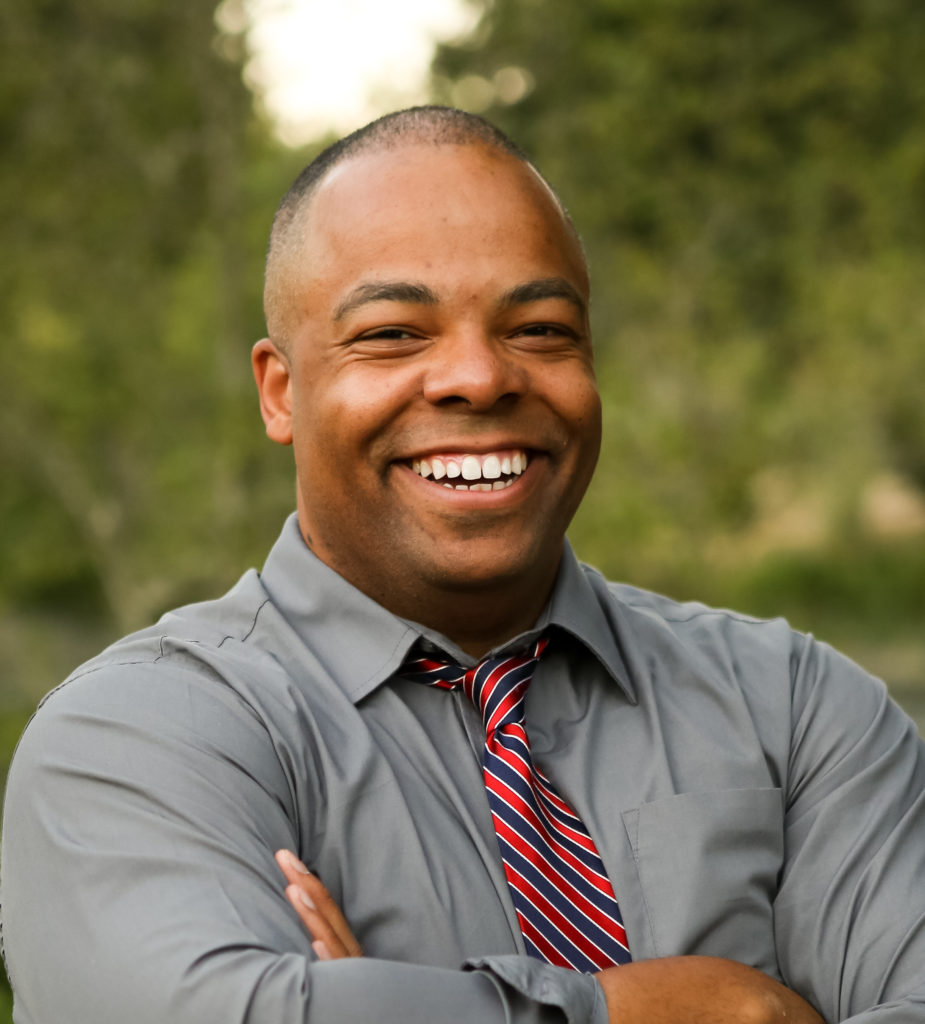
The next few legs of the relay followed the same pattern of getting stuck in traffic and a runner jumping out a half mile or so early to make the exchange. At around 6 a.m., we had reached the town of Mist, Oregon and cell reception was getting spotty. Fortunately, van one was there to meet us and was ready to roll. We cruised off to the final major van exchange near Olney. The only problem was that there was only one road in the area, so we were still stuck behind all of the traffic waiting for runners. Argh! Eventually, we made it to the exchange where breakfast was being served. Here, the team split up a little bit so that everyone could take care of their own needs. The back seats of the van went down again so that a few people could sleep. There was also a coffee hut and even a place that had bacon and eggs. This was probably the most stressful exchange, as we had no idea when the other van would show up and now there was no cell phone reception at all. However, we were equipped with little hand radios, so one person would wait up by the exchange so that they could radio back to the rest of the team when our van arrived. Looking at the map, we realized that the next leg was a short one, so we decided to leave early so that we could actually make it to the exchange zone before our runner.

There was a little more room at most of the exchanges now as the teams had become more spread out at this stage of the race. However, as time ticked on, the heat from the sun got brutal and there was hardly any shade on many parts of the course. We started stopping in the middle of the leg to check on our runner and pass them some much needed water. Finally, it came to me on the glory leg. Starting off near the top of the hill, I had a short climb followed by a long decent down to Seaside. Once I crested the hill, I could see all the way out to the ocean – definitely another highlight of the race. Finally, I hit the flats on the outskirts of Seaside and out to the Promenade. As I rounded the corner, they called out our name and van one ran out to join me as we crossed the line and finally finished our collective 199 miles.

The University of Western States team finished around 3:15 p.m. on Saturday with a finishing time of 27:22 placing us 10th in our category. After getting some team photos and sharing a few stories, it was time to hit the ocean. We collectively hobbled out to the water and only when it was too late did we realize how cold the ocean still was despite the heat of the day!

Huge thanks to UWS for supporting the team and special thank you to all of our van drivers and volunteers who so graciously donated their time so that we could participate in this big crazy adventure: Dr. Partna, Dr. Savannah Shortz, Mason McCloskey, Ross Robarge and Jeff Prause. Another special thank you to Raquel Osborn, who not only was key to organizing the event, but also volunteered to drive. Thank you so much!

To view a detailed map of the relay course the teams follow, visit the Hood to Coast website.

hoodtocoast4 hoodtocoast3  hoodtocoast1


Hood to Coast 2017

Good luck to the 2017 UWS Hood to Coast team!

  • Stephanie Beveridge, DC student, quarter 12
  • Matt Boetcher, DC student, quarter 11
  • Brad Crowe, DC student, quarter 11
  • Scott Kimbell, DC student, quarter 4
  • Emily Kreifels, DC students, quarter 7
  • Parker Pratt, DC student, quarter 8
  • Natasha Smith, DC student, quarter 12
  • Rachel Wysocki, teaching assistant
  • Kevin Yurkish, DC student, quarter 12

UWS Hood to Coast team!  UWS Hood to Coast team  UWS Hood to Coast team  UWS Hood to Coast team  UWS Hood to Coast team  UWS Hood to Coast team

OHSU Rotation and AIHM Fellowship

Beginning this fall, UWS chiropractic students will be able to complete a 10-12 week preceptorship during their final term within the Oregon Health and Science University’s (OHSU) Comprehensive Pain Center.

The OHSU Comprehensive Pain Center is an integrative care network for pain patients that consists of a variety of different providers, including allopathic anesthesiologists, nurse practitioners, clinical psychologists, acupuncturists, massage therapists, a physical therapist and a chiropractic physician. Currently, the chiropractic physician on staff is UWS alum Jordan Graeme, DC, MS.

Oregon Health and Sciences University
Photo courtesy of Oregon Health and Sciences University.

Through this collaborative relationship, UWS students will be under the direct supervision of Dr. Graeme during their preceptorship. These students will engage in integrated, team-based patient care and will also participate in observational rotations within other departments of the hospital. The program closely aligns with the model of rotations UWS students perform in Veterans Affairs (VA) hospitals.

“I appreciate OHSU for developing such a comprehensive, collaborative pain center, particularly in a traditional hospital setting,” Joseph Pfeifer, DC, UWS vice president of clinic affairs said. “This experience will be invaluable for our students. After obtaining the foundational knowledge and clinical skills at UWS, this rotation in an integrative environment at OHSU will enhance students’ competence and confidence in working with professionals of other disciplines to provide collaborative patient care.”

In addition to the OHSU rotation, UWS has partnered with the Academy of Integrative Health and Medicine (AIHM) through the Oregon Collaborative for Integrative Medicine (OCIM) to create a fellowship program for health care providers.

Through this fellowship, field practitioners gain knowledge of other healthcare disciplines through various coursework and receive firsthand exposure to patient care through observational clinic rotations. Providers in the fellowship program observe chiropractic care through the UWS clinic system, traditional medical care through OHSU, eastern medicine and acupuncture via the Oregon College of Oriental Medicine (OCOM), and naturopathic physician care at the National University of Natural Medicine (NUNM) in Portland.

Participants in this program come from a variety of disciplines from all over the country, as well as internationally, to learn through didactic material available online. The culmination of their coursework is a trip to Portland, where fellows participate in weeklong rotations between the participating schools and health care facilities.

“There is an inherent understanding and good evidence that having providers interact with one another to explore what is in the patient’s best interest improves the quality of care,” explained Dr. Pfeifer. “Providers gain an appreciation of each other’s role, and patients’ care and satisfaction benefit from a collaborative, coordinated team approach.”

“Both of these programs are consistent with our mission at UWS to advance integrative health care, and they reflect the type of training we aim to provide our students. We want our graduates to provide high-quality, integrative care, whether it be in a private office setting, a multidisciplinary group setting, or a hospital. Wherever they end up, they and their patients will benefit from their awareness of what other practitioners do, and they will help other providers gain insight and appreciation of the chiropractic profession.”

Free Concerts and Movies in the Park

concerts in the parks

UWS is proud to team up with Portland Parks and Recreation this summer for FREE concerts and movies in the park. UWS will have a booth set-up at multiple events throughout the summer. Grab some friends, stop by the UWS booth and enjoy free entertainment!
*All concerts and movies run from 6:30 – 8:15 p.m.

CONCERTS 

  • August 2 (Ventura) Artist: Chervona
  • August 7 (Berrydale) Artist: 3 Leg Torso
  • August 14 (Berrydale) Artist: Pete Krebs
  • August 16 (Ventura) Artist: Cedro Willie
  • August 21 (Berrydale) Artist: Inka Jam

MOVIES 

  • July 28 (Knott) Movie: Zootopia
  • August 4 (Village Square Parking Lot) Movie: Moana
  • August 14 (Wilkes) Movie: Miss Peregrine’s Home for Peculiar Children
Explore the full list of all the free events put on by the Parks Department here.


Dr. Woolsey Study Published and Presented at ACSM Annual Meeting

Conrad ACSM

Conrad Woolsey, PhD, director of sport and performance psychology at University of Western States (UWS), recently presented his study, “Age at First Energy Drink Use as a Predictor of College Student High-Risk Driving Behaviors,” at the American College of Sports Medicine’s (ACSM) 64th Annual Meeting in Denver, Colo.

Dr. Woolsey was also recently published in the Journal of Child and Adolescent Substance Abuse. The article entitledAge at First Use of Energy Drinks Associated with Risky Alcohol Related Motor Vehicle Behaviors Among College Students,” was from the same dataset as the presentation, but separate analyses were undertaken.

Dr. Woolsey was the lead investigator on the study used for the presentation and the paper, but he partnered with co-authors Jeff Housman and Ronald Williams (Texas State), Bert Jacobson (Oklahoma State), and Thomas Sather (U.S. Bureau of Medicine and Surgery) to gather the findings.

In the team’s study, the researchers examined energy drink age at first use and high-risk motor vehicle behaviors among a sample of 468 college students. The team found that the younger participants consumed energy drinks, the more at-risk they were for high-risk motor vehicle behaviors such as driving while intoxicated and knowingly choosing to ride with someone who they knew had too much alcohol to drive safely. Thirty-two percent of participants reported driving when they knew they were too drunk to drive safely with the odds of driving while drunk decreasing by 15.2 percent per year that age at first energy drink use increased.

Approximately 40 percent of participants reported being a passenger when knowing the driver had too much alcohol to drive safely. Age at first energy drink use was also a significant predictor of the odds of riding with someone who had consumed too much alcohol to drive safely, with the odds of knowingly riding with someone who was drunk decreasing by 14.9 percent as at first energy drink use increased by one year.

To read the full article and the researcher’s findings visit Taylor & Francis Online.

The UWS Downtown Clinic: A Passion for Caring for the Underserved

At University of Western States, students, faculty, staff and alumni all know the university motto, “For the good of the patient.” But how does the motto translate into real-life practice? At UWS, students are educated in a whole-person approach to health care, which includes diagnosis, adjusting skills, psychological therapeutics, rehabilitation, nutrition and lifestyle management, but UWS faculty and mentoring clinicians also take great care to ensure students develop compassion, empathy and respect for all patients who go to them for help.

To establish this robust foundation of practical experience, UWS operates four health clinics in the Portland area and affiliates with other local clinics that serve patients who often do not have access to medical care. Beginning in the eighth quarter of their education, chiropractic students work as interns and provide supervised patient care in these clinics.

In addition to providing students with hands-on patient care experiences before graduation, the clinics provide measurable benefits to many underserved patients in Portland.

Health Centers by the Numbers infographic

GUIDING PATIENTS WITH SELF-CARE HABITS 

As one of four UWS health centers, the downtown clinic is part of the Coalition of Community Health Clinics and serves underprivileged and underinsured patients in the Portland area.

From July 2015 to June 2016, the downtown clinic provided a total of about 6,000 patient visits. More than 98 percent of those visits were for patients with limited access to health care services. Many patients who seek treatment at the downtown clinic are living with a number of health concerns, often experience chronic pain, and often have limited access to pain management measures. Just a few office visits provide significant improvement in their quality of life and well-being.

“We make sure low-income and underinsured individuals have the same care as other patients,” said Dr. Amy Reynolds, an attending physician in the clinic.

“At UWS, we want our students to not only understand how to diagnose and treat, but also to understand the importance of empathy and their role as healers.”

Dr. Owen Lynch has been director of the downtown clinic since 1989 and he finds the direct impact of the work done at the clinic incredibly rewarding.

“There have been many cases where we have helped patients rehabilitate an injury or chronic condition that they never thought would heal,” said Dr. Lynch. “But our work had a direct impact in improving their quality of life.”

Harriet Block is an example of one of these patients. Block suffered a mini-stroke two years ago and was unable to lift her right foot high enough to walk. With the help of Dr. Lynch and the work of the chiropractic interns, and her dedication to following recommended supplemental exercises for balance, she is back on her feet.

“I know they are short on time, money and facilities, but you would never know it from the care that I was given,” said Block. “I am so happy I found Dr. Lynch.”

Besides using office therapies, Dr. Lynch also focuses on helping patients develop self-care habits. Simple lifestyle changes have the power to make a significant impact in improving the health and well-being of someone who does not receive regular health care. An approach that Dr. Lynch likes to use is working with patients to create SMART health goals, which stands for specific, measurable, achievable, relevant and time-bound. Dr. Lynch uses and teaches these guidelines to determine what motivates patients to help end their pain and reap the benefits of the clinic’s care between visits, and after treatment has concluded.

Dr. Lynch works to instill this focus in his students and encourages them to take an interest in each individual patient’s history to get the most out of the experience in the clinic.

“Dr. Lynch’s expertise in documentation and communication with other health care professionals has prepared me to be an integrated health professional far beyond my expectations,” said Cory Peterson, an intern in his twelfth quarter at UWS.

After he graduates, Peterson will be joining the practice of Dr. Phillip Snell, a fellow UWS alumnus who also worked with Dr. Lynch in the downtown clinic and quickly discovered the importance of setting patients up for success outside of treatments.

“Dr. Lynch’s use of SMART goals helped me see that much of the value we have as clinicians is in organizing a sometimes daunting process of self-care into a practical rubric,” said Dr. Snell. “In subsequent encounters or in-home self-care, the patient can see the road signs on the journey and have a better understanding of where they are on, or slightly off of, the path to their goals.”

SERVING THE GREATER PORTLAND COMMUNITY 

Dr. Lynch has also helped initiate the university’s involvement with Compassion Connect. As part of working with Compassion Connect, UWS participates in one-day clinics held in local venues that anyone in the community can attend and receive free services. At these busy pop-up clinics, attending doctors of chiropractic and interns see patients with a range of conditions and provide clinical care at no charge. Patients at these clinics also receive free dental care, food, clothing and housing resources.

Dr. Lynch is not the only university clinician making an impact on student interns and the underserved Portland community. Dr. Kristine Dearborn is an attending clinician at other UWS-affiliated outreach clinics, including Volunteers of America and DePaul Treatment Centers.

Once a week, Dr. Dearborn sees patients living in drug and alcohol rehabilitation centers at three different clinic locations – something UWS has been involved with for about 10 years. Treatment provided by Dr. Dearborn and her interns helps reduce patients’ reliance on opioid medications and prevent opioid addiction relapse. According to the Oregon Health Authority, the state of Oregon has one of the highest rates of prescription pain reliever misuse in the nation, with more drug poisoning deaths involving prescription opioids than any other type of drug.*

“Many of the patients we see in these facilities are there because they had an injury, their doctor prescribed opiates, and they got addicted,” said Dr. Dearborn. “They didn’t realize they were addicted and when they discontinued medication, they needed a fix and used heroin or meth and wound up having a lot more problems from that addiction. These patients get to these facilities after they’ve had felonies and destroyed their lives. We are here to help reduce the pain without the drugs and we have seen success.”

Dr. Dearborn says the biggest lesson students can learn from working in these outreach clinics is simply the power of the care they are providing. For underserved patients, ongoing care provides significant results. Students also gain confidence in their care and learn how to manage their time more efficiently.

“Students get a lot out of working with these patients,” said Dr. Dearborn. “It helps them understand the humanity of people suffering from drug and alcohol addiction. These clinics really help students have more compassion.”

She encourages students to connect with each patient by trying to find their motivating factors. What goals or tasks are the patients’ ailments keeping them from accomplishing? She points to examples like a favorite physical activity or being able to pick up their young children. Taking the time to discover what is important to each patient helps them follow recommendations and ensure treatments such as nutritional guidance and lifestyle modifications will be more effective.

“With chiropractic care, we are able to take away most of those aches and pains,” said Dr. Dearborn. “We give them tools and stretches for everyday practice to help reduce pain.”

The access to comprehensive care in these clinics also means that Dr Dearborn is able to refer patients to on-staff behaviorists who help relieve stress and anxiety, which often underlie serious conditions patients experience.

“The experience gives students a chance to see remarkable changes,” said Dr. Dearborn. “Most of these patients haven’t seen a chiropractic physician before. Often, we can relieve pain they have had for 20 years with chiropractic care.”

Health Centers by the Numbers

LOOKING TO THE FUTURE 

The university’s Vice President of Clinic Affairs Dr. Joseph Pfeifer, emphasized that UWS will continue to embrace the opportunity to provide health care services to underserved populations in the Portland area in UWS clinic locations and through collaboration with affiliated clinics.

“Our commitment to providing care to our communities, including the underserved, offers real value to patients, our students, and the public health. As we provide excellence in patient care and clinical training, we contribute substantially to the achievement of the university’s mission to advance the science and art of integrative health care,” Dr. Pfeifer added. “By serving our community’s most vulnerable populations with much needed care, we provide students with opportunities to develop compassion and empathy while honing their clinical skills under the mentorship of excellent supervising practitioners.”

In the words of Block, who would not be on her feet today without the help of the UWS downtown clinic, “At bigger doctor’s offices, no one knows who I am, but when I walk into the health center, each person is sweeter than the next. They are efficient, warm, welcoming and caring. I feel like I am coming home when I go there.” 

*Source: 2014 Drug Overdose Deaths, Hospitalizations, Abuse, and Dependency among Oregonians, Oregon Health Authority, Center for Prevention & Health Promotion, Injury, and Violence Prevention Sector. 


UWS Serves Community Veterans’ Needs through Returning Veterans Project Partnership

In May 2015, University of Western States (UWS) launched a partnership with the Returning Veterans Project (RVP), a nonprofit organization that connects local post-9/11 war zone veterans who took part in Operation Iraqi Freedom, the Iraq War and Operation Enduring Freedom or the Afghanistan War, as well as their families, to free health and wellness care.

RVP has a health care network of more than 335 licensed providers who incorporate integrative approaches to treating the physical and mental scars of war.

“The RVP is concerned about the veterans as a whole, not only their physical health and mental health, but all of the aspects that play into wellness,” Eric Polgar, the UWS director of undergraduate studies and the massage therapy program said. “This is right in line with an objective of the university – to provide integrated health care for the whole person.”

When UWS partnered with the RVP, the university became the largest health services provider in the RVP network, providing 28 hours of free chiropractic care and massage services at the university campus clinic each week. Since June 2015, UWS has had more than 300 combined visits for both chiropractic and massage care and nearly 50 visits from January to February 2017 – at no charge to veterans or members of their families.

The massage and chiropractic services provided by UWS are especially impactful for these veterans because of the types of injuries they sustain while in combat.

returning veterans project
“The weight of all the gear they wear while walking on unpaved roads and mountain trails for miles and miles takes a toll on the head, neck, shoulders and feet,” said Rayna Dorsey, licensed massage therapist and UWS student massage supervisor. “They ride in vehicles that lack suspension on unpaved roads, which is incredibly jarring to the entire body. We see lots of soft tissue conditions that respond well to massage and chiropractic care.”

One such patient, Chris Thompson, who has been receiving care from UWS since 2016, was discharged from the Navy due to injuries he sustained. He served in the Navy as a damage control firefighter on an aircraft carrier from 2007 until 2011 during Operation Enduring Freedom and Operation Iraqi Freedom.

Thompson, who is 100 percent disabled from his military work, also has a genetic disorder called Ehlers-Danlos syndrome, a severe connective tissue disorder.

He also suffers from bilateral arthritis and degenerative disc disease. He has sought treatment for these conditions at UWS and has noticed positive outcomes.

“If I didn’t have the RVP and Dr. Armington at UWS, it would have been a bigger uphill battle to get relief,” Thompson said. “The chiropractic care helps immensely with my lower back and hip pain and it has gotten under control. Being seen regularly at the clinics allows me to be comfortable.”

When he was discharged from the military, Thompson was on 28 different medications for his pain. Since discovering the Returning Veterans Project three years ago and receiving care at UWS, he has been able to eliminate all his prior medications and relies solely on non-pharmacological pain management.

Though the Returning Veterans Project focuses on post-9/11 veterans, UWS will provide care for any veteran.

“At UWS we have said that if we get a veteran that is unable to access care that is pre-9/11 and is available to come during our clinic hours, we do not turn them away,” said Dr. Stanley Ewald, associate dean of clinical internships.

Dr. Ewald, who has friends and family who are service members, underscores the significance of helping veterans.

“It’s important for us to be supportive of these veterans. They served their country and did what was expected of them. And we need to be there for them wherever and however we can.”

MAKING STUDENT VETERANS PROUD 

Currently, there are 34 students at UWS who are either veterans or active members of the military. These students are honored and grateful for the university partnership with the RVP.

“I love it. It makes me really thankful,” said Sara Hamill, a sixth quarter student at UWS. “I am proud of UWS and proud to be part of the community.”

Hamill joined the Navy when she was eighteen during the Cold War and trained to be a Russian interpreter. She was inspired to become a chiropractic physician and to help veterans after witnessing the impact of chiropractic medicine and massage care first-hand on her son, a Marine veteran, who lost a leg in Afghanistan.

“Seeing the difference that hands-on contact had in my son’s healing was really, really impactful,” Hamill said. “Touch and massage had such a profound effect on him that he was willing to get out of bed and learn to walk again.”

Hamill’s dream is to secure a preceptorship at a VA hospital and fulfill her passion to work with veterans.

erich steinmetz

Another student who appreciates the partnership is Erich Steinmetz, who is both a student in the Master of Science in Sports Medicine program and an adjunct faculty member in the massage therapy program. He served in the Navy and worked as a nuclear-trained electrician on submarines. While in the Navy, Steinmetz went through the Panama Canal and walked on an arctic polar ice cap.

“There are too many organizations that forget about how important the service of our men and women are to the security and freedom of the country,” Steinmetz said. “I feel that veterans deserve to be recognized and served in a way that is meaningful to them.”

His military experience has inspired him to become a multidisciplinary therapist. He hopes to eventually work with elite special forces such as the U.S. Navy SEALs or Army Green Berets.

FOR THE GOOD OF THE PATIENT, THE COMMUNITY AND THE STUDENT 

The partnership with the Returning Veterans Project also gives students the opportunity to serve and treat the veterans who visit the campus clinic.

“Part of good citizenship is finding ways to give back and serve the community,” said Dr. Joseph Pfeifer, vice president of clinical affairs. “By serving our veterans through the RVP program, we not only help fulfill the patient care and educational components of our mission, but we also provide students with opportunities to experience the joys of service as they contribute to the well-being of those who have served us.”

Service-based opportunities also benefit students as they earn their degrees at UWS.

“It gives students an attitude of service,” Dr. Ewald said. “One of the benefits of service-based internships is the opportunity to engage with a lot of different types of patients with conditions that students might not otherwise see in the UWS campus health center.”

Dr. Pfeifer and Dr. Ewald have also worked to expand opportunities for students to work with veterans by building relationships with Veterans Administration (VA) hospitals. UWS now has clinical training affiliation agreements with six VA medical centers.

“Veterans have made incredible sacrifices physically, mentally and emotionally,” said Dr. Pfeifer. “Chiropractic and massage therapy services are valuable to and valued by veterans. It is fulfilling to be able to serve that need.”

For Thompson, the care he has received at UWS has been life changing and he encourages other veterans to take advantage of this partnership.

“A lot of veterans don’t want to be touched or think outside the box for their pain management. They are just too afraid,” Thompson said. “If I could say one thing to other veterans about the care at UWS, it would be to give it a shot.” 


UWS Sports Medicine Master’s Student Published

Rylee StephensRylee J. Stephens, a sports medicine master’s degree student at University of Western States, had a study titled, “Effects of Diaphragmatic Breathing Patterns on Balance: A Preliminary Clinical Trial” published in the Journal of Manipulative Physiological Therapeutics (JMPT) With assistance from Dr. Mitch Haas, vice president of research at UWS, the study is now in print.

The purpose of this study was to determine the feasibility of performing a larger study to determine if training in diaphragmatic breathing influences static and dynamic balance. A group of 13 healthy people (eight men, five women), who were either staff, faculty or students at University of Western States participated in an eight-week breathing and balance study using an uncontrolled clinical trial design. The participants were given a series of breathing exercises to perform weekly in the clinic and at home, and then balance and breathing were assessed at weekly clinic sessions. Breathing was evaluated with Liebenson’s breathing assessment, static balance with the Modified Balance Error Scoring System and dynamic balance with OptoGait’s March in Place protocol.

The conclusion of the preliminary study revealed costal-diaphragmatic breathing patterns may be associated with improving balance and that a study of the phenomenon using an experimental design would be feasible.

At UWS, we pride ourselves in our incredible students who are as busy studying as they are in researching and learning how to benefit the health care field.

Citation:

Stephens R, Haas M, Moore WL, Emmil JR, Sipress JA, Williams A. Effects of Diaphragmatic Breathing Patterns on Balance: A Preliminary Clinical Trial. J Manipulative Physiol Ther. 2017;40(3):169-175.

Exercise Tips from Dr. Montgomery

Dr. Aaron Montgomery is a chiropractic physician and assistant clinic director at the Health Centers of UWS – Gresham location. After graduating from University of Western States, Dr. Montgomery began his own practice in Gresham. As a former personal training director and exercise science major from Montana State University, he emphasizes functional rehabilitation in his practice. Dr. Montgomery began working at the Health Centers of UWS – Gresham clinic in 2012.

Dr. Montgomery carefully blends the human body’s need for functional strength, endurance, and range of motion with a focused and gentle approach to chiropractic manipulation and soft tissue work.

“From breathing properly and how that impacts your spinal movement to how well your big toe moves and affects every step you take; I like to address the big picture on every visit,” said Dr. Montgomery.

“Chiropractic care is about listening to people, understanding how they move and function as a whole and empowering them to take an active part in their own health and well-being.”.


Take a look at this workout video by Dr. Montgomery that shows a core strengthening and lower back stabilizing exercise along with various progressions of the movement, depending on ability level. If you have any concerns about your ability to safely perform these activities, check with your health care provider.