There are various naturopathic careers to choose from including a naturopathic doctor, researcher, nutritionist, or herbalist.
Naturopathy is about helping patients find successful and natural complementary medicine, focusing on not just stopping the symptoms of an illness but going to the root of the problem. By focusing on the entire body, someone with a career in naturopathic medicine can focus on the individual needs of the patient.
These careers employ natural therapies such as nutrition-based or lifestyle counseling, to help ground the mind and body. By embracing a more holistic approach to health care, naturopathic careers in medicine promote good health. The goal of any job in naturopathic medicine is to create long-lasting change in a patient’s life, such as helping them to create healthy habits that promote a strong immune system, reject foods that have a higher chance of giving someone cancer, and have an active lifestyle that supports heart health.
Naturopathic Doctor
The American health care system faces significant challenges, with the National Academies of Science (NAS) giving it a failing grade. The criticism comes from the system’s focus on treating diseases rather than promoting overall health and well-being, which highlights a pressing need for a shift toward more holistic health practices. Naturopathic doctors are stepping forward to meet this need. By diagnosing and treating patients using natural therapies, including herbal medicine, nutrition, lifestyle counseling, and physical modalities, naturopathic practitioners are instrumental in promoting holistic health care.
The Doctor of Naturopathic Medicine (NMD) degree is specifically designed to train students to become licensed naturopathic doctors, focusing on whole-person medicine. Students learn to evaluate and address a wide range of essential factors that influence a patient’s inherent healing capacity. The program covers all essential aspects of naturopathic medicine, including diagnosis, treatment modalities, patient care, and practice management.
If you are interested in naturopathic medicine, you will have to go to medical school and receive your Naturopathic Medicine Doctorate (NMD). Naturopathic doctors can work in a variety of settings, from running a private practice to working in a hospital, after passing the two-part Naturopathic Physicians Licensing Examinations (NPLEX).
Naturopathic Researcher
Naturopathic researchers conduct scientific studies and clinical trials to explore the efficacy and safety of natural remedies and treatment modalities. Those who pursue this career in naturopathic medicine will design research studies, conduct experiments and data collection, collaborate with other researchers, and gather data documentation. Naturopathic research has received legitimacy over the years, strengthening health research.
If this job in naturopathy sounds interesting to you, you will need to have a bachelor’s degree in a medically related field such as chemistry or biology. A naturopathic researcher can work in a laboratory or conduct independent research. However, a bachelor’s degree is only a minimum requirement to enter this career path. An NMD may provide opportunities to expand your career and achieve greater success in this field.
Naturopathic Nutritionist
These jobs in naturopathic medicine specialize in using food as medicine, providing nutritional assessments, developing customized dietary plans, and offering guidance on nutrients that support optimal health. Naturopathic nutritionists cross-reference their patients and their diets. For specific groups such as nursing mothers, pregnant women, and athletes, naturopathic nutritionists can create a major impact in their patient’s lives by tailoring nutrition plans to meet their unique needs for physical performance and overall well-being.
Nutrition is a core component of naturopathic medicine. Individuals wanting to pursue a career in naturopathic nutrition should learn about the therapeutic uses of food and develop expertise in nutritional assessments, dietary planning, and personalized recommendations.
A naturopathic nutritionist requires at least a bachelor’s degree, but a more advanced degree such as an NMD is highly encouraged if you want to further your career as a nutritionist and achieve more success. Like other naturopathic medicine jobs, a nutritionist can work in a variety of settings, such as a clinic, as an independent consultant, or even in a nursing home.
Looking to Pursue a Doctor of Naturopathic Medicine Degree?
The demand for naturopathic professionals will continue to rise as long as more people recognize the benefits of holistic and integrative health approaches. Earning a Doctor of Naturopathic Medicine degree puts you at the forefront of a shift toward patient-centered care that values prevention, personalized treatment plans, and collaborative health strategies. At UWS, we craft our program to arm you with the in-depth knowledge, skills, and credentials necessary to excel in this important and growing field.
Visit our website to learn more about making a real difference in people’s lives.
Secure your place in the future of health care. Apply today.
Forbes spoke with Dr. Christopher Stanley about his upcoming role as lead sport and performance psychology consultant at the 2024 Summer Olympics.
University of Western States Professor of Sport and Performance Psychology Christopher Stanley, Ph.D., CMPC, was featured in a recent Forbes article as part of the magazine’s coverage of the upcoming 2024 Summer Olympics. Dr. Stanley spoke with sportswriter Manasi Pathak about his role at the Summer Games as lead sport and performance psychology consultant for USA Track & Field (USATF).
The Forbes article notes that Dr. Stanley previously served as USATF’s lead consultant at the 2020 Summer Olympics in Tokyo where the team earned seven gold, 12 silver and seven bronze medals. He has been involved with USATF since 2014 and was also their lead consultant at the Outdoor World Championships in Oregon (2022) and Budapest (2023).
In his Q&A with Pathak, Dr. Stanley discusses topics such as the impact of COVID-19 on the 2020 Summer Games, athletes’ mental health challenges, his history with USATF, and what his role will be at the Olympic Games in Paris this year.
“We have a ‘athlete-first’ perspective,” Dr. Stanley says. “Once on the ground, I am there as a resource to support athletes with their mental skill and mental performance needs.”
UWS is proud to see Dr. Stanley’s work receive the spotlight it deserves and for the value of sport performance psychology to be on international display at the Olympic Games.
This year University of Western States (UWS) celebrates the 120th anniversary of its founding, marking over a century of advancing chiropractic medicine and whole-person health education.
“As we commemorate this important milestone in our university’s history, we reflect on our lasting commitment to the advancement of whole health education focused on caring for the whole person rather than merely treating symptoms,” said Joseph Brimhall, DC, president of University of Western States. “Our institution has played a pivotal role in shaping the professions we serve and advancing careers for thousands of healthcare professionals. This legacy of academic excellence continues to evolve as UWS shapes the future of whole-person health care and education.”
Since its founding in 1904, University of Western States has been at the forefront of innovation and leadership in chiropractic care and hosts the longest-established Doctor of Chiropractic degree program in the Western United States. The university has expanded its academic programs to include naturopathic medicine, functional medicine, clinical nutrition, sports medicine, sport and performance psychology, and clinical mental health counseling. This academic expansion exemplifies the university’s commitment to whole-person health care, recognizing how multiple factors converge to impact the health and wellbeing of individuals, and facilitating the partnership between healthcare professionals and their patients.
UWS has earned an international reputation for high-quality academic programs that prepare students to flourish in their professional endeavors. Student outcome data from 2019-2022 demonstrates that 92% of UWS Doctor of Chiropractic graduates attain licensure within six months of graduation, exceeding the 80% benchmark established by the Council on Chiropractic Education. The university sees similarly high rates of licensure (91%) for graduates of the Human Nutrition and Functional Medicine programs.
Located in Portland, Oregon, the university has cultivated a strong bond with its community, forming reliable partnerships with organizations, universities, and schools to provide whole-person health care for veterans, homeless persons, athletes, students, and the community at large. The university is committed to fostering collaborations that promote the health and well-being of Portland-area residents. From its inception, UWS has offered clinical care to community members through clinics staffed by university faculty and students. Today the UWS Connected Whole Health Clinic, serves more than 15,000 patients per year.
UWS’s more than 7,000 alumni include professionals positively impacting their local communities and individuals, from Olympic-level athletes to technical laborers. This powerful alumni network spans the globe and serves as a testament to the university’s influence and reputation.
In response to disruptive changes in the higher education landscape, in 2023 UWS joined The Community Solution Education System, a national nonprofit system of six universities working collaboratively to advance academic goals, improve infrastructure and support systems, and develop strategies for sustainable growth. The System’s culture of radical cooperation aligns with UWS core values, supports the advancement of interdisciplinary health education, and enhances learning experiences for students.
To celebrate its enduring legacy, UWS is hosting a festive gala at Sentinel Hotel in downtown Portland on September 28, 2024. Alumni, students, trustees, donors, business supporters, community leaders, and dignitaries will be invited to attend.
As University of Western States commemorates its 120th anniversary, the university community looks forward to preparing the next generation of whole-person health care professionals to serve the evolving needs of a diverse and dynamic world.
Visit UWS.edu to learn more about University of Western States and stay up-to-date on its plans to celebrate the milestone anniversary with the community or to explore degree programs in whole-person health care.
University’s Lead Role in Innovative Benchmarking Consortium Expected to Yield Greater Student Retention and Graduation Rates
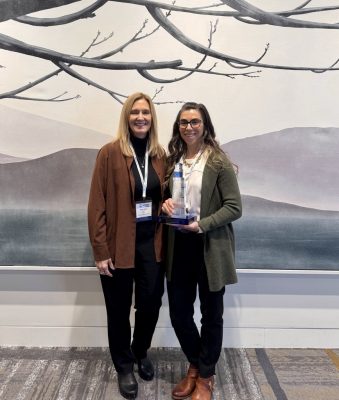
University of Western States (UWS) has received the 2023 Beacon Award for Excellence in student achievement and success from the Northwest Commission on Colleges and Universities (NWCCU). The award was given in recognition of the lead role Rachael Pandzik, D.C., and Susan Donoff, Ph.D., of UWS took to create a regional benchmarking program that uses comparative data from a consortium of NWCCU accredited institutions to identify gaps in institutional outcomes and inform student success initiatives.
“Graduate programs do not have ready access to comparative data from like institutions, so this effort greatly helps UWS and our peer institutions implement changes to more effectively champion student success,” said UWS President Joseph Brimhall, D.C. “The academic and professional success of our students is the foundational goal of our university, and I’m tremendously proud of the faculty and staff members who have been involved in this effort.”
Today, the consortium consists of six graduate-level health science institutions that track and share retention and graduation rates. The data gleaned from the first year of the project is publicly available on the UWS website and will continue to grow in value as subsequent years of data are collected and shared.
At UWS, the peer benchmark data is utilized as part of the annual university appraisal process. A dedicated committee analyzes the data to identify opportunities to improve institutional outcomes and develop strategies to address student needs.
“The Beacon Award recognizes institutional and programmatic accomplishments in student achievement and success. Winners must demonstrate distinctive, measurable and replicable innovations with clear results,” said Sonny Ramaswamy, President of NWCCU. “The regional benchmarking program and work of UWS is a living embodiment of what the award is meant to celebrate.”
The Beacon Award was announced at the NWCCU Annual Conference Awards Luncheon on November 9, 2023. In addition to the award, UWS will receive $2,500 from NWCCU to support the university’s continued efforts to foster student success.
About University of Western States
University of Western States (UWS) is an independent nonprofit university accredited both institutionally and programmatically and known for its renowned programs in the areas of chiropractic, naturopathic medicine, functional medicine, nutrition, sports medicine, sport and performance psychology, and clinical mental health counseling. Founded in 1904 in Portland, Oregon, the university hosts the second-oldest chiropractic program in the world. UWS is part of The Community Solution Education System, an integrated, nonprofit system of colleges and universities working collaboratively to increase student success and enhance community impact. To learn more, visit www.uws.edu and www.tcsedsystem.edu.
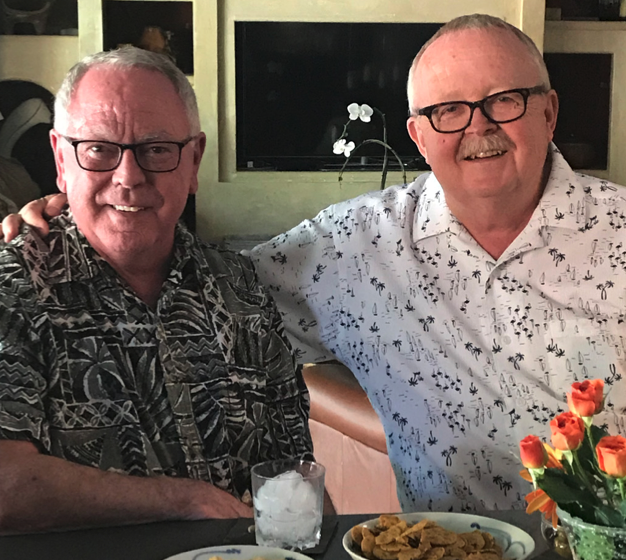
In fall 2023, the Dr. Steve Edward Oliver memorial scholarship will be established by his partner of 49 years, Ray Matlock Smythe, BA, MAT, to help ease the financial burden of future chiropractic physicians. This annual $5,000 scholarship will be awarded fall term to one returning student enrolled in the University of Western States doctor of chiropractic program.
Dr. Steve Edward Oliver and partner, Ray Matlock Smythe
“When Steve was a senior at UWS, he spent an entire summer painting all the buildings on campus,” said Smythe. “While he enjoyed it and he made a positive difference, that on top of studying and all the reading he had to do, it really tired him out. The Dr. Steve Edward Oliver memorial scholarship was created not only to honor Steve and his legacy, but to help alleviate stress for a student, so they can focus more on their studies and rest mentally, physically and emotionally during their studies.”
Dr. Oliver, UWS professor emeritus and alumnus (Class of 1975), passed on February 23, 2022. He was born and raised in Portland, Oregon, and attended Jefferson High School, Portland State University, and University of Western States (then Western States Chiropractic College).
Dr. Oliver maintained a private practice in Portland and served as the academic dean of the UWS college of chiropractic, vice president of the university and chiropractic technique instructor. In 1978, at the age of 29, Dr. Oliver was named Chiropractor of the Year for the state of Oregon. He earned professor emeritus status in June 2012. One of Dr. Oliver’s proudest achievements was establishing the Student Health Center at UWS, where students had more opportunities to practice their techniques.
“Steve loved being a chiropractic physician,” said Smythe. “It was the supreme joy and passion of his life and it was truly amazing to witness. He contributed so much to his patients, students, colleagues and everyone around him. It’s an honor to recognize him in this way and I know he would be proud.”
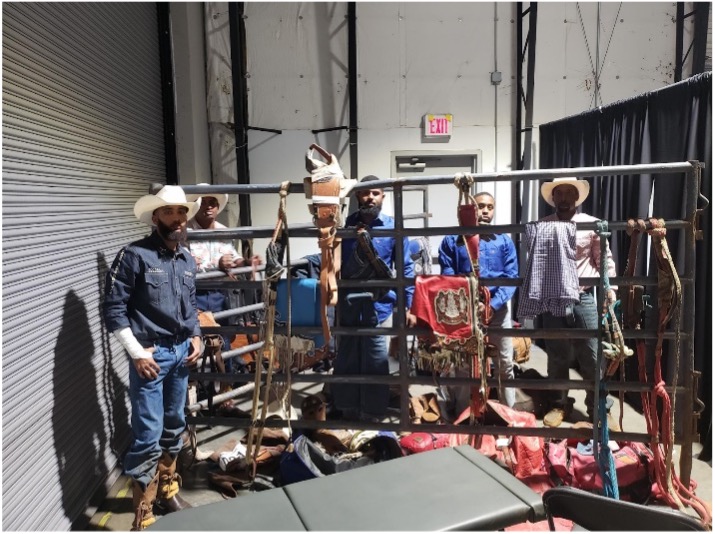
On June 17, students and faculty from the University of Western States (UWS) sports medicine program had the opportunity to provide treatments for rodeo athletes in town for the 8 Seconds Rodeo, an event whose aim is to highlight Black rodeo culture.
Cowgirls and cowboys from Texas, Oklahoma, Florida, Illinois and California converged in Portland to participate in the city’s first-ever event. The sold-out show took place at the Portland Expo Center and featured bull riders, barrel racers, bare-back riders, steer riders, kids riding goats, vendors and other family-friendly activities.
According to Dr. Tim Williams, UWS practicum supervisor, athletes who participate in full-body sports like these are more prone to injury. At the event, the UWS care team treated more than 20 athletes who experienced care ranging from adjustments, assessments, soft-tissue manipulation, taping and more. Besides emergency responders, the UWS delegation were the primary health care providers on site.
“I think our presence at this event was significant because it is not often that sports such as this have regular access to sports medicine, let alone chiropractic care. Our holistic approach takes into consideration not just what the athlete’s symptoms are but the psychosocial factors that impact it which are important,” said Dr. Williams.
Special thanks to Tim Williams, DC, MS, CSSP, Jesse Shaw, DO, USAW, and Jon Juker, UWS student and intern, for representing the university at this important community event.
Jaipaul Parmar, DC – Commitment to the UWS Motto: “For the Good of the Patient”
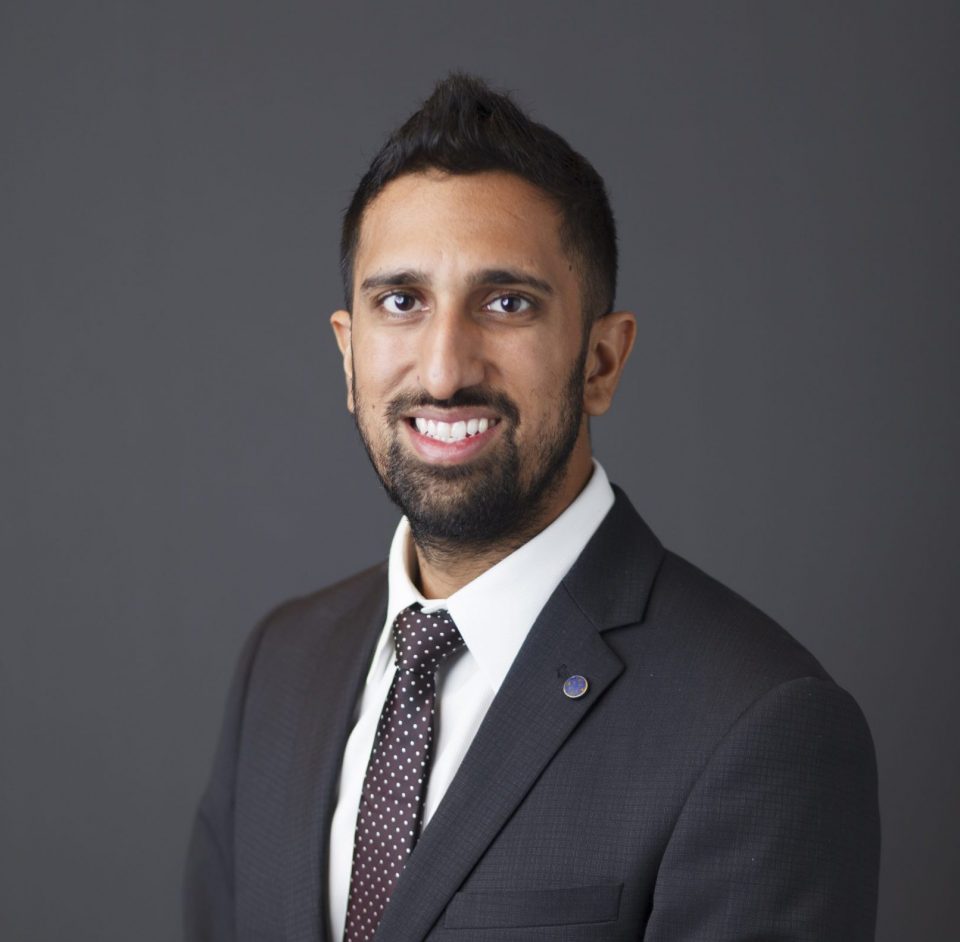
Jaipaul Parmar, DC, 2010 graduate of University of Western States (UWS) is the 2022 UWS Alumnus of the Year. This distinction honors the accomplishments of outstanding UWS graduates as they advance the science and art of integrated health care. Dr. Parmar’s professional work has demonstrated exemplary leadership and commitment to the UWS motto, “for the good of the patient” in addition to embodying the core values of UWS – student focus, best practices, curiosity, inclusiveness, professionalism and whole-person health.
Shortly after receiving his license, Dr. Parmar began serving as a member of the British Columbia Chiropractic Association (BCCA) and the Canadian Chiropractic Association (CCA). He was recently nominated to sit on the CCA Board of Directors. Dr. Parmar and Dr. Jamie Ackerman, fellow UWS DC graduate, own and operate a highly successful practice, Alliance Wellness Clinic in Vancouver, BC. Fellow UWS DC graduate and Dr. Parmar’s wife, Dr. Sonia Deol, is also a chiropractor at the clinic. The Alliance Wellness Clinics’ two locations have served as a preceptor site for UWS student clinical interns for many years. Three clinical preceptor students returned to the Alliance Wellness Clinics’ team following graduation.
“It is a true honor and privilege to be named the 2022 UWS Alumnus of the Year,” said Dr. Parmar. “Since acceptance, going through the program, graduating, and now having more than a decade of practice, I hold a very special place in my heart for UWS. I have a genuine passion for the chiropractic profession and am beyond grateful for this recognition from the institution that has forever changed my life and has allowed me to have an impact on others’ lives every single day.”
Following graduating from UWS, Dr. Parmar knew he would be returning to Canada. He envisioned what kind of practice he wanted to work for and noticed that at the time, there were not many collaborative clinics within Vancouver. Dr. Parmar and Dr. Ackerman decided to build a practice based on the tenants of what they learned at UWS – an integrated health care model where practitioners collaborate and work together to achieve whole person patient outcomes that treats root cause rather than just symptoms. At Alliance Wellness Clinic, patients can work with chiropractors, physiotherapists, massage therapists, acupuncturists, naturopaths, counselors and osteopaths.
“Over the years, I have found out that with my training as a chiropractor, we are the best referrers,” said Dr. Parmar. “I’ve never encountered any other professional that has the confidence in their referral the way that chiropractors can. We have a strength in case conceptualization and that really comes straight from my education at UWS.”
Dr. Parmar was highly involved during his time at UWS from serving on the Associated Student Body (ASB), to being a member of the Canadian Club. His direct experience with student politics inspired him to get involved in the BCCA.
“Since graduating from UWS in 2010, Dr. Jaipaul Parmar’s contribution to the BC chiropractic community and the university has been significant,” said UWS President and CEO Dr. Joseph Brimhall. “Dr. Parmar’s clear passion for the profession goes beyond boards and public service but is also evident on an individual level as a mentor to UWS student interns. As a preceptor for several years, Dr. Parmar has been eager to share his expertise with our student interns and has shown a keen investment in the next generation of chiropractors.”
Journal entry by Dr. Parmar from grade seven
“On the first day of grade seven, we all created journals and one of the prompts asked what we wanted to be when get got older. I said that I wanted to be a chiropractor. Years later when I found the journal, my jaw dropped! It was an epiphany moment. This journal reinforced the idea of if you write your intentions down, it really can happen. If you put your mind to something, it can happen. One just has to be positive and optimistic and truly believe in yourself.”
The Nonprofit System uses a Collaborative Model that is Distinct in Higher Education
TCS Education System, a national nonprofit system of colleges and universities announced today that Portland, Oregon-based University of Western States (UWS) has become the newest institution to join its System. This partnership marks a new era of innovative interdisciplinary health education that will benefit students and faculty at UWS and strengthen the TCS community.
Since its founding in 2009, TCS has expanded from one college to a system that encompasses six colleges and universities and serves the aspirations of nearly 14,000 students annually across 13 campus locations and online. TCS Education System’s universities work collaboratively to build strategic partnerships and leverage economies of scale to advance institutional sustainability, student success, and community impact for colleges and universities.
“We’re excited to welcome University of Western States to TCS,” said TCS President Michael Horowitz. “UWS is a high-caliber university whose mission and values are closely aligned with our own. Their commitment to interdisciplinary rigor, student success, and innovation has propelled them on an upward trajectory for more than a century. UWS’s culture embodies TCS Education System’s values of collaboration, inquisitiveness, resourcefulness, equity, and student focus and they are a natural and exciting addition to our community. We look forward to working in close collaboration with UWS leadership to advance opportunities for their university while also strengthening the entire TCS System in ways that benefit the students and communities we serve.”
Founded in 1904, UWS is a leader in educating and training chiropractic physicians. In recent years, the university has successfully expanded its academic programs to include nutrition and functional medicine, clinical mental health counseling and sport and performance psychology. In the fall of 2023, they will welcome their first cohort of doctoral candidates in naturopathic medicine.
“For more than a decade, our leadership has been exploring a new model to elevate our future, and following a period of due diligence, it became clear that TCS was the best choice,” said UWS President Joseph Brimhall. “As part of TCS Education System, we look forward to working closely with other like-minded institutions to grow and strengthen our community. This partnership will advance our ability to serve our 1,100 students as they pursue careers in the rapidly growing field of integrative health, and we look forward to contributing to the proven success that TCS has already demonstrated in interdisciplinary health care education. For UWS, joining TCS Education System brings top-level expertise in functional areas and access to enterprise-level systems, which will deliver a better experience for students, faculty, and staff.”
As members of TCS Education System, colleges work with operational experts and peers across the System to develop innovative solutions to common challenges. By joining the System, institutions have access to expertise and enterprise systems often unavailable to institutions their size. These benefits enhance the student experience and strengthen administrative structures at the institutions, resulting in enrollment growth and improved student outcomes.
“This new addition to our System shows the strength of our model,” Dr. Horowitz said. “When we come together to share institutional wisdom and resources, we can better serve our students and tackle the challenges of modern higher education.”
About TCS Education System:
TCS Education System (TCS) is an integrated, nonprofit system that works collaboratively to advance institutional sustainability, student success, and community impact. Founded in 2009, the System consists of six distinct communities—The Chicago School, Pacific Oaks College & Children’s School, The Colleges of Law, Saybrook University, Kansas Health Science Center – Kansas College of Osteopathic Medicine, and the University of Western States. TCS utilizes strategic partnerships to foster economies of scale, academic innovation, risk mitigation, and resourceful business solutions to maximize students’ educational experiences. To learn more, visit www.tcsedsystem.edu.
There is a strong bidirectional relationship between the brain and the gut, which has implications for immunity, mood, digestion, and more. Stress can negatively impact the gut-brain axis in a variety of ways. The activation of the hypothalamic-pituitary-adrenal (HPA) axis as part of the body’s stress response causes the release of corticotropin-releasing hormone (CRH), which affects immune function in the gut. CRH can impact intestinal barrier integrity, leading to hyper-permeability or “leaky gut” as well as increased inflammation. The gastrointestinal system also contains a rich network of nerves that influences intestinal permeability, as well as factors such as gastric motility and pain perception.
The microbiome is involved in this interplay between the nervous system and the gut as well. Germ-free mice have been shown to have impaired gut motility, as well as altered social behavior and anxiety. Offspring of monkeys that experienced prenatal stress exhibited significant perturbations to their microbiome within the first six months of life, including changes in levels of beneficial Bifidobacterium. In a study of Swedish men, lower stress resilience during adolescence was associated with an increased risk of irritable bowel disease later in life. Changes in gastric motility and enzyme secretion due to stress can alter the terrain and impact the composition of the microbiome.
The gut microbiota is also thought to influence serotonin production, which is significant since as much as 95% of serotonin is produced within the gut. The microbiome has been shown to influence psychiatric disorders and even the pathogenesis of neurodegenerative diseases, such Alzheimer’s disease and Parkinson’s disease. Finally, people with irritable bowel syndrome have an altered microbiome and often present with psychological comorbidities. A study assessing the interplay between the microbiome and mood disorders found that 65% of participants experienced increased psychological distress, and this distress correlated with increased abundance of Proteobacteria. Participants who reported anxiety had elevated Bacteroidaceae, a gram-negative bacteria. The cell walls of gram-negative bacteria contain lipopolysaccharides (LPS), which can trigger the immune system and cause increased inflammation in the central nervous system.
This web-like relationship between the brain, gut, and microbiota demonstrates the need to address the sources of stress in our lives so we can experience greater resiliency and improved health.
The Impacts of Stress
Living a sedentary lifestyle, overexercising without proper recovery, sleep deprivation, and eating a processed diet can all be physical stressors on the body. A study of soldiers undergoing an intense cross-country ski trip demonstrated that physical exertion increased intestinal permeability and inflammation. The change in intestinal permeability may have been caused in part by a disruption to the gut microbiome. Study participants experienced a decrease in certain bacteria associated with inflammation and immune regulation, such as Faecalibacterium and Roseburia, with a simultaneous increase in potentially pathogenic bacterial species. Faecalibacterium has also been shown to be lower in people with depression and anxiety. This bacterium produces butyrate, a short-chain fatty acid that exerts anti-inflammatory properties and maintains intestinal barrier integrity. Luckily, dietary changes can help to support the production of these short-chain fatty acids.
As explored in the field of nutritional psychiatry, the diet serves as a powerful modulator of mood, as well as the gut microbiome. Increased psychological stress impacts our eating habits by altering hunger hormones, which often causes us to overeat. It is tempting to reach for calorically dense foods that are high in sugar and/or fat when we are stressed. However, high-fat meals are thought to increase the production of endotoxins, which can cause inflammation and an increase of reactive oxygen species.
A study of the effects of culinary spices demonstrated that psychological stress causes elevated glucose and insulin levels after a high-fat meal. The inclusion of polyphenol-rich spices such as cinnamon, ginger, oregano, and turmeric led to the inhibition of pancreatic lipase and secreted phospholipase A2, and participants saw a 31% reduction in circulating plasma triglycerides. However, this effect was only seen if participants were in a restful state after eating. Antioxidant-rich foods can help to decrease oxidative stress, while dietary fiber and polyphenols nourish beneficial bacteria and can help boost the production of anti-inflammatory short-chain fatty acids.
Probiotic Supplementation
There has been a fair amount of research conducted on the use of probiotic supplementation to address stress and modulate the composition of the microbiome. Many of these studies involve students who are experiencing increased mental stress while preparing for academic exams. One such study found that milk fermented with Lactobacillus casei strain Shirota helped to attenuate increases in cortisol levels and reduced gastrointestinal symptoms, such as indigestion, in medical students. Gene sequencing showed that the probiotic led to significantly higher alpha diversity in the gut microbiome and a significant reduction in Bacteroidaceae. Probiotic supplementation also positively impacted genetic expression related to the metabolism of dietary fats. A separate study using this same probiotic strain showed that students experienced improvements in sleep quality leading up to the exam. This is thought to be due to a decrease in HPA activation by the probiotic.
A separate group of medical students ingested the probiotic Lactobacillus gasseri CP2305 for 24 weeks and experienced a significant reduction in anxiety and sleep disturbance leading up to a national exam. Depression scores, abdominal discomfort, and salivary CgA levels (used to assess catecholamines) were also all significantly reduced. Gene sequencing showed that stress caused a decrease in beneficial Bifidobacterium and an increase in Streptococcus in the placebo group, but this perturbation was attenuated by the probiotic. Yet another group of medical students who supplemented with the Lactobacillus gasseri CP2305 probiotic while enrolled in a human cadaver course experienced significant improvements in sleep and decreased depression and anxiety. Salivary cortisol levels, CgA levels, abdominal pain, and indigestion were all reduced in the probiotic group. The probiotic also inhibited the proliferation of gram-negative Enterobacteriaceae and Veillonella, which significantly increased in the placebo group during this period of heightened stress. Finally, students who received supplementation of Lactobacillus rhamnosus CNCM I-3690 for 4 weeks had a lower excretion of mannitol (mannitol is used to assess intestinal permeability) and reduced scores of perceived stress.
Healthy adults experienced a reduction in symptoms of anxiety and depression, as well as an increase in sleep quality, after ingesting a probiotic blend of Lactobacillus reuteri NK33 and Bifidobacterium adolescentis NK98. Participants also had decreased levels of Enterobacteriaceae and the pro-inflammatory cytokine interleukin-6 while experiencing increases in Bifidobacterium and Lactobacillus. Certain probiotic strains have also been shown to alter brain activity and impact the activation of the stress response. Healthy women who drank a fermented milk with five probiotic strains experienced changes in the midbrain cortices associated with emotional response. A separate group of healthy volunteers receiving Bifidobacterium longum 1714 had an increase in activation of the frontal and cingulate cortices of the brain as well as a change in resting neural activity after the completion of a stressful task. Researchers suggest this resting neural activity can reduce mental fatigue and helps to buffer against negative emotions. A final study showed that probiotic supplementation containing multiple strains of Lactobacilli, Lactococcus, and Bifidobacterium led to improvements in working memory amidst acute stress in healthy women. The abundance of eight microbiome genera were altered in the probiotic group, including those that produce short-chain fatty acids.
Stress Management Techniques
Stress management techniques can exert a positive effect on gastrointestinal symptoms, particularly for those with irritable bowel syndrome and inflammatory bowel disease. A prospective study of patients with irritable bowel syndrome demonstrated that traditional cognitive behavioral therapy (CBT) and a modified CBT home-study program led to moderate to substantial improvements in gut symptoms. Patients who only received education on how to manage irritable bowel syndrome also experienced improvements in gastrointestinal (GI) symptoms (44.8% improvement), but not to the same degree as those who were taught stress management techniques (58.4% improvement).
Gut-derived hypnotherapy is another modality that shows promise in supporting both psychological and physiological symptoms of irritable bowel syndrome and inflammatory bowel disease with one study demonstrating symptom improvements ranging from 24% to 73%. Gut-derived hypnotherapy can also help to improve resiliency, or the ability to cope with stress, as well as self-efficacy. This technique has been shown to positively affect gut motility, as well as nervous system activity.
Closing Thoughts
A diet rich in fiber, antioxidants, and polyphenols can support a healthy microbiome. This means plenty of fruits and vegetables with a focus on including a variety of different colors in each meal.
Stress can negatively impact digestion so be sure to set yourself up for success by eating your meals in a calm and undistracted state. Take 5 deep belly breaths before each meal to ground yourself and calm the nervous system. Chewing our food is a necessary first step of the digestive process. However, a systematic review also found that chewing can have a positive effect on attention and stress relief, perhaps by increasing blood flow to the brain and influencing serotonin pathways. Therefore, chewing each bite of food thoroughly is an excellent way of supporting the stress response and smooth digestion.
Probiotics exert positive effects on the gastrointestinal system and may also be helpful for supporting the stress response and sleep quality. It is important to find the right probiotic strain when choosing a supplement. If you plan to incorporate probiotic supplementation into your routine, talk to your doctor, nutritionist, dietician, or another member of your healthcare team for personal options based on your individual circumstances.
Stress management techniques, such as cognitive behavioral therapy and gut-derived hypnotherapy, can help to improve gastrointestinal symptoms due to the connection between the brain and gut.
If you plan to incorporate more colorful, plant-based, whole foods and/or supplements into your daily eating, or have food allergies or questions about which foods or supplements can best support your physical and mental health, talk to your doctor, nutritionist, dietician, or another member of your healthcare team for personal options based on your individual circumstances. There are certain medications that may interact with plant-based foods and supplements.
Hello and welcome! To provide you the best possible experience, our site uses cookies and third-party services to remember you, understand how you use our site, and improve the quality of our communication with you. We care about our visitors and want to ensure you are informed on how we use your data. Click here to learn more. By continuing to use the University of Western States website, you agree to how we use your data to improve service and user-experience.