Omega-3 Fatty Acid Supplementation: Helpful for Exercise?

Written by: Jenn Evon, UWS Human Nutrition and Functional Medicine Course Facilitator

omega3Omega-3 polyunsaturated fatty acids (PUFAs), such as DHA and EPA, are known for their anti-inflammatory properties. Their role in exercise performance is unclear, with studies showing greater benefit for certain populations over others in reducing exercise-induced inflammation.

Oxidative stress occurs during exercise and while low levels are required for exercise adaptation, chronic inflammation can tax the body’s antioxidant systems. Strenuous exercise may lead to chronic inflammation, as demonstrated by increased tumor necrosis factor-alpha (TNF-a) and C-reactive protein (CRP) biomarkers.1

Omega-3 fatty acids are precursors to prostaglandins, hormone-like compounds that help to reduce inflammation.2 Omega-3 fatty acids are thought to change the muscle cell membrane by affecting membrane fluidity, receptor function, and the production of cytokines, which all lower the effect of exercise on muscle damage.3,4

The central and peripheral nerves contain polyunsaturated fatty acids, with omega-3 fatty acids helping to comprise neurons, myelin, and muscle membranes. Supplementation with omega-3 fatty acids may improve nerve conduction and neuromuscular engagement, while also reducing exercise-induced inflammation.5,6

Currently, the daily limit set by the FDA for supplementation is no more than 3,000 mg/day.7,8

Older Adults

As we age, we lose skeletal muscle mass and higher reactive oxygen species in the mitochondria of skeletal muscle cells cause alterations to muscle fibers.9 Omega-3 supplementation, such as with fish oil, has been found to help lower blood markers of inflammation as well as mitigate delayed onset muscle soreness and muscle damage. 

The benefit of omega-3 fatty acid supplementation for older adults is much more clear than it is for younger, healthy athletes. PUFAs affect the cardiovascular and central nervous systems in older adults, which is largely why they may be so beneficial to pair with exercise.

In adults with a history of myocardial infarction, or heart attack, DHA/EPA supplementation for 4 months reduced and stabilized many post-exercise cardiovascular markers including heart rate recovery, stroke volume, and heart rate variability.6

Studies have found improved quadricep strength as well as overall activation of skeletal muscle and force in postmenopausal and elderly women who couple exercise with omega-3 supplementation.5,10

Endurance Training

While there are benefits of omega-3 fatty acids for endurance training, they may not be significant enough to warrant supplementation solely for athletic performance. Omega-3 fatty acids act as a vasodilator, which helps increase the movement of oxygen into skeletal muscle during exercise.4 In a study of adult rats, DHA supplementation led to improvement in endurance exercise capacity and mitochondrial function in skeletal muscle.9

Endurance athletes may notice an improvement in muscle flexibility with EPA supplementation. In younger adult athletes, omega-3 supplementation can contribute to lower peak heart rate, reduce resting heart rate variability, and oxygen consumption required during exercise.6

However, several studies have shown insignificant improvements in markers of inflammation, performance, and immunity. Exercise-trained men who took an EPA/DHA supplement for six weeks and performed an uphill climb while carrying a load had insignificant lower levels of resting TNF-a and CRP compared to the placebo group.

A separate study of young men and women performing a maximal endurance test on an ergometer showed that supplementation with krill oil did not change immune function or markers of exercise performance.11

These results suggest that those who regularly engage in endurance exercise may have minimal oxidative stress responses to exercise because regular exercise naturally increases the body’s antioxidant system.1 Therefore, omega-3 supplementation solely based on improving athletic performance may not be warranted for endurance.

Strength Training

Researchers have also explored the role of omega-3 fatty acid supplementation for strength training. Omega-3 supplementation improves nerve conduction, thereby influencing muscle activation.5

Studies have shown that DHA/EPA supplementation before an eccentric bicep curl test leads to more repetitions, better range of motion, and lower levels of the inflammatory cytokine interleukin-6 (IL-6). Loss of muscle strength and delayed onset muscle soreness three days after exercise were also decreased.2,7,12,13

During a maximal back squat assessment, male athletes who supplemented with PUFAs experienced improved muscle activation and lower fatigue.5 Men taking EPA supplements noticed better recovery than the placebo group after performing a plyometric squat jump test.3

Final Thoughts

Supplementation with omega-3 fatty acids has been shown to be beneficial for the nervous and cardiovascular systems, with anti-inflammatory effects that fight against exercise-induced muscle damage.

While the benefit for endurance athletes is less clear, supplementation with PUFAs does seem helpful for older adults and individuals engaging in strength training. Depending on the individual and their goals, the inclusion of PUFA supplementation as part of their athletic recovery routine may be worthwhile.

References

  1. Bloomer, R.J., Larson, D.E., Fisher-Wellman, K.H., Galpin, A.J., & Schilling, B.K. (2009). Effect of eicosapentaenoic and docosahexaenoic acid on resting and exercise-induced inflammatory and oxidative stress biomarkers: a randomized, placebo controlled, cross-over study. Lipids in Health and Disease, 8(36). doi: 10.1186/1476-511X-8-36
  2. Jouris, K.B., McDaniel, J.L., & Weiss, E.P. (2011). The effect of omega-3 fatty acid supplementation on the inflammatory response to eccentric strength exercise. Journal of Sports Science and Medicine, 10, 432-438.
  3. Jakeman, J.R., Lambrick, D.M., Wooley, B., Babraj, J.A., & Faulkner, J.A. (2017). Effect of an acute dose of omega-3 fish oil following exercise-induced muscle damage. European Journal of Applied Physiology, 117, 575-582. doi: 10.1007/s00421-017-3543-y
  4. de Silva, E.P., Nachbar, R.T., Lavada-Pires, A.C., Hirabara, S.M., & Lambertucci, R.H. (2016). Omega-3 fatty acids differentially modulate enzymatic anti-oxidant systems in skeletal muscle cells. Cell Stress and Chaperones, 21, 87-95. doi: 10.1007/s12192-015-0642-8
  5. Lewis, E.J.H., Radonic, P.W., Wolever, T.M.S., & Wells, G.D. (2015). 21 days of mammalian omega-3 fatty acid supplementation improves aspects of neuromuscular function and performance in male athletes compared to olive oil placebo. Journal of the International Society of Sports Nutrition, 12(28). doi: 10.1186/s12970-015-0089-4
  6. Da Boit, M., Hunter, A.M., & Gray, S.R. (2017). Fit with good fat? The role of n-3 polyunsaturated fatty acids on exercise performance. Metabolism, 66, 45-54. doi: 10.1016/j.metabol.2016.10.007
  7. Tsuchiya, Y., Yanagimoto, K., Nakazato, K., Hayamizu, K., & Ochi, E. (2016). Eicosapentaenoic and docosahexaenoic acids-rich fish oil supplementation attenuates strength loss and limited joint range of motion after eccentric contractions: a randomized, double-blind, placebo-controlled, parallel-group trial. Eur J Appl Physiol, 116, 1179-1188. doi: 10.1007/s00421-016-3373-3
  8. Jouris, K.B., McDaniel, J.L., & Weiss, E.P. (2011). The effect of omega-3 fatty acid supplementation on the inflammatory response to eccentric strength exercise. Journal of Sports Science and Medicine, 10, 432-438.
  9. Le Guen, M., Chate, V., Hininger-Favier, I., Laillet, B., Morio, B., Pieroni, G., … & Dubouchaud, H. (2015). A 9-wk docosahexaenoic acid-enriched supplementation improves endurance exercise capacity and skeletal muscle mitochondrial function in adult rats. Am J Physiol Endocrinol Metab, 310, E213-E224. doi: 10.1152/ajpendo.00468.2014
  10. Rodacki, C.L.N., Rodacki, A.L.F., Pereira, G., Naliwaiko, K., Coelho, I., Pequito, D., Fernandes, L.C. (2012). Fish-oil supplementation enhances the effects of strength training in elderly women. American Journal of Clinical Nutrition, 95, 428-436. doi: 10.3945/ajcn.111.021915
  11. Da Boit, M., Mastalurova, I., Brazaite, G., McGovern, N., Thompson, K., & Gray, S.R. (2015). The effect of krill oil supplementation on exercise performance and markers of immune function. PLoS One, 10(9), e0139174. doi: 10.1371/journal.pone.0139174
  12. Corder, K.E., Newsham, K.R., McDaniel, J.L., Ezekiel, U.R., & Weiss, E.P. (2016). Effects of short-term docosahexaeonic acid supplementation on markers of inflammation after eccentric strength exercise in women. Journal of Sports Science and Medicine, 15, 176-183.
  13. Ochi, E., Tsuchiya, Y., & Yanagimoto, K. (2017). Effect of eicosapentaenoic acids-rich fish oil supplementation on motor nerve function after eccentric contractions. Journal of the International Society of Sports Nutrition, 14(23). doi: 10.1186/s12970-017-0176-9


Distance Learning Doesn’t Hinder Engagement

By: Samantha Silva, Human Nutrition and Functional Medicine student

distance learningIf you had told me a few years ago that I would pursue my master’s degree entirely online, I may not have believed you.
In all honesty, I have always preferred being in a classroom setting. As an undergraduate student, I truly enjoyed walking to class each day and interacting with my professors and fellow classmates (you can call me a nerd, it’s okay). I felt as though this was the only way for me to really learn—by seeing, hearing and doing everything in person. Therefore, I assumed that if higher education would be in my future, it would be completed in the same manner as my undergraduate studies.

But, as we all know too well, life happens. The plan that I had so diligently created for my future went completely awry after graduation and I found myself at a total loss in terms of what I wanted to do. I entered the workforce, desperate to get back on the right track. After several years of working jobs in different fields, I was introduced to the Institute for Integrative Nutrition—a completely online health coaching program. Enrolling in and completing this program gave me the confidence that I needed; I realized that I could fit my studies into the nooks and crannies of my busy life. Guest speakers Dr. Mark Hyman and Dr. Kristi Hughes gave me my first glimpse of the power of functional medicine and I knew immediately that this was the path I was meant to pursue.

As I dove into researching different graduate programs, I wasn’t quite sure what I was looking for—that is, until I found University of Western States. The course names and descriptions are what first captured my attention; however, the flexibility in scheduling was also a major factor in my choosing UWS. I appreciate that this university understands that their students come from all different backgrounds, from all different parts of the world, with different commitments and situations. I, for instance, have been able to spread my classes out over nine quarters as opposed to the traditional seven, which has helped me tremendously in achieving academic success (and maintaining my sanity!) while working full-time.

Yes, I am a distance learner; however, the UWS community has never felt distant to me. The discussion forums connect me with my professors and fellow students and I am provided tremendous amounts of support and feedback almost immediately. My professors, the registrar, the financial aid office and other administrators typically reply to communications within a few hours, and they are always more than willing to help me work through any issue that may arise. The university is incredibly inclusive, opening opportunities like social media contests and student blogging (hello!) to both on-campus and online students alike. Though I am clear across the country in Richmond, Virginia, I truly feel as though I am a part of the phenomenal energy that makes UWS so unique—and that, to me, is invaluable.

University of Western States opens Standard Process Student Commons

Standard Process Inc. gift of $500,000 helps build new student space on campus

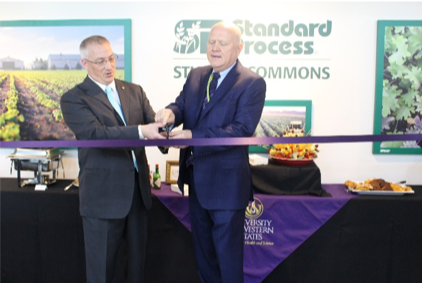
standard process commonsUniversity of Western States (UWS), a leader in educating health care professionals, has opened a new student commons area on campus thanks to a generous $500,000 capital pledge from Standard Process, Inc., a manufacturer of whole food nutrient solutions.

“We are so pleased with the Standard Process Student Commons,” said UWS President Dr. Joseph Brimhall. “Our students will benefit from this space for many years to come. Thank you to Standard Process for their ongoing support of chiropractic and integrated health care education.”

The new student commons was created with the needs of the student in mind, incorporating a variety of furniture to allow for individual or group study, as well as a large TV monitor where students can cast presentations or notes for group study, large mobile white boards, charging stations for electronic devices and microwaves.

“The new Standard Process Student Commons reflects the relationship between Standard Process and the chiropractic profession,” said Timothy Brinkman, UWS sixth quarter chiropractic student. “We now have this awesome, vibrant space with tech interface capacity, mobile whiteboards and comfortable seating conducive to learning our profession, which in and of itself is learning how to help the body heal itself. It’s fitting that a room they sponsored helps facilitate those who are trying to achieve the same.”

standard process commonsStandard Process feels this project is a natural fit with their company goals. The organization believes that students who learn about nutrition while they are in school will be catalysts in their practices, sparking positive lifestyle changes in their patients.
“I really love the partnership between Standard Process and UWS,” said Standard Process President Charlie DuBois.  “With our similar philosophies of chiropractic care and whole food nutrition, it only made sense to support the students in any way possible. I am happy that we are able to partner with UWS in providing a transformative space for campus use.”


Self-Care Tips from a Busy Graduate Student

By: Samantha Silva, Human Nutrition and Functional Medicine student

grad-self-care

I wake up suddenly, my face on my desk and drool dripping down my chin. I sit up, looking around carefully, not knowing for a moment where I am, what day it is, or—honestly—who I am. How long have I been asleep? My clock tells me it is 2 a.m. Ever so slowly, it all comes back to me: Oh, yeah. I’m in grad school.

Nights like these have become a part of my new normal since beginning graduate school almost two years ago. It is ironic, isn’t it? As we pursue the knowledge that will enable us to become the best practitioners and caregivers that we can possibly be, our own self-care tends to take a backseat. This is unacceptable! I have learned throughout this time to make self-care a non-negotiable aspect of my life—it is essential not only to my academic success, but to my overall health and well-being.


I am, of course, still a work in progress, but these are some concepts that have helped me along this journey:


  1. Fuel Your Body

Eating well is the ultimate form of self-care, in my opinion, and I cannot emphasize enough the importance of maintaining a healthy diet while in school. The stress and lack of sleep that often ensue are sure to impact the immune system and proper nutrition can help to improve many of these effects. Because I do not have the time to prepare meals every day, meal prep has become a vital part of my weekends. I make sure to pack nutrient-dense meals with ample protein, healthy fats and gluten-free carbohydrates as well as many colorful vegetables to ensure adequate phytonutrient intake. Stocking up on snacks such as fruits, nuts and nut butters, dairy-free yogurt and other fermented foods helps support my gut. Food is fuel, food is information and food is medicine—choose accordingly!

  1. Move Every Day

In all honesty, my exercise schedule has suffered the greatest since beginning graduate school. I tend to have an all-or-nothing perspective on exercise: if I am not able to get in a high-intensity workout for at least an hour, then it’s not worth it. What?! This is incredibly self-defeating and simply not true. You do not have to spend half of the day at the gym to reap the benefits of exercise. Take a study break and complete a quick circuit of body weight movements like squats, push-ups and jumping jacks. Put on some music and just dance for 30 minutes. Take a walk around your neighborhood. Any amount of movement is better than sitting all day long, so find something that you enjoy doing and work it into the nooks and crannies of your busy schedule. Taking breaks and getting the blood pumping will improve your focus and clarity as well!

  1. Breathe

I had never implemented any kind of meditation or deep breathing into my daily routine until I was essentially forced to find a way to manage my stress. As I am prone to anxiety and panic attacks when I become overwhelmed, deep breathing and mindfulness have been lifesavers when it comes to getting my body out of a constant fight-or-flight response. Deep breathing creates the ability to reduce heart rate and both systolic and diastolic blood pressure by shifting the autonomic system to a parasympathetic response, thus decreasing the effect of stress on the brain and body (Sunil Naik, Gaur, & Pal, 2018). Breathing exercises may take as little as a few minutes per day, but they have profound effects on your health!

  1. Make Yourself a Priority

Whenever possible, block out time in your schedule for self-care. I’ve found that if I make a specific appointment, I am much more likely to make that activity a priority. You may wish to spend this time receiving a massage or acupuncture or spending time in an infrared sauna or float tank; however, simply taking a walk, spending time with your pet, chatting with a friend or journaling are all free and can be incredibly therapeutic as well. Ask your body what it needs and listen to its response. Whatever it is, write it down in your planner or put it in your phone and stick to it.

  1. Ask for Help

Last, but certainly not least: I urge you to ask for help when you need it. You are one person and while you may put it on yourself to manage every single thing in the universe, you simply cannot do it alone. Asking for help is never a sign of weakness! Surround yourself with people who support you and your goals and who will encourage you when you are struggling. Just in case no one has told you lately: You are doing a FANTASTIC job. Keep going. You can do this. Eat well. Breathe. Move your body every day. Take care of you and the rest will fall into place.


REFERENCE

Sunil Naik, G., Gaur, G.S., & Pal, G.K.  (2018). Effect of modified slow breathing exercise on perceived stress and basal cardiovascular parameters.  International Journal of Yoga, 11(1), 53-58.  Retrieved from: https://www-ncbi-nlm-nih-gov.uws.idm.oclc.org/pmc/articles/PMC5769199/

Owens to Help Facilitate Diversity Conference

For Robert Owens, EdD, CSCS, adjunct professor in the sport and performance psychology (SPP) program at University of Western States (UWS), the ability to work with students from a variety of backgrounds and experiences makes his job as an instructor meaningful and rewarding.

A member of the Association for Applied Sport Psychology (AASP) for more than five years, Dr. Owens believes that inclusivity in the profession is paramount. He serves as chair for the AASP Diversity Committee. The committee’s main goal is to ensure that AASP honors the commitment to diversity and is an inclusive community for all members. The broad definition of diversity includes, but is not limited to, race, socio-economic status, sexual orientation, ethnicity, gender, age, physical and mental capabilities and nationality.

Owens facilitates diversity conference

As part of the Diversity Committee, Dr. Owens helps organize the AASP – HBCU (historically black colleges and universities) Conference. The third annual conference will be held on the campus of Florida Agricultural and Mechanical University (FAMU) in Tallahassee, Fla., from March 2 – 3, 2018.

This student-led conference is targeted toward traditionally underrepresented populations and individuals who are interested in careers within applied sport and exercise psychology (SEP). The goal of the conference is professional growth and fostering a dialogue around issues of diversity, inclusion and social justice in applied SEP settings.

“For many students, this conference is a first introduction to field of applied sport and exercise psychology,” said Dr. Owens. “We want students to leave the conference with a clear definition of the field, its purpose and the kinds of employment opportunities available post-graduate degree. If students leave the conference with a greater appreciation for diversity and inclusion within the profession, we have done our jobs.”

LEAPS into IM Experience

By: Rebekah Wilks

LEAPS 2017
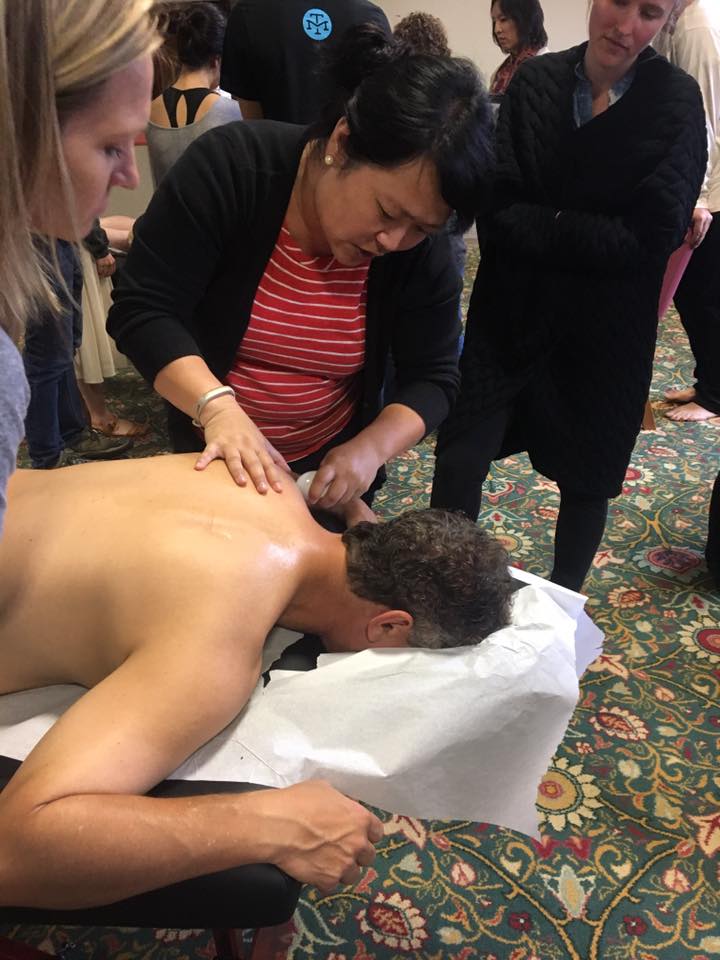
An instructor leads a seminar on acupuncture at the LEAPS into IM program.

Leadership and Education Program for Students in Integrative Medicine (LEAPS into IM) is sponsored by the Academic Consortium for Integrative Medicine and Health. This is the conventional integrative medical community that is not officially affiliated with complementary and alternative medicine (CAM). So it was phenomenal that three chiropractic students were chosen to represent medicine out of 20 spots available nationally. Knowing this, I approached LEAPS into IM with confidence that there would be a robust understanding of chiropractic, yet my experience revealed that there is much, much more work needed to raise awareness.

Entering the conference, I was excited to learn about integrative medicine from a conventional perspective and ecstatic to represent the chiropractic profession. I expected to learn concepts and meet people, but I was blown away with the hands-on, ‘physician heal thyself’ approach used for teaching wellness concepts and philosophies. LEAPS into IM was not only a professional experience, but a personal journey into my soul as a healer.

The day began at 6:30 a.m. with silence and a mindfulness practice, such as qigong or yoga. Journaling was encouraged, and breakfast was followed with various meditation methods. Lectures explored basic concepts and philosophies such as Ayurvedic medicine, nutrition and functional medicine, osteopathic medicine and traditional Chinese medicine, followed by interactive activities for application to patient care in a variety of ways. The afternoon was composed of small group discussion and exercises on various topics related to creating an integrative mentality within yourself as a physician and also the medical field. Team-building was taught through an educational group dinner and small groups. The evenings ended around 9:30 p.m. and consisted of workshops mostly centered on energetic medicine.

My eyes were opened to other forms of medicine that I can apply within my own practice or with referrals. But what I also found was a lack of awareness of what chiropractic physicians can do in an integrated medicine team. We, as chiropractic physicians, have much more work to do within the context of conventional medicine. Even though chiropractic was the only professional field represented aside from medical doctors and osteopathic physicians, none of the integrative-focused students had incorporated chiropractic into their dialogue. The closest lecture about chiropractic was the one on osteopathic manipulative technique and the chiropractic students were recruited to help with the hands-on workshop afterward. Most of the medical students had no idea about what we do and none of them knew our level of education.

Overall, I gained a unique perspective on the integrated health community that I may not have ever seen without the LEAPS into IM experience. By the end of the week, several medical students approached me and mentioned that they wished they would have known about chiropractic medicine, because it seems like we learn so much about the human body. What we do works; we just have to be confident and maintain our dignity ethically and legislatively while we continue to demonstrate a cost-effective, non-invasive alternative focused on true patient-centered care.

Rebekah Wilks’ attendance at LEAPS into IM was generously sponsored by the Nutritional Therapy Association.

UWS Lactation Room

In fall 2017, UWS opened a dedicated lactation room for nursing students and staff. The space is tastefully furnished with a refrigerator, sink, hygiene necessities, table and a comfortable chair. We are still accepting donations to make this project the best it can be and would love to have your support. Donations of all sizes are welcome and gifts of $250 or more will be recognized on a permanent plaque inside of the room. Gifts can be made in honor of a new parent or another special person. You may make a gift at www.uws.edu/donate or by contacting Kelli Rule, development officer, at [email protected] or 503-847-2556

Angela Macdonald and daughter
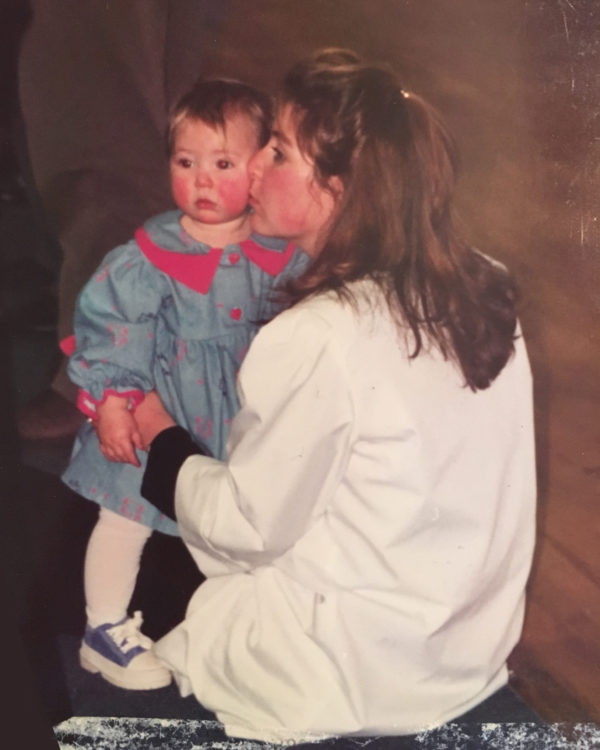
Dr. Macdonald and her daughter at the 1997 DC pinning ceremony.

Angela Macdonald, DC, UWS graduating class of 1997, made a gift to help build the lactation room. She shares her thoughts on the impact this project has on the university, and society as a whole.

“I would never have done it any other way but I would be lying to say it was not a challenge, 21 years ago, having a baby and finishing my chiropractic degree. From the tears most mornings leaving her to the almost apologetic smiles I would offer other women walking in on me, standing in the bathrooms awkwardly fumbling with my breast pump, to the sleep lost to homework as I wanted to spend my evenings being a mom.

Congratulations to UWS for the initiative of a lactation room. Everything we do to support moms in school, supports the profession and shows society at large that women are valued and equally able to serve professionally as we strive to be the best moms we can be.

It’s an honor to be supporting the next wave of female chiropractors.”

Angela Macdonald, DC


Event Develops Future Integrative Medicine Practitioners

University of Western States Doctor of Chiropractic students Catherine Kanda and Rebekah Wilks were chosen to help represent the chiropractic field nationally at the Leadership and Education Program for Students in Integrative Medicine (LEAPS into IM). The program aims to enhance the knowledge and leadership skills of future integrative medicine practitioners and to promote cross-disciplinary care. This week-long event is hosted by the Academic Consortium for Integrative Medicine and Health and the American Medical Student Association (AAMSA)) Foundation.

Read on about how Kanda’s experiences at this event shaped her as a future health care practitioner.

LEAPS into IM
UWS students Catherine Kanda (middle) and Rebekah Wilks (top right) with their group and mentor at the Leadership and Education Program for Students in Integrative Medicine (LEAPS into IM) retreat.

The buzzwords, “integrative medicine” have been growing in popularity lately as the health care field begins to value interdisciplinary collaboration and true holistic, patient-centered care. Once I started following the official integrative medicine movement, I felt like I was finally reading mission statements and seminar descriptions that completely resonated with my own personal health philosophy, which I hope to use to better the health of my future patients.

The Leadership and Education Program for Students in Integrative Medicine (LEAPS into IM) seemed like the perfect opportunity to begin building relationships, respect and understanding between a variety of allied health care and medical students. Heading into the program, I was feeling nervous and, frankly, under-qualified. I worried that the medical students would look down on my training as a chiropractic physician and bring with them preconceived notions that I wouldn’t be able to budge. I was tremendously mistaken.

The students participating in LEAPS into IM were so open-minded and inquisitive. We all enjoyed learning about the similarities and differences in our interests, curriculum and plans for future practice. One of the greatest takeaways was the relationships, both personal and professional, that were formed during this intensive program. The itinerary was constructed to facilitate quality interactions and time to truly connect with one another. I look forward to working and collaborating with these students from all over the country once we become physicians.

The mentor physicians created a calm, supportive and productive space for us to learn and experience many different types of healing modalities and medical systems. These included Ayurvedic medicine, acupuncture, traditional Chinese medicine, osteopathy, functional medicine and Tai Chi. I now feel motivated and compelled to be a bridge builder between as many of these disciplines as possible.

Programs like LEAPS into IM are a great first step in starting conversations between medical professions and promoting integrative and collaborative care, but there is still a long way to go. I know that this experience will help me to become a more well-rounded doctor. I left the week feeling validated and inspired in the chiropractic profession and the future of health care.

USATF Championships

UWS students love the opportunities for hands-on learning and field experience. Read some of our student experiences below.

USATF
The UWS team of volunteers at the USA Track and Field (USATF) Outdoor Championships in Sacramento, Calif. (Pictured left to right: Doug Wombold, Jerrod Puckett, Brad Crowe, Emily Kreifels, Breanna MacPhail, DC)

Student: Emily Kreifels
Program: Doctor of Chiropractic/ MS Sports Medicine
Quarter: 7

I had the opportunity to represent UWS as a student intern at the USA Track and Field (USATF)  National Championships in Sacramento. It was an incredible experience for me to be able to combine my favorite sport and my future career. I saw hundreds of phenomenal athletes in peak condition, competing to improve their times or for the coveted few berths to the World Championships. These world-class athletes make running and jumping look easy.

Unfortunately, heat was an adverse factor for most of the competition. The average temperature for the duration of the championships was more than 100 degrees, with one day reaching 111. To accommodate this, the evening sessions were pushed back. Times might not have been as fast as they could have been in cooler conditions, but it didn’t seem to hinder the athletes very much.

For me, the best part of the entire experience was being able to observe all the clinicians and see what techniques they used. There were chiropractic physicians, physical therapists, massage therapists and a podiatrist, in addition to athletic trainers. The end goal was the same for everyone—to help the athlete feel better—but the path to get there was as varied as the number of providers.

While checking athletes in and ensuring that they filled out paperwork correctly, I was able to ask questions of many of the clinicians. Their advice gave me ideas for things to do in my future practice working with athletes.


USATF
Chiropractic tables ready for athletes at the USA Track and Field (USATF) Outdoor Championships in Sacramento, Calif.

Student: Jerrod Pucket
UWS Program: Doctor of Chiropractic/ MS of Sports Medicine
Quarter: 10

I want to become the best all-around physician possible, so naturally, the sports medicine master’s program at University of Western States appealed to me. Being an athlete since the age of 12 has brought on many injuries over the years, and I’ve treated the majority conservatively through chiropractic physicians. I knew early on that I wanted to help treat and manage athletic injuries, especially those that occur in my fellow runners. Enrolling in the doctorate of chiropractic program at UWS was one step of the process, but further education in the field of sports medicine is necessary to ensure the overall care of an athlete is at its peak.

The best way to learn is by doing. The practical part of the UWS sports medicine program opened the doors to that. My hands-on educational experience has doubled by being in the sports medicine program.

Attending the USA Track and Field National Championships (USATF) was the highlight of my sports medicine practicum thus far. Shadowing and learning treatment strategies of high-level athletes from a handful of the best sports medicine physicians out there was truly enriching. I observed athletes being treated in a multidisciplinary setting, and watching the different professions interact and handle the same patients opened my eyes to the necessity of cohesive care.

Working in a multidisciplinary setting such as a medical center or a hospital has always appealed to me. Learning to interact with patients will help guide treatment in my future office, but learning how to interact with other practitioners is paramount to the unified care of an individual. Attending the USATF championships allowed me to interact with massage therapists, athletic trainers, acupuncturists, podiatrists, physical therapists and chiropractic physicians working as one. I am truly humbled and grateful to be part of the student team that assisted the amazing sports medicine professionals at the USATF championships. Future students in the sports medicine practicum would be wise to participate in these events to open doors regarding their future practice and patient care.