UWS SABCA Reflects on ABCA National Conference

SABCA
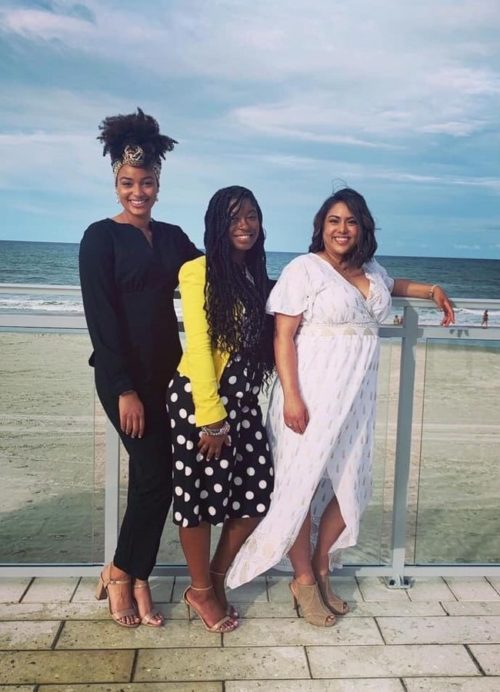
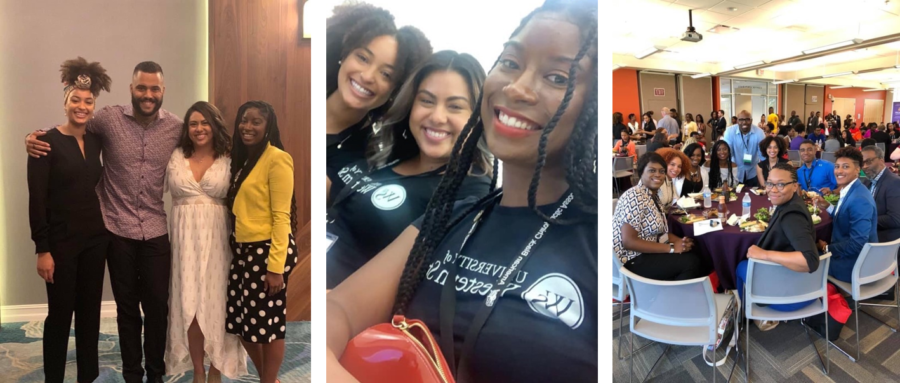
From Left to Right: UWS SABCA members Jasmine Tucker, Christina Violante, Shenee’ Lawson

University of Western States doctor of chiropractic (DC) students Shenee’ Lawson, Christina (Tina) Violante and Jasmine Tucker were sponsored to represent the UWS Student American Black Chiropractic Association (SABCA) nationally at the 38th Annual American Black Chiropractic Association (ABCA) Conference at Palmer Chiropractic College in Daytona Beach, Fla. The chapter maintained their status as the first and only SABCA chapter in the Pacific Northwest region. The conference promoted networking, interaction and building upon leadership skills to motivate DC students and current chiropractic physicians with ways to stay ahead of the curve.

The ABCA organization was founded by Bobby Westbrooks more than 30 years ago with efforts to recruit, encourage and support people of color to study chiropractic, to advance the science, philosophy and art of chiropractic, and to improve the standards in the profession through technical and professional knowledge. The ABCA seeks to donate time and services to neighborhood health clinics and perform community education.

Read on about how the UWS SABCA representatives’ experiences at this event shaped their future in chiropractic.

Dr. Edwin Cordero, president of Sherman Chiropractic College, spoke about motivation, life and encouragement to SABCA members during the introductory session which set the uplifting tone that permeated the conference.

His message began with this advice, “When adversity comes, keep going! What we do is not easy. If you are persistent you are going to realize what you do is going to make a difference. They are going to know what you stand for versus what you do. If you are not doing the right things for yourself and your profession, it is going to effect the profession.”

Dr. Cordero also emphasized that when you are communicating, be clear with your communication. Doctor and patient communication is vital and essential throughout your encounters.

His first five years in practice he was afraid to charge the going rate or refer patients to other practitioners. He would talk himself down from $50 appointments to $10 because of being poverty conscious. His advice to us was, “Once you are graduated you have already beat the odds, why are you being mediocre?” He finally gained confidence and stopped being mediocre and his patient base increased significantly.

SABCA
Dr. Quentin M. Brisco (ABCA President) and Dr. Rodney Williams (Former ABCA President) with UWS SABCA members. From Left to Right: Jasmine Tucker, Christina Violante, Shenee’ Lawson

He never thought he would be the president of a chiropractic college. The first time Sherman called him, he hung up because he assumed it was a joke. He then realized they were observing him and thought he was a good fit. That was a super proud moment for him and another life-defining moment.

Dr. Cordero told us, “The power is within you. Get through school the way you need to get through and get into the world and make a difference. You don’t do it alone. Find people that know how to help you get through this process with URGENCY!! Today, not tomorrow. You don’t wait for things to happens, you do things to make it happen.”

  1. You need to support your organization.
  2. Support a trade organization.
  3. Support politics that protect our rights.
  4. Support schools whose profession you believe in.

After this session the SABCA students felt empowered, recharged and ready to hear about more life-defining moments.

The next presentation was a panel discussion of fifteen successful African American chiropractic physicians that answered questions from SABCA attendees. Their responses and advice shifted the energy from feeling encouraged as minorities who are attending schools and conferences as the minority, to feeling extremely proud for already defeating the odds and standing where we are today. We realized we hold the ability to make a difference in our profession and community while becoming successful! The energy in the room was so vibrant the room literally shook for a few seconds from all the excitement that we all shared together.

The students enjoyed the networking and career-building opportunities that were offered at the conference, but what they enjoyed the most was the outreach program opportunity. Every year SABCA puts on a fundraiser and outreach opportunity for a local non-profit organization located where the National ABCA Conference is held. This year they reached out to CATALYST Global Youth Initiatives. In order to encourage and teach these young individuals about chiropractic, the students not only showed them their skills but also let them palpate mock patients during a mock routine visit.

The CATALYST group also got to explore a dry lab of gross anatomy with a digital cadaver and bones. They were so ecstatic after getting a deeper understanding of what chiropractic is and how chiropractors are able to help people. They left the community outreach with not only wanting to go see a chiropractor but also with the aspirations of being a chiropractor.

UWS SABCA students also competed against their peers at the Chiro Bowl. This was their second time competing and they were recognized as 3rd place Chiro Bowl winners recovering honorable mention and a cash prize. Congratulations Shenee’, Tina and Jasmine on your accomplishments.

The UWS SABCA students enjoyed meeting their SABCA peers in other regions, legendary Black chiropractors that have seen and made history, and looks forward to bringing home their innovative and leadership skills that were built meanwhile at this conference.

This conference meant so much to UWS SABCA by providing an opportunity to explore the chiropractic field with peers and mentors that identify as the minorities. We face different struggles and adversity in so many ways. It is so helpful to be able to, ask for advice from someone who has been in your shoes. The American Black Chiropractic Association gives you the opportunity to build confidence. It places mentors right at your fingertips. We thank all of our donors that made it possible to attend this conference and we look forward to spreading our light within the profession.

SABCA
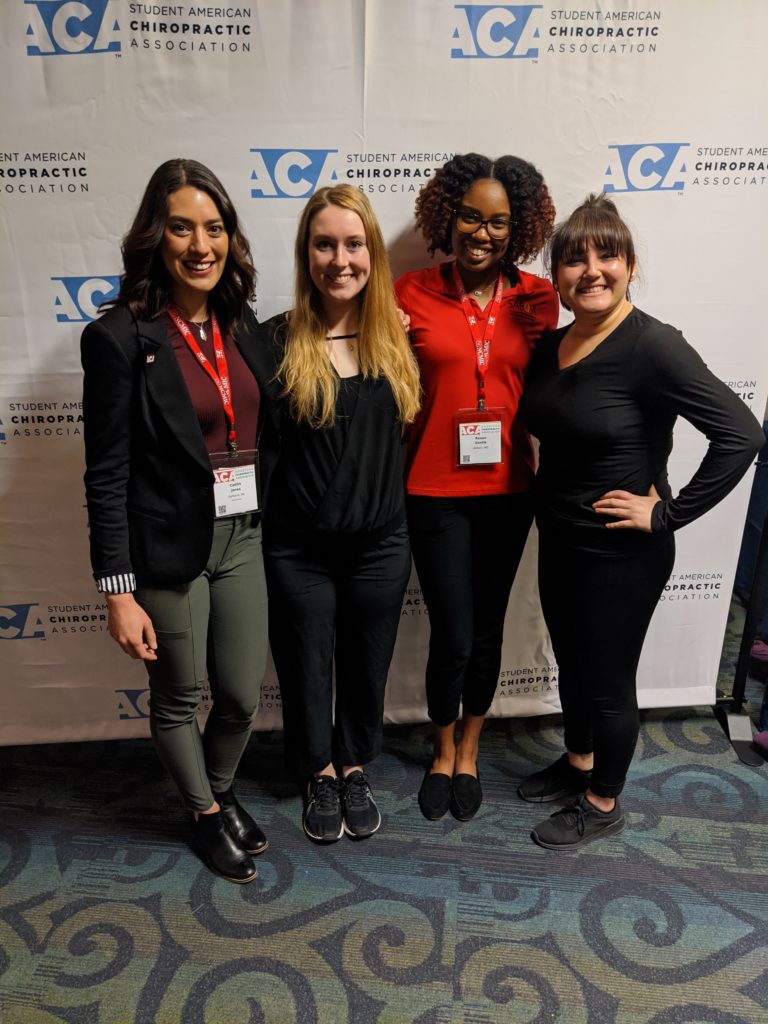
Left: Brett Jones, DC ABCA Western Representative) with UWS SABCA memebers. Middle: UWS DC students/SABCA representatives Jasmine Tucker, Christina Violante, Shenee’ Lawson. Right: UWS SABCA with Texas Chiropractic College SABCA members

University of Western States Guide to Portland

Portland, Oregon, the Rose City, is a go-to destination for those who want to soak up and experience all that makes the beautiful Pacific Northwest special. Whether you are taking in the breathtaking views of Mt. Hood and the skyline, perusing the many coffee shops and restaurants or taking in some live music, always remember to “Keep Portland Weird.”

There is no shortage of exuberant and unique characters in the city, and the traditions, pride and genuine hospitality of Portlanders contribute to the city’s charm. Here are some suggestions from us at University of Western States for some must-see destinations, restaurants and activities while you are in town either visiting, attending a conference or considering moving to the area or new in town.

Portland Collage

Downtown Portland

Getting Around Portland

Portland is a bike friendly and very walkable city. Check out Biketown PDX for more info on how and where to rent bikes.

With more than 84 lines, Portland TriMet buses serve much of the Portland metro area. Explore the bus lines and route here.

The MAX (Metropolitan Area Express) Light Rail connects Portland City Center with Beaverton, Clackamas, Gresham, Hillsboro, Milwaukie, North/Northeast Portland and Portland International Airport. Check out the system map here.

Portland Aerial Tram at Oregon Health & Science University (OHSU) connects the South Waterfront to Marquam Hill. Tram passengers ride between S.W. Moody and Gibbs on the waterfront and Kohler Pavilion on the hill.

Foodie Hot Spots

McMenamins Kennedy SchoolMcMenamins
McMenamins has been a neighborhood gathering spot throughout Oregon and Washington since 1983. They handcraft their own beerwineciderspirits and coffee. They offer an eclectic mix of pubshistoric hotelsmovie theatersconcert venuesspas and events.

Other restaurant recommendations: 

  • Spirit of 77
  • Portland City Grill
  • Voodoo Doughnuts
  • Stumptown Coffee Roasters
  • Tasty n’ Alder
  • Cheese and Crack
  • The Hairy Lobster
  • Pok Pok
  • Screen Door
  • Proud Mary Café
  • Toro Bravo
  • Por Que No
  • Olympia Provisions SE
  • Broder Café
  • Blue Star Donuts
  • Ava Gene’s
  • Tusk
  • Lardo East
  • Han Oak
  • Matt’s BBQ
  • Pip’s Original

Breweries Around Town

  • Deschutes
  • Breakside
  • Ecliptic
  • Wayfinder
  • Ruse
  • Modern Times
  • Gigantic
  • Von Ebert
  • Occidental
  • ….and WAY more! No shortage of good brews here.

Walking Distance in the Heart of Downtown

Arlene SchnitzerThe Arlene Schnitzer Concert Hall was built in 1928 and hosts a variety of performances from music, to theater and dance, film festivals and more.

Pioneer Place is a shopping mall located in downtown Portland connected by skywalks and features upscale dining and retail options. Mall hours are 10 a.m. – 8 p.m. Learn more here.

Pioneer Courthouse Square is affectionately called “Portland’s living room.” This public space often has live music, seating to enjoy the outdoor space and wondrous people watching opportunities. Learn more here.

City of Bridges

Did you know? Portland has 12 bridges than span across the Willamette. Can you cross them all while you’re in town?

  • John’s Bridge
  • Burlington Northern Railroad Bridge
  • Fremont Bridge
  • Broadway Bridge
  • Steel Bridge
  • Burnside Bridge
  • Morrison Bridge
  • Hawthorne Bridge
  • Marquam Bridge
  • Tilikum Crossing – walking and biking only – Pro tip: You can park on SE Caruthers behind Portland Classical Radio, walk across the Tilikum Crossing Bridge and take the aerial tram up the hill and back for great views of the city.
  • Ross Island Bridge
  • Sellwood Bridge

Sporting Events

Moda CenterThe Portland Winterhawks hockey team, part of the Western Hockey League. The Winterhawks split their games between the Veterans Memorial Coliseum and the Moda Center located in the Rose Quarter district. Check out arena and parking information here.

The Portland Trail Blazers professional basketball team plays at the Moda Center. Explore more info about the Blazers’ here.

The Portland Timbers and Portland Thorns FC call Providence Park their home. The newly-renovated stadium has been a Portland staple since 1926. Read more about this landmark facility.

The Rose City Rollers are Portland’s answer to tough women who skate fast and hit hard. The local league consists of an internationally-ranked travel team, two junior derby programs, four home teams and a recreational team.

The Portland Pickles are a collegiate woodbat baseball team in town. You can watch the team and their beloved mascot, Dillon the Pickle, in the summers at Walker Stadium in Portland’s Lents Park.

Neighborhood Hot Spots

Tom McCall Waterfront Park named after former Portland mayor, spans 36.59 acres along the Willamette River. Nothing beats a nice stroll along this scenic trail. Don’t forget to snap a picture of the famous ‘Portland’ sign too! Learn more about the park here.

The Pearl District is a popular downtown neighborhood that features world-class restaurants, boutiques, art galleries, unique housing and more. Explore more of the Pearl here.

The Oregon Zoo stretches across 64-acres nestled right next to downtown Portland and is home to more than 2,500 animals representing 215 species. Learn more and plan your visit here.

The Lan Su Chinese Garden features classical and contemporary Chinese artwork and botanicals. Learn more here.

Oregon Museum of Science and Industry (OMSI) is located right on the bank of the Willamette River Home to fascinating hands-on exhibits, a large screen theatre, planetarium (host to laser shows!) and more. Learn more about OMSI here.

The Portland International Rose Test Garden features more than 10,000 rose bushes of around 650 different varieties. Roses bloom from April through October. Learn more about the Portland staple here.

The Portland Japanese Garden blends nature, serenity and beautifully crafted land nestled right next to the Rose Garden. Learn more here.

Founded in 1893, the Portland Art Museum is the oldest art museum on the West Coast and seventh oldest in the United States. Learn more about exhibits and purchase tickets here.

Portland Saturday Market is open every weekend from March through Christmas Eve from 10 a.m. – 5 p.m. and Sundays 11 a.m. – 4:30 p.m. This open-air marketplace is a space for local artists, musicians and food vendors to come together. Learn more about the market here.

If You’re Extending Your Trip Throughout the Weekend

Oregon Coast Oregon serves natural beauty all throughout the state. Within one weekend of travel, you could experience the majestic Oregon coast, luscious wine country, the rolling green forest and waterway of the Columbia River Gorge, the mountainous terrain of Mt. Hood and the high desert of Bend.

Multnomah Falls, located 20 minutes from the current UWS campus east of Troutdale in the Columbia River Gorge, is a must-see. This 611-foot-tall majestic waterfall is an Oregon staple and the most visited natural recreation site in the Pacific Northwest.

The Fruit Loop, spend an afternoon tasting the fresh bounty of Oregon. The Fruit Loop is a series of farms, orchards and wineries located in the beautiful Hood River Valley at the foot of majestic Mt. Hood. Tour the loop and sample a variety of fruits, wines, vegetables, ciders, flowers and food.

The seven wonders of Oregon are aptly named. They include:

  • The Columbia River Gorge
  • Crater Lake
  • Painted Hills
  • Smith Rock
  • The Wallowas
  • Mt Hood
  • Oregon Coast

Learn more about these Oregon crown jewels.

UWS President Appointed to Council for Higher Education Accreditation

University of Western States (UWS) President Joseph Brimhall, DC, has been elected to the Board of Directors for the Council for Higher Education Accreditation (CHEA). Dr. Brimhall began his three-year term to the board on July 1, 2019.

Dr. Brimhall is the first chiropractic physician to be elected to the CHEA board. He previously served on the Northwest Commission on Colleges and Universities, the Council on Chiropractic Education United States, the Council on Chiropractic Education Canada and the Councils on Chiropractic Education International.

UWS President Joseph Brimhall, DC, has been elected to the Board of Directors for the Council for Higher Education Accreditation (CHEA).

The CHEA Board of Directors works closely with CHEA’s president to establish organizational goals addressing a range of issues including government affairs, international activities, recognition and member services. CHEA is an association of 3,000 degree-granting colleges and universities and recognizes 60 institutional and programmatic accrediting organizations. The council is a national advocate and institutional voice for self-regulation of academic quality through accreditation; recognition by CHEA affirms that the standards, structures, and practices of accrediting organizations promote academic quality, improvement, accountability, and needed flexibility and innovation in the institutions or programs they accredit.

Dr. Brimhall’s appointment begins as he closes his time on the Board of the Northwest Commission on Colleges and Universities (NWCCU). Dr. Brimhall served on the NWCCU board for 12 years including six years as chair of the Board of Commissioners. Commissioners are responsible for reviewing recommendations from peer-evaluation teams and making decisions about the accreditation status of colleges and universities within a seven-state Northwest region.

“I am honored to be appointed to CHEA. The opportunity will build upon the knowledge gained serving on the NWCCU board,” said Dr. Brimhall. “I look forward to my tenure and working to ensure the highest level of integrity in higher education.”

UWS Graduate Named to USA Fencing Hall of Fame

Justin Tausig, EdD, LMHC (Class of 2017) was named to the USA Fencing Hall of Fame. The New York native started fencing when he was 12-years-old and went on to become a World Cup Medalist and a six-time member of the U.S. National Fencing Team. Dr. Tausig trained in Paris at the Racing Club de France for 11 years and was a student of Olympian Giorgio Santelli, and fencing masters Stefan Riboud and Daniel Levavasseur.

The induction ceremony for the Hall of Fame will be held in the summer of 2020.

“When I first heard that I had been elected to the USA Fencing Hall of Fame, I was overcome with gratitude,” said Dr. Tausig. “Many people contributed directly and indirectly to my fencing career and this is very much about them too. Then I thought about what I will say at the induction ceremony, particularly to my children. I want them to know that anything is possible in life, if they are willing to work for it.”

Justin Tausig
Justin Tausig, EdD, LMHC (Class of 2017) was named to the USA Fencing Hall of Fame.

What does it mean to you to be named to the USA Fencing Hall of Fame?

It really speaks to the level of my fencing over the entirety of my career.  I worked very hard to achieve what I did at a time when USA Fencing was not as strong as it is now.  For the USA Fencing membership to vote me into the Hall of Fame is a tremendous sign of respect and a recognition by my peers, especially the first time I was on the ballot!  I am really humbled and amazed that there is a place for me in the USA Fencing Hall of Fame.

How did fencing influence your career path towards becoming a Clinical Mental Performance Consultant (CMPC)?

My fencing was very cerebral and based around adaptation rather than trying to overwhelm my opponent.  The method I came up, which I called STAR (Selective Tactical Adaptive Response) kept the other fencer off balance enough to allow me to get wins against Olympic Medalists and World Champions.  After I retired from competing, it made sense to get clinical training and help athletes make even more use of the mental side of sports than I did!  Getting the CMPC has allowed me to do that.

What life lessons did participating in fencing provide you?

Fencing has given me everything I have. My personality, my profession and my family all comes from my involvement with the sport.  It seems a bit archaic to say that I owe everything I have to the sword, but it happens to be true. I also learned discipline, self-reliance, and patience, to name just a few elements.


New Washington Legislation Opens Doors for Senior Chiropractic Students

In May, the Washington State Senate Bill 5817 (formerly HB1477) was passed in both Washington legislative chambers and signed into law by Governor Jay Inslee. This bill allows senior chiropractic students in approved preceptor locations to administer chiropractic adjustments.

The bill’s implementation expands training opportunities for students in Washington state, which will allow licensed chiropractic physicians to participate in student’s clinical training, as well as improve access to chiropractic services for patients.

“University of Western States (UWS) is proud to have played a role in advocating for this important legislation, which will enhance the clinical education opportunities available to our chiropractic students. We are also looking forward to engaging our alumni and friends in Washington state who are interested in participating in our preceptor program,” said UWS President Dr. Joseph Brimhall.

Under the previous law, senior chiropractic students in the state of Washington were not permitted to provide adjustments, which was a deterrent for some preceptorship-eligible students to complete their clinical training in Washington, including some that were already residents or wanted to practice in the state once they graduated.

senior students

“While my preceptorship experience was great, not being allowed to continue to the full capacity of my skills while in the final months of the program was moderately disconcerting,” said UWS Alumna Austin Bell, DC (Class of 2018). “Many students have avoided amazing preceptorship opportunities in the state of Washington simply because they weren’t allowed to get more time performing chiropractic manipulations. I was very happy to provide support for this bill to help influence change to this outdated legislature and get more, great, new chiropractic physicians to Washington!”

With the passage of SB5817, students will be able to participate in a variety of preceptor experiences with expanded opportunities to hone their education in real-world application.

“I was lucky enough to finish all of my school requirements and work under Dr. Jim Kurtz of Northwest Sports Rehab and the Seattle Seahawks as his preceptor,” said UWS Alumnus Benjamin Greenwade, DC, MS (Class of 2014). “The clinic system at the school is great, but learning the real world ins and outs of day-to-day practice management was something that school did not provide me with. Working with Dr. Kurtz helped immensely in building my successful clinics on the eastside of Seattle. Unfortunately, due to the previous laws, I was not able to adjust patients during my time as a preceptor. This meant that from the time I started my preceptorship until I was licensed in the state of Washington, I was not able to practice and improve my adjusting skills. To be honest, I lost some of my ability to adjust that working in the school clinics had afforded me. It is a use it or lose it skill, like most complex movements are. I feel that not allowing preceptors to adjust in the state of Washington limited the amount of talented new doctors that are coming to the area.”

UWS representatives, such as Dr. Bell and Dr. Greenwade, worked closely with members of the Washington State Chiropractic Association, including Legislative and External Affairs Director Lori Grassi, and the Washington State Chiropractic Quality Assurance Commission and its Executive Director, Robert Nicoloff, to move this bill forward. At Senate and House committee hearings, UWS Chief Clinical Excellence Officer, Dr. Joseph Pfeifer, was joined by UWS alumni who currently practice in Washington, and strong letters of support were submitted by representatives of ten other doctor of chiropractic degree programs.

“This effort was not solely a UWS initiative and had great support from several other chiropractic programs across the country,” said Dr. Pfeifer. “Ultimately, this bill expands opportunities for pragmatic, field-based clinical training of future chiropractic physicians, who will provide safe and effective care of the public in Washington and elsewhere.”

Learn more details about this momentous legislation.

Hands-On Experience: The UWS Advantage

For the Good of the Patient

Doctor of chiropractic students gain valuable professional experience through the robust clinical internship program at University of Western States.

At University of Western States (UWS), real-world experience is crucial for students—not only to put into practice what they learn in the classroom, but also to use their knowledge to benefit the community around them.

For doctor of chiropractic (DC) students, much of their out-of-classroom learning begins during clinical rotations in their eighth quarter—after they have completed two-thirds of their degree and have developed a variety of clinical skills and competencies.

All students begin these internships by providing care to patients in the Campus Health Center (CHC), caring for UWS and community members under the supervision and guidance of their attending physician. They practice performing physical exams, delivering adjustments and utilizing physical therapy modalities.

“At this stage, students are still spending most of their time in the classroom and commit to a small amount of time at the CHC—just six hours per week in the eighth quarter,” says Stanley Ewald, DC, MPH, associate dean of the clinical internship program.

Student intern learning chiropractic looking at patients legMoving into the Community

As interns demonstrate additional clinical proficiencies, they become eligible for clinical rotations at other locations in their 10th quarter. In this stage, students work for 25 hours per week off campus with specialty populations at locations such as drug and alcohol treatment centers and homeless shelters.

Clinical rotation sites include everything from local health care affiliates like DePaul Treatment Center and Compassion Connect, to area hospitals like Oregon Health and Sciences University’s (OHSU) Comprehensive Pain Center, to out-of-state medical centers managed by Veterans Affairs all over the country—as close as Tacoma, Washington, and as far as Cincinnati, Ohio.

“Through sites like Portland Rescue Mission, which provides food, shelter and other care services to men, women and children affected by homelessness, addiction and abuse, residents have access to free treatment—sometimes for the first time in their lives,” says Dr. Ewald.

Darcy Ogloza, UWS DC student, had an internship at Outside In, a social services clinic focusing on helping homeless youth and other marginalized people.

“I was on site twice a week working with lower income and homeless patients,” says Ogloza. “Many of the patients are also asylum seekers and don’t speak English, so a big part of my assistance at Outside In was being able to communicate with them in Spanish.”

After Ogloza graduates, he intends to stay in Portland to work with a practitioner who has a sports background as he likes the rehabilitation aspect of chiropractic care.

“It’s important to provide patients with proper rehab techniques that they can do at home on their own,” says Ogloza. “That’s a more powerful form of healing for so many, since there’s only so much I or any other doctor can do in a 30-minute visit.”

Far-Reaching Value

The clinical rotations provide additional worth and importance to the DC program—not just for students, but for the university and the community as well.

“From an institutional perspective, UWS is able to remain an important collaborator in our community, working with others such as primary medical physicians, massage therapists, acupuncturists and more to provide holistic care,” says Joseph E. Pfeifer, DC, UWS chief clinical excellence officer.

“For patients, we help to improve value and quality of life by using multimodal ways to deal with a variety of health conditions. In the age of the opioid epidemic, this is especially important for the underserved populations to allow them access to healthier, safer and more effective means of managing pain.”

Cascadia Behavioral Healthcare, for example, became interested in partnering with the university’s clinical internship program to help them address a growing population of patients with mental illness—often severe—to try to minimize drug use for pain management.

From an educational standpoint, hands-on and varied experience through clinical rotations helps UWS focus on what is best for DC students. They can build their competencies, first in the controlled environment of the CHC with relatively uncomplicated issues, and progressing to a higher number of patients with more complex challenges, such as mental health concerns, homelessness and other comorbidities.

“Students need real experience with real patients,” says Dr. Ewald. “At the beginning, they get training on each other and other healthy students with little more physical issues than tight muscles. The internships expose them to patients with different and more realistic problems, from malnourishment in the under-insured to liver disease from alcohol abuse.”

Preparing for the Future

Student taping athlete kneesBy the time DC students reach their 12th and final quarter, they are ready for their preceptorship, in which they cease taking classes and work at an external chiropractic practice, providing strong support for their attending physician. Preceptorships may be located in the Portland area, in another state, or even internationally.

“The preceptorship program gives students the chance to gain remote clinical experience in another facility as long as it meets certain requirements,” says Dr. Pfeifer. “Our students come from a variety of geographical locations, and some want to return to their hometowns to work with local chiropractors or begin preparations to set up their own practices.”

The preceptorship is another opportunity for students to explore another area of interest, such as pediatrics, geriatrics, sports medicine or the underserved. One example is the Returning Veterans Project, a nonprofit started by woman whose son served in Iraq. Through this service, doctors of all kinds sign up and open their schedule to take a certain number of veterans as patients who are treated for free.

“Our goal is to get every intern out into the community,” says Dr. Ewald. “We want them to experience what it’s like to give care to all people, especially those that need us the most. If every doctor out there did their small part to help the less fortunate and underserved, we could make a big difference in this world.”