UWS Graduate Named to USA Fencing Hall of Fame

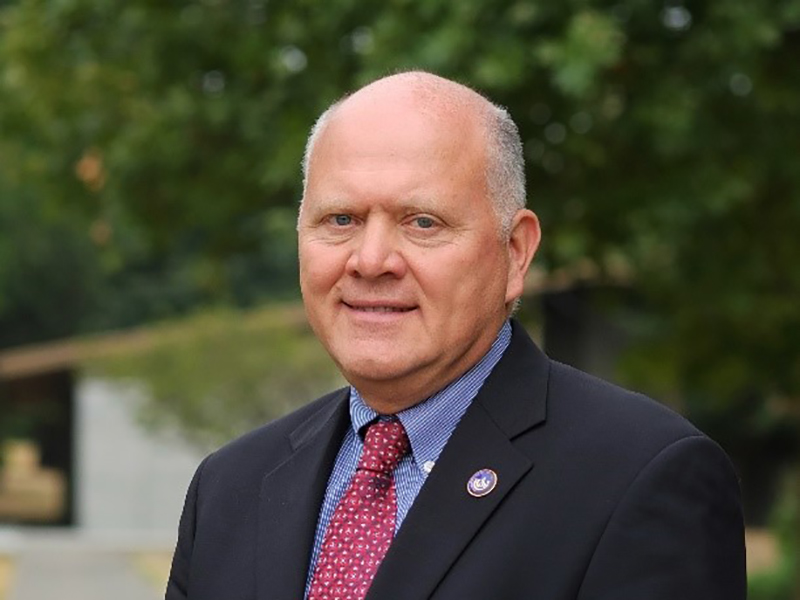
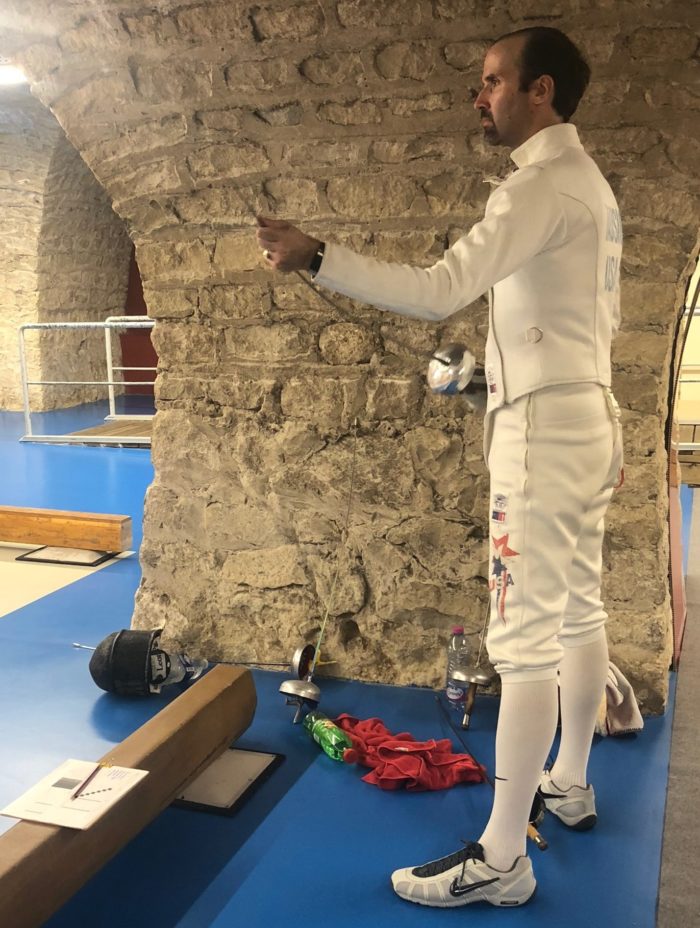
Justin Tausig, EdD, LMHC (Class of 2017) was named to the USA Fencing Hall of Fame. The New York native started fencing when he was 12-years-old and went on to become a World Cup Medalist and a six-time member of the U.S. National Fencing Team. Dr. Tausig trained in Paris at the Racing Club de France for 11 years and was a student of Olympian Giorgio Santelli, and fencing masters Stefan Riboud and Daniel Levavasseur.

The induction ceremony for the Hall of Fame will be held in the summer of 2020.

“When I first heard that I had been elected to the USA Fencing Hall of Fame, I was overcome with gratitude,” said Dr. Tausig. “Many people contributed directly and indirectly to my fencing career and this is very much about them too. Then I thought about what I will say at the induction ceremony, particularly to my children. I want them to know that anything is possible in life, if they are willing to work for it.”

Justin Tausig
Justin Tausig, EdD, LMHC (Class of 2017) was named to the USA Fencing Hall of Fame.

What does it mean to you to be named to the USA Fencing Hall of Fame?

It really speaks to the level of my fencing over the entirety of my career.  I worked very hard to achieve what I did at a time when USA Fencing was not as strong as it is now.  For the USA Fencing membership to vote me into the Hall of Fame is a tremendous sign of respect and a recognition by my peers, especially the first time I was on the ballot!  I am really humbled and amazed that there is a place for me in the USA Fencing Hall of Fame.

How did fencing influence your career path towards becoming a Clinical Mental Performance Consultant (CMPC)?

My fencing was very cerebral and based around adaptation rather than trying to overwhelm my opponent.  The method I came up, which I called STAR (Selective Tactical Adaptive Response) kept the other fencer off balance enough to allow me to get wins against Olympic Medalists and World Champions.  After I retired from competing, it made sense to get clinical training and help athletes make even more use of the mental side of sports than I did!  Getting the CMPC has allowed me to do that.

What life lessons did participating in fencing provide you?

Fencing has given me everything I have. My personality, my profession and my family all comes from my involvement with the sport.  It seems a bit archaic to say that I owe everything I have to the sword, but it happens to be true. I also learned discipline, self-reliance, and patience, to name just a few elements.


New Washington Legislation Opens Doors for Senior Chiropractic Students

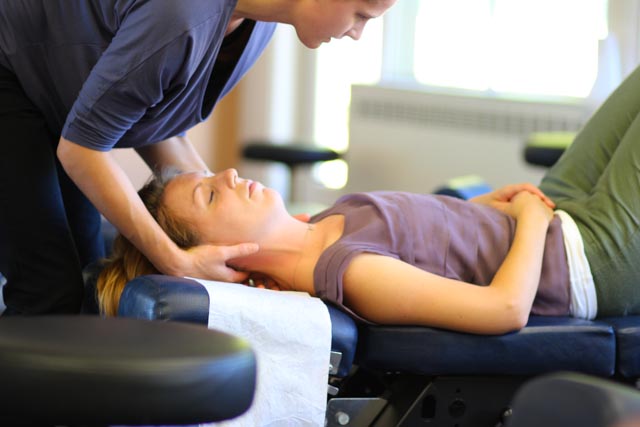
In May, the Washington State Senate Bill 5817 (formerly HB1477) was passed in both Washington legislative chambers and signed into law by Governor Jay Inslee. This bill allows senior chiropractic students in approved preceptor locations to administer chiropractic adjustments.

The bill’s implementation expands training opportunities for students in Washington state, which will allow licensed chiropractic physicians to participate in student’s clinical training, as well as improve access to chiropractic services for patients.

“University of Western States (UWS) is proud to have played a role in advocating for this important legislation, which will enhance the clinical education opportunities available to our chiropractic students. We are also looking forward to engaging our alumni and friends in Washington state who are interested in participating in our preceptor program,” said UWS President Dr. Joseph Brimhall.

Under the previous law, senior chiropractic students in the state of Washington were not permitted to provide adjustments, which was a deterrent for some preceptorship-eligible students to complete their clinical training in Washington, including some that were already residents or wanted to practice in the state once they graduated.

senior students

“While my preceptorship experience was great, not being allowed to continue to the full capacity of my skills while in the final months of the program was moderately disconcerting,” said UWS Alumna Austin Bell, DC (Class of 2018). “Many students have avoided amazing preceptorship opportunities in the state of Washington simply because they weren’t allowed to get more time performing chiropractic manipulations. I was very happy to provide support for this bill to help influence change to this outdated legislature and get more, great, new chiropractic physicians to Washington!”

With the passage of SB5817, students will be able to participate in a variety of preceptor experiences with expanded opportunities to hone their education in real-world application.

“I was lucky enough to finish all of my school requirements and work under Dr. Jim Kurtz of Northwest Sports Rehab and the Seattle Seahawks as his preceptor,” said UWS Alumnus Benjamin Greenwade, DC, MS (Class of 2014). “The clinic system at the school is great, but learning the real world ins and outs of day-to-day practice management was something that school did not provide me with. Working with Dr. Kurtz helped immensely in building my successful clinics on the eastside of Seattle. Unfortunately, due to the previous laws, I was not able to adjust patients during my time as a preceptor. This meant that from the time I started my preceptorship until I was licensed in the state of Washington, I was not able to practice and improve my adjusting skills. To be honest, I lost some of my ability to adjust that working in the school clinics had afforded me. It is a use it or lose it skill, like most complex movements are. I feel that not allowing preceptors to adjust in the state of Washington limited the amount of talented new doctors that are coming to the area.”

UWS representatives, such as Dr. Bell and Dr. Greenwade, worked closely with members of the Washington State Chiropractic Association, including Legislative and External Affairs Director Lori Grassi, and the Washington State Chiropractic Quality Assurance Commission and its Executive Director, Robert Nicoloff, to move this bill forward. At Senate and House committee hearings, UWS Chief Clinical Excellence Officer, Dr. Joseph Pfeifer, was joined by UWS alumni who currently practice in Washington, and strong letters of support were submitted by representatives of ten other doctor of chiropractic degree programs.

“This effort was not solely a UWS initiative and had great support from several other chiropractic programs across the country,” said Dr. Pfeifer. “Ultimately, this bill expands opportunities for pragmatic, field-based clinical training of future chiropractic physicians, who will provide safe and effective care of the public in Washington and elsewhere.”

Learn more details about this momentous legislation.

Hands-On Experience: The UWS Advantage

For the Good of the Patient

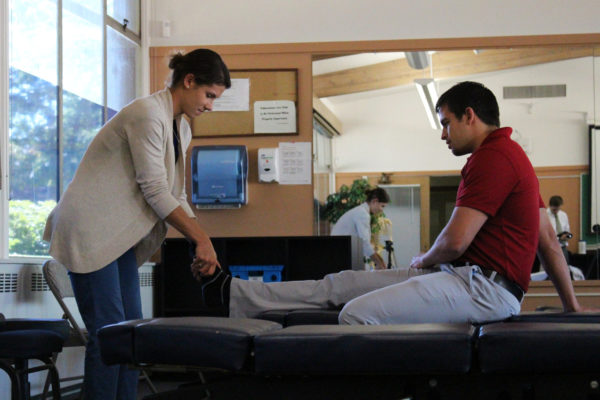
Doctor of chiropractic students gain valuable professional experience through the robust clinical internship program at University of Western States.

At University of Western States (UWS), real-world experience is crucial for students—not only to put into practice what they learn in the classroom, but also to use their knowledge to benefit the community around them.

For doctor of chiropractic (DC) students, much of their out-of-classroom learning begins during clinical rotations in their eighth quarter—after they have completed two-thirds of their degree and have developed a variety of clinical skills and competencies.

All students begin these internships by providing care to patients in the Campus Health Center (CHC), caring for UWS and community members under the supervision and guidance of their attending physician. They practice performing physical exams, delivering adjustments and utilizing physical therapy modalities.

“At this stage, students are still spending most of their time in the classroom and commit to a small amount of time at the CHC—just six hours per week in the eighth quarter,” says Stanley Ewald, DC, MPH, associate dean of the clinical internship program.

Student intern learning chiropractic looking at patients legMoving into the Community

As interns demonstrate additional clinical proficiencies, they become eligible for clinical rotations at other locations in their 10th quarter. In this stage, students work for 25 hours per week off campus with specialty populations at locations such as drug and alcohol treatment centers and homeless shelters.

Clinical rotation sites include everything from local health care affiliates like DePaul Treatment Center and Compassion Connect, to area hospitals like Oregon Health and Sciences University’s (OHSU) Comprehensive Pain Center, to out-of-state medical centers managed by Veterans Affairs all over the country—as close as Tacoma, Washington, and as far as Cincinnati, Ohio.

“Through sites like Portland Rescue Mission, which provides food, shelter and other care services to men, women and children affected by homelessness, addiction and abuse, residents have access to free treatment—sometimes for the first time in their lives,” says Dr. Ewald.

Darcy Ogloza, UWS DC student, had an internship at Outside In, a social services clinic focusing on helping homeless youth and other marginalized people.

“I was on site twice a week working with lower income and homeless patients,” says Ogloza. “Many of the patients are also asylum seekers and don’t speak English, so a big part of my assistance at Outside In was being able to communicate with them in Spanish.”

After Ogloza graduates, he intends to stay in Portland to work with a practitioner who has a sports background as he likes the rehabilitation aspect of chiropractic care.

“It’s important to provide patients with proper rehab techniques that they can do at home on their own,” says Ogloza. “That’s a more powerful form of healing for so many, since there’s only so much I or any other doctor can do in a 30-minute visit.”

Far-Reaching Value

The clinical rotations provide additional worth and importance to the DC program—not just for students, but for the university and the community as well.

“From an institutional perspective, UWS is able to remain an important collaborator in our community, working with others such as primary medical physicians, massage therapists, acupuncturists and more to provide holistic care,” says Joseph E. Pfeifer, DC, UWS chief clinical excellence officer.

“For patients, we help to improve value and quality of life by using multimodal ways to deal with a variety of health conditions. In the age of the opioid epidemic, this is especially important for the underserved populations to allow them access to healthier, safer and more effective means of managing pain.”

Cascadia Behavioral Healthcare, for example, became interested in partnering with the university’s clinical internship program to help them address a growing population of patients with mental illness—often severe—to try to minimize drug use for pain management.

From an educational standpoint, hands-on and varied experience through clinical rotations helps UWS focus on what is best for DC students. They can build their competencies, first in the controlled environment of the CHC with relatively uncomplicated issues, and progressing to a higher number of patients with more complex challenges, such as mental health concerns, homelessness and other comorbidities.

“Students need real experience with real patients,” says Dr. Ewald. “At the beginning, they get training on each other and other healthy students with little more physical issues than tight muscles. The internships expose them to patients with different and more realistic problems, from malnourishment in the under-insured to liver disease from alcohol abuse.”

Preparing for the Future

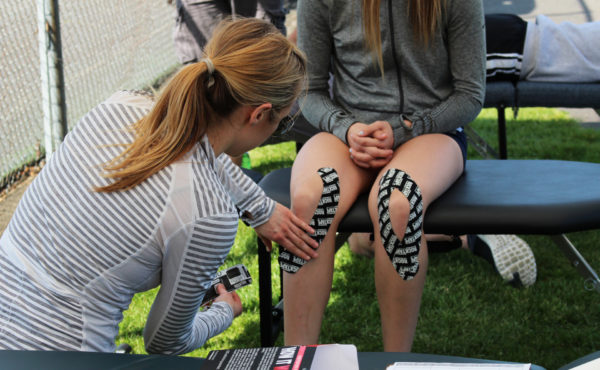
Student taping athlete kneesBy the time DC students reach their 12th and final quarter, they are ready for their preceptorship, in which they cease taking classes and work at an external chiropractic practice, providing strong support for their attending physician. Preceptorships may be located in the Portland area, in another state, or even internationally.
“The preceptorship program gives students the chance to gain remote clinical experience in another facility as long as it meets certain requirements,” says Dr. Pfeifer. “Our students come from a variety of geographical locations, and some want to return to their hometowns to work with local chiropractors or begin preparations to set up their own practices.”

The preceptorship is another opportunity for students to explore another area of interest, such as pediatrics, geriatrics, sports medicine or the underserved. One example is the Returning Veterans Project, a nonprofit started by woman whose son served in Iraq. Through this service, doctors of all kinds sign up and open their schedule to take a certain number of veterans as patients who are treated for free.

“Our goal is to get every intern out into the community,” says Dr. Ewald. “We want them to experience what it’s like to give care to all people, especially those that need us the most. If every doctor out there did their small part to help the less fortunate and underserved, we could make a big difference in this world.”

UWS Alumna Named First Full-Time Chiropractic Physician at Portland VA Medical Center

Dr. Samantha Stolzel (UWS class of ’13) has been hired as the first full-time chiropractic physician in the Portland Veteran’s Affairs (VA) Medical Center

University of Western States (UWS) alumna Samantha Stolzel, DC (class of ’13) has been hired as the first full-time chiropractic physician within the Portland VA Medical Center.

“Being hired on as the first full-time chiropractic physician within the Portland VA Medical Center is an extreme honor,” said Dr. Stolzel. “Offering expanded integrated health care services in the VA will not only help our veterans, it will increase the visibility and strengthen the profession for future chiropractic physicians. I feel privileged to be able to treat our honored veterans.”

“I believe University of Western States provided me the integrated education that will allow me to be successful in this position,” Dr. Stolzel added.

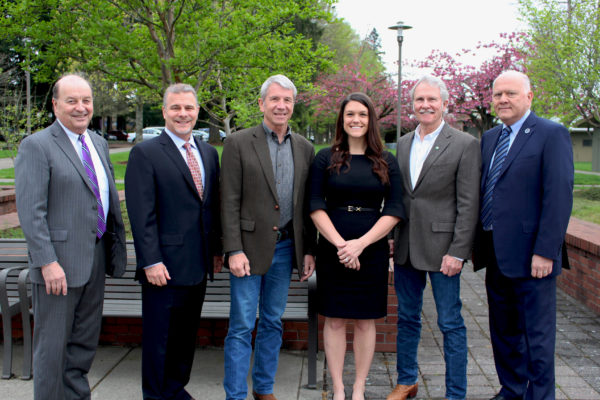
(Pictured L-R): Vern Saboe, DC, (OCA Director of Governmental Affairs), Joseph Pfeifer, DC (UWS Chief Clinical Excellence Officer), Congressman Kurt Schrader (U.S. House of Representatives, Oregon’s 5th District), Samantha Stolzel, DC (Portland VA Medical Center), John Kitzhaber (former Governor of Oregon), Joseph Brimhall, DC (UWS President)(Pictured L-R): Vern Saboe, DC, (OCA Director of Governmental Affairs), Joseph Pfeifer, DC (UWS Chief Clinical Excellence Officer), Congressman Kurt Schrader (U.S. House of Representatives, Oregon’s 5th District), Samantha Stolzel, DC (Portland VA Medical Center), John Kitzhaber (former Governor of Oregon), Joseph Brimhall, DC (UWS President)


“Dr. Stozel was selected from a large pool of applicants and we are thrilled to have her representing the chiropractic profession in the Portland VA Medical Center,” said UWS President Joseph Brimhall, DC. “She will advance integrated care to the benefit of veterans that need chiropractic services.”

With a chiropractic physician serving as part of the health care team at the Portland VA Medical Center, veterans will experience a higher degree of integrated services.

“It’s great to finally see chiropractic services available to veterans in the Portland VA medical center,” said UWS Chief Clinical Excellence Officer Joseph Pfeifer, DC. “We’re pleased and proud that Dr. Stolzel was selected to fill this position from what was, no doubt, a large field of qualified applicants. We’re sure she will bring valuable perspectives and services to the integrative care of veterans and we look forward to opportunities to collaborate with her and the hospital.”

Chiropractic care was first offered in a small number of VA medical centers in 2004. The initiation of this service was authorized by federal legislation in 2001 (section 204 of Public Law 107-135, Department of Veterans Affairs Health Care Programs Enhancement Act of 2001).

Due to the successful integration of chiropractic services, beneficial clinical outcomes, increased demand by veterans and ongoing support of the VA, the profession’s involvement in the VA has continued to expand. The VA now employs more than 100 chiropractic physicians in more than 70 facilities around the country. UWS maintains academic affiliation agreements with eight VA facilities. Those agreements support the university’s ability to have select chiropractic students engage in the delivery of clinical services to veterans under the supervision and guidance of VA staff chiropractic physicians.

Until recently, the closest VA chiropractic department to UWS was in the American Lake facility of the VA Puget Sound Health Care System in Tacoma, Wash. For many years, representatives of UWS and the Oregon Chiropractic Association (OCA), along with local legislators, have actively engaged with leaders in the VA Portland Health Care System to foster the implementation of a chiropractic department in Portland. In November 2018, chiropractic services were added to the Portland VA facility as part of the VA’s Whole Health initiative.

“Dr. Stolzel’s hiring represents another step forward toward cultural authority for the profession as well as an opportunity to work in an integrative medical environment and by so doing allow Dr. Stolzel to showcase chiropractor’s excellent training and clinical skill sets,” said Oregon Chiropractic Association  (OCA) Director of Governmental Affairs Vern Saboe, DC.

The CHP Group Announces David Audley Elected to UWS Board

Integrative Health Care Executive Joins Board of Trustees for Prestigious Health Sciences University

Audley, David-releaseThe CHP Group, the authority and partner of choice in integrative health care (IH), announced today that David Audley, the company’s director of business development, has been elected to the Board of Trustees for University of Western States (UWS).

Audley, who has an extensive background in nonprofit work – including as president of the Portland State University alumni association – joins the volunteer governing board to help advance the mission, vision, traditions and values of the university. He also brings more than 25 years of business experience to the board with the last 15 years focused on life sciences and health care, including his current position at The CHP Group overseeing sales, marketing and medical provider recruiting.

“UWS has over a century of history producing outstanding medical practitioners,” says Audley. “I am committed to the mission of the university to train, educate and mentor the next generation of integrative health care providers.”

UWS offers a world-class, integrated health care education and provides an evidence-informed approach to health and wellness. UWS graduates deliver high-quality health care based on science, the professional’s skill and knowledge, and the preferences and experiences of the patient or client.

“University of Western States is pleased to welcome David as a trustee on the UWS Board of Trustees. He brings an enthusiasm for integrated health care, as well as previous experience in higher education administration and governance,” says UWS Board Chair Ron Rogers. “David’s experience and talents in business and marketing will bring a unique perspective to our board. We thank him for his commitment to UWS.”

_____________________

About The CHP Group: Founded in 1989, The CHP Group is the authority and partner of choice for evidence-based integrative health care. CHP maintains a mature, high-quality and local network of chiropractors, acupuncturists, naturopathic physicians and massage therapists across the West. CHP works with carriers and large employer groups to provide accessible IH solutions to deliver better care, smarter spending and healthier members. Find more here: www.TheCHPGroup.com

About University of Western States
University of Western States designs and delivers evidence-informed curricula that embrace the science and art of health care, establishing a solid foundation and competitive edge in preparing professionals for clinical practice. UWS is a regionally accredited, independent nonprofit institution dedicated to improving the health and well-being of society through its educational programs, research and clinical services. Founded in 1904, the institution is world-renowned for excellence in health professions education. University of Western States students pursue an array of academic degree programs: doctor of chiropractic; master of science in human nutrition and functional medicine; master of science in sports medicine; master of science in diagnostic imaging; master of science and doctor of education in sport and performance psychology; and master of science and doctor of education in clinical mental health counseling. The institution sponsors approved continuing-education programs for licensed health care professionals, and provides health care services through University of Western States Health Centers. To learn more about University of Western States and its academic programs, visit uws.edu.

Going for Gold: UWS Sports Med Alumnus Erich Steinmetz Helps Elite Athletes Achieve Greatness

going for gold 2Hands-on training and application are emphasized in the UWS sports medicine master’s program and many alumni including Erich Steinmetz, MS, ATC, LMT, highlight the importance of an integrative care team when working with elite athletes.

Steinmetz had the opportunity to be part of the care team for elite Chinese sprinter, Su Bingtian. They first started working together at the 2015 Prefontaine Classic in Eugene, Oregon (affectionately known as, Tracktown, USA). It was at this meet that Bingtian became the first Chinese man to break the 10-second barrier for the 100-meter dash, running it in 9.99 seconds.

Steinmetz has continued to treat Bingtian at the Prefontaine Classic in recent years and at other world track events. Last summer, Steinmetz had the opportunity to travel to China and Jakarta, Indonesia with Bingtian for the 2018 Asian Games. There, Bingtian won gold in the 100m sprint, running a 9.92, breaking the Asian Games record. This past February, Steinmetz again travelled internationally with Bingtian – first to Birmingham, U.K., followed by Düsseldorf, Germany for the International Association of Athletics Federations (IAAF) World Indoor Tours. Bingtian won gold at each meet in the 60m sprint, running a 6.47 and 6.49, respectively.

“It’s really rewarding when you can see spectacular outcomes from athletes you are working with… to witness achievement at such a high level,” said Steinmetz. “It’s not only a testament to their abilities, but in some ways to your knowledge and application of appropriate treatments that supported those achievements too.”

When working with elite athletes, members of the care team collaborate for what is best for the athlete. A typical sprint-training schedule could include three to four days of track training and resistance training twice a week, but it can vary. This can be incredibly taxing on the body, especially for those competing at the highest levels.

“Once you’re at such an elite level, a one-size-fits-all training program won’t work – you have to tailor it to the athlete, specifically toward what goals you’re trying to achieve and what competition they’re gearing up for,” said Steinmetz. “There is a lot of periodization, open communication and coordination between providers and the coach to determine what treatments would be most appropriate… to do all we can to help the athlete reach those goals.”

When working with Bingtian, Steinmetz’s overall goal was to improve the tissue quality of the hamstrings and increase range of motion in hip flexion in order to improve stride length. Pre-practice treatments were designed to reinforce proper lumbopelvic alignment as well as work to release the diaphragm for breathing and engage deep core stabilizers. Post-practice sessions were aimed to maximize recovery and continue to remodel the myofascium in the hamstrings. Bingtian was able to achieve 10 extra degrees of flexion in his right hip and 15 in his left with 100-105 degrees of flexion.

going for gold 1“The overall objective for a sport physio is to keep your athlete healthy and well-recovered so they can continue to train at high intensities and benefit from the training,” said Steinmetz.

Steinmetz continues to use his degree in sports medicine to further his career. Most recently, Steinmetz has been hired as a practicum supervisor within the UWS sports medicine master’s program. He will apply the practical knowledge he gained from being a program alum himself and incorporate his real-world experience working with top athletes. In April, he will be traveling back to China to work with the Chinese 4×100 relay team as they prepare for the IAAF World Relays.

“Ultimately, I like to be the kind of person who has my foot in the door with teaching, alongside practical application of skills in the field,” said Steinmetz. “I’m thrilled for this new opportunity.”


UWS Sports Medicine Program

Sports medicine refers to all individuals responsible for keeping an athlete healthy. This team often includes an athletic trainer, chiropractic physician, physical therapist or medical doctor. Depending on the size of the athletic organization, the sports medicine team can range from one person to 20 or more. In many settings, other specialties like dentists, ophthalmologists, sport psychologists, nutrition specialists, massage therapists and acupuncturists are also included on the sports medicine team.

The sports medicine program is a seven-quarter graduate professional master’s degree program designed to provide students with advanced training in the prevention, evaluation and management of injuries and disorders affecting athletes and others participating in sports activities. This professional master’s degree is targeted to students with prior training in the evaluation and management of neuromusculoskeletal disorders. This audience includes chiropractic program students, chiropractic physicians, athletic trainers, occupational therapists, physical therapists and other health care providers.

Learn more about the sports medicine curriculum and career pathways.