As part of the real-world application of skills prior to graduation, University of Western States (UWS) student interns rotate throughout the Portland community to provide care for largely underserved and vulnerable populations.
“UWS has a rich history of active involvement in our communities, consistent with the university’s vision, mission and values,” said Joseph Pfeifer, DC, vice president of clinic affairs at UWS. “In the clinical realm, we have developed partnerships that provide health care to populations that would not otherwise have access to services they need. These affiliations also provide important and diverse clinical experiences for our students as they develop into competent and caring health care providers. By maintaining these partnerships, we enhance the well-being of our communities while helping prepare our students to be successful as providers in the communities they will ultimately serve.”
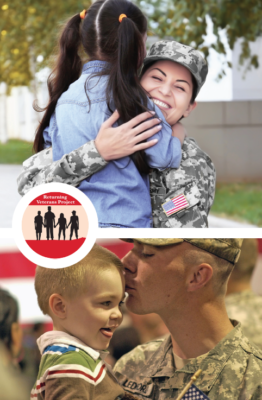
UWS students and clinic staff work with the U.S. Department of Veterans Affairs (VA) medical centers, the Returning Veterans Project, De Paul Treatment Centers, Volunteers of America of Oregon (VOA), the Portland Rescue Mission, Outside In, Shepherd’s Door and more.
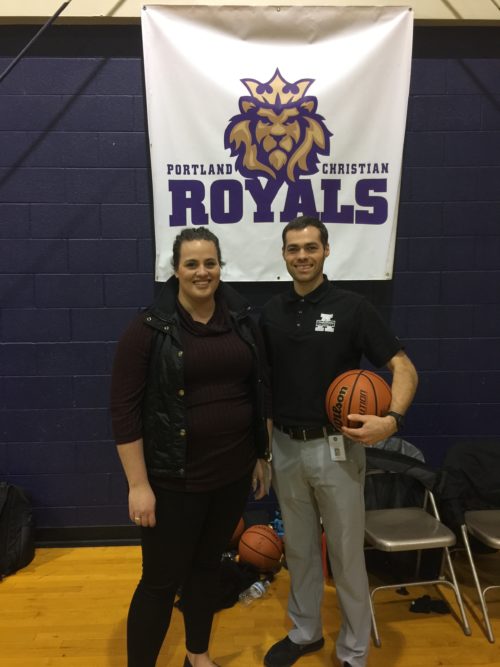
“Each of these sites offers chiropractic interns the opportunity to work with populations who are generally underserved,” said Owen Lynch, DC, UWS clinician. “Working with other medical and service providers such as alcohol and drug counselors, social workers and more allows our students to gain a better understanding of what it takes to be a mindful, empathetic caregiver to those who need it most.”
The Outside In Clinic and Health Services department is a Federally Qualified Health Center (FQHC) and a five-star Patient-Centered Primary Care Home (PCPCH) that serves vulnerable populations requiring medical services. The organization provides primary care, women’s health, complementary medical services, group health classes, transgender services and integrated behavioral health services to patients that fall below the federal poverty line. Patient ages range from adolescence to elderly, with a large percentage of patients being homeless or unstably housed.
“It is our organization’s policy to not prescribe narcotics and instead, integrate chiropractic and acupuncture modalities into our patient’s primary care,” said Timothie Rochon, RN, CNM, MSN, clinic and health services manager of Outside In. “Being able to offer these services to patients who often are unable to access such services creates improved health care to those who are often suffering the most.”
UWS chiropractic interns are empowered to form connections with the patients they treat and are reminded to always ask the question, “How can I make a difference?”
Brodie Hornstein, a 10th quarter UWS student who works in the Men’s Residential Center through the VOA, said that the work he’s been able to do with the men in the program has restored his faith in the rehabilitation system.
Those receiving care at the Men’s Residential Center through the VOA are referred by the criminal justice system.
“Most of our patients have never seen a chiropractor, been adjusted or have received any nutritional advice,” Hornstein said. “It’s very rewarding to see what a simple adjustment does for their pain and well-being. The gratitude our patients show us interns is awesome and always appreciated. It’s inspiring to see how the work we do with these men empower them to overcome their pasts, go back into the community and become leaders and mentors to others struggling with addiction.”
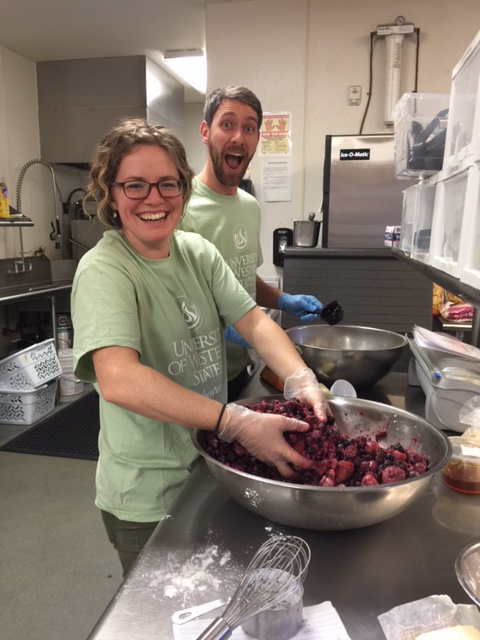
The UWS community also helps local organizations with more than chiropractic care. Shepherd’s Door is a community of single women and women with children (ages 10 and under) who are a part of New Life Ministries at Portland Rescue Mission. As an organization, Shepherd’s Door offers residential recovery programs for addiction therapy and strives to provide ongoing support for career planning, job searches and integration into a healthy community.
“UWS has supported Shepherd’s Door in a variety of ways,” said Ashley Van Brunt, RN, BSN, PCCN, staff member at Shepherd’s Door. “From providing meals to our residents, giving educational lectures on health-related topics, to offering free chiropractic services to residents, all of these services have been invaluable. The services that UWS has provided serve to promote the holistic health of individuals in our program, as well as community health overall. Promoting health is a vital piece to our residents building life skills that will help them succeed in addiction recovery and beyond.”
Students find the experiences valuable and are happy to be able to help out the community they live in.
“The types of cases we see at organizations such as Outside In can be unique and it really pushes us to apply critical analysis of our treatment techniques,” said Melissa Sawatzky, 10th quarter DC student. “I believe that stepping out of the books and into the real world is a vital experience for any health care provider. I’m proud and hope that UWS continues to reach out for more opportunities to serve our surrounding communities.”
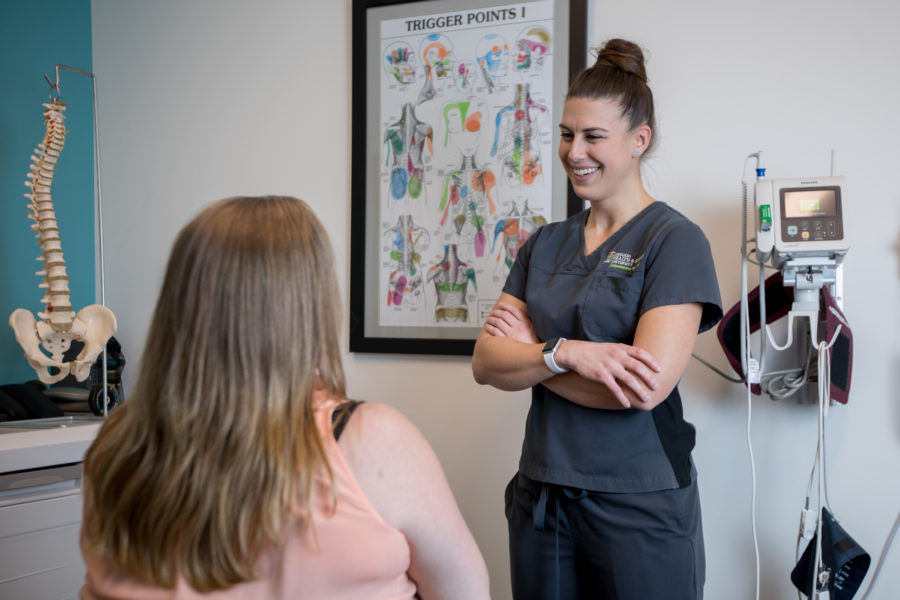
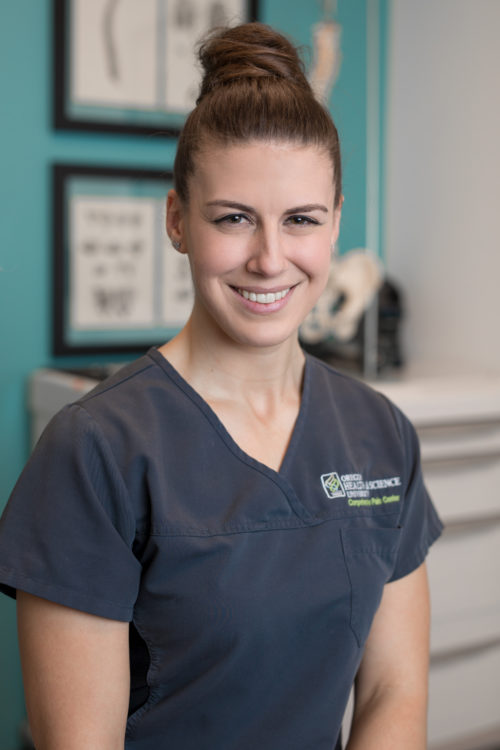 A sense of community has always been of utmost importance to Dr. Graeme, both in her personal life as well as in the office. Growing up in Madras, Ore. and Klickitat, Wash., Dr. Graeme graduated with a class of 11. Klickitat High School had just 52 total students, all of whom she was close to.
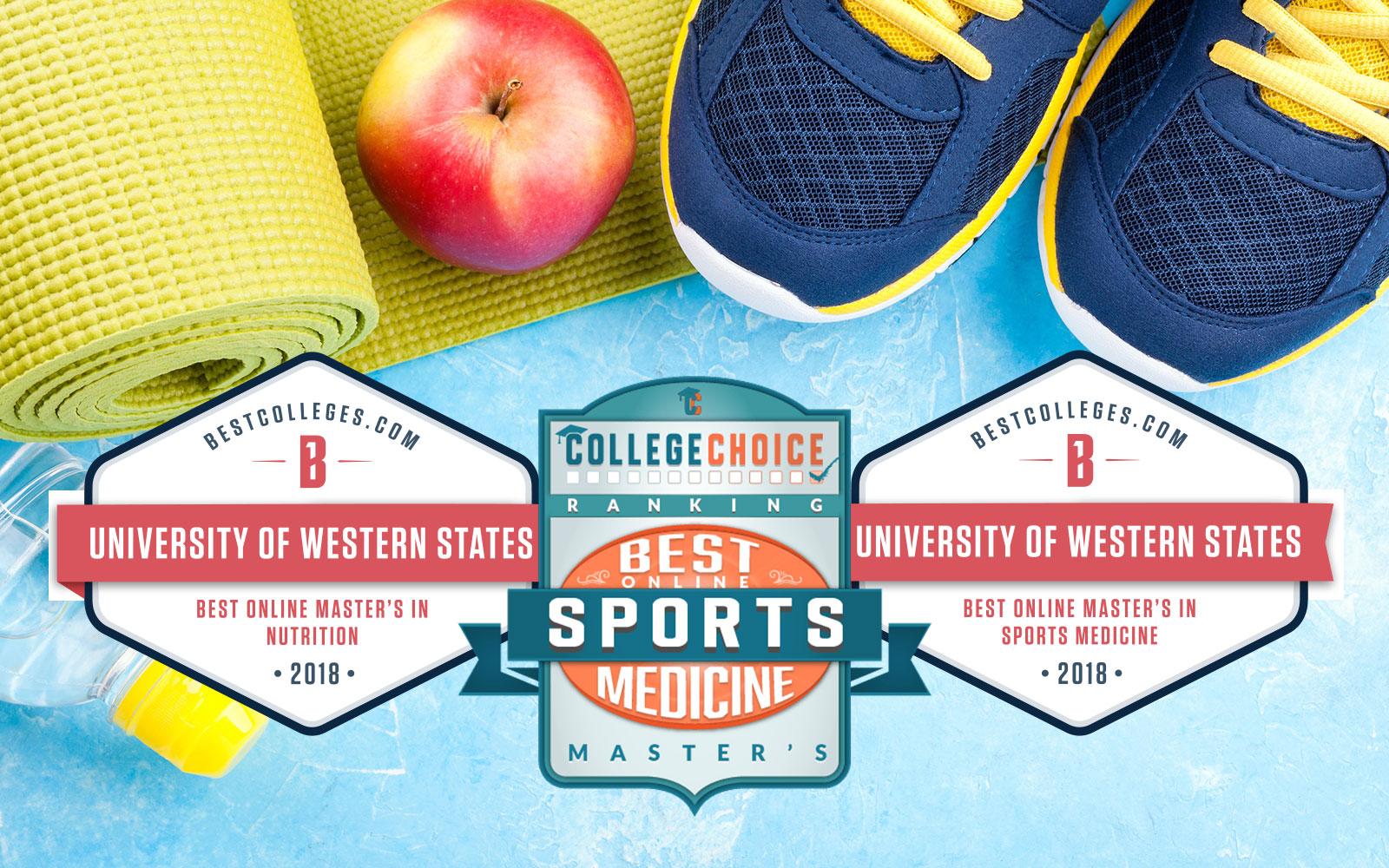 University of Western States (UWS) has announced that the online
 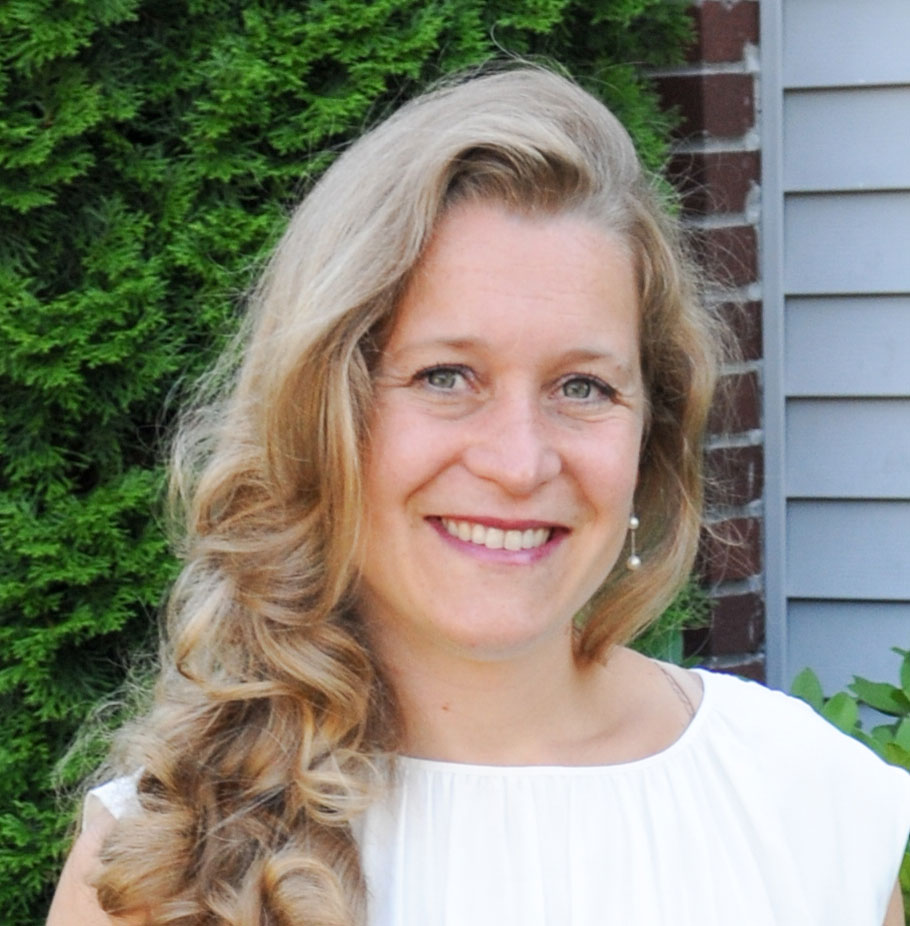 Cortny Williams, PhD, assistant professor in the basic sciences department at University of Western States (UWS) has been selected as the recipient of the 2018 International Association of Medical Science Educators (IAMSE) Travel Award.
 Omega-3 polyunsaturated fatty acids (PUFAs), such as DHA and EPA, are known for their anti-inflammatory properties. Their role in exercise performance is unclear, with studies showing greater benefit for certain populations over others in reducing exercise-induced inflammation.
 If you had told me a few years ago that I would pursue my master’s degree entirely online, I may not have believed you.
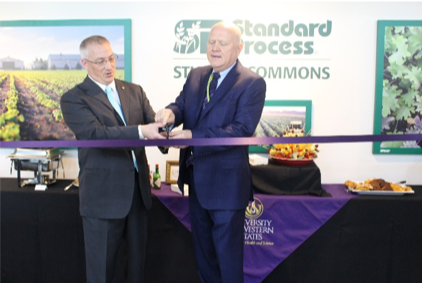 University of Western States (UWS), a leader in educating health care professionals, has opened a new student commons area on campus thanks to a generous $500,000 capital pledge from Standard Process, Inc., a manufacturer of whole food nutrient solutions.
 Standard Process feels this project is a natural fit with their company goals. The organization believes that students who learn about nutrition while they are in school will be catalysts in their practices, sparking positive lifestyle changes in their patients.
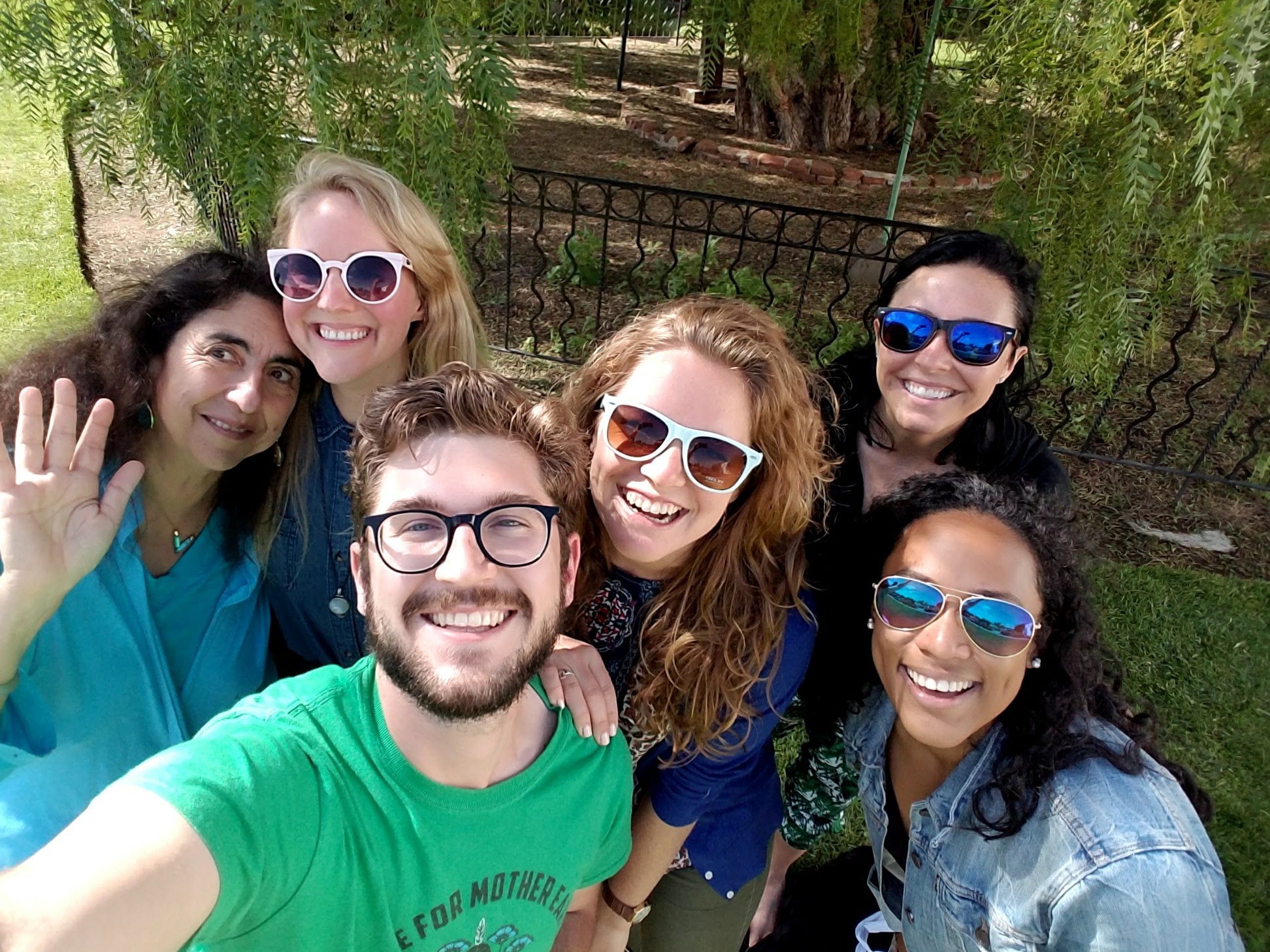
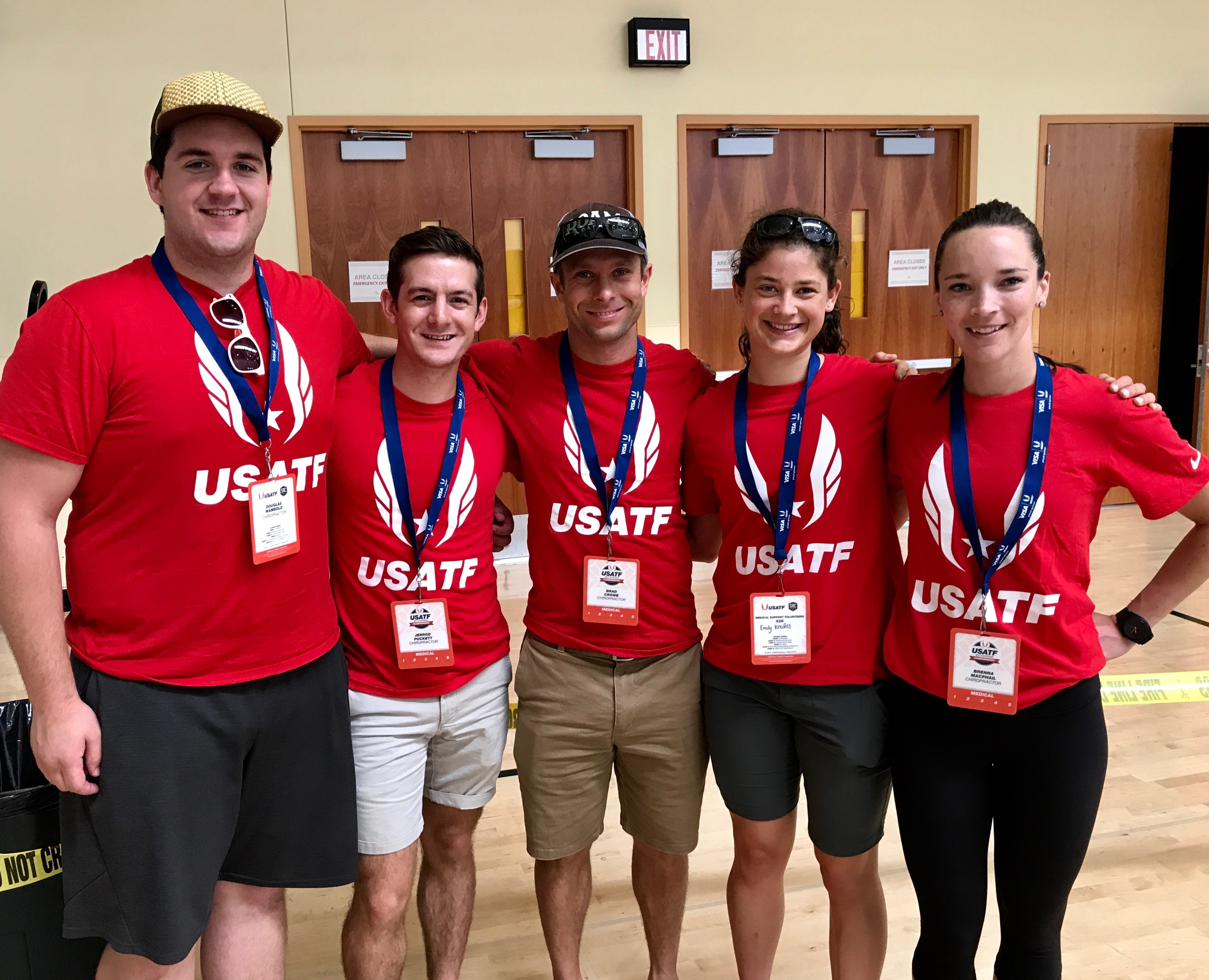
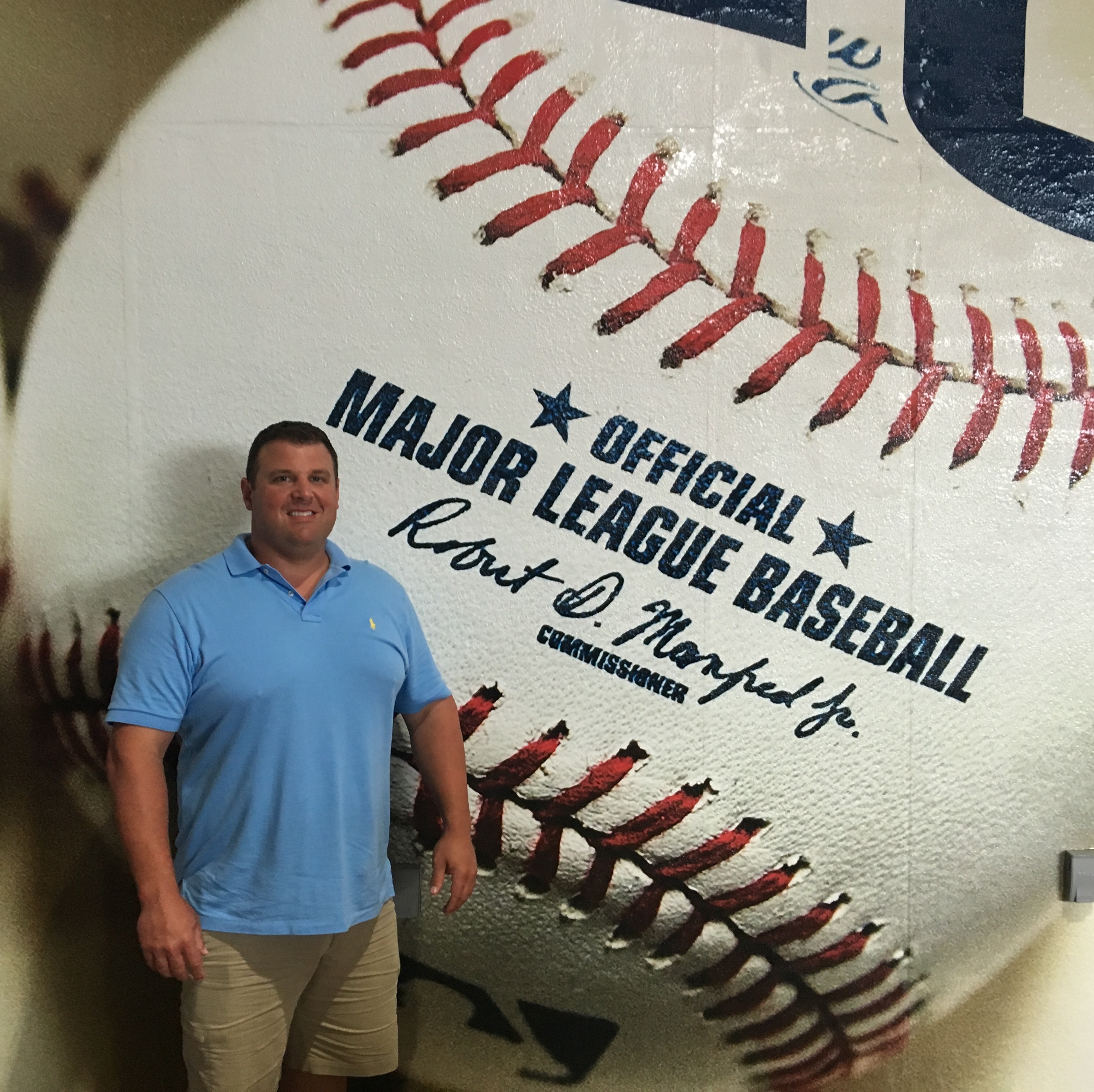 In professional baseball, perfectionism is a common personality trait that can develop into performance issues. In a sport where failure and criticism are large parts of the game, Dr. Woolsey aims to help players with the perfectionist personality profile develop a healthier, happier and more adaptive mindset. To do this, he uses a strength-based approach with an emphasis on teaching positive psychology techniques and by helping people make improvements to daily skills such as self-talk. As part of this process, players develop a motivational style focused on approaching challenges versus motivation based on avoiding failure.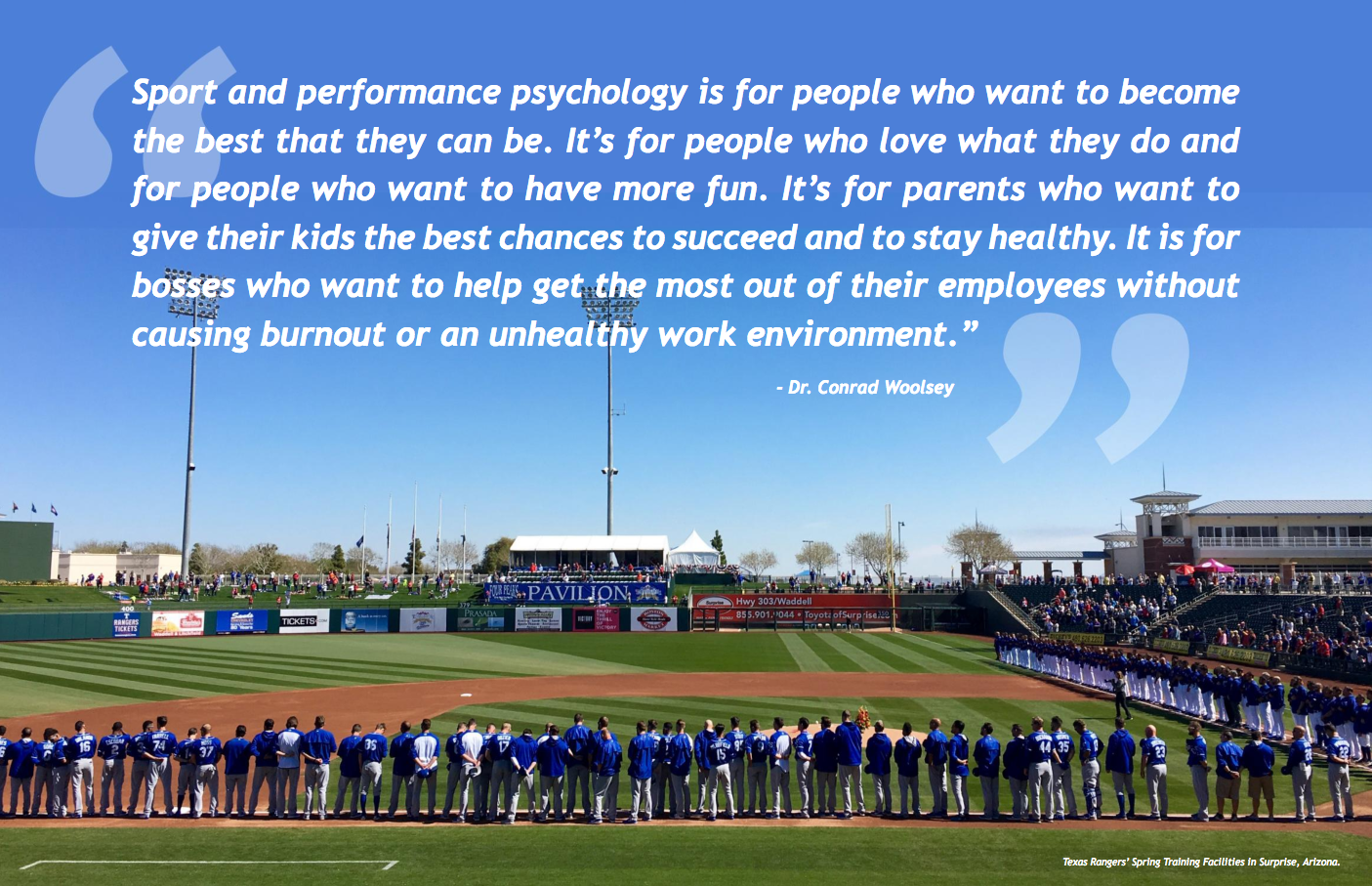



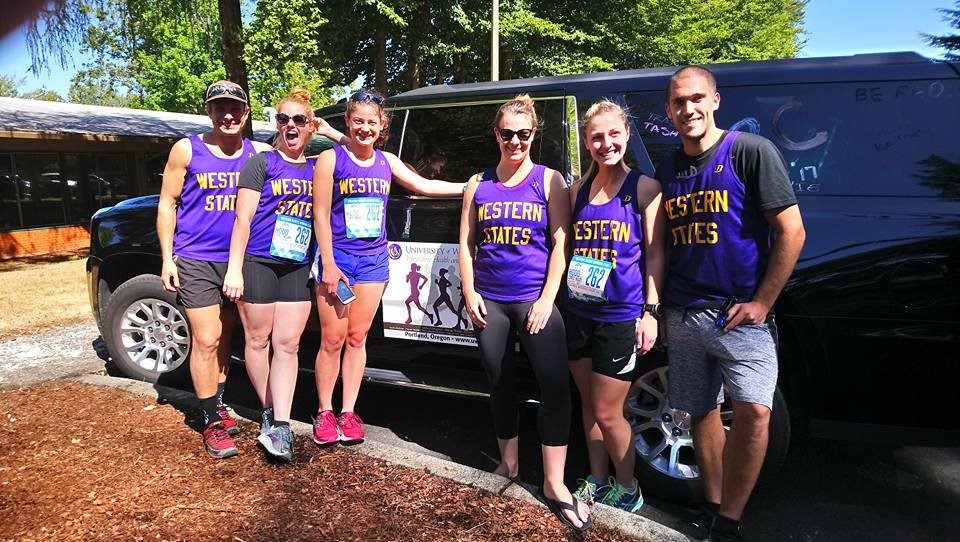
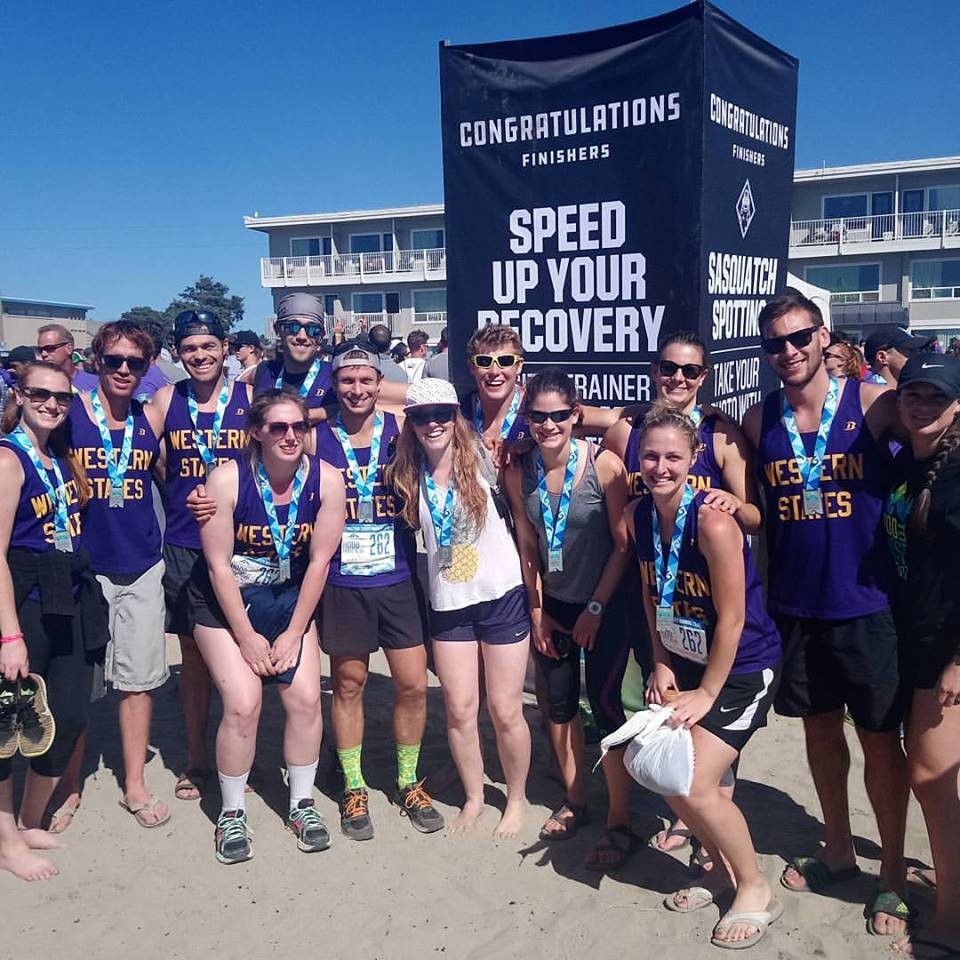
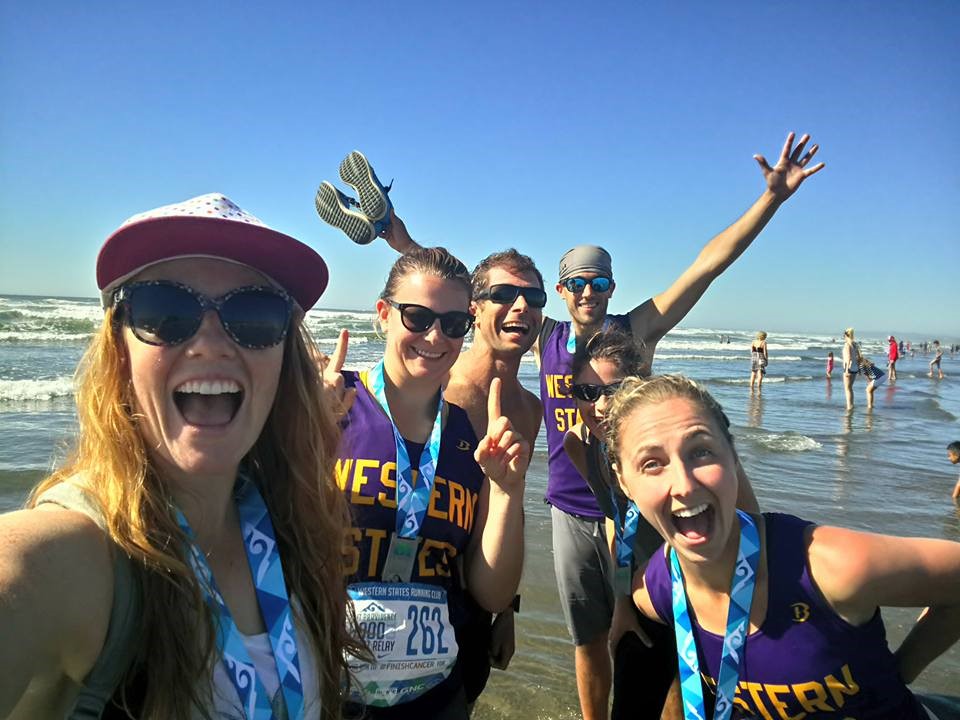
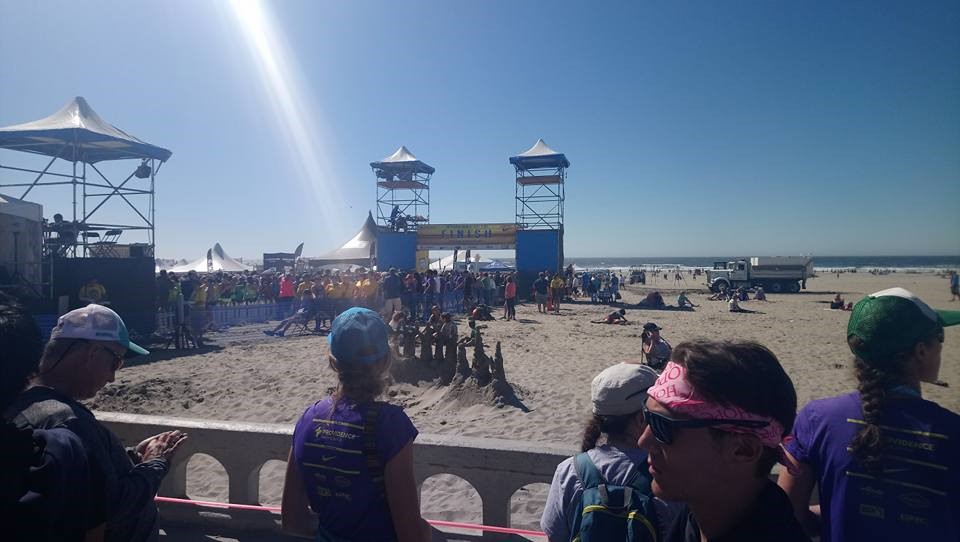

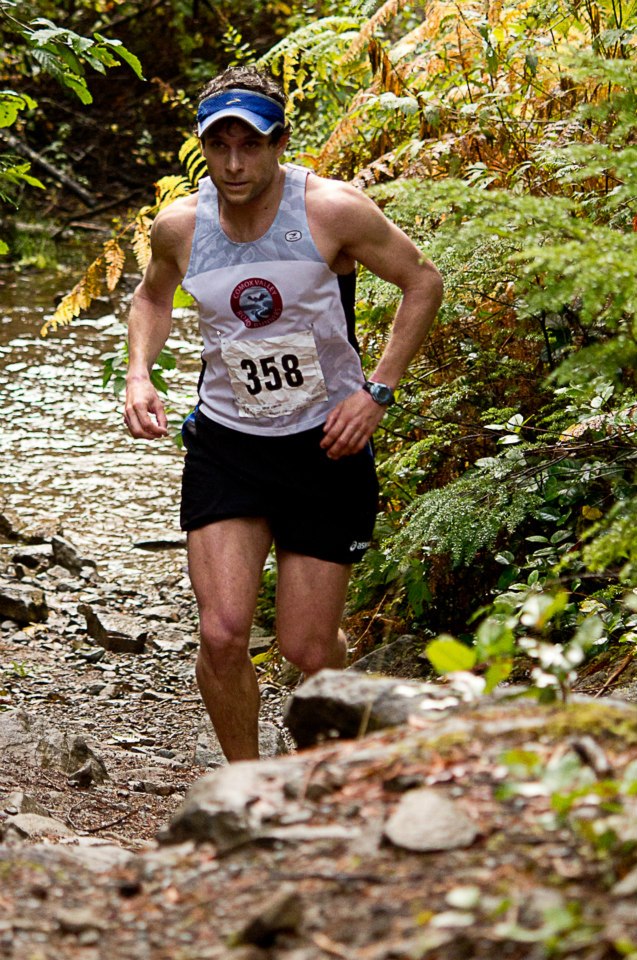
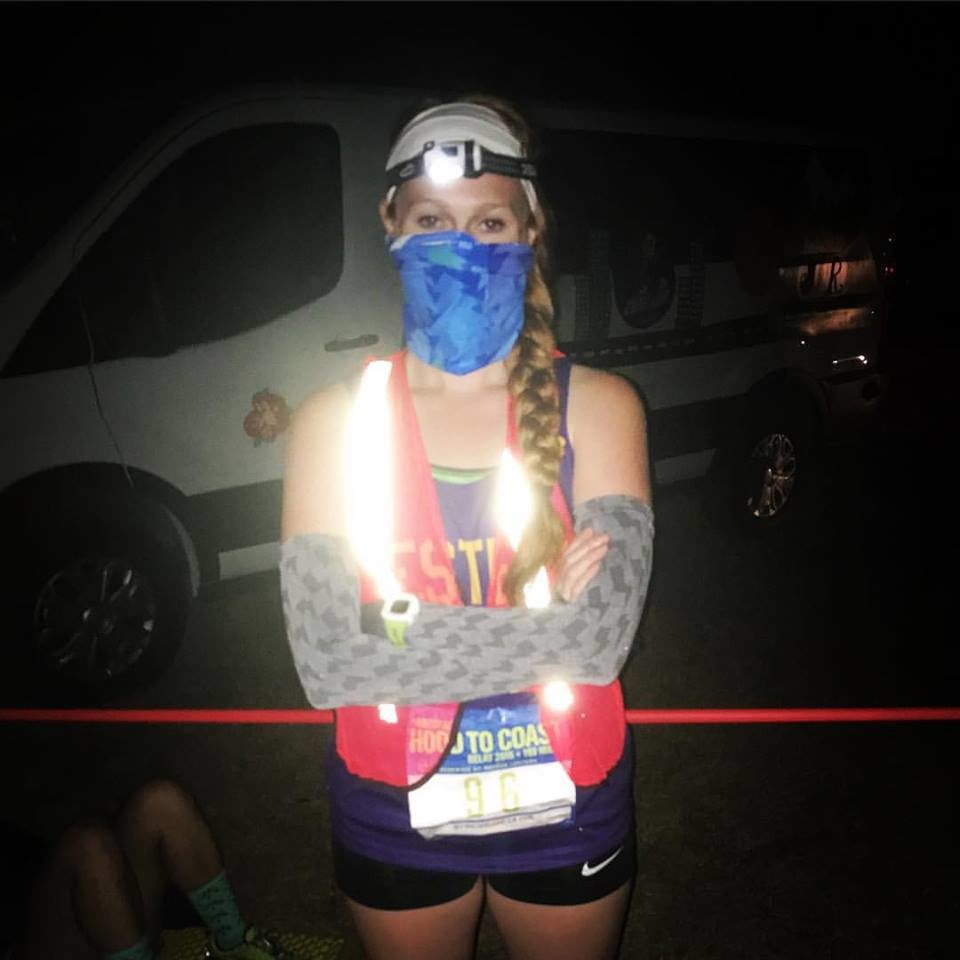


 Rylee J. Stephens, a sports medicine master’s degree student at University of Western States, had a study titled, “
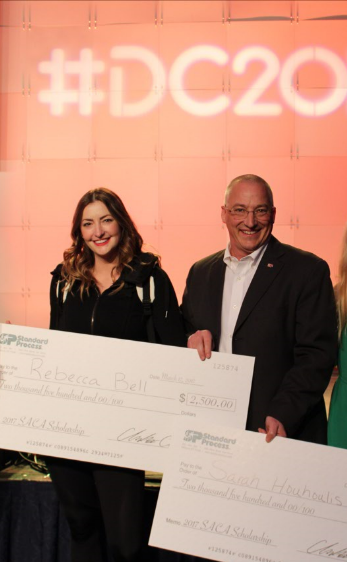 DC2017 is the premier conference for the chiropractic profession that includes compelling scientific research and inspirational speakers form the profession. This year it was hosted by the American Chiropractic Association (ACA), the World Federation of Chiropractic (WFC) and the Association for Chiropractic Colleges (ACC).
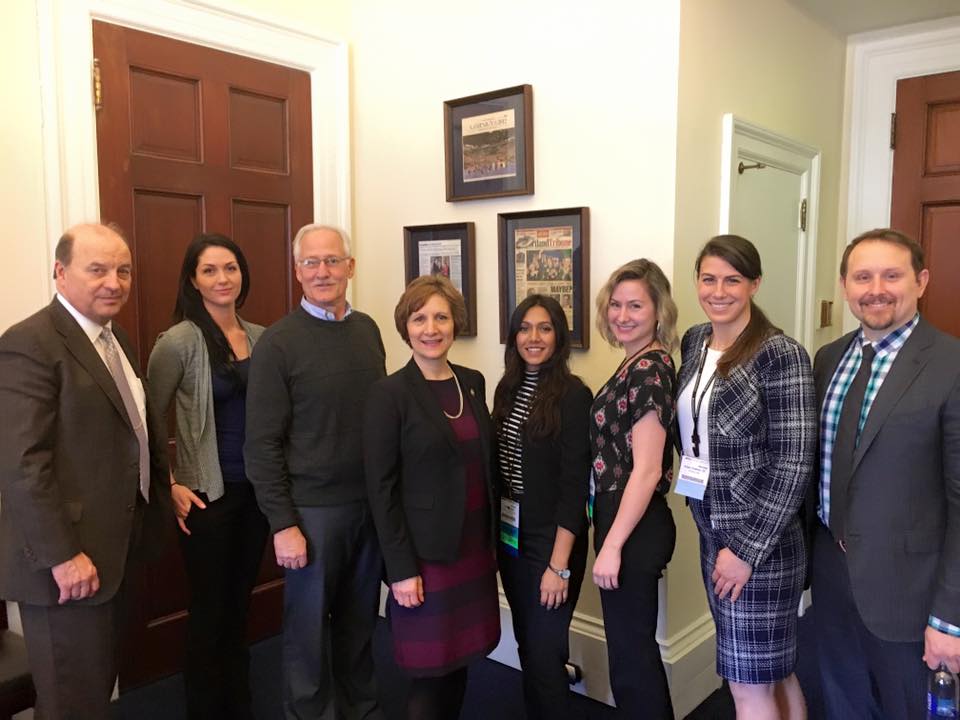
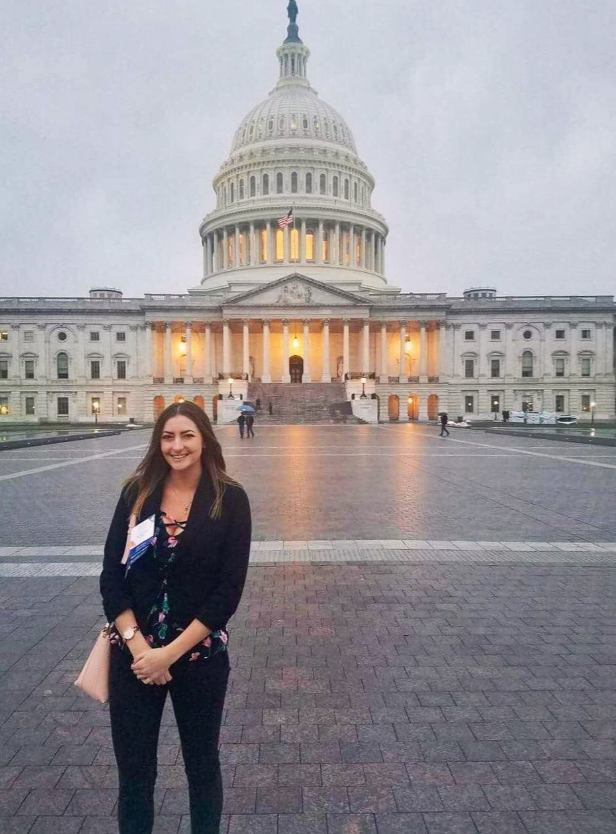 As DC2017 has come and gone, I have gained another year of valuable experiences that I will take with me wherever I go. It is still surreal that I had the privilege to attend one of the biggest events in the chiropractic profession put on by the American Chiropractic Association (ACA), the World Federation of Chiropractic (WFC) and the Association for Chiropractic Colleges (ACC). I also had the opportunity to lobby on Capitol Hill in Washington, D.C. on behalf of the ACA with my fellow Student American Chiropractic Association (SACA) members and some of the most incredible doctors I have ever met. Prior to DC2017, our executive board held meetings with attendees to prepare them for lobbying.

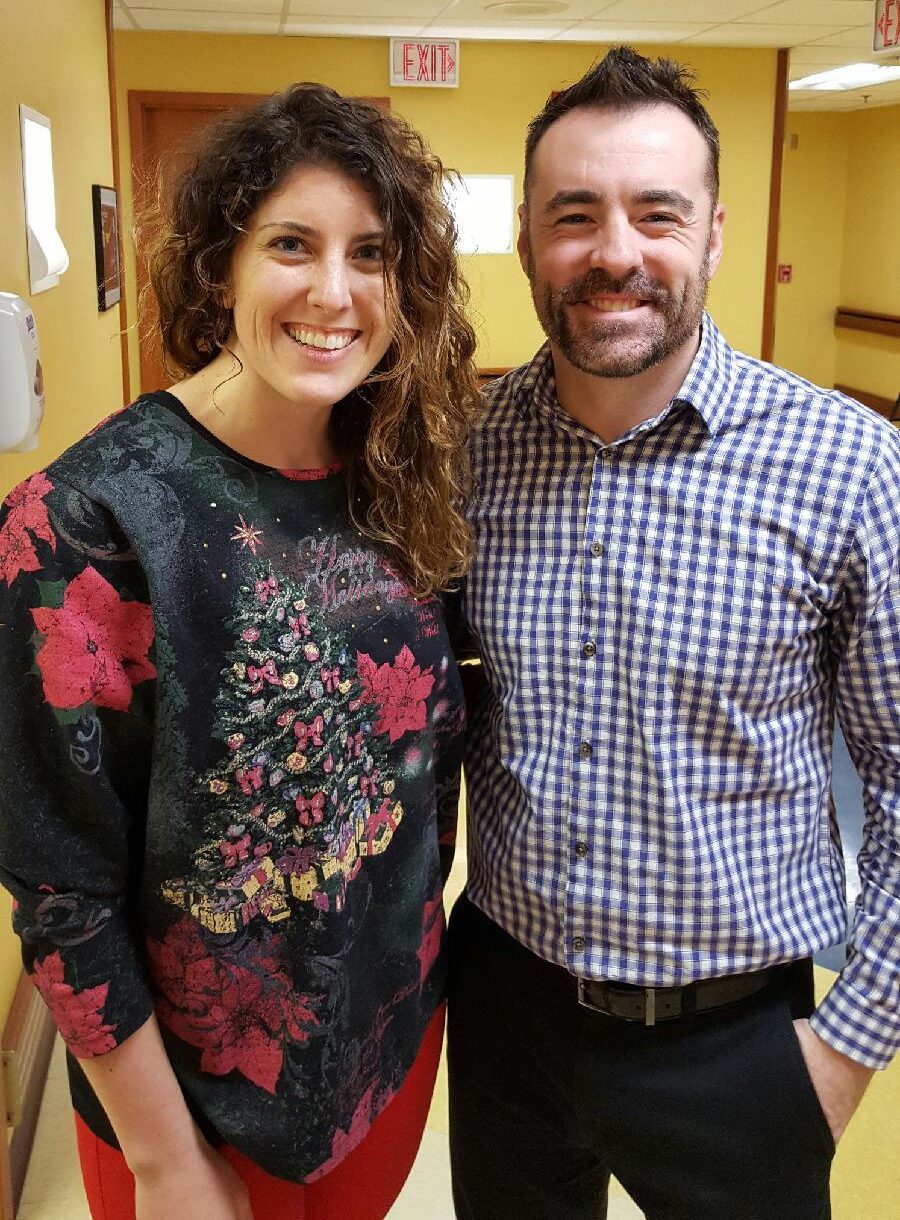
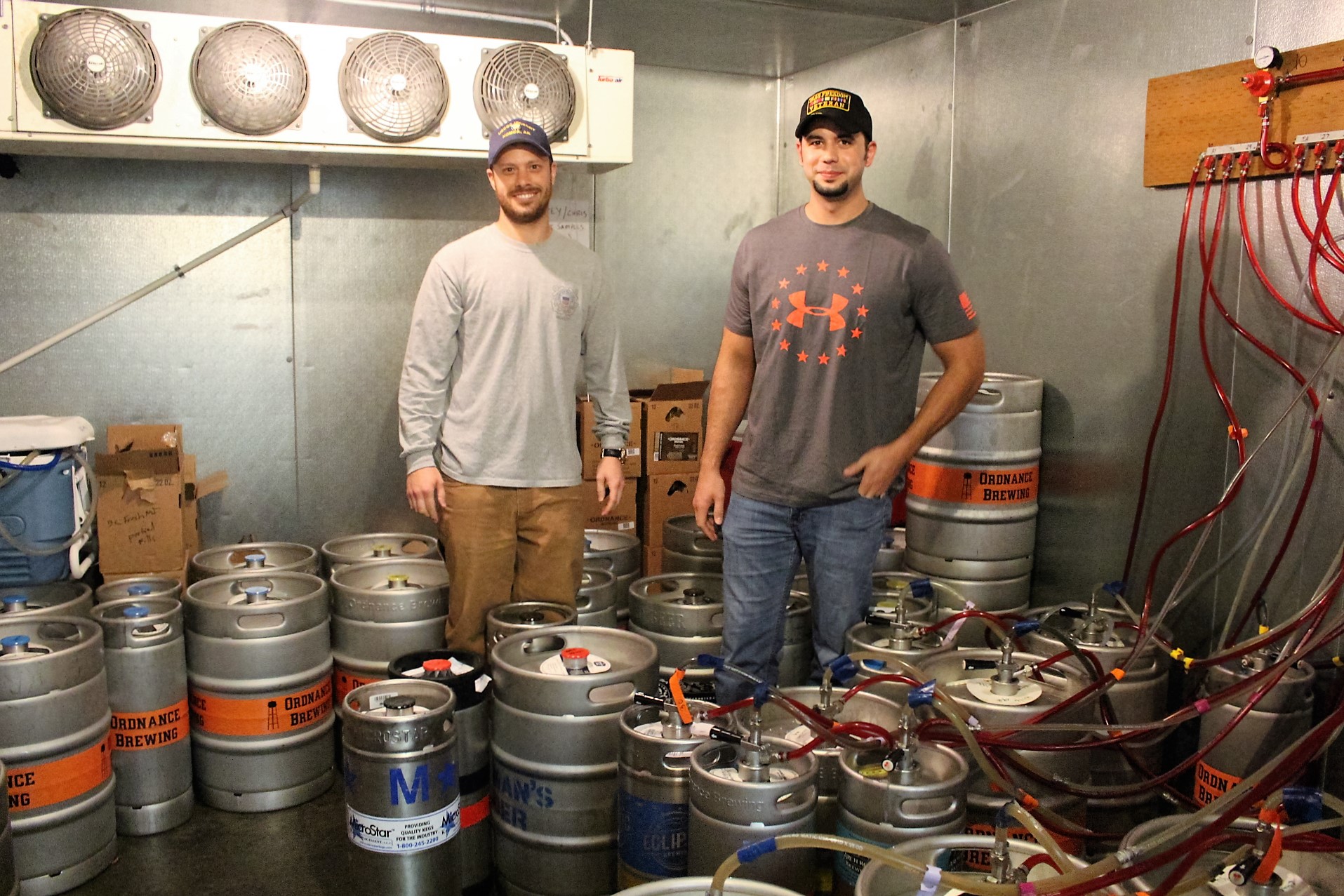
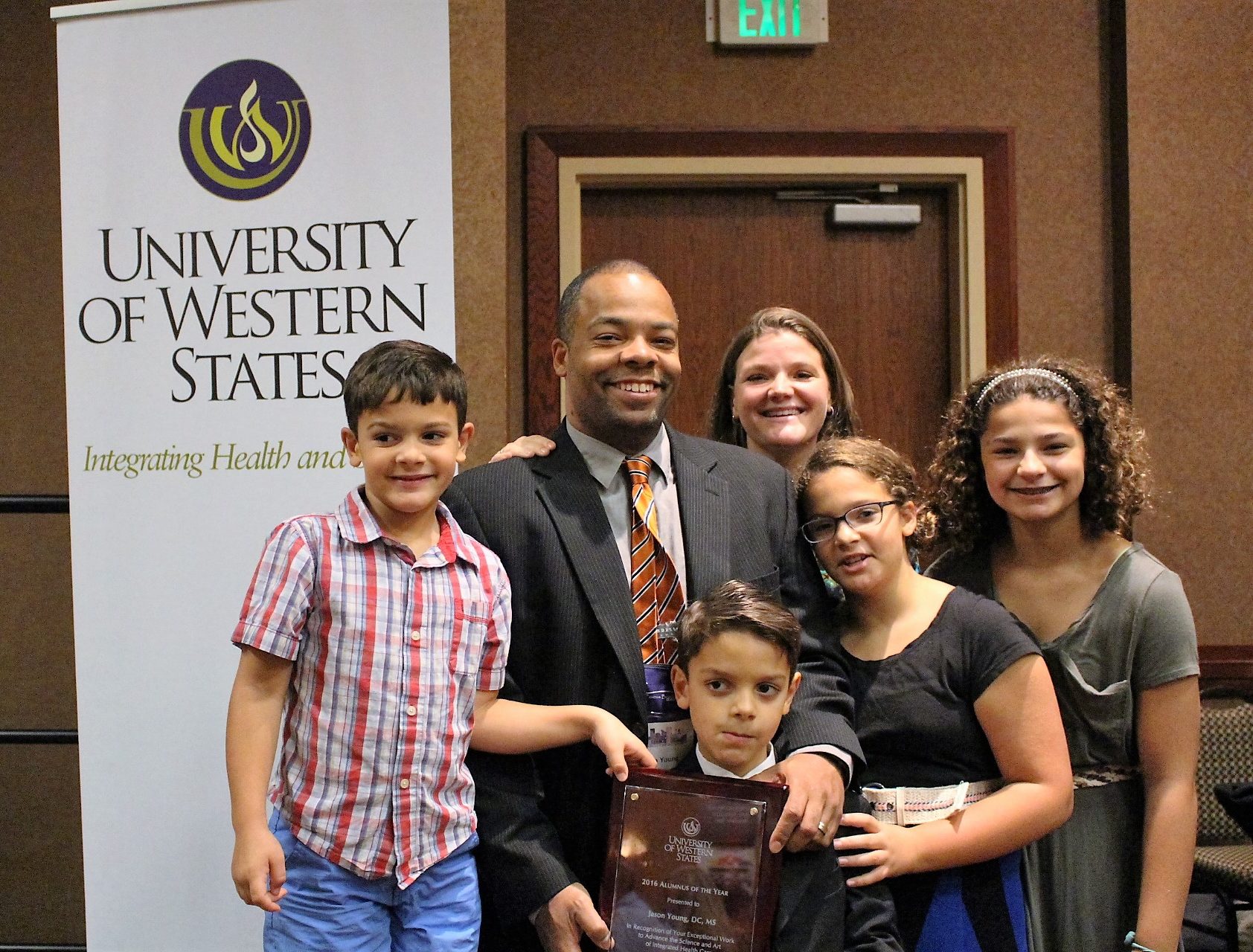 Each year, University of Western States hosts the Homecoming and NW Symposium, an event with opportunities to learn and network at seminars and a vendor fair. The university uses this opportunity to present the Alumni Recognition Award, which honors alumni whose achievements have elevated the fields of integrated and chiropractic medicine, made a difference in the community and upheld the university’s mission in their post-graduate and professional lives.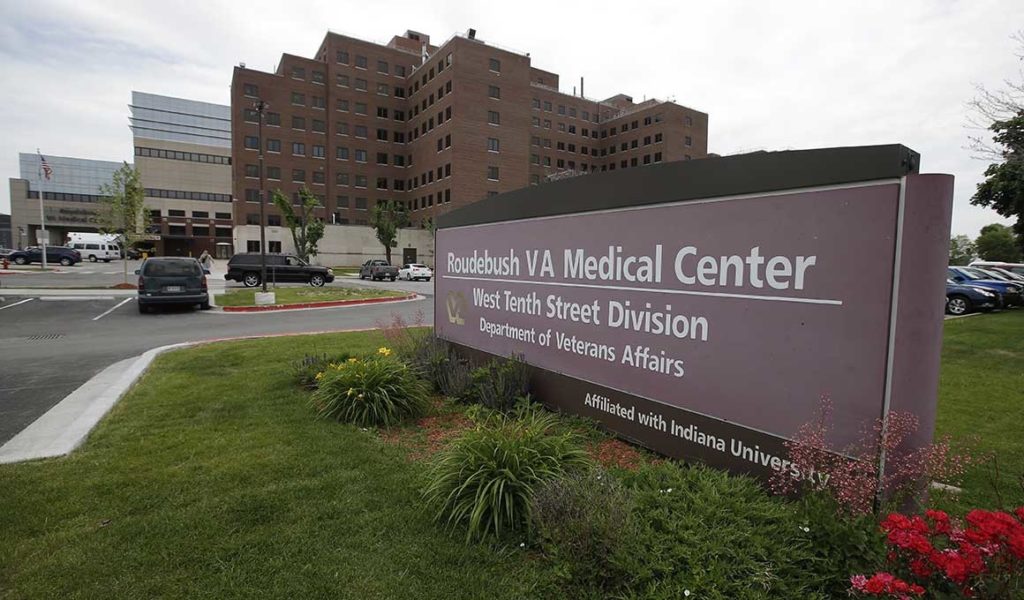
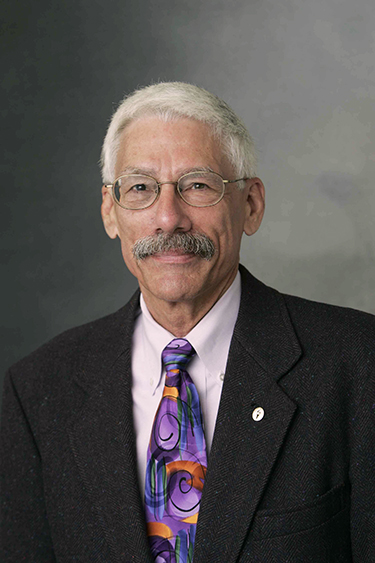 Lester Carl Lamm
 UWS student and third year chiropractic intern, Stephanie Halloran describes her Preceptorship experience at the VA Hospital in Indianapolis, Indiana.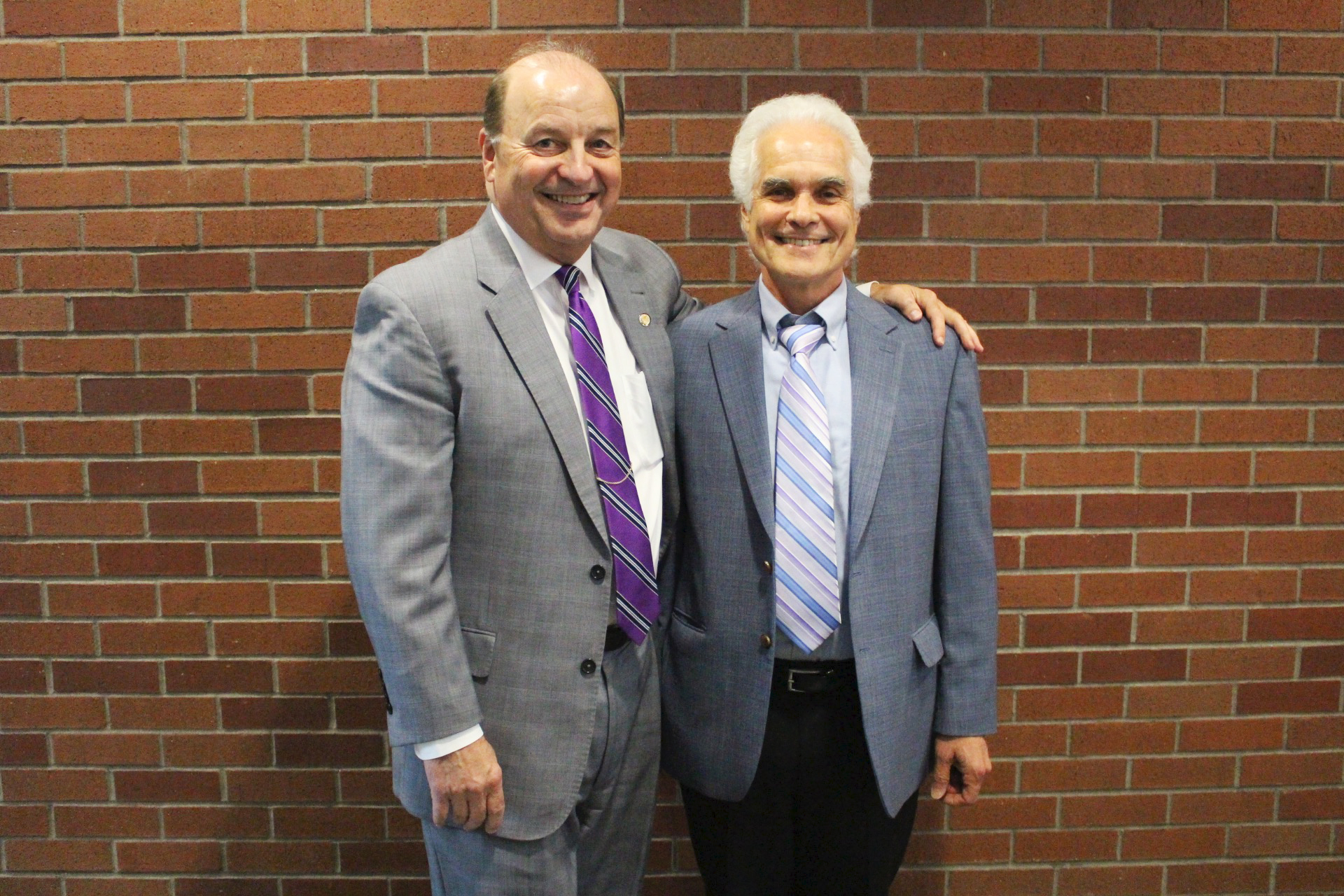


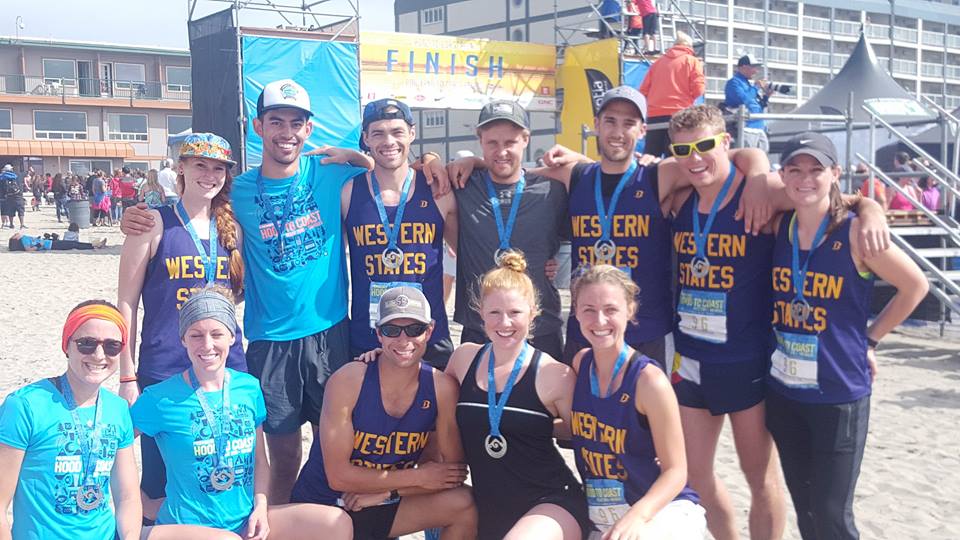


 Name: Kelsey Woodland
 Name: Matt Boetcher
 Name: Parker Pratt
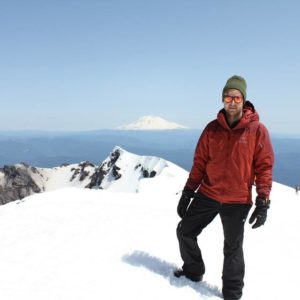 Name: Cornelius van de Wall
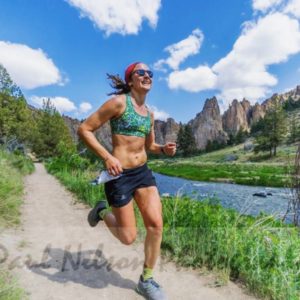 Name: Sissel Holloway
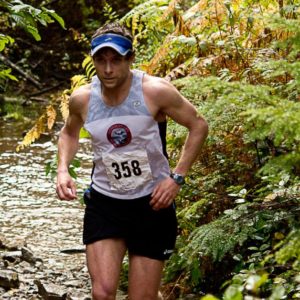 Name: Brad Crowe
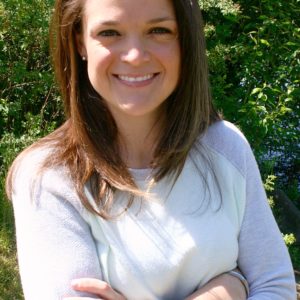 Name: Savannah Shortz, DC
 Name: Kaitlyn Haese
 Name: Ryan Takagi
 Name: Rachel Wysocki
 Name: Natasha Smith
 Name: Jimmy Westover



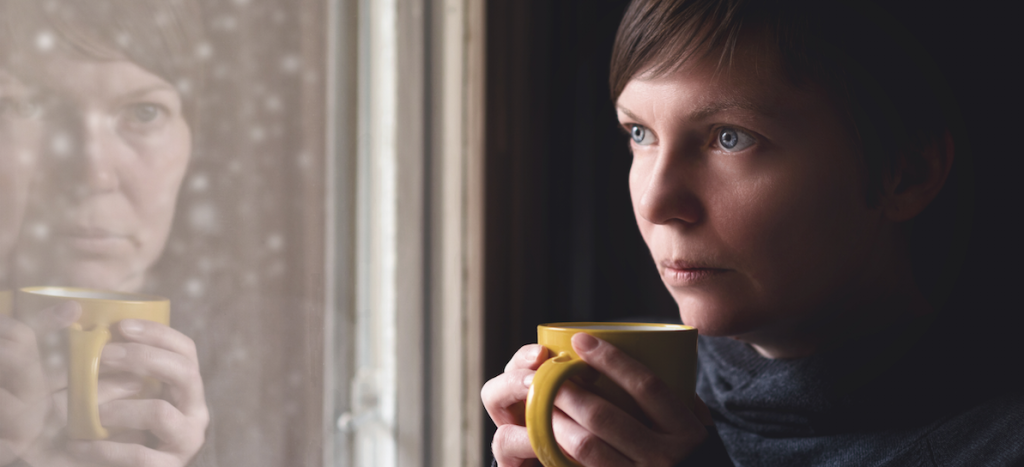

 When you’re feeling stressed, it’s common to carry it in your body in many ways; tense shoulders, tense jaw, shallow breathing, a stomach that feels like it is in knots and tension headaches. Funny enough, when we’re really stressed we may be experiencing physical pain and not even connect it to our thoughts, emotions and mental state. Here are two practices that I think work best to alleviate headaches and other physical symptoms of stress. Both practices can be done as either one long practice session (20 minutes or more) or several shorter sessions (3-10 minutes) throughout the day. I personally like the longer session where I can lie down, have my whole body supported and be thoroughly relaxed.
 I frequently hear clients say, “I had no idea I was that tense.” The stress that accompanies modern lifestyles often manifests as tension in the body’s muscles and is a known trigger for tension headaches. People often feel guilty about relaxing or taking time for themselves. They feel pressure from family, friends, work, etc. to spend every bit of their life providing for other people and making sure other people’s needs are met. It’s not until they begin to suffer muscles aches, fatigue, and headaches that they begin to consider they need to take time for themselves. As a massage therapist I give them that opportunity. The time they spend on my table is all about their needs and what they want. If an hour foot massage on a heated table is going to reduce overall stress and make their head feel better, so-be-it. Don’t be afraid to ask for what you want. Don’t suffer through too much or not enough pressure because you’re used to making everyone else happy. Ask for what you want and expect the outcome that you desire.
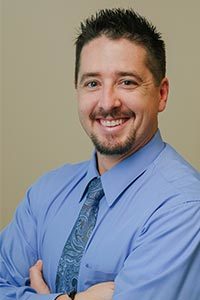 As the school year is starting and people are struggling to get back into the swing of things, stress and tension headaches are a common occurrence. I would recommend anyone who is dealing with chronic stress headaches get a proper examination and evaluation of the upper back and neck region. I do believe strongly that once this is done, there are many manual treatments including soft tissue work and chiropractic manipulation that would work wonders for stress headaches.
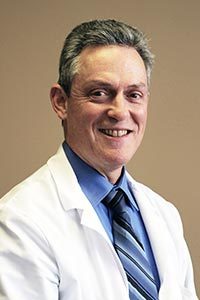 Massage and manipulation can do wonders to relieve an occasional tension headache, but finding ways to manage stress are crucial for optimal health and the relief of recurrent tension headaches. Stress plays a major role in the health of our immune system, brain chemistry, blood pressure, blood sugar levels and hormone levels. There are many techniques for managing stress such as exercise, hobbies, positive thinking, socializing and connecting with nature. However, without a strong foundation gained from getting adequate sleep and healthy eating, managing stress and recurrent tension headaches can be a losing battle. If you need an alarm clock to wake up in the morning chances are likely you are sleep deprived. Try going to bed in increments of 15-30 minutes earlier each week until you can wake up on your own.
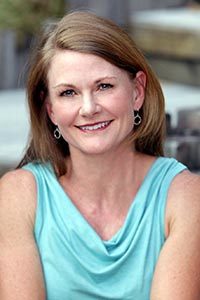 The functional medicine approach to any diagnosis demands not only that we determine what disease the patient is suffering from, but also discovering the underlying physiological dysfunctions causing the disease. Treatment is aimed at correcting the dysfunction, not simply treating symptoms.