UWS running club to compete in Hood to Coast Race

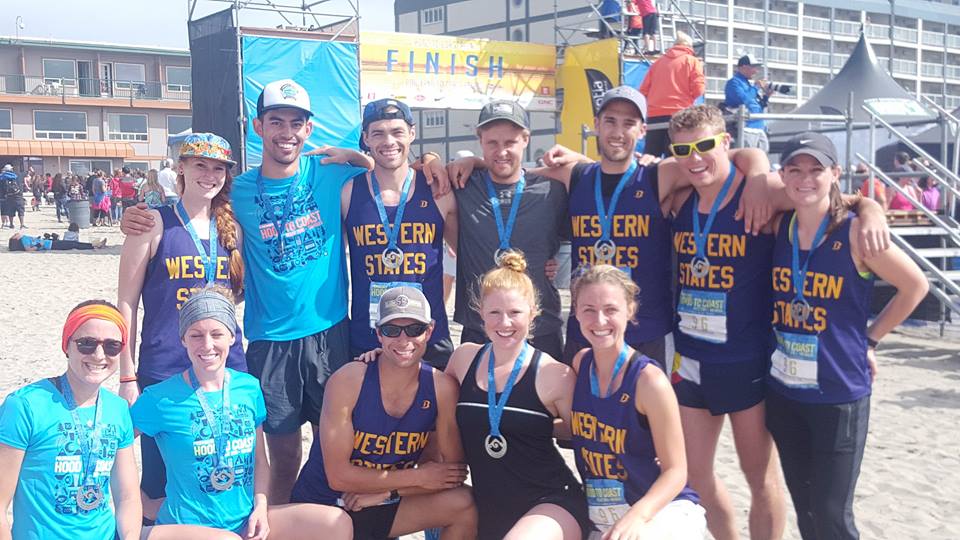
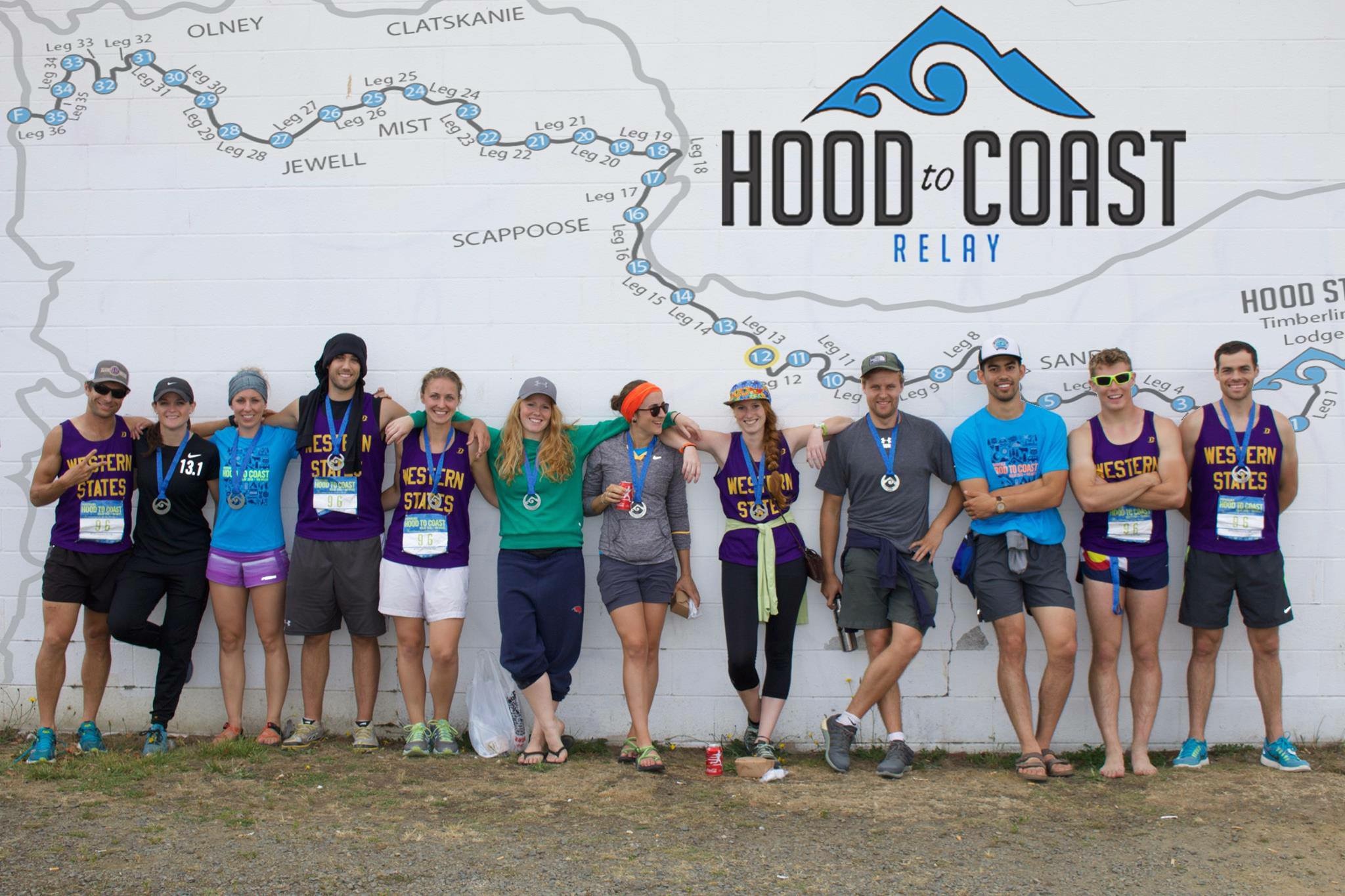
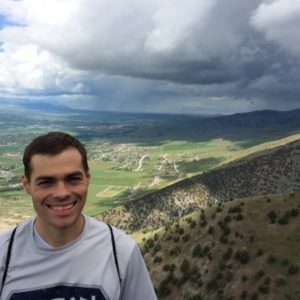
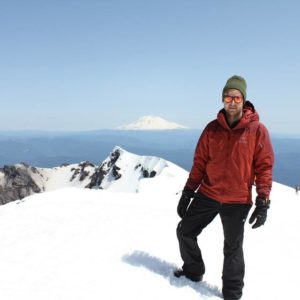
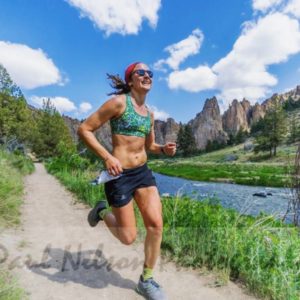
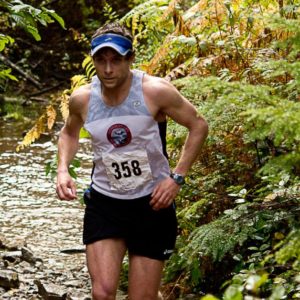
The University of Western States (UWS) running club will be representing the university August 26-27 for the Hood to Coast Relay. Below are profiles of the runners and what inspired them to commit to this two-day, 198-mile relay race starting at Timberline Lodge on Mt Hood and ending on the beach in Seaside, Oregon. The UWS massage program will also be on-site at the end, giving free massages. Come by, say hi and cheer on the UWS running club.


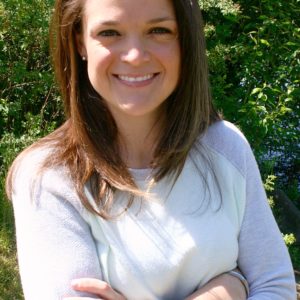
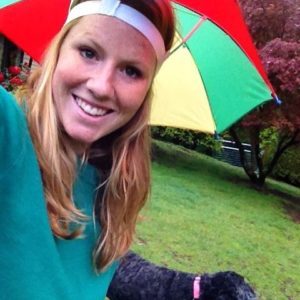
kelsey woodlandName: Kelsey Woodland
Program: Doctor of Chiropractic
Quarter: 8th

  1. What inspired you to want to compete in the Hood to Coast Relay?
    When I first came out to Portland to do my school tour, the race was being advertised on TV and I immediately knew that I wanted to run in it. I have always loved sports and have been an athlete my entire life. I thought that the idea of a team relay starting at Mt. Hood and running to the coast would be an amazing experience.
  2. Is this your first race? How did you prepare leading up to this event?
    This is my first time running Hood to Coast but I have competed in many other races including 5Ks, obstacle courses and a half marathon. My preparation for the event is running. I am trying to get in miles and run outside. I am a very active individual and I hike and strength lift as well.
  3. How do you feel this process helped you to become a better student and, one day, chiropractic physician?
    I want to work with athletes and this event has helped me to further listen to and understand my body and how it works. I now know more about what it can handle, when to take a break, how to prevent injuries and what rehabilitation is best post-race. It makes me a better student because, like all team events, it challenges me to work with others, practice my communication skills and learn how to solve problems.
  4. What has been your favorite part of this whole process leading up to the relay?
    I have really enjoyed getting into shape again. I was a collegiate soccer athlete at my undergrad and after the first couple of quarters of school I really let working out and being in shape fall to the wayside due to the workload. This event has helped me to time manage and learn to fit working out into my schedule as a priority.


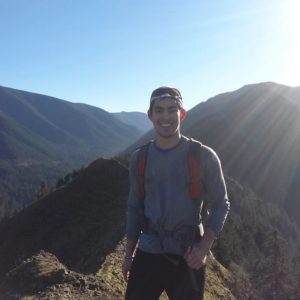
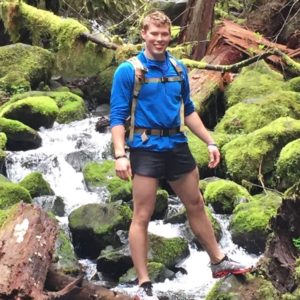
matt boetcherName: Matt Boetcher
Program: Doctor of Chiropractic
Quarter: 8th

  1. What inspired you to want to compete in the Hood to Coast Relay?
    I heard about the race before I moved to Oregon (from Minnesota) and when I got here it just became one of the things I put on my list to do while I was here. I’ve never been a distance runner so it’s something that I wanted to challenge myself to do.
  2. Is this your first race? How did you prepare leading up to this event?
    Before this I had only done a 5k. I used to run track however, so I know how to train but have had to greatly adapt my training style to prepare for something longer than a sprint race.
  3. How do you feel this process helped you to become a better student and, one day, chiropractic physician?
    I like to continue to push myself to do challenging things and become better – this carries over into all aspects of my life. School and my future as a physician are no different. I will always push myself to learn as much as I can to be the best at what I do.
  4. What has been your favorite part of this whole process leading up to the relay?
    Besides getting a new pair of shoes? Just adapting to a new type of training focused more on endurance than I’m used to. If you want to join next year, registration is really early. Do some research and stay on top of it when the registration starts. It fills up quickly.
  5. Please feel free to include any additional information you think readers would want to know about you/ the relay/ your team, etc.
    Bradley Crowe has been unbelievable at getting this whole thing set up. He was the one to get the ball rolling all the way to where we are now. He deserves a lot of credit for how smoothly this whole process is going to play out for our team. A huge thank you for what he’s done!


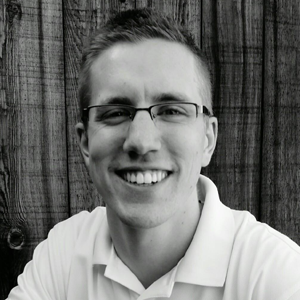
parker prattName: Parker Pratt
Program: Doctor of Chiropractic
Quarter: 8th

  1. What inspired you to want to compete in the Hood to Coast Relay?
    I have run races while I lived in Utah and have heard about Hood to Coast from family who live in Oregon. When I found out the running club was going to run it, I wanted to join. This relay race has a good reputation and I wanted to experience it.
  2. Is this your first race? How did you prepare leading up to this event?
    No, this is not my first race. I have been running more regularly and trying to eat better. Trying to find time to run while going to school and balancing time with family has been tricky, but definitely worth the effort.
  3. How do you feel this process helped you to become a better student and, one day, chiropractic physician?
    I have had some small injuries while training for the race; I have had to learn what to do to help make the injury better at a pace that was good for my training.
  4. What has been your favorite part of this whole process leading up to the relay?
    I have enjoyed the suspense. Not many on the team have run this race, so it has been fun to talk about what will happen and how we will handle each situation. I have really enjoyed training for it and figuring out which way to train is best.
  5. Please feel free to include any additional information you think readers would want to know about you/ the relay/ your team, etc.
    As a first quarter not knowing anyone when coming into the program, I got to know a lot of upper quarters through the running club. It was just another way to get to know more students.


cornelius van de wallName: Cornelius van de Wall
Program: Doctor of Chiropractic
Quarter: 10th

  1. What inspired you to want to compete in the Hood to Coast Relay?
    I’ve been getting more and more involved in amateur running competitions since moving to Portland. Since being at UWS I’ve met a lot of people that have similar interests, Hood to Coast seemed like a fun experience to share with them.
  2. Is this your first race? How did you prepare leading up to this event?
    Prior to Hood to Coast I will have done a 10k, a 5k and a sprint triathlon. My training for Hood to Coast overlaps with most of these fairly well, and recently consists of running 2-3x a week anywhere from 5k-10k.
  3. How do you feel this process helped you to become a better student and, one day, chiropractic physician?
    I think that maintaining your hobbies and pursuing new goals outside of the program is essential to performing well in the program. For me, running has taken my mind off of school, as well as provided me with a first-hand experience to injuries/issues that patients who are casual runners may present with.
  4. What has been your favorite part of this whole process leading up to the relay?
    Spending time with everyone together before we graduate is one of my favorite parts, but the personal fitness and stress relief has also been great.


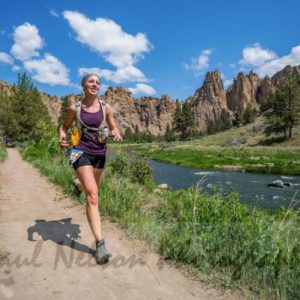
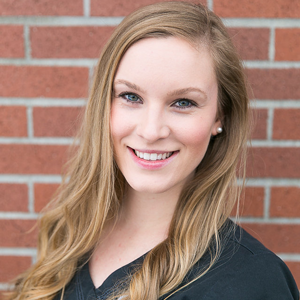
sissel-hollowayName: Sissel Holloway
Program: Doctor of Chiropractic
Quarter: 11th

  1. What inspired you to want to compete in the Hood to Coast Relay?
    I have run races my whole life but I have never participated in a team relay race. Hood to Coast is one of the original team relay races in the country. It has been on my bucket list ever since I moved to Oregon.
  2. Is this your first race? How did you prepare leading up to this event?
    This is my first Hood to Coast experience. I run ultra races and try to stay as active as possible to balance my lifestyle in school. The running club has been meeting up for trail runs and track workouts put on by the Nike headquarters to prepare for the race.
  3. How do you feel this process helped you to become a better student and, one day, chiropractic physician?
    This is a great opportunity to get to know other active health practitioners. This is also a great opportunity to educate the public on what we do as chiropractors. There are still a lot of people in the general population who have no idea of what we do.
  4. What has been your favorite part of this whole process leading up to the relay?
    Finding a solid group of people that can push each other and have fun at the same time.


bradley croweName: Brad Crowe
Program: Doctor of Chiropractic
Quarter: 8th

    1. What inspired you to want to compete in the Hood to Coast Relay?
      The Hood to Coast is a massive event. It’s one of those things that runners know of, even if they’re not from the region. So when I moved here for school, it was one of the first things that I looked into. I found a few people from school who might be interested and put in the application.
    2. Is this your first race? How did you prepare leading up to this event?
      I’ve been running and racing for about the last eight years, so I’ve lost count of how many events I have run. My focus has slowly been moving to longer distances, so now my main focus is on running ultra-marathons. Ideally, I like to train about 12 hours per week but with school I just get in what I can during the week. That means lots of loops around Glendoveer Golf Course with the rest of the team, or running in the trails around Mt Tabor. The main focus of my training is my weekend run, where I either head out to the Gorge for some good climbing or head to Forest Park for a long and fast run. I’m also doing a 24-hour trail relay at Haag Lake at the end of July, which will be perfect practice for Hood to Coast.
    3. How do you feel this process helped you to become a better student and, one day, chiropractic physician?
      For me, there are lots of things that transfer from running to the rest of life. One of the main populations that I would like to focus on working with is endurance athletes, so I think being an endurance athlete myself gives me some credibility and helps me to relate to them. Whole body health is a critical part of health care, and I think it’s also important to practice what we preach, so running helps to make me a good role model for an active and healthy lifestyle.
    4. What has been your favorite part of this whole process leading up to the relay?
      The camaraderie of the team is definitely the highlight. There is a group of us that often manage to get out and run together, which is great. Everyone also came together really well for the popcorn fundraiser that we did. It’s a good thing we get along, because we’ll be spending a whole lot of time together crammed in a sweaty van!
    5. Please feel free to include any additional information you think readers would want to know about you/ the relay/ your team, etc.
      The Hood to Coast Relay has been going on for the last 25 years. It starts at the Timberline Lodge and runs all the way to Seaside for a total distance of 198 miles. Teams are made up of 12 runners, with each runner doing three legs for an average of 16.5 miles per person. Our current predicted time is approximately 30 hours.


savannah-shortzName: Savannah Shortz, DC
Quarter: MSDI Radiology Resident – 2nd year

  1. What inspired you to want to compete in the Hood to Coast Relay?
    Oddly, being crammed into a van with a bunch of other runners while driving/running to the coast sounds pretty fun. The Hood to Coast relay is definitely a race that most runners have on their wish list, so when I was invited to be on the UWS team, I was stoked to be a part of it. Having to run three legs of the race, likely at odd times of the day, with questionable terrain, I know will be pretty challenging both physically, as well as personally. I always love a good challenge.
  2. Is this your first race? How did you prepare leading up to this event?
    I started running consistently about four years ago training for my first 5k. Since then, I have participated in several other races including 5ks, 10ks, half marathons and I finished my first full marathon in May of this year. Training for the marathon was extremely helpful in preparing me for the Hood to Coast relay in order to build the endurance to last the three legs of the race. Since completing the marathon in May, I’ve started to work more on my speed by adding weight training into my workouts in addition to tempo runs.
  3. How do you feel this process helped you to become a better student and, one day, chiropractic physician?
    As a current chiropractor, and future radiologist, I’d say that running in general has helped quite a bit in overall life management. Being able to juggle the stressors of both work and life have become much more manageable, and I know that is due greatly to the therapeutic benefits of running. The miles completed play a great part in the doctor I am and will be.
  4. What has been your favorite part of this whole process leading up to the relay?
    My favorite part of this process has been setting a personal goal and being able to achieve that. The other runners on this team are very good and very fast. It was my personal goal to get faster to be able to add something to the team. In the past couple of months, I’ve been able to shed a solid minute and a half off of my race pace, which has been quite the feat for me. I think the upcoming challenge of running a race with such great runners has given me the extra push to really meet my goals, and I’m extremely thankful for that.


kaitlyn-haeseName: Kaitlyn Haese
Program: Doctor of Chiropractic
Quarter: 11th

  1. What inspired you to want to compete in the Hood to Coast Relay?
    When I moved to Oregon to start school at UWS in August of 2013, I quickly learned of this unique running event. I had interest in participating in this event, but never guessed I would have the opportunity to do so. Easy access to the running community in Portland, as well as the development of our own running community at UWS, has made running an activity that I look forward to squeezing in between class and clinic requirements.
  2. Is this your first race? How did you prepare leading up to this event?
    I did a handful of road half-marathons when I lived in Wisconsin, and turned to trail races when I moved to Oregon. To date I have completed races as short as 15 miles and as long as a 50k. I am training for both this team relay race as well as another 50k race at the end of this summer.
  3. How do you feel this process helped you to become a better student and, one day, chiropractic physician?
    Running in general has helped me to stay healthy, manage my stress level, and balance my time. These are all skills I will need to have in order to find a balance between work and life when I am a doctor. Because with balance, you can be fully present. As a runner myself, I think that this experience helps me to better relate to and treat other runners that I see in clinic.
  4. What has been your favorite part of this whole process leading up to the relay?
    Several of the runners from the UWS Running Club have been participating in weekly speed workouts with Nike Run Club. Since I typically focus on endurance training, it has been a great way to stay motivated to work on increasing my speed, especially since each leg of this relay race is under eight miles.


ryan-takagiName: Ryan Takagi
Program: Doctor of Chiropractic
Quarter: 12th

  1. What inspired you to want to compete in the Hood to Coast Relay?
    It’s an opportunity to be with friends. It’s also one of the longest and largest relays in the world — that’s pretty cool.
  2. Is this your first race? How did you prepare leading up to this event?
    This is my first Hood to Coast. I don’t really have any training plans. I enjoy being outside, hiking and running with friends. Hood to Coast is a nice excuse to do more of that.
  3. How do you feel this process helped you to become a better student and, one day, chiropractic physician?
    It encourages balance between work and play. We get to share our passion and connect with people from around the world.
  4. What has been your favorite part of this whole process leading up to the relay?
    Even though we have all raced together before. This is one of the first times where it feels like we are a team. The matching jerseys make a difference.


rachel-wysockiName: Rachel Wysocki
Program: Doctor of Chiropractic
Quarter: 10th

  1. What inspired you to want to compete in the Hood to Coast Relay?
    I already love running and once you are done competing at school it becomes more of a solo sport. So the chance to run with teammates again is really exciting. Long relays like this are fun and miserable all at the same time. Going through those things with other people by your side is a lot like school. Difficult, but so rewarding when you’re done accomplishing it.
  2. Is this your first race? How did you prepare leading up to this event?
    No, I have run a Ragnar (same kind of race but on the East Coast) with my family and have another one right after Hood to Coast. I run most days anyways so I didn’t really change much of my routine to prepare for the race.
  3. How do you feel this process helped you to become a better student and, one day, chiropractic physician?
    I’ve always found that taking the time to take care of myself lets me put much more energy into school. Using this race as an excuse for training has definitely helped me mentally get through school. As a physician, it would one day be my dream to work solely with runners. Doing this race is just another way to relate to the patient population and go through what they go through.
  4. What has been your favorite part of this whole process leading up to the relay?
    Meeting the other runners at school and creating a little bit of a community with them on campus.


natasha-smithName: Natasha Smith
Program: Doctor of Chiropractic
Quarter: 8th

  1. What inspired you to want to compete in the Hood to Coast Relay?
    I love a good challenge and I have never done this race before!
  2. Is this your first race? How did you prepare leading up to this event?
    I have done a few races before. Typically, I run throughout the week and I like to incorporate weights for cross training.
  3. How do you feel this process helped you to become a better student and, one day, chiropractic physician?
    Exercise always helps me feel better and then I have more energy. I strongly believe that a positive mind set can help you retain information. We all have those classes we don’t like and they are always the hardest to learn. So staying positive and focused helps me.
  4. What has been your favorite part of this whole process leading up to the relay?
    I have enjoyed training, but race day will be the most exciting part.


jimmy-westoverName: Jimmy Westover
Program: Doctor of Chiropractic
Quarter: 4th

  1. What inspired you to want to compete in the Hood to Coast Relay?
    I have participated in relay races such as the Ragnar relay in my home state of Colorado. So when I was told that there was a race like that out here in Oregon, I was extremely excited to be a part of it. And after completing an Ironman in October, doing the Hood to Coast was a great new challenge.
  2. Is this your first race? How did you prepare leading up to this event?
    I have done a few races that are similar to Hood to Coast. What I have been doing to train is incorporating high-intensity interval workouts with runs incorporated, along with Olympic lifting.
  3. How do you feel this process helped you to become a better student and, one day, chiropractic physician?
    I feel that this experience will help me as a student because these types of events really bring the members of the team closer together. I feel that the bond made between individuals in this type of race will extend to lifelong friendships. These new friendships with people of varying quarters helps foster closer bonds and brings the school together. It will also play a role in school and in practice, because doing an event like this allows you to really get into the mindset of these athletes. It helps you understand what goes into doing an event like this so if you have a patient that has injuries but wants to do a race like this you know what it will take to make sure they are ready.
  4. What has been your favorite part of this whole process leading up to the relay?
    Knowing that there will be memories made during this event that I will never forget.


How you can help!

While their stories are different there is a common thread, they would love to see their UWS family members out there supporting them in any way possible. Here are some ways you can support the team and keep this tradition continuing:

  • Interested in running, join the UWS running club. Many of the members are seniors and will be graduating soon. Faculty and staff, that means you too.
  • Come down to the route and cheer the team on!
  • If you live near the route, the team is also looking for a place close by to resupply, shower and rest.
  • If you want to be more active than just cheering on, you can volunteer as a “side-line” person. This role helps pass out water and ensures the route is followed.

Interested in helping? Reach out to Bradley Crowe at [email protected].


Follow up to Dr. Woolsey’s Energy Drink Study

Dr. Conrad Woolsey, director of the sport and performance psychology program and faculty member of the Northwest Center for Lifestyle and Functional Medicine, recently published a research article in the American Journal on Addictions which examined the relationship of alcohol, energy drinks, and non-medical prescription stimulant use among high school students. The use of alcohol mixed with energy drinks has become a common practice among many adolescents, so Dr. Woolsey and fellow researchers were interested in examining how this behavior relates to other risky substance abuse behaviors. The study utilized data from a national sample of 12th grade high school students who participated in the Monitoring the Future Study. The data indicated that high school seniors who consume alcohol mixed with energy drinks were at a high risk to misuse prescription stimulants for non-medical purposes. The researchers found a correlation between increased frequency of alcohol mixed with energy drinks and increased frequency of both Ritalin and Adderall. While this research team has published several studies examining alcohol and energy drink consumption among college students, this study is one of the first to examine younger students. The research team conducting this new study included lead researcher Dr. Jeff Housman and Dr. Ronald Williams Jr., both of Texas State University. Read more here.

energy drink study follow up

DC + LMT = Love Update

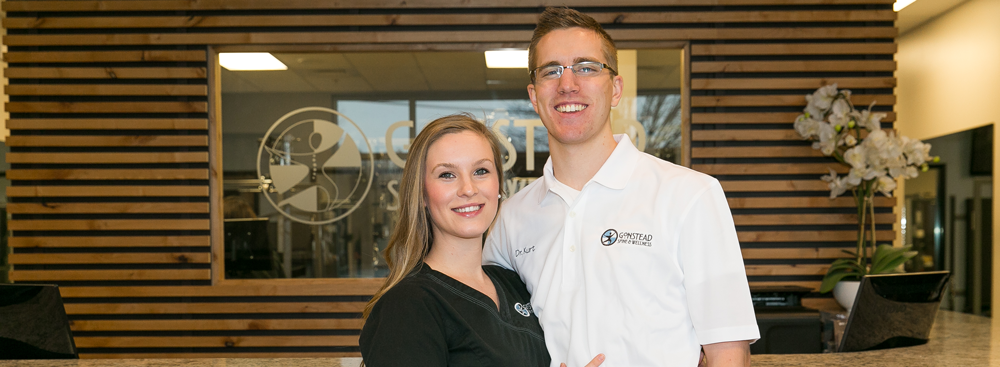
Remember Kurt and Justina Slonaker? As a married couple, they decided to attend UWS together, Kurt in the doctor of chiropractic program and Justina in the massage therapy program. Their intention after graduation was to build an integrated practice together as husband and wife, DC and LMT. We caught up with them after graduation to see what they were up to now.

Kurt Slonaker        Justina Slonaker

Kurt and I are currently living in Meridian Idaho. We are both treating patients at Gonstead Spine and Wellness. We work with a great team and have a busy clinic! Kurt sees patients full time and I work part time as an LMT. Kurt and I work closely together to determine the best outcomes for all of our patients. It has been really fun to work together! We have also been busy in our personal life. We now have a one year old son, named Bradley and we are expecting our second son in October!

slonaker-clinic

slonaker-baby

UWS Hires Dr. Bernadette Howlett as New Provost

She will also serve as vice president for academic affairs

PORTLAND, Ore., June 22, 2016 – University of Western States (UWS), a leader in the education of health sciences professionals, is proud to announce the hiring of Bernadette Howlett, PhD, in the role of provost and vice president for academic affairs.

“Dr. Howlett brings to UWS a strong background in student learning assessment, instructional design and educational technology. She has worked directly with the accreditation requirements of the Northwest Commission on Colleges and Universities, our regional accrediting agency,” said Dr. Joseph Brimhall, UWS president. “I am confident that her collaborative style and substantial expertise will guide the development and implementation of assessment and planning efforts within all of our academic programs.”

Dr. Howlett earned a PhD degree in adult learning and organizational development from University of Idaho and a Master of Science degree in instructional and human performance technology from Boise State University. She will be joining UWS from Pacific Northwest University of Health Sciences, where she served as the chief research officer for three years. During her time at Pacific Northwest University, Dr. Howlett oversaw and/or participated in a variety of academic functions including institutional and programmatic accreditation, assessment, interdisciplinary research, faculty scholarship and institutional effectiveness.

“I accepted the position at UWS because of the warmth and kindness of the people, as well as my passion for the types of health care programs offered at the university. I have a lifelong commitment to helping people maintain wellness. UWS’s programs perfectly align with my passion,” Dr. Howlett said. “Additionally, I am originally from Portland. It’s wonderful to return home, and particularly wonderful to be coming here to work at a place with such an amazing mission, staff, faculty and students.”

Dr. Howlett will join the UWS campus in late June 2016.


UWS to host national SACA Leadership Conference on Portland campus

The honor comes after the UWS SACA group was named chapter of the year

PORTLAND, Ore., May 4 – The University of Western States (UWS) chapter of the Student American Chiropractic Association (SACA) is slated to host the 2016 National SACA Leadership Conference on the Portland campus September 23-25. The conference is a chance for all current SACA national officers and chapter officers to come together and develop skills to be future leaders in the profession.

Conference activities include presentations by prominent speakers in the chiropractic world about their individual accomplishments and how they achieved success. Other speakers will discuss dealing with roadblocks in the profession and how they were overcome.

“This type of training is outside our education on how to be a doctor, diagnosing and treating,” Jacqueline Carlisle, UWS SACA chapter secretary and leadership conference chair said. “It teaches us how to embrace change and push for the evolution of the profession and ourselves.”

The current SACA leadership played a big role in bringing the event to the UWS campus. Carlisle along with Rebecka Dunn, leadership conference vice-chair, completed a proposal centered on the theme of “Innovate, Integrate, Motivate.”

“This conference theme proposal focused on integrating with other health care providers after graduation,” Dunn said. “We want students to become leaders in their communities and be able to work with other health care providers, not only to better the profession but to improve our health care system as a whole.”

The proposed topic of integrated health care was one factor that propelled the UWS proposal to be chosen. Another factor that led to the decision to host at UWS was their success as a chapter over the past year. The group took 40 students to the National Chiropractic Leadership Conference (NCLC) in 2016, a number that is more than double what they were able to fundraise for in 2015. The UWS SACA chapter also raised the most money for the political fundraising arm of the ACA. Topping it off, they placed third in the talent show at the 2016 NCLC conference.

“I could not be more proud of this group of determined students and their many accomplishments,” Dr. Joseph Brimhall, president at UWS said. “They understand the advocacy and hard work that must be undertaken in order for the chiropractic profession to flourish and they are taking action.”

This is the first time in many years the event will be held on a university campus after several stints at corporate-sponsored locations.

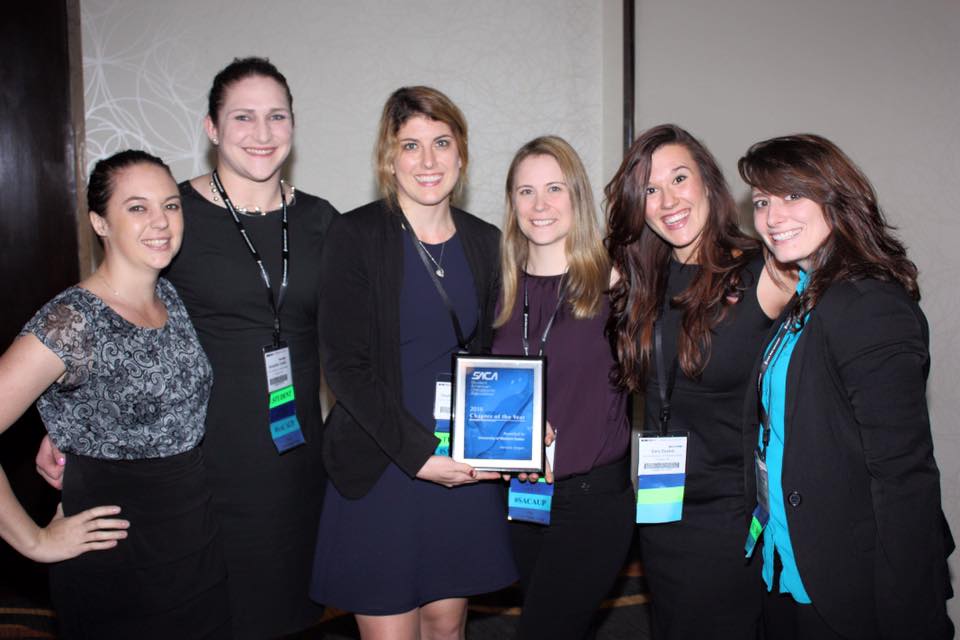
SACA chapter of the year 2016
Rebecka Dunn (10q, PR Chair), Jacqueline Carlisle (10thq, Secretary), Stephanie Halloran (9thq, President), Kathryn Knox Baker (5thq – Vice President), Sara Daskal (8th q, Legislative Representative), Cambrie Burns (10thq, PR Chair)

About University of Western States

University of Western States provides a science-driven curriculum that delivers a solid foundation and competitive edge in preparing students for clinical practice. UWS is a regionally accredited, independent non-profit institution dedicated to improving the health of society through its educational programs, research and clinical services. Founded in 1904, the university offers a doctor of chiropractic degree program; master’s degrees in exercise and sports science, human nutrition and functional medicine and diagnostic imaging; a massage therapy certificate program; a master of science and doctorate degree in sport and performance psychology; approved continuing education programs for licensed health care professionals; and we provide clinic services in five locations through Health Centers of UWS. UWS is a founding member of the Oregon Collaborative for Integrative Medicine, an organization that aims to advance integrative health care through education, research, patient care and advocacy. To learn more about University of Western States and its academic programs, go to uws.edu.

About SACA 
The Student American Chiropractic Association (SACA) is a professional organization representing chiropractic students. SACA serves to preserve, protect improve and promote the chiropractic profession and the services of future doctors of chiropractic for the benefit of the patients they will serve. The mission of SACA is to build a better future for the chiropractic profession to benefit patients and the community by advancing the professional development of chiropractic students through service, leadership and advocacy.


The National Chiropractic Leadership Conference 2016

Written by: Stephanie Halloran
University of Western States SACA Immediate Past President

SACA chapter of the year 2016
Left to right: Rebecka Dunn (10q, PR Chair), Jacqueline Carlisle (10thq, Secretary), Stephanie Halloran (9thq, President), Kathryn Knox Baker (5thq – Vice President), Sara Daskal (8th q, Legislative Representative), Cambrie Burns (10thq, PR Chair)

Two years ago, I decided to go to the National Chiropractic Leadership Conference (NCLC) as a 2nd quarter student. Part of the reason was the opportunity to leave school for three days, but mostly it was an attempt to appease my older sister. She was in her third year studying law at Florida State University and constantly telling me to be more active in the efforts to change health care laws and regulations instead of gripe about them. My thought process: go lobby one time and you’ll forever have a free ride to complain.

NCLC, for those who are not familiar, is a chiropractic conference that centers around three or four important issues identified by the American Chiropractic Association (ACA) that are addressed in individual meetings with legislators. The weeks leading up to NCLC are spent learning about the issue briefs, why they are important and how to talk about them with Congress. The first year I attended I was dating a veteran, so it made sense for me to gravitate toward the brief addressing veterans access to chiropractic care. As of right now, chiropractic physicians are only in 50 out of 1,200 Veterans Affairs (VA) facilities around the country. At the same time, the opioid epidemic is skyrocketing in this demographic because a majority of the musculoskeletal complaints are being managed through pharmaceutical treatment and surgery. By the end of lobbying day, presenting that brief became less about proving a point to my sister and more about fighting for the rights of our servicemen and women.

Following my inaugural attendance at NCLC, I was determined to get more students involved. In 2015, we were able to bring 19 students and in 2016 we took 38 students and one alumnus. Our campus support and participation throughout the year has been unparalleled, as was demonstrated when we took home SACA Chapter of the Year at the welcome meeting. Not only that, we were also the chapter to raise the most money for the ACA-PAC, the Political Action Committee of the American Chiropractic Association, and placed third at the SACA’s Got Talent show.

Ignoring all the awards and accolades, why is NCLC so important? Being able to talk about your profession to a layperson is one of the most valuable tools in promoting it. Chiropractic medicine is very misunderstood in the public and can be difficult for even established doctors to communicate about what it is we do exactly. We train our attendees how to describe chiropractic and its benefits in a short and concise way that is not defensive or derogatory toward other health professions. NCLC also offers an avenue for students to connect with other students and doctors at a national level. It is very easy to get trapped in the UWS bubble for three years and this conference prevents that bubble from forming. The people who show up for NCLC are some of the most driven and inspirational people in our profession. They are the ones working tirelessly to make the chiropractic future so bright, and helping to drive it into the future.

Chiropractic medicine is a service profession. We are being trained to treat the public and enhance the quality of life for our patients. This year we fought for veteran’s access to care, our inclusion in TRICARE, consideration for the U.S. Public Health Service Commissioned Corps and National Public Health Service Corps, as well as started a petition to change the coverage we have under Medicare. A majority of these issues are occurring due to lack of knowledge by the public as well as lawmakers and chiropractic physicians themselves.

I encourage current students to attend NCLC at least once while you are still in school. I promise you, the educational experience you have following your trip will forever be changed and you will have a renewed inspiration for what you have set out to do. If you are alumnae, I challenge you to reconnect with the ACA community as well as your local SACA chapter and offer your services. Your passion breeds our passion and our passion will breed the passion of future chiropractic generations. Our growth will inherently allow us to serve more of the population and help change the discriminatory laws we currently face.

Next year, I will be returning to Washington D.C. as an alumnus of UWS and nothing would give me more joy than to see 80 UWS students surrounded by fellow alums. Don’t be defined by what you did not know or did not do. Be proactive and be the change you wish to see in the world. And always – #SACAup!


Thanks in large part to Dr. Vern Saboe (class of 1979) and the Oregon Chiropractic Association, SACA received $3,500 in donations to help get them to the conference.

View more photos from the conference.

National Chiropractic Leadership Conference 2016
Left to right: Dr. Vern Saboe (ACA Delegate for Oregon), Lesley Redinger (10th quarter), Dr. Pat Browne, Congresswoman Bonamici, Urvi Khare (1st quarter), Allison Guyn (2nd quarter)

Human Nutrition and Functional Medicine Professor to be inducted into the Orthomolecular Hall of Fame

Human Nutrition and Functional Medicine instructor Michael J. Gonzalez, PhD, ScD, CNS, was recently announced as an inductee into the Orthomolecular Hall of Fame, which was established in 2004 by the International Society for Orthomolecular Medicine (ISOM). Based in Toronto, ISOM has national chapters in more than 18 countries. The term “orthomolecular medicine” was first conceptualized by Nobel Laureate Linus Pauling. He defined it as a branch of medicine that aims to provide an optimum, functioning environment for people based on individual biochemistry. Any deficiencies found in testing would be corrected using substances natural to the body such as vitamins and minerals, as food or supplements.

The total number of inductees in the Hall of Fame is 64, representing scientists from all over the globe. Dr. Gonzalez and his partner Dr. Jorge R. Miranda-Massari, are being honored for their significant contribution to orthomolecular medicine and most notably for their research on intravenous (IV) vitamin C and cancer. Dr. Gonzalez and Dr. Miranda-Massari are the first inductees from Puerto Rico.

Dr. Gonzalez, who teaches Oxidative/Reductive Dynamics and Energy Production in the all-online Master of Science in Human Nutrition and Functional Medicine program at UWS, will be formally inducted on April 30, 2016 at the 45th Annual International Conference, Orthomolecular Medicine Today 2016 in the Fairmont Hotel in Vancouver, Canada.

Michael J. Gonzalez Orthomolecular Hall of Fame