UWS Stands in Solidarity

University of Western States

We express our extreme sadness and outrage over the senseless killing of George Floyd in Minneapolis. Our hearts grow heavier as we recall the names of the other friends, family, neighbors and community members whose lives have been cut short by racial violence. We try to fathom the immense heartbreak and despair that their families are enduring, as we commit to the dedication of justice for all.

As a university dedicated to improving the health and well-being of society, we have an obligation to engage in an honest evaluation of where we are, to plan for where we want to be, and to take action to create a just and equitable world.

This is a time when we must not only reaffirm our university core values of inclusiveness and equity—we must also take constructive actions to validate our commitment to embracing people from all backgrounds, beliefs, lifestyles and races. We stand united in our solemn support of our black students, our black patients, and our black alumni and friends. We affirm our ongoing commitment to the work of educating for justice. 

We must speak out against this hatred and bias, the gross injustices, and the structural racism that have plagued our society for far too long. We all have a duty to call for profound change, to end this systemic discrimination, and to create a community of inclusion and safety for everyone. 

This is both an intellectual and a moral calling. As members of the UWS community, we urge everyone to join in making these changes a reality. It will take our collective steadfast commitment, directed effort and invested time. It is often uncomfortable to confront the ugliness of racism and bias. There is not an easy way to make this cultural shift, and it is our responsibility to make it happen—on our campus, and in the world.

We stand in solidarity with our black students and all people of color in the UWS community and around the world. We invite you to stand with us. 

Together, we will make a difference.

In solidarity,

University of Western States

Administration, Faculty, Staff, Students, Alumni, Friends, and Trustees

Learn more about the University’s equity and inclusion task force and initiatives.
 

Investment in Equity: Cultural Innovation at UWS

In early 2018, University of Western States formed an equity task force with faculty and staff, and the effort is supported by new clubs such as ENGAGE (Ending Negative Generalizations and Growing Equality), the first-ever Pacific Northwest chapter of the Student American Black Chiropractic Association (SABCA), and the growth of the UWS Allies Club.

CEI logo

As the U.S. population becomes more racially and ethnically diverse, UWS is taking steps to ensure that the university fosters a culture of inclusivity and that curricula supports cultural competence as a key student learning outcome. These steps are an important way to minimize racial health disparities in the communities that UWS students and alumni serve.

“As health care providers and educators, we share a duty to promote cultural competence in health care education, to expand access for integrated health care services, and to increase educational and professional development opportunities for students from diverse and underserved communities,” said UWS President Joseph Brimhall, DC. “We are proud to deepen our commitment to creating an open and inclusive community for our students and employees, so that we are best positioned to fulfill our mission to advance the science and art of integrated health care through excellence in education and patient care.”

In early 2019, UWS partnered with Portland’s Center for Equity and Inclusion (CEI). This consulting agency focuses their efforts on long-term and sustainable organizational change; guiding organizations through a process to create a more inclusive and equitable work environment. Notable local partnerships include the Portland Trail Blazers, Oregon Public Radio, the Oregon Food Bank and the Portland Art Museum.

The CEI approach the equity work focuses around the idea that, “in order for meaningful sustainable change to occur in any environment, a transformative process that includes all people and aspects of an organization must take place.” To support this transformative approach, UWS convened an equity task force comprised of faculty, staff and university leadership, with input from ASB and other key student groups.

“As a university that focuses on health sciences, we have a responsibility to promote cultural sensitivity and humility in our students so that they can be responsive to their patients’ needs and values,” said Alisa Fairweather, UWS director of community engagement. “Having a transformative culture shift that becomes the foundation for the way our university operates will hopefully attract and maintain a diverse cross-section of students, faculty and staff to the UWS campus, which will benefit us all. There is a significant lack of diversity in the health care professions, so part of our goal is to improve those statistics.”

The UWS equity task force, facilitated by CEI, is working through a three-step curriculum including consciousness-raising, tool-building and strategic planning. By taking the time to shift the university culture, UWS hopes to create lasting and meaningful change throughout the organization.

“The equity work that we are undergoing is fundamental, because it is helping us to better reflect on and identify who we are as a higher education institution so we can convey these ideas to prospective students,” said Laura Burbano, UWS admissions advisor. “This work has been important to me, because I envision equity as an invitation to step out of our respective comfort zones, questioning assumptions about who we think we are. As a Latina woman of color, I welcome new opportunities for leaning and growth and I deeply appreciate my colleagues and all of those who are embarked in this journey towards institutional change.”

“The [CEI] curriculum that has been presented to us has given me a different and more substantive understanding of the cultural and racial systems that I have been a part of my entire life,” said Dr. Kara Burnham, UWS associate professor in the department of basic sciences. “Seeing these systems through the lens that has been presented has taught me a great deal and has enabled me to identify and discuss aspects of racism that I simply did not recognize prior to this training.”

The work UWS is engaged in with CEI through 2020 is just the beginning. Over time, UWS will engage more staff and key stakeholders in efforts to continue to embed the principle of equity, diversity and inclusion into all aspects of the organization, from admissions, program curricula, student services, communication, the clinic system, community engagement, alumni relations and beyond.

“My department typically interacts with students early doctor of chiropractic program,” said Dr. Burnham. “Having the framework in place to make equity and inclusion a natural part of our community will set an expectation for both faculty and new students. As an institution, we must create a culture of inclusion as we move forward. Our students and employees must feel that this community is one that welcomes everyone.”

“This work will create a more welcoming environment for everyone, not just for people of color or traditionally marginalized groups,” said Fairweather. “It sets the bar for what the institution’s expectations are around inclusivity. From a community engagement perspective, it will send a clear message that we are committed to creating a safe and comfortable space for all of our constituents to learn, work and thrive.”

Mental Health and Resiliency During COVID-19

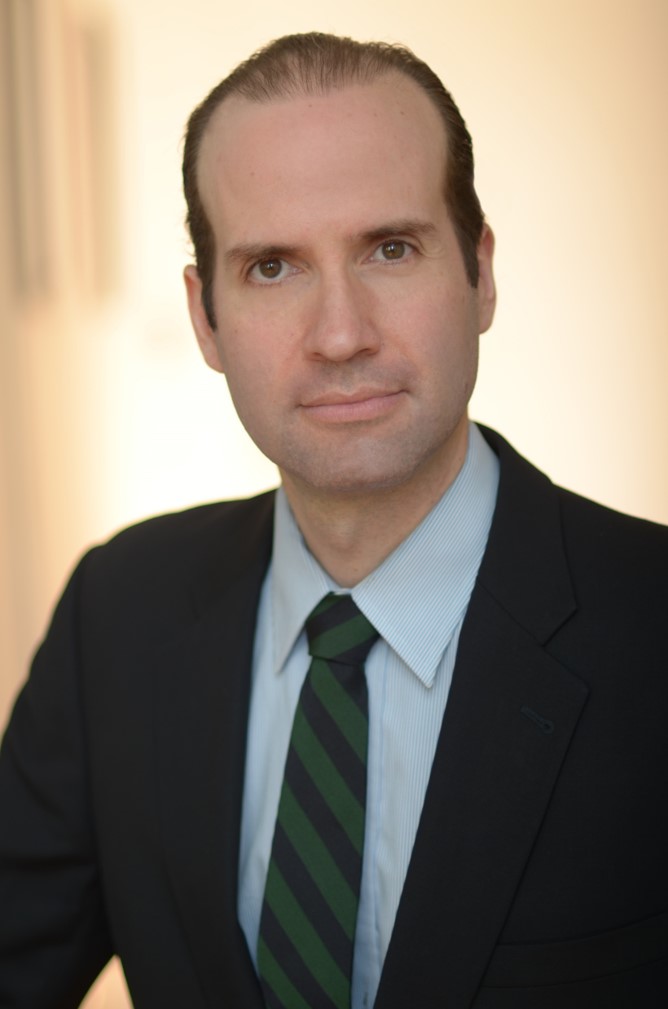
UWS Sport and Performance Psychology Alumnus, Justin Tausig, EdD, CMPC, LMHC (Class of 2017)

Twitter/Instagram: @drjustintausig


Justin Tausig head shot

With sports being on hold worldwide currently, what are some things athletes can do in the meantime to remain sharp and competitive?

We humans thrive on structure. In the absence of our typical pre-global pandemic routines that imposed an external structure on us, we should impose structure on our own lives. I suggest one hour per day minimum of the following categories:

1. Something that stretches you physically.

2. Something that stretches you mentally.

3. Something that stretches you creatively or artistically.

This will also keep you being productive and give you a reason to get out of bed every day. COVID-19 is not the universe pushing the pause button. This is not the time to maintain. Stay focused on your development and growth.

For those struggling with feelings of loneliness and isolation, what are some resources you could offer?

One of the big problems right now is the way this time is perceived. Language is important and by recommending “social distancing” it feels like complete isolation is the notion. It is physical distancing which is important to maintain, but continue being social! Connect and reconnect with people via telephone, texting, Zoom, Skype, FaceTime and Google Hangouts. Arrange virtual meet-ups for meals, drinks or just a chat. Do NOT cut yourself off from others. It is also a great opportunity to get in contact with old friends or people we’ve lost touch with, to ask how they’re doing and to catch up.

While public gyms are closed, what are some tips/tricks for athletes to remain physically and mentally fit?

Consult your doctor before engaging in any physical fitness routine, but there are many things you can do at home to stay fit. Look online for workouts that work for you, your level of fitness and your environment. Search the app store for something that appeals to you. There are fun and motivating programs available which link to fitness bands, connect with other users, or give points for completing the day’s goals. Set-up online appointments with a workout buddy or set an alarm to remind yourself to do something physical.

What are some mental imagery that athletes could tap into if/when sports return without an audience?

Remember your “why.” The reason or reasons you compete in your sport. Your “why” is going to be unique to you and probably won’t have much to do primarily with spectators. 

Closing thoughts –

This time is singular in anyone’s experience. While many people have suggested hiding in your PJs and just binge-watching stuff on streaming services, I don’t agree with that approach. In addition to structure, we humans also love being productive. So, do ONE thing every day that moves a project forward in your life. The people who will be best off at the end of this global pandemic will be the ones who can find ways to adapt and be productive during it. Be innovative! Above all, be safe!

Spring Term DC Student Blog No. 5

Spring Term Adjusting Lab Experiences

By: Caitlin Jones, Q7 UWS doctor of chiropractic and sports medicine student


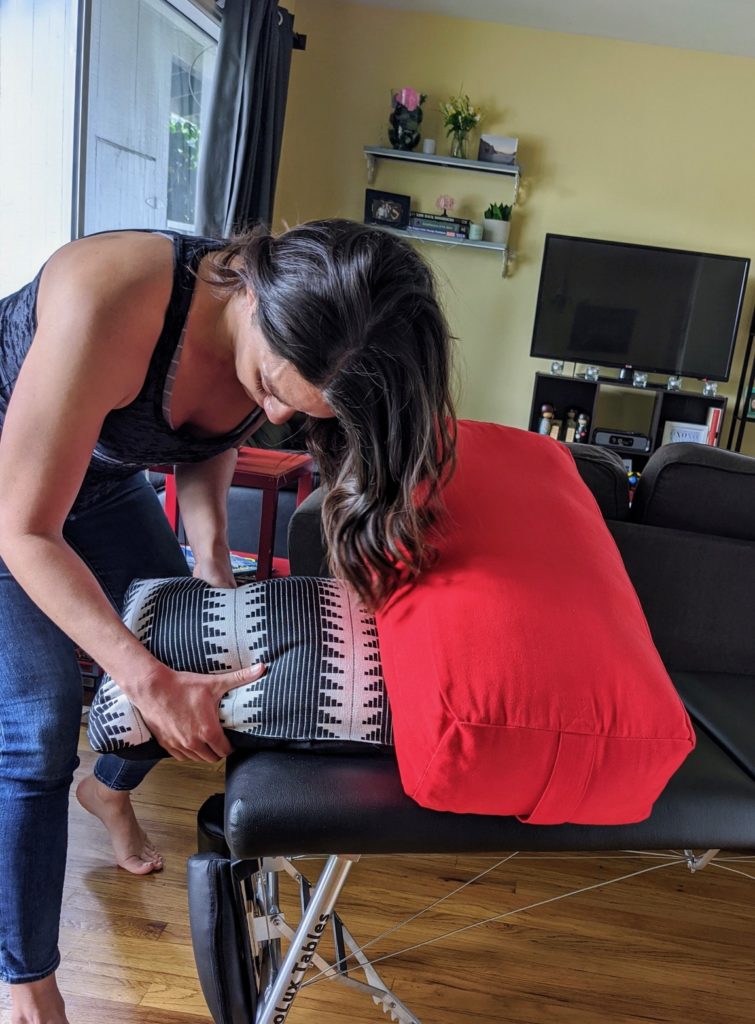
Caitlin Jones adjusting with pillow drill

When we were first told that our hands-on labs were going to be online, I was really skeptical. Especially since I don’t have someone in my household that I can work on. But after having a couple full weeks of online labs, it is going much better than I had anticipated. It’s still not an ideal situation, but given the circumstances, our professors did an amazing job with the transition.

With this environment, it’s easy as a student to forget to practice our skills and let the labs take a back seat. Lecture classes are taking more time than normal and they’re better suited for online learning. That and being in quarter seven, we have a number of time-consuming and exhausting courses! I keep reminding myself that I’m going into a hands-on profession and will only have a short time next quarter to catch up with my skills. So while I can’t work on an actual person – trust me, I’ve tried doing some of the set-ups on my foot and it did not work out well – I can work on my speed and body mechanics. My friend may not be able to take me dropping on them for an hour, but my yoga bolster sure can! 

Going into this quarter online, I thought that extremity adjusting would be the most difficult to practice without a partner to work on. However, on the first day of class when I asked Dr. Hatch how to best work on these skills alone, he not only provided some great advice, but he made a video on impulse drills that we can do with resistance bands and pillows! I would have never thought to grab a pillow or a band to work on as a substitute for a foot and it has really helped me feel more confident in my speed. This way, when I finally do get to work on real person, I’ll just need to work on the actual feel, not necessarily the set-up.

You may have heard of the basketball visualization study that was conducted in 1996. There were three groups, one shot free throws, another envisioned shooting free throws, and the third group did nothing. The amazing thing was that the group that never touched a basketball and only envisioned shooting free throws improved almost as much as the group that shot them all of the time. It’s an important study to show that even during this time when we can’t work on each other in a normal hands-on lab environment, we can still improve if we put the effort in and talk to our professors about how to best work on our skills.

UWS Alumnus Named NBCE At-Large Director

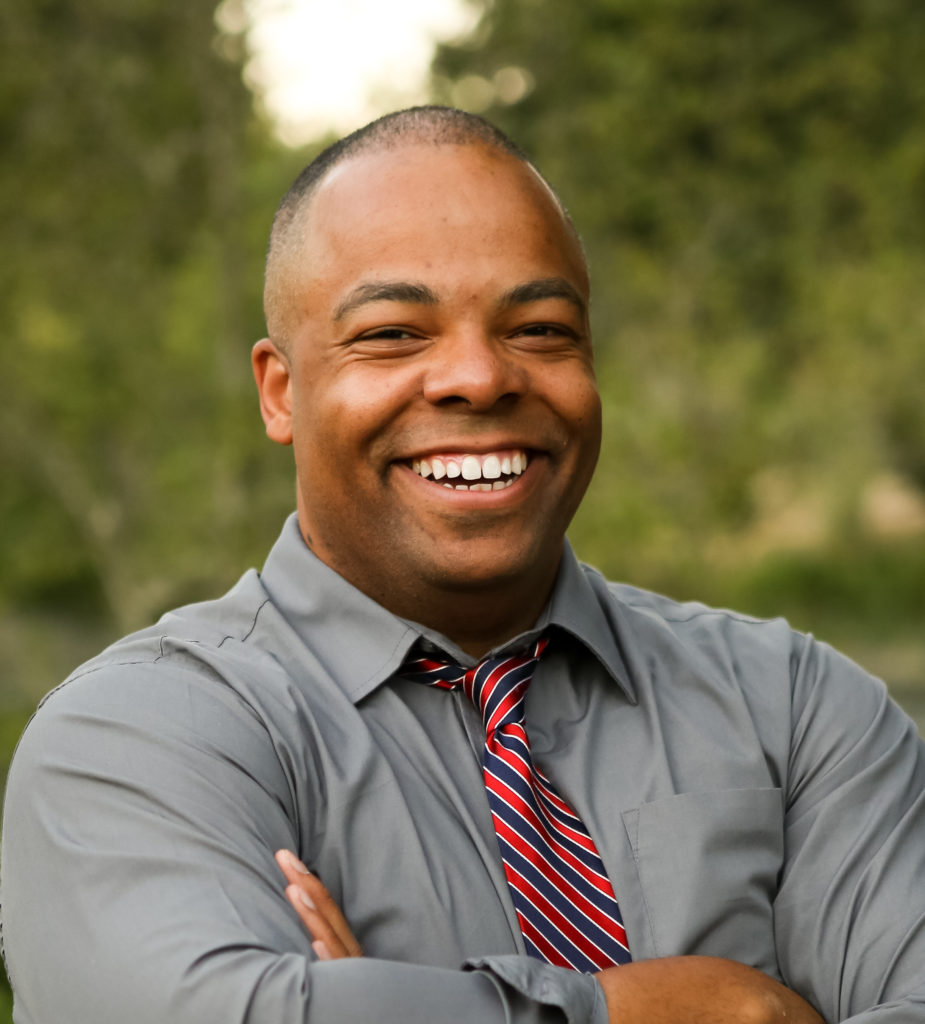
UWS Alumnus Jason Young, DC, (Class of 2007) has been elected as an at-large director of the National Board of Chiropractic Examiners (NBCE) and will serve a two-year term.


Dr Jason Young headshot

“It’s an incredible honor to be considered, let alone elected to the NBCE,” said Dr. Young. “It’s rare that one has the opportunity to be in a position where you can impact so many lives for good and I plan to take advantage of this for that very purpose.”

On the NBCE Board of Directors, there are five district directors elected by state delegates, two Federation of Chiropractic Licensing Board (FCLB) appointed directors and four at-large directors.

Dr. Young is the second black chiropractic physician to serve as a member of the NBCE Board of Directors.

“Also, as one of the very few black chiropractic physicians in the world today, I recognize the importance of what I’m doing for other ethnic minorities in the profession,” said Dr. Young. “There are far too few of us and I feel like this fact makes every one of us a trailblazer, in some respect. When we get to see somebody who looks like us ascend to the highest levels of leadership, it is a catalyst for inviting more participation from minorities in the profession who have an incredible amount of good to offer. While I don’t think that race, ethnicity, gender, etc., is a good enough reason alone for somebody to step into positions like this, I know that there are some people who may feel excluded, for whatever reason, because they lack the role models. I’m happy and honored to have the opportunity to be one of the role models for future, and better, leaders in our profession.”

Previously, Dr. Young served the NBCE as an examiner for the Part IV exam and committee member for the Part III and Part IV tests.

“I have loved all of the experiences I have had with the NBCE leading up to this point in my career,” said Dr. Young. “I even liked taking the tests, because they were an opportunity to showcase that all the sacrifices I made, and my family made, were valuable,” said Dr. Young. “I’m very excited to continue a tradition of excellence in testing that has been the hallmark of the NBCE as well as helping to innovate and create new solutions to accomplish the mission at hand.”

Dr. Young, who was named the 2016 UWS Alumnus of the Year, is also a graduate of the UWS human nutrition and functional medicine master’s program (Class of 2014). He currently manages a successful private practice in Corvallis, Ore., and serves as the chiropractic physician for the Oregon State University athletic department. He previously served two three-year terms as a member of the Oregon Board of Chiropractic Examiners (OBCE), two years as president.

“When I was a member of the OBCE, I worked to protect the public,” said Dr. Young. “I’m excited that now as a member of the NBCE I can work to protect and promote the chiropractic profession.”

Spring Term DC Student Blog No. 4

Tips from Dr. Lester Partna and Dr. Cortny Williams

By: Caitlin Jones, Q7 UWS doctor of chiropractic and sports medicine student

If you’re a current University of Western States (UWS) doctor of chiropractic (DC) student, don’t forget to check out the course “Navigating Your Spring Term DC Courses” that you’ve been enrolled in via webCampus! There are a ton of great tips including a “Quick Guide” created by student services. They reiterate much of the advice our professors are giving us along with other helpful tidbits!

And to help you succeed even more, here is some advice from Dr. Partna and Dr. Williams.


Q&A No. 1

Dr. Lester Partna, chiropractic sciences associate professor

lester partna

How are you adapting your lecture material for online learning?

Instructors have been using a number of different formats to deliver material for their lecture courses. I started off by using recordings supplemented by optional Zoom meetings. Hopefully, this allows for the clearest presentation of the material and gives some flexibility to the students for convenient viewing times. The optional follow-up Zoom meetings provide an opportunity for discussion and questions about the material.

Do you have any recommendations for how students can succeed in your class this term?

I recommend staying up-to-date with the material and not falling behind in viewing the lectures and reading the notes. I think that attending the Zoom meetings is also helpful, even for those who don’t have pending questions.

With labs being postponed, are there any at-home, hands-on activities that students can do to help reinforce your material?

This is the most difficult question. Students could definitely work on impulse drills and other things that they learned back in their adjustive skills class. I’m hesitant to recommend that students—at least those who are third through seventh quarters—practice adjustive setups unsupervised. Without appropriate instructor supervision and feedback, I would be worried that students might develop bad habits that would have to be corrected later.

That being said, I think that it might be beneficial for sixth quarter students to look through the adjustment videos for my sixth quarter cervical class and become familiar with the names of the adjustments and what they look like. That might speed up the process of learning those adjustments when we’re back in class again. The only drawback to that idea is that we might have to abbreviate the number of adjustments that we teach due to the contracted amount of time that we will have to teach them, and any pre-class preparation might go unrewarded.


Q&A No. 2

Dr. Cortny Williams, basic sciences professor

Cortny Williams

How are you adapting your lecture material for online learning? 

I chose to give all my lecture hours as synchronous, because I believe that having structure and purpose in a day promotes wellness. I use webcast, a live recording that allows discussion forum postings during the lecture for Q&A. After the webcast, I open a Zoom session so that we can have an interactive discussion that begins with polling questions and dives into open-ended questions to explore the material.

Do you have any recommendations for how students can succeed in your class this term?

My learners need to embrace self-directed learning and be open to asking questions and providing feedback when the learning outcomes or directions for tasks are not clear. Students need to be prepared to do the work. My expectations for learning did not change with the transition online. I did alter the way we engage with the material by removing high-stakes exams and creating essay assignments instead.

With labs/team recitation being postponed, are there any at-home, hands-on activities that students can do to help reinforce your material?

I have been trained in online team-based learning and I am excited to use my new skills! My course is entirely online this term. I refer to preparation in question two to help learners reinforce the material.

And for fun, what did you do during the quarter break?

I have two daughters and I have become a third grade teacher, a sixth grade teacher, a maestro and a physical education (PE) coach! My favorite is PE time because rain or shine, we go outside and run around our neighborhood and do calisthenics in the driveway full of laughter. This is a very special time for me, because I have an opportunity to engage with my family and develop our relationships in so many new ways.  

Next time, we’ll hear from Dr. Mia Crupper and Dr. Beth Dominicis!

Three Mindfulness Practices to Improve Leadership

Spring Term CMHC Student Blog No. 3

By: Chrissy Holm, EdD-CMHC, SP specialization student

In this blog post, Chrissy Holm, EdD-CMHC, SP specialization student details three mindfulness practices that can improve your ability to lead others, as well as yourself during times of stress or discomfort.

Mindfulness

Mindfulness is the ability to remain in the present moment without judgement and to be fully aware of where and what you are doing without overreacting or becoming overwhelmed. It’s an approach to one’s current experience with curiosity and openness that creates space between stimulus and response. An example I love to use with clients is to envision a spider in your hand. Your initial reaction may be to shake your hand to quickly release the spider, scream or smash it. This can sometimes feel similar to how we respond to stress or discomfort. Get it away! Is it gone yet? However, before slinging the spider in another direction, what if you took a breath, slowed down, stayed completely still and began to look at the spider with curiosity? How many legs does she have? How many eyes? Is she hairy? Maybe she has a name? Suddenly, the circumstances are transformed and you begin to want to lean in and find out more about this spider.

Similarly, by doing this, we can change the relationship we have with our thoughts, feelings and sensations, to be more responsive and less habitual or reactive. You can train yourself to move toward challenge or stress instead of away. There are many ways to practice mindfulness and across many contexts. Mindful eating, mindfulness meditation, showing up mindfully in relationships, spending time in nature, etc. are all great ways in which you can train your brain to slow down and lean in.

I’d like to recommend three mindfulness practices that can help you become a better leader by not only managing your own stress, but assisting others as well.

            1. Daily gratitude

            2. “Zen Ten”

            3. Belly breathing

Below are specific recommendations as well as an explanation of how these practices can affect your leadership skills.

1. Daily gratitude – Write down three things you are grateful for and why. Practicing gratitude improves resiliency and increases optimism. Human beings naturally focus on the negative as a survival mechanism. It’s better to focus on the tiger (king) coming after you than the beautiful butterfly in the air if you want to live to see another day. However, when we focus on perceived threats, we narrow our scope of vision and inherently shut down our ability to be flexible and creative. However, when you lead with gratitude, this positive perspective broadens your view and affords more creativity, growth, adaptability, etc. that is necessary for the types of stressors we face today. 

2. Take a “Zen Ten”- 10-minute meditation both morning and night. Spending 10 minutes to sit still and focus on your breathing regulates emotions and slows down overactive cognitive processing. If you’re feeling anxious, frustrated, disappointed or confused, these are all “intense emotions” and can signal to your body that you are stressed. When you can release that emotional tension, and simply notice it without judgment, it diffuses and becomes less powerful and controlling of your mind and behavior. As a leader, it is important to show up open, able to take in new information as it unfolds, and make thoughtful decisions when needed. At night, a Zen Ten also helps promote restful sleep by slowing down the mind in a similar fashion. Some mindfulness meditation apps I would recommend are Calm, Headspace and Insight Timer.

3. Belly/Diaphragmatic breathing for two to three minutes – This kind of breathingquickly decreases stress by breathing down into your stomach, expanding out on your inhale and contracting your stomach in on your exhale. This method of breathing stimulates the vagus nerve to slow down your heart rate by engaging your parasympathetic nervous system. Chronic stress can decrease immunity. If you want to have the longevity necessary to lead throughout many seasons of stress, then it’s important to keep chronic stress levels low. This type of breathing down-regulates the fight-or-flight stress response and allows you to return to baseline functioning.

Again, there are many ways to practice mindfulness, and it’s important to find which exercise works best for you. Choose one, choose them all, but create a routine of a daily mindfulness practice to gain the most benefit for your brain and body. Similar to how you build muscle in the gym, it’s important to get the reps in; if you don’t use it, you lose it.

Resource: https://mindfulnessexercises.com/mindfulness-exercises-for-professionals-leadership-motivation

University of Western States relocates to modernized campus in Northeast Portland

University of Western States (UWS), a private integrated health sciences university serving Portland since 1904 and the second oldest chiropractic university in the world, has relocated its campus to a vibrant leading-edge facility at 8000 NE Tillamook St. The new campus includes a 150,000-square-foot structure constructed in 2006 that formerly housed the world corporate headquarters of Banfield Pet Hospital. The university was previously located at 2900 NE 132nd Ave. in Portland.

birdseye campus shot

The university had originally planned to open its new campus doors for the spring quarter beginning April 6, 2020. Instead, administrators quickly regrouped and worked closely with the school’s information technology (IT) department to shift all classes online, allowing students to focus on distance learning services during COVID-19 shelter-in-place orders. Students adapted quickly, sharing photos of their virtual classrooms on social media.

“As an institution of higher learning that has been in Portland since its inception in 1904, we are celebrating this relocation and our commitment to the community,” said Joseph Brimhall, DC, president of UWS. “Despite the global pandemic, we succeeded in meeting our timeline and completing this complex relocation. I am proud of our team for accomplishing this historic move in the midst of challenging circumstances. This campus relocation enhances opportunities for collaboration with other institutions and community partners and fosters a healthy and sustainable center for generations.

The university is world-renowned for its excellence in providing integrated health sciences education. The prominently located new campus allows the university to better serve students and provide health care to members of the Portland community. UWS currently employs more than 150 on-campus staff members, enrolls more than 1,200 students, and continues to evolve and develop.

The impressive new facility offers innovative and versatile spaces, featuring hands-on laboratories, expanded meeting spaces, dedicated study settings, and dynamic work areas for faculty and staff. The campus features an advanced healthcare facility designed to fulfill patient needs and provide exceptional opportunities for clinical training.

new campus interior

UWS offers health sciences graduate education in the fields of chiropractic medicine, human nutrition and functional medicine, sports medicine, diagnostic imaging, sport and performance psychology, and clinical mental health counseling. University students from across the nation and around the world complete their studies both on campus and online.

Portland Mayor Ted Wheeler extended his congratulations to UWS students, Brimhall and the university team, stating, “It’s great to see the University of Western States settling into its newly relocated campus in the Northeast quadrant. Especially during this challenging time in our world, I’m impressed at how quickly they adapted to a distance learning format to protect the health of their students. As one of Portland’s oldest institutions of higher learning, UWS will no doubt thrive in its new environment and continue to create the future leaders of our community.”

U.S. Rep. Earl Blumenauer expressed his excitement for the congressional district, stating, “For the past 116 years, University of Western States has brought renowned health sciences programs and services to the Pacific Northwest. Its new modern campus promises to advance the art of integrated health care, which will help not only Oregonians, but patients around the world.”

“We’ve been anxiously awaiting this day since the university first announced its intention to move to the Madison South neighborhood,” said David Smith, president of the Madison South Neighborhood Association. “We welcome the UWS faculty, staff and students with open arms and look forward to the day when the shelter in place order lifts so our residents can explore the on-campus clinic.”

The campus relocation provides sustainability and stability during an era of significant institutional growth and development.

“University of Western States has created a unique opportunity to meaningfully engage members of our neighborhood as we serve the community,” said Dr. Brimhall. “We are excited to remain in Northeast Portland and look forward to physically moving into our campus and serving students for another 116 years!”

View a video about the move and virtually tour the campus. Additional details about the relocation can be found at uws.edu/facilities-planning.

Spring Term DC Student Blog No. 3

Tips from Dr. Bill Borman and Dr. Ron LeFebvre

By: Caitlin Jones, Q7 UWS doctor of chiropractic and sports medicine student

The spring 2020 quarter has proven to be a different one for sure! With the Doctor of Chiropractic (DC) program being so hands-on, it’s going to be a difficult transition, but our professors are working together to try to ensure that we get the best possible education we can. I spoke with a few professors before UWS decided it would be in everyone’s best interest to extend the online learning to labs for the quarter as well –, but their answers are still really helpful during this time! Currently, they are working together in a taskforce to deliver our lab content to us online and deciding how to best assess and prepare us as clinicians. My best advice now is to be patient and work with your Associated Student Body (ASB) reps if you have any questions or ideas!


Q&A No. 1

Dr. Bill Borman, basic sciences professor

bill borman

Do you have any recommendations for how students can succeed in your class this term? 

I think the key to success will be self-discipline in keeping up with content. It’s going to be very tempting for students to put off studying/learning, because they won’t have the obligation of being scheduled for class. They also won’t have the benefit of the group dynamic that comes with everyone going to class together and working or studying together. I anticipate developing the self-discipline to stick to a schedule dedicated to learning the content of each of the many courses students take in each term will be key to success.

With labs being postponed, are there any at-home, hands-on activities that students can do to help reinforce your material? 

I think the dissection lab is, by far, the best place to learn, understand and appreciate anatomical structures and their relationships. Losing the opportunity for students to continue that experience is disappointing, but prudent and necessary given the coronavirus circumstances. Given that, a viable alternative to participating in the dissection directly would be for students to observe the dissection remotely. As such, I’ve started recording myself doing the dissections students normally do for themselves. While I’m dissecting, I’m also recording the commentary I make while helping students in person – reviewing structures, describing relationships, quizzing, etc. I think these videos are going to be immensely helpful for students to observe the process and sequence of dissection, and hopefully, will be an acceptable alternative to the lost opportunity to dissect for themselves. I will also post review videos from a previous term in which I taught these courses and I already know students really appreciate those videos. 

And for fun, what did you do during the quarter break? 

Given the circumstances, we had to modify our plans for what we were going to do during the quarter break pretty substantially. Originally, my wife and I had planned on traveling to Wisconsin for 10 days to spend time with both our families. We decided it would be better and safer to stay home. I originally spent some time installing trim in the lower floor of our home (I’ve been working off/on for a number of years replacing all the interior doors and trim throughout our entire home.) Pretty quickly, though, I realized I needed to get in the lab and start dissecting/recording. It’s a pretty daunting project given the short timeline, but it’s going pretty well so far and I’m enjoying it. I think the students will really appreciate it as well.


Q&A No. 2

Dr. Ron LeFebvre, clinical education professor

Ron Lefebvre

Do you have any recommendations for how students can succeed in your class this term?

It is critical for students to structure their time. The daily course schedule usually does a lot of that for them. Now, however, many of the lectures are asynchronous and can be done at any time leaving the potential for time management chaos. Suddenly, all of the normal time guardrails have fallen down leaving an open range where I fear many will lose themselves. Students should create a tight schedule for watching videotaped lectures and accomplishing other training tasks as if they were back in school. They should also link with study buddies and meet via FaceTime/Zoom also on a regular schedule. This all is going to require the next level up of self-discipline.

With labs being postponed, are there any at-home, hands-on activities that students can do to help reinforce your material?

I’ll leave that advice to lab instructors—but obviously, if they don’t live alone, there may be people that they can safely practice some procedures on and if they can, they should.

And for fun, what did you do during the quarter break? 

Note that in class, Dr. LeFebvre told Q7 students that he has been hard at work over the break going through his courses and making them best suited for the new online format. He has also been going on numerous walks with his dog and enjoying time at home!

In future posts, we’ll hear from Dr. Cortny Williams, Dr. Mia Crupper, Dr. Beth Dominicis and Dr. Lester Partna!