
October is Chiropractic Health Month

UWS celebrates and promotes awareness

October is National Chiropractic Health Month, and as part of this national push to promote awareness of and celebrate the profession, University of Western States is participating in a number of ways.

  • Throughout the month of October, UWS will join thousands of chiropractic physicians and institutions nationwide in promoting #PainFreeNation on social media, a campaign to draw attention to the public health crisis caused by chronic pain and the overuse of prescription painkillers.
  • On October 16, the university will be promoting awareness of World Spine Day. This year’s event is aimed at raising awareness of “your back at work.” It will focus on the importance of education related to good spinal health and prevention of injuries in the workplace. On this day, people are encouraged to take a #spineselfie and post it to social media with #worldspineday.
  • The weekend of October 16-18, UWS is hosting the 2015 UWS Homecoming and NW Symposium. The theme for this year’s NW Symposium is “A community cultivating healthy lifestyles.” The focus of the event is integrated health care and will explore the latest research and provide dynamic speakers including Dr. Michael Gonzalez, Dr. David Seaman, Dr. Cheryl Hawk and more. Other events that weekend include the Homecoming BBQ on Friday, October 16, a reception honoring UWS faculty and a homecoming dinner on October 17. Learn more and buy tickets!

Umpqua Community College

Our thoughts go out to everyone affected by tragic shooting that took place at Umpqua Community College this morning. UWS takes the security of our campus very seriously and has emergency management procedures in place to help keep the campus safe. Whenever a tragedy like this occurs, it forces an institution to revisit their emergency preparedness plan to ensure that they are prepared for any type of emergency. UWS continuously reviews its emergency plan to have the most effective protocols in place. We also have an emergency alert system in place for all students, faculty, and staff. If you are not already registered, please be sure that you do so now: Employees and students may sign up for automatic alerts through the university website. Campus constituents must re-register annually.

Integrated Approaches to Tame a Tension Headache

headache

Stress can sometimes get the best of us. With the new school year in full swing, our busy work schedules and lots of family activities piling up, we often manifest our stress in the form of a tension headache. These headaches can be constant and nagging or intense and debilitating. Any way it appears, it puts a damper on daily activities. Our panel of natural health care advocates have come together to offer strategies to tame your tension headache. Their approaches may vary but each can agree on one main point – you must take some time for yourself to focus on self-care. When you’re pain free and full of energy, you can get more done and even have time left over to have fun.

Natural headache relief strategies:

MINDFULNESS | MASSAGE | CHIROPRACTIC | NATUROPATHIC | FUNCTIONAL MEDICINE


MINDFULNESS

By: Ami Brimhall, Mindfulness Facilitator

ami_brimhallWhen you’re feeling stressed, it’s common to carry it in your body in many ways; tense shoulders, tense jaw, shallow breathing, a stomach that feels like it is in knots and tension headaches. Funny enough, when we’re really stressed we may be experiencing physical pain and not even connect it to our thoughts, emotions and mental state. Here are two practices that I think work best to alleviate headaches and other physical symptoms of stress. Both practices can be done as either one long practice session (20 minutes or more) or several shorter sessions (3-10 minutes) throughout the day. I personally like the longer session where I can lie down, have my whole body supported and be thoroughly relaxed.

A diaphragmatic or belly breathing practice has many proven benefits in the reduction of stress, tension and anxiety. It can help calm the body’s “fight or flight” response and allows you to better focus your mind and relax the body. The new mobile app Breathe2Relax is a great portable tool to help practice a guided breathing exercise, and assess your stress level before and after your breathing session.

A body scan meditation can help you identify what you are feeling, where you are feeling it, and to release the stress in both your body and mind. It’s also a good way to release feelings of “needing to get stuff done.” You will still get things done, you just are more able to focus and drop the stressful feelings around it. It’s good to start with a guided meditation to get a sense of how to move your attention up or down the body. There are many free, guided body scan meditations available online. Find one with a good length for your available time and a voice you find engaging. At least once, do a scan that is longer than you normally would consider. You’d be amazed at the power of this type of practice when done for 40 minutes or longer.


MASSAGE

By: Christina Crawford, LMT, Health Centers of UWS, Salem Massage Therapist

christina crawfordI frequently hear clients say, “I had no idea I was that tense.” The stress that accompanies modern lifestyles often manifests as tension in the body’s muscles and is a known trigger for tension headaches. People often feel guilty about relaxing or taking time for themselves. They feel pressure from family, friends, work, etc. to spend every bit of their life providing for other people and making sure other people’s needs are met. It’s not until they begin to suffer muscles aches, fatigue, and headaches that they begin to consider they need to take time for themselves. As a massage therapist I give them that opportunity. The time they spend on my table is all about their needs and what they want. If an hour foot massage on a heated table is going to reduce overall stress and make their head feel better, so-be-it. Don’t be afraid to ask for what you want. Don’t suffer through too much or not enough pressure because you’re used to making everyone else happy. Ask for what you want and expect the outcome that you desire.


CHIROPRACTIC

By: Aaron Montgomery, DC, Health Centers of UWS Clinician, Gresham
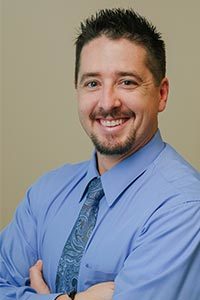
aaron-montgomeryAs the school year is starting and people are struggling to get back into the swing of things, stress and tension headaches are a common occurrence. I would recommend anyone who is dealing with chronic stress headaches get a proper examination and evaluation of the upper back and neck region. I do believe strongly that once this is done, there are many manual treatments including soft tissue work and chiropractic manipulation that would work wonders for stress headaches.

A crucial part of any stress headache treatment, from my perspective as a movement-based chiropractor, is to get the cervicothoracic region out of any problematic position it might be in, created by our modern day posture of sitting for long intervals.

Start by addressing your breathing. Sitting for long hours tends to promote a chest breathing type pattern that will only cause those upper thoracic and cervical muscles to get even tighter as the head remains in an extended position. Practicing diaphragmatic or belly breathing is a great first step to allowing those muscles to do less work in a tiring position. A good way to practice is to simply place one hand on the belly button and another on the upper chest, inhale through the nose and exhale through the mouth and feel for which hand is moving more. Ideally, we want the belly hand to move forward and back in the sitting position and the chest hand to do nothing at all.

To seal the deal for getting the neck to relax I like to have people assume a 90/90 position by lying flat on your back with your hips bent at 90 degrees and knees bent at 90 degrees with your legs supported on a chair/couch. If you tend to have excessive anterior head carriage (head considerably forward of a neutral position where your ears are in a plumb line with your shoulders), consider placing tw0-three inches of folded towels under your head. In this position, practice the diaphragmatic breathing drill above. Your belly hand should move up with nasal inhale and down with mouth exhale. This is a great position and drill to close eyes and work on mindfulness of just your breathing which should really allow for things in your back and neck to relax a great deal. Do this for 5-10 minutes, one to two times/day.


NATUROPATHIC

By: Daniel DeLapp, DC, Lac, ND, Health Centers of UWS Clinician, East Portland
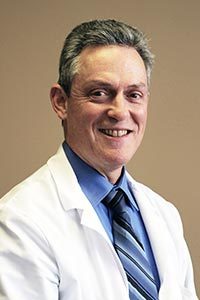
ddelappMassage and manipulation can do wonders to relieve an occasional tension headache, but finding ways to manage stress are crucial for optimal health and the relief of recurrent tension headaches. Stress plays a major role in the health of our immune system, brain chemistry, blood pressure, blood sugar levels and hormone levels. There are many techniques for managing stress such as exercise, hobbies, positive thinking, socializing and connecting with nature. However, without a strong foundation gained from getting adequate sleep and healthy eating, managing stress and recurrent tension headaches can be a losing battle. If you need an alarm clock to wake up in the morning chances are likely you are sleep deprived. Try going to bed in increments of 15-30 minutes earlier each week until you can wake up on your own.

The most important step in long-term management of stress is eating real food at the right time. Planning ahead is important for having good food available when you get hungry. Minimally processed foods like eggs, fish, meat, nuts, seeds, tubers, vegetable and fruit are best. Try to schedule time to eat without being rushed. Several times a day take several slow deep breaths, letting your body relax with exhalation. Even a 20-minute walk can help with relaxation, stress management and prevention of tension headaches.


FUNCTIONAL MEDICINE

By: Rachel Fischer, MD, MPH, Health Centers of UWS Functional Medicine Physician and Integrative Therapeutics Distinguished Professor
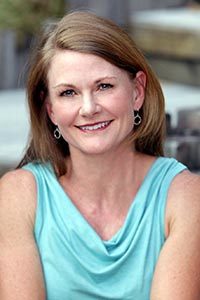
rachel fischerThe functional medicine approach to any diagnosis demands not only that we determine what disease the patient is suffering from, but also discovering the underlying physiological dysfunctions causing the disease. Treatment is aimed at correcting the dysfunction, not simply treating symptoms.

When a patient presents with a “tension headache,” the first step is rule out other causes of headache – such as migraine, cluster or secondary headaches. Each of these diagnoses is likely to have a different underlying cause.

To identify the type of headache, I would obtain a thorough history – including detailed information about diet, exercise, sleep and stress – followed by a physical exam. According to the Mayo Clinic, experts used to think tension headaches stemmed from “muscle contractions in the face, neck and scalp, perhaps as a result of heightened emotions, tension or stress.” But research suggests this may not be the cause – at least not the only cause. For this reason, functional medicine practitioners think about other possible triggers.

After the history and physical, possibly followed by laboratory testing, I would explore for evidence of significant stress (physical and psychological), hormonal imbalances, poor sleep (secondary to sleep apnea or other disorders), food intolerances, vascular disease, thyroid dysfunction, dehydration or adrenal imbalance. Of course treatment will be determined by the cause but could range from dietary adjustments, acupuncture, exercise/movement, supplements or even prescription drugs when necessary. Ultimately, healing from tension headaches is up to the patient, but as a functional medicine doctor, my role is to advise and coach individuals about how to allow healing to occur.


Falls Prevention Awareness Day is September 23

The National Council on Aging (NCOA) hosts Falls Prevention Awareness Day on September 23, 2015.  UWS wants to support this cause and bring awareness to the mission of fall risk prevention. Check out this infographic that highlights six simple tips to prevent falls and read below for a few more helpful tips.

Take Steps to Reduce Falls in Seniors

Falls Prevention Awareness Day, Sept. 23, provides a great opportunity for seniors and their families to learn about ways to help minimize the chance of a fall, which can lead to serious consequences for many people. In 2013, there were 2.5 million nonfatal fall injuries among older adults treated in emergency departments and more than 734,000 of these patients were hospitalized.

As we age, time takes its toll on the bodily systems that keep us balanced and standing upright. For example, sight or hearing loss can affect coordination. Nerves that carry information from the brain to muscles may fray and deteriorate, slowing reaction time and making it more difficult to move away from oncoming pedestrians or adjust to icy patches on a sidewalk. Normal declines in muscle strength and joint flexibility can hinder the ability to stand, walk and rise from chairs.

The American Chiropractic offers these suggestions to help reduce the chance of a fall:

Perform a home safety check

At least one-third of all falls involve hazards within the home. Most commonly, people trip over objects on the floor. See the National Council on Aging’s Home Safety Checklist and work with a family member or health care provider to evaluate your home for potential hazards and minimize risk of injury.

Build strength  and balance through exercise

Consider a general exercise program that includes activities such as walking, water workouts or tai chi—a gentle exercise that involves slow and graceful dance-like movements. Exercise reduces the risk of falls by improving your strength, balance, coordination and flexibility.

Review medications

The risk of falling may increase if you take certain prescription medications to treat age-related medical conditions. Many medications have side effects that can affect brain function and lead to dizziness or lightheadedness. Taking multiple medications magnifies the risk, as does combining prescription drugs with alcohol, over-the-counter allergy or sleeping medications, painkillers, or cough suppressants. Ask your prescribing physician to review your medications and reduce your chances of falling by using the lowest effective dosage. Also, discuss the need for walking aids or supports while taking medications that can affect balance.

Have your vision checked

Reduced vision increases risk of falls. Age-related vision diseases, including cataracts and glaucoma, can alter depth perception, visual acuity and susceptibility to glare. These limitations hinder the ability to move safely. It is important to have regular check-ups with your ophthalmologist. Also, regularly clean glasses to improve visibility.

UWS faculty Dr. Daniel Redwood gets the cover of the September ACA News

The director of the human nutrition and functional medicine program at University of Western States (UWS), Daniel Redwood, DC, recently made the front cover of ACA News for his article, “How many visits? Chiropractic dose-response research.”

The article discusses the various studies that have been done to put a figure on the number of visits to a chiropractic physician that are necessary for the average patient to receive maximum benefit for the conditions most often treated, including headaches, lower back pain and neck pain. The article also cites research recently done by fellow UWS faculty member Mitch Haas, DC, MA, who serves as associate vice president of research at UWS.

According to the article:

“The key finding on this economically and politically sensitive issue is that 12 chiropractic sessions with spinal manipulation ‘can have a modicum of benefit in LBP-related pain and disability without significantly increasing treatment or societal costs.’ In other words, the financial gain from an early return to work balances out the financial loss related to the cost of chiropractic treatment.”

Dr. Redwood is also launching a 10-hour series of online continuing education courses, Defending Chiropractic: Using Research to Defend and Promote Chiropractic, which can be accessed at uws.edu/ce/online-continuing-education-programs/.

Learn more about Dr. Redwood’s dose response article.

A sneak peek at Leaps into IM

By Freya Moran

The website is elusive about what happens at LEAPS, and I think for good reason.

Not knowing where the next week would go, I boarded a plane for Oceanside, Calif., the Saturday before finals week. LEAPS was to begin the following day at 4 p.m., and thanks to the Facebook page, I’d made plans to meet up with a student from Texas in Los Angeles and travel together from there. One missed train and a $300 taxi ride later, we arrived in Oceanside at the Old Mission in San Louis Rey at 9 p.m.

The next day, I opened my window to the most beautiful rose gardens and stone archways. The Old Mission is one of the oldest Franciscan monasteries in the country. The grounds have been used to host meditation seminars, rehabilitation programs and weddings, so to say it was one of the calmest, most relaxing places I’ve ever been would be an understatement.

By the time 4 p.m. rolled around, most of the students had already met one another, but our formal introductions took place in the dining hall. There we were sorted into groups of about five or six, introduced to the doctor who would be our mentor and given our first assignment in mindful meal preparation. We were given a book of diet-conscious recipes and each group was responsible for preparing one element of the dinner for our roughly 45-person group. A nutritional specialist coached us on the importance of presence and mindfulness in preparing a meal, as well as eating it. For the first time I had an actual workshop using what I’d learned about clinical nutrition and it gave me real, practical insight in what I would tell my patient with diabetes or hypertension to change their lifestyle.

The mornings at the monastery are spent in total silence until 9 a.m. There’s also no Internet, and cell phone use is restricted to two, one-hour blocks in the afternoon and evening. If the thought of this gives you anxiety, you’re in good company – but by the end of the week, the silence had become welcome and background noise became an insult to the mindfulness of the moment. Every day began with some kind of activity: tai chi, yoga, meditation, journaling and more, which was followed by breakfast provided by the monastery. The bulk of the morning workshops focused on some form of medicine. A speaker or group would come in to lead a short lecture and discussion about their specialty and the rest of the time was spent exploring the technique. Each speaker relayed the evidence and research supporting the use of their technique in practice and how it could be practically applied as an integrative approach. My personal favorite was the acupuncture workshop because, up to that point, I’d never been to an acupuncturist let alone read the literature on it. The speaker graciously used me as her workshop demonstration, and I received a full treatment for stress reduction – in a word, the results were amazing!

Each day at the LEAPS symposium was an exploration into these different disciplines. I experienced lectures in the efficacy of yoga and tai chi in the treatment of various diseases, nutrition counseling, the use of herbology, and the history of osteopathy and a demonstration of their postural assessment and general physical exam. If you thought the psychology of posture was purely a chiropractic topic, then you’d be shocked by what other practitioners are doing with it! There was also a panel discussion led by myself and the four other alternative care practitioners, but more on that later…

The whole program asked nothing of me but to have an open mind and to share my ideas. As someone who has a particular interest in a multidisciplinary approach to patient-centered care, I was exposed to many other styles of health and how to exist among them while maintaining my own philosophy and identity as a chiropractor. The primary care position is a malleable one, with enough freedom (and responsibility) to make it our own.

If you’ve ever had even an itch of interest in the way others practice medicine, then getting involved in the Student Alliance for Integrated Medicine (SAIM) and The Academy of Integrated Medicine (AIHM) are great places to start exploring the vision of integrative medicine. The reason I chose IM was because I discovered early on that even if I didn’t intend to practice in a multidisciplinary environment, my patients would. Knowing how to communicate with understanding and compassion is the key to truly serving your patient.

Study by Northwest Center for Lifestyle and Functional Medicine faculty confirms previous findings showing increased high-risk drinking and driving behaviors among students who combine energy drinks and alcohol

A larger sample of students were surveyed and additional variables related to impaired driving explored

PORTLAND, Ore., Aug. 13, 2015 – Northwest Center for Lifestyle and Functional Medicine (NWCLFM) faculty members Conrad Woolsey, PhD, CHES, CC-AASP, Ron Williams, PhD, CHES, and Will Evans, DC, PhD, MCHES, CWP, recently conducted a larger follow-up study on high-risk drinking and driving behaviors that replicates previous results suggesting that college students who combine alcohol and energy drinks are more likely to choose to drive drunk and to knowingly ride with an intoxicated driver, when compared to students who consume alcohol only.

This investigation represents an expansion of recent studies from this research team, which have been published in multiple peer-reviewed journals and subsequently featured by several news affiliates, such as ABC, CBS and Fox News. The last study on this topic gained considerable attention so the research team wanted to further validate these results.

“It is exciting to see our faculty doing important research that will have an impact on improving public health policy and integrated health care delivery,” Cheryl Hawk, DC, PhD, CHES, CWP, executive director of the NWCLFM said. “Our collaborative focus is on lifestyle and functional research aimed at advancing integrated health care delivery to those we serve.”

The recent investigation surveyed 605 college students regarding their perceptions of high-risk drinking and driving behaviors, as well as their energy drink consumption patterns. Out of that number, 281 participants reported drinking only alcohol within the last month and 268 acknowledged mixing alcohol with energy drinks.

The study’s statistically significant findings include:

  • Among combined-users (i.e., those who consumed alcohol with energy drinks), 36.3 percent indicated they had driven while knowing they were too drunk to drive compared to 17 percent of those who consumed alcohol only (p<.001).
  • 44.1 percent of combined-users said they had chosen to ride as a passenger in a car with a driver who they knew was too drunk to drive safely, compared with 23.6 percent of alcohol-only group (p<.001).
  • Combined-users were also significantly more likely (p <.001) to report indicators of high-risk alcohol use, such as more days drinking and getting drunk as well as riskier binge drinking episodes with more drinks per occasion.

“There is an increasing emphasis on prevention of injuries and dangerous behaviors in health care and public health,” said Dr. Williams, the main contributing author of the study. “We hope these findings can assist health care practitioners to better understand the complex relationship of energy drink consumption and the significant social and public health issue of drunk driving.”

To find out more information on the research team’s most recent article, “Combined Use of Alcohol and Energy Drinks Increases Participation in High-Risk Drinking and Driving Behaviors among College Students,” visit the Journal of Studies on Alcohol and Drugs. To learn more about the research team’s initial findings, read the manuscript “A Comparison of the Combined-Use of Alcohol & Energy Drinks to Alcohol-Only on High-Risk Drinking and Driving Behaviors,” published in the January 2015 edition of Informa.

Other investigations carried out by NWCLFM faculty have shown that increased energy drink use is also a significant predictor of increased illicit prescription stimulant use, with the odds for abusing prescription stimulants increasing by six percent with each additional day of energy drink use in the past 30 days.

Dr. Woolsey’s earlier manuscript, “Frequency of Energy Drink Use Predicts Illicit Prescription Stimulant Use,” published in Substance Abuse, the official journal of the Association for Medical Education and Research in Substance Abuse (AMERSA), was selected as best manuscript for 2014.
Along with Dr. Williams and colleagues at the NWCLFM, a larger follow-up study and even stronger manuscript was recently published by Substance Abuse. The article entitled “Increased Energy Drink Use as a Predictor of Illicit Prescription Stimulant Use,” takes a more comprehensive look at the topic of energy drink consumption and illicit prescription stimulant use. According to Dr. Woolsey, “These finding are important to health care practitioners because of the harmful interactions that can occur when energy drink ingredients, such as ginseng and yohimbe, are mixed with prescription stimulants.”