Learn how chiropractic physicians improve access to care in rural communities and how UWS prepares students for community-based practice.
For many in rural communities, access to care defines how health concerns are managed. Pain affects everything from how people work and care for their families to how they move through everyday life. When access to care is limited, even common concerns become difficult to manage.
Musculoskeletal pain remains one of the most common reasons people seek out care. Back pain, joint dysfunction, mobility issues, and more can affect daily tasks and long-term health. Chiropractic physicians play a key role in filling the gap in communities where healthcare is limited.
Rural Healthcare Shortages and Musculoskeletal Care Needs
The need for capable physicians is particularly clear in rural areas, where provider shortages and physically demanding work create additional strain for community members.
The Health Resources and Services Administration identifies many rural regions as Health Professional Shortage Areas, where patients lack consistent access to providers. Moreover, rural communities often rely on physically demanding work—which places continuous strain on the body.
This strain can lead to:
- Chronic back and neck pain
- Joint dysfunction and limited mobility
- Reduced ability to perform daily tasks
Industries such as agriculture and manufacturing put workers at a higher risk of injuries and illnesses. Without timely care, these issues can worsen and begin to impact overall well-being.
Patrick Battaglia, DC, assistant vice president of Community-Based Clinical Education at University of Western States, points to a key issue: access.
“Rural health is still a big gap, especially for chiropractic care,” Dr. Battaglia explains. “There are tremendous shortages.”
What Do Chiropractic Physicians Do in Rural Healthcare Settings?
Chiropractic physicians help diagnose and manage conditions of the skeletal and nervous systems, emphasizing noninvasive methods to restore movement and reduce pain. They focus on function and mobility capabilities, including:
- Spinal and joint restrictions that limit movement
- Biomechanical patterns that contribute to pain
- Functional limitations tied to daily activity
Careers in chiropractic are also expanding, increasingly incorporating medical specialties such as rehabilitation and whole-person care.
How Early Chiropractic Care May Improve Patient Outcomes
Timing plays an important role in musculoskeletal care. When patients have access to chiropractic care early, they may be less likely to rely on medications such as opioids and more likely to address pain before it begins to interfere with daily life.
Dr. Battaglia sees this as an important piece of improving community health.
“Seeing a chiropractor early in the course or episode of care has been shown to reduce the burden,” he shares.
For Dr. Battaglia, that conversation ultimately circles back to access.
“Really, it’s about access,” he says. “How do we continue to increase access for populations who otherwise have historically been insulated from chiropractic and haven't had access to improve population health? That's the problem we're trying to solve.”
Whole-Person Chiropractic Care in Rural Communities
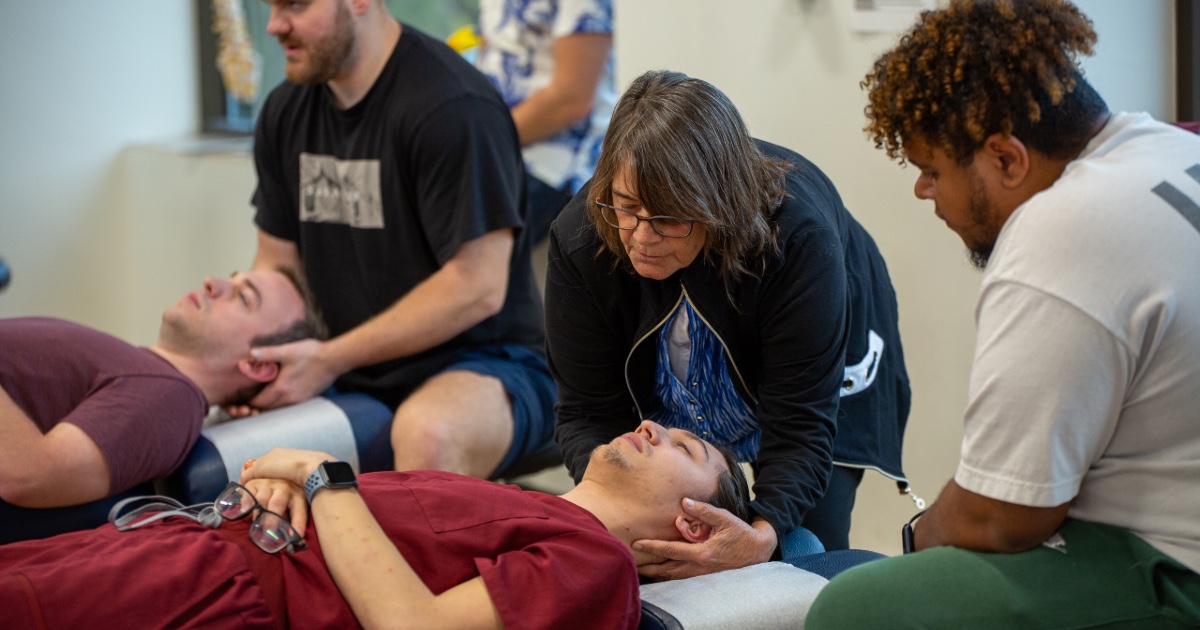
Chiropractic treatment often includes hands-on therapies such as spinal and joint mobilization, rehabilitative exercise, and patient education throughout the care journey, helping patients better understand their condition and take part in their own care.
At UWS, future chiropractic physicians are trained with a whole-person approach from the very beginning, preparing them to assess physical symptoms alongside factors that influence recovery and long-term function.
Chiropractic Physicians as Community Healthcare Providers
In rural communities, providers often take on a broader role. Chiropractic physicians may become a consistent point of contact for patients seeking ongoing care.
At University of Western States, students and faculty take part in community-based care that reflects actual patient needs.
“We have a free clinic, and we invest in that to increase access to the Portland community,” Dr. Battaglia explains. “Our attendings and students rotate out to different community health centers.”
These include Volunteers of America, Fora Health, Cascadia Healthcare, and more. He also describes outreach efforts through service learning that bring care directly into the community.
“There are a number of service learning events that our campus clinicians lead,” Dr. Battaglia says. “For example, they'll do pop-up clinics in Pioneer Square in Oregon or work with a community health network.”
How UWS Students Gain Rural and Community-Based Clinical Experience
Community outreach plays a key role in training. Dr. Battaglia notes that University of Western States teams have traveled to areas such as Tillamook to provide care.
“They saw about 35 people in one day, just caring for people who need these services,” he says.
The Community-Based Clinical Education (CBCE) model at UWS allows students to participate in real-world clinical placements across diverse health systems and geographic regions. With internships and preceptorships, students gain hands-on experience in settings that reflect the communities they will serve. By working directly with patients in underserved areas, students don’t just develop clinical skills come to understand access-related barriers through personal experience.
“When we talk about career outlooks, I tell students that if you're willing to move and you're not as tied down geographically, you'll have really good opportunities, especially in rural health,” Dr. Battaglia shares.
Learn More About Chiropractic Careers in Rural Health at UWS
Rural and underserved communities continue to face barriers to consistent musculoskeletal care, creating opportunities for chiropractic physicians to help their patients through hands-on, function-focused treatment.
At University of Western States, students in the Doctor of Chiropractic program gain clinical experience through community outreach, interdisciplinary training, and patient care experiences that prepare them for practice in a variety of settings, including rural communities.
If you’re interested in a career focused on improving access to care and supporting community health, complete the brief form below to learn more about the Doctor of Chiropractic program at UWS and connect with an admissions adviser.